
How to Get to Gujo Hachiman: 2026 Guide
Wondering how to get to Gujo Hachiman? Compare the Nagoya highway bus, scenic Nagaragawa Railway, and driving routes with 2026 fares, times, and booking tips.
On this page
Gujo Hachiman is a canal-laced castle town tucked into the Gifu mountains, about 90 minutes north of Nagoya. Because no Shinkansen reaches it, knowing how to get to Gujo Hachiman before you go saves real time and stress. We have weighed the highway bus, the scenic railway, and driving so you can pick the route that fits your day.
The short version is that the direct Gifu Bus express from Nagoya is the easiest and cheapest combination for most travelers. Rail fans and drivers have strong alternatives, and each has its own quirks worth knowing in advance. Last updated June 2026, with fares and patterns you should still confirm on official sites before traveling.
On one of our visits during the Gujo Odori season, the afternoon buses filled fast and standing-room felt likely. That single detail shaped this guide, because timing matters far more here than for a typical big-city day trip.
Quick Answer: How to Get to Gujo Hachiman
Quick Answer: The easiest way is the direct Gifu Bus highway express from Nagoya's Meitetsu Bus Center, costing about 1,500 to 2,000 yen (around $10 to $14) and taking roughly 90 minutes. For scenery, take the JR Takayama Main Line to Mino-Ota, then the Nagaragawa Railway into town for about 1,800 yen one way. Drivers can reach the Gujo-Hachiman interchange in about 80 to 90 minutes via the Tokai-Hokuriku Expressway.
Most first-time visitors should simply book the highway bus, since it skips transfers and drops you near the old town. We reach for the train only when the journey itself is part of the experience we want. Renting a car makes sense mainly when you plan to pair Gujo Hachiman with other rural Gifu stops on the same trip.
- Compare your three main route options
- Highway bus from Nagoya runs about 90 minutes for roughly 1,500 to 2,000 yen each way.
- Train via Mino-Ota and the Nagaragawa Railway takes around two to two and a half hours total.
- Driving the expressway takes about 80 to 90 minutes plus tolls and parking fees.
- Buses depart several times daily, so check the timetable rather than assuming hourly service.
- The bus wins on price and simplicity, while the train wins on river scenery and charm.
How to Get to Gujo Hachiman Step by Step
This step-by-step process follows the highway bus from Nagoya, the route we recommend for most travelers. Each step lists the typical cost and time so you can plan the day without guessing. Treat the schedule as a guide and confirm exact departures on the Gifu Bus site before you travel.
The whole trip is forgiving if you book ahead, since the hardest part is simply catching the right bus. Reserving matters most in summer, when the Gujo Odori festival packs every afternoon departure. Keep some cash handy, because the short final connection into town is easiest paid in coins.
Once you reach the old town, everything worth seeing sits within an easy walk along the canals. We have built in a little buffer at each transfer so a single missed connection will not derail your day. Reading our guide to the best time to visit Gujo Hachiman first helps you choose the right departure window.
- Step 1: Book the Gifu Bus express
- Reserve the Nagoya to Gujo Hachiman highway bus online or by phone a day or two ahead.
- Seats cost roughly 1,500 to 2,000 yen one way and the ride runs about 90 minutes.
- A common mistake is showing up without a reservation during the August dancing season, when buses sell out.
- Step 2: Get to Meitetsu Bus Center
- Head to the Meitetsu Bus Center above Nagoya Station, the main departure point for the express.
- Allow about 15 minutes to find your platform, especially during the busy morning rush.
- Arriving 20 minutes early gives breathing room to grab a coffee and confirm your gate.
- Step 3: Ride toward Gujo Hachiman
- Board the express and settle in for a roughly 90-minute climb into the Gifu mountains.
- The motorway scenery turns green and hilly once you leave the Nagoya plain behind.
- Keep your ticket or app screen ready, since staff may check it as you board.
- Step 4: Alight near the interchange
- Some services stop at the Gujo Hachiman interchange rather than directly in the town center.
- From there a short reserved taxi or local bus covers the last stretch for a few hundred yen.
- Confirm whether your specific bus runs into town or stops at the IC before you board.
- Step 5: Reach the old town
- Take a local bus, a taxi, or a roughly 20-minute walk into the canal district.
- The taxi runs only a few hundred yen and saves your legs for the hilly castle climb.
- We usually walk in fine weather, since the riverside approach is a pretty introduction to the town.
- Step 6: Start exploring on foot
- Once in the center, the canals, lanes, and castle are all within a compact walkable area.
- Budget a full half-day to enjoy the water town without rushing between sights.
- Our Gujo Hachiman Itinerary: A 1-Day Water Town Plan maps a sensible walking order for your hours in town.
Compare Your Options: Bus, Train, and Car
Each route to Gujo Hachiman trades cost against scenery and flexibility in a different way. The highway bus is the value pick, the railway is the experience, and the car is the freedom option. Knowing the trade-offs up front stops you from over-paying or over-planning the journey.
The Gifu Bus express is the cheapest single ticket and the only true door-to-near-town option. It runs several times a day, so missing one departure can mean a meaningful wait for the next. For a tight day trip, the bus almost always returns the best ratio of cost to convenience.
Choosing between routes also depends on where you start and what else you want to see nearby. Coming from further north, you can reach Gujo Hachiman from the Takayama direction by highway bus too. If you plan to continue exploring rural Gifu, compare the train and car carefully before booking anything.
- Route trade-offs at a glance
- Highway bus from Nagoya is cheapest at about 1,500 to 2,000 yen and takes 90 minutes.
- Train via Mino-Ota and the Nagaragawa Railway costs around 1,800 yen and takes over two hours.
- Driving via the Tokai-Hokuriku Expressway is fastest but adds tolls and town parking fees.
- Buses and the railway both run limited daily services, so build your day around the timetable.
- Drivers must use paid lots, because street parking in the old town is not permitted.
- From Takayama, a reservation-only Gifu Highway Bus also reaches the Gujo Hachiman interchange.
| Route | Time | Cost |
|---|---|---|
| Highway Bus (Nagoya–Gujo Hachiman) | ~90 minutes | 1,500–2,000 yen |
| Train (JR to Mino-Ota, then Nagaragawa Railway) | 2–2.5 hours | ~1,800 yen |
| Driving (Tokai-Hokuriku Expressway) | 80–90 minutes | Tolls + parking fees |
Gujo Hachiman Station and the Last Mile
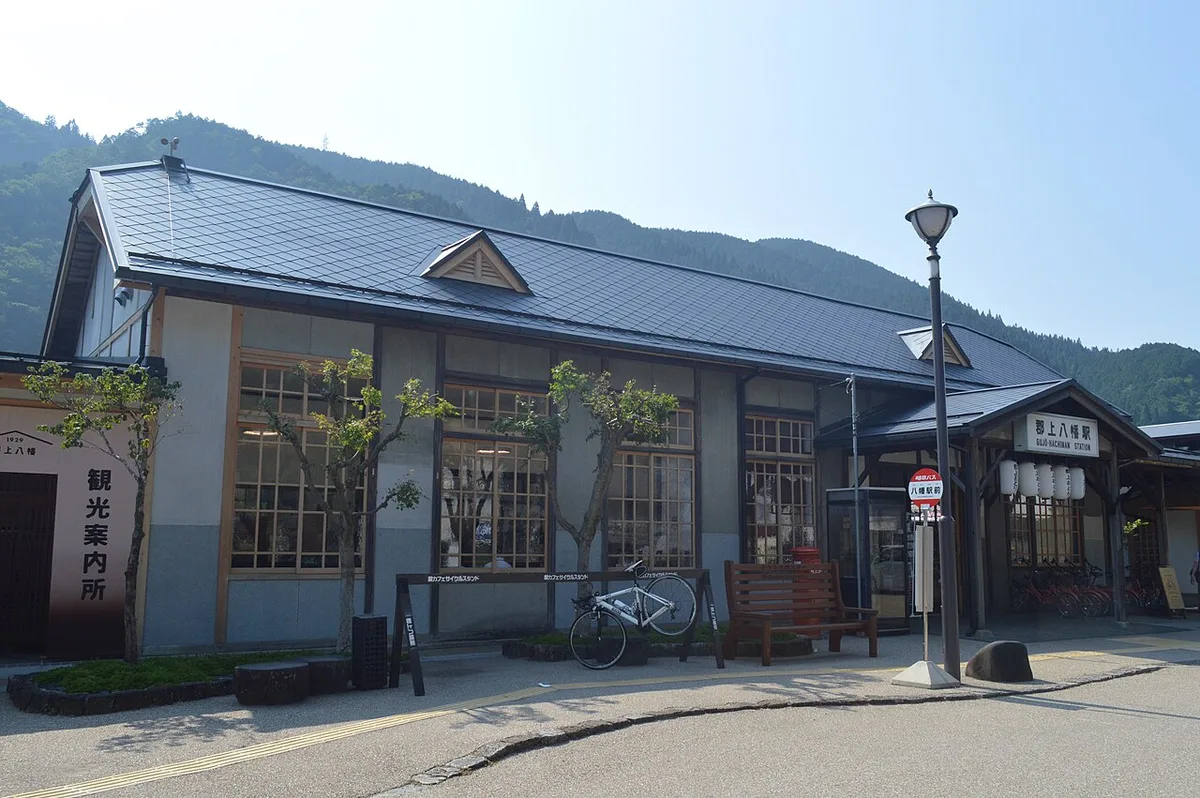
Gujo Hachiman Station is the small terminus of the Nagaragawa Railway and the heart of the rail route. It sits a short distance from the canal district, so a final hop or walk is always part of the trip. Knowing this last-mile detail prevents the surprise of arriving slightly outside the old town.
From the station, the central lanes are roughly a 20-minute walk or a quick taxi ride away. Highway bus riders who stop at the interchange face a similar short transfer into the center. Either way, the final connection costs little and rarely takes more than 10 to 15 minutes.
Once you land in the center, signposts and the river make the compact town easy to navigate. We like starting near Sogi Spring and following the canals toward the castle climb. Reading up on the top Gujo Hachiman attractions helps you plan which way to walk first.
- Sorting out the final connection
- From Gujo Hachiman Station, walk about 20 minutes or grab a short taxi into town.
- Interchange bus stops use a reserved taxi that costs only a few hundred yen per person.
- Carry coins, since small local transfers and honesty-box fees are easiest paid in cash.
- Confirm taxi reservations by phone in advance if your bus stops at the interchange.
- Save the station location offline, because mountain mobile signal can be patchy on arrival.
Is the Scenic Train Worth It?
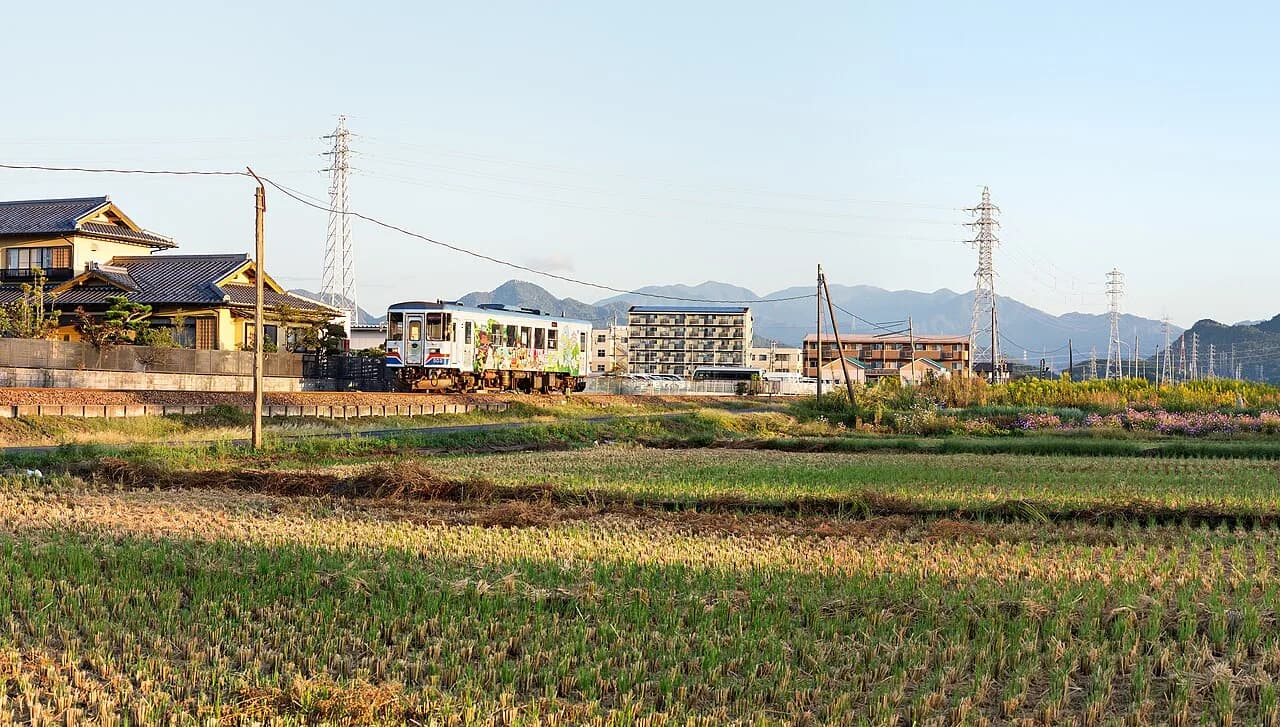
The train route swaps speed for scenery, riding the Nagaragawa Railway along a river the road never follows. From Nagoya you take the JR Takayama Main Line to Mino-Ota, then transfer to the local railway. Total travel time runs around two to two and a half hours, noticeably longer than the bus.
For railway lovers, that extra time buys gorgeous riverside views and a slow, nostalgic local train. Some services even feature a dining car, turning the transfer itself into part of the day out. We think the railway is worth it when the journey matters as much as the destination.
If you only care about reaching the canals quickly and cheaply, the highway bus remains the smarter pick. The honest trade-off is that the scenic train costs similar money but eats a chunk more of your day. Choose the railway on a relaxed itinerary, and the bus when every hour in town counts.
What to Know Before You Go
Timing is the single biggest factor in a smooth Gujo Hachiman trip, especially in summer. During the Gujo Odori all-night dancing in mid-August, trains, buses, and parking all fill quickly. Book transport and any taxi connections well ahead if your visit lands in that festival window.
Outside the festival peak, the town is calm and the bus is rarely a problem to catch. Even so, services are limited compared with big cities, so always note your return departure time. Missing the last bus or train back can mean an unplanned overnight in the mountains.
Gujo Hachiman pairs naturally with Gifu to the south and Takayama further north along the same corridor. Many travelers fold it into a longer Gifu loop rather than treating it as an isolated stop. For an overnight, our notes on Where To Stay In Gujo Hachiman Travel Guide cover the handful of central options.
- Before you go checklist
- Reserve highway bus seats early if you travel during the August Gujo Odori festival.
- Note your last return bus or train time before you start exploring the town.
- Carry cash, as small taxis, honesty boxes, and rural shops may not take cards.
- Download an offline map, since mountain mobile coverage can drop without warning.
- Wear sturdy shoes for the steep walk up to Gujo Hachiman Castle.
- Check festival and seasonal calendars before locking in your travel dates.
Reserve the highway bus a day or two ahead, especially during the August Gujo Odori festival when buses sell out quickly.
Frequently Asked Questions
What is the easiest way to get to Gujo Hachiman?
The easiest way is the direct Gifu Bus highway express from Nagoya's Meitetsu Bus Center. It costs about 1,500 to 2,000 yen and takes roughly 90 minutes. This route skips train transfers and drops you near the old town.
How long does it take to get to Gujo Hachiman from Nagoya?
The highway bus takes about 90 minutes from Nagoya. Driving via the Tokai-Hokuriku Expressway is similar at 80 to 90 minutes. The scenic train route through Mino-Ota and the Nagaragawa Railway takes around two to two and a half hours.
Can you reach Gujo Hachiman by train?
Yes, take the JR Takayama Main Line from Nagoya or Gifu to Mino-Ota, then transfer to the Nagaragawa Railway to Gujo-Hachiman Station. The fare runs about 1,800 yen one way and the riverside scenery is the route's main reward.
Is it hard to get to Gujo Hachiman during the Gujo Odori festival?
It can be, because mid-August all-night dancing fills buses, trains, and parking fast. Book your highway bus seats and any reserved taxi well in advance. Also confirm your return departure time, since last services back to Nagoya leave earlier than you might expect.
Getting to Gujo Hachiman comes down to one simple choice between speed, scenery, and freedom. For most travelers the direct Nagoya highway bus is the easiest, cheapest, and most reliable pick. Rail fans and drivers have fine alternatives, so long as they plan around the limited daily timetable.
Whichever route you choose, book ahead in summer and always note your last connection home. Do that, and this mountain water town rewards the modest effort it takes to reach it.
Free guide: Japan's Hidden Gems
12 under-the-radar places beyond Tokyo & Kyoto — with the best season to visit each and a local tip you won't find in the guidebooks.
You might also like


Continue reading
More guides you'll find useful


