

How to Get to Gifu: 2026 Travel Guide
Learn how to get to Gifu in 2026 from Nagoya, Tokyo, Kyoto and Osaka, with train lines, fares, times and the fastest route to Gifu Park.
On this page
Gifu City sits about 20 minutes north of Nagoya, which makes reaching it far simpler than most travelers expect. The short answer to how to get to Gifu is to head for Nagoya first, then ride one quick local train. We have routed this trip many times for readers, so this guide focuses on the fares, lines and timings that actually matter.
Two stations sit side by side in the city, JR Gifu and Meitetsu Gifu, and knowing which one you want saves real confusion. From either station, the main sights cluster around Gifu Park, a short bus ride away under the slopes of Mount Kinka. Last updated June 2026, with current line fares and the routing that keeps your day trip stress free.
How to Get to Gifu: Quick Answer
Quick Answer: The fastest way to get to Gifu is the JR Tokaido Main Line Special Rapid from Nagoya, about 18 to 20 minutes for roughly 470 yen / ~$3. Travelers using a Meitetsu pass can instead ride to Meitetsu Gifu in about 30 minutes for a similar fare. Coming from Tokyo, Kyoto or Osaka, take the Tokaido Shinkansen to Nagoya first, then add that short local hop.
Most visitors treat Gifu as an easy add-on while based in Nagoya, since the round trip barely dents a day. Our recommended Gifu Day Trip From Nagoya Travel Guide route uses the JR Special Rapid out and back for speed and value. If you would rather sleep in town, see our notes on where to stay before you lock in train tickets.
The one routing mistake to avoid is aiming for Gifu-Hashima, the Shinkansen station, which sits well outside the city. It looks tempting on a rail map because bullet trains stop there, yet the onward connection wastes time. Plan around Nagoya instead, and the whole trip stays short, cheap and predictable.
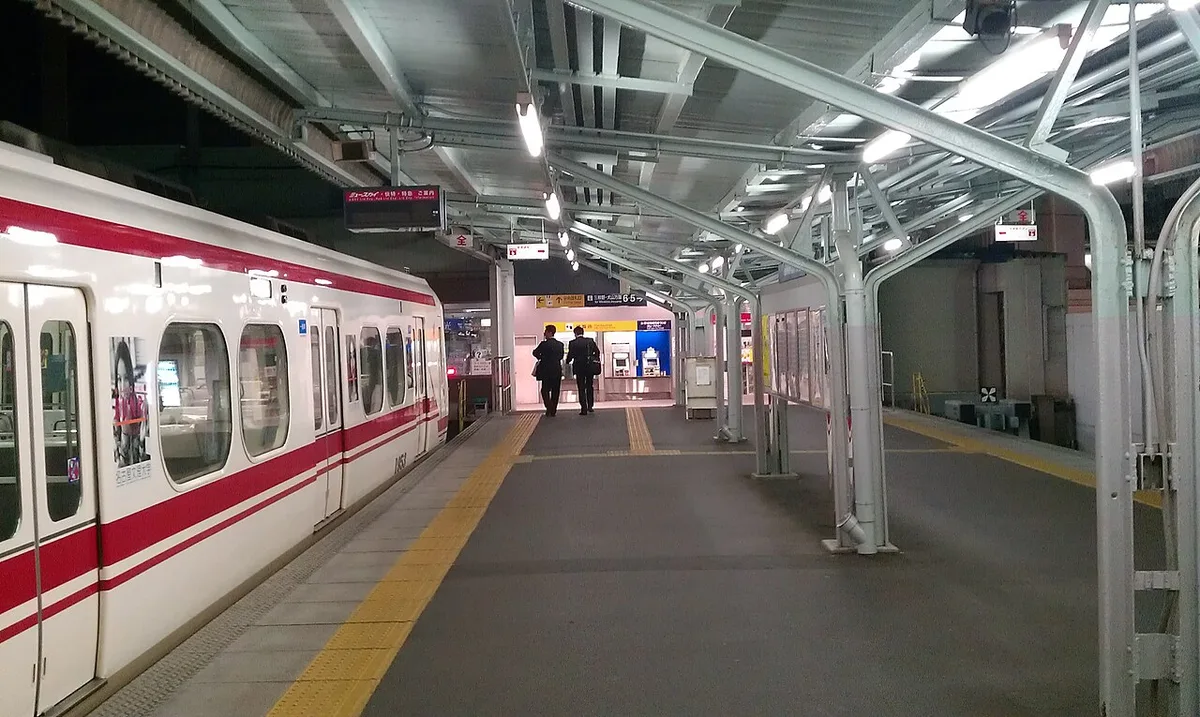
Step-by-Step: Getting to Gifu via Nagoya
Every practical route to Gifu funnels through Nagoya, the regional hub for the Chubu area and central Japan. Once you reach Nagoya Station, the final leg is a single local train that runs many times each hour. We break the journey into clear steps so first-timers can follow it without reading a single Japanese sign.
Reserve nothing for the local leg, since seats from Nagoya to Gifu are unreserved and trains are frequent. Keep a charged IC card ready so you can tap straight through the JR gates without buying paper tickets. Allow a little buffer at Nagoya if you are switching from a Shinkansen platform during busy holiday periods.
After arriving in Gifu, the sights are not at the station itself but cluster around Gifu Park to the north. A city bus from JR Gifu reaches the park area in roughly 15 minutes for a few hundred yen. From there you can walk to the ropeway, the river and the old merchant streets within a compact zone.
- Step 1: Travel to Nagoya first
- Reach Nagoya by Shinkansen, local train or flight, as it is the gateway for all Gifu routes.
- From Tokyo the bullet train takes about 1 hour 40 minutes, while Kyoto is roughly 35 minutes.
- A common mistake is booking straight to Gifu-Hashima, which leaves you stranded outside the city center.
- Step 2: Choose JR or Meitetsu at Nagoya
- Take the JR Tokaido Main Line Special Rapid for the fastest hop, about 18 to 20 minutes for around 470 yen.
- Meitetsu from Meitetsu Nagoya reaches Meitetsu Gifu in about 30 minutes for a similar fare.
- Pick JR if you hold a Japan Rail Pass, since it covers this leg at no extra cost.
- Step 3: Board the local train to Gifu
- Trains run several times an hour, so you rarely wait more than ten minutes on the platform.
- Seats are unreserved on this short ride, and the journey costs only a few hundred yen.
- Tap an IC card at the gate rather than queuing for a ticket machine during rush hour.
- Step 4: Exit at JR Gifu or Meitetsu Gifu
- The two stations sit side by side, so a wrong guess only costs a two-minute walk.
- Both have clear English signage and connect directly to the bus terminal out front.
- Pick up an area map at the tourist desk before you head for the park.
- Step 5: Take the bus to Gifu Park
- Catch a city bus from the JR Gifu terminal toward Gifu Park, about 15 minutes for a few hundred yen.
- This drops you near the ropeway, the river and the main cluster of sights.
- Buses thin out in the evening, so check the return time before you settle in for the afternoon.
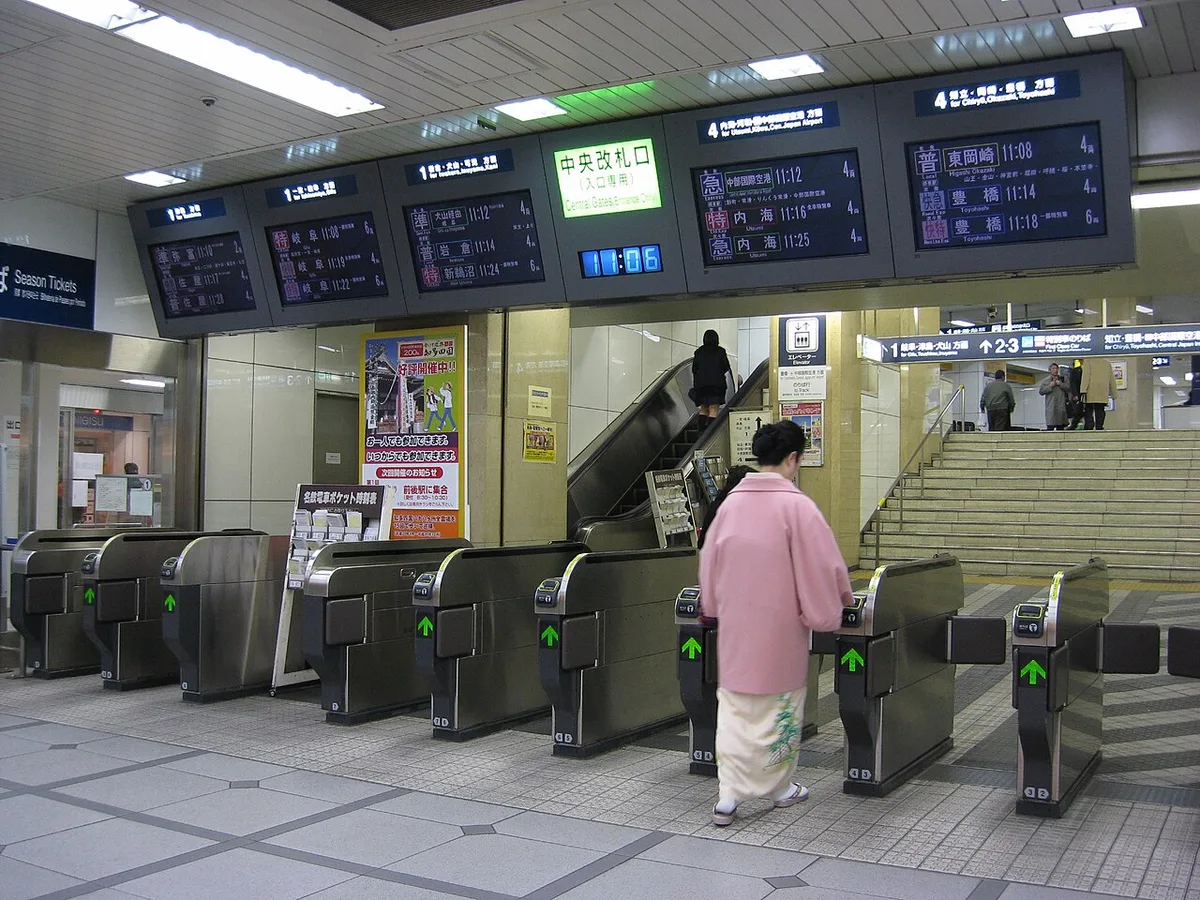
Compare Your Options: Nagoya to Gifu
The Nagoya-to-Gifu leg has three real choices, and the right one depends on your pass and your luggage. We list each with its typical cost, time and frequency so you can decide on the platform. For most visitors the JR Special Rapid wins outright on speed, price and simplicity.
Choose the JR Tokaido Main Line if you value speed or already hold a rail pass that covers it. The Special Rapid covers the gap in about 18 to 20 minutes for roughly 470 yen / ~$3 each way. Trains depart frequently through the day, so you almost never plan your morning around a timetable.
Pick Meitetsu when you are staying near Meitetsu Nagoya or want to reach the Meitetsu Gifu side of town. The ride runs about 30 minutes for a comparable fare, with departures every several minutes at peak times. A taxi or rental car only makes sense for heavy luggage or a group splitting one fare.
| Transport | Time | Fare | Frequency |
|---|---|---|---|
| JR Special Rapid | 18–20 minutes | ~470 yen (~$3) | Several times hourly |
| Meitetsu | ~30 minutes | ~470 yen | Very frequent |
| Taxi | Variable | Far higher | On demand |
- Nagoya to Gifu methods compared
- JR Special Rapid costs about 470 yen / ~$3 and takes 18 to 20 minutes, running several times hourly.
- Meitetsu costs a similar fare and takes about 30 minutes, with very frequent departures.
- JR Pass holders ride the JR line free, making it the obvious default for most travelers.
- A taxi runs far higher but suits late arrivals, heavy bags or small groups sharing the cost.
- Rental cars only pay off if you plan to tour rural Gifu Prefecture beyond the city.
Getting to Gifu from Tokyo, Kyoto and Osaka
From Tokyo, the cleanest route is the Tokaido Shinkansen to Nagoya, around 1 hour 40 minutes by Nozomi or Hikari. At Nagoya you transfer to that same JR Special Rapid and reach Gifu in about another 20 minutes. A Japan Rail Pass covers the Hikari and the local leg, though the faster Nozomi sits outside the pass.
From Kyoto or Osaka the pattern is identical, riding the Shinkansen to Nagoya before the short local hop. Kyoto to Nagoya runs about 35 minutes, while Shin-Osaka to Nagoya takes roughly 50 minutes by bullet train. Once you understand that every route ends at Nagoya, planning Gifu Itinerary One Day becomes far simpler.
Resist the temptation to book a bullet train to Gifu-Hashima just because it carries the Gifu name. That station sits out of town on the edge of the prefecture, with an awkward onward connection. Routing through Nagoya is faster, cheaper and the option every local would recommend.
Is Gifu Worth a Day Trip from Nagoya?
Because the hop from Nagoya is so short, Gifu makes one of the easiest day trips in central Japan. You can leave after breakfast, see the castle and river, and return in time for a Nagoya dinner. Basing yourself in Nagoya keeps lodging cheaper while still putting the highlights within easy reach.
The headline sights pack into a compact zone, starting with Gifu Castle on Mount Kinka above the park. Down at water level, Nagara River Cormorant Fishing Ukai season runs through summer evenings. Add the towering bronze Gifu Great Buddha Shoho-ji and the lanes of Kawaramachi Old Town Gifu for a full half day.
If you prefer a slower pace, an overnight lets you catch the river fishing without rushing the last train. Either way, the round trip rarely costs more than about 1,000 yen in local fares from Nagoya. That low cost and short time are exactly why we rate Gifu as a high-value half-day escape.
Before You Go and Common Problems
A little preparation removes nearly every snag travelers hit on the way to Gifu. Most issues come down to picking the wrong station or missing the last bus back from the park. Run through the short checklist below, then scan the common problems so none of them surprise you.
Timing the buses matters most, since the park service thins out earlier than the trains do. Keep your IC card topped up so neither the train gate nor the city bus slows you down. When fares or schedules look unclear, confirm them on the Gifu Convention and Visitors Bureau access page before you travel.
With those basics covered, the trip is genuinely beginner friendly and hard to get badly wrong. Even a first visit to Japan can fold Gifu into the schedule without any special planning. Save the checklist on your phone and you can almost stop thinking about logistics altogether.
- Before you go checklist
- Load an IC card such as ICOCA or Suica for trains and the city bus.
- Decide whether a Japan Rail Pass covers your wider trip before buying single tickets.
- Note the last bus time back from Gifu Park to the station.
- Screenshot the JR and Meitetsu departure boards for your travel day.
- Pack light, since the bus to the park gets busy on weekends.
- Check cormorant fishing dates if you want an evening on the Nagara River.
City buses thin out in the evening, so always check the last departure time back from Gifu Park before you settle in for the afternoon. This is the most common timing mistake on the day trip.
Budget Local Trains from Tokyo
Local trains from Tokyo to Gifu are possible, but they are a niche choice rather than our default recommendation. Expect seven hours or more, at least five transfers, and a regular one-way fare around 7,000 yen before you reach JR Gifu. That is slower than the Shinkansen and often not much cheaper than a highway bus, so the route only makes sense if you actively want a slow rail day.
The exception is travel during Seishun 18 Ticket periods, when unlimited local and rapid JR rides can make the long route cheaper for flexible travelers. We would only choose it with a light bag, an early start, and a route checked in a planner with Shinkansen and limited express services turned off. For most first-time visitors, the better budget comparison is the overnight highway bus to Nagoya or Gifu, then the same short local connection into the city.
Frequently Asked Questions
How long does it take to get to Gifu from Nagoya?
The JR Tokaido Main Line Special Rapid reaches Gifu from Nagoya in about 18 to 20 minutes for roughly 470 yen. The Meitetsu line takes around 30 minutes for a similar fare. Both run frequently throughout the day.
Should I take the Shinkansen to Gifu-Hashima?
No, Gifu-Hashima sits outside the city with an awkward onward connection. Ride the Tokaido Shinkansen to Nagoya instead, then transfer to the short JR or Meitetsu local train. That route is faster, cheaper and far less confusing.
Does the Japan Rail Pass cover the trip to Gifu?
Yes, the pass covers the Hikari Shinkansen to Nagoya and the JR Special Rapid local leg to Gifu. The faster Nozomi is not included, so choose Hikari to travel without extra charges. The Meitetsu line is also not covered.
Is Gifu a good day trip from Nagoya?
Yes, Gifu is one of the easiest day trips in central Japan. The hop takes about 20 minutes each way and round-trip fares stay near 1,000 yen. You can see the castle, river and old town in a half day.
Getting to Gifu really comes down to one rule, which is to route through Nagoya rather than Gifu-Hashima. From there a single short train and a quick park bus put you among the city's best sights. Whether you visit from Tokyo, Kyoto or a Nagoya base, the journey stays fast, cheap and easy to repeat.
Free guide: Japan's Hidden Gems
12 under-the-radar places beyond Tokyo & Kyoto — with the best season to visit each and a local tip you won't find in the guidebooks.
You might also like


Continue reading
More guides you'll find useful


