

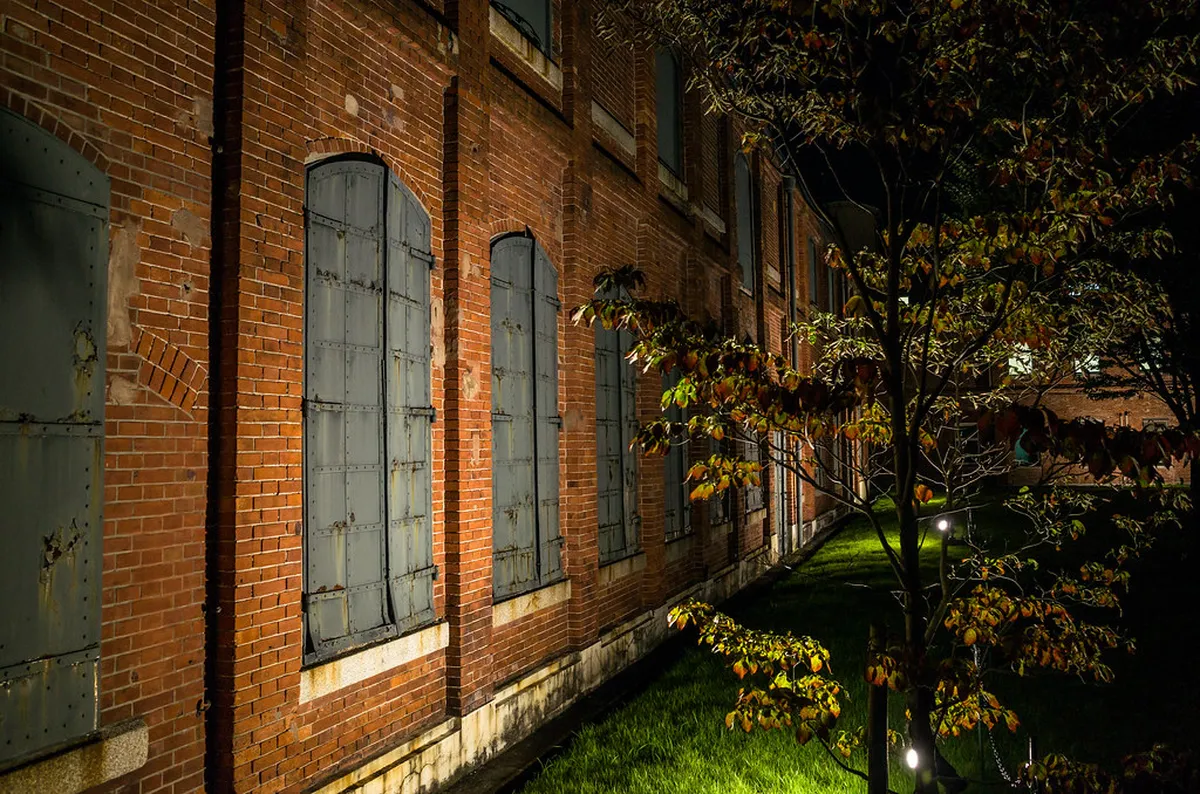
Noritake Garden sits on the former factory grounds of the Noritake porcelain company in Nishi Ward, Nagoya. The red-brick buildings alone are worth the detour — they are unusually well-preserved for a site converted from heavy industrial use. Entry to the grounds and gallery is free. Adults pay ¥500 to enter the Craft Center and museum, and everyone under 18 gets in for nothing. For half a day that balances genuine cultural interest with a hands-on workshop and open green space, this is one of central Nagoya's more satisfying options in 2026.
The complex is compact and easy to navigate. Most major facilities sit within a few minutes' walk of the main entrance. The adjacent Aeon Mall Nagoya Noritake Garden adds dining and retail fallback without requiring you to leave the precinct. Plan two to three hours for the grounds and museum, and add ninety minutes if you do the painting workshop.
Noritake Garden at a Glance
The address is 3-1-36 Noritakeshinmachi, Nishi-ku, Nagoya 451-8501. The Craft Center and Museum open 10:00–17:00, closed Mondays. If Monday falls on a national holiday, the site stays open that day and closes the following Tuesday instead. The winter closure runs from 26 December through 3 January. The Gallery building keeps slightly longer hours — 10:00–18:00, last admission 17:30, closed Mondays — and entry is free. The Retail Shop is also open 10:00–18:00, closed Mondays and 1–2 January.
Admission to the Craft Center and Museum is ¥500 for adults, ¥300 for seniors aged 65 and over, and free for anyone under 18. Persons with a disability certificate enter free, and one accompanying caregiver also enters free. The gallery and the garden grounds require no ticket at any time.
| Visitor type | Craft Center & Museum | Gallery / Grounds |
|---|---|---|
| Adults | ¥500 | Free |
| Seniors (65+) | ¥300 | Free |
| Under 18 | Free | Free |
| Disability certificate holder | Free | Free |
Photography is strictly forbidden inside the Craft Center — not just flash photography, but all photography. Put your camera away before entering; staff enforce this rule consistently throughout the building.
The nearest station is Kamejima on the Higashiyama subway line, Exit 2 — about a five-minute walk. If you are starting from Nagoya Station, the walk via the Sakura-dori exit takes roughly 15 minutes. Taxis from Nagoya Station run about five minutes. There is no on-site parking; the closest option is the Aeon Mall car park directly adjacent, which may offer validation with a mall purchase — confirm on arrival.
The Painting Workshop
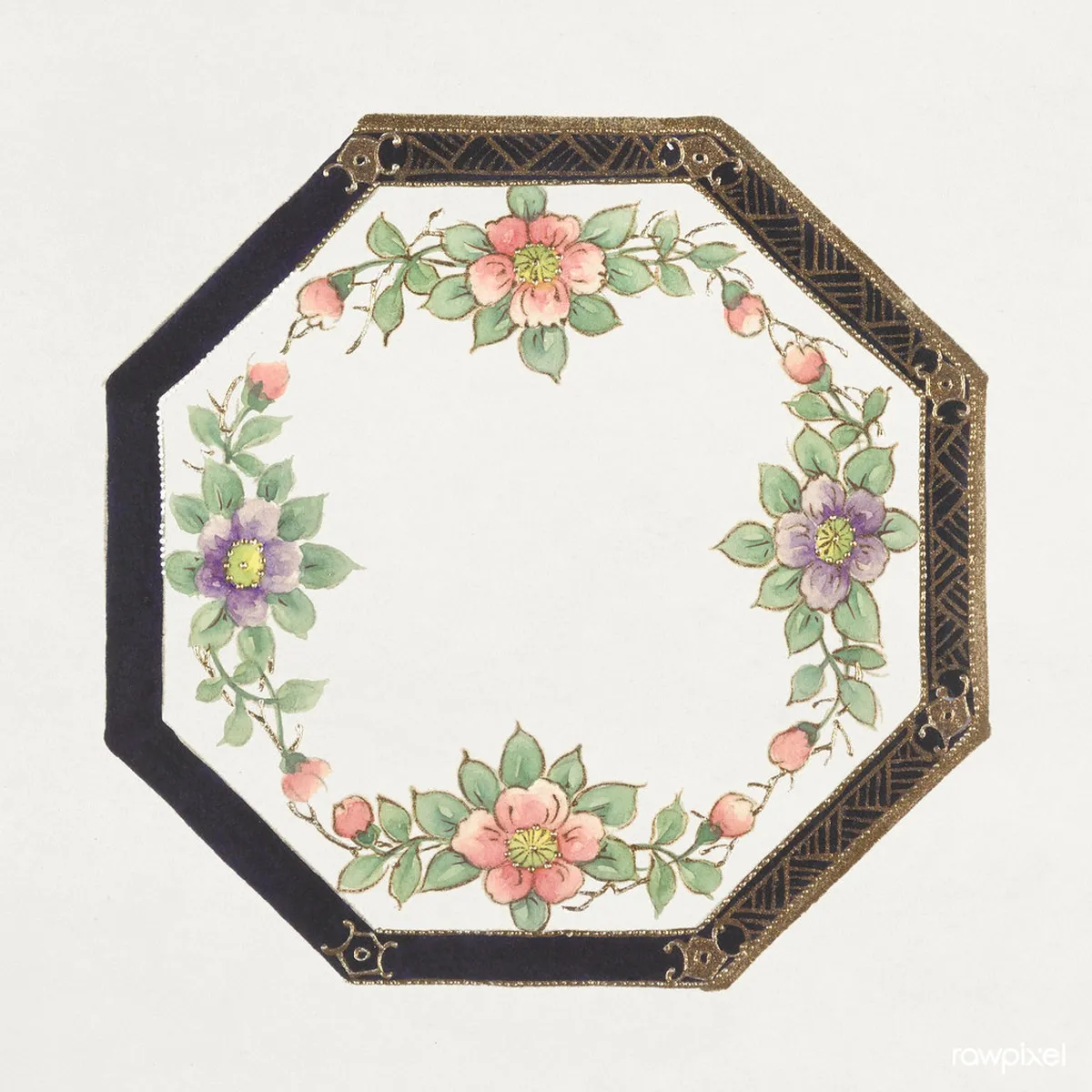
The painting workshop is the main reason most first-time visitors come. You choose a blank porcelain piece at the counter, select your colors, and spend around 90 minutes painting at a table inside the Craft Center. Three options are available: a 12 cm plate for ¥2,500, a 20 cm plate or mug for ¥2,800, or a color-in 20 cm plate with the design already printed for ¥3,000. Staff provide all materials and guidance; no artistic experience is expected or necessary.
After you finish, the piece is fired in a kiln on site and mailed to your door approximately one month later. Domestic delivery within Japan is confirmed. If you want international shipping, contact the site before you visit to clarify the current policy. Workshop hours are 10:00–17:00, last admission 16:00, closed Mondays. No advance reservation is required for individuals on weekends or public holidays. Weekday groups should check ahead.
For families with children: the workshop is accessible for primary-school age and older. For children under six, call ahead to confirm participation, as the minimum age is not clearly stated on the official site. The one-month postal delay is worth setting expectations about clearly — it turns into a pleasant surprise in the mail rather than a same-day disappointment.
Weekday visits are noticeably quieter than weekends at the workshop counter. If your schedule allows a Tuesday-through-Friday visit, waiting times drop significantly, and you get more unhurried time with the Craft Center staff.
The Craft Center and Museum
The ¥500 adult ticket covers both floors of the Craft Center and the Noritake Museum above it. The Craft Center occupies the lower floors of the main red-brick building and includes demonstration areas showing porcelain-making techniques. Scheduled demo times are not posted in advance on the official site, so check with the welcome desk when you arrive for that day's timings. At a few stations, craftspeople work on pieces in real time, which is more instructive than any panel.
Photography is strictly forbidden inside the Craft Center. This catches many visitors off guard. Put the camera away before you enter; staff enforce it consistently. The quality control station is one of the more memorable spots: every piece undergoes visual inspection under magnification, tactile inspection for surface imperfections, and an audible check where the piece is gently tapped and the tone assessed for inconsistencies. Reject pieces with the flaws circled in photographs are on display — look closely with the magnifying glass provided and you will struggle to find the defect even then.
The Museum spans the top two floors and traces Noritake's history from 1904 through to modern production. The highlight for most visitors is the Old Noritake collection — pieces produced between the 1880s and 1945, which were primarily exported to Western markets and feature ornate Western-influenced designs. Plan 45 to 60 minutes for the full building if you read the panels, less if you browse.
The Gardens and Free Areas
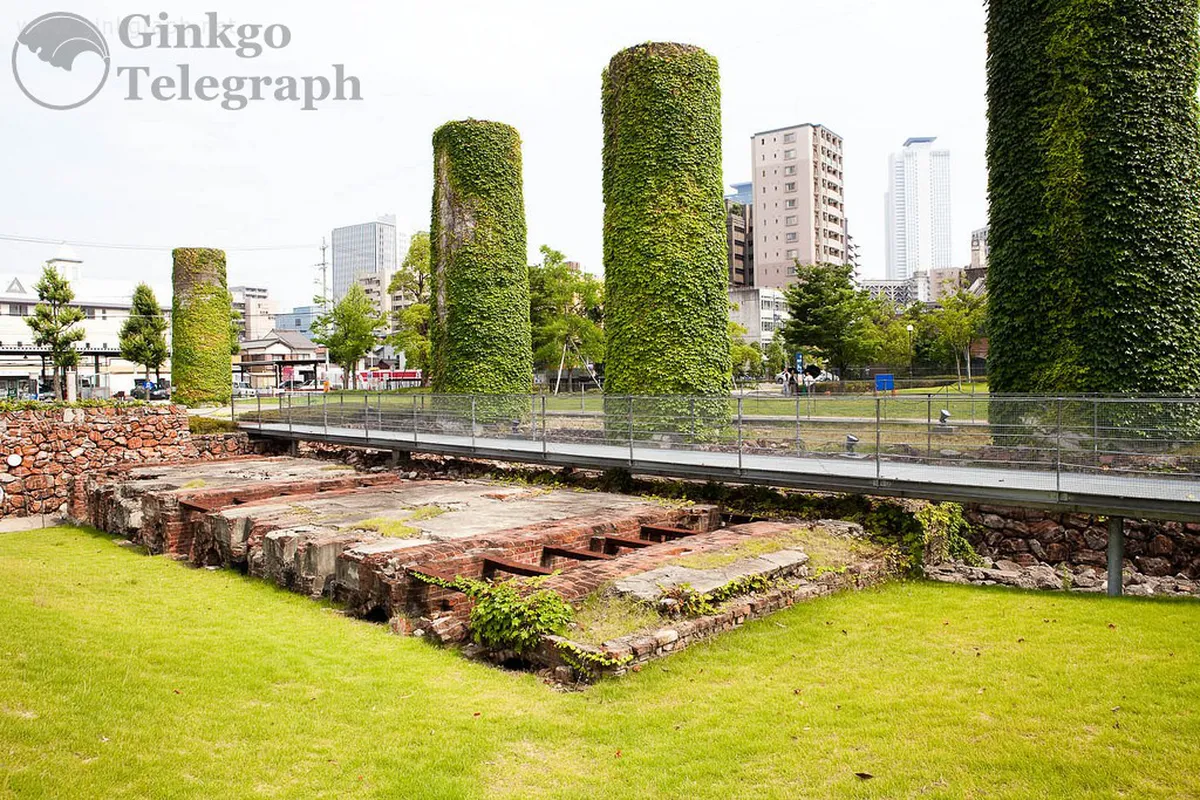
The grounds are free and accessible throughout opening hours. The red-brick chimneys and the Kiln Wall — built from the bases of kilns used in the early 20th century — are the most distinctive outdoor features. The formal garden section has two long narrow pools with precisely trimmed hedges along a central walkway and a fountain at the centre. A second, more informal lawn area has open grass, benches, and scattered trees. Both sections are worth seeing.
A small shrine sits near the formal garden. Noritake's first president originally built his family home within the factory premises; the shrine was constructed on that site in 1940. Most visitors walk past it without noticing. It takes two minutes to look at properly and adds a layer of human history to the industrial setting.
The Gallery building runs its own free rotating exhibitions, mostly ceramics and craft-focused shows. Its slightly longer hours (10:00–18:00) make it a useful option if you arrive later in the day and the Craft Center is already closing. All paths throughout the site are flat and stroller-friendly. Multipurpose restrooms are available on site; nursing rooms are in the adjacent Aeon Mall.
Cherry blossom season in late March to early April brings noticeably larger crowds to the park section. Autumn is equally attractive and tends to be calmer. Summer mornings before 11:00 are the best time to do the outdoor sections before heat peaks; the museum and Craft Center are air-conditioned throughout.
The Craft Center and Museum close at 17:00 while the Gallery and shops stay open until 18:00. Arriving after 15:30 means you will not have enough time for the Craft Center. The site is closed Mondays and over the winter holiday period (26 December through 3 January).
Eating and Shopping
Café grand vert is the on-site café, open 11:00–17:00 (last order 16:30), closed Mondays. It suits a coffee-and-cake break rather than a full meal. Seating is limited on busy weekends, so plan to arrive early or move to the mall if you find it full. Restaurant Kiln is the sit-down option, serving lunch 11:30–14:30 (last order 13:30) and dinner 17:30–20:30. Dinner requires a reservation. Both venues use Noritake tableware, which makes the experience feel appropriately on-theme.
For families with younger children who need more variety and shorter waits, the Aeon Mall food court directly next door is the practical choice. It is larger, stays open later, and has significantly more options across all price ranges. You can move between the garden and the mall through several connecting paths without re-entering through the main gate.
The Retail Shop carries current Noritake tableware, gift items, and an outlet section with discontinued patterns at reduced prices. Hours are 10:00–18:00, closed Mondays and 1–2 January. The outlet section is worth a look even if you are not a serious collector — it is one of the few places to find older Noritake designs at a discount without hunting through secondhand shops. Exclusive designs sold only at this location are a common gift purchase among returning visitors.
Combined Ticket with the Toyota Commemorative Museum
A combined admission ticket covering both Noritake Garden and the Toyota Commemorative Museum of Industry and Technology costs ¥800 per adult. The Toyota museum is approximately a 10-minute walk from Noritake Garden, making it easy to combine both in a single Nishi Ward day. The combined price saves you ¥200 compared to buying two separate adult admissions.
The Toyota museum covers the company's history from its origins in automatic textile looms through to early automobile production and current robotics. The loom demonstration halls alone justify the visit for anyone interested in mechanical engineering. Together, the two sites form a coherent story about how Aichi prefecture's industrial identity was built — ceramics on one side of the street, machinery on the other.
This combination is best suited to travelers with a full day in Nishi Ward and at least some interest in industrial or design history. If you have children under ten, Noritake works well but the Toyota museum skews toward older kids and adults. Verify the ¥800 combined ticket price at the venue when you arrive, as pricing can change between print and 2026 admission counters.
Tips Before You Go
A few things no competitor page puts in one place. Photography is banned inside the Craft Center — not just flash photography, but all photography. Bring something to sketch or take notes with if you want to remember the production process details. The ban is enforced by staff, not signage, so it is easy to miss until someone tells you to stop.
The Craft Center and Museum close at 17:00 while the Gallery and shops stay open until 18:00. If you arrive after 15:30, you can still see the Gallery and browse the outlet shop, but you will not have enough time for the Craft Center. Arriving by 13:00 on a weekday gives you comfortable time for the full site plus a workshop session.
- The site is closed Mondays. Holiday Monday exception: open that day, closed Tuesday instead.
- Winter closure: Craft Center and Museum close 26 December through 3 January.
- Workshop pieces ship to your address roughly one month post-visit. International shipping requires advance coordination.
- Disability certificate holders and one caregiver enter the Craft Center and Museum free.
- No parking on site. Use the Aeon Mall car park adjacent; confirm validation with a purchase.
- Kamejima Station (Higashiyama Line, Exit 2) is five minutes on foot — faster than walking from Nagoya Station.
How to Fit Noritake Garden into Your Nagoya Day
Noritake Garden works best as a morning start. Arrive at 10:00 when the Craft Center opens, do the workshop by 10:30, browse the museum while the piece dries, then eat lunch at Restaurant Kiln or the mall before heading on. This sequence keeps you out of the midday heat for the indoor sections and leaves your afternoon free for a second attraction.
The site pairs naturally with Nagoya Castle as a morning-afternoon split — industrial heritage in the morning, samurai architecture in the afternoon. The Toyota Commemorative Museum is the obvious same-neighborhood add-on if you have the combined ticket. For a more varied day, head south after Noritake to the interactive exhibits at the Nagoya City Science Museum, which holds one of the largest planetariums in the world.
If you want an evening finish with a high view of the city, the Sky Promenade observation deck is worth adding. From up there you can see the Noritake district's brick chimneys against the rest of Nishi Ward — a useful orientation for understanding how central the site actually sits in the city grid.
What's the Weather Like in Nagoya?
Nagoya runs hotter and more humid than Tokyo in summer. July and August highs regularly hit 35°C with high humidity, which makes the outdoor garden areas uncomfortable between roughly 11:00 and 15:00. The Craft Center and Museum are fully air-conditioned, so a summer visit works well if you structure your time indoors during peak heat. Arrive early, do the outdoor sections first, then retreat inside.
Spring (late March to early April) is the most popular window. Cherry blossoms fill the garden park area and the temperatures are genuinely comfortable for extended outdoor time. Crowds are higher than usual during this period, particularly on weekends. Autumn (mid-October to mid-November) offers similar comfort with fall foliage instead of blossoms, and slightly fewer visitors.
Winter is mild by Japanese standards but can dip below 5°C in January. The garden stays open year-round (except the formal winter closure period), and the brick architecture looks particularly striking on clear cold days with low crowds. Pack a mid-layer and you will be comfortable walking the grounds before stepping into the heated museum.
Frequently Asked Questions
How much time should you plan for noritake garden visitor guide?
Most visitors should plan for two to three hours to see the main grounds and museum. If you want to participate in a pottery painting workshop, add an extra hour. You might also want time to explore the nearby Osu Kannon district afterward.
Is the Noritake Garden free to enter?
The garden grounds, shopping areas, and restaurant are free for everyone to enter and enjoy. However, there is an admission fee for the Craft Center and the Noritake Museum. This makes it a flexible destination for both budget travelers and museum enthusiasts.
Can I buy porcelain at the garden?
Yes, there are several shops on-site that sell a wide variety of Noritake porcelain and tableware. You can find everything from affordable everyday items to high-end collector pieces. They often have exclusive designs that are difficult to find in other retail locations.
What is the best way to get there from Nagoya Station?
The easiest way is to walk for about 15 minutes toward the north from the station's Sakura-dori exit. Alternatively, you can take the Higashiyama subway line two stops west to Kamejima Station and walk five minutes from Exit 2. Both options are convenient and well-marked for tourists.
Noritake Garden is a must-visit destination for anyone traveling through central Japan in 2026. It offers a rare combination of industrial history, artistic inspiration, and relaxing green space. You can easily pair it with a trip to Atsuta Jingu for a full day of culture. Make sure to include this peaceful oasis in your next Nagoya itinerary for a memorable experience.
For more Nagoya planning, see our things to do in Nagoya and Nagoya culture and traditions guide.


