Ritsurin Garden Takamatsu Travel Guide
Plan your ritsurin garden takamatsu visit with top highlights, seasonal tips, entry costs, and booking advice for a smoother, stress-free trip today.
On this page
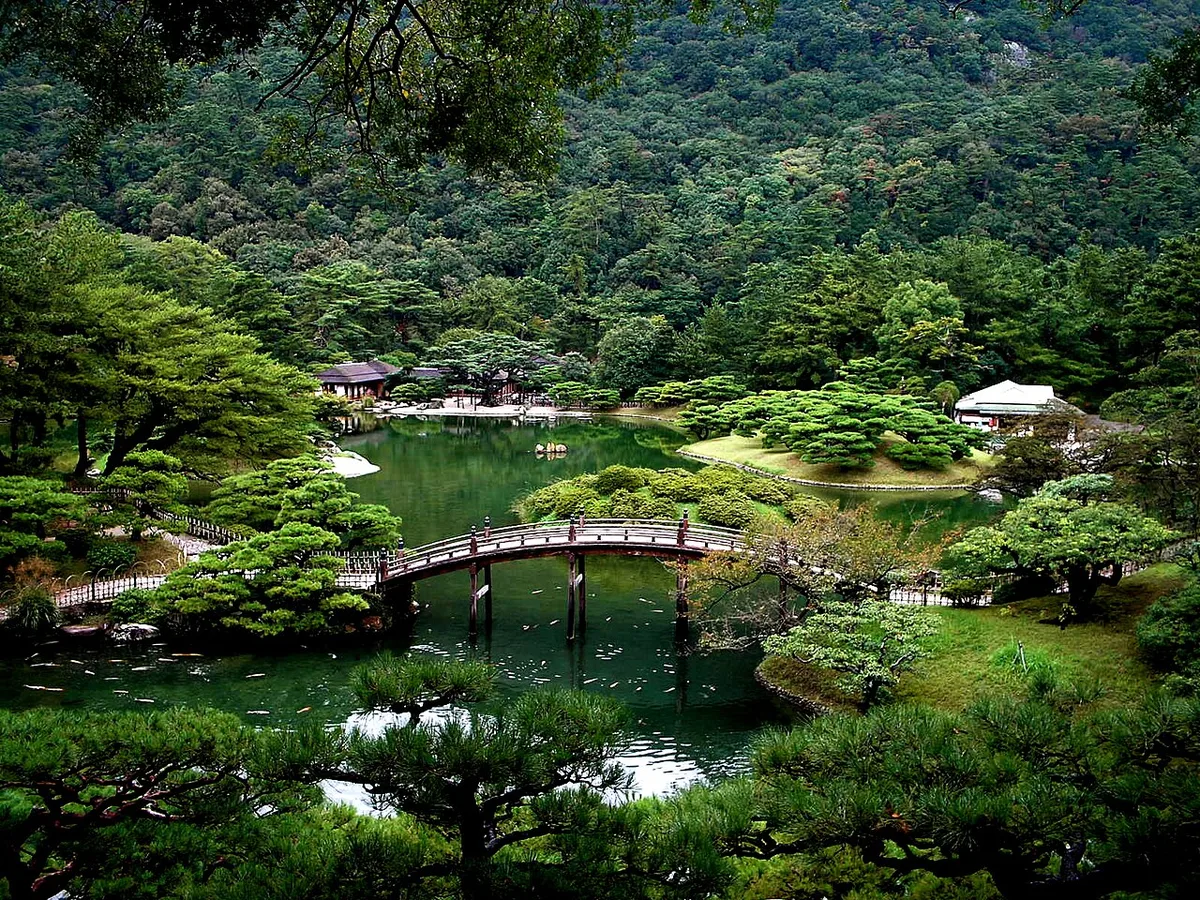
Ritsurin Garden Takamatsu ranks among Japan's most celebrated Edo-period stroll gardens, built around six ponds and thirteen wooded hills. The grounds sit in Kagawa Prefecture on Shikoku island, just minutes from central Takamatsu by train. Mount Shiun rises behind the property as borrowed scenery, framing pine-lined paths and quiet teahouses.
This guide breaks down the must-see attractions, cultural highlights, and family-friendly picks inside the garden. You'll also find practical notes on timing, entry costs, and getting to the gates without hassle. Even a short two-hour stop can feel rewarding if you plan the route well.
Must-See Ritsurin Attractions in Takamatsu
Ritsurin Garden splits into two connected areas, the South Garden and the North Garden. The South Garden follows a classic Edo-period pond-stroll design, built around the South Pond called Nanko. Its designation as a Special Place of Scenic Beauty reflects over 400 years of landscaping history, per Ritsurin Garden records.
Both gardens show different design eras and deserve real time. A common mistake is rushing straight to the South Garden and skipping the North Garden, which has a distinct Meiji-period design blending Japanese and Western styles.
A handful of spots stand out for first-time visitors exploring Ritsurin Garden Takamatsu. Each one offers a different angle on the garden's pond-and-hill layout. Use this shortlist to build your walking route before you arrive.
Plan roughly two to three hours to cover both gardens without rushing. Add extra time if you want a relaxed tea break at Kikugetsu-tei.
- Hiraiho Hill Viewpoint Over South Pond
- Type: Elevated garden viewpoint
- Best for: Photos of South Pond
- Where: South Garden trail
- Tip: Visit near midday for reflections
- Kikugetsu-tei Teahouse for Matcha and Sweets
- Type: Historic tea house
- Best for: Matcha and wagashi break
- Where: South Pond edge
- Cost: Separate tea fee applies
- Senshumaru Boat Ride on South Pond
- Type: Traditional boat tour
- Best for: Water-level garden views
- Where: South Pond dock
- Time: About 30 minutes with guide
- North Garden Plum and Pine Groves
- Type: Landscaped grove area
- Best for: Winter plum blossoms
- Where: North Garden section
- Season: Best late January to February
Museums, Art, and Culture in Ritsurin Garden
Ritsurin Garden carries deep cultural weight beyond its ponds and hills. Construction began in the late 16th century under local feudal lords and continued for more than a hundred years. Successive lords from the Takamatsu domain's Matsudaira family shaped the garden into its current form.
The tea house Kikugetsu-tei remains the garden's clearest link to that history. Feudal lords once hosted moon-viewing gatherings here, and the building still opens to visitors for matcha and Japanese sweets. Its shiho-shomen design allows an attractive view from all four sides, a rare architectural style in Japan.
Ritsurin Garden also holds a three-star rating in the Michelin Green Guide Japan, a mark of its cultural standing. Some guides group it alongside Japan's Three Great Gardens, including Kenroku-en and Kairaku-en, for its scale and design. That reputation makes it a strong stop for travelers interested in traditional Japanese landscaping and daimyo-era history.
Parks, Gardens, and Outdoor Spots in Ritsurin
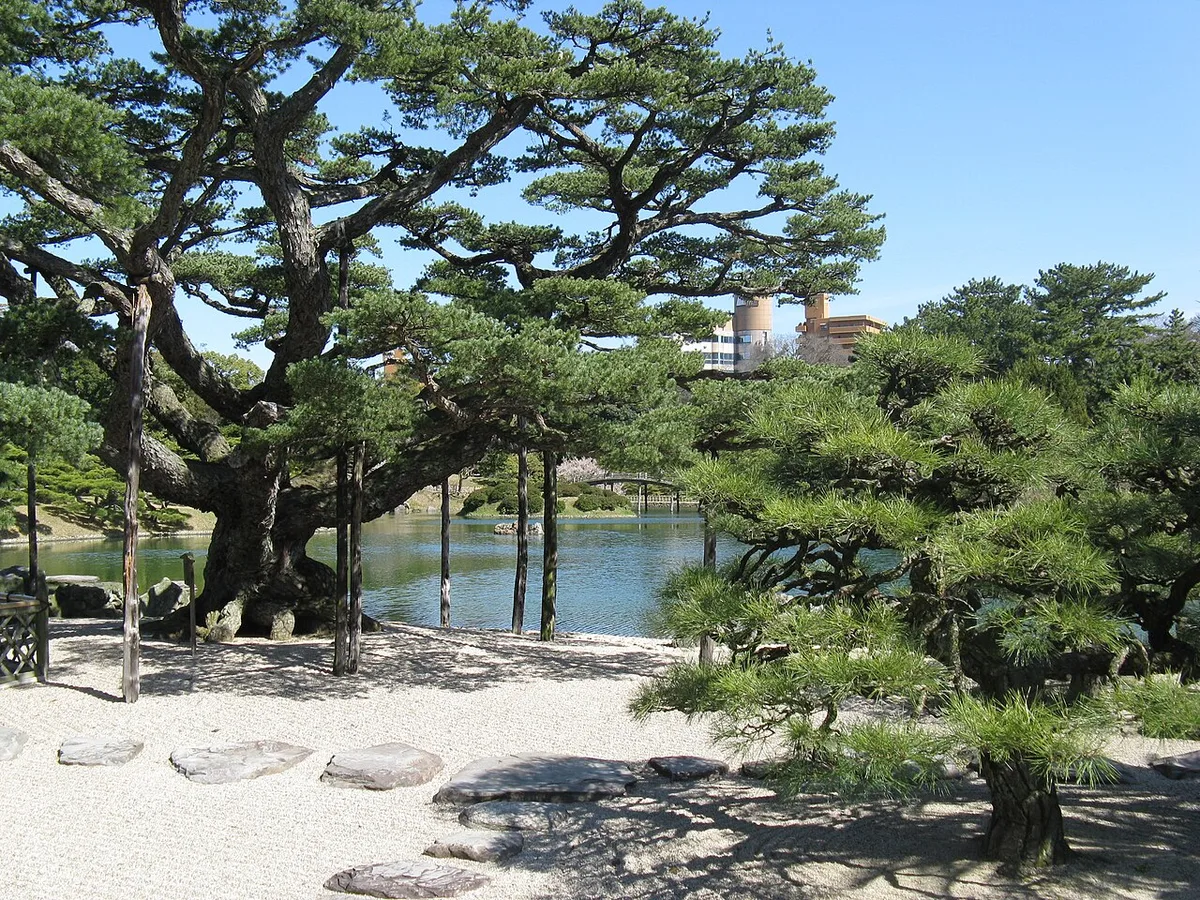
Ritsurin Garden covers about 75 hectares, with six ponds and thirteen artificial hills spread across the property. Around 1,000 carefully pruned pine trees line the paths, shaping views that change with every turn. This layout follows the ippo-ikkei idea, meaning one step reveals one new view.
The North Garden feels different from the South Garden, since it was reshaped after the Meiji period. It once served as a duck hunting ground and now blends Japanese and Western garden styles. Walking both gardens back to back highlights how the design evolved across two eras.
| Season | Blooms & Features | Timing |
|---|---|---|
| Winter | Plum blossoms in North Garden | Late January to February |
| Spring | Cherry blossoms and azaleas | Late March to early April |
| Summer | Lotus and irises in ponds | Summer |
| Autumn | Foliage color, evening illuminations | Late November to early December |
Seasonal plantings give Ritsurin Garden a rotating identity throughout the year. Cherry trees and azaleas bloom from late March into early April, while lotus and irises color the ponds by summer. Autumn brings sharp foliage color from late November into early December, sometimes paired with evening illuminations.
For a different perspective, the Senshumaru boat ride crosses the South Pond with guided commentary. You can browse current tour options and combined tickets through Find things to do in Ritsurin Garden ↗ before you go. Booking ahead can save time during busy cherry blossom and foliage weekends.
Family-Friendly and Budget-Friendly Options in Ritsurin
Ritsurin Garden Takamatsu works well for families, since paths stay flat and shaded in most areas. Adults typically pay around 500 yen for entry, while elementary and junior high students pay about 170 yen. Fees can change between seasons, so confirm current pricing on the official Ritsurin Garden website before you visit.
Younger children often enter free or at a reduced rate, though exact age cutoffs can shift year to year. Group rates and annual passes may also be available for repeat visitors. Check these details locally, since policies can differ from what older travel guides describe.
Walking both gardens costs nothing beyond the entry ticket, which keeps a visit budget-friendly. Skip the Kikugetsu-tei tea service if you want to save money, since that fee applies separately. Pack water and snacks instead of buying inside, especially during warmer months.
Families with young kids may prefer the flatter South Garden paths over the hillier North Garden trails. Strollers can struggle on some gravel sections near Hiraiho Hill, so plan an alternate route if needed. Early morning visits also mean fewer crowds around the main ponds and bridges.
How to Plan a Ritsurin Garden Takamatsu Day
Getting to Ritsurin Garden Takamatsu is straightforward from central Takamatsu by train or on foot. JR Ritsurin-Koen-Kitaguchi Station sits about a 5-minute walk from the North Gate. Kotoden Ritsurin-Koen Station is roughly a 10-minute walk from the Main Gate. Check the exact route with View in Google Maps before heading out.
Book ahead during cherry blossom and foliage season to save time. Spring cherry blossoms and autumn foliage draw the largest crowds, so early morning visits help most. Plan two to three hours to cover both gardens.
Staying near the garden cuts down travel time on an early or late visit. Central Takamatsu offers a range of hotels within a short train or taxi ride of the gates. You can compare current options through Find stays near Ritsurin Garden ↗ before booking.
Plan around two to three hours inside the garden for a thorough visit. Early mornings tend to bring softer light and thinner crowds near the main ponds. For more Shikoku itinerary ideas, check this Japan Activity travel blog before your trip.
A common mistake is rushing straight to the South Garden and skipping the North Garden entirely. Both areas show a different design era, so give each side real time. Spring cherry blossoms and autumn foliage draw the largest crowds, so early arrival helps most then.
Nearby Recommended Spots Around Ritsurin Garden
Ritsurin Garden pairs well with a few other stops around Takamatsu and greater Kagawa. Takamatsu Castle, also known as Tamamo Park, sits close to the city center and overlooks the Seto Inland Sea. It ranks among Japan's seaside castles, with moats that once connected directly to the sea.
Sanuki udon shops fill the streets near Ritsurin Garden and across Takamatsu. A bowl after your garden walk makes an easy, affordable lunch break. Many shops serve lunch at low prices, which suits budget-conscious travelers well.
If you have extra time, Konpira-san in nearby Kotohira offers a longer day trip with mountain shrine steps. The Seto Ohashi Bridge also makes a scenic detour for travelers with a rental car. For a fuller list of options, browse this Takamatsu attractions guide before finalizing your route.
Frequently Asked Questions
What Is Ritsurin Garden Takamatsu Known For?
Ritsurin Garden Takamatsu is an Edo-period daimyo garden in Kagawa Prefecture, built around six ponds and thirteen hills. Construction began in the late 1500s and continued for more than a century under the Matsudaira family. It now holds a three-star rating in the Michelin Green Guide Japan.
How Much Time Should You Plan for Ritsurin Garden Takamatsu?
Plan about two to three hours to cover the South Garden and North Garden without rushing. Add extra time for tea and sweets at Kikugetsu-tei teahouse. Visitors chasing photos at Hiraiho Hill or a boat ride may want closer to four hours.
Is Ritsurin Garden Takamatsu Worth a Short Itinerary Stop?
Yes, even a two-hour visit works well if you focus on the South Garden and Kikugetsu-tei teahouse. The compact layout still lets you see ponds, bridges, and pine groves in that window. Travelers with more time can add the North Garden or a boat ride.
What Should Travelers Avoid When Visiting Ritsurin Garden?
Avoid rushing through without checking seasonal highlights, since cherry blossoms, foliage, and plum blossoms each follow a different calendar window. Skipping the North Garden is a common mistake, since it shows a distinct Meiji-era design. Confirm hours and fees on the official site before your trip.
How Do You Get to Ritsurin Garden From Takamatsu Station?
From JR Takamatsu Station, transfer to JR Ritsurin-Koen-Kitaguchi Station and walk about five minutes to the North Gate. Kotoden Ritsurin-Koen Station offers a second route, roughly ten minutes on foot to the Main Gate. Taxis and rental bikes are also common options.
Ritsurin Garden Takamatsu rewards travelers who set aside real time to walk both gardens. Its ponds, hills, and centuries-old teahouse combine into a landscape that shifts with every season. Whether you stop for two hours or a full afternoon, the layout stays easy to navigate.
Pair your visit with nearby castle grounds or a bowl of Sanuki udon for a fuller day. Check current fees and hours before you go, since details can shift between seasons. With a little planning, Ritsurin Garden fits smoothly into almost any Shikoku itinerary.
Free guide: Japan's Hidden Gems
12 under-the-radar places beyond Tokyo & Kyoto — with the best season to visit each and a local tip you won't find in the guidebooks.
You might also like


Continue reading
More guides you'll find useful