Naminoue Beach is Naha's easiest beach stop: a compact public swimming beach below Naminoue Shrine, close enough to central hotels for a short morning swim, sunset walk, or shrine-and-sea photo stop. It is not a remote resort beach, and that is the point. The appeal is urban convenience, supervised seasonal swimming, and a rare view of turquoise water directly under a cliff-top shrine.
For first-time visitors in 2026, the best way to use Naminoue Beach is as a half-day attraction rather than a full beach holiday. Pair it with Naminoue Shrine, Fukushuen Garden, or Kokusai Street, and you get a practical Naha itinerary with minimal transit time.
This entity guide focuses on what matters on the ground: how to get there, when to go, what facilities cost, how long to plan, where to stay nearby, and the mistakes that make this simple beach less enjoyable than it should be.
Must-See Naminoue Attractions
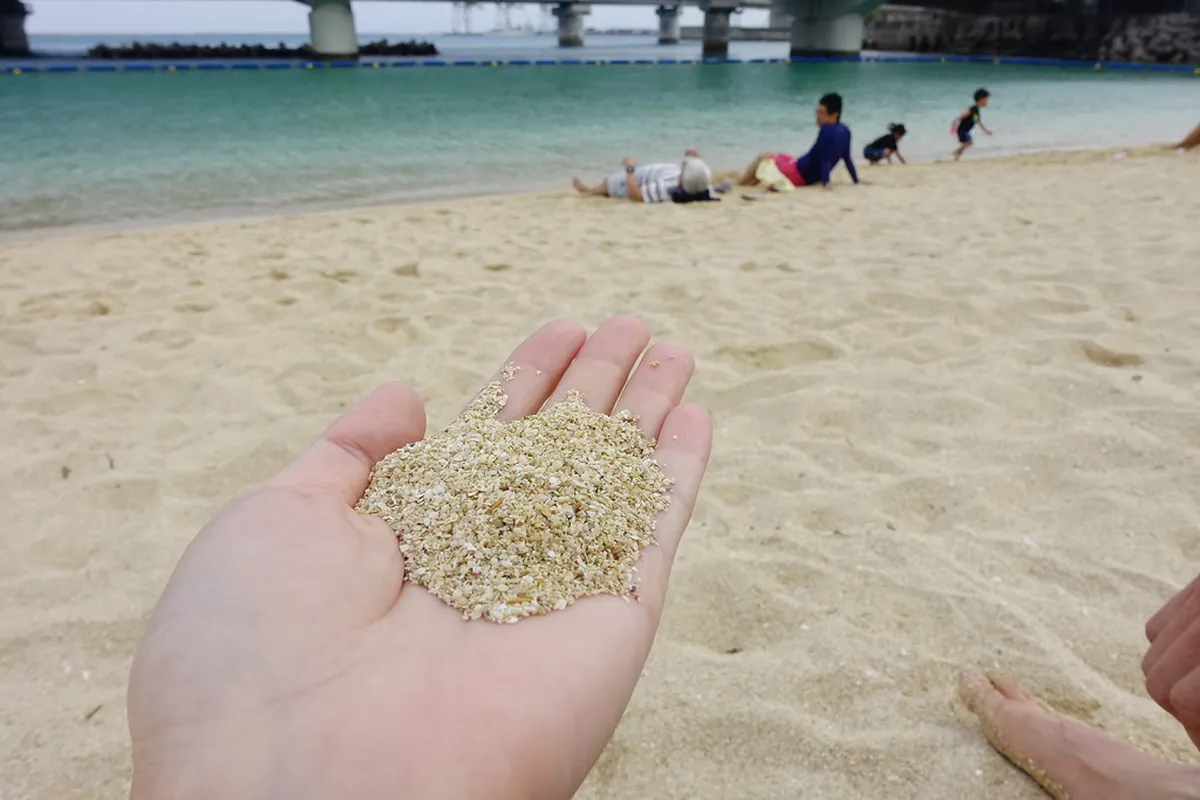
The beach itself is small, sheltered, and easy to understand on arrival. The swimming area is marked for seasonal use, with protective nets and lifeguards during official swimming hours. Families like it because the water is calm, while solo travelers like it because they can fit a swim between airport transfers, hotel check-in, or a Kokusai Street evening. As one of the easiest things to do in Naha, it pairs well with other attractions in the area.
The key companion stop is Naminoue Shrine, the cliff-top shrine whose name means "above the waves." Competitor guides often focus on the shrine because it explains the whole setting: a sacred Ryukyuan site, vermilion buildings, shisa guardians, and views over the East China Sea. Visit the shrine before going down to the sand so you are not walking through a sacred space in wet beachwear.
Do not expect untouched scenery. The road bridge, harbor edge, and city skyline are part of the view. That urban contrast is why Naminoue Beach is memorable: you see Okinawa's sea culture, shrine culture, and working port district in one compact frame.
Museums, Art, and Culture in Naminoue
Naminoue Beach works best when you treat it as one piece of a wider Naha culture route. The shrine above the beach connects Okinawan sea beliefs with mainland Japanese shrine practice, while the surrounding Wakasa district still feels more local than the main shopping streets.
If you want craft and old-town atmosphere after the beach, continue to the Tsuboya Pottery District. It is better after you have dried off and changed, since the lanes are more enjoyable when you can browse slowly. For deeper historical context, the Okinawa Prefectural Museum gives useful background on Ryukyu history, island identity, and the cultural layers behind places like Naminoue.
A practical sequence is shrine first, beach second, museum or pottery district third. Reversing that order also works in hot weather: indoor culture during the afternoon, then Naminoue Beach for late light and cooler air.
Parks, Gardens, and Outdoor Spots in Naminoue
Fukushuen Garden is the most useful nearby green-space pairing. It is close enough to combine with the beach on foot, and its Chinese-style pavilions and ponds add a calmer contrast after the exposed waterfront. This is a good option for couples, photographers, and travelers who want more than sand.
Umisora Park and the surrounding waterfront add walking space, harbor views, and occasional marine-activity areas. Conditions can vary by season and weather, so treat snorkeling or water activity plans as optional rather than guaranteed. Naminoue is better for a short swim and city-coast atmosphere than for a serious reef day.
For a light walking route, start at Kokusai Street, continue toward Fukushuen Garden, visit Naminoue Shrine, then descend to the beach. This gives you city, garden, shrine, and sea without needing a rental car.
Family-Friendly and Budget-Friendly Options in Naminoue
Naminoue Beach is one of the easiest budget attractions in Naha because admission is free and the add-on costs are predictable. Families can keep the visit simple: bring swimwear, a towel, sunscreen, water, and small coins for facilities. If you only want the view, shrine, and waterfront walk, you may not need to spend anything.
Swimming is supervised from April to October: 9:00–18:00 (April–June, September–October) and 9:00–19:00 (July–August). Outside those hours or during the off-season, the beach is open for walking but lifeguard coverage is not available.
The beach suits children who want calm, shallow water more than older travelers looking for a long coastline or active watersports. Parents should still keep children inside the designated swimming area and follow lifeguard instructions, especially during jellyfish season and after rough weather.
The biggest budget decision is shade. Okinawa sun is strong even outside midsummer, so a rental parasol can be worthwhile if you plan to sit on the sand rather than just swim and leave.
Always observe the official swimming boundary nets and posted lifeguard rules. The water can look calm, but seasonal jellyfish nets and flagging systems are there for a reason — swimming outside the marked zone is not permitted.
| Facility | Cost | Notes |
|---|---|---|
| Beach entrance | Free | Year-round public access |
| Coin shower | ~¥100 | Available during swim season |
| Coin locker | ~¥200 | Available during swim season |
| Rental parasol | ¥1,500 | From beach shop, Apr–Oct |
| Parking (nearby) | ¥500 max/day | First 30 min free |
- Beach Entrance Fee
- Cost: Free
- Access: Open to public
- Season: Year-round
- Shower Facilities
- Cost: 100-200 Yen
- Duration: 3-5 minutes
- Availability: During swim hours
- Rental Parasols
- Cost: 1,500 Yen
- Benefit: Sun protection
- Where: Beach shop
How to Plan a Smooth Naminoue Attractions Day
Most travelers need two to four hours for Naminoue Beach and Shrine. Allow 30 to 45 minutes for the shrine and photos, one to two hours for swimming or sitting on the sand, and extra time for showers, changing, and walking to your next stop. If you add Fukushuen Garden, plan a half day.
First-time visitors should use one of three simple plans. For a quick stop, visit the shrine, take the cliff-and-beach photos, and walk the waterfront in about one hour. For a family swim, arrive early, rent shade if needed, and leave before the hottest part of the day. For a Naha culture loop, combine the beach with Kokusai Street, Fukushuen Garden, and dinner nearby.
Avoid overloading the same day with distant Okinawa beaches near Naha. Places such as Aharen Beach, Emerald Beach, and Furuzamami Beach are stronger choices for full beach days, but they require more transport planning. Naminoue Beach is the efficient urban option.
Naminoue Beach on Map
The beach is located at 1 Chome-25-9 Wakasa, Naha, Okinawa 900-0031, Japan, on the northwestern side of central Naha near the port. The location is the main reason it ranks well for visitor-guide searches: you can reach the sea without committing to a long bus ride or island transfer.
From Kokusai Street, many visitors walk in about twenty minutes if the weather is comfortable. The nearest Yui Rail options are Kencho-mae and Asahibashi, both followed by a walk. Local buses can get you closer, but routes are easier to confirm on the day through a maps app because service patterns and stop names can be confusing for first-time visitors.
Drivers can use nearby paid parking, but weekends, holidays, and beach-season afternoons are the hardest times to find an easy space. If you are staying in central Naha, walking, taxi, or monorail plus walking is usually simpler.
Why Go? Urban Beach, Shrine View, and Easy Access
One competitor labels Naminoue Beach as a ranked Japan beach for 2026, but the stronger decision point is fit. Go if you want a quick beach experience inside Naha, a shrine-and-sea photo spot, or a low-cost activity between other city plans. Choose another Okinawa beach if your priority is a wide natural shoreline, long snorkeling session, or resort-style quiet.
Recent visitor commentary in the brief highlights clear water, cleanliness, and convenience, which matches the beach's real strength. The sand area is limited and the bridge is visible, yet the setting is distinctive because the shrine, cliff, city, and sea sit so close together.
The best photos are usually from three angles: looking up toward the shrine from the beach, looking across the swimming area toward the bridge, and shooting the coastline in late afternoon light. Sunset can be beautiful, but swimming rules and lifeguard coverage should matter more than the photo schedule.
When to Go, Weather, and Best Time
The best time of day is early morning for cooler air and fewer people, or late afternoon for softer light. Midday is workable if you plan to swim, but it is the least comfortable time for walking from the monorail or waiting for children to finish changing.
Naha weather is humid and sun exposure is stronger than many first-time visitors expect. In summer, bring more water than you think you need and plan shade before you need it. During typhoon season or after heavy rain, treat the beach as a walking and shrine stop unless conditions are clearly safe.
For 2026 planning, remember that a good Naminoue visit is weather-flexible. If the sea looks rough, keep the shrine, Fukushuen Garden, and nearby food stops in the plan, then skip swimming. If the day is clear and calm, this is one of the easiest places in Naha to add a spontaneous swim.
Where to Stay and Who This Beach Fits
Stay near Kokusai Street if you want restaurants, shopping, and easy evening plans after the beach. Stay around Asahibashi or the port side if you want a shorter walk to Naminoue and easier airport or ferry access. Families with strollers should check walking routes carefully because sidewalks, heat, and post-swim fatigue matter more than the map distance suggests.
Naminoue Beach fits first-time Naha visitors, families needing a controlled swim area, cruise or ferry passengers with limited time, and travelers who want a no-reservation outdoor stop. It is less ideal for visitors expecting quiet resort scenery, extensive snorkeling, or a full-day beach base.
If you are building a day-by-day Naha itinerary, put Naminoue Beach on a lighter city day rather than the same day as a long northern Okinawa trip. It works well on arrival day, departure day, or after indoor sightseeing.
How to Get to Naminoue Shrine & Basic Visitor Info
Use the same access plan for Naminoue Beach and Naminoue Shrine because they sit beside each other. From Naha Airport, a taxi is the simplest option when carrying luggage or beach gear. From central Naha, walking from Kencho-mae or Asahibashi works well in mild weather, while a short taxi is worth considering in peak heat.
The shrine grounds and beach area do not require admission, but they serve different purposes. Visit the shrine respectfully, then move down to the beach for swimming, showers, and rentals. Avoid walking through the shrine approach in only swimwear, and keep sandy gear packed away while on the shrine grounds.
Always check the official Naminoue Beach website before a swim-focused visit, especially outside peak summer or after storms. Official notices matter more than older travel blogs when there are weather, safety, or seasonal changes.
Common Mistakes to Avoid
The most common mistake is treating Naminoue like a remote Okinawa beach. It is a city beach with a bridge, port context, and compact sand area. Go for convenience and the shrine setting, not untouched scenery.
Another mistake is arriving without coins, shade planning, or a dry change of clothes. The facilities make swimming easy, but the visit feels smoother when you can use showers and lockers without searching for change or walking back through Naha in wet clothes.
Finally, do not ignore the official swimming boundaries. The water may look calm, but seasonal nets, lifeguards, and posted rules are there for a reason. If swimming is closed, keep the visit as a shrine, map, and waterfront stop.
Frequently Asked Questions
Is Naminoue Beach good for swimming?
Yes, Naminoue Beach is excellent for swimming during the official season from April to October. The water is clear and protected by nets to ensure safety from jellyfish. It is a great spot for a quick dip while staying in Naha city.
How much does it cost to visit Naminoue Shrine?
Entrance to Naminoue Shrine is free for all visitors. You can explore the grounds and enjoy the cliffside views without paying a fee. It is one of the best budget-friendly cultural sites near the city center.
Can I see other major sites like Shuri Castle on the same day?
Yes, you can easily combine a beach visit with a trip to Shuri Castle via the monorail. Plan for the castle in the morning and the beach in the afternoon for a balanced day. Both are major highlights of any Naha itinerary.
What is the best time of day to visit the beach?
Early morning or late afternoon are the best times to visit to avoid the midday heat. Sunset is particularly beautiful as the sun dips below the horizon behind the shrine. Weekdays are generally less crowded than weekends.
Naminoue Beach offers a unique blend of urban convenience and traditional Okinawan beauty. Whether you want to swim or explore a sacred shrine, this spot has something for everyone. Its location in Naha makes it an easy addition to any travel schedule.
By following this guide, you can maximize your time and enjoy the best the area has to offer. Remember to respect the local customs and keep the beach clean for others to enjoy. Your visit to this cliffside gem will likely be a highlight of your trip.
Pack your sunscreen and your camera for a day of sun and culture. The turquoise waters and vermilion shrine are waiting for you in the heart of the city. Enjoy your journey through the vibrant streets and shores of Naha.
For official details, visit the Naminoue Beach on Wikipedia.