Himeji earns its place among Japan's top day-trip destinations for a simple reason: nowhere else in the country packs a UNESCO World Heritage castle, a nine-garden Edo complex, a mountaintop Tendai temple, and a walkable city centre into such a compact footprint. Unlike Kyoto — where a serious attractions itinerary demands several days — Himeji's headline sights can be done in half a day, with a full day rewarding travellers who venture up Mount Shosha to Engyo-ji Temple. That's the sweet spot most first-timers miss: the castle is only the beginning.
Himeji Castle is frequently cited as Japan's finest surviving feudal fortress — original, not rebuilt — and its UNESCO World Heritage listing (1993, alongside Himeji-jo and the castle's ancillary structures) is backed by architectural substance, not just heritage branding. The iconic white render that gives it the "White Heron Castle" nickname comes from fire-resistant plaster applied to original 17th-century timbers. Add Koko-en's nine walled Edo gardens directly beside the castle moat, the ropeway ride and mossy precincts of Engyo-ji on Mount Shosha, and a city that is genuinely easy to walk, and Himeji becomes one of the most rewarding half-to-full days anywhere in the Kansai region. This guide covers every major attraction with 2026-verified tickets, hours, and the logistics you need to plan it properly.
Planning a wider trip? See our Japan travel guide, the things to do in Himeji guide, and getting around Japan.
Top 5 attractions in Himeji
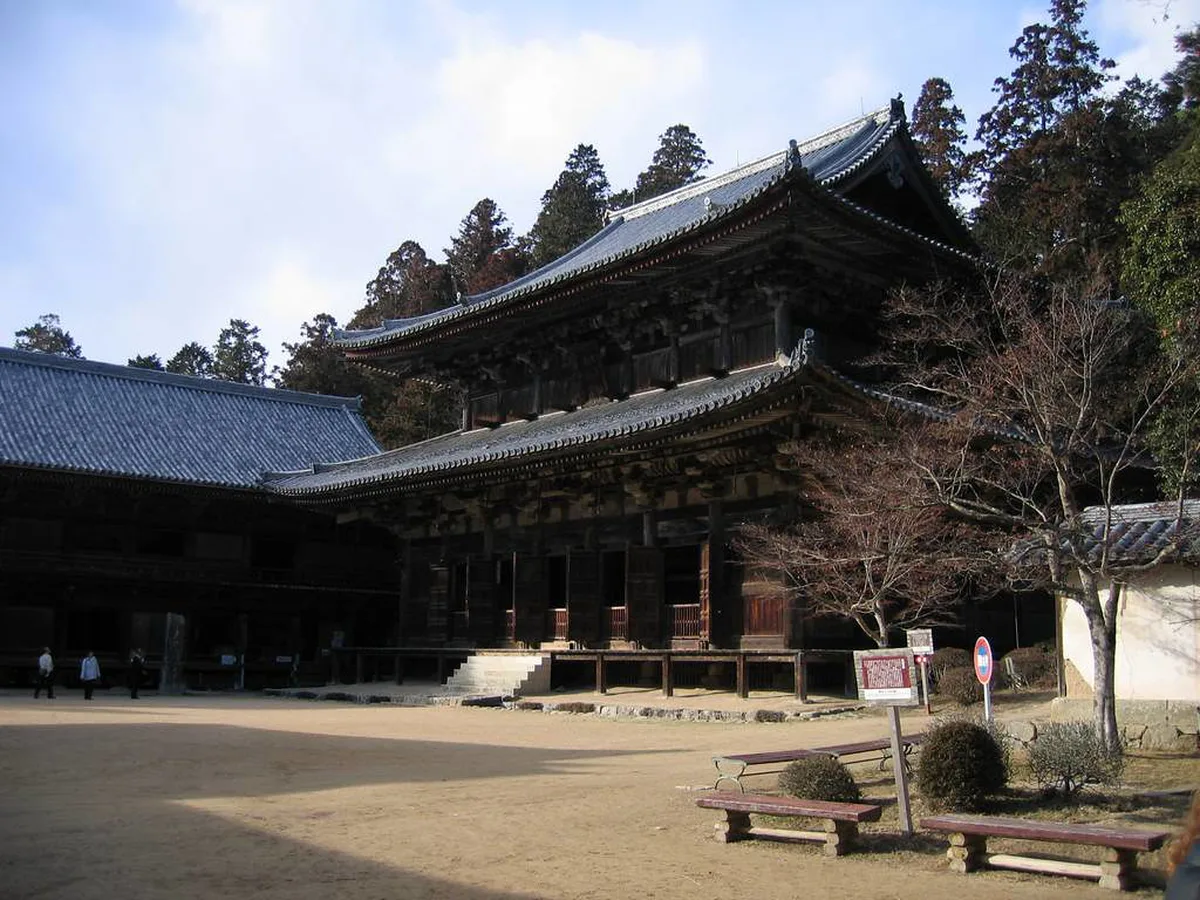
Engyo-ji Temple
Engyo-ji is an ancient Tendai Buddhist temple complex crowning Mount Shosha (371 m) above Himeji, founded in 966 CE and famed for its mist-shrouded cedar forests, Important Cultural Property wooden halls, and its role as the village setting in the 2003 film 'The Last Samurai'. Access requires the 4-minute Mt. Shosha Ropeway (¥1,200 adult round trip, separate fare) followed by a scenic 15-minute forest walk or shuttle bus to the main precinct.
Visitor guide →
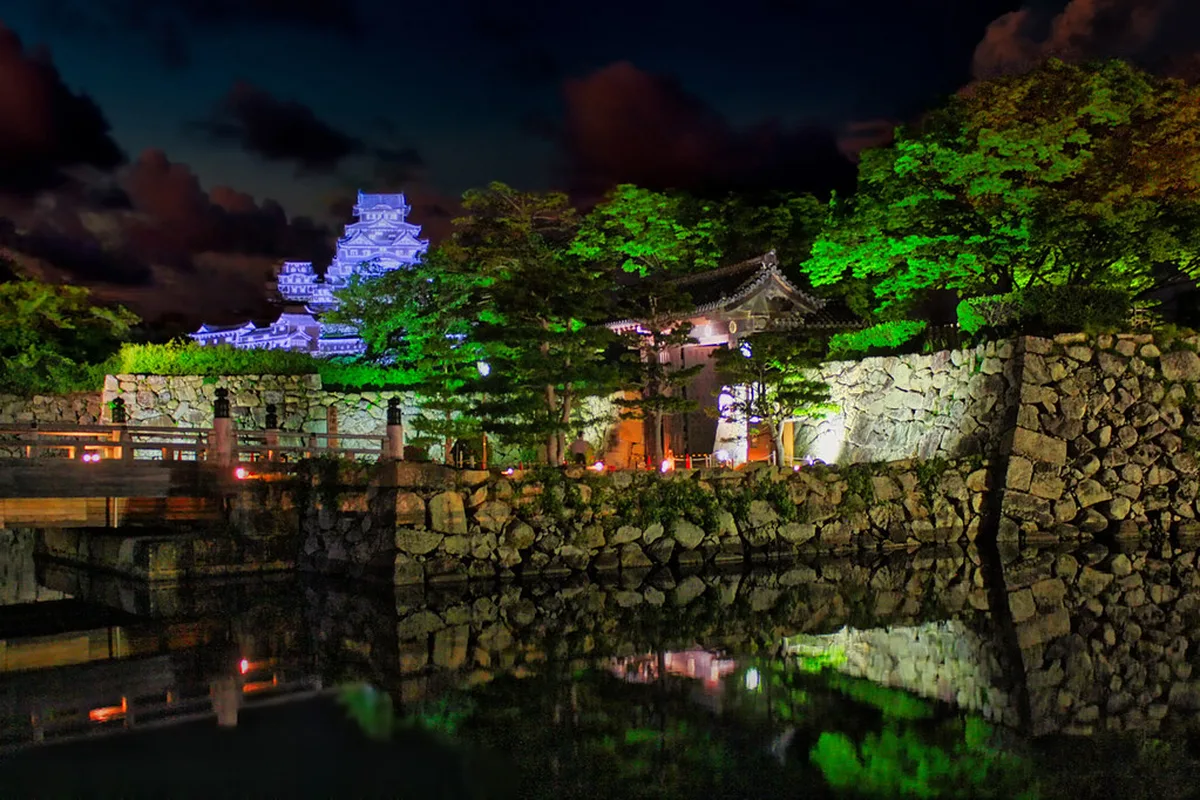
Himeji Castle
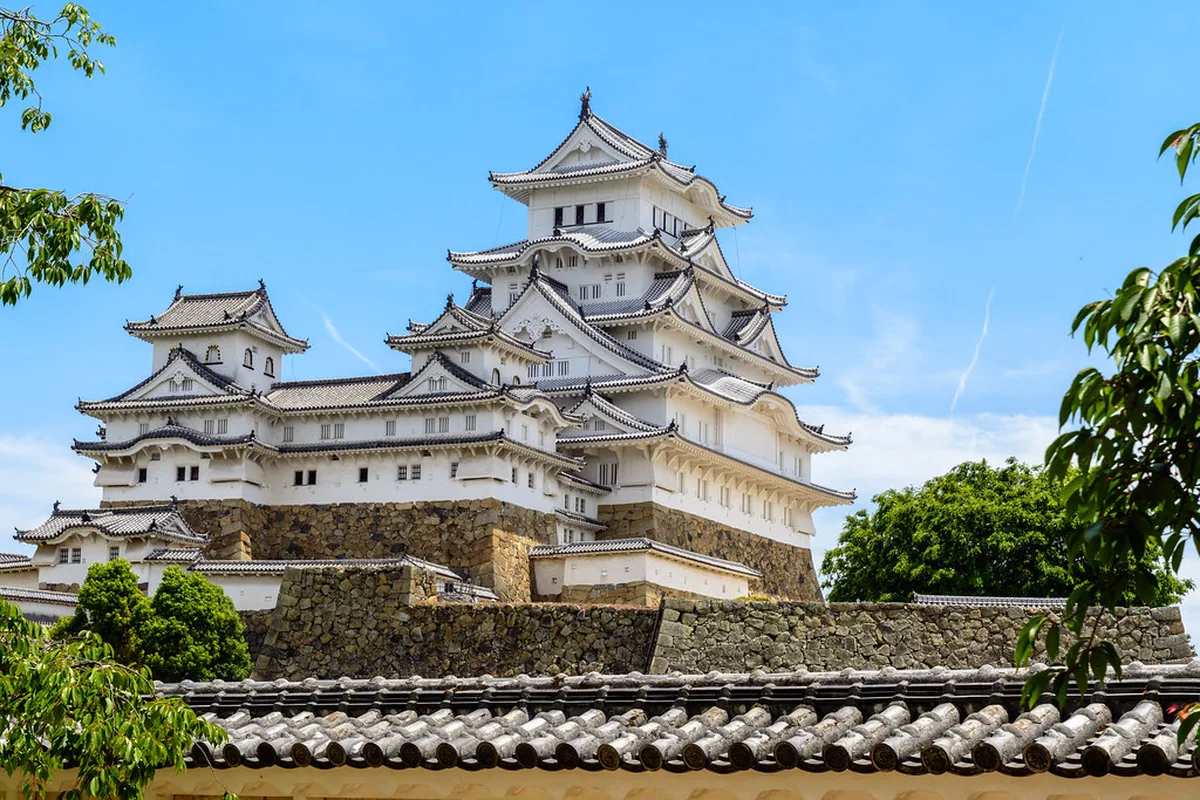
Himeji Castle is Japan's most iconic feudal fortress and a UNESCO World Heritage Site, rising above Himeji city on a 45-metre hill. Its dazzling white walls, complex layered rooflines, and remarkably intact 17th-century keep — nicknamed the 'White Heron Castle' — make it the gold standard of Japanese castle architecture.
Visitor guide →
Himeji City Museum of Art
Himeji City Museum of Art occupies a striking red-brick Meiji-era warehouse (1905) recognized as a National Registered Tangible Cultural Property, sited just east of the UNESCO World Heritage Himeji Castle. Opened as a museum in 1983, it holds around 5,000 works — including a celebrated collection of modern French paintings such as Monet's 'At Le Petit-Gennevilliers, Sunset' — and is temporarily closed for full renovation from April 2026 through the end of 2027.
Visitor guide →
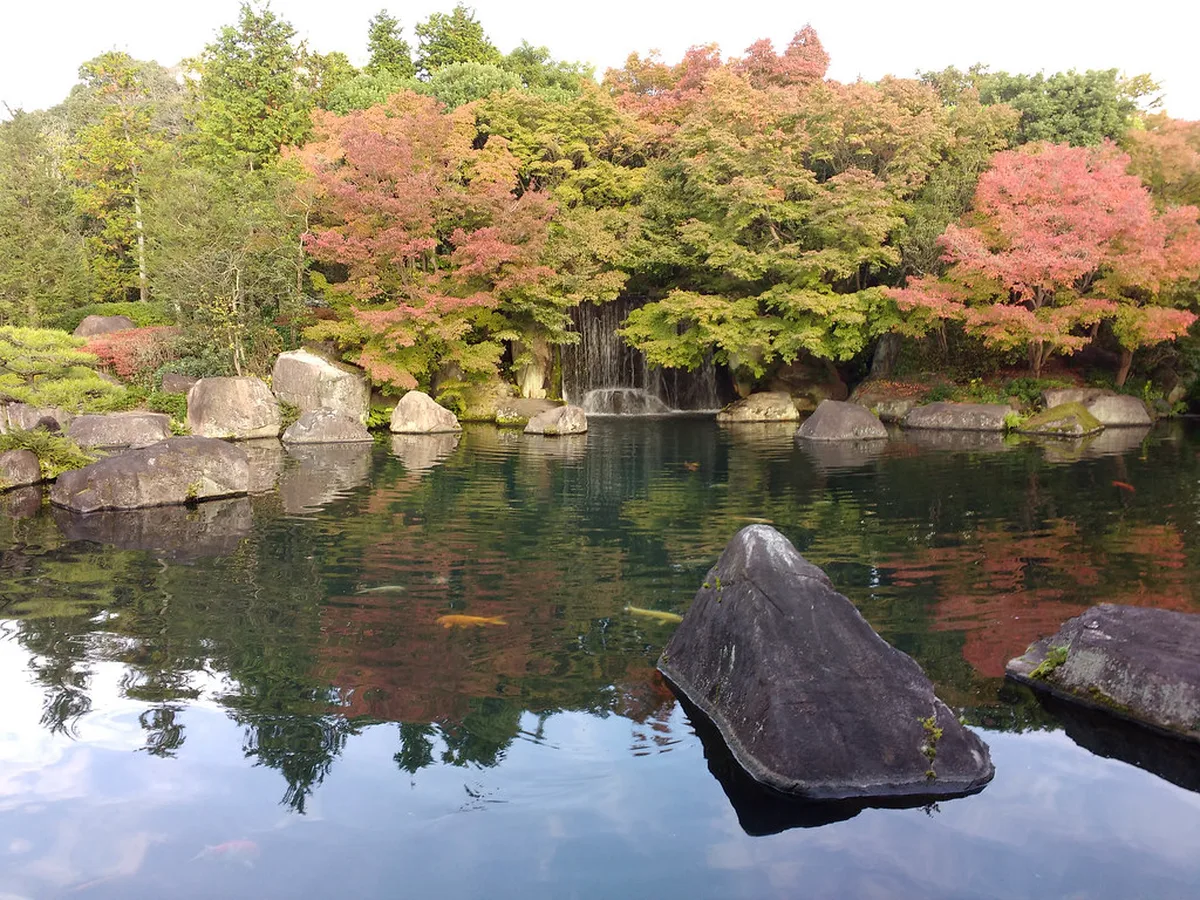
Koko-en Garden
Koko-en (好古園) is a nine-garden complex of walled Edo-period strolling gardens directly beside Himeji Castle in Himeji, Hyogo Prefecture, opened in 1992 on the archaeologically verified site of the castle's former western residence. Highlights include the koi-pond Oyashiki-no-niwa, the Soju-an tea house for matcha service, bamboo groves, a waterfall pavilion, and seasonal planting that draws visitors year-round.
Visitor guide →
Mount Shosha (Shoshazan Ropeway)
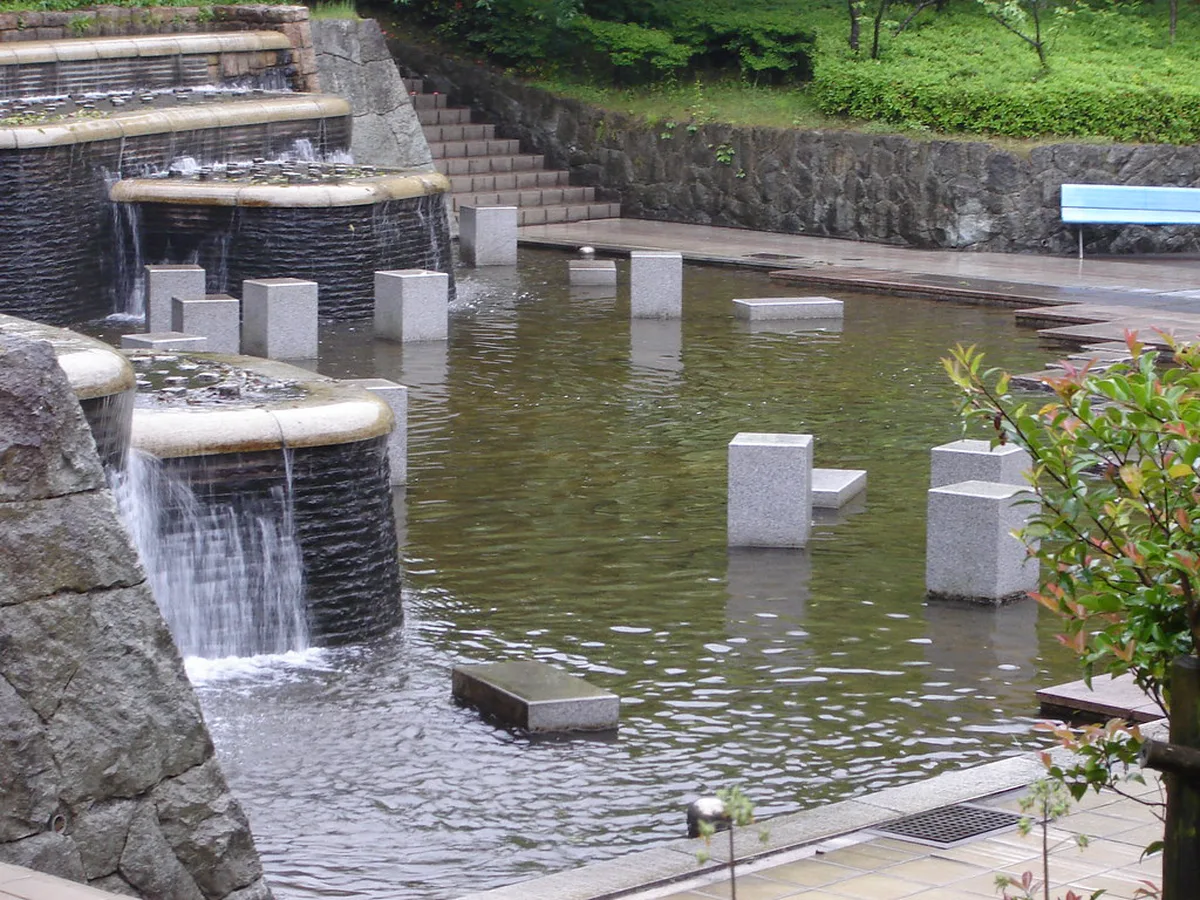
Mount Shosha (書写山, 371 m) is a forested mountain in Himeji, Hyogo Prefecture, reached via the Shoshazan Ropeway — a 4-minute aerial tramway opened in 1958 that rises 210 m above the city. The summit is home to Engyō-ji, a 10th-century Tendai pilgrimage temple known as the 'Mount Hiei of the West' and a filming location for The Last Samurai, offering a serene escape from Himeji Castle's crowds.
Visitor guide →
Himeji attractions by category
Himeji's sightseeing divides cleanly into three tiers. Knowing the category helps you sequence the day without backtracking.
Castle and gardens
Himeji Castle is the anchor. Every itinerary starts here, ideally at opening (9:00) before tour groups arrive from Osaka and Kyoto. Koko-en Garden occupies the land directly west of the castle's outer moat — it was built in 1992 on the archaeologically confirmed site of the castle's western samurai residences, and the combo ticket (castle + garden, ¥2,600) makes visiting both together the obvious call. Allow 2–3 hours for the castle keep and grounds, plus 45–60 minutes for Koko-en.
Temples and mountains
Mount Shosha and the temple complex of Engyo-ji occupy an entirely different register: forested, quiet, and largely free from the castle's crowd patterns. The Shoshazan Ropeway (¥1,200 adult round trip) carries you up in four minutes; the cedar-shaded walk to the main precincts takes another 15 minutes. Engyo-ji's 966 CE founding, its Important Cultural Property wooden halls, and its role as the "village" backdrop in the 2003 film The Last Samurai give it an atmosphere unlike anything down in the city. Block out half a day if you're combining this with the castle.
Museums and culture
Himeji City Museum of Art — the red-brick 1905 warehouse east of the castle — is closed for full renovation from April 2026 through the end of 2027. The sculpture garden remains open and entry is free. The Hyogo Prefectural Museum of History and the Japan Toy Museum are worth noting for families or on-a-rainy-day visits; neither competes with the main three for first-timer priority.
Himeji Castle: the centerpiece
There are roughly a dozen surviving original feudal castles in Japan; Himeji Castle is the one you've seen in photographs. The main keep (tenshu) stands at 46.4 metres, its six interior floors housing original defensive features — stone-dropping chutes, arrow slits, and a dizzying final staircase to the top-floor shrine — that reconstruction projects can replicate but never quite match. The UNESCO listing in 1993 recognised both the castle's Outstanding Universal Value as architecture and its integrity as an essentially unaltered 17th-century structure.
2026 tickets and hours: Adults ¥2,500; visitors under 18 are free. Open 9:00–17:00 (last entry 16:00). The castle + Koko-en combo ticket is ¥2,600 and saves the separate Koko-en admission (¥400). Buy tickets at the castle gate — there is no advance online purchase for walk-in visitors, so arrive early in peak season (late March through May, October) to avoid queues that can add 30–45 minutes.
The approach along Otemae-dori — the straight boulevard running directly from JR Himeji Station to the castle — is one of the most satisfying arrival sequences in Japan. The keep appears dead ahead the moment you exit the station's north gate and stays in view all the way up. The walk takes 15–20 minutes on flat ground.
Beyond the castle: Mount Shosha and Engyo-ji Temple
The single most common complaint from visitors who did only Himeji Castle is: "I wish I'd stayed longer." Mount Shosha is why. From the city centre, take city bus No. 8 from JR Himeji Station's north exit (about 30 minutes) to the Shoshazan Ropeway station. The ropeway ascends 210 metres in four minutes (¥1,200 adult round trip); a forest path and optional shuttle bus connect the upper station to Engyo-ji's main precincts.
Engyo-ji admission is ¥800. The temple complex covers several hectares of cedar forest with multiple wooden halls — Maniden, Jokido, and Daikodo — that survived intact because the mountain's remoteness kept them out of the destructive path of the 1868 Meiji-era campaigns against Buddhist institutions. The result is one of the most atmospheric temple complexes in western Japan: misty on cool mornings, golden in autumn, and blessedly crowd-free compared to Himeji Castle below. Film fans will recognise the precincts as the fictional samurai village in Edward Zwick's The Last Samurai.
Budget at least 2 hours once you reach the summit. Combined with travel time and the castle, this makes a full-day itinerary from Osaka or Kyoto genuinely comfortable rather than rushed.
Free vs paid Himeji attractions
Himeji's paid attractions are reasonably priced by Japanese heritage-site standards. Here is the full cost breakdown for the five main sights:
Free highlights worth adding to any itinerary: the walk along Otemae-dori from the station, the exterior castle grounds and moat walk (only the inner keep is ticketed), and Otokoyama Hachimangu Shrine — a small Shinto shrine 10–15 minutes on foot from the castle that offers one of the best elevated views of the White Heron Castle without crowds or a ticket.
Suggested Himeji itineraries
Half-day itinerary (4–5 hours from Osaka or Kyoto)
This works well if you're doing Himeji as a tight day trip and catching an evening train back. Arrive by 9:00 at JR Himeji Station. Walk Otemae-dori to the castle (15–20 min). Enter at opening, spend 90 minutes inside the keep and grounds. Cross the road to Koko-en Garden for 45 minutes using your combo ticket. Return to the station by 13:00–14:00 and catch a shinkansen or Special Rapid back. You'll have seen the city's two flagship sights without rushing.
Full-day itinerary (8–9 hours)
Arrive by 9:00. Castle + Koko-en until 12:00–12:30. Lunch near the station (Kassui-ken inside Koko-en serves lunch sets ¥1,380–¥2,620; closes 15:00). Take the 13:00 city bus to Shoshazan Ropeway station. Ropeway up, explore Engyo-ji (2–2.5 hours), ropeway down by 16:30. Return to the station and catch a 17:00–18:00 train. This schedule is comfortable but not leisurely — the full day earns its name. For a more detailed breakdown by time slot, see our Himeji itinerary guide.
Getting to and around Himeji
From Osaka
JR Special Rapid from Osaka Station to JR Himeji Station: approximately 60–75 minutes, ¥1,520 with an IC card. No reservation required. Shinkansen (Nozomi/Hikari from Shin-Osaka to Nishi-Akashi, then local) is faster but costs considerably more — the Special Rapid is the standard day-tripper's choice.
From Kyoto
JR Shinkansen from Kyoto to Himeji (via Nishi-Akashi or direct Hikari services): approximately 45–55 minutes. Alternatively, take the JR Special Rapid via Shin-Osaka (total ~90 minutes). Japan Rail Pass holders will find the shinkansen logical here.
Getting around Himeji
The castle and Koko-en are 15–20 minutes on foot from JR Himeji Station — flat, straight, and impossible to miss. For Engyo-ji and the ropeway, take city bus No. 8 from the north exit bus terminal (30 min, ¥270). The Himeji Loop Bus ("Himeji-jo Loop") stops at the castle and other central sights; day passes are available. Bicycles can be rented near the station for a flat-terrain city that suits cycling well.
Best time to visit Himeji
Himeji's attractions are rewarding year-round, but two seasons are exceptional.
Late March to early April (cherry blossom) is peak Himeji. The castle grounds contain over 1,000 cherry trees, and the combination of white plaster walls and pale pink blossoms makes Himeji Castle one of Japan's most-photographed hanami sites — often rated alongside Hirosaki and Yoshino. Expect significantly larger crowds and book accommodation early if you're staying overnight.
Autumn (mid-October to mid-November) is the other sweet spot. Mount Shosha's cedar and maple canopy turns in late October, making the Engyo-ji visit particularly atmospheric. Autumn crowds at the castle are smaller than spring, and the light in October has a quality that photographers seek out.
Summer (July–August) is manageable but hot and humid; the castle's upper floors can be stifling. Winter (December–February) is quiet, occasionally icy on the castle approach, and the mountain can close the ropeway in bad weather — check conditions before visiting Engyo-ji in January or February.
Frequently asked questions about Himeji attractions
How long do you need in Himeji?
A minimum of half a day (4–5 hours) covers Himeji Castle and Koko-en Garden. A full day (8–9 hours) adds Mount Shosha and Engyo-ji Temple. Most visitors arrive on a day trip from Osaka or Kyoto and find a full day very comfortable without feeling rushed.
Is Himeji worth visiting as a day trip from Osaka?
Yes. The JR Special Rapid from Osaka takes about 60–75 minutes and requires no advance booking. Himeji is consistently cited as one of the best day trips from Osaka, combining a UNESCO World Heritage castle with gardens and a mountain temple that Kyoto-focused itineraries often overlook.
How much does Himeji Castle cost to enter?
Adult admission to Himeji Castle is ¥2,500 (2026). Visitors under 18 enter free. The combo ticket including Koko-en Garden is ¥2,600. There is no discount for most foreign visitors, but the admission is widely considered excellent value for a UNESCO site of this quality.
Is the Himeji City Museum of Art open?
No. The Himeji City Museum of Art is closed for full building renovation from April 2026 through the end of 2027. The sculpture garden adjacent to the red-brick building remains open and free to enter. Check the museum's official site before visiting in 2028, as the reopening schedule may shift.
What is the best Himeji attraction beyond the castle?
Engyo-ji Temple on Mount Shosha is the most commonly cited "hidden gem" that separates memorable Himeji visits from ordinary ones. The mountaintop Tendai complex — reached via a four-minute ropeway — offers mist-shrouded forest, 10th-century wooden halls, and total quiet even when the castle is packed. It also served as the filming location for The Last Samurai.
Can you see Himeji Castle for free?
The outer grounds, moat walk, and the approach along Otemae-dori are free. The ticketed inner area (¥2,500) covers the main keep and the inner citadel. The exterior view from the castle approach — especially from Otokoyama Hachimangu Shrine — is outstanding and completely free.
What is the best time to visit Himeji Castle?
Cherry blossom season (late March to early April) is Himeji's most spectacular window — the 1,000+ castle-ground cherry trees have made it one of Japan's premier hanami sites. Autumn (mid-October to mid-November) is the quieter alternative, with beautiful foliage on Mount Shosha. Arrive at opening (9:00) in any season to beat the tour groups from Osaka and Kyoto.
How do I get from Himeji Station to the castle?
Walk straight up Otemae-dori from the north exit of JR Himeji Station — the castle keep is visible the entire way. The walk takes 15–20 minutes on flat ground. The Loop Bus also stops at the castle (Otemons-mae stop) and suits visitors who prefer not to walk both ways.
Plan your Himeji trip
For a deeper dive into Himeji's attractions, our Himeji attractions guide covers each sight in detail with insider tips and seasonal advice. Ready to structure the day? The Himeji itinerary lays out both a half-day and a full-day schedule with travel times, ticket costs, and lunch options — the fastest way to go from "thinking about Himeji" to having a plan that actually works.

