Perched atop the lush slopes of Mount Shosha, Engyo-ji Temple offers a spiritual escape from the modern bustle of Hyogo Prefecture. This ancient Tendai Buddhist complex dates back over a thousand years and remains a vital training ground for monks. Many travelers recognize its towering wooden halls from Hollywood films, yet its serene atmosphere provides much more than a movie set. Our comprehensive engyo-ji temple visitor guide helps you navigate the trails, history, and hidden treasures of this sacred mountain.
Visiting this site is often paired with a trip to the nearby Himeji Castle due to their close proximity. While the castle showcases military might, the temple focuses on inner peace and architectural harmony with nature. You can easily spend a full day exploring the sprawling grounds that stretch across the mountain's summit. Prepare for a journey that involves scenic ropeway rides, ancient forest paths, and Michelin-starred vegetarian cuisine.
History and Origins of Engyo-ji Temple
The story of Shoshazan Engyo-ji begins in 966 AD when the priest Shōkū founded the temple.
Legend says he established the site after receiving a divine message while training in the mountains.
The temple eventually became a major center for the Tendai sect, rivaling the famous Enryaku-ji near Kyoto.
It served as a rigorous training academy for monks who sought enlightenment through physical and mental discipline.
- Founding Abbot Shōkū
- Role: Spiritual founder
- Era: Heian Period
- Legacy: Established 966 AD
- Sect: Tendai Buddhism
- Mount Shosha Significance
- Elevation: 371 meters
- Nature: Sacred mountain
- Status: Pilgrimage site
- Location: Northern Himeji
Getting to Mount Shosha: Ropeway vs. Hiking
Reaching the temple requires a short journey from central Himeji using the local bus system.
Take bus number 8 from Himeji Station and ride it for about 30 minutes to the base of the mountain.
Once you arrive, you must choose between a scenic ropeway ride or a traditional hike through the forest.
The ropeway offers breathtaking views of the city and the Seto Inland Sea during the four-minute ascent.
- Mount Shosa Ropeway Option
- Cost: 1,000 yen roundtrip
- Frequency: Every 15 minutes
- Travel Time: 4 minutes
- Best for: Quick access
- Eastern Hiking Course
- Difficulty: Moderate
- Time: 50 minutes
- Terrain: Forested path
- Views: Occasional cityscapes
- Western Hiking Course
- Difficulty: Steep/Challenging
- Time: 60-70 minutes
- Terrain: Rocky inclines
- Benefit: Less crowded
The Maniden Main Hall (Nyoirindō)
The Maniden is the first major structure you encounter after entering the temple gates.
It features a striking balcony built into the steep hillside using the traditional kake-zukuri style.
This architectural technique is similar to the one used at the world-famous Kiyomizu-dera in Kyoto.
The current hall was rebuilt in 1933 after a fire, yet it retains an ancient and weathered aesthetic.
The Three Halls (Mitsu no Dō)
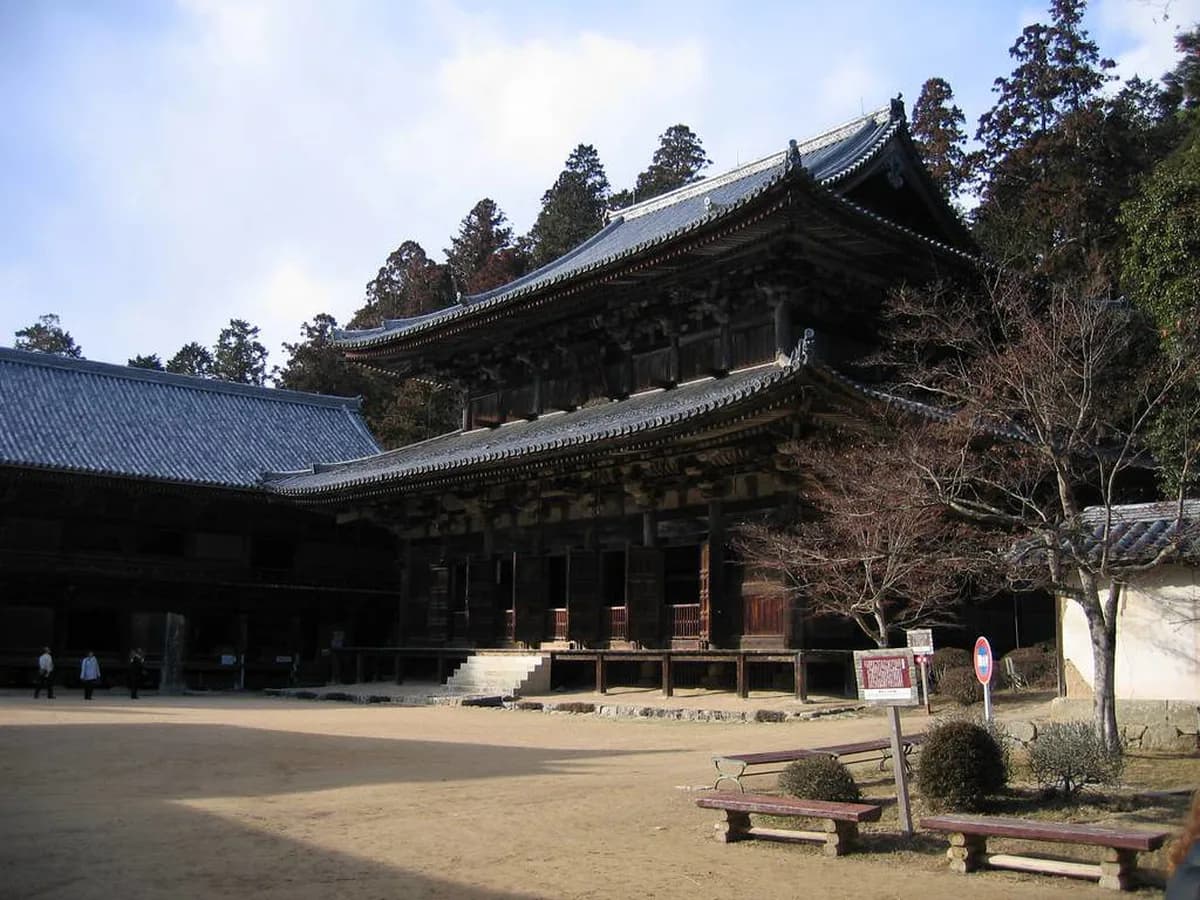
Deep within the forest lies the Mitsu no Dō, a collection of three massive wooden buildings.
These structures include the Daikōdō, the Jikidō, and the Jōgyōdō, arranged in a U-shape around a central courtyard.
The Daikōdō serves as the great lecture hall where monks once gathered for rigorous philosophical debates.
The Jikidō functioned as both a refectory and a dormitory for the resident monks during their training.
- Daikōdō (Great Lecture Hall)
- Era: Muromachi Period
- Feature: Shaka Triad
- Use: Monastic debate
- Status: Important Property
- Jikidō (The Refectory)
- Era: Rebuilt 1963
- Feature: Treasure museum
- Use: Dining hall
- Length: 40 meters
- Jōgyōdō (Gymnasium Hall)
- Era: Edo Period
- Feature: Stage for music
- Use: Walking meditation
- Focus: Amida Buddha
Cultural Treasures: Statues and Important Properties
Engyo-ji houses an impressive collection of Buddhist art that spans several centuries of Japanese history.
One of the most significant pieces is the Seated Statue of Kongō Satta located within the Kongōdō.
This specific cultural property represents a high point in late Heian period wood carving and artistic detail.
The statue sits upon a delicate lotus dais, symbolizing purity emerging from the muddy waters of the world.
Experiencing Buddhist Practices and Shojin Cuisine
For a truly immersive experience, visitors can participate in traditional Buddhist practices on the mountain.
The temple offers sessions for sutra copying, known as shakyo, which help quiet the mind through focused writing.
You may also join guided zazen meditation sessions if you book your visit in advance.
These activities provide a rare opportunity to engage with the living traditions of Mount Shosha directly.
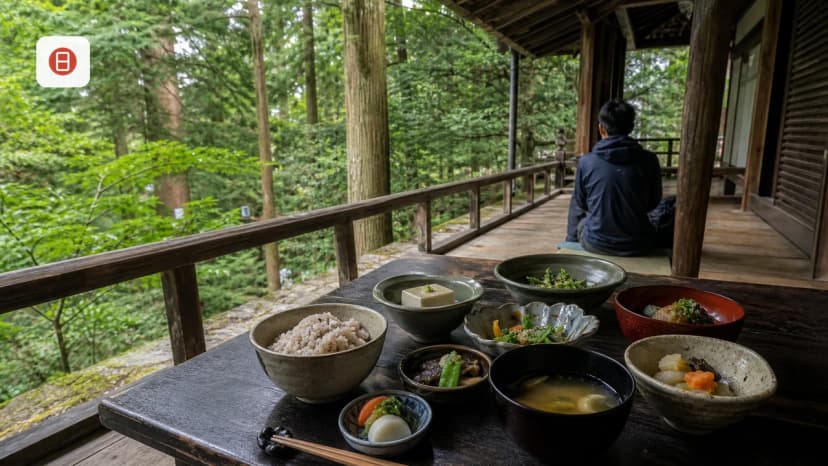
- Shojin Cuisine at Juryo-in
- Meal Type: Vegetarian
- Rating: Michelin 1-star
- Serving: Shosha-nuri lacquer
- Booking: Required 3 days prior
- Spiritual Activities
- Meditation: Zazen
- Writing: Sutra copying
- Cost: 1,000 - 5,000 yen
- Duration: 30-90 minutes
Engyo-ji in Film: The Last Samurai Connection
The cinematic beauty of Engyo-ji captured the attention of Hollywood directors for the film The Last Samurai.
Tom Cruise and Ken Watanabe filmed several pivotal scenes within the courtyard of the Three Halls.
The Daikōdō and Jikidō provided the perfect historical backdrop for the fictional samurai village in the movie.
Walking through these halls today allows fans to stand in the exact spots where the actors performed.
Practical Visitor Information
The temple grounds are open daily from 8:30 AM to 5:00 PM, though the ropeway may stop earlier in winter.
Admission to the temple grounds costs 500 yen per adult, which helps maintain the historic wooden structures.
Plan for at least three hours to see the main sites without rushing through the forest paths.
Wearing comfortable walking shoes is essential as the terrain between buildings can be uneven and steep.
Frequently Asked Questions
How do I get to Engyo-ji Temple from Himeji Station?
Take bus number 8 from the north exit of Himeji Station to the Mount Shosha Ropeway stop. The ride takes 30 minutes and costs 280 yen. From there, use the ropeway or hike to reach the temple grounds on the summit. You can find more Himeji travel tips to help navigate the city transport.
What was filmed at Engyo-ji Temple?
The temple is most famous for hosting the production of The Last Samurai starring Tom Cruise. Key scenes were shot at the Three Halls (Mitsu no Dō). Specifically, the Daikōdō and Jikidō served as the samurai's training and meeting grounds. It has also appeared in several Japanese historical dramas.
Can you eat at Engyo-ji Temple?
Yes, you can experience high-quality shojin cuisine at the Juryo-in subtemple. This Michelin-starred vegetarian meal must be reserved at least three days in advance. There is also a small cafeteria near the ropeway station for casual snacks. Most visitors find the traditional meal worth the extra planning.
How much does the Mount Shosa Ropeway cost?
A roundtrip ticket for the ropeway costs 1,000 yen for adults and 500 yen for children. One-way tickets are also available if you prefer to hike either up or down the mountain. The ropeway operates every 15 minutes during standard temple hours. Check the official schedule during winter months for earlier closing times.
Is Visiting Mount Shosa Ropeway and Engyo Ji Temple Worth It?
Absolutely, especially for those seeking a peaceful alternative to crowded city temples. The combination of ancient wooden architecture and natural mountain scenery is unique in the region. It offers a deeper look into Japanese history than most standard tourist spots. Many travelers consider it the highlight of their Himeji day-trip itinerary.
Engyo-ji Temple stands as a testament to Japan's enduring spiritual and architectural heritage. Whether you are a film buff, a hiker, or a history enthusiast, Mount Shosha provides a rich and rewarding experience. The combination of the Maniden's height and the Three Halls' history creates a truly unique atmosphere. We hope this engyo-ji temple visitor guide helps you plan an unforgettable journey to this sacred peak.
Remember to check the weather and book your shojin cuisine well in advance to maximize your visit. The peaceful forest trails and ancient statues offer a profound sense of calm that lingers long after you leave. Himeji is full of wonders, and this temple is certainly one of its most precious jewels. Enjoy your exploration of one of the most significant Buddhist sites in Western Japan.
To verify current details, consult the Engyo-ji Temple official site and Engyo-ji Temple on Wikipedia.
Looking for more to explore nearby? Our guide to the best things to do in Himeji covers the full picture of the city's top sights alongside this sacred mountain.