Arita and Imari Porcelain Guide: Kyushu's Ceramic Towns
Our arita and imari porcelain guide covers kiln visits, the Ceramics Fair, Okawachiyama's kiln valley, and buying and shipping tips for Saga.
On this page
Arita and Imari sit in Saga Prefecture on the island of Kyushu, home to Japan's oldest porcelain tradition. Potters first fired kaolin clay here in 1616, launching an industry that shaped export trade for centuries. This guide to Arita and Imari porcelain walks you through the kilns, galleries, and shipping options that define both towns. We also cover the train connections and buying tips you need for a smooth 2026 visit.
Arita: The Birthplace of Japanese Porcelain Since 1616
Korean potter Yi Sam-pyeong is credited with discovering porcelain-grade kaolin clay near Arita in 1616. His find turned a small mountain town into the center of Japan's first true porcelain industry. Early kilns fired simple blue-and-white wares inspired by Chinese and Korean techniques. Within decades, Arita ware reached European courts through Dutch traders based in Nagasaki.
Arita's kilns adapted through the Meiji era, adding bold overglaze enamels known as Kakiemon and Kinrande styles. Many workshops still operate from buildings their founding families built over a century ago. Dozens of kilns and studios remain active in Arita today, from tiny family workshops to larger export houses. Visitors can watch potters trim greenware and apply hand-painted cobalt designs in several open studios.
Tozan-jinja shrine sits on a hillside above town and honors Yi Sam-pyeong as the guardian of the porcelain trade. Its torii gate, lanterns, and guardian dogs are built entirely from local porcelain rather than stone. The shrine stays open all day and charges no entrance fee, making it an easy stop before or after a kiln tour. Climb the stone steps in late afternoon for softer light on the blue-and-white tilework.
Must-See Arita Attractions: Kilns, Galleries, and Museums
Arita rewards visitors who slow down and treat kiln-hopping like a scenic walk rather than a checklist. Most sights cluster within a fifteen-minute walk of Arita Station, so a rental bike is optional. The stops below cover the ones locals recommend most for a half-day visit.
If you want to fold Arita into a wider Saga itinerary, pair it with nearby castle towns and hot spring stops. Our guide to Saga Prefecture attractions lists other day-trip options across the region. Many travelers base themselves in Saga City and treat Arita as a half-day rail excursion.
Arita Porcelain Park recreates a European palace garden and gathers dozens of workshops under one roof. It works well for families or travelers short on time who still want a hands-on taste of the craft. Check Arita Porcelain Park in Saga Prefecture for current hours and seasonal events.
Beyond the park, dozens of small galleries display work from individual kiln families. Gallery Arita curates pieces from multiple studios under one roof, useful when your time is limited. Staff can usually explain which kiln made a given piece and how it was fired. See Gallery Arita for a sense of the range before you go kiln-hopping.
- Kyushu Ceramic Museum
- This museum displays four centuries of Arita and Imari ware without charging an entrance fee.
- Rotating exhibits trace kiln techniques from early stoneware through refined Kakiemon enamels.
- The building sits a short walk from Arita Station, so pair it with a kiln tour.
- Tozan-jinja shrine and its porcelain torii
- A porcelain torii gate and matching guardian dogs mark this hillside shrine above town.
- Visitors can climb the steps for free at any hour of the day.
- The blue-and-white tilework photographs best in soft late afternoon light.
- Arita Porcelain Park
- This themed park recreates a Baroque German palace alongside porcelain workshops and shops.
- Families can browse hundreds of ceramic pieces and watch live demonstrations on site.
- It suits travelers who want a compact, one-stop introduction to the craft.
- Kiln district galleries along the Uchiyama arcade
- Family-run studios in this covered arcade sell everyday tableware at workshop prices.
- Some kilns offer hand-painting or wheel-throwing sessions that take about an hour.
- The arcade sits an easy walk from Arita Station, ideal for a gallery crawl.
The Arita Ceramics Fair and Hands-On Kiln Visits
Each spring, Arita hosts its Ceramics Fair along a stretch of road lined with hundreds of stalls. Local kilns sell seconds and factory-direct pieces at prices well below gallery retail. The event draws visitors from across Kyushu and typically runs during Japan's Golden Week holidays. Confirm this year's Arita Porcelain Fair dates before booking travel.
Outside fair season, several kilns still welcome walk-in visitors for shorter workshop sessions. A typical hand-painting session takes about an hour and produces a small dish or cup to keep. No porcelain experience is required, and staff usually explain each step in simple English.
One popular course lets travelers witness or even try their hand at traditional throwing and painting techniques. Reservations fill fast during peak weekends, so book a few days ahead when possible. Bring closed-toe shoes, since some workshop floors stay dusty with clay and glaze.
The Arita Tourism Association publishes an updated list of kilns currently accepting visitors. Their walking maps group studios by neighborhood, which helps you plan a route on foot. Calling ahead is still wise, since small workshops sometimes close for firing days.
Imari's Okawachiyama: The Secret Kiln Valley
Okawachiyama sits in a narrow valley about ten minutes by taxi from Imari Station. Feudal lords sealed off this valley in the 1600s so potters could work without rival domains stealing their techniques. Only wares approved for the Nabeshima clan and the shogunate left the valley, which is why locals still call it the secret kiln valley.
Around thirty kilns now line a single stone street, each with its own small shop and showroom. The pace here feels slower than Arita's busier gallery strip, which suits travelers who prefer browsing over crowds. Budget half a day if you plan to compare pieces across several kilns before buying.
Okawachiyama works best as a half-day add-on rather than a full day trip on its own. Public buses run infrequently, so a rental car or taxi from Imari Station saves real time. Travelers without a car often pair it with a rail day that also covers Arita.
Nabeshima-style pieces here tend to run higher than everyday Arita tableware, reflecting their courtly design history. Even so, small cups and sake sets in simpler patterns can still cost under 3,000 yen. Ask each shop whether a piece was hand-painted or transfer-printed, since prices vary widely between the two.
How to Buy and Ship Arita and Imari Porcelain
Most kilns and galleries in both towns accept cash, and larger shops now take credit cards too. Budget travelers can find simple bowls, cups, and small plates for well under 2,000 yen at workshop-direct shops. Signed or hand-painted pieces from noted kilns can run into the tens of thousands of yen.
Shops experienced with tourists usually offer overseas shipping, though rates and packaging fees vary by size and weight. Ask staff to pack fragile pieces in double boxes if you plan to check them in luggage instead. Request a receipt with the kiln name, since it helps with customs forms and later insurance claims.
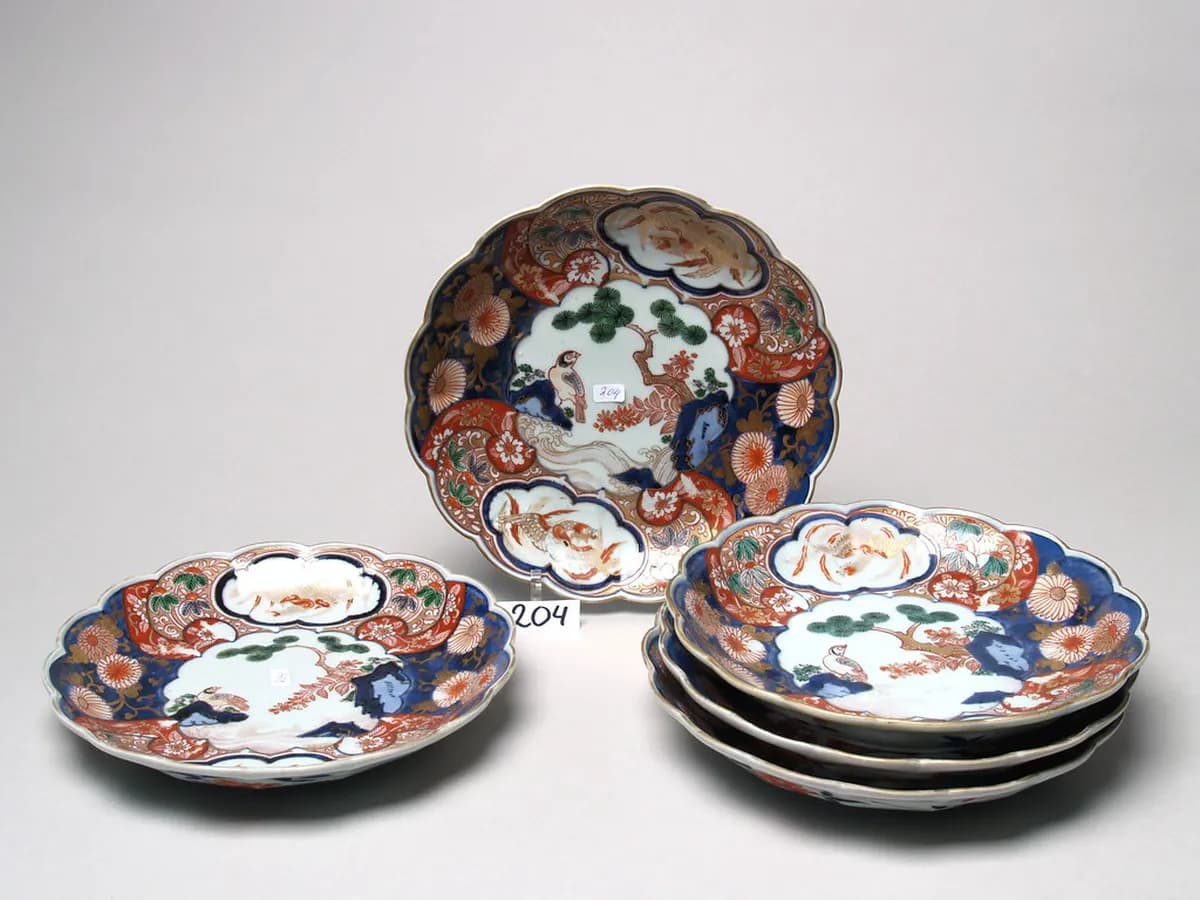
Genuine Arita and Imari pieces usually carry a maker's mark or kiln stamp on the base. Hand-painted cobalt lines look slightly uneven under close inspection, unlike the perfectly even lines of transfer prints. Older Imari export pieces often show a heavier iron-red and gold palette than lighter modern Arita tableware.
- Compare pieces across a few kilns first
- Walk through two or three shops before committing to a larger purchase.
- Pricing and style vary more between kilns than most first-time buyers expect.
- Ask about hand-painted versus transfer-printed work
- Hand-painted pieces cost more but carry unique brushwork from a single artist.
- Transfer-printed pieces repeat a pattern exactly and usually cost noticeably less.
- Request export-safe packing for fragile items
- Double boxing protects glazed surfaces during international shipping or checked luggage.
- Confirm insurance coverage before the shop finalizes your shipment.
- Keep receipts for customs and warranty purposes
- A kiln name and date help prove authenticity if a piece needs appraisal later.
- Some countries require an itemized receipt for duty-free import allowances.
Getting Between Arita and Imari (and On to Saga)
Local trains connect Arita and Imari directly, with the ride taking about 25 to 30 minutes each way. Both stations sit within walking distance of their main kiln districts, so you rarely need a taxi in town. Trains run roughly once or twice an hour, so check the timetable before planning a tight schedule.
From Hakata Station in Fukuoka, a limited express train reaches Arita in a little over an hour. Travelers from Tokyo usually take the Shinkansen to Hakata first, a ride of around five hours, then transfer onward. Fares and schedules change with rail passes and seasons, so confirm current prices before you book.
If Arita and Imari are one stop on a longer trip, our Saga Prefecture itinerary shows how to fit them alongside Karatsu and Yobuko. Many visitors base themselves in Saga City for two or three nights and take day trips from there. A regional rail pass can pay for itself if you plan more than two or three train legs.
Pack light for the train legs, since luggage space on local Kyushu lines is limited. Aim for a weekday visit if you want quieter kiln districts and shorter workshop waits. Weekday mornings also give you the best chance at a hands-on workshop slot without booking days ahead.
Frequently Asked Questions
What is the difference between Arita and Imari porcelain?
Arita is where porcelain has been made since 1616, while Imari was historically the port that shipped it overseas. Today, the name 'Imari ware' often describes the same porcelain in an antique context, especially export pieces with heavy red and gold decoration. Modern buyers usually visit Arita for kilns and Imari for the Okawachiyama valley.
How can I identify authentic Arita porcelain?
Look for a kiln stamp or maker's mark on the base, along with slightly uneven hand-painted cobalt lines under close inspection. Genuine pieces often feel heavier and denser than mass-produced imitations, and the glaze shows a smooth, glassy finish rather than a flat printed pattern. Ask the shop to confirm the kiln of origin.
How can I tell the age of Imari ware?
Older Imari export pieces from the 1700s and 1800s tend to show heavier iron-red and gold decoration with slightly irregular brushwork. Later 19th and 20th-century pieces often use brighter, more uniform colors from improved glazing techniques. A specialist appraisal remains the only reliable way to confirm an exact age.
Is Imari porcelain valuable?
Value depends heavily on age, condition, and the kiln that produced a piece, with many everyday items selling for modest prices. Signed antique pieces or rare Nabeshima-style wares can fetch far higher prices at auction than typical souvenir tableware. Ask a specialist dealer before assuming any older piece is highly valuable.
How do I get from Arita to Imari?
A direct local train links Arita and Imari in about 25 to 30 minutes, with both stations close to the main kiln districts. Trains run roughly once or twice an hour, so check the current timetable before planning a tight same-day schedule between both towns.
Arita and Imari reward travelers willing to slow down and treat porcelain shopping like a craft lesson, not just a souvenir stop. Start at Tozan-jinja and the Kyushu Ceramic Museum, then work your way to Okawachiyama's quieter kiln street in Imari. Book any hands-on workshop a few days ahead, and confirm fair dates and opening hours before you travel in 2026. For more day trips around Kyushu, explore the JapanActivity travel blog for additional regional guides.
Free guide: Japan's Hidden Gems
12 under-the-radar places beyond Tokyo & Kyoto — with the best season to visit each and a local tip you won't find in the guidebooks.
You might also like



Continue reading
More guides you'll find useful