Best Time to Visit Kitakyushu: A Season-by-Season Guide
Find the best time to visit Kitakyushu, from spring wisteria and cherry blossoms to summer festivals, quiet autumns, and cheap winter trips.
On this page
The best time to visit Kitakyushu falls in mid to late April. That window catches the tail end of cherry blossoms at Kokura Castle and the opening days of Kawachi Wisteria Garden. Shoulder season travelers who want quieter crowds should aim for late September through October instead.
Last updated July 2026, this guide reflects typical seasonal patterns rather than one-off weather records. Kitakyushu sits on the northern tip of Kyushu, so its climate runs slightly milder than Tokyo's. Rain, humidity, and festival crowds all shift the calculation depending on which season fits your trip.
Families chasing wisteria tunnels, drum-festival fans, and budget travelers hunting winter deals all want different months. This guide breaks down weather, crowds, prices, and events season by season. For a fuller day-by-day plan once you settle on dates, see our Kitakyushu itinerary guide.
Spring in Kitakyushu: Cherry Blossoms and Wisteria
Cherry blossoms usually open around Kokura Castle in the last days of March. Kyushu blooms earlier than Tokyo, so late March through early April is the peak window here. Daytime highs run 12-20°C / mid-50s to upper-60s°F, comfortable for long walks around the castle moat. Evening illuminations light the trees, and the crowds stay lighter than at Tokyo's famous parks.
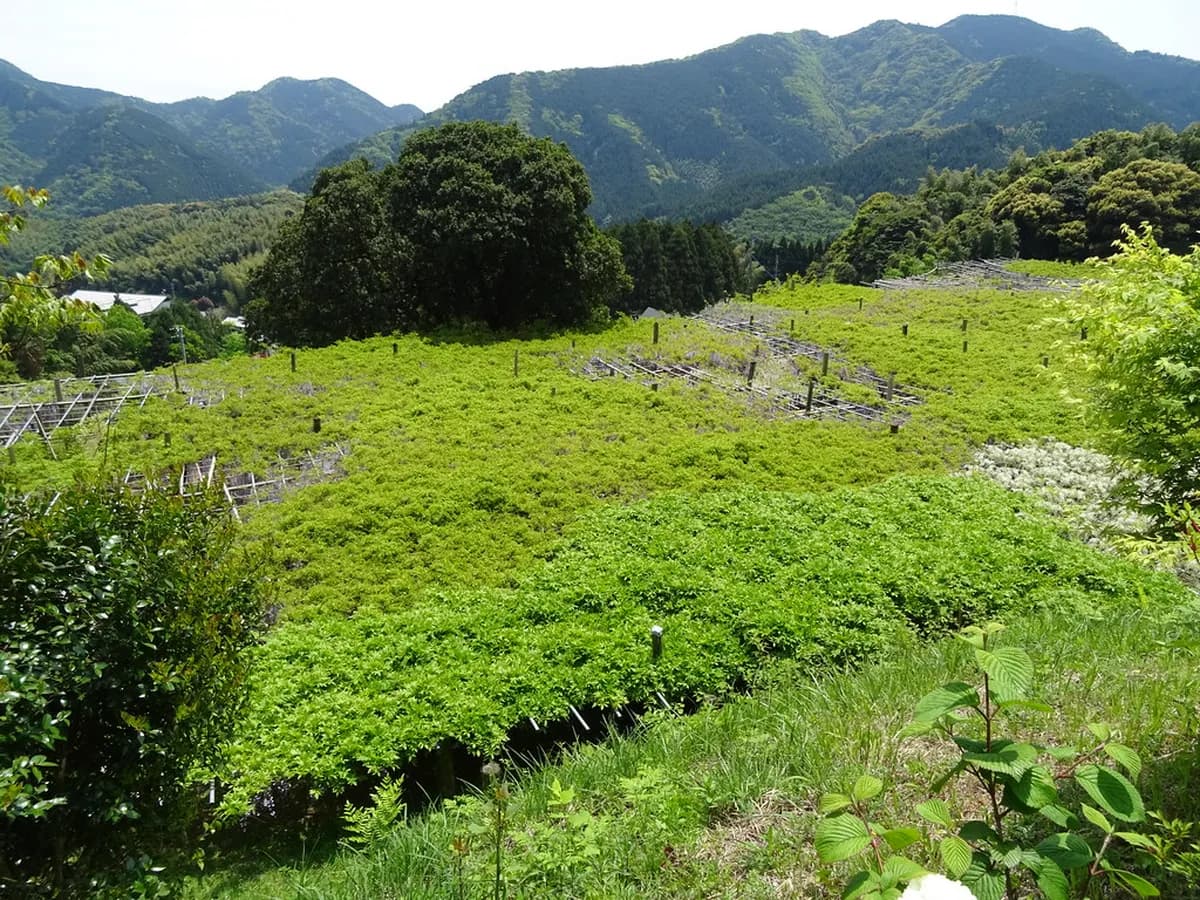
Roughly three weeks later, the wisteria tunnels at Kawachi Wisteria Garden take over as the main draw. Peak bloom typically runs from late April through the first week of May, based on the garden's own yearly reports. The garden caps daily visitors and sells dated, timed-entry tickets online only during this bloom window. Booking a slot at least a few days ahead is worth it, since peak-weekend times sell out.
Check the Kawachi Wisteria Garden official website for the current bloom forecast before booking tickets. Bloom dates shift by about a week most years, depending on spring temperatures.
Weekend afternoons draw the thickest crowds, so early weekday mornings feel noticeably calmer. Find the exact route and parking area on Kawachi Wisteria Garden's map listing before you drive out. Spring overall pairs mild weather with the year's two biggest floral events.
Summer in Kitakyushu: Rainy Season and Gion Daiko
Tsuyu, the region's rainy season, typically runs from early June through mid-July. Humidity climbs fast, and short, heavy downpours can interrupt outdoor plans with little warning. Travelers who need reliable dry days should avoid this window or plan mostly indoor activities.
Kokura Gion Daiko, one of Kitakyushu's signature festivals, usually falls around the third weekend of July. Dueling taiko drummers parade through central Kokura, drawing large crowds near the station and castle grounds. Hotels near Kokura Station book up fast for festival weekend, so reserve well ahead.
Once the rains clear, summer heat settles in through August. Daytime highs reach 27-33°C / high 70s to low 90s°F, with humidity that makes it feel hotter. Typhoons occasionally brush northern Kyushu in August and September, sometimes delaying ferries and trains.
Despite the heat, summer keeps hotel prices moderate outside the festival weekend itself. Evening walks along the harbor or through air-conditioned museums make the season easier to enjoy.
Autumn and Winter: Second Bloom to Mojiko Lights
Kawachi Wisteria Garden reopens for a shorter run in November, this time for maple foliage rather than wisteria. The autumn color show typically lasts about two to three weeks in mid-to-late November. Crowds run far lighter than the spring wisteria peak, and same-day tickets are usually easier to get.
Outside that window, autumn weather across Kitakyushu stays mild and dry. Daytime highs sit around 15-22°C / high 50s to low 70s°F through October and into November. September still carries some typhoon risk, so check forecasts before booking outdoor day trips.
One detail most guides skip: local restaurants run a discounted dining campaign called Gururich! Kitakyushu during slower months. It lets visitors sample set-course meals at reduced prices across dozens of participating restaurants. Pairing a quieter autumn or winter trip with this campaign stretches a food budget further.
Winter runs cool and dry, with daytime highs of 8-13°C / mid-40s to mid-50s°F. Mojiko Retro's waterfront lights up for a winter illumination each year, usually from late November into February. Some smaller gardens and seasonal attractions reduce hours or close entirely once the wisteria and maple seasons end. Winter also brings the year's lowest hotel rates outside the New Year holiday.
Best Time to Visit Kitakyushu: Season Comparison
The table below lines up all four seasons side by side. Use it to weigh weather, crowds, and prices before picking your travel dates. Pair any season with our Kitakyushu attractions guide for a full sightseeing list.
Spring wins for flowers but sells out hotel rooms near Kokura Station fastest. Summer brings festival energy alongside the year's stickiest humidity. Autumn offers the best balance of mild weather and thin crowds. Winter is cheapest overall, trading flowers and festivals for illuminations and quiet streets.
Prices for flights and hotels typically peak around the Gion Daiko festival and the spring wisteria bloom. Booking three to four months ahead helps secure reasonable rates for either window.
| Season | Weather | Crowds | Prices | Events | Best For |
|---|---|---|---|---|---|
| Spring (late March-early May) | 12-20°C / mid-50s-upper-60s°F | High on wisteria weekends | Peak, book early | Kokura Castle cherry blossoms; Kawachi Wisteria bloom | Flower-focused first-time visitors |
| Rainy season (early June-mid-July) | 22-27°C / low 70s-low 80s°F, humid | Low | Moderate | Few outdoor festivals | Flexible travelers who can skip rain |
| Summer (mid-July-August) | 27-33°C / high 70s-low 90s°F | High around Gion Daiko | High near festival dates | Kokura Gion Daiko (mid-July) | Festival and drum-culture fans |
| Autumn (September-November) | 15-22°C / high 50s-low 70s°F | Moderate; low outside maple week | Moderate | Kawachi Wisteria autumn maples (November) | Travelers wanting mild days, fewer crowds |
| Winter (December-February) | 3-13°C / high 30s-mid-50s°F | Low | Lowest of the year | Mojiko winter illuminations | Budget travelers and quiet-city seekers |
Which Season Is Right for You?
Your ideal month depends more on what you want to do than on the calendar alone. Flower lovers, festival fans, and budget travelers all peak in different months.
Use the list below to match your travel style to a season. Each pick reflects a real trade-off between crowds, cost, and weather.
None of these windows is wrong, just better suited to certain priorities. Combine two adjacent seasons if your travel dates are flexible.
- Pick spring if you want flowers
- Time your trip for late April cherry blossoms and wisteria tunnels together
- Pick rainy season if you want savings
- Accept indoor backup plans for lower hotel rates and thinner crowds
- Pick summer if you want festival energy
- Build your trip around Kokura Gion Daiko's mid-July drum parade
- Pick autumn if you want mild weather
- Enjoy comfortable temperatures and the wisteria garden's short maple season
- Pick winter if you want quiet and value
- Take advantage of low prices and Mojiko's waterfront illumination display
What to Pack for Kitakyushu by Season
Packing changes a lot between Kitakyushu's four seasons. Layering matters most during the unpredictable rainy-season stretch in June and July.
Spring and autumn call for light layers you can add or remove easily. Summer demands breathable fabrics and rain protection for sudden downpours. Winter stays mild by northern-Japan standards but still needs a warm layer after dark.
Comfortable walking shoes matter every season, since many sights involve uneven paths or hills. A compact umbrella earns its space in your bag from March through October.
- Spring season packing essentials
- Pack a light jacket for cool cherry-blossom-season mornings and evenings
- Rainy season packing essentials
- Bring a compact umbrella and quick-dry clothing for sudden downpours
- Summer season packing essentials
- Choose breathable fabrics plus sun protection for the humid festival season
- Autumn season packing essentials
- Layer a light sweater under a jacket for cool autumn evenings
- Winter season packing essentials
- Add a warm coat and scarf for chilly illumination-season evenings outside
Explore best time to visit in other cities
Frequently Asked Questions
When is the Kawachi Wisteria Garden in bloom?
Peak bloom usually runs from late April through the first week of May. The garden sells timed, dated tickets online only during this window, so booking ahead matters. Bloom dates can shift by about a week depending on spring temperatures.
What is the rainiest month in Kitakyushu?
Rain peaks during tsuyu, the rainy season that typically runs from early June through mid-July. Short, heavy downpours are common in the afternoon, and humidity climbs quickly across the city. Travelers who want reliably dry days should plan trips for late July through October instead.
When is the Kokura Gion Daiko festival held?
Kokura Gion Daiko usually takes place around the third weekend of July each year. Dueling taiko drummers parade through central Kokura near the castle and station. Hotel rooms near Kokura Station typically sell out fast, so reserve well before the festival dates.
Is Kitakyushu worth visiting outside cherry blossom season?
Yes, each season offers its own reason to visit beyond spring flowers. Summer brings Kokura Gion Daiko, autumn brings mild weather, and winter brings Mojiko's illuminations. Visitors who skip cherry blossom season altogether still find plenty worth planning an entire trip around.
Kitakyushu rewards travelers who match their trip to the right season. Mid-to-late April remains the top pick for combining cherry blossoms with wisteria tunnels. Quieter alternatives in autumn and winter trade flowers for lower prices and calmer streets.
Whichever month you choose, book festival-season hotels and wisteria tickets well ahead. For more seasonal Kyushu guides, browse the JapanActivity travel blog.
Free: The Fukuoka Essentials guide
Top things to do, where to stay, a perfect day plan, getting around, and the best time to go — a Fukuoka mini-guide you can take offline.
You might also like


Continue reading
More guides you'll find useful