Japan Family Holiday: Ultimate 10-Day Itinerary & Planning Guide
Plan your unforgettable Japan family holiday with our ultimate itinerary, expert tips, and practical advice for a smooth, fun-filled trip.
On this page
A Japan family holiday delivers something most destinations simply cannot: a country where ancient temples sit minutes from Pokémon cafes, where bullet trains are an experience in themselves, and where even a 3-year-old can navigate a convenience store and emerge triumphant. This guide covers everything you need to plan a first Japan trip with kids — from picking your dates to packing the right bag.
Japan's reputation for safety, cleanliness, and child-friendly hospitality makes it unusually forgiving for first-time family visitors. The infrastructure is exceptional, the food is almost universally kid-approved, and the locals are patient with children in a way that genuinely surprises most Western families. The 10-day itinerary below is built around that reality: manageable travel days, a mix of cultural and thrill-ride experiences, and enough slack to handle jet lag and unexpected toddler meltdowns.
Why Japan is Great for Kids
Japan's safety record is exceptional. Violent crime rates are among the lowest in the world, children routinely walk to school alone from age six, and it is perfectly normal to leave a bag on a cafe table while you order. Parents who spend their travels anxiously scanning crowds can genuinely relax here in a way that is not possible in most major tourist destinations.
The country is also built for sensory delight. Kids who struggle to engage with "another old church" will find Japan relentlessly stimulating: robot hotels, teamLab digital art museums, capsule toy machines on every corner, deer that bow for crackers in Nara, and snow monkeys bathing in hot springs in Nagano. The variety means children of wildly different ages and interests stay engaged throughout a 10-day trip.
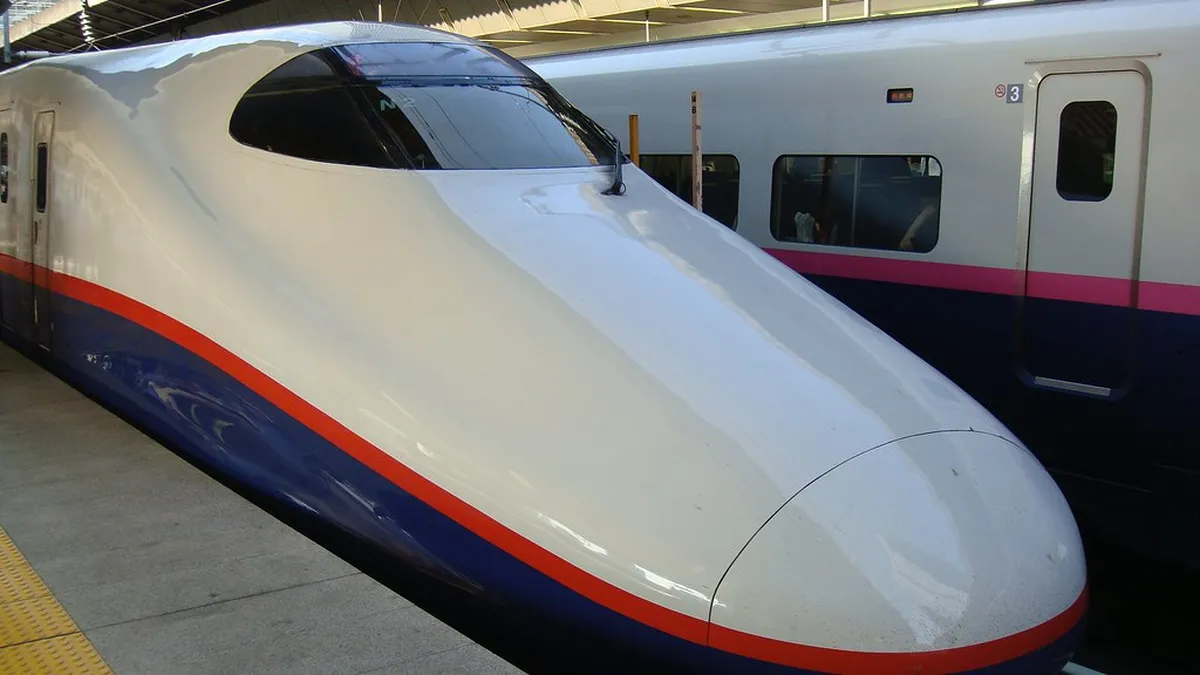
Transport is part of the adventure rather than an ordeal. The Shinkansen bullet train regularly hits 320 km/h and most children treat the ride as an attraction in its own right. Local trains, monorails, and ferries are punctual to the minute. Even a toddler who disrupts a carriage will be met with gentle smiles rather than eye-rolls — Japan treats children as a normal part of public life, not an inconvenience.
Children under 6 travel free on all JR trains — a rule that often surprises families budgeting transport costs. Combined with the JR Pass (which covers children aged 6–11 at half the adult price), families with young children can shift the economics significantly in their favour. Always confirm this when calculating whether a JR Pass makes sense for your itinerary.
Planning Your Japan Family Holiday: Step-by-Step
Start with the Best Time To Visit Japan: A Seasonal & Monthly Travel Guide for your family. Spring (late March to early May) brings cherry blossoms but also Golden Week — a cluster of national holidays that sends domestic crowds through the roof. Mid-April to late April hits the sweet spot: blossoms at their peak, schools back in session, domestic tourists mostly at work. Autumn (October to mid-November) is quieter and equally beautiful with foliage colour. Avoid Golden Week (late April to early May) and Obon (mid-August) unless you have no choice; both are extremely busy and expensive.
Book flights and accommodation as early as possible, ideally six months out. Most Japanese hotels only release bookings six months ahead, so searching earlier may show false-full calendars. Tokyo Disney Resort official hotels open bookings two to three months in advance. For Ghibli Museum tickets, the release system is specific: tickets go on sale on the 10th of the month before you want to visit, at 10:00 JST, and sell out within minutes. Set a calendar reminder and be online early.
Decide whether a Japan Rail Pass makes sense for your route. For a 10-day trip hitting Tokyo, Kyoto, Osaka, and Hiroshima, the 7-day or 14-day pass may pay for itself. Use our rail pass calculator for your family itinerary to compare national and regional passes with individual tickets. Children aged 6–11 pay half the adult pass price; children under 6 travel free on all JR trains. That free-under-6 rule is often missed by families budgeting their transport, and it can shift the maths significantly for families with toddlers.
Get a Japan eSIM before you leave home. Navigating Japanese streets, translating menus with the Google Translate camera, and finding the nearest clean toilet all require reliable mobile data. An eSIM avoids the airport SIM-card queue and works from the moment you land. Families should compare individual eSIMs with pocket WiFi for the whole group, especially when children carry devices or the party may split up.
Sample Japan Family Itinerary: 10 Days of Adventure
This 10-day itinerary is built for first-time families. It follows the classic Tokyo–Kyoto–Osaka–Hiroshima corridor, using the Shinkansen as the connective tissue. Travel days are kept short, and no single day is over-packed. Adjust freely — Japan rewards spontaneity when you have connectivity and a transport card.
- Day 1 — Tokyo arrival. Land at Haneda (30 min to central Tokyo) or Narita (60–90 min). Check in and do nothing ambitious. Shibuya Crossing in the evening is a manageable first hit of Tokyo energy: free, short, and genuinely awe-inspiring for children who have never seen a scramble intersection at rush hour.
- Day 2 — Tokyo Disneyland or DisneySea. Buy tickets online in advance — you cannot buy at the gate. Tickets run ¥7,900–¥10,900 per adult (2026 tiered pricing). DisneySea suits older kids and adults better; Disneyland is more suitable for under-8s. Go on a weekday for shorter queues.
- Day 3 — Tokyo culture: Asakusa and Skytree. Senso-ji temple (free, always open) and Nakamise-dori market open around 09:00. Combine with a Sumida River cruise (¥1,000) to Tokyo Skytree observation deck (¥2,300–¥3,100). Ueno Park and Zoo (¥600 adults, under-12 free) works well as an afternoon add-on.
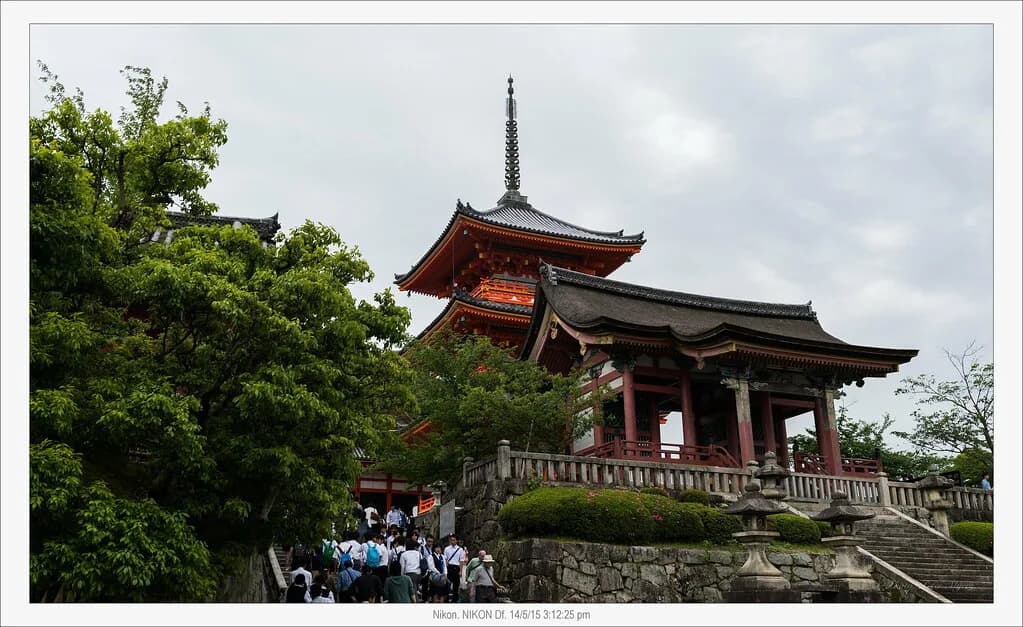
- Day 4 — Shinkansen to Kyoto. The ride from Tokyo to Kyoto takes 2 hours 15 minutes on the Nozomi (not covered by JR Pass) or 2 hours 40 minutes on the Hikari (covered). Arrive by midday, check in, and visit Kinkaku-ji (Golden Pavilion, ¥500) and Fushimi Inari Shrine (free). The torii gate tunnels at Fushimi Inari are free and endlessly photogenic.
- Day 5 — Kyoto: Arashiyama and Monkey Park. Arashiyama Bamboo Grove is free and best before 09:00. Iwatayama Monkey Park (¥550 adults, ¥250 children) involves a 20-minute uphill walk and rewards families with 120 wild Japanese macaques. Combine with Tenryu-ji temple garden (¥500).
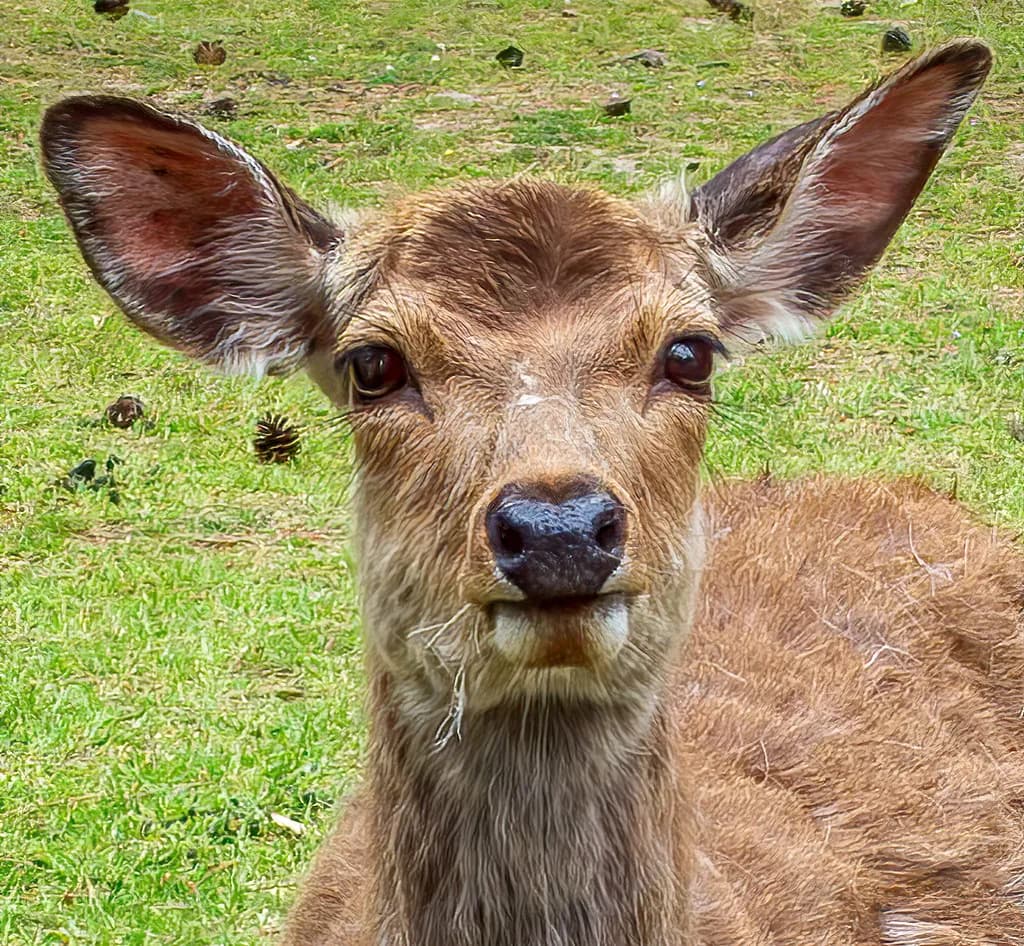
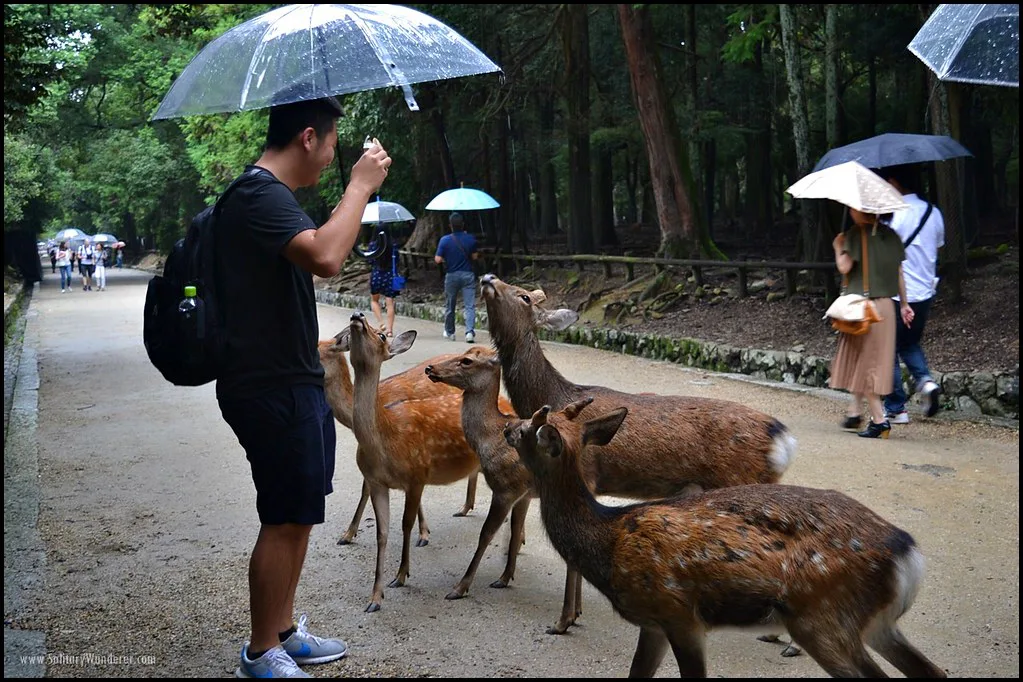
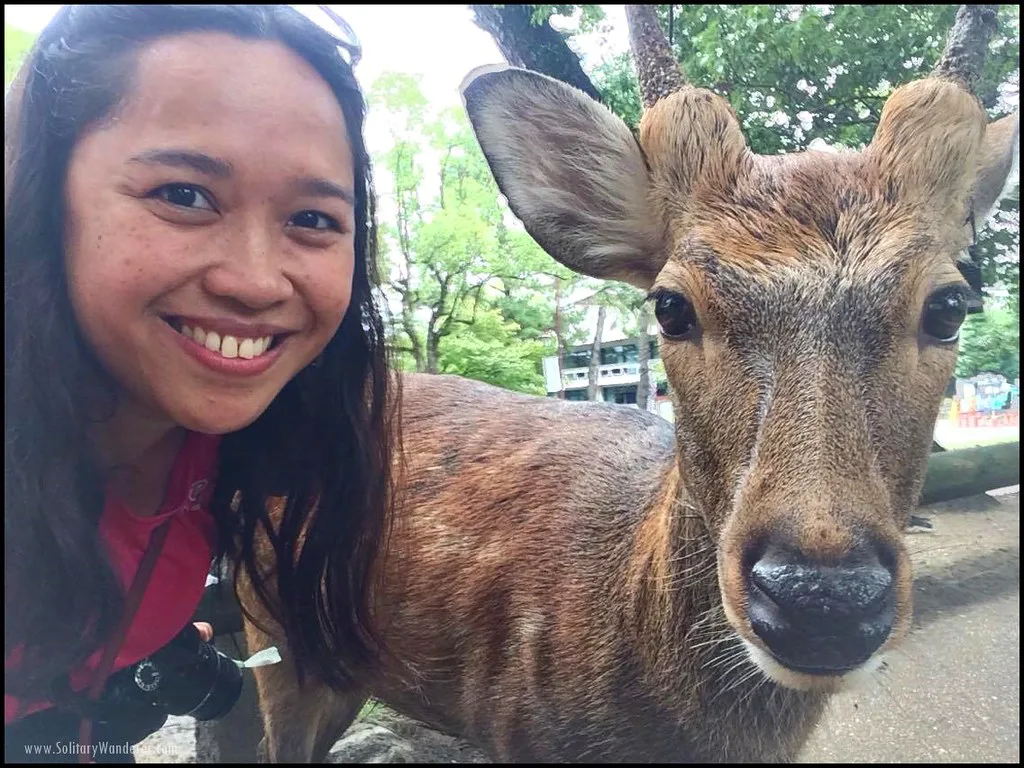
- Day 6 — Nara day trip, overnight Osaka. Nara is 45 minutes from Kyoto by Kintetsu train (¥720). Free-roaming deer at Nara Park accept shika-senbei crackers (¥200 per pack) and bow for them — one of Japan's most memorable family moments. Todai-ji temple houses a 15-metre bronze Buddha (¥600). Head to Osaka by early evening for Dotonbori street food.
- Day 7 — Osaka: Universal Studios Japan. USJ is best on weekdays. Express Passes are almost essential to avoid 90-minute queues and cost ¥4,500–¥15,000 per person depending on which rides are included. Super Nintendo World is the headline draw. Book USJ tickets and Express Passes online at least two weeks ahead.
- Day 8 — Hiroshima Peace Memorial + Miyajima. Shinkansen from Osaka to Hiroshima takes 50 minutes (¥7,500). The Peace Memorial Museum (¥200 adults, under-18 free) is powerful but manageable for children aged 9 and up — families with younger children often spend time in the park and memorial rather than the museum itself. Catch the ferry to Miyajima Island (¥360 each way) for the floating torii gate of Itsukushima Shrine (¥300).
- Day 9 — Return to Tokyo, Ghibli Museum or Ueno. Shinkansen from Hiroshima to Tokyo is 4 hours (¥19,000 per adult on Hikari, covered by JR Pass). Ghibli Museum tickets (¥1,000 adults, ¥700 ages 7–12, ¥400 ages 4–6, free under 4) must be booked on the 10th of the prior month. If not booked, Ueno Park is free and the zoo (¥600 adults, under-12 free) is a solid afternoon option.
- Day 10 — Departure. Allow 90 minutes from central Tokyo to Narita, 45 minutes to Haneda. A final convenience store breakfast — onigiri, tamagoyaki roll, canned milk tea — is a ritual worth doing. Lawson and 7-Eleven open 24 hours.
Best Things to Do in Japan with Kids
Tokyo's theme parks are the headline draws, but Japan's kid-friendly offering goes far deeper. teamLab Borderless at Azabudai Hills (¥3,200 adults, ¥1,000 ages 3–12) is an immersive digital art experience that children often respond to more viscerally than any museum — artworks fill entire rooms and react to touch and movement. Book in advance as timed slots sell out. The National Museum of Nature and Science in Ueno (¥630 adults, free under-18) has a life-size blue whale skeleton and dinosaur exhibits that land well with most age groups.
In Kyoto, kimono rental for the whole family (around ¥3,000–¥5,000 per person, Okamoto Kimono in Gion is well-regarded for families) transforms a temple visit into a full cultural experience that children remember long after the trip. The Nintendo Museum in Uji, south of Kyoto, opened in 2024 and covers Nintendo's full history from hanafuda cards to Switch — tickets (¥3,300) are allocated by lottery on the official Nintendo site each month.
Osaka's Osaka Aquarium Kaiyukan (¥2,700 adults, ¥1,400 ages 7–15, ¥700 ages 4–6) is one of the world's largest and features a whale shark tank visible from multiple floors. Nara's free-roaming deer park is universally popular — children interact directly with wild animals in a way that is simply not possible at most Western wildlife attractions. For older kids interested in history, the hands-on samurai and ninja experiences available in Kyoto (from ¥3,000 per person) are high-energy and available in English.
| Attraction | City | Good for Ages |
|---|---|---|
| Tokyo Disneyland or DisneySea | Tokyo | All ages; DisneySea better for 8+ |
| Ghibli Museum | Tokyo | 4+ (film fans especially) |
| Fushimi Inari Shrine (torii gates) | Kyoto | All ages (free) |
| Nara Deer Park + Todai-ji Buddha | Nara (day trip) | All ages (interactive animals) |
| Universal Studios Japan + Super Nintendo World | Osaka | 6+ (height restrictions apply) |
| Osaka Aquarium Kaiyukan | Osaka | All ages (whale shark, multiple floors) |
| Miyajima floating torii gate | Hiroshima day trip | All ages (accessible ferry) |
Getting Around Japan with Kids: Transport Guide
The Shinkansen is the backbone of any multi-city family trip. Seats are spacious, the ride is smooth, and reserved seats ensure the family sits together — always reserve ahead, especially during Golden Week or Obon when unreserved carriages are standing-room only. The Hikari and Sakura services are covered by the JR Pass; the faster Nozomi and Mizuho require a separate pass-holder ticket. For a family of four, a 14-day ordinary JR Pass costs ¥80,000 per adult and ¥40,000 per child aged 6–11; children under 6 travel free without a reserved seat. Compare it carefully with individual fares for a Tokyo–Kyoto–Osaka–Hiroshima route rather than assuming it will pay for itself.
Within cities, IC cards (Suica or Pasmo) are the most convenient option. Buy them at JR station ticket machines, load ¥3,000–¥5,000, and tap on and off at every metro, bus, and monorail gate. IC cards also work at convenience stores and vending machines. Children under 12 pay half-fare on most urban rail; children under 6 ride free with a paying adult (one free child per adult). The Suica card can now be loaded into an iPhone or Android wallet, removing the need to carry the physical card.
One practical detail most guides skip: stroller access varies sharply by city. Tokyo's older subway stations frequently lack elevators, and navigating the Yamanote or Chiyoda lines with a pushchair can mean long detours via service lifts. Osaka's metro is notably more accessible with elevators at most stations. Kyoto's city buses are the main in-city transport and strollers must be folded during peak hours. Packing a lightweight umbrella stroller rather than a full-frame pushchair makes the trip significantly easier, and keeping the stroller even for walking-age children (3–6) is recommended for long days — Japan involves a lot of walking.
Book a lightweight umbrella stroller before you leave home — it will save hours of fatigue navigating Japanese cities. Tokyo subway lacks elevators at older stations, requiring time-consuming detours; Osaka is more accessible. Compact strollers fold flat on Shinkansen luggage racks and avoid the premium cost and shipping delays of buying one in Japan. Even children aged 4–7 benefit from this after 15,000–25,000 steps in a single day.
What to Eat in Japan with Kids: Culinary Adventures
Japan is one of the most reliably good countries in the world for feeding children. The food culture values freshness, mild seasoning, and attractive presentation in ways that align surprisingly well with fussy young eaters. Ramen, udon noodles, gyoza, karaage (fried chicken), and onigiri rice balls are almost universally eaten by children with enthusiasm. Even toddlers who refuse most food at home frequently discover they love edamame, tamagoyaki (rolled omelette), and chicken teriyaki.
Convenience stores — 7-Eleven, Lawson, and FamilyMart — are genuinely excellent for family meals and snacks. Fresh onigiri cost ¥130–¥180, hot foods like nikuman (steamed pork bun) and karaage are ¥150–¥200 each, and the sandwich and pastry sections rival most cafes. Keep a stock of convenience store snacks for days when the planned meal goes sideways. Ramen from vending machine restaurants (insert money, collect a ticket, hand it to the kitchen) is another kid-favourite format — the ordering process itself is part of the entertainment.
For families with children who have severe food allergies, Japan requires more preparation than most destinations. Japanese cuisine uses soy sauce, sesame, and seafood stock (dashi) as foundational ingredients in dishes that don't appear to contain them. Printing an allergy card in Japanese with your child's specific restrictions — the MHLW website and apps like Eatwith Japan provide templates — is strongly recommended. Gluten-free options are improving in larger cities but remain limited in rural areas. Families with dietary restrictions should identify a few reliable restaurant options in each city before arriving rather than trying to navigate the situation on the day.
Where to Stay in Japan with Kids: Accommodation Options
Western-style hotels are the most reliable choice for families, particularly in Tokyo and Osaka. Choose rooms explicitly listed as "family room" or look for "connecting rooms" — standard Japanese double rooms are small by international standards, typically around 20 sqm. Hotel Gracery, Dormy Inn, and APA Hotel chains have locations near major train stations in most cities, with family rooms from ¥15,000–¥25,000 per night. One practical note: many Japanese hotels classify children under 6 as "sharing a bed with a parent" by default, meaning a booking for two adults and two children may result in only two beds. Confirm bed configuration at booking and request an extra futon or rollaway if needed.
A traditional Ryokan (traditional Japanese inn) is a highlight for most families. Tatami rooms with futons on the floor suit children well — there's no falling out of bed and lots of floor space for play. Many ryokans have private onsen (hot spring baths) which can be used as a family, removing the communal nudity issue. Budget ¥15,000–¥30,000 per room per night including dinner and breakfast in a mid-range ryokan. One or two nights in a ryokan rather than a full week is recommended — the futons are thin and the novelty wears off.
Apartment rentals through licensed vacation rental platforms give families kitchen access, multiple bedrooms, and the ability to do laundry — significant quality-of-life advantages on a 10-day trip. Filter specifically for licensed listings in Japan, as unlicensed properties have been cancelled by local authorities mid-stay. Budget around ¥20,000–¥40,000 per night for a two-bedroom apartment in central Tokyo or Osaka. Apartments also solve the "only two beds" problem common in hotel rooms.
Budgeting for Your Japan Family Holiday
Japan is more affordable than most people expect, particularly for food and transport. A mid-range 10-day trip for a family of four — two adults, two children aged 6–12 — runs roughly ¥500,000–¥750,000 (approximately £2,500–£3,800 or USD 3,300–5,000) excluding international flights. Here is a working breakdown per day:
For a total based on your own adult and child count, room type, ryokan nights, flights, theme parks and shopping allowance, calculate your family Japan budget before booking.
- Accommodation: ¥20,000–¥35,000 per night for a family room in a mid-range hotel or ryokan.
- Food: ¥10,000–¥18,000 per day for the family combining sit-down meals with convenience store lunches and snacks.
- Local transport (IC cards): ¥2,000–¥4,000 per day within cities; inter-city Shinkansen is covered if you hold a JR Pass.
- Activities: ¥8,000–¥20,000 per day depending on whether theme parks are included (Tokyo Disneyland or USJ are the biggest single-day spends).
The JR Pass for inter-city travel is one of the biggest budget decisions. A 14-day adult ordinary JR Pass costs ¥80,000, while children aged 6–11 pay ¥40,000 and children under 6 can travel free without a reserved seat. A Tokyo–Kyoto–Osaka–Hiroshima route does not automatically make the national pass cheaper than individual tickets, so compare every long-distance leg before buying.
The largest unexpected costs families encounter are theme park Express Passes at Universal Studios Japan (¥4,500–¥15,000 per person on top of admission) and Tokyo Disney Resort hotel stays (significantly more expensive than off-site hotels). Both can be skipped or reduced: Disney hotels are a luxury, not a necessity, and the standard USJ admission without an Express Pass is fine on a quiet weekday. Build a buffer of around ¥50,000 for family souvenirs — Japan's stationery, toys, and food gifts are hard to resist and add up quickly.
Navigating Cultural Nuances with Kids in Japan
Japan has a strong etiquette culture that is easy to navigate once you know the main rules. Noise on public transport is the most important one: quiet voices, no phone calls, and no eating on Shinkansen platforms (eating on the Shinkansen itself in a reserved seat is fine and is a beloved tradition — station bento boxes called ekiben are excellent). Teaching children these norms before the trip, framed as a game rather than a lecture, avoids most awkward situations.
Shoes come off before entering any traditional accommodation, most temples, and many restaurants with tatami seating. Keep slip-on shoes for everyone in the family — fumbling with laces at every entrance adds friction to the day. Many traditional restaurants and ryokans provide indoor slippers, and there will be a separate pair for the toilet (always left in the toilet room — bringing the toilet slippers into the dining area is a memorably embarrassing mistake that many first-timers make).
Onsen etiquette is worth covering before you visit one: washing thoroughly at the shower stations before entering the communal bath, no swimwear in traditional baths, and no towels in the water. Most family-friendly ryokans offer private family onsen bookable by the hour (kashikiriburo) — this solves both the swimwear question and the challenge of managing small children in a communal space. A few simple Japanese phrases help enormously: sumimasen (excuse me / sorry), arigatou gozaimasu (thank you), and kore hitotsu kudasai with a pointed finger (one of these please) will cover most restaurant and shop situations. Children who learn to say these get warm, delighted responses from locals that turn into memorable holiday moments.
Packing Essentials for a Japan Family Trip
The most important packing decision for families is the stroller. Bring a lightweight umbrella stroller even for children aged 4–7 who "don't need it anymore." Japan involves walking distances of 15,000–25,000 steps per day, and tired children at 19:00 after a full day at a theme park are a genuine logistical challenge without one. Buying a stroller in Japan is expensive and time-consuming. Compact umbrella strollers fold flat for Shinkansen luggage racks and Osaka metro overhead storage. For larger family cases, calculate the hotel-to-hotel forwarding total before deciding how many bags to carry through stations.
Pack versatile layers rather than heavy items for any season. Spring and autumn weather swings significantly between morning and afternoon, and a lightweight down jacket or fleece works across both seasons. Summer (June–September) is hot and humid — breathable fabrics, a small fan (widely sold in Japanese convenience stores for ¥300–¥700), and sun hats are essential. Winter trips to ski areas require proper thermals; winter in Tokyo is cold (0–10°C) but usually dry.
- Universal: IC card (Suica/Pasmo), pocket tissues (many public toilets lack paper towels), hand sanitiser, lightweight daypack, portable battery pack, slip-on shoes for the whole family.
- For young children: Snack supply for train rides (Japanese convenience stores refill this easily), favourite comfort item for jet lag adjustment, age-appropriate Japanese phrasebook or translation app downloaded offline.
- Medical: Child pain relief medication in your home country's formulation — some medications common elsewhere are restricted in Japan (Japan's MHLW publishes an English-language list). Antihistamines and motion sickness tablets for Shinkansen-sensitive children are worth having on hand.
- Documents: Printed copies of hotel bookings and Shinkansen reservations as backup. Japan's QR-code-based rail booking systems work smoothly but having paper as insurance costs nothing.
Book in Advance: Essential Reservations for Families
Ghibli Museum tickets are the most time-sensitive reservation on a Japan family holiday. They go on sale on the 10th of the month prior, at 10:00 JST, through the official Lawson ticket portal. They sell out within minutes. Set a phone alarm, be logged in before 09:55, and have payment details ready. Tickets cost ¥1,000 for adults, ¥700 for ages 7–12, ¥400 for ages 4–6, and are free for children under 4. The museum itself is small, thoughtfully designed, and genuinely enchanting for children who know the films and adults who don't.
Tokyo Disneyland and DisneySea tickets cannot be purchased at the gate — all entry is via advance purchase through the official Tokyo Disney Resort app or website. Ticket prices use a date-based tiered system ranging from ¥7,900 to ¥10,900 per adult in 2026. The Nintendo Museum in Uji uses a monthly lottery system on the official Nintendo website. Universal Studios Japan tickets and Express Passes are available online with no lottery system, but booking two to three weeks ahead is recommended during school holiday periods. Shinkansen reserved seats can be booked up to one month in advance and are almost always available outside of Golden Week and Obon.
Add an Extra Day: Day-Trip Extensions
Hakone, 90 minutes from Tokyo by Romancecar express train, is the most accessible Mount Fuji viewpoint for families and doubles as a scenic day of its own. The Hakone Ropeway provides aerial views over volcanic Owakudani, and a Lake Ashi cruise with a Shinkansen-shaped sightseeing boat is a crowd-pleaser for children. The Hakone Open-Air Museum (¥1,600 adults, ¥600 ages 4–15) mixes sculpture gardens with a children's playground — unusual for a major art venue.
Nikko, two hours north of Tokyo, offers UNESCO-listed shrine complexes set in cedar forests and the dramatic Kegon Falls. It is less visited than Kyoto by international tourists, which means shorter queues at Toshogu Shrine. From Kyoto, a day trip to Himeji Castle (¥1,000 adults, under-18 free) is one of Japan's most impressive standalone sights — the castle is a 15-minute walk from Himeji station, and the return journey from Kyoto takes around 40 minutes on the Shinkansen.
Japan Family Holiday FAQs
Frequently Asked Questions
How long should a Japan family holiday be?
A 10-day Japan family holiday provides a great balance of city exploration and cultural immersion. This duration allows families to visit Tokyo, Kyoto, and a few other key destinations without feeling rushed. Shorter trips might feel too fast-paced with children.
What are the best family-friendly activities in Tokyo?
Tokyo offers numerous kid-friendly activities. Highlights include Tokyo Disneyland or DisneySea for theme park fun, the Ghibli Museum for animation fans, and the interactive exhibits at the National Museum of Nature and Science. Exploring Shibuya Crossing is also a memorable experience.
How much does a Japan family holiday cost?
A mid-range 10-day Japan family holiday for four can cost around ¥500,000–¥800,000 (approx. $3,500–$5,500 USD), excluding international flights. This estimate covers accommodation, food, local transport, and activities. Budgeting heavily depends on your chosen travel style and activities.
Is the Japan Rail Pass worth it for families?
Whether the Japan Rail Pass is worth it depends on your itinerary. For a 10-day trip covering Tokyo, Kyoto, Osaka, and Hiroshima, it can offer significant savings. Use an online calculator to compare pass costs against individual ticket prices for your specific route.
A Japan family holiday rewards preparation and punishes last-minute planning — but the effort is entirely proportionate to what you get. The country is safe, stimulating, and extraordinarily kind to children. Get the key reservations locked in early (Ghibli, Disneyland, Shinkansen seats), bring a lightweight stroller, load a Suica card, and leave room in the schedule for the unscripted moments: a vending machine coffee at a rural train stop, a shrine cat that won't move off the path, or a convenience store late-night snack run that somehow becomes a family memory. Japan does that to people.
From the sheer spectacle of the Shinkansen to the contemplative quiet of a morning temple, every day of a Japan family trip offers something memorable for every age. Use this guide as a framework, bend it to your family's pace, and verify all ticket prices and opening hours on official websites before you travel — Japan's attractions update their systems regularly and the numbers above reflect 2026 conditions.
Free: The Tokyo Essentials guide
Top things to do, where to stay, a perfect day plan, getting around, and the best time to go — a Tokyo mini-guide you can take offline.
You might also like

Continue reading
More guides you'll find useful