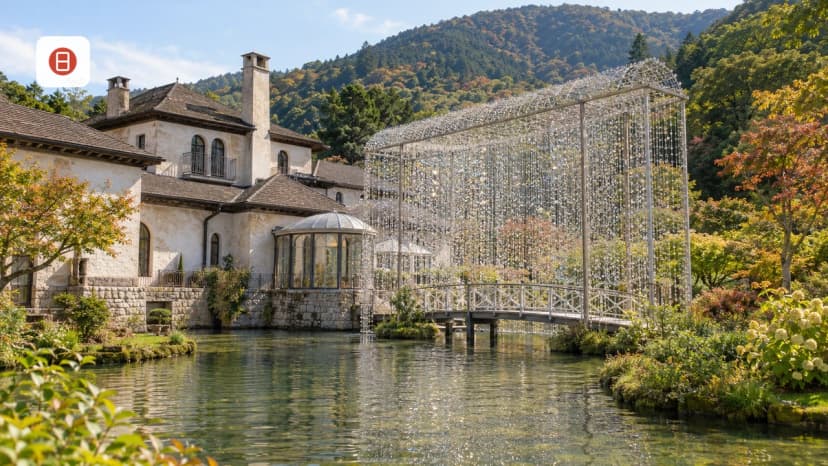
Lake Ashi, also called Ashinoko, is Hakone's crater lake and the classic place to pair Mount Fuji views with a shrine visit, a sightseeing cruise, and volcanic scenery.
This 2026 Lake Ashi visitor guide focuses on the practical choices first-time visitors actually need: how to get there, which route to follow, when Fuji is most visible, and what to skip if time or weather is tight.
Plan around transport connections rather than distance on a map. Hakone looks compact, but lake ports, ropeway stations, museums, and onsen areas can take longer to connect than expected.
Why Visit Lake Ashi and Hakone?
Hakone is a volcanic national park offering spectacular scenery and rich history. Lake Ashi sits at its heart, reflecting the majestic Mount Fuji on clear days. This region provides a refreshing escape from Tokyo's bustling city life.
Travelers often come here for the tranquil lake cruises and traditional onsen experiences. Hakone also boasts a diverse range of museums and art galleries. You can immerse yourself in both nature and culture easily.
The area is famous for its 'Hakone Loop,' a scenic route using various forms of transport. This loop includes a pirate ship cruise on Lake Ashi and a thrilling ropeway ride. Each segment offers unique perspectives of the stunning landscape.
Many visitors seek the iconic red torii gate of Hakone Shrine, seemingly floating on the water. This spiritual landmark provides fantastic photo opportunities. Hakone truly offers something special for every type of traveler.
Getting to Lake Ashi and Hakone from Tokyo
Reaching Hakone from Tokyo is straightforward, but the best route depends on where you start and whether you value speed, comfort, or flexibility. The Odakyu Romancecar from Shinjuku to Hakone-Yumoto is the simplest choice for most travelers and usually takes about 85 minutes.
If you are starting near Tokyo Station, take the JR Tokaido Shinkansen or a JR local train to Odawara, then transfer into Hakone's local transport network. This is useful for Japan Rail Pass holders, but it does not remove the need for buses, trains, or boats inside Hakone.
To reach Lake Ashi directly, continue from Hakone-Yumoto by Hakone Tozan Bus toward Moto-Hakone-ko or Hakone-machi-ko. The lake bus ride is winding and can be delayed on weekends, so leave buffer time before a cruise or return train.
| Route | Best for | Typical time | Trade-off |
|---|---|---|---|
| Odakyu Romancecar to Hakone-Yumoto | First-time visitors from Shinjuku | About 85 minutes | Comfortable, but local Hakone transport still follows |
| JR to Odawara, then Hakone transport | Travelers starting near Tokyo Station | Fastest to Odawara by Shinkansen | More transfers, but flexible |
| Highway bus | Direct access to some lake and Gotemba-area stops | About 2-3 hours | Traffic can make arrival times unreliable |
The Hakone Free Pass: Is It Worth It?
The Hakone Free Pass is a popular choice for exploring the region. It offers unlimited rides on eight different modes of transport within Hakone. This includes the Hakone Tozan Railway, buses, ropeway, and pirate ship cruise.
The pass also provides discounts at over 50 attractions and shops. It is available for two or three days, making it suitable for various trip durations. You can purchase it at Shinjuku Station or Odawara Station.
In 2026, the easiest decision rule is simple: buy the pass if you plan to ride the train, cable car, ropeway, Lake Ashi cruise, and buses in one itinerary. Consider individual tickets if you only want Hakone Shrine, a short lake walk, or one museum.
The pass is also valuable when plans change because of rain, ropeway suspension, or a missed bus. It lets you reroute without buying separate tickets at every transfer. Use the pass with a route plan from the Hakone attractions hub rather than treating the loop as mandatory.
Top Attractions Around Lake Ashi
Lake Ashi itself is a major draw, offering water, mountains, shrine scenery, and historic walking routes in one area. The Hakone Sightseeing Cruise is the easiest way to see the lake, with the strongest Mount Fuji views usually from the Moto-Hakone side or from the boat on clear mornings.
Near the lake, the iconic Hakone Shrine is a must-visit. Its vibrant red torii gate stands near the water, but the photo line can become long by midday. Visit the shrine first if the gate shot matters, then take the cruise afterward.
The Old Tokaido Road, a historic highway, also passes near Lake Ashi. A short cedar avenue walk pairs well with Hakone Checkpoint and is better than trying to force a long hike into a rushed day trip.
Another highlight is the Hakone Checkpoint, a reconstructed Edo-period guardhouse. It illustrates the historical significance of Hakone as a crucial travel hub. Visitors can explore the buildings and learn about ancient travel regulations. Download a full map to navigate these sites.
Exploring Ōwakudani: The Great Boiling Valley
Ōwakudani, known as the 'Great Boiling Valley,' is a volcanic zone with active sulfur vents. You can reach it via the Hakone Ropeway, offering panoramic views. The sight of steam rising from the ground is truly impressive.
At Ōwakudani, try the famous 'Kuro-tamago,' or black eggs. These eggs are boiled in the sulfuric hot springs, turning their shells black. It is believed that eating one adds seven years to your life.
The Hakone Ropeway ride itself provides incredible scenery, including views of Mt. Fuji on clear days. The journey connects Sounzan with Togendai, passing directly over Ōwakudani. Check for operational updates before committing to the loop, as strong wind, lightning, maintenance, or volcanic gas restrictions can change the route.
Due to volcanic activity, access to certain areas within Ōwakudani might be restricted. People with asthma, respiratory conditions, heart conditions, or sensitivity to volcanic gas should be cautious and follow posted guidance. Visit the Ōwakudani page for more details.
Gōra: Art, Museums, and Gardens
Gōra is a charming mountain town renowned for its artistic and cultural attractions. It is a key stop on the Hakone Loop, accessible by the Hakone Tozan Railway. The town offers a relaxed atmosphere away from the lake's bustle.
The Hakone Open-Air Museum is a highlight, featuring modern and contemporary sculptures. These artworks are displayed amidst beautifully landscaped gardens. It provides a unique blend of art and nature and works especially well for families because much of the visit is outdoors.
Gōra Park is another beautiful spot, a French-style park with a large fountain. It also houses a teahouse and a craft workshop. Visitors can try glassblowing or pottery making for a hands-on experience.
Other notable museums in Gōra include the Hakone Museum of Art, known for its Japanese ceramics, and the Pola Museum of Art, which is stronger for visitors who want a slower indoor art stop. If you only have one day, choose either Gōra museums or a longer Lake Ashi visit rather than rushing both.
Best Things to Do in Hakone (Beyond Lake Ashi)
Hakone is famous for its onsen, or hot springs, offering relaxation and rejuvenation. Many ryokan in Hakone-Yumoto and Gōra have their own baths. Public bathhouses also provide a chance to experience this Japanese tradition without staying overnight.
Hiking enthusiasts will find numerous trails catering to different skill levels. The Old Tokaido Road near Moto-Hakone is the most approachable historic walk, while longer ridge routes require better footwear, weather checks, and more time than a standard day trip allows.
The Hakone Glass Forest Museum is a unique attraction dedicated to Venetian glass. Its crystal garden shimmers in the sunlight. Inside, glass art and historical pieces are on display, making it a useful rainy-day alternative when Fuji views disappear.
For a broader route, combine Lake Ashi with Ōwakudani, Gōra, or the Hakone Open-Air Museum. Explore more Hakone attractions before deciding how much to fit into one day.
Where to Eat: Must-Try Dishes in Hakone
Hakone offers a delightful culinary scene, from traditional Japanese fare to unique local specialties. Try soba or udon noodles, often served hot or cold with various toppings. Restaurants near Hakone-Yumoto Station are convenient before or after the mountain route.
For a local meal, look for yuba dishes made from the skin that forms on heated soy milk. This delicate ingredient is prepared in several ways, including sashimi-style or in hot pots. Around Lake Ashi, restaurants can close earlier than visitors expect, so eat before the last return leg if you are not staying nearby.
Sweet treats include onsen manju, steamed buns filled with sweet bean paste. These are often sold warm near hot spring resorts. The black eggs of Ōwakudani also count as a unique culinary experience, but buy them while you are there because they are tied to the volcanic valley visit.
Vegetarians should check broths and sauces carefully, as soba, udon, and set meals often use fish-based dashi even when the dish looks plant-forward.
Cultural Etiquette and Local Customs
Understanding basic Japanese etiquette enhances your travel experience in Hakone. Always remove your shoes before entering homes, temples, and some restaurants. Look for shoe lockers or designated areas.
When visiting an onsen, follow specific bathing rituals. Wash thoroughly before entering the communal bath. Tattoos are sometimes restricted in public baths, so check policies beforehand.
Politeness is highly valued; a slight bow is a common greeting. Avoid loud conversations in public transport and quiet spaces. Always try to speak softly and respectfully.
Tipping is not customary in Japan and can sometimes be seen as rude. Excellent service is expected and included in the price. Instead, a simple 'arigato gozaimasu' (thank you very much) is appreciated.
Planning Your Trip: Itineraries and Tips
A one-day trip to Hakone from Tokyo is very popular, but it works best when you start early and keep the route disciplined. Prioritize Lake Ashi, Hakone Shrine, and Ōwakudani if the weather is clear. If clouds hide Fuji, shift time toward museums, onsen, or the Old Tokaido Road instead.
For a more relaxed experience, consider an overnight stay, especially in a ryokan with an onsen. This allows you to explore Gōra's museums or enjoy a traditional dinner. Two days provide ample time to see major sights and relax.
Families might enjoy the Hakone Open-Air Museum and the pirate ship cruise. Budget travelers should consider the Hakone Free Pass and pack snacks. Nature lovers will appreciate the hiking trails and scenic viewpoints.
Always check the weather forecast before you go, especially for Mt. Fuji views. Clear mornings offer the best chance to see the iconic peak. Weekdays generally have fewer crowds than weekends.
- Half-day Lake Ashi focus
- Best for: shrine, cruise, and lake scenery without the full loop
- Route: Hakone-Yumoto to Moto-Hakone-ko by bus, Hakone Shrine, short lakeside walk, optional one-way cruise
- Allow: 4-5 hours from Hakone-Yumoto, more if buses are crowded
- One-day Hakone Loop
- Morning: Travel to Hakone-Yumoto, Hakone Tozan Railway to Gōra
- Midday: Hakone Cable Car to Sounzan, Hakone Ropeway to Ōwakudani
- Afternoon: Ropeway to Togendai, Lake Ashi cruise, Hakone Shrine
- Evening: Return to Tokyo before local transport winds down
- Two-day relaxed itinerary
- Day 1: Full Hakone Loop, check into ryokan in Hakone-Yumoto or Gōra
- Day 2: Explore Gōra museums, visit Hakone Open-Air Museum, depart
Best Time to Visit Lake Ashi and Hakone
The shoulder seasons of spring (April-May) and autumn (October-November) are ideal for visiting Hakone. Temperatures are mild, and the scenery is strong. Spring brings cherry blossoms and azaleas, while autumn showcases vibrant fall foliage around the lake and mountains.
Winter (December-February) offers the clearest views of Mt. Fuji due to crisp air. However, some attractions might have reduced operating hours. It is also colder, so pack warm clothing.
Summer (June-September) is warmer and more humid, with a higher chance of rain. Mt. Fuji can often be obscured by clouds during this season. Despite this, hydrangeas, green mountain scenery, and cooler air than central Tokyo can still make Hakone worthwhile.
For photos, arrive around Moto-Hakone or the lakefront early in the morning and shoot before clouds build. The classic composition is Mount Fuji behind Lake Ashi, with the Hakone Shrine torii or a cruise boat in the foreground.
Accessibility and Common Mistakes at Lake Ashi
Lake Ashi is easier than many mountain attractions, but it is not uniformly step-free. Cruise ports, major bus stops, and some lakeside areas are manageable for many visitors, while shrine stairs, forest paths, older streets, and ropeway transfers can be harder with wheelchairs, strollers, or heavy luggage.
If accessibility matters, base the day around Moto-Hakone, Hakone-machi, and Togendai rather than trying to complete every transfer. Store luggage at Hakone-Yumoto or Odawara where possible, and confirm elevator or barrier-free routes before travel.
- Do not assume Mount Fuji will be visible; build a bad-weather backup.
- Do not leave the lake too late; evening bus and train connections are less forgiving.
- Do not queue only for the torii photo if time is short; the shrine grounds and lake views are more reliable.
- Do not plan Gōra museums, Ōwakudani, Hakone Shrine, and a long hike in one rushed day.
Where to Stay: Accommodation Options
Hakone offers a wide range of accommodation, from luxurious ryokan to budget-friendly guesthouses. Staying overnight allows for a more immersive experience. Many options include private or public onsen baths.
Hakone-Yumoto is a popular choice for its accessibility and numerous ryokan. It is the first major stop from Tokyo and offers a lively atmosphere. You will find many dining and shopping options here.
Gōra provides a quieter, more upscale experience with several high-end ryokan and boutique hotels. It is ideal for those seeking relaxation and cultural pursuits. The area is well-connected to museums.
For lake views, consider staying near Togendai or Moto-Hakone. These areas offer stunning scenery and easy access to the pirate ship cruise. Booking in advance is highly recommended, especially during peak seasons.
Frequently Asked Questions
How many days do you need in Hakone?
Most visitors find one full day sufficient for a quick tour of the main sights. However, two days allows for a more relaxed pace and includes an overnight stay at a traditional ryokan. This provides time to enjoy onsen baths and explore museums.
How do you get from Tokyo to Hakone?
The fastest way is via the Odakyu Romancecar from Shinjuku to Hakone-Yumoto. Alternatively, you can take a JR train to Odawara and transfer. Buses are also available, offering a direct but potentially longer journey.
Is the Hakone Free Pass worth it?
The Hakone Free Pass is usually worth it if you plan to do the full Hakone Loop. This includes the train, cable car, ropeway, and pirate ship cruise. For fewer activities, individual tickets might be more economical. Consider your itinerary carefully.
When is the best time to see Mt Fuji from Hakone?
The best time to see Mt. Fuji is during the colder months, from late autumn to early spring (November to March). Clear, crisp mornings offer the highest chance of unobstructed views. Always check the weather forecast before your visit.
Can you do Hakone as a day trip from Tokyo?
Yes, Hakone is a very popular day trip destination from Tokyo. Start early in the morning to maximize your time. Focus on key attractions like Lake Ashi and Ōwakudani for a fulfilling one-day experience. An early start is key.
What is Hakone famous for?
Hakone is famous for onsen hot springs, Mount Fuji views, Lake Ashi cruises, Hakone Shrine, Ōwakudani's volcanic scenery, and art museums such as the Hakone Open-Air Museum.
Which Lake Ashi visitor guide option fits first-time visitors?
First-time visitors usually do best with either a half-day Lake Ashi plan focused on Hakone Shrine and the cruise, or the classic Hakone Loop if they have a full day and clear weather.
How much time should you plan for Lake Ashi?
Plan at least 3-4 hours around Lake Ashi for Hakone Shrine, a lakeside walk, and a one-way cruise. Add more time if you include Hakone Checkpoint, lunch, or busy weekend bus transfers.
What are the best things to do around Lake Ashi?
The best things to do around Lake Ashi are the Hakone Sightseeing Cruise, Hakone Shrine, the Heiwa-no-Torii area, Hakone Checkpoint, cedar-lined Old Tokaido Road walks, and Fuji-view photography from Moto-Hakone.
Are there good hiking trails in Hakone?
Yes. The Old Tokaido Road near Lake Ashi is the most accessible historic walk, while longer mountain and ridge trails suit visitors with more time, good shoes, and stable weather.
What food should I try in Hakone?
Try soba or udon, yuba tofu dishes, onsen manju, ryokan kaiseki if staying overnight, and Ōwakudani's black eggs when visiting the volcanic valley.
Hakone and Lake Ashi offer a perfect blend of natural beauty, cultural richness, and relaxation. Planning your trip with this lake ashi visitor guide ensures a smooth experience. From stunning Mt. Fuji views to soothing onsen, Hakone truly captivates.
Utilize the Hakone Free Pass for convenience and savings on your journey. Explore historic sites, art museums, and unique volcanic landscapes. Your unforgettable Japanese adventure awaits you in Hakone.
Remember to embrace local customs and savor the delicious regional cuisine. With careful planning, your visit to Lake Ashi and Hakone will be a cherished memory.
For authoritative information, refer to the Lake Ashi on Wikipedia and Lake Ashi official site.
Planning the rest of your trip? See our things to do in Hakone guide and Hakone itinerary, or read up on best views of Mount Fuji.