Hakone Pirate Ship Guide: Lake Ashi Tickets & Views
Plan the Hakone pirate ship cruise across Lake Ashi: three ports, 2026 timetable rhythm, Special Room upsell, and the best Mt. Fuji photo spots.
On this page
Last updated July 2026. The Hakone pirate ship is the fastest way to cross Lake Ashi between the Hakone Ropeway terminal and the shrine side of the shoreline. Three galleon-style vessels — Queen Ashinoko, Victory, and Royal II — carry Hakone Freepass holders and single-ticket buyers across the water in under 40 minutes. This guide covers which port to use, how to time the crossing around the Togendai bottleneck, and whether the Special Room upgrade is worth the extra fare.
What Is the Hakone Pirate Ship? A Fast Answer
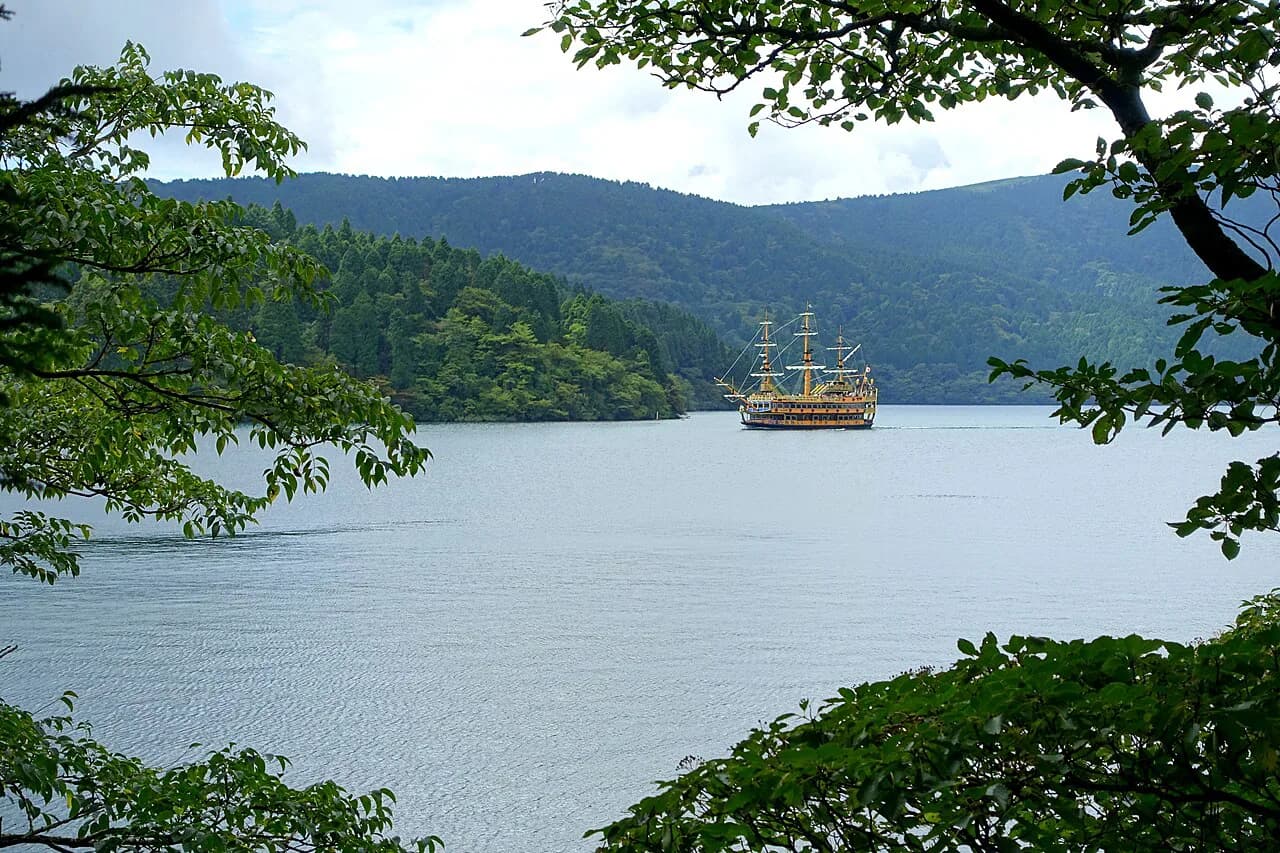
The Hakone pirate ship is the official Hakone Sightseeing Cruise, the boat service that connects three ports around Lake Ashi. It links Togendai-ko, at the base of the Hakone Ropeway, to Hakone-machi-ko and Moto-Hakone-ko on the shrine side of the lake. Each of the three ships carries pirate-galleon styling, carved figurehead statues, and 3D decor that appeals to kids and adults alike. The cruise is best known for one view: Mt. Fuji rising behind Lake Ashi, with Hakone Shrine's lakeside torii gate visible from the deck on the approach to Moto-Hakone-ko. The cruise also sits inside a broader web of Freepass-covered transport — Odakyu trains, the Tozan bus network, the mountain railway, and the ropeway all fall under one pass for its validity window, which is why most Hakone itineraries route through Lake Ashi by boat rather than by road. For a side-by-side on where Fuji views are clearer, see the guide to Hakone versus Kawaguchiko.
Meet the Three Hakone Pirate Ships: Queen Ashinoko, Victory, and Royal II
Three ships share the Lake Ashi route: Queen Ashinoko, Victory, and Royal II. Each has its own pirate-galleon design, but all three follow the same timetable rhythm between the ports, so the vessel you board depends on schedule, not choice. Every ship carries a Special Room, a separate cabin sold at an added charge on top of the normal fare. Ticket sales to the Special Room are capped, so the cabin stays quieter and gives a forward-facing view over the bow. There is no seat designation in the Special Room, so the extra fare buys access rather than a guaranteed window seat. Groups can also charter a full ship for private events, including weddings and proposals, through the operator's inquiry line. Accessibility is consistent across the fleet.
- All three ships are barrier-free, with step-free boarding at every port.
- Each port keeps one wheelchair available to rent, free of charge.
- All three ships have onboard toilets, including accessible stalls.
- Chartered private cruises are available for groups and events by inquiry.
Route Logistics: Togendai-ko, Hakone-machi-ko, and Moto-Hakone-ko
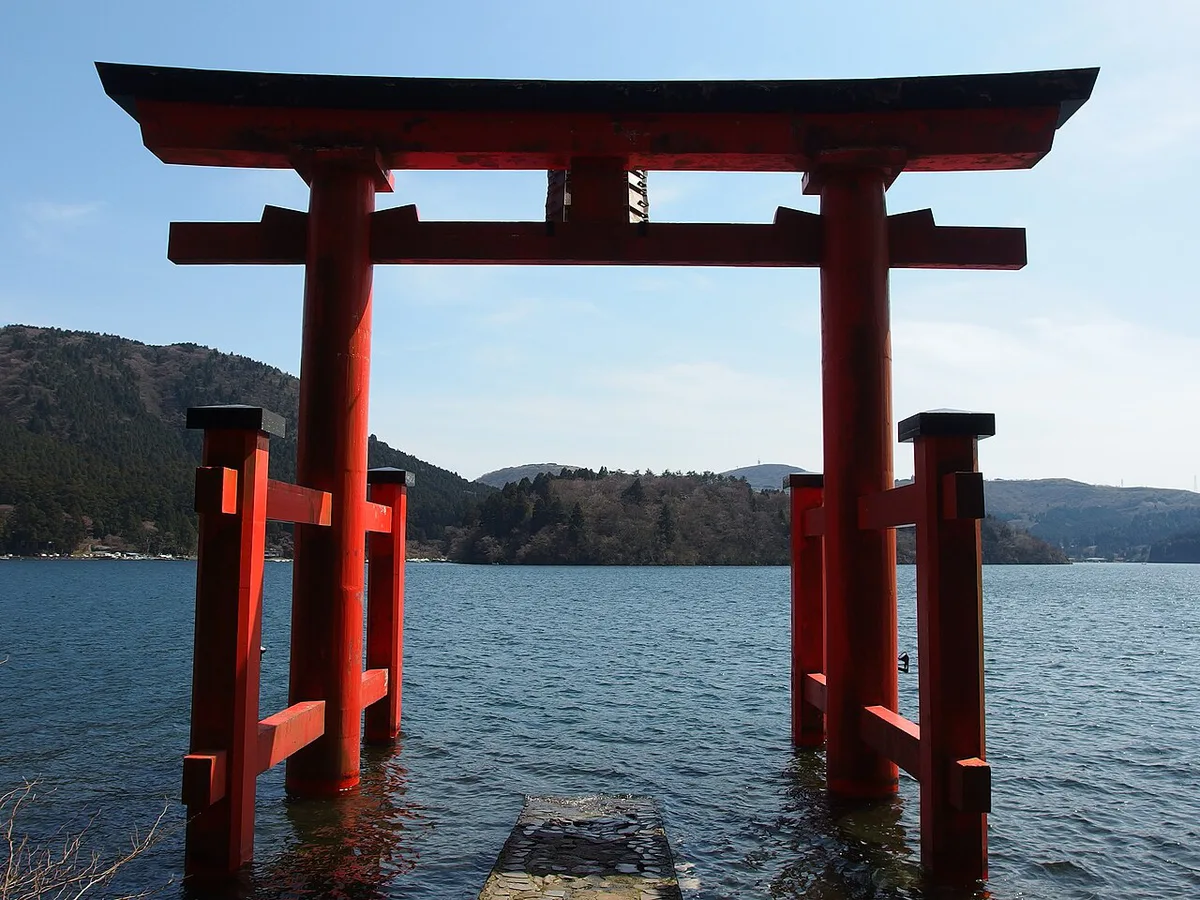
The cruise operates from three ports around Lake Ashi, and each connects to a different part of the Hakone Loop. Togendai-ko sits at the lake's north end and connects directly to the Hakone Ropeway down from Owakudani. Hakone-machi-ko is near the old Hakone Checkpoint and the Hakone Detached Palace grounds. Moto-Hakone-ko is the closest port to Hakone Shrine's Heiwa no Torii gate and the cedar-lined Old Tokaido walking path. One-way crossings take about 25 to 35 minutes. A full round trip runs 70 to 90 minutes, and winter timetables, from December 1 to March 19, can run longer. Boarding opens about 5 to 10 minutes before departure. The operator posts the current departure board at each port, so check the schedule on arrival rather than assuming a fixed interval between sailings.
| Port | Bus from Hakone-Yumoto Station | Nearby Landmark | Parking |
|---|---|---|---|
| Togendai-ko | T Line, about 40 minutes | Hakone Ropeway, Owakudani | About 40 paid spaces at the port; about 200 paid spaces at the nearby Kojiri Rinkan lot |
| Hakone-machi-ko | H Line or R Line, about 25 to 40 minutes | Hakone Checkpoint, Detached Palace | About 200 free spaces |
| Moto-Hakone-ko | H, R, or K line buses, about 25 to 40 minutes | Hakone Shrine torii gate, Old Tokaido cedar walk | About 60 paid spaces |
- Get off at Hakone-machi-ko for the checkpoint museum and the Detached Palace garden.
- Get off at Moto-Hakone-ko for Hakone Shrine's torii gate and the Old Tokaido cedar avenue.
Tickets, the Hakone Freepass, and the Special Room Surcharge
Most travelers ride the pirate ship on a Hakone Freepass. The pass covers unlimited rides in the normal room for its full validity window, so no separate cruise ticket is needed. The Special Room is not included in the Freepass; it requires an added fare each time, paid at the port ticket counter or onboard. Travelers focused only on the lake, without the rest of the Hakone Loop, can use the Ashinoko 2-Day Pass instead, which bundles the Tozan bus and the cruise. Single-ride tickets, one-way or round-trip, are also sold at each port's platform. Check the official Hakone Sightseeing Cruise site for the current 2026 fare table, since sale hours and prices are set by the operator and can shift with the season. Treat any fare figure you see elsewhere as a placeholder until you confirm it there.
The Special Room offers a forward-facing bow view and quieter cabin, but Mt. Fuji is equally visible from the open deck. The surcharge buys crowd reduction and solitude, not photographic superiority.
| Feature | Standard Room | Special Room |
|---|---|---|
| Cost | Covered by the Hakone Freepass | Added fare on top of the normal fare, charged each use |
| Seating | General seating, no assignment | Unassigned, but ticket sales are capped |
| View | Standard deck and window views | Forward-facing view over the bow |
| Crowd level | Can fill up during peak hours | Kept quieter by limited ticket sales |
- Cards accepted fleet-wide: Visa, Mastercard, JCB, American Express, Diners Club, and China UnionPay.
- IC cards accepted: Suica and Pasmo.
- Group reservations of 15 or more riders can be booked by phone in advance.
- Solo and small-group travelers buy tickets at the pier; no reservation is needed.
Best Views and Photography: Mt. Fuji and the Floating Torii Gate
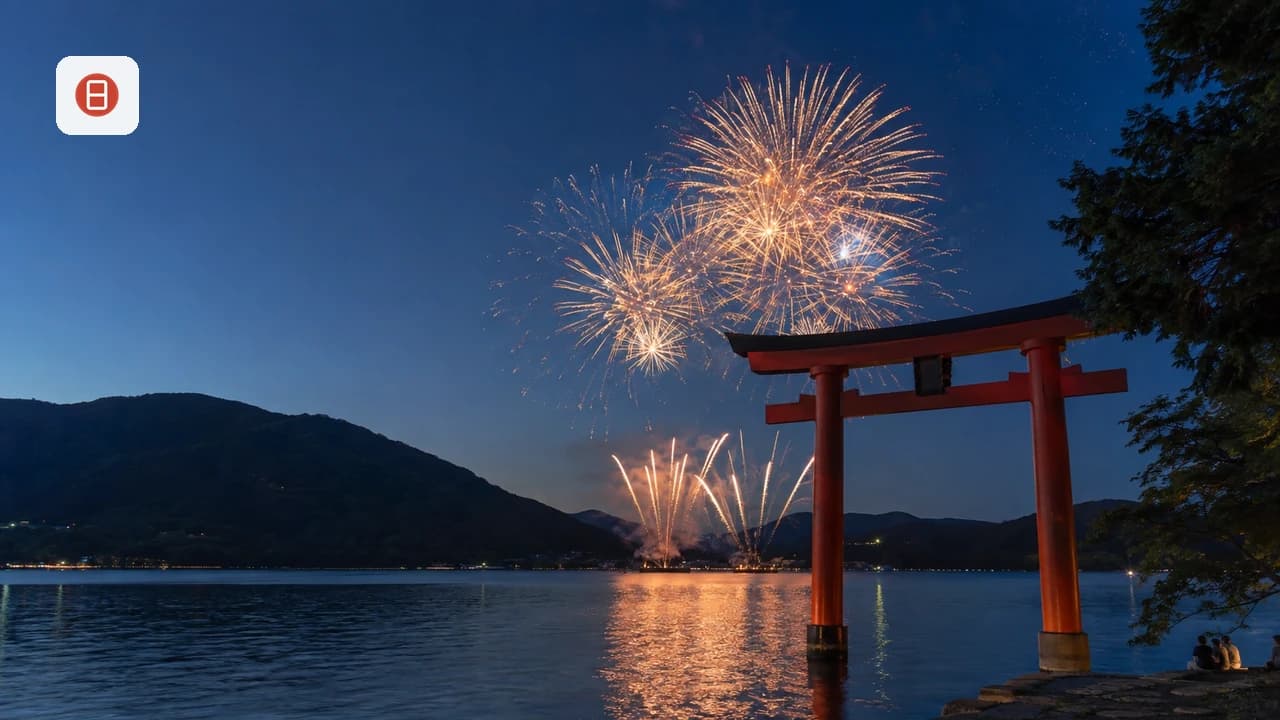
The signature shot pairs Mt. Fuji with Lake Ashi in the foreground. Stand on the open deck rather than inside the cabin for an unobstructed sightline. On crossings toward Togendai-ko, Fuji sits ahead of the bow on clear days. The second landmark shot is Hakone Shrine's Heiwa no Torii, the gate that sits at the lake's edge near Moto-Hakone-ko. Time the approach to Moto-Hakone-ko for that view as the ship nears port. Visibility shifts by season. Winter days, from December through February, typically bring the clearest air and the sharpest Fuji views, though winter timetables run slightly longer crossings. For a full seasonal breakdown of conditions and packing, see the guide to Hakone in Winter: 2026 Weather, Onsen and Mt. Fuji Guide. Autumn trades that crisp visibility for color along the shoreline instead. Wind and fog can suspend the cruise in any season, so check conditions before heading to the pier.
The Hakone Loop Strategy: Timing the Cruise Around the Togendai Bottleneck
The pirate ship is one leg of the Hakone Loop route, the circuit most first-time visitors follow. Togendai-ko is the pinch point: the Ropeway and the cruise both funnel through it, and the dock gets crowded by mid-day. Departing early morning, or timing the crossing to lead or trail the mid-day surge, keeps the wait at Togendai-ko shorter. Early departures also mean shorter queues at the ticket counters, since the first sailings of the day fill more slowly than midday crossings. The standard direction runs the Ropeway first, then the cruise from Togendai-ko toward Moto-Hakone-ko or Hakone-machi-ko, and it matches most bus and Ropeway timetables. Reversing the loop is possible, but it means moving against the crowd flow at Togendai-ko.
Early morning departures solve two problems: they reduce queues at the Togendai bottleneck and align with December-through-February's clearest weather, when Mt. Fuji views are sharpest. Confirm conditions with the Japan Meteorological Agency forecast before leaving your hotel.
Practical Information and Mistakes to Avoid
Weather can suspend or reroute the cruise. In heavy fog or strong wind, the operator may change the destination port or cancel a sailing outright. Check the official timetable, or a local Hakone forecast from the Japan Meteorological Agency, before leaving your hotel. None of the three ships carry a full-service restaurant; only drinks and snacks are sold onboard. Plan to eat before boarding or after docking. Bicycles are allowed onboard for a special luggage fare, about 850 yen per bicycle, and onboard space is limited. Coin lockers are available at Togendai-ko inside the terminal building, and at Moto-Hakone-ko near the front Hakone Tozan Bus platform. One common mix-up: the pirate ship fleet is not the same service as the separate Hakone Ashinoko boat, a different, non-pirate ferry on the same lake. Confirm you're buying a Hakone Sightseeing Cruise ticket before you pay.
- Check the day's weather and wind status before leaving your hotel.
- Confirm your Hakone Freepass is still inside its validity window.
- Charge your camera or phone battery for the Fuji and torii gate shots.
- Bring cash or a card for the Special Room supplement if you plan to upgrade.
- Arrive at the pier 5 to 10 minutes before your planned departure.
Is the Hakone Pirate Ship Worth It?
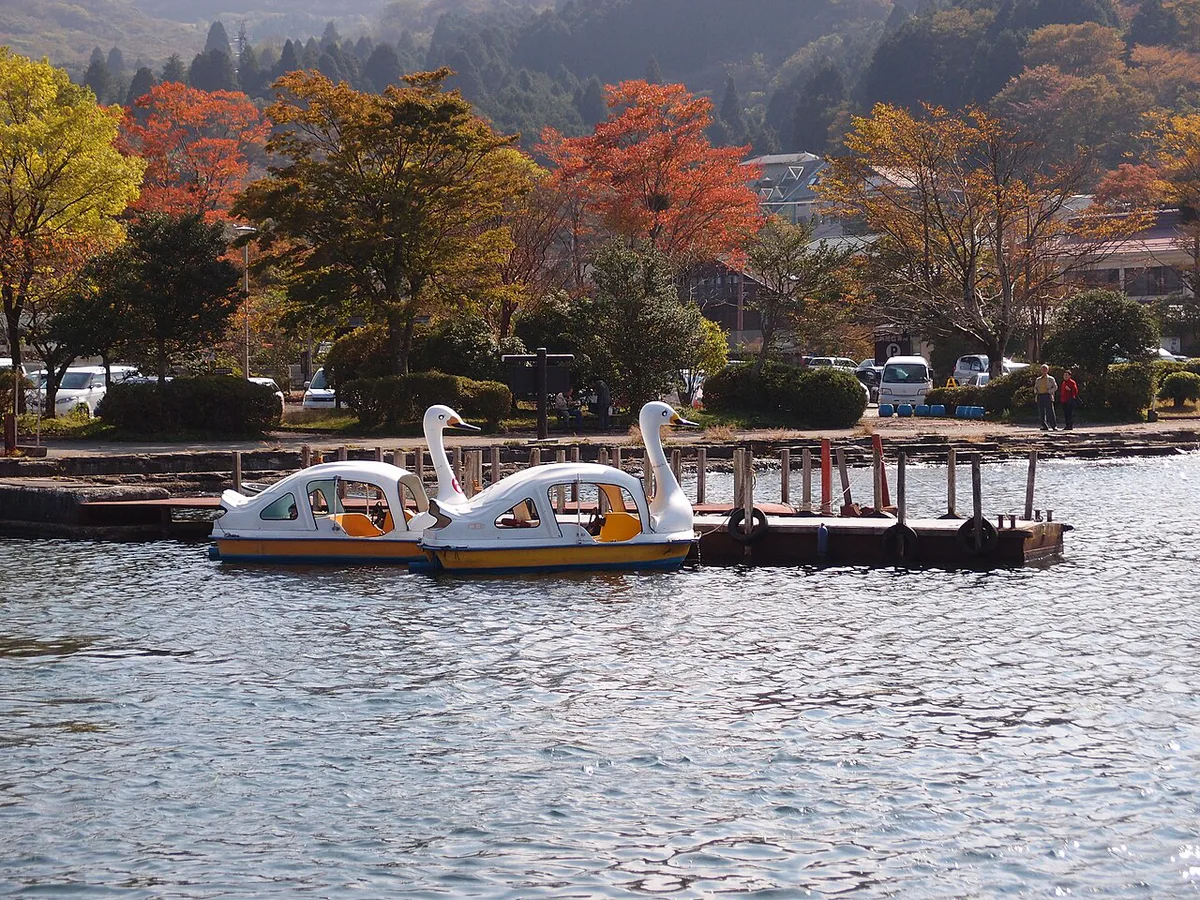
For anyone already riding the Hakone Loop, the cruise earns its place. It is the fastest link between the Ropeway side of the lake and the shrine side, and it delivers a Mt. Fuji view unavailable from the road. Families get pirate-ship decor kids enjoy, paired with a functional transit leg. Photographers get the Fuji-and-torii composition and should budget the Special Room fee if a clear bow view matters more than the fare saved by skipping it. Transit-focused travelers already holding a Freepass get the crossing at no added cost, so there is little reason to skip it. Solo travelers on a tight schedule can treat the crossing as a rest break between the Ropeway and the shrine, using the deck time before the next leg of the loop. Anyone chasing Fuji views without the rest of the Hakone itinerary should compare it against a Kawaguchiko base first, using the Hakone versus Kawaguchiko breakdown. After docking, many travelers head to the onsen; the Hakone Yunessun Guide: Baths, Tickets, and Tattoo Rules (2026) covers what to do next.
See our Hakone tourism attractions guide for the broader city overview.
Planning sources: Hakone Sightseeing Cruise · Hakone tourism: Lake Ashi. Further reading: Hakone on Wikivoyage · Hakone on Wikipedia
Frequently Asked Questions
How long does the Hakone pirate ship cruise take?
One-way crossings run about 25 to 35 minutes. A full round trip takes 70 to 90 minutes. Winter timetables, from December 1 to March 19, can add extra time to the return trip.
Is the Hakone pirate ship included in the Hakone Freepass?
Yes. The Freepass covers unlimited rides in the normal room for its validity period. The Special Room upgrade always costs extra, even with a Freepass.
Can wheelchair users ride the Hakone pirate ship?
Yes. All three ships are barrier-free, and each port keeps one wheelchair available to rent at no charge.
What's the difference between the pirate ship and the Hakone Ashinoko boat?
The pirate ship fleet is the Hakone Sightseeing Cruise: Queen Ashinoko, Victory, and Royal II. The Hakone Ashinoko boat is a separate, non-pirate ferry service on the same lake. Confirm which ticket you're buying before you pay.
Should you get off at Hakone-machi-ko or Moto-Hakone-ko?
Choose Hakone-machi-ko for the old Hakone Checkpoint and the Detached Palace grounds. Choose Moto-Hakone-ko for Hakone Shrine's torii gate and the Old Tokaido cedar walk.
Is there a restaurant on the Hakone pirate ship?
No. Each ship sells drinks and light snacks only. Eat at Togendai-ko, Hakone-machi-ko, or Moto-Hakone-ko before or after the crossing.
How early should you arrive to board the pirate ship?
Boarding typically opens 5 to 10 minutes before departure. Arrive at the pier with your ticket or Freepass ready so you're not rushing at the gate.
Free: The Hakone Essentials guide
Top things to do, where to stay, a perfect day plan, getting around, and the best time to go — a Hakone mini-guide you can take offline.
You might also like


Continue reading
More guides you'll find useful