Where To Stay In Hakone Travel Guide
Plan where to stay in hakone with top picks, neighborhood context, timing tips, and practical booking advice for a smoother trip.
On this page
Choosing where to stay in Hakone shapes your entire experience in this mountain resort area. Hakone is not a single town. It is a collection of distinct districts spread across Fuji-Hakone-Izu National Park, and each one suits a different kind of trip. First-timers and onsen seekers have different best choices, and so do families, Mount Fuji view-hunters, and travelers with tattoos.
Most visitors arrive by Odakyu train from Shinjuku — about 90 minutes to Hakone-Yumoto Station, or roughly 85 minutes from Tokyo proper. From there, the Hakone Tozan Railway, cable car, ropeway, and Lake Ashi cruise form the famous Round Course loop. Where you base yourself determines how much of that loop you can do comfortably and how much time you spend moving luggage rather than relaxing. This guide walks through every main area, with the practical trade-offs you need before you book in 2026.
Before You Book: What to Know First
Book 3 to 6 months in advance for any well-rated ryokan, especially around cherry blossom season (late March to mid-April) and autumn foliage (October to November). The good properties sell out fast. Last-minute searches in peak season return either fully booked pages or inflated rates at unremarkable hotels.
Most ryokan rates are priced per person, not per room, and include a kaiseki multi-course dinner and Japanese breakfast. This is standard practice, not an upgrade — budget for it before comparing prices. Rough guidance for two people per night with meals: budget options from around ¥15,000, mid-range ¥40,000 to ¥70,000, and luxury ¥80,000 and above. A traditional onsen experience is central to what you are paying for at this price point.
One detail that catches first-timers off guard: almost every restaurant and shop in Hakone closes by 17:00 or 18:00. The entire town goes quiet in the evenings because guests are expected to be in their accommodation for dinner. If your ryokan does not include meals, you need to plan your evening eating before you arrive, not after. This single fact is the strongest argument for booking a ryokan with half-board rather than a cheaper hotel room where you fend for yourself.
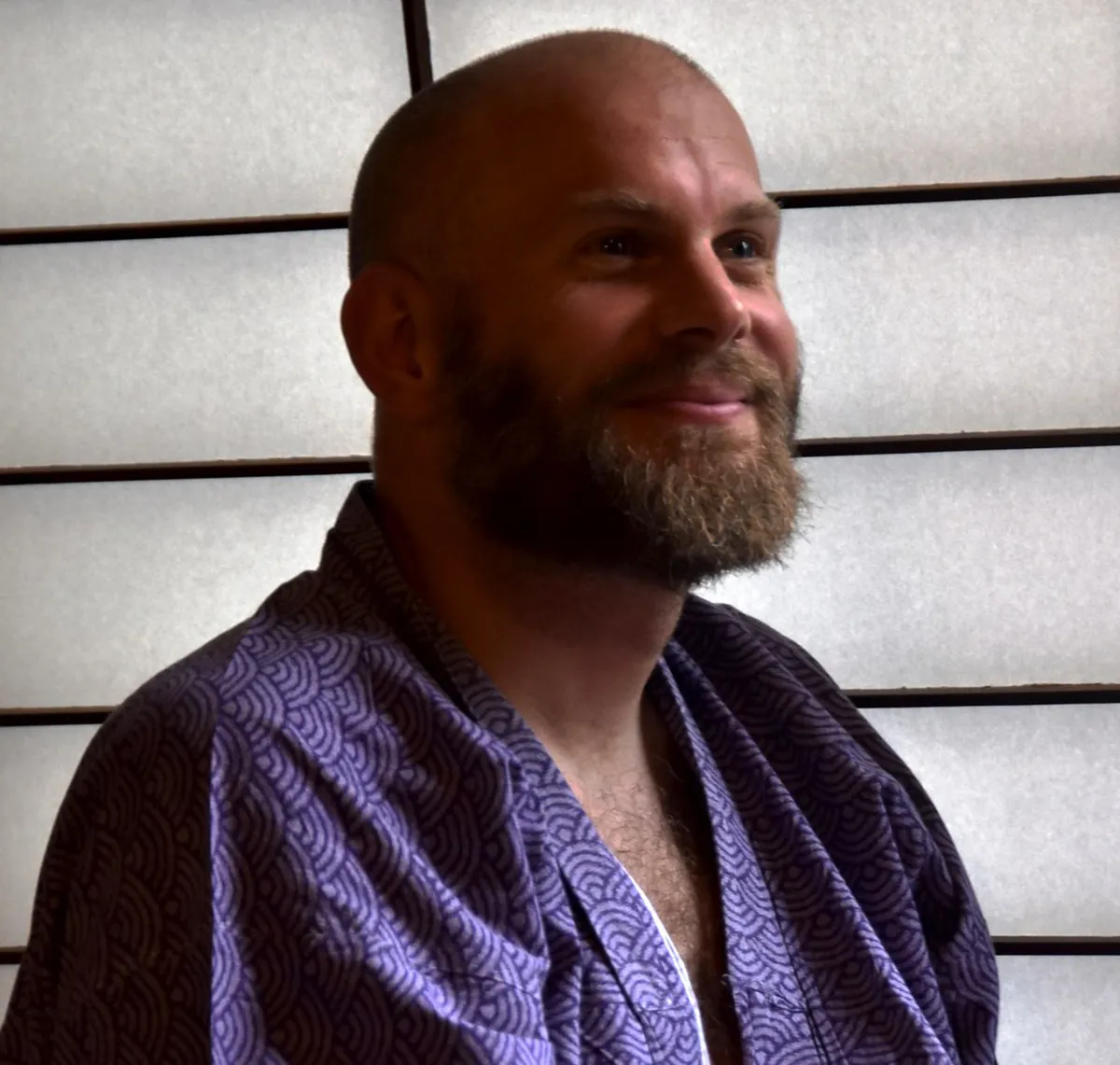
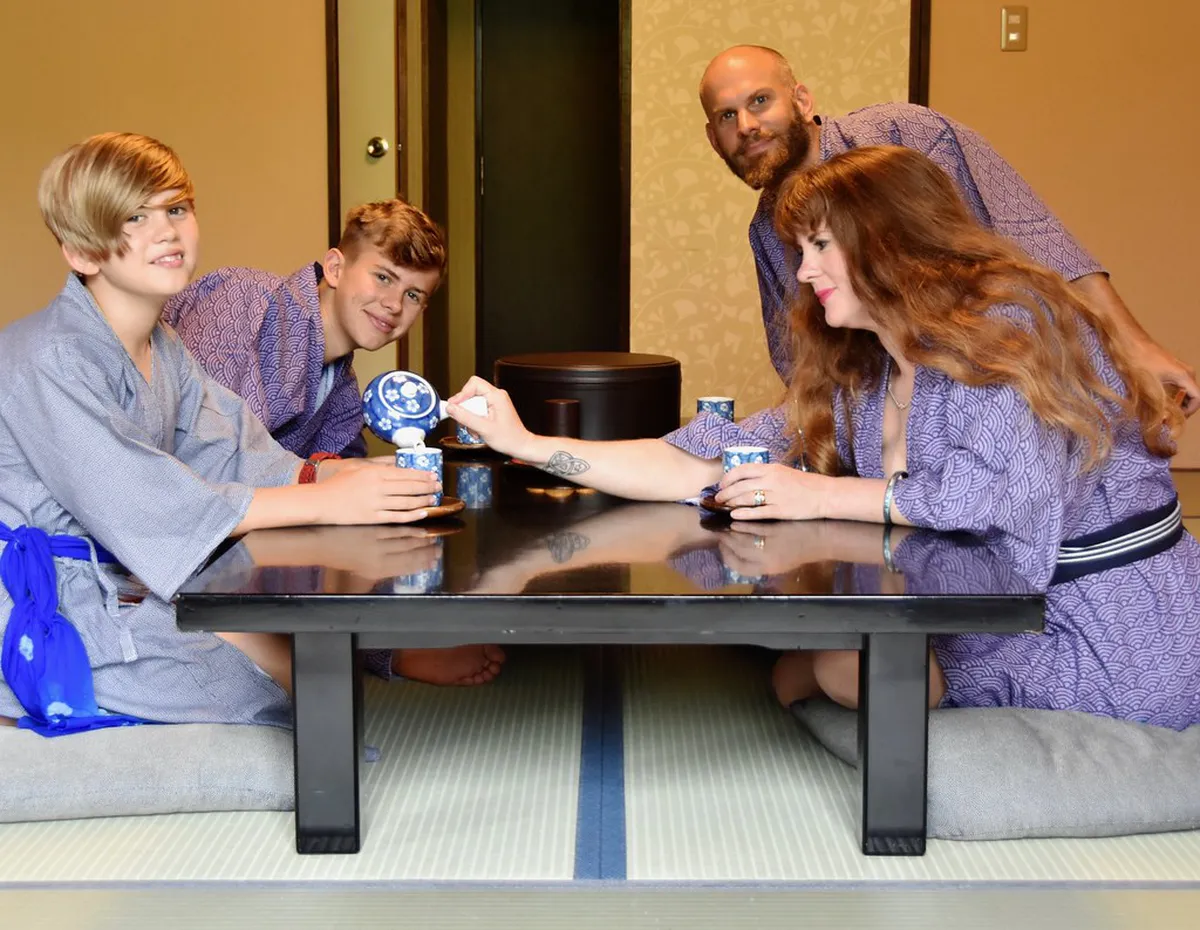
Check-in at most ryokans is strict — typically from 15:00, and dinner is served at a set time, often 18:00 or 18:30. If you are arriving late, notify the property in advance or the kitchen cannot accommodate you. Ryokan etiquette also includes removing shoes at the entrance, wearing the provided yukata robe around the property, and washing thoroughly before entering any communal onsen.
Getting Around Hakone and Managing Luggage
Hakone is not easy to navigate with large suitcases. Local buses get crowded, the Tozan Railway has narrow platforms, and dragging luggage between districts eats into sightseeing time. Plan your luggage strategy before you arrive, not on the morning of day one.
The Hakone Free Pass Guide: Prices, Inclusions, & Itineraries covers most transport within the area. A two-day pass from Shinjuku costs around ¥6,100 per person in 2026 and includes the Odakyu return train, Tozan Railway, cable car, ropeway, Lake Ashi cruise, and local buses. If you plan to follow the Round Course — Hakone-Yumoto to Gora to cable car to ropeway to Togendai on Lake Ashi — the pass pays for itself very quickly.
Most ryokans allow bag storage on arrival even before check-in time, but you still need to go to the hotel first, which can delay your morning. The cleaner solution is luggage forwarding (takuhaibin): send your main bag directly to your next destination hotel the night before you leave. This costs around ¥1,500 to ¥2,000 per bag and frees you to move through Hakone with just a day pack. Most accommodation front desks can arrange it. Note that forwarding takes at least one day, so you need to plan at least one night ahead.
If you are driving, parking is available at most hotels, though some charge extra. Having a car makes Sengokuhara and Motohakone much more practical, but traffic on weekends can be heavy on the mountain roads. Gora and Hakone-Yumoto are the most convenient bases if you are relying entirely on public transport.
Hakone-Yumoto: Best for First-Timers
Hakone-Yumoto is where the Odakyu line from Tokyo terminates. It is the gateway to the rest of Hakone and the best base for a first visit. The town has the widest variety of accommodation across all budgets, more dining options than anywhere else in Hakone, and the easiest access to onward transport via the Tozan Railway. You can start the Round Course directly from here without any extra bus rides.
The Haya River runs through the middle of town, with foot onsen baths along the riverbank that are free to use. Local shops sell the area's signature yosegi marquetry woodwork alongside the usual matcha snacks and souvenir goods. The atmosphere is livelier than elsewhere in Hakone, with a proper high street feel rather than the quiet resort village vibe of Gora or Sengokuhara.
For accommodation, Hakone Suimeisou is a renovated ryokan along the river with Japanese tatami rooms, private onsen options, and kaiseki meals. It gives a genuine ryokan experience at mid-range prices that would cost significantly more in Gora. Budget travelers can find hostels and guesthouses within walking distance of the station. One thing to know: Yumoto is the busiest part of Hakone, so weekends bring noticeable crowds at the station and main street.
Gora: Best for Onsen Ryokans and Mountain Atmosphere
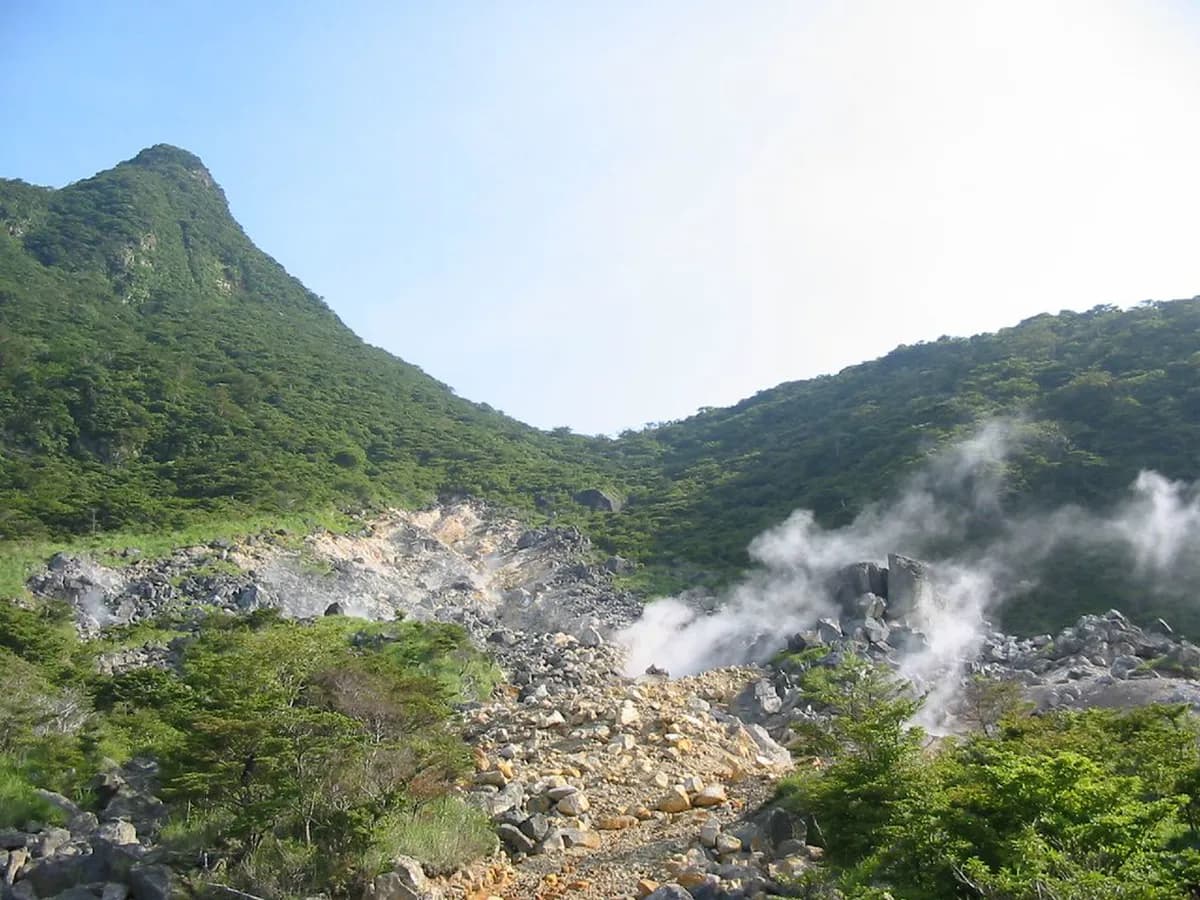
Gora sits higher on the mountain, reached by the scenic Hakone Tozan Railway which switchbacks up the hillside from Yumoto. If you are coming to Hakone specifically for the onsen experience — and particularly for a private outdoor hot spring bath — Gora is where that happens at its best. Most of the area's top ryokans are concentrated here, and the mountain cedar forest setting gives a stronger sense of being away from the city than anywhere in Yumoto. Hakone's official tourism site profiles the region's premier properties and seasonal highlights.
Gora is also the most practical base for the Round Course. Starting from Gora Station rather than Yumoto saves about 40 minutes of travel time because the Tozan Cable Car departs directly from Gora up to Sounzan, where the ropeway continues to Owakudani and down to Lake Ashi at Togendai. For a day of sightseeing, that time adds up. See all the area's stops on our Hakone attractions guide.
Gora Kadan is the benchmark luxury option — a former imperial family retreat with private onsen in every room, exceptional kaiseki, and gardens that are genuinely worth arriving for. Expect ¥80,000 or more per night for two with meals. Hotel Indigo Hakone Gora by IHG offers a modern alternative with private open-air onsen on each balcony, a coed tattoo-friendly communal spa, and a cedar forest setting. It is expensive but well considered. Request a river-facing room rather than road-facing when booking — the difference matters.
Gora has fewer restaurants and shops than Yumoto, but the trade-off is a quieter, more atmospheric stay. Dining at ryokans with included meals solves the evening closure problem neatly. Exploring Hakone's best onsen is easiest from a Gora base.
Motohakone and Lake Ashi: Best for Views and Quiet Scenic Stays
Motohakone sits on the southern shore of Lake Ashi and produces the photograph everyone has seen: the red torii gate of Hakone Shrine rising from the water, with Mount Fuji behind it on a clear morning. If that image is what you came to Hakone for, staying here means waking up to it rather than busing in for a quick photo. The Hakone Shrine, the Lake Ashi pirate cruise departure point, and the Old Tokaido Ancient Cedar Avenue are all within walking distance.
The trade-off is isolation. There is no train station. You arrive by boat from Togendai or by bus from Hakone-Yumoto, and evening bus frequency drops significantly. Dining options in the village are limited — a ryokan with meals included is not optional here, it is a practical necessity. If you are on the Round Course and want to end the day at the lake rather than return to Yumoto, Motohakone makes excellent sense. For those planning to tour the whole region each day, the long bus rides from here become tiring quickly.
Hakone Ashinoko Hanaori is a well-regarded modern property directly on the lake with private onsen facilities and a sauna. The lake views are exceptional. Ryuguden Ryokan offers traditional tatami rooms and a panoramic onsen that faces both the lake and Mount Fuji on clear days — widely cited as one of the best Fuji-view onsen experiences in Hakone.
Miyanoshita: Best for a Traditional Experience without the Yumoto Crowds
Miyanoshita sits between Yumoto and Gora on the Tozan Railway line. It has a quiet, village character that suits travelers who want the historic side of Hakone without the bustle of Yumoto's main street. Blink on the train and you can miss it, but it rewards those who stop.
The Fujiya Hotel anchors this area. It was established in 1878 and is one of Japan's most storied Western-style hotels, with a Victorian exterior, Japanese interior details, indoor pool, hot springs, and French and Japanese restaurants. Former guests include Albert Einstein, Charlie Chaplin, and John Lennon. It is not cheap, but the historical experience is unlike anything else in Hakone. The gardens alone are worth an afternoon.
Hakone Hostel 1914, across from the Fujiya Hotel, occupies the former Miyanoshita Post Office building from 1914. It offers private and shared tatami mat rooms at budget prices inside a genuinely historic structure — a rare combination. Chisuji Falls, the Okada Museum of Art, and Gora's attractions are a short bus ride away. Miyanoshita is the right choice if you find a specific property you love here rather than choosing it purely by location.
Sengokuhara: Best for Families and Secluded Nature Retreats
Sengokuhara occupies the northern part of Hakone, more removed from the main transport loop than anywhere else in the region. Getting there requires a bus from Gora or Yumoto. It is spread out, extremely quiet, and surrounded by national park. The pampas grass fields here in autumn are one of Hakone's lesser-known seasonal highlights. This is not a first-trip destination unless you specifically want countryside over convenience.
For families and couples making a return visit, Sengokuhara offers something the busier districts cannot: genuine seclusion. Hoshino Resorts KAI Sengokuhara is the strongest option at the luxury end. Every room has a private outdoor onsen, the restaurant serves kaiseki using local Hakone wagyu beef and seafood, and the property runs evening craft and art workshops that work well for families with older children. It is part of the Hoshino group, which consistently delivers on quality and thoughtful design across Japan.
Hotel Green Plaza Hakone is the area's Mount Fuji view property. The outdoor onsen faces the mountain directly, and guests describe losing track of time staring at it on a clear morning. Dinner and breakfast come as a buffet rather than kaiseki — worth knowing before you arrive with kaiseki expectations. The hotel runs a free shuttle to Ubako Ropeway Station, which keeps you connected to the Round Course without needing your own transport. The building is dated, but the view from the bath is the reason people book it.
Tattoo-Friendly Ryokans in Hakone
Most public onsen in Japan still restrict tattoos, but Hakone's policies are more varied than in many other destinations, and the situation has been improving. Understanding the options before you book avoids an uncomfortable situation at check-in.
Private onsen rooms are the simplest solution. Because you are bathing alone, virtually every ryokan allows tattooed guests to use them regardless of their policy on communal baths. Most mid-range and above properties in Hakone offer private onsen booking, sometimes included in the room rate and sometimes as an add-on.
For communal baths, Gora Kansuirou is one of the most reliable verified options as of early 2026. It is a mid-range ryokan three minutes from Gora Station with kaiseki meals, mountain views, and confirmed tattoo-friendly access to both communal and private baths. Hotel Indigo Hakone Gora also has a coed communal spa that is tattoo-friendly. Fuji Hakone Guest House in Sengokuhara is a good budget option, where tattooed guests can book private onsen time slots freely. Always contact any property directly before booking to confirm their current policy — rules can change and most ryokans are more flexible with international guests than blanket signage suggests.
Hotels with Mount Fuji Views
Mount Fuji visibility is entirely weather-dependent. Cloud cover blocks the view frequently, especially during the summer rainy season and humid months. Staying at a hotel with a Fuji-facing room or onsen does not guarantee you will see the mountain — but it does mean you have a chance when the sky is clear. Winter and early spring give the best odds.
The strongest options for genuine Fuji views from accommodation are Hotel Green Plaza Hakone in Sengokuhara, whose open-air onsen faces the mountain directly, and Ryuguden Ryokan near Lake Ashi, whose panoramic bath looks across the water toward Fuji. Both consistently draw reviews specifically about the view. On the lake's north shore near the Hakone Ropeway, there are additional properties with Fuji-facing rooms. Clear morning light before 09:00 gives the best visibility when conditions allow.
Even from accommodation without a dedicated Fuji view, the Hakone Ropeway over Owakudani offers the most reliable elevated viewing point during the Round Course, and the Lake Ashi cruise provides a wide lake-framed perspective. Book your ropeway ride for morning and keep expectations flexible — the mountain reveals itself on its own schedule.
Frequently Asked Questions
What is the best area to stay in Hakone for first-timers?
Hakone-Yumoto is generally the best area for first-timers due to its excellent transport links. It serves as the gateway to Hakone and offers a wide range of accommodation. You will find many dining options and shops conveniently located. Consider Hakone Suimeisou for a comfortable stay there.
Is it worth staying in Hakone overnight?
Yes, staying overnight in Hakone is highly recommended to fully experience its charm. A day trip from Tokyo can feel rushed, especially with travel time. An overnight stay allows you to enjoy the onsen, explore attractions at a relaxed pace, and savor traditional meals. Many visitors find it a highlight of their Japan trip.
What is a ryokan and do I need to stay in one?
A ryokan is a traditional Japanese inn, typically featuring tatami-matted rooms, communal baths (onsen), and traditional meals. While not strictly necessary, staying in a ryokan offers a unique cultural experience. It provides a deep immersion into Japanese hospitality and customs. Many travelers consider it a quintessential Hakone experience.
What is the Hakone Free Pass and is it worth buying?
The Hakone Free Pass offers unlimited rides on eight different modes of transportation in Hakone. It also provides discounts at various attractions. It is definitely worth buying if you plan to do the Hakone Round Course or visit multiple sights. This pass simplifies travel and can save you money.
Can I see Mount Fuji from Hakone?
Yes, you can often see stunning views of Mount Fuji from various points in Hakone. Lake Ashi, especially near Motohakone and the Hakone Ropeway, offers prime viewing spots. Clear weather is essential for the best visibility. Early mornings are typically the best time for clear views of the iconic peak.
Hakone-Yumoto suits first-timers who want easy transport and variety. Gora is for onsen seekers who want the full ryokan experience close to the Round Course. Motohakone delivers the lake views and shrine atmosphere at the cost of convenience. Miyanoshita offers historic charm on a quieter stretch of the Tozan line. Sengokuhara is the retreat choice for families and repeat visitors who want genuine seclusion.
Whichever area you choose, book well in advance, account for the evening dining situation before you arrive, and sort out your luggage plan before you step onto the Odakyu train from Shinjuku. A well-prepared Hakone stay is one of the best overnight experiences Japan has to offer. Check the Hakone itinerary guide to plan the rest of your days around your chosen base.
Free: The Hakone Essentials guide
Top things to do, where to stay, a perfect day plan, getting around, and the best time to go — a Hakone mini-guide you can take offline.
You might also like


Continue reading
More guides you'll find useful