Hakone Day Trip Itinerary from Tokyo: Plan Your Perfect Day
Plan your perfect Hakone day trip from Tokyo with our detailed itinerary, covering top attractions, transport tips, and practical advice for a memorable experience.
On this page
A Hakone day trip from Tokyo is one of the most rewarding single-day excursions in Japan. The journey takes roughly 85 minutes on the Odakyu Romancecar from Shinjuku, and within a single day you can ride a ropeway over an active volcano, cruise a caldera lake on a pirate ship, and walk a centuries-old cedar avenue. This guide covers how to get there, which pass to buy, and what to do if conditions change on the day — all updated for 2026.
Why Hakone is the Perfect Day Trip from Tokyo
Hakone sits inside a collapsed volcanic caldera about 90 km southwest of Tokyo. The geography delivers an unusual combination of hot springs, mountain scenery, art museums, and lake views within a compact area. On a clear day, Mount Fuji is visible from Lake Ashi and from the Hakone Ropeway — a sight that puts this landscape in a different league from most city day-trips.
The area is purpose-built for independent travelers. Bus stops are signed in English, timetables are posted clearly, and a single transport pass covers nearly every connection on the loop. You do not need a guide, a car, or Japanese language skills to navigate the full round course. For first-time visitors, Hakone offers a genuine taste of rural Japan — traditional inns, onsen culture, forest shrines — all within 90 minutes of central Tokyo.
Getting to Hakone from Tokyo: Your Transport Options
The standard departure point is Shinjuku Station. The Odakyu Romancecar is the fastest option — a reserved-seat limited express running directly to Hakone-Yumoto in about 85 minutes with no changes. The surcharge on top of the Hakone Free Pass is ¥1,090 in 2026. The earliest morning departures are 07:00 and 07:38. Book the seat online or at the Odakyu counter at Shinjuku West Ground Gate; the train fills on weekends. You can eat breakfast on board, which saves time at the destination end.
The budget alternative is the Odakyu rapid express, which is fully covered by the Hakone Free Pass with no extra charge. Ride to Odawara (around 75 minutes), then cross the platform to the Hakone-Tozan Line to reach Hakone-Yumoto (15 more minutes). Total journey: roughly 95–100 minutes. The transfer at Odawara is a simple platform change.
JR Rail Pass holders can take the JR Tokaido Line to Odawara for free. The pass does not cover anything beyond Odawara. In that case, buy the Hakone Free Pass from Odawara Station (¥5,000 for 2 days in 2026 — cheaper than the Shinjuku version at ¥6,100 because the Odakyu return leg is excluded).
Maximizing Your Trip: The Hakone Free Pass Explained
The Hakone Free Pass Guide: Prices, Inclusions, & Itineraries covers unlimited rides on every transport link in the round course: the Hakone Tozan Train, cable car, ropeway, pirate ships on Lake Ashi, and local Tozan buses. It also gives discounts (typically ¥100–¥200) at many museums including ¥200 off the ¥1,600 Open-Air Museum admission. The 2-day pass costs ¥6,100 from Shinjuku in 2026 — a Hakone tourism authority can confirm current pricing, though a 1-day version does not exist. Even for a single-day visit, the pass pays for itself once you add up ropeway, pirate ship, and train fares individually.
Buy it at the Odakyu Sightseeing Center at Shinjuku West Ground Gate, or online before your trip (the morning counter queue can be long). The pass does not cover the Romancecar surcharge (¥1,090 extra) or the white Izuhakone passenger ships on Lake Ashi — only the pirate ships. Pick up the pass the afternoon before your trip to avoid queuing on the day itself.
Essential Pre-Trip Notes for Your Hakone Day Trip
Spring (late March to mid-May) and autumn (mid-October to late November) are the best seasons. Spring brings cherry blossom around Lake Ashi; autumn turns the mountain slopes red and gold. Both seasons produce clearer skies and better odds of seeing Mount Fuji. Avoid weekends and national holidays in any season — queues lengthen and accommodation prices rise.
Wear comfortable walking shoes — the round course involves more walking than most visitors expect. Bring a layer for the higher elevations (Owakudani is around 1,000 metres), a rain layer, and yen cash for black eggs at Owakudani and coin lockers at Hakone-Yumoto Station (¥400–¥600). Many traditional onsen do not admit guests with visible tattoos; always confirm the policy with the specific facility before visiting.
Hakone Day Trip Itinerary: Morning
Depart Shinjuku on the 07:00 Romancecar (or 07:38 if needed), arriving Hakone-Yumoto by 08:25–09:05. Store extra luggage in the coin lockers at the station, then board Bus no. 4 toward Moto-Hakone. The 35–40 minute ride through mountain forest ends at Hakone-jinja-iriguchi, the stop for Hakone Shrine.
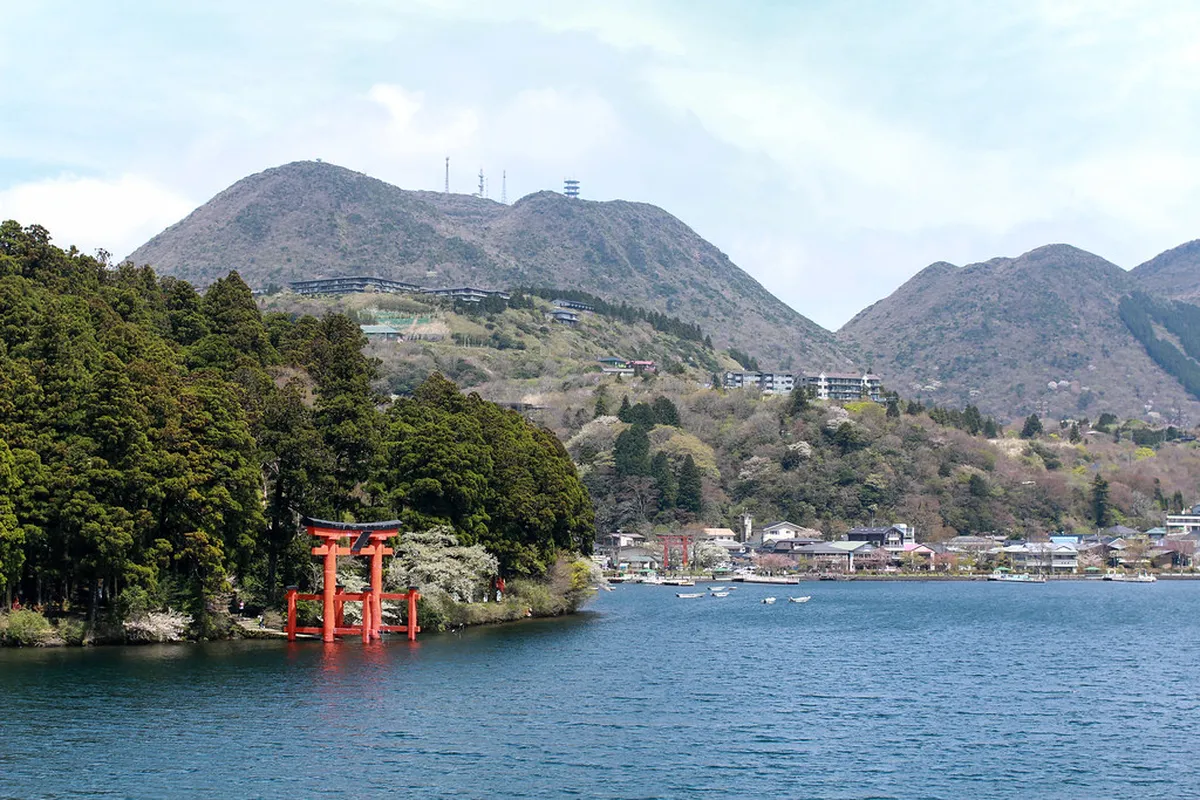
Hakone Shrine is the morning centrepiece. Walk the lantern-lined forest path to the main hall, then descend to the lakefront where the red Peace Shrine Gate stands in the shallows of Lake Ashi. After the shrine, walk counter-clockwise along the lake for 15 minutes to reach the Cedar Avenue — a 500-metre Edo-period passage flanked by trees over 400 years old. Continue to the Hakone Checkpoint (Hakone Sekisho): entry to the reconstructed grounds is free, the Exhibition Hall costs ¥500 and recreates a Edo-period toll gate with guard quarters and a lookout tower. Plan to reach the lake port by 12:45.
Hakone Day Trip Itinerary: Afternoon
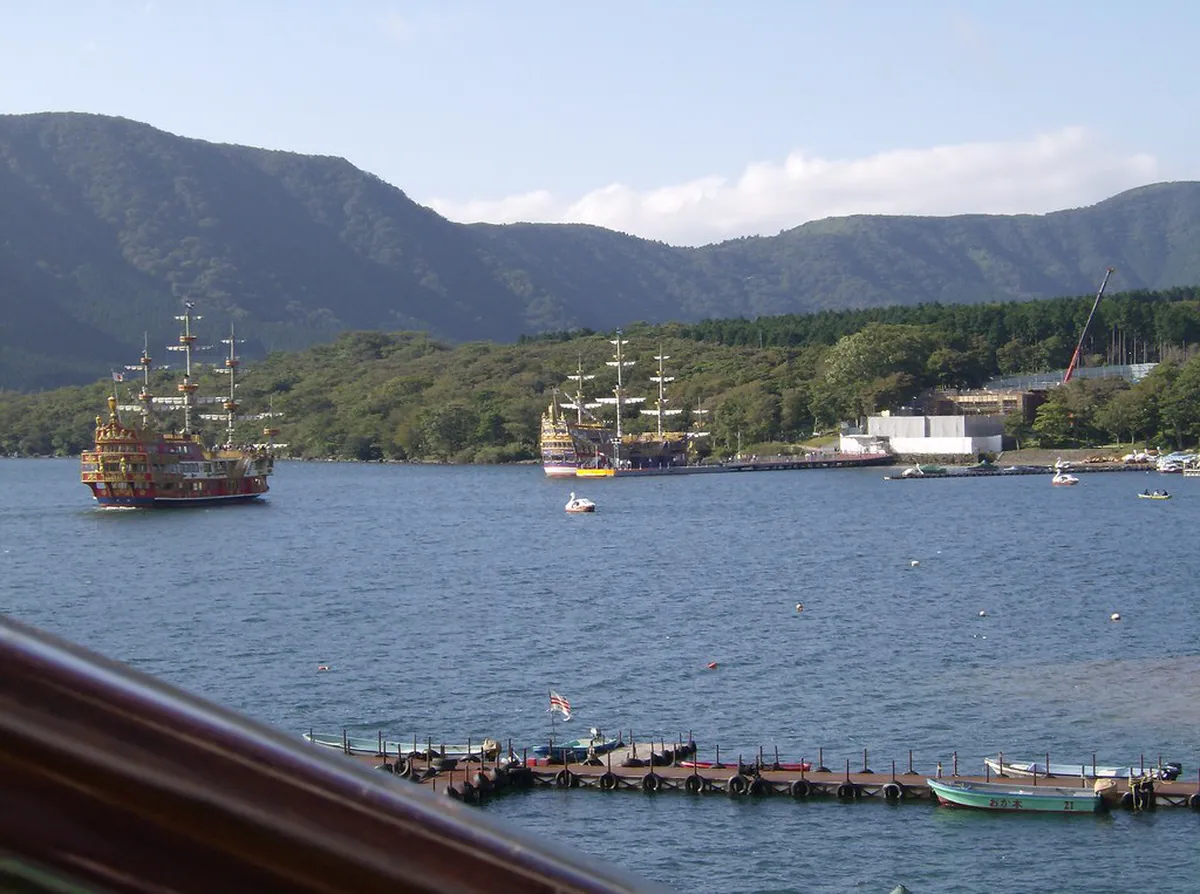
Eat lunch near the Hakone Checkpoint — options include sashimi sets, soba, and seafood rice bowls. Daimasa (3 minutes from the checkpoint) has English menus and generous portions. Eat before boarding the pirate ship; options at Togendai on the far side are limited. The pirate ships depart Hakone-machi port twice per hour; the crossing to Togendai takes about 30 minutes across the caldera lake.
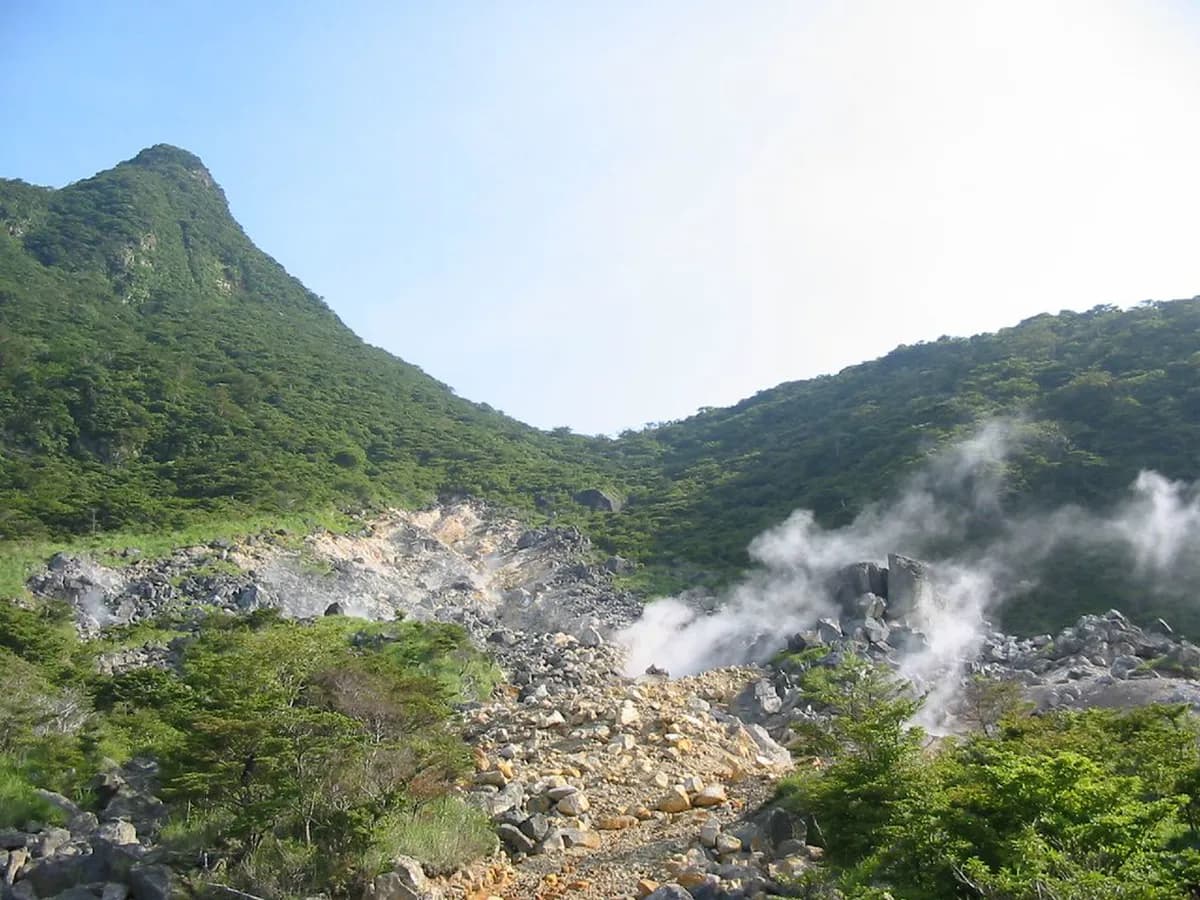
From Togendai, take the Hakone Ropeway south through the volcanic landscape to Owakudani. Sulfur vents release steam from ground fissures across the entire valley — one of the most dramatic sights on the loop. Try kuro-tamago (black eggs, ¥500 for five) boiled in the hot sulfur springs; the shells turn black but the taste is that of a regular hard-boiled egg. Continue the ropeway south to Sounzan, then take the funicular down to Gora Station.
The Hakone Open-Air Museum is the afternoon anchor. Ride the Tozan Train one stop from Gora to Chokoku-no-Mori Station, then walk 100 metres up the road. The museum closes at 17:00; aim to arrive by 14:30 for two full hours. The outdoor grounds hold hundreds of major sculptures and a dedicated Picasso pavilion with around 300 works. Admission is ¥1,600 (¥200 discount with the Free Pass). After the museum, train back to Hakone-Yumoto and catch the Romancecar to Shinjuku — book the return seat when you buy your outbound ticket.
Hakone Day Trip Map: Visualizing Your Route
The Hakone Round Course follows a counter-clockwise loop starting and ending at Hakone-Yumoto. The route runs: Hakone-Yumoto → (bus) → Hakone Shrine/Moto-Hakone → (walk) → Lake Ashi pirate ship port → (pirate ship) → Togendai → (ropeway) → Owakudani → (ropeway + funicular) → Gora → (Tozan Train) → Chokoku-no-Mori/Open-Air Museum → (Tozan Train) → Hakone-Yumoto. Key landmarks split between two zones: the southern lakefront (shrine, cedar avenue, checkpoint, pirate ship port) and the central mountain strip (Togendai, Owakudani, Gora, Open-Air Museum).
On your map app, search: "Hakone-Yumoto Station" as base, "Hakone-jinja-iriguchi" for the shrine bus stop, "Hakone-machi Port" for the pirate ship, and "Chokoku-no-Mori Station" for the museum. Free English paper maps of the full round course are available at the Hakone-Yumoto Station information desk and at the Odakyu Sightseeing Center in Shinjuku. Pick one up before you start — they are clearer than a phone when switching transport types rapidly.
When Owakudani Is Closed: Contingency Planning
The Hakone Ropeway suspends more often than most visitors expect. High winds, increased volcanic activity at Owakudani, and heavy fog all trigger temporary closures — sometimes a full day, sometimes a few hours. If the ropeway is suspended between Togendai and Sounzan, a replacement shuttle bus runs the same route (covered by the Hakone Free Pass). It is slower and misses the aerial views, but it keeps the loop intact. If Owakudani itself is at an elevated volcanic alert level — as it was for extended periods in 2015 and briefly in later years — the shuttle bypasses Owakudani entirely.
When Owakudani is unavailable, the best adjustment is to spend more time at the Hakone Open-Air Museum (easily three hours) and add Gora Park, which is free with the Hakone Free Pass. The park has manicured gardens, a greenhouse, and craft workshops. Check the official Hakone Ropeway website or the Odakyu Hakone information page the night before your trip — this one step can save you a wasted mid-loop diversion.
Top Things to Do in Hakone in One Day
The round course covers the four standout activities — Hakone Shrine, Lake Ashi pirate ship, Owakudani ropeway, and the Open-Air Museum. Traveler type shapes the priorities within the day. Nature-focused visitors should walk the full cedar avenue and Onshi Hakone Park; on a clear day the Owakudani ropeway views toward Fuji are unmissable. Art-focused visitors can skip the cedar walk (take a direct bus to Moto-Hakone port instead) and use the saved hour at the Open-Air Museum, which genuinely needs three hours.
One stop that no competitor guide consistently mentions: Amazake-chaya, a teahouse on the Old Tokaido Highway that has served the same menu — amazake (warm fermented rice drink) and mochi — since the Edo period. It sits alone in forest on what was once the main highway linking Tokyo and Kyoto. Entry is free; you pay only for what you order. It opens around 07:00 and works as a morning stop if you walk part of the Old Tokaido from Hakone-Yumoto rather than taking the bus directly to the shrine.
For souvenirs, look for yosegi puzzle boxes — geometric mosaic woodwork native to the Hakone forests. The best shops are in Moto-Hakone near Lake Ashi and along the Tozan Train route through Miyanoshita and Gora. This craft is made nowhere else in Japan at this density. See our full Hakone attractions guide for museum opening hours and seasonal events.
Should You Stay Overnight? Hakone Accommodation Guide
A day trip is feasible, but an overnight stay transforms the experience. Hakone's defining feature is the onsen ryokan — a traditional inn built around private or shared hot spring baths. The evening atmosphere once the day crowds leave is genuinely peaceful. If your itinerary has any flexibility, one night is worth it.
For luxury: Hotel Indigo Hakone Gora by IHG has riverside views and in-room onsen access; Gora Kadan is the area's most prestigious traditional ryokan, with multi-course kaiseki dinners. Mid-range: HAKONE GORA ONSEN Hotel Kasansui (breakfast and dinner included, close to Gora Station) and Setsugetsuka (traditional aesthetic, modern comfort). Budget: Hakone Guest House gaku near Hakone-Yumoto, with shared clean bathrooms and rooftop views. Book ryokan with private onsen weeks ahead for spring and autumn weekends — they fill fast. You can also find an onsen in Hakone to compare options across budgets. See the 10 Best Onsen & Ryokan in Hakone: Private Baths, Day Trips & More (2026) guide for day-use bath options if you are staying just one night.
Planning Your Broader Japan Trip: Where Hakone Fits
Hakone sits naturally between Tokyo and Kyoto on the Tokaido corridor. You can leave luggage in Tokyo, do a Hakone day trip, and continue to Kyoto on the Shinkansen from Odawara the following morning — no backtracking. This makes Hakone a more efficient one-day stop on a multi-city Japan itinerary than any other Tokyo day-trip destination.
On a 7-day Japan trip, Hakone is worth prioritizing over Nikko or Kamakura. Nikko requires similar travel time but lacks the loop infrastructure; Kamakura is closer but without the volcanic landscape or onsen culture. A common 10-day structure: 3 nights Tokyo — 1–2 nights Hakone — Shinkansen to Kyoto — 3 nights Kyoto — return. Hakone slots into the middle without wasted travel.
Avoid combining Hakone and Kawaguchiko (Fuji Five Lakes) in a single day. Transport between them is slow and infrequent; doing both gives you a rushed half-experience at each. Choose one per day, or extend to overnight. See the multi-day Hakone itinerary for a fuller structure if you have two or more days.
Frequently Asked Questions
Which Hakone day trip from Tokyo options fit first-time visitors?
First-time visitors should focus on the classic Hakone Round Course. This route efficiently covers Lake Ashi, Owakudani, and the Open-Air Museum. It provides a comprehensive introduction to Hakone's diverse attractions and stunning scenery.
How much time should you plan for a Hakone day trip from Tokyo?
A full day, approximately 10-12 hours including travel, is ideal for a Hakone day trip from Tokyo. This allows sufficient time to enjoy the Hakone Round Course and its main sights. Starting early is recommended to maximize your experience.
Is a Hakone day trip from Tokyo worth including on a short itinerary?
Yes, a Hakone day trip from Tokyo is definitely worth including on a short itinerary. Its proximity to Tokyo and diverse attractions make it an excellent addition. It offers a perfect blend of nature, culture, and relaxation in a single day.
Can I use the JR Railpass from Tokyo to Hakone?
The JR Railpass does not fully cover the journey to Hakone. You can use it to Odawara Station via the JR Tokaido Line. However, the subsequent Hakone Tozan Railway and other local transport are not covered. The Hakone Free Pass is recommended for local travel.
A Hakone day trip from Tokyo offers an unforgettable escape into Japan's natural beauty and culture. With the Hakone Free Pass, a 07:00 Romancecar departure, and the counter-clockwise round course, you can cover the volcanic valley, lake cruise, shrine, and open-air museum in a single long day. Check the ropeway status the night before, bring layers for the higher elevations, and book your Romancecar seat in advance — those three habits will keep the day running smoothly.
Whether you stay for one day or extend to an overnight ryokan stay, Hakone rewards the time you give it. The landscape, the onsen culture, and the craftsmanship of the region make it one of the most distinctive short trips available from any major Japanese city. Plan carefully and the day will feel effortless. If you're exploring Tokyo escapes, discover more Tokyo day trips from the capital.
Free: The Hakone Essentials guide
Top things to do, where to stay, a perfect day plan, getting around, and the best time to go — a Hakone mini-guide you can take offline.
You might also like

Continue reading
More guides you'll find useful