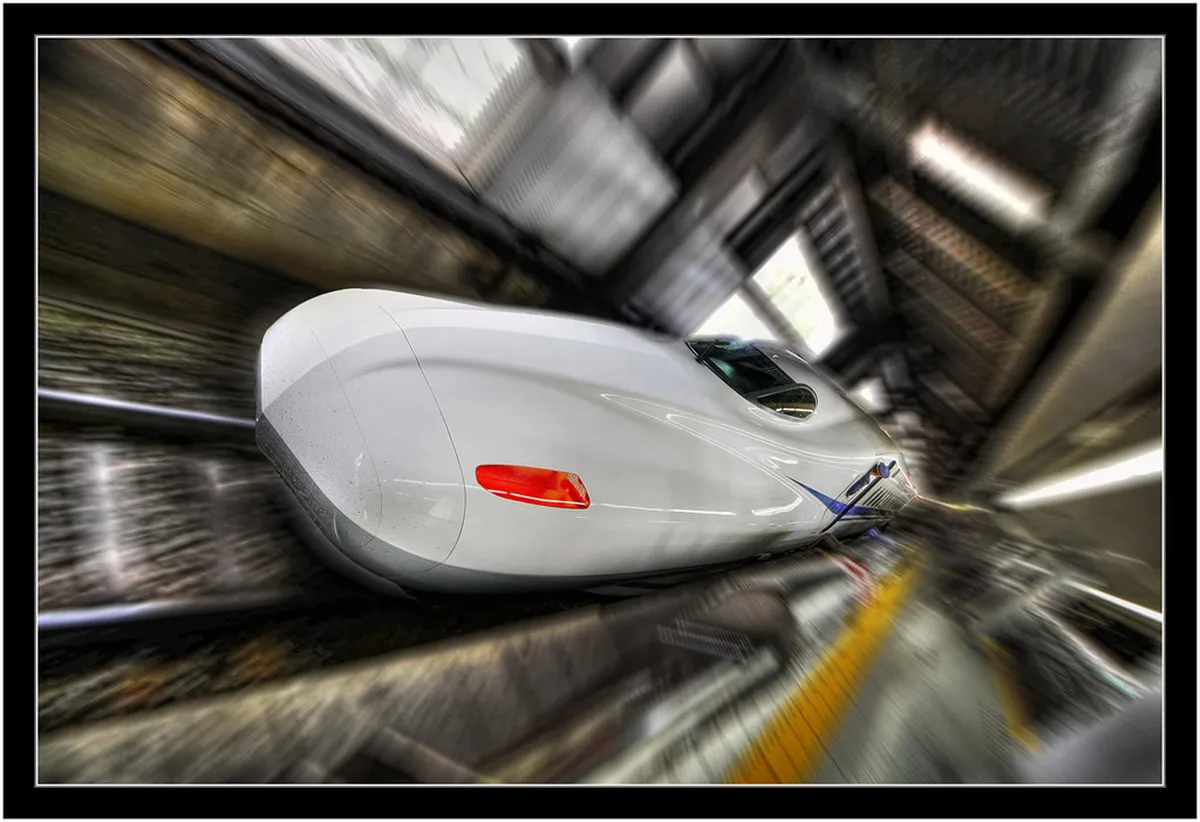
Hakone Free Pass Guide: Prices, Inclusions, & Itineraries
Unlock Hakone's best with our comprehensive guide to the Hakone Free Pass. Discover prices, included transport, top attractions, and sample itineraries for a seamless trip.
On this page
Hakone requires hopping between trains, cable cars, ropeways, boats, and buses to reach its main sights. Buying individual tickets for every leg adds up fast and slows you down at ticket machines. The Hakone Free Pass from Odakyu Electric Railway bundles all of that into one ticket, plus discounts at museums and hot springs. After October 2025 fare revisions raised individual fares, the pass now saves travellers approximately ¥4,500 to ¥5,500 compared to buying separate tickets for every ride on the Hakone Loop.
What is the Hakone Free Pass?
The Hakone Free Pass is issued by Odakyu Electric Railway and grants unlimited rides on eight separate transportation systems throughout the Hakone region. It also includes discounts at more than 50 attractions, shops, and restaurants. Most visitors purchase the version that includes a round-trip fare between Shinjuku Station and Odawara, bundling the Tokyo leg into one purchase.
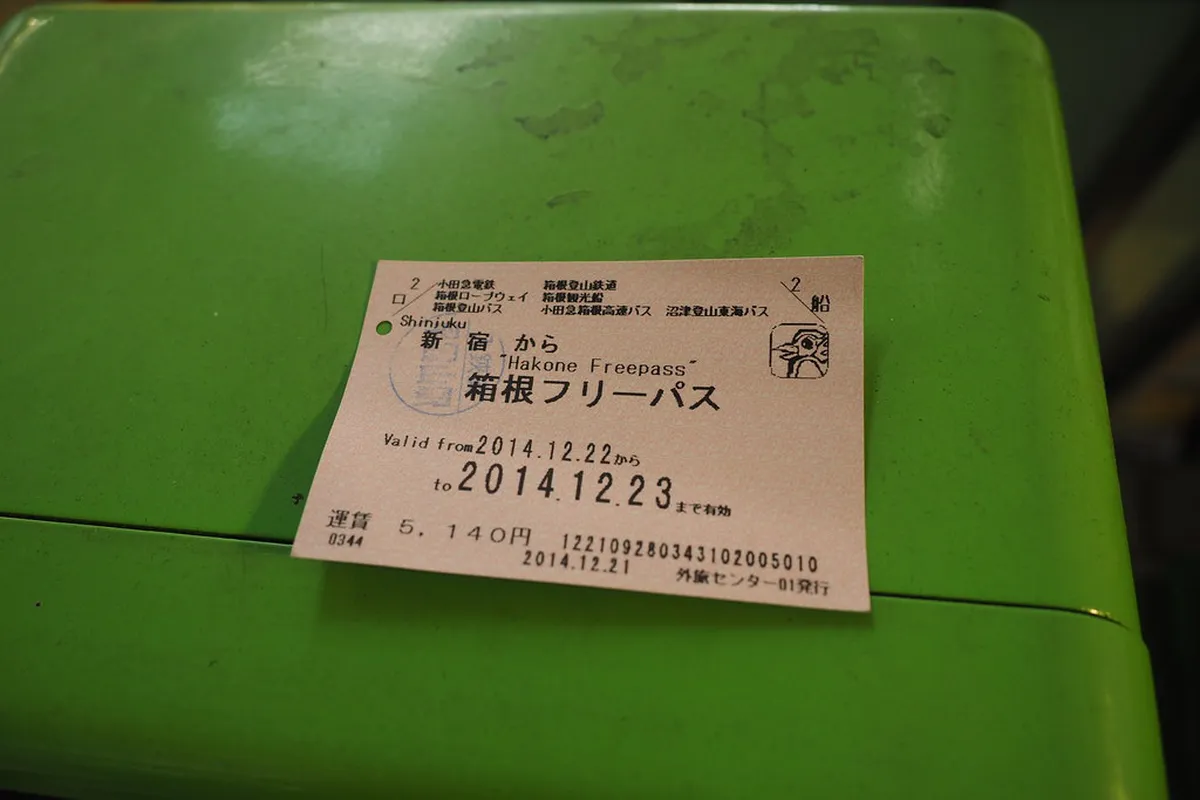
The pass is valid for two or three consecutive days starting from first use — there is no one-day version. It is operated by Odakyu, not Japan Rail Group, so it functions entirely independently of the JR Pass. Travellers with a JR Pass still need to purchase this separately for travel within Hakone.
Hakone Free Pass Pricing & Validity (2026)
Following October 2025 fare revisions on Odakyu lines, current 2026 adult prices from Shinjuku are ¥7,100 for a 2-day pass and ¥7,500 for a 3-day pass. Children aged 6–11 pay ¥1,600 for the 2-day and ¥1,850 for the 3-day. These prices include the round-trip fare between Shinjuku and Odawara. If you are arriving from Osaka or Nagoya by Shinkansen, you can buy an Odawara-origin pass covering only the Hakone area — cheaper, since the Tokyo leg is excluded.
The price difference between the 2-day and 3-day passes is only ¥400. If the Ropeway or Lake Ashi cruise suspends due to bad weather, the 3-day pass gives you a buffer day at minimal extra cost. Always confirm current rates at the Odakyu official website (Hakone Free Pass) before travelling.
What's Included with the Hakone Free Pass?
The pass covers unlimited rides on eight transport systems forming the Hakone Loop. Beyond transport, it provides discounts at over 50 venues including the Hakone Open-Air Museum, Pola Museum of Art, Hakone Venetian Glass Museum, and Hakone-en Aquarium. Gora Park entry (normally ¥500 per adult) is fully covered.
- Hakone Tozan Railway — Hakone-Yumoto to Gora, including switchback section
- Hakone Tozan Cable Car — Gora to Sounzan
- Hakone Ropeway — Sounzan to Togendai over Owakudani
- Hakone Sightseeing Cruise (Pirate Ship) — Lake Ashi crossings
- Hakone Tozan Bus — designated orange and dark-blue bus routes
- Odakyu Hakone Highway Bus — select routes
- Tokai Bus — designated sections including Mishima to Moto-Hakone
- Tourist Facility Loop Bus — art museum circuit around Gora
What's Not Included in the Hakone Free Pass
The most important exclusion is the Limited Express surcharge for the Odakyu Romancecar. The pass covers the base fare on Odakyu lines, but boarding the Romancecar from Shinjuku to Hakone-Yumoto requires an additional limited express ticket of around ¥1,200 per person one-way, purchased separately at a ticket counter or via the Odakyu app.
A less obvious exclusion catches many first-timers: the Izu Hakone Bus is not covered. These buses display a lion logo and run some routes through Hakone, but they are operated by a different company entirely. Before boarding any bus, check the vehicle colour — Hakone Tozan Buses are orange or dark blue. If unsure, show your pass to the driver before sitting down. The pass also does not cover any transportation outside the designated Hakone area.
How to Purchase & Use Your Hakone Free Pass
The most convenient purchase point is the Odakyu Sightseeing Service Center on the second floor of Shinjuku Station's west exit. Counter staff speak English and can advise on pass duration and Romancecar upgrades. Passes are also sold at Odawara Station and ticket machines marked for tourist passes. Online purchase is available via the Odakyu official website (Hakone Free Pass). A digital e-ticket version now exists, but note that one pass cannot be shared across devices — families with young children often find physical paper tickets simpler.
To use the pass on trains, insert it into the automated gate or show it to station staff. On buses, show it to the driver as you board. For attraction discounts, present the pass at the ticket window before paying. The Romancecar requires a separate limited express ticket in addition to the pass.
Hakone Free Pass Coverage Area & Map
The pass covers the full Hakone Loop: from Hakone-Yumoto up the mountain railway to Gora, cable car to Sounzan, ropeway over Owakudani to Togendai, Pirate Ship cruise across Lake Ashi to Moto-Hakone, and bus back to Hakone-Yumoto. Beyond the loop, it also covers the Tokai Bus N Line running south toward Mishima Skywalk — Japan's longest suspension bridge — a route most day-trippers skip entirely, meaning far smaller crowds.
The pass is not valid on JR lines, the Shinkansen, or Izu Hakone Transport buses. Keep the transport map printed with the pass as a reference; bus coverage boundaries are colour-coded by operator.
Is the Hakone Free Pass Worth It? (Cost Analysis & Scenarios)
For anyone doing the Hakone Loop, the pass pays for itself decisively. Individual ticket costs for a standard one-day loop add up quickly: Lake Ashi cruise (¥1,200), Hakone Tozan Railway day pass (¥1,500), ropeway Togendai–Sounzan (¥1,500), cable car Gora–Sounzan (¥420), two or three bus legs (¥800–¥1,200), and Gora Park entry (¥500) already total nearly ¥6,000 before any museum visits. The 2-day pass at ¥7,100 includes the round-trip rail fare from Tokyo — a clear net saving.
The pass is less compelling if you plan to visit only one or two attractions and will not use buses, the ropeway, or the cruise. In that case, point-to-point tickets may be cheaper. For a comprehensive Hakone Itinerary: 2-Day Travel Plan + Map & Tips spanning a day or more, the pass is almost always the better option.
Hakone Free Pass vs. Other Passes (JR Pass, Tokyo Wide Pass, Fuji Hakone Pass)
The Japan Rail Pass covers nationwide JR trains to Odawara but does not cover any transport inside Hakone — the Tozan Railway, ropeway, cable car, cruise, and local buses are all Odakyu-operated. JR Pass holders arriving at Odawara still need to buy the Hakone Free Pass for the internal network. The Tokyo Wide Pass covers some JR Kanto routes but stops at Odawara; it does not cover Hakone internal transport either.
Two alternatives to the Hakone Free Pass itself are worth knowing. The Fuji Hakone Pass (3 days, around ¥11,100 adult) adds the Fuji Five Lakes area — the right choice if you want to combine Hakone with a Mount Fuji visit in one trip. The Hakone Kamakura Pass (3 days, around ¥8,520 adult) covers the full Hakone area plus Kamakura and Enoshima via all Odakyu routes — a strong option for a mountains-and-coast itinerary. For a trip focused solely on Hakone, the Hakone Free Pass remains the most cost-effective choice.
Getting to Hakone: From Tokyo, Odawara & Kansai
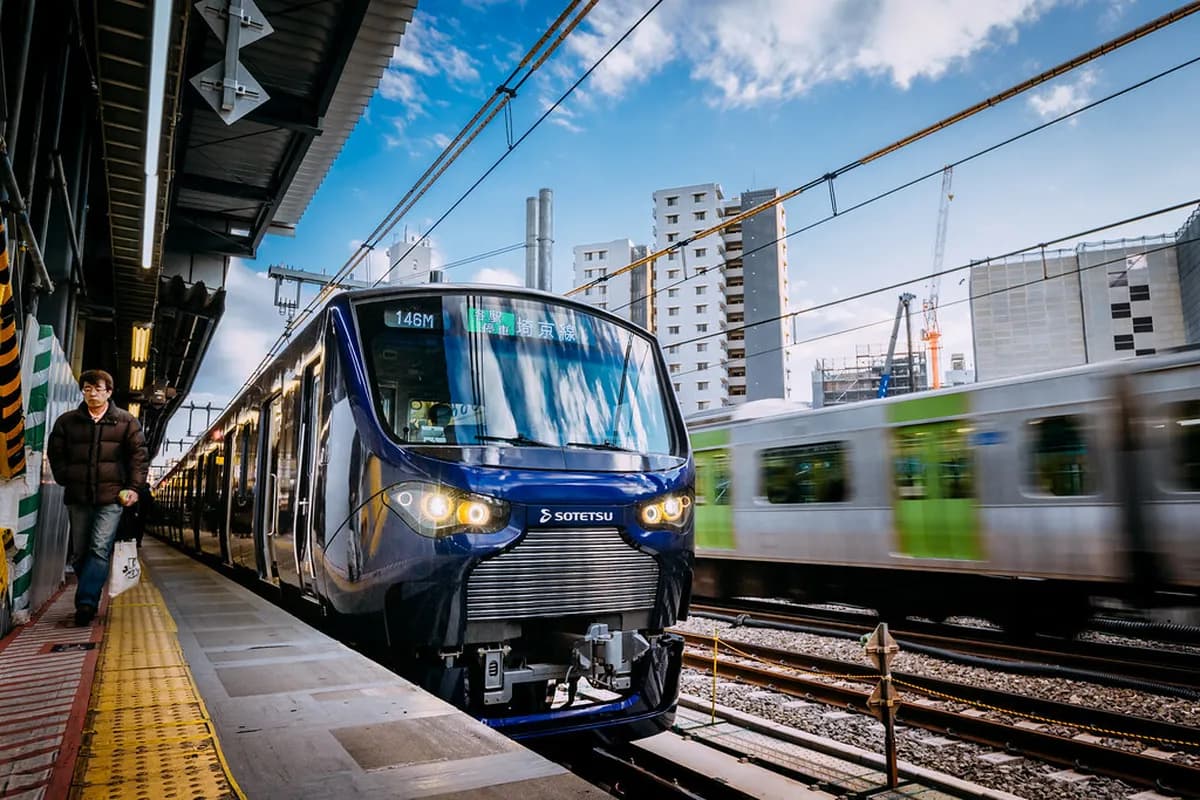
From Shinjuku, the fastest option is the Odakyu Romancecar directly to Hakone-Yumoto in about 85 minutes, requiring a ¥1,200 limited express surcharge on top of your pass. Regular Odakyu Limited Express trains to Odawara (70–80 minutes) with a transfer to the Hakone Tozan Railway are also covered. Book the Romancecar early in peak season — early-morning departures sell out quickly with day-trippers.
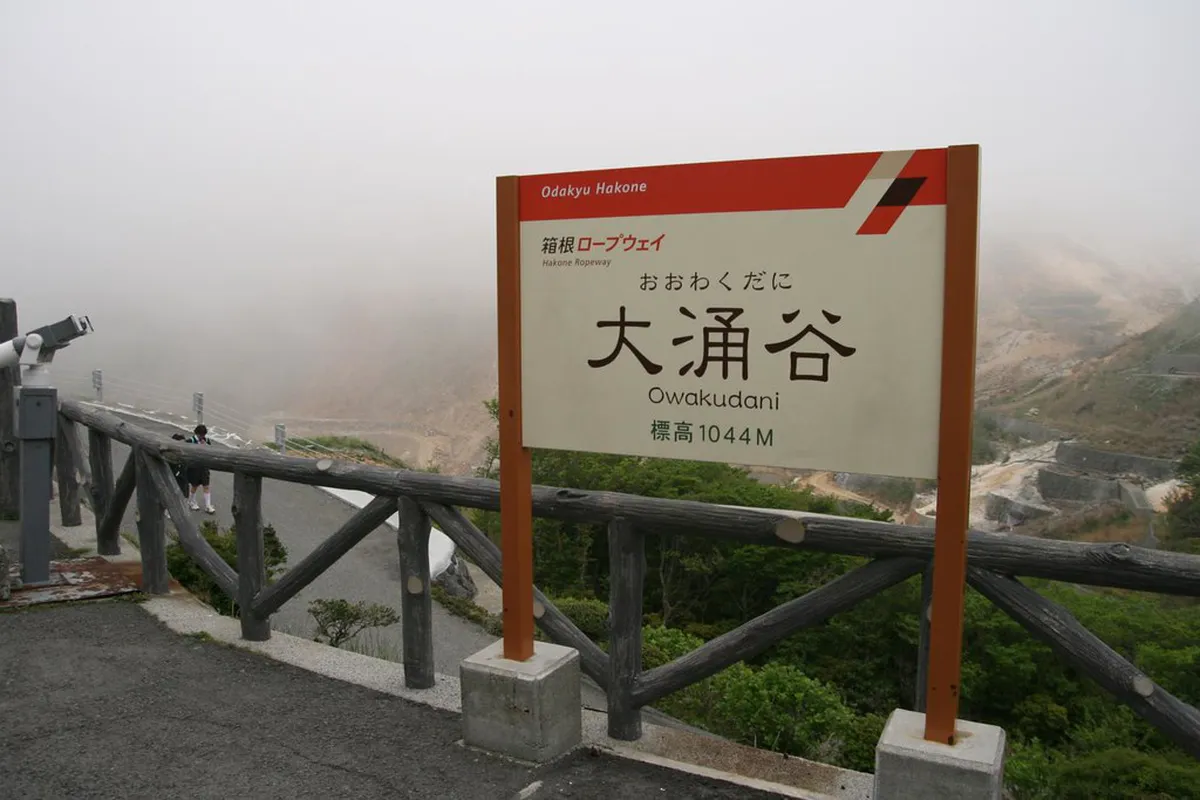
From Kansai (Osaka, Kyoto, Nagoya), take the Tokaido Shinkansen to Odawara. From Odawara, purchase the Odawara-origin pass and transfer to the Hakone Tozan Railway — no need to travel all the way to Shinjuku first. Consider a Hakone Day Trip Itinerary from Tokyo: Plan Your Perfect Day if your base is central Tokyo and time is limited.
Sample Itineraries: 1-Day, 2-Day, & 3-Day Hakone Adventures
For a one-day visit, follow the classic loop. From Hakone-Yumoto, take the Tozan Railway to Gora, cable car to Sounzan, ropeway over Owakudani (stop for black eggs), continue to Togendai, board the Pirate Ship cruise to Moto-Hakone, visit Hakone Shrine, then bus back to Hakone-Yumoto. The loop takes five to seven hours depending on stops. Even on a single day the 2-day pass covers transport costs comfortably.
A two-day plan lets you slow down. Day one: visit the Hakone Open-Air Museum and Gora Park, stay overnight in the area. Day two: take the early ropeway to Owakudani before day-trippers arrive, cruise Lake Ashi, visit Hakone Shrine in the afternoon. Staying in Gora or Hakone-Yumoto puts you ahead of the Tokyo crowd that floods in from 10:00 onwards.
The three-day reverse-route plan avoids peak congestion at the most popular spots. Day one: send luggage to your hotel via the Hakone Carry Service at Hakone-Yumoto Station (¥1,500–¥2,500 per bag), then take the bus to Moto-Hakone to explore Hakone Shrine and the lake shore without heavy bags. Day two: board the Pirate Ship cruise early (08:00–09:00) when it is quieter, continue by ropeway from Togendai over Owakudani, descend to Gora, visit museums in the afternoon. Day three: ride the Tokai Bus N Line from Moto-Hakone toward Mishima Skywalk — a viewpoint almost no day-trippers reach — then return for the Romancecar back to Shinjuku.
Essential Hakone Attractions Accessible with the Pass
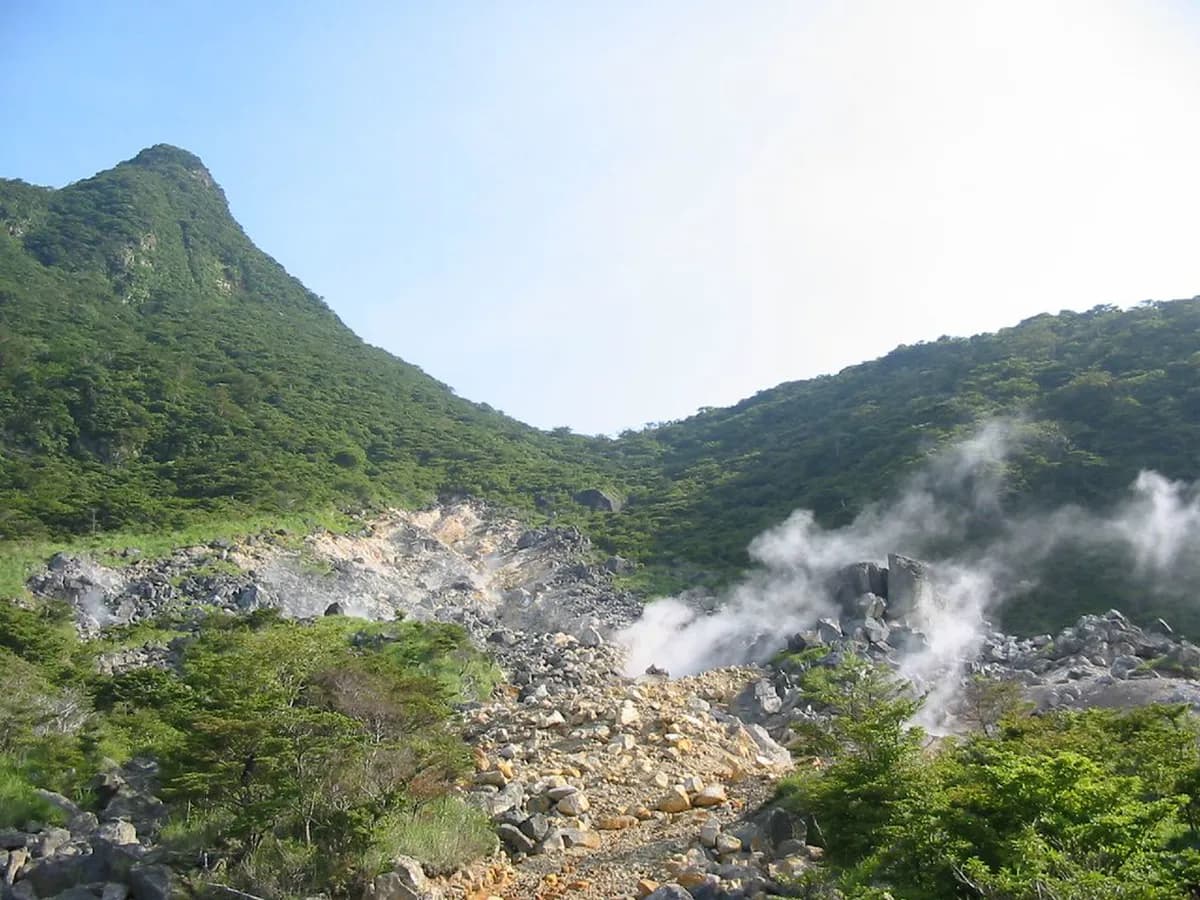
Lake Ashi is the centrepiece of any Hakone visit. The Hakone Sightseeing Cruise operates pirate-ship themed vessels between Togendai, Moto-Hakone, and Hakone-machi, all covered by the pass. Early-morning crossings offer the best chance of a Mount Fuji view before clouds build. Owakudani's active volcanic area, with sulphurous vents and famous black eggs, is reached by the ropeway — one of the most iconic Hakone experiences. Note that the ropeway may suspend for scheduled maintenance windows, typically January and February; Odakyu runs a substitute bus at no extra cost to pass holders during those periods.
Art lovers should factor in the Hakone Open-Air Museum and the Pola Museum of Art, both offering pass-holder discounts. Many local onsen in Hakone also offer reduced day-use rates to pass holders — look for the pass logo before paying. These sites represent just part of what makes Hakone stand out among top Hakone attractions.
Practical Tips for Your Hakone Trip (Luggage, Weather, Crowds)
Luggage is a genuine challenge on narrow mountain trains and buses. The Hakone Carry Service at Hakone-Yumoto Station delivers bags directly to your hotel or ryokan for ¥1,500–¥2,500 depending on bag size; drop off before 10:00 and bags arrive by mid-afternoon. Yamato Transport (Kuroneko Yamato) at Odawara Station also offers overnight forwarding from Tokyo. Coin lockers at Hakone-Yumoto and Odawara handle smaller items (¥400 small, ¥600–¥700 large) but fill up by late morning on weekends.
Check the Hakone Navi Transportation Information website on the morning of your visit for real-time operation status — the Ropeway suspends in strong winds and the Lake Ashi cruise stops in heavy rain. If the Ropeway is down, Odakyu's substitute bus between Sounzan and Togendai is covered by the pass at no extra cost.
Restaurants in Hakone close early, typically by 17:00–18:00, with very few places open after 20:00, especially in Gora. Book a ryokan with dinner included or reserve in advance. Arriving at 19:00 in Gora without a reservation is one of the most common first-timer mistakes. Start your day early to beat the day-tripper wave from Tokyo, which arrives from 10:00 onwards at most popular spots.
Hakone Free Pass FAQs
Frequently Asked Questions
Why choose the Hakone Free Pass for your trip?
The Hakone Free Pass offers convenience and savings for exploring the region. It includes unlimited rides on eight transport systems and discounts at over 50 attractions. This pass simplifies travel logistics and reduces overall costs for visitors.
What is not included in your Hakone Free Pass?
The Hakone Free Pass does not cover the surcharge for the Odakyu Romancecar. This special express train requires an additional limited express ticket. It also does not cover transport outside the designated Hakone area.
Can I use the Japan Rail Pass or Tokyo Wide Pass in Hakone?
Neither the Japan Rail Pass nor the Tokyo Wide Pass covers local transportation within Hakone. These passes are for JR lines or specific Kanto region areas. You would still need to purchase local Hakone tickets or the Hakone Free Pass for internal travel.
Is there a one-day Hakone Freepass?
No, there is no official one-day Hakone Free Pass. The shortest validity period available is a 2-day pass. Even for a Hakone Day Trip Itinerary from Tokyo: Plan Your Perfect Day, the 2-day pass can still be cost-effective due to extensive transportation use and attraction discounts.
Can I get a refund if services are suspended due to severe weather?
Refund policies for the Hakone Free Pass in case of service suspensions due to severe weather vary. It's best to check the Odakyu official website or inquire at the purchase counter. They can provide specific details regarding compensation or alternative arrangements.
The Hakone Free Pass is the practical backbone of any well-planned Hakone trip. It eliminates the friction of buying individual tickets at every transfer, locks in real savings versus point-to-point fares on the post-2025 revised tariffs, and covers the full loop from Hakone-Yumoto to Owakudani, Lake Ashi, and back. For most visitors spending one full day or more in the region, the maths are straightforward — the pass pays for itself before lunch.
Choose the 2-day pass for a single overnight stay and the 3-day pass if you want a weather buffer or plan a relaxed multi-day exploration. If your trip extends beyond Hakone, consider the Fuji Hakone Pass for a Mount Fuji add-on or the Hakone Kamakura Pass for a mountains-to-coast combination. Buy early in peak season and book the Romancecar as soon as your dates are confirmed.
Free: The Hakone Essentials guide
Top things to do, where to stay, a perfect day plan, getting around, and the best time to go — a Hakone mini-guide you can take offline.
You might also like

Continue reading
More guides you'll find useful