

Ginzan Onsen Travel Guide: Plan Your Trip to Japan's Fairytale Onsen Town
Discover Ginzan Onsen with our comprehensive guide. Find out how to get there, where to stay, what to do, and essential tips for a magical visit, including 2024-2025 winter restrictions.
On this page
Ginzan Onsen, nestled in the mountains of Yamagata Prefecture, offers a timeless Japanese experience. This historic hot spring town captivates visitors with its gas lamps and traditional wooden ryokan. Its nostalgic atmosphere feels like stepping into a classic fairytale setting.
Ginzan Onsen is one stop in our wider Yamagata Prefecture guide — combine it with the cliffside temple of Yamadera and the Mount Zao hot-spring resort.
Many travelers compare Ginzan Onsen to the world of Studio Ghibli's Spirited Away. While not a direct inspiration, the town's enchanting scenery evokes a similar magical feeling. This guide provides essential tips for planning your unforgettable journey to this charming destination.
Prepare to explore stunning natural beauty and soothing hot springs. We cover transportation, accommodation, and must-do activities to help you make the most of your visit.
Key Takeaways
- Book ryokan 3-6 months ahead for winter visits — most inns do not list on OTAs.
- Check the Ginzan Onsen Official Website for current winter restrictions before travelling.
- Consider an overnight stay to experience the evening gas lamps, but a day trip is strong value if you're on a budget.
- Solo travellers typically pay a single supplement — expect to cover the cost of two guests.
- Explore Shirogane Park and Gin Mine Cave beyond the main street.
- Travel via Shinkansen to Oishida Station, then a local bus (~35-40 min).
Introduction to Ginzan Onsen: Japan's Fairytale Hot Spring Town
Ginzan Onsen translates to "Silver Mountain Hot Spring," reflecting its past as a silver mining town. The area transformed into a popular onsen resort during the Taisho Era, and today it preserves its early 20th-century charm with beautifully maintained multi-story wooden buildings. Located in the Obanazawa area of Yamagata Prefecture, the town sits deep in a river valley that amplifies its seclusion.
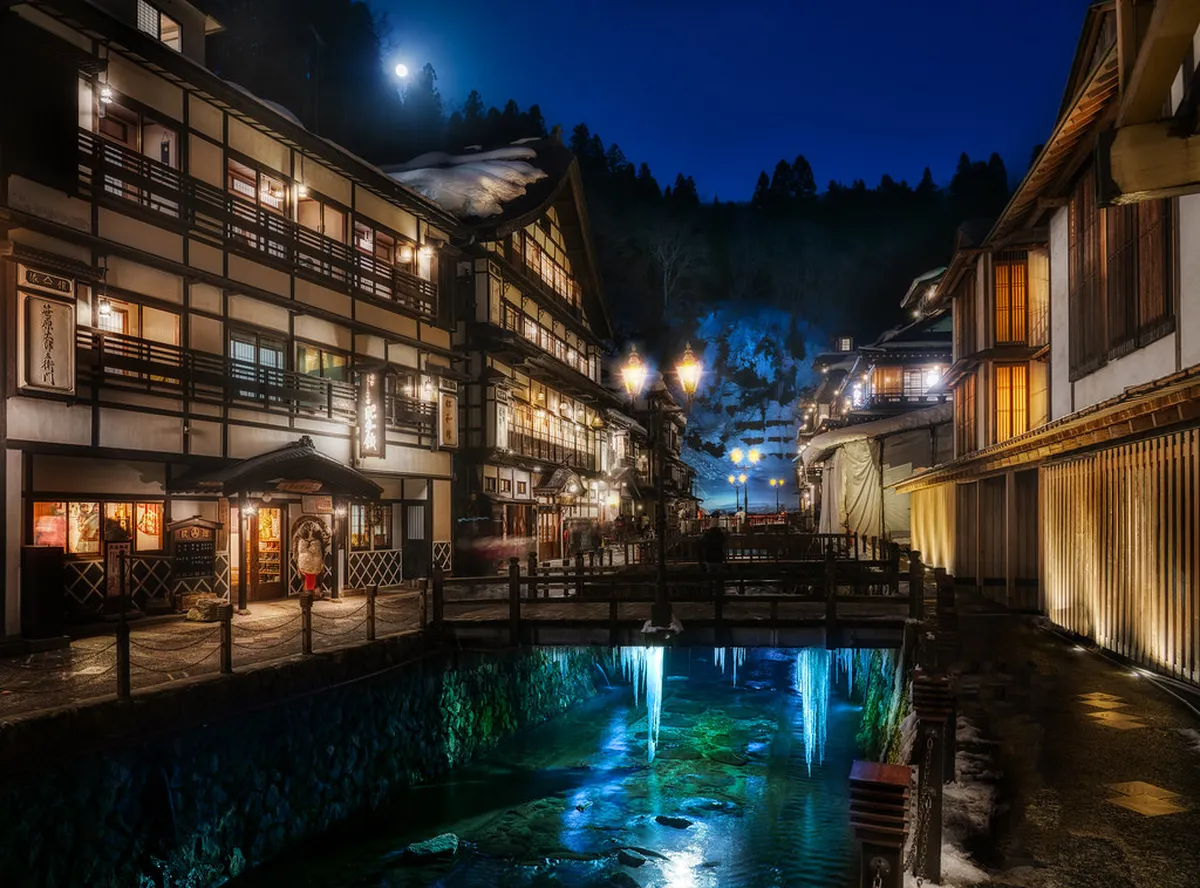
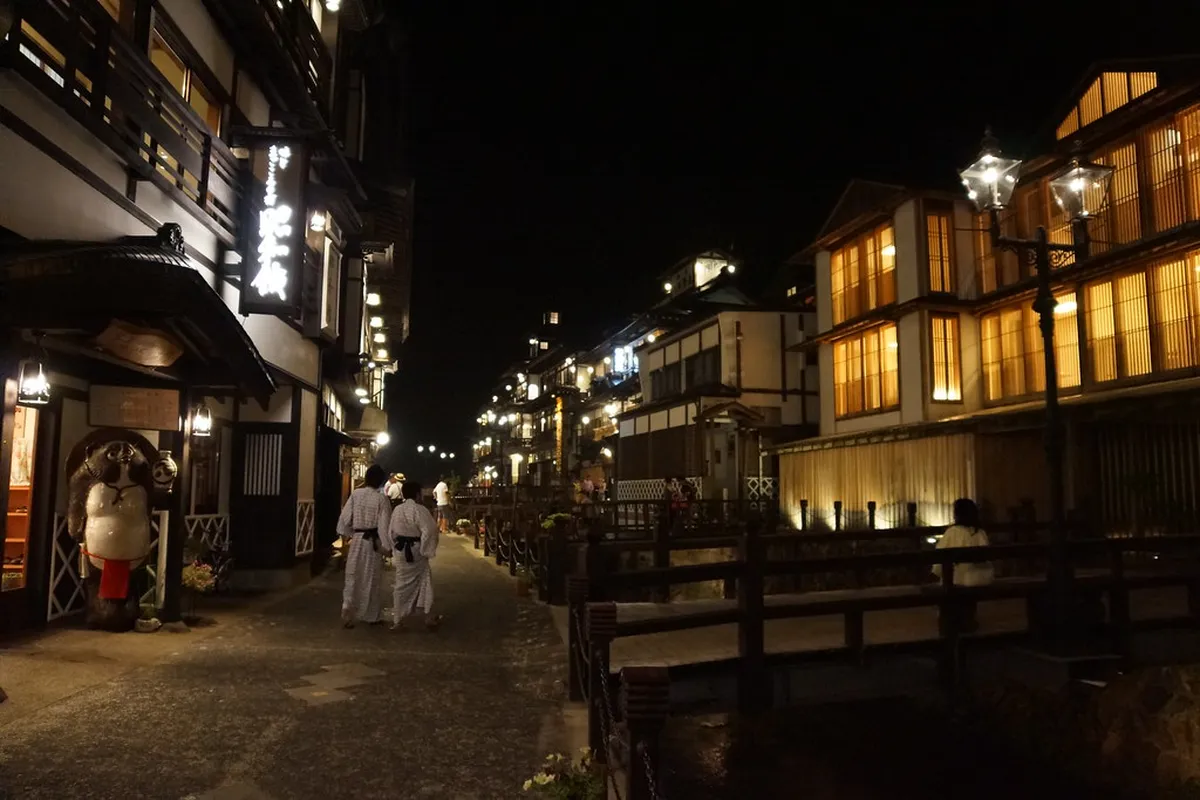
The Ginzan River flows through the town's center, lined with the iconic ryokan facades that inspired the town's global fame. Gas lamps illuminate the streets at dusk, creating a truly magical ambiance. Ginzan Onsen is also the filming location of the beloved Japanese TV drama Oshin, adding another layer of cultural significance beyond the Ghibli association.
Visiting Ginzan Onsen provides a unique glimpse into old Japan, but it helps to arrive with realistic expectations. The onsen street is essentially one lane on either side of a thermal creek — beautiful and compact, not expansive. Most of the experience centres on absorbing the atmosphere, soaking in the hot springs, and eating well.
The Spirited Away Connection: What's True, What's Overstated
Millions of visitors come to Ginzan Onsen in part because of its association with Studio Ghibli's Spirited Away. The wooden bathhouses, river setting, and gas-lamp glow do feel reminiscent of Yubaba's establishment in the film. However, Hayao Miyazaki has never officially confirmed that Ginzan Onsen was the direct inspiration — the claim circulates widely online but remains unverified.
The same ambiguity surrounds Taiwan's Jiufen, another destination swept up in Spirited Away speculation. Both towns share visual DNA with the film's setting, but neither holds a formal designation. What matters practically: the association has driven enormous tourist demand, which is exactly why winter ryokan rooms book out six months ahead and why entry controls were introduced from December 2024.
Visit Ginzan Onsen for what it genuinely offers — Taisho-era architecture, high-quality onsen water, and a rare sense of stepping outside modern Japan — rather than expecting a scene-by-scene recreation of the movie. Managed expectations make for a far more satisfying trip.
How to Get to Ginzan Onsen: Transportation Guide
Reaching Ginzan Onsen requires a combination of train and bus travel. The journey is part of the experience, leading you through scenic Yamagata landscapes. Planning your route and confirming bus timetables in advance is essential, since services are limited.
The most common route from Tokyo uses the Yamagata Shinkansen (Tsubasa service) to Oishida Station, approximately 3 hours 20 minutes from Tokyo Station. From Oishida, a local bus runs directly to Ginzan Onsen in around 35-40 minutes. Including transfers, total travel time from Tokyo is roughly 4 to 4.5 hours. You can find more detailed information on getting to Ginzan Onsen in our dedicated guide.
Budget travellers have two alternatives worth knowing. An express bus from Tokyo to Yamagata city runs day and night services for as little as 5,500 yen — roughly half the Shinkansen fare — and takes about 5.5 hours. If time is the priority, domestic flights from Tokyo to Yamagata Airport take around an hour, with round-trip fares from budget carriers competitive with the train.
If your itinerary covers multiple Tohoku stops — Zao Snow Monsters, Oirase Gorge, or Fox Village alongside Ginzan Onsen — the Tohoku JR Pass is worth calculating. A single Shinkansen return from Tokyo to Yamagata already costs around 24,000 yen, so the pass pays off quickly with two or three regional journeys. Some ryokan also offer shuttle services from Oishida Station for their guests; confirm this when booking.
- From Tokyo to Oishida Station
- Train: Yamagata Shinkansen (Tsubasa)
- Duration: Approximately 3 hours 20 minutes
- Cost: ~12,000 yen one way (varies by seat class)
- From Oishida Station to Ginzan Onsen
- Bus: Local route bus
- Duration: Approximately 35-40 minutes
- Frequency: Limited daily services — confirm timetable before you arrive
Best Time to Visit Ginzan Onsen (and Winter Restrictions)
Ginzan Onsen offers distinct beauty in every season, but winter is arguably its most famous. Snowfall transforms the town into a magical, postcard-perfect scene — the soft glow of the gas lamps against fresh snow is the image most people are chasing. That said, it is worth knowing that snow is not guaranteed: even in January, rain is possible and the town is equally atmospheric under a grey sky.
Autumn brings vibrant fall foliage, creating a stunning backdrop of reds and golds. Spring offers pleasant weather and cherry blossoms, while summer provides lush greenery and comfortable temperatures. Each season delivers something worth seeing, and these off-peak months are significantly easier for booking accommodation.
For the 2024-2025 winter season (December to March), important restrictions remain in place for day-trip visitors. Day trippers cannot enter the central Ginzan Onsen area between 16:00 and 10:00 the following morning. In addition, an entry control system caps day-trip arrivals at 100 people per hour during permitted entry windows, managed via an online ticketing system. Traffic restrictions also apply along Route 188 from the Jubun'ichi Sekisho site. Always check the Ginzan Onsen Official Website for the latest updates before you travel.
Things to Do in Ginzan Onsen: Beyond the Main Street
The main street is the obvious centrepiece, but the town rewards a longer look. Most visitors spend time simply walking the riverside lane, photographing the ryokan facades, and soaking in an outdoor foot bath near the stream. The atmosphere at dusk, once the gas lamps are lit, is genuinely unlike anywhere else in Japan.
A short walk past the main strip leads to Shirogane Park, home to the Shirogane-no-Taki waterfall. The park has peaceful walking trails and a cool, forested feel that contrasts well with the town's warm lamplight. Continuing further into the hillside, you can visit the Gin Mine Cave — a remnant of the silver mining era that gave the town its name. Both are free to explore and add perhaps an hour to your visit.
Local eateries serve traditional Yamagata cuisine, including cold soba noodles, locally raised Yamagata beef, and seasonal mountain vegetables. Small shops along Ginzan Onsen's Taisho Street sell local crafts and onsen-themed souvenirs. If you are staying overnight, your ryokan kaiseki dinner will typically showcase the same regional ingredients in a more elaborate setting — dining out is really an option only for day visitors or those who want a midday meal.
Where to Stay: Recommended Ryokan and Hotels in Ginzan Onsen
Staying in a traditional ryokan is central to the Ginzan Onsen experience. These inns offer exquisite hospitality, multi-course dinners and breakfasts, and access to hot spring baths. Booking early is crucial: accommodation here fills completely six months before peak winter weekends, and most inns do not list on major online travel agencies like Booking.com or Japanican. Direct booking through each ryokan's official website — or by phone — is the only reliable path.
Accommodation prices typically range from 200-400 USD per person per night, inclusive of dinner and breakfast. One important detail many guides gloss over: most Ginzan Onsen ryokan require a minimum of two guests per room. Solo travellers are usually asked to pay for two guests regardless — meaning a solo overnight stay can cost 400-800 USD in total. Factor this into your budget before committing to an overnight visit.
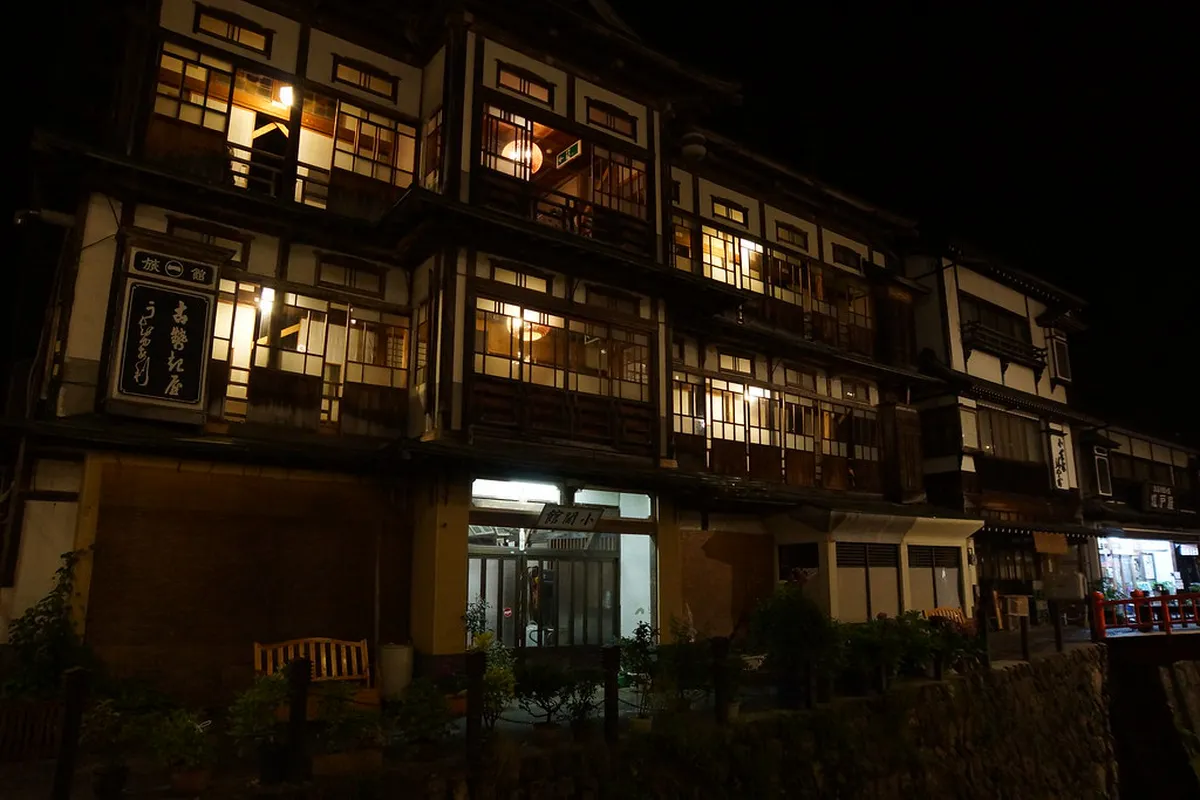
Popular properties include the Notoya ryokan, arguably the most photographed building in Ginzan Onsen, with its Taisho-era facade and warm illuminated windows. The Fujiya ryokan is another historic choice known for excellent service. Toya, originally from the Edo period and redesigned by architect Kengo Kuma in 2006 with a bamboo-screen aesthetic, appeals to visitors interested in contemporary Japanese design; it has eight rooms, no public bath, but five private onsen rooms each with a different style. Ginzan-so offers the rare option of an in-room bath — though the room water is not onsen water; the public bath remains the source for that.
Consider booking at least six months ahead for winter stays, especially weekends. If your preferred dates are already sold out, contact ryokan directly to ask about cancellations — high prices and strict cancellation windows mean last-minute availability occasionally opens up.
Ginzan Onsen Day Trip vs. Overnight Stay: Which is Right for You?
Deciding between a day trip and an overnight stay depends on your priorities and budget. Given that Ginzan Onsen is only 30-40 minutes by bus from a Shinkansen stop, the case for a day trip is genuinely strong — you can arrive in the morning, explore the street and waterfall, eat lunch, and stay until the gas lamps are lit in the early evening. For budget-conscious travellers, this delivers most of what makes the town special at a fraction of the cost.
An overnight stay provides a more immersive experience: you can soak in the onsen multiple times, enjoy a full kaiseki dinner, and photograph the illuminated street with fewer crowds after the day-trippers have left. You can witness the magical evening illumination without watching the clock for the last bus. This option offers a deeper connection to the town's historical ambiance.
Our day trip from Yamagata guide covers the logistics in detail. One honest caveat: the overnight premium is substantial. Several experienced travellers who have stayed overnight have reported that the difference in experience did not justify the cost gap — especially when winter weather can be rainy rather than snowy on any given night. If snow photography is your goal, plan for at least two nights to improve your odds. The 2024-2025 winter restrictions also mean day visitors are blocked from entering between 16:00 and 10:00, so an overnight stay is the only way to see the evening lights in winter.
Planning Your Ginzan Onsen Itinerary
A well-planned itinerary ensures you make the most of your Ginzan Onsen visit. Whether for a day or overnight, strategic timing enhances the experience. Confirm bus schedules before you leave — Oishida Station has limited departures, and missing the last bus in winter means an unplanned overnight stay.
For a day trip, aim to arrive in the late morning to enjoy lunch and explore the main street. Visit Shirogane Park and the waterfall in the early afternoon, leaving time to be back on the riverside lane as the gas lamps switch on around dusk. In winter, note the 16:00 entry cut-off and plan your departure accordingly.
An overnight stay allows for a more relaxed pace. Arrive in the afternoon, check into your ryokan, and settle into the onsen before dinner. Explore the town at dusk to see the gas lamps lit, with far fewer crowds than the daytime peak. Dedicate the next morning to further exploration, a final soak, and souvenir shopping before the midday check-out.
If you are combining Ginzan Onsen with other Yamagata highlights, the logical pairing is Yamadera temple in the morning followed by an afternoon arrival at the onsen — or combining it with Mount Zao the following day. Both are reachable the same day if you plan connections carefully, though the bus schedules are unforgiving.
Going deeper on this theme? Our What to Eat in Ginzan Onsen guide covers it in detail, with the practical planning this page leaves out.
Frequently Asked Questions
How long should I spend in Ginzan Onsen?
Most visitors find one night and two days ideal for Ginzan Onsen. This allows for enjoying the ryokan experience, exploring the town, and seeing the evening illumination. A day trip is also possible, but it misses the magical night views.
Is Ginzan Onsen worth going?
Yes, Ginzan Onsen is absolutely worth visiting for its unique historical charm and beautiful scenery. It offers a distinct, nostalgic Japanese experience, especially enchanting during winter. However, managing expectations about booking and crowds is important.
How far in advance should I book Ginzan Onsen?
Book your ryokan stay at least 3-6 months in advance, especially for popular winter dates. Many inns have limited rooms and fill up quickly. Direct booking through official ryokan websites is often recommended for better availability.
Can you wear undies in onsen?
No, traditional Japanese onsen etiquette requires guests to bathe naked. This promotes cleanliness and allows the minerals to benefit your skin. Private baths (kashikiri-buro) or your ryokan's in-room bath are options if you prefer more privacy.
What is the best time of year to visit Ginzan Onsen?
Winter (December to March) is often considered the best time for its iconic snowy scenery and gas lamp illumination. However, autumn offers beautiful fall foliage, and spring brings pleasant weather. Each season provides a unique charm to the town.
Ginzan Onsen offers a truly enchanting escape into Japan's past. Its historic ryokan, soothing hot springs, and gas-lit streets create an unforgettable atmosphere. Careful planning, especially regarding accommodation and winter restrictions, ensures a smooth journey.
Whether you choose a day trip or an overnight stay, this fairytale town promises a unique cultural experience. Embrace the tranquility and beauty that Ginzan Onsen has to offer. Your visit to this hidden gem will surely be a highlight of your Japan travels.
Use this ginzan onsen guide to prepare for a memorable adventure. We hope your trip to this magical hot spring town is filled with wonder and relaxation.
For visitor details — hours, prices and map pins — browse our Ginzan Onsen attractions directory.
Free guide: Japan's Hidden Gems
12 under-the-radar places beyond Tokyo & Kyoto — with the best season to visit each and a local tip you won't find in the guidebooks.
You might also like


Continue reading
More guides you'll find useful


