

How to Get to Ginzan Onsen: Your Ultimate Transportation Guide
Plan your trip to Ginzan Onsen with our comprehensive guide on transportation from Tokyo, Sendai, Yamagata, and airports, including winter restrictions and insider tips.
On this page
Ginzan Onsen is a picturesque hot spring town located in the mountains of Yamagata Prefecture, Japan. It is renowned for its charming Taisho-era architecture and gas lamps lining the Ginzan River. This historic village offers a truly magical experience, especially when blanketed in snow during winter. Many travelers seek to visit this unique destination for its nostalgic atmosphere and relaxing onsen baths. Planning your journey here requires careful consideration of various transport options. This guide provides all the essential details for reaching Ginzan Onsen smoothly.
Last updated August 2026, this guide covers the most current information for your trip. We'll detail routes from major cities like Tokyo, Sendai, and Yamagata. You will also find critical information on winter restrictions and local transfers. Prepare for an unforgettable escape to this remote Japanese gem.
Introduction to Ginzan Onsen
Ginzan Onsen, meaning 'Silver Mountain Hot Spring,' transports visitors back in time. Its beautifully preserved wooden ryokan line a narrow river gorge. The village gained fame for its silver mine, which operated over 500 years ago. Today, it is a popular destination for those seeking tranquility and traditional Japanese hospitality. The area is particularly famous for its stunning winter scenery, when snow transforms the village into a postcard-perfect wonderland that is often compared to the bathhouse from the film Spirited Away.
Ginzan Onsen is located in the Obanazawa area of Yamagata Prefecture, in Japan's Tohoku region. The address is 〒999-4333 Ginzan Shinhatachiuchi, Obanazawa City, Yamagata. The village is a year-round destination: cherry blossoms frame the river in spring, cool streams refresh visitors in summer, and autumn foliage sets the wooden buildings ablaze with color. Winter, however, is when the village is at its most iconic. The evening gas-lamp illumination in snow is an image that defines Ginzan Onsen for most visitors.
Beyond its visual appeal, Ginzan Onsen offers rejuvenating hot spring baths fed by underground springs. Many ryokan provide private onsen experiences for guests. Exploring the quaint pedestrian streets and enjoying local cuisine are also highlights. A visit here promises a deep dive into Japanese culture and genuine relaxation.
Ginzan Onsen Winter Restrictions & Entry Rules
Ginzan Onsen implements specific entry restrictions during the peak winter season, typically from December through March each year. These rules help manage crowds and ensure safety in snowy conditions. Understanding these restrictions is crucial for planning your visit, particularly if you intend to arrive as a day-tripper.
During the restriction period, day-trip visitors cannot drive into the core Ginzan Onsen area between 4 PM and 10 AM the following day. Daytime entry is unrestricted between 9 AM and 4 PM, but day-trippers must use the park-and-ride system rather than driving in: you park at Taisho Roman Hall, roughly 1.3 km short of the village, and transfer to a shuttle. Walking in along the restricted stretch of Route 188, from the Jūbuichi Sekisho checkpoint to the village, is prohibited.
Evening access is the part that catches people out. Day visitors without an evening ticket must leave before 5 PM. Between 5 PM and 8 PM, non-staying visitors need an advance-purchase entry ticket, and only 100 people per hour are admitted — this cap applies to that evening window specifically, not to daytime hours. The ticket costs ¥1,200 per person and includes the shuttle bus. From 8 PM until 9 AM the next morning, entry is closed to anyone without a lodging or restaurant reservation. Guests with a confirmed booking are exempt throughout and may drive directly to their accommodation.
The figures above are the confirmed rules for the winter 2025/26 season, which ran 20 December to 1 March. Yamagata typically announces the following season's dates and ticket arrangements in the autumn, so the 2026/27 dates were not yet published when this guide was last checked (August 2026). The structure has been stable across seasons, but treat the dates as provisional and confirm before you book a non-refundable trip.
Always verify current rules on the Ginzan Onsen Official Website before departure, as exact dates and ticket-system details can change between seasons. The practical takeaway: staying overnight is the only way to have the illuminated village at your own pace — an evening ticket gets you in, but within a capped three-hour window you have to book ahead.
How to Get to Ginzan Onsen from Tokyo
Reaching Ginzan Onsen from Tokyo primarily involves a bullet train journey and a local bus connection. The entire trip typically takes around 4 to 5 hours, depending on connections. The local bus from Oishida Station has infrequent departures, so plan your train arrival carefully.
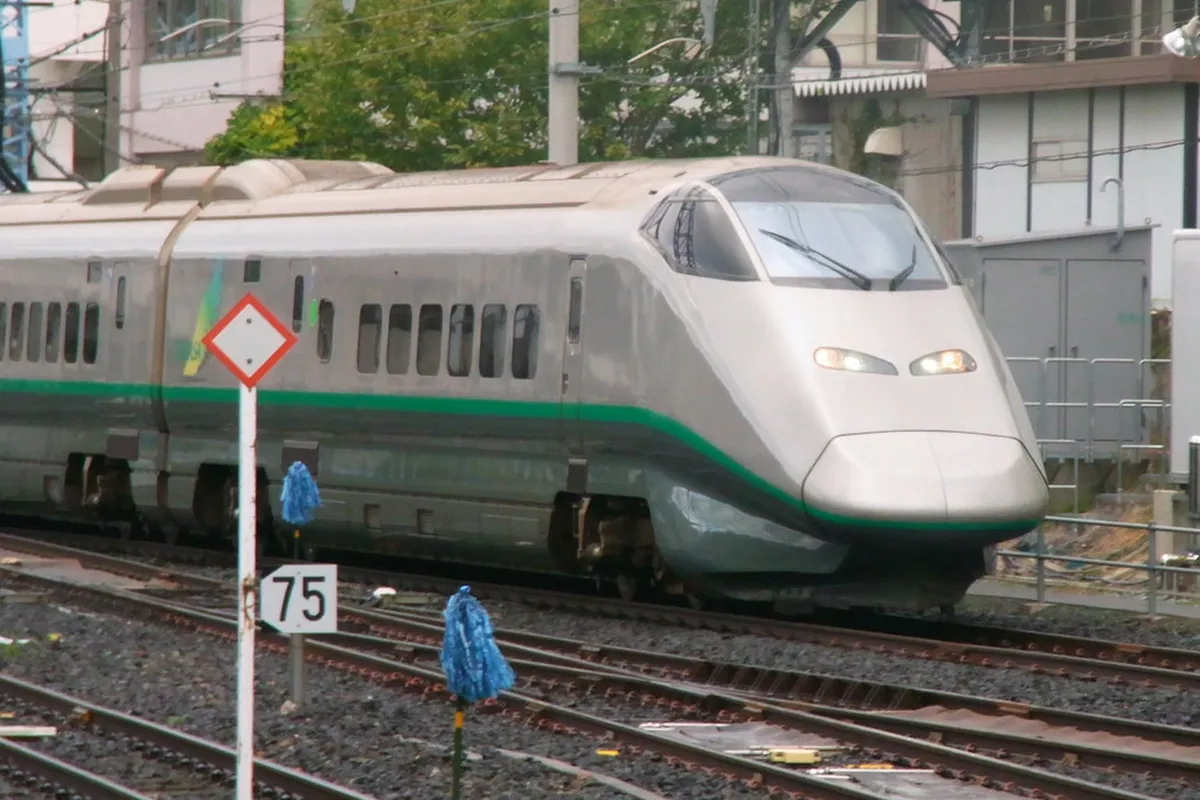
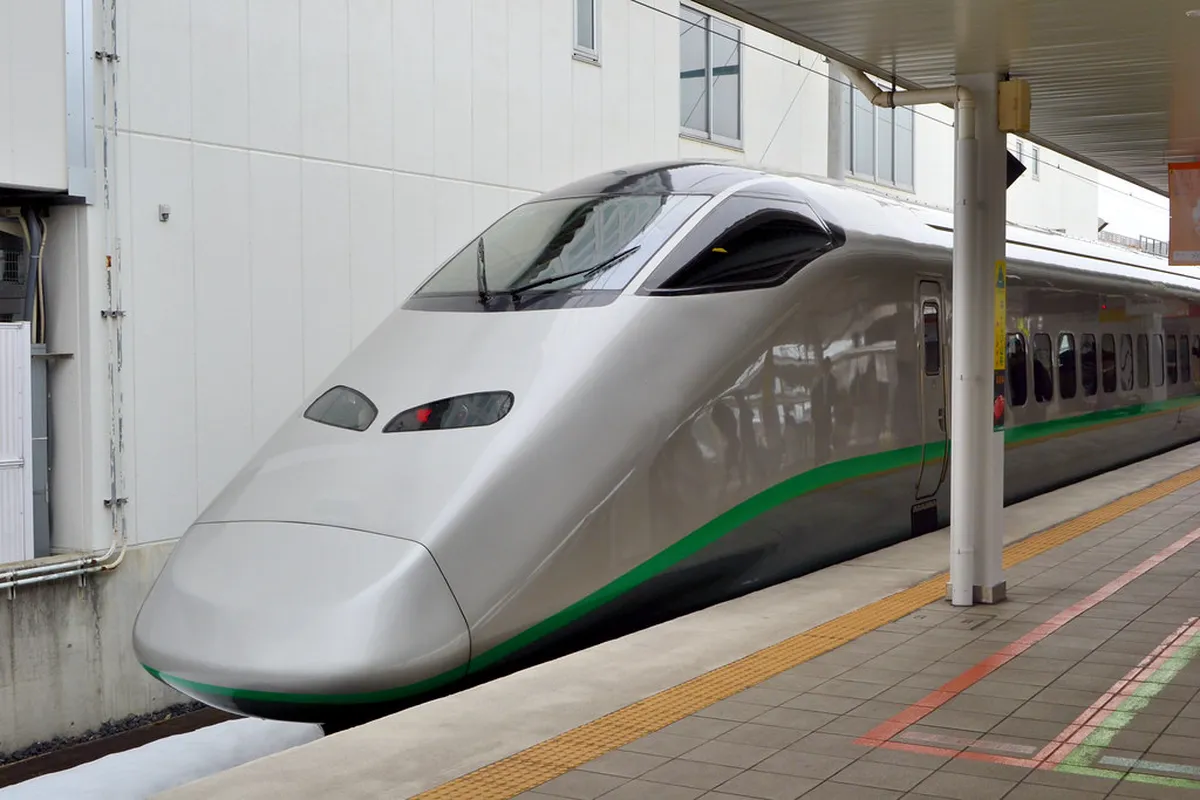
- Board the Yamagata Shinkansen Tsubasa from Tokyo Station. This train runs directly to Oishida Station, the nearest station to Ginzan Onsen. The journey takes approximately 3 hours 20–30 minutes. The fare is around ¥12,000–¥13,000 (~$80–$87) one-way. Reservations are strongly recommended, especially during peak seasons, and can be made through JR East. The Tsubasa connects with the Tohoku Shinkansen at Fukushima Station, calling at Ueno and Omiya on the way north.
- Transfer to the Hanagasa Bus at Oishida Station. Upon arrival, exit the station and find the Hanagasa Bus stop directly outside. The bus route to Ginzan Onsen takes about 35–40 minutes and costs ¥1,000 (~$7) per person one-way, payable in cash only. Buses run only a few times per day, so check the Hanagasa Bus timetable before booking your train. Missing the bus means a long wait or an expensive taxi.
- Arrive at Ginzan Onsen bus stop. The bus drops you at the village entrance. The core ryokan street is a short walk from the stop. Many ryokan offer a shuttle from this point — confirm with your accommodation in advance. Walking in with heavy luggage on snow-covered paths is manageable but can be tiring.
If you are planning a wider Tohoku itinerary that includes Zao, Oirase Gorge, or Fox Village, the Tohoku JR Pass can pay for itself quickly. A one-way Tokyo–Yamagata Shinkansen ticket costs around ¥12,000, so a round-trip alone nearly covers the pass price for most travelers.
How to Get to Ginzan Onsen from Sendai (City & Airport)
Traveling to Ginzan Onsen from Sendai is practical and popular, since many Tohoku itineraries route through Miyagi Prefecture. There are two main departure points: Sendai Station and Sendai Airport.
From Sendai Station: Take a Yamako Bus highway bus from the West Exit bus stop (#23) bound for Shinjo and get off at Obanazawa. The journey takes about 2 hours and costs ¥1,900 (~$13) per person one-way, with no reservation required. At Obanazawa, transfer to the local Obanazawa Bus (the same Ginzan Line service that departs from Oishida Station) for a further 30 minutes to the hot spring. An express bus from Sendai to Yamagata Station is also available via Yamako Bus if you prefer to route through Yamagata City first.
From Sendai Airport: Take the Sendai Airport Line to Sendai Station (about 25 minutes, ¥660). From there, follow the Sendai Station route above. Alternatively, the 'Oishii Yamagata Airport Sightseeing Bus' departs from Yamagata Airport — if your flight lands at Sendai, routing via Yamagata Airport is not an option, so the train-to-bus combination remains your best path.
How to Get to Ginzan Onsen from Yamagata (City & Airport)
Yamagata is the closest major hub to Ginzan Onsen, making access from Yamagata City or Yamagata Airport particularly straightforward. The key in both cases is reaching Oishida Station.
From Yamagata Station: The Yamagata Shinkansen to Oishida Station takes approximately 40 minutes and costs about ¥1,900 (~$13). Alternatively, the local JR Ou Main Line runs more frequently and adds about an hour to the journey, but avoids the need for a Shinkansen reservation — useful if you missed a planned connection. Many visitors choose to stay a night in Yamagata City first, which lets them also visit Yamadera temple or the Zao ski area before heading to Ginzan Onsen.
From Yamagata Airport: The 'Oishii Yamagata Airport Sightseeing Bus' runs directly to Ginzan Onsen three times daily. The journey takes approximately 80 minutes and costs ¥2,000 (~$13) per person one-way. Reservations are not required for this service. If you prefer a more direct transfer, the Airport Liner operated by Obanazawa Taxi departs 15 minutes after your flight lands and reaches Ginzan Onsen in about 60 minutes for ¥3,800 per person. This option does require a reservation by 17:00 the day before travel. Yamagata Airport is served by JAL and Fuji Dream Airlines from Haneda, Itami, Nagoya, and Sapporo.
Accessing Ginzan Onsen by Car: Parking & Shuttle Information
Driving to Ginzan Onsen offers flexibility for exploring the wider Yamagata region. However, the village itself is car-free. Visitors arriving by car must use the designated Taisho Romankan parking area and take a shuttle to the village entrance. This park-and-ride system preserves the historic pedestrian atmosphere of the onsen street.
The Taisho Romankan parking lot is spacious but can fill quickly during peak winter weekends and holiday periods. The shuttle from there to the village entrance runs frequently throughout the day and takes only a few minutes. Parking fees may apply, so carry cash as a backup. If you are staying overnight at a ryokan, confirm directly whether your accommodation has its own parking or shuttle — some do, particularly the larger establishments.
Winter driving to Ginzan Onsen requires serious preparation. Heavy snowfall and icy roads are standard from December through February. Ensure your rental vehicle has winter tires or snow chains before setting out, and check road conditions via local traffic bulletins on the morning of travel. Traffic restrictions along Route 188 during winter mean that non-resident vehicles may face access controls at the checkpoint even during daytime hours.
The Day-Tripper Detail Most Guides Skip: Pre-Book Your Return Taxi
One practical detail that catches many first-time visitors off guard: hailing a taxi from inside Ginzan Onsen is extremely difficult. The village is small, there are no taxi ranks, and cabs do not idle there waiting for passengers. Day-trippers who miss the last Hanagasa Bus back to Oishida Station can find themselves stranded with no easy way out.
The reliable solution is to pre-book a round-trip "Ginzan Onsen 3-Hour Course" through Obanazawa Taxi before you travel. This service picks you up from Oishida Station, waits for you at the village, and returns you to the station on a fixed schedule. It costs more than the bus, but it gives day-trippers full control over their arrival and departure time — particularly valuable if you want to time the early-evening gas-lamp atmosphere before the 17:00 restriction kicks in. Book directly via the Obanazawa Taxi English reservation page well in advance, especially for winter visits.
Private Charter Vehicles to Ginzan Onsen: Is it Worth It?
Private charter vehicles offer the ultimate convenience for reaching Ginzan Onsen. This option is particularly appealing for families, larger groups, or travelers with extensive luggage. It eliminates the need for navigating multiple public transport transfers and adhering to strict schedules. While more expensive, a private transfer can significantly reduce travel stress and save time.
The benefits include personalized pick-up times and locations, direct routes, and comfortable travel. This is especially valuable during winter, when public transport can be affected by weather. You can also bypass the Oishida Station bus connection entirely. Costs for a private charter can range from ¥30,000–¥50,000+ (~$200–$335+) for a one-way trip from major cities. Prices vary based on distance, vehicle size, and number of passengers. Booking in advance is essential, especially during peak winter weekends.
One-day and two-day guided tours departing from Tokyo (Shinjuku Station) or Sendai are available and can bundle Ginzan Onsen with other Tohoku highlights such as the Zao Snow Monsters and Fox Village. For solo travelers or couples, these tours offer a structured itinerary without any logistics stress.
Recommended Hotels and Ryokan in Ginzan Onsen
Ginzan Onsen has only a handful of ryokan clustered along the river, which is part of its charm — and its challenge. Availability is genuinely limited, and rooms sell out months ahead of the winter season. Here are the properties that appear most consistently in traveler recommendations.
Notoya Ryokan is arguably the most photographed building in all of Yamagata. Its warm yellow lights glowing through heavy snowfall is the image that defines Ginzan Onsen for many visitors. Hayao Miyazaki is said to have drawn inspiration from this streetscape when creating the bathhouse in Spirited Away. Notoya commands premium prices and typically books out three to six months in advance during winter. Plan early if this is your target.
Ginzan-so is one of the few ryokan that offers in-room baths, though the water in the room baths is not from the natural spring — the genuine hot spring water is available in the public bath. The rooms are spacious and dinner courses featuring Yamagata beef are a particular highlight. A good choice for those who prefer more privacy.
Toya was originally established in the Edo period and underwent a major renovation by architect Kengo Kuma. The bamboo-screen design creates a contemporary take on traditional Japanese aesthetics. Toya has only eight rooms and no public bath, but offers five private onsen rooms, each with a distinct style. Architecture enthusiasts and travelers seeking quiet seclusion favor this property.
Showakan offers quality service and natural hot spring water at a more accessible price point than the flagship ryokan. A sensible choice for budget-conscious visitors who still want the core Ginzan Onsen experience. For any of these properties, book as early as possible — three to six months ahead for winter, and at least six weeks ahead for other seasons.
Ginzan Onsen Transportation Guide: Public vs. Private Options
Choosing the right transportation depends on your budget, travel style, and group size. Public transportation is economical but requires careful timing around infrequent bus schedules. Private options give you flexibility, which is especially valuable in winter when conditions can disrupt timetables.
- Shinkansen + Hanagasa Bus (from Tokyo): Around ¥13,000–¥15,000 one-way, total journey 4–5 hours. The most popular route. Buses are infrequent — check the timetable first and build your train booking around bus departure times, not the other way around. Payment for the bus is cash only.
- Highway Bus from Sendai + Local Bus: Around ¥2,900 total, journey approximately 2.5 hours. The most economical option for travelers already in the Tohoku region. No reservation needed for the Yamako Bus leg.
- Airport Sightseeing Bus (from Yamagata Airport): ¥2,000 one-way, approximately 80 minutes. Highly convenient for those flying into Yamagata. Three departures per day; no reservation required for the standard service.
- Car + Park and Ride: Costs vary by rental and fuel. Offers maximum regional flexibility but requires winter tires in the colder months and awareness of traffic restriction zones near the village.
- Private Charter or Guided Day Tour: ¥30,000–¥50,000+ one-way from major cities. Best for groups, families, or travelers who want a completely stress-free arrival with no connection risks.
Planning Your Visit: Day Trip vs. Overnight Stay
Deciding between a day trip and an overnight stay impacts your experience significantly. A day trip allows you to see the main sights and enjoy the river-walk atmosphere. However, it means missing the enchanting evening illumination of the gas lamps, which is when the village is at its most striking. Winter restrictions also make a same-day return logistically tight — you must leave before 17:00 to avoid the restricted period.
An overnight stay lets you fully immerse yourself in the onsen experience. You can enjoy the public baths or private onsen at your ryokan after the day-trip crowds have gone. The quiet evenings, with the village lit by gas lamps reflected in the river, are genuinely unforgettable. Staying overnight also removes the stress of catching the last bus back to Oishida Station. Book your ryokan several months in advance, especially for weekends and winter. Some popular properties are fully booked up to a year ahead. For visitors combining Ginzan Onsen with a day trip from Yamagata, arriving by the morning bus and departing on the late-afternoon return gives a solid four to five hours in the village.
Essential Tips for Visiting Ginzan Onsen
A well-planned trip to Ginzan Onsen ensures a memorable experience. Being prepared for local conditions and customs can greatly enhance your journey. Always double-check information closer to your travel date.
- Book accommodation and train tickets far in advance — three to six months for winter weekends is not excessive.
- Check the Hanagasa Bus timetable for Oishida Station carefully and plan your Shinkansen arrival around bus departures, not the reverse. Buses run only a handful of times per day.
- If traveling as a day-tripper, pre-book Obanazawa Taxi's round-trip Ginzan Onsen course from Oishida Station. Taxis cannot be hailed from inside the village.
- Pack warm clothing, waterproof boots with non-slip soles, and hand warmers for winter visits. Temperatures regularly fall below -5°C.
- Carry cash. The bus fare is cash-only, and many small shops and food stalls in the village do not accept cards.
- Confirm if your ryokan offers a shuttle from the Ginzan Onsen bus stop or from Oishida Station.
- Review the latest winter entry restrictions on the official Ginzan Onsen website before departure. Rules have evolved each season since 2024.
Ginzan Onsen FAQs
Here are answers to some of the most frequently asked questions about visiting Ginzan Onsen. These insights cover common concerns and help clarify your travel plans. Knowing these details can make your trip smoother.
Frequently Asked Questions
How do I get to Ginzan Onsen, Japan?
The most common route involves taking the Yamagata Shinkansen to Oishida Station. From there, transfer to the local Hanagasa Bus directly to Ginzan Onsen. The bus ride takes about 40 minutes.
Is Ginzan Onsen a day trip from Tokyo?
While possible, a day trip from Tokyo is very long, requiring over 4 hours each way. An overnight stay is highly recommended to fully experience the village, especially its illuminated evenings. Day visitors face winter entry restrictions after 4 PM.
How far in advance should I book Ginzan Onsen?
Book accommodations at least 3-6 months in advance, particularly for winter or weekend visits. Popular ryokan can be fully booked up to a year ahead. Train tickets and special bus services should also be reserved well in advance.
Is Ginzan Onsen worth it?
Yes, Ginzan Onsen is widely considered worth the journey for its unique charm and nostalgic atmosphere. The beautifully preserved Taisho-era village, especially under snow, offers a truly magical and unforgettable experience. It provides a peaceful escape from modern city life.
What are the winter restrictions for Ginzan Onsen?
In winter 2025/26 the restrictions ran 20 December to 1 March. Day-trip visitors cannot drive into the village between 4 PM and 10 AM, and must use the park-and-ride shuttle from Taisho Roman Hall during the day. Non-staying visitors need an advance ticket to enter between 5 PM and 8 PM, capped at 100 people per hour and costing 1,200 yen including the shuttle. Entry is closed from 8 PM to 9 AM without a lodging or restaurant booking. The 2026/27 dates are usually announced in autumn — check the official website before booking.
How do I get from Oishida Station to Ginzan Onsen?
From Oishida Station, take the Hanagasa Bus directly to Ginzan Onsen. The bus stop is located right outside the station. The journey takes about 35-40 minutes and costs ¥1,000 / ~$7.
Can I drive to Ginzan Onsen?
You can drive to the designated parking area at Taisho Romankan. From there, a shuttle bus will take you to the village entrance. The village itself is largely car-free. Winter driving requires appropriate tires or chains.
Reaching Ginzan Onsen, while requiring some planning, is a rewarding journey. Whether you opt for public transport or a private transfer, the serene beauty of this historic onsen town awaits. Remember to account for winter restrictions and book accommodations well in advance. The effort to get there is well worth it for the unique atmosphere and relaxing hot springs. Prepare for a truly unforgettable experience in the heart of Yamagata Prefecture.
We hope this comprehensive guide on how to get to Ginzan Onsen helps you plan your perfect trip. For more on the area, read the Ginzan Onsen guide and explore Ginzan's Taisho Romance street. Your adventure to this Japanese gem will surely create lasting memories.
Free: The Sendai Essentials guide
Top things to do, where to stay, a perfect day plan, getting around, and the best time to go — a Sendai mini-guide you can take offline.
You might also like


Continue reading
More guides you'll find useful


