

How to Get to Zao Onsen: Your Complete Transportation Guide
Discover the best ways to get to Zao Onsen from Tokyo, Sendai, Yamagata, and more. Find detailed routes, travel times, and cost-saving tips for your trip.
On this page
Zao Onsen, nestled in the mountains of Yamagata Prefecture, is famous for its unique 'snow monsters' (juhyo) and therapeutic hot springs. Reaching this scenic resort requires a bit of planning, especially if you are traveling from major cities like Tokyo or Kyoto. This guide breaks down all your transportation options to help you navigate your journey smoothly. Last updated June 2026.
Whether you prioritize speed, cost, or convenience, various routes cater to different travel styles. Understanding these options ensures a stress-free arrival at this renowned Japanese destination. We cover everything from high-speed trains to local buses and useful travel passes.
Overview: Getting to Zao Onsen
The most common and efficient way to reach Zao Onsen is by taking the Yamagata Shinkansen to Yamagata Station, then transferring to a Yamako Bus directly to Zao Onsen. This route typically costs around ¥12,000–¥14,000 (approximately $80–$95 USD) from Tokyo and takes about 3.5 to 4 hours total. For budget travelers, overnight buses from Tokyo offer significant savings, though they take considerably longer.
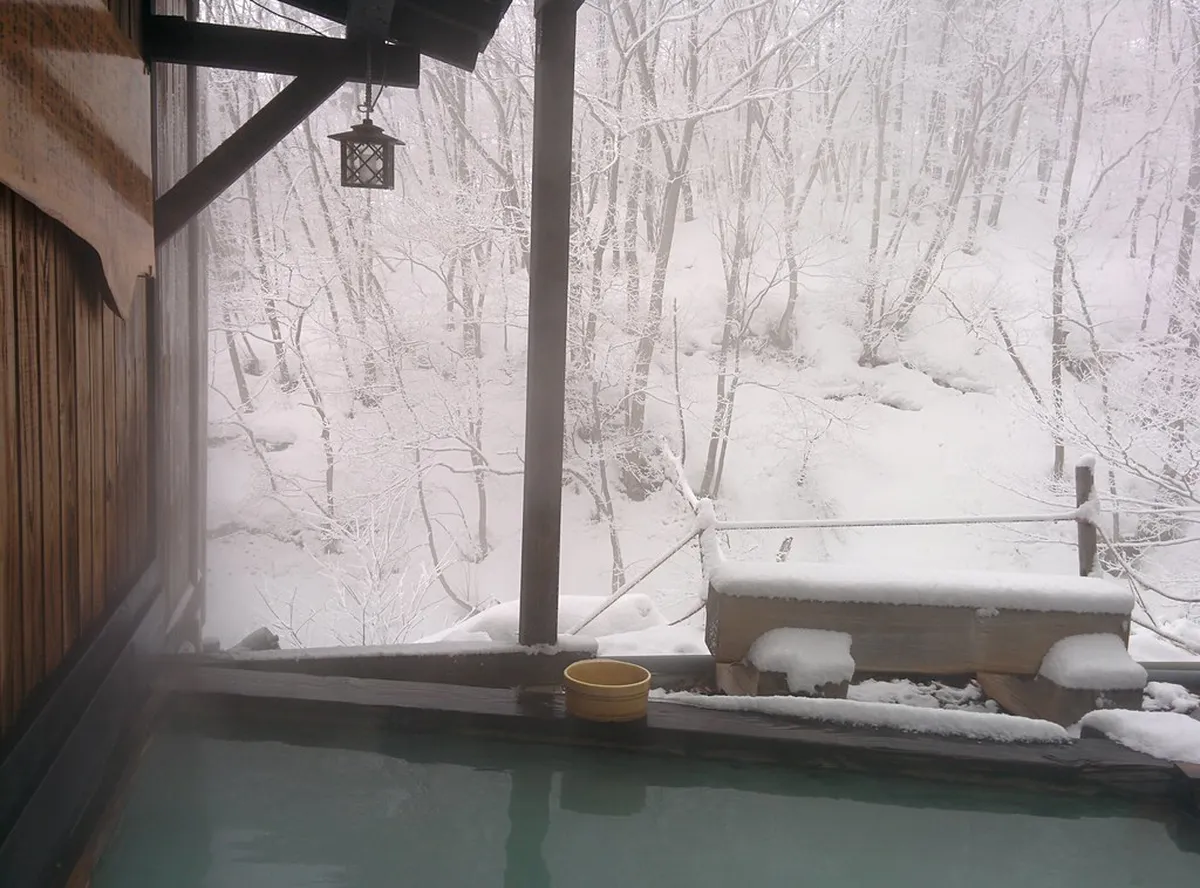
Yamagata Station is the primary gateway to Zao Onsen, offering the most frequent bus connections. Sendai Station and Sendai Airport serve as secondary gateways — particularly useful if you are flying in from western Japan. The table below compares major routes at a glance.
- From Tokyo by Shinkansen + Bus: approximately 3.5–4 hours, ¥12,000–¥14,000
- From Tokyo by overnight bus: around 7–8 hours, ¥4,900–¥8,000
- From Kyoto or Osaka by Shinkansen (double transfer): approximately 6–7 hours, ¥22,000–¥23,000
- From Sendai by express bus: about 1 hour 40 minutes, ¥1,600–¥2,000
- From Yamagata Airport by limousine bus: roughly 40 minutes, ¥1,000–¥1,200
- From Sendai Airport by train then bus: approximately 2.5–3 hours, ¥3,000–¥4,000
All fares and times are estimates for 2026; always verify current schedules on official operator websites before travel, as seasonal variations apply.
From Tokyo to Zao Onsen
The fastest route from Tokyo is the Yamagata Shinkansen "Tsubasa," a direct service departing from JR Tokyo Station or JR Ueno Station. The journey to Yamagata Station takes about 2.5 to 3 hours, with a one-way fare starting from around ¥11,500 for a reserved seat. All seats on the Tsubasa are reserved, so booking in advance is strongly recommended, especially during winter weekends when demand peaks.
After arriving at Yamagata Station, head to the East Exit bus terminal and board the Yamako Bus from Platform 1 toward Zao Onsen. The bus ride takes about 40 minutes and costs ¥1,000–¥1,200. You can pay in cash or use a Suica or Pasmo IC card, which is convenient if you already have one loaded from Tokyo. Buses run roughly every 30–60 minutes; during the winter season lines form quickly, so arrive at the stop at least 20 minutes before departure.
If you want to minimize cost, consider the express daytime bus from Tokyo Station direct to Yamagata Station, which takes about 5 hours 40 minutes from around ¥4,900 one way. The overnight bus departing from Shinjuku is even cheaper and takes approximately 7 hours 15 minutes — the significant benefit being that you save a night's accommodation cost on the road. Tickets for long-distance buses can be booked through major Japanese bus booking platforms in advance.
From Kyoto and Osaka to Zao Onsen
Traveling from western Japan to Zao Onsen is a long cross-country trip. By Shinkansen, take the Tokaido Shinkansen from Shin-Osaka Station or Kyoto Station to Tokyo Station, then transfer to the Yamagata Shinkansen Tsubasa toward Yamagata. Total travel time is about 6 to 7 hours and the one-way fare runs from approximately ¥22,000 to ¥23,000. The critical point is the transfer at Tokyo Station — the platforms for the two Shinkansen lines are far apart, so allow at least 20 minutes for the connection, or 30 minutes or more if you are carrying heavy luggage.
Flying is often a practical alternative for the Kyoto and Osaka traveler. Routes from Osaka Itami Airport or Kansai International Airport to Sendai Airport (SDJ) are operated by several carriers, and during winter months some low-cost carriers offer competitive fares that can undercut the Shinkansen on total cost. From Sendai Airport a direct seasonal bus to Zao Onsen runs during winter, removing the need for an extra train leg. Factor in airport access time and security when comparing the two options — total door-to-door times can be similar.
From Sendai to Zao Onsen
Sendai is one of the most convenient jumping-off points for Zao Onsen, particularly useful if you are combining the trip with a visit to Matsushima or other Tohoku highlights. Direct express buses depart from Sendai Station's West Exit bus terminal, typically from stop 33. The journey takes approximately 1 hour 40 minutes and costs about ¥1,600–¥2,000 one way. Buses run several times a day, though services can be less frequent on weekdays and during the off-season, so check the Yamako Bus timetable in advance.
The Sendai-to-Zao Onsen express bus is an underused route that many visitors overlook in favor of the longer Shinkansen option from Tokyo. If you are already based in Sendai — or arriving there by domestic flight — this bus is faster and far cheaper than routing through Yamagata Station.
From Yamagata Airport to Zao Onsen
Yamagata Airport (GAJ) is the closest airport to Zao Onsen and offers the simplest transfer of any option. The Yamagata Airport Limousine Bus runs directly to Zao Onsen in approximately 40 minutes, with a fare of about ¥1,000–¥1,200. Services are generally timed to coincide with flight arrivals, but schedules are limited, so confirm the timetable when you book your flight. Tickets can be purchased in the airport's arrival lobby.
Domestic routes into Yamagata Airport connect to Tokyo Haneda (ANA) and a handful of other Japanese cities. If you are flying into Japan and want the shortest possible ground transfer, this is the most efficient option — particularly useful for travelers with ski equipment or heavy luggage who want to avoid multiple bus or train changes.
From Sendai Airport to Zao Onsen
Sendai Airport (SDJ) receives more international and low-cost carrier routes than Yamagata Airport, making it a realistic arrival point for visitors flying from overseas or from western Japan. From the airport, take the Sendai Airport Access Line train to Sendai Station — this takes about 25 minutes and costs ¥660. At Sendai Station, transfer to the Zao Onsen express bus as described in the Sendai section above. Allow at least 20–30 minutes for the platform change at Sendai, especially if you are carrying luggage.
During winter, a seasonal direct bus from Sendai Airport to Zao Onsen operates without requiring the Sendai Station transfer. This winter-only service is particularly valuable for skiers flying in with equipment, as it eliminates an awkward station change with bulky gear. Verify availability and booking directly with Yamako Bus before your trip as the schedule changes each season.
Choosing Your Gateway: Yamagata vs. Kaminoyama Onsen
When planning your trip to Zao Onsen, two main Shinkansen stations serve as gateways: Yamagata Station and Kaminoyama Onsen Station. Each offers distinct advantages depending on your travel preferences and onward plans. Understanding these differences helps you select the best route for your arrival.
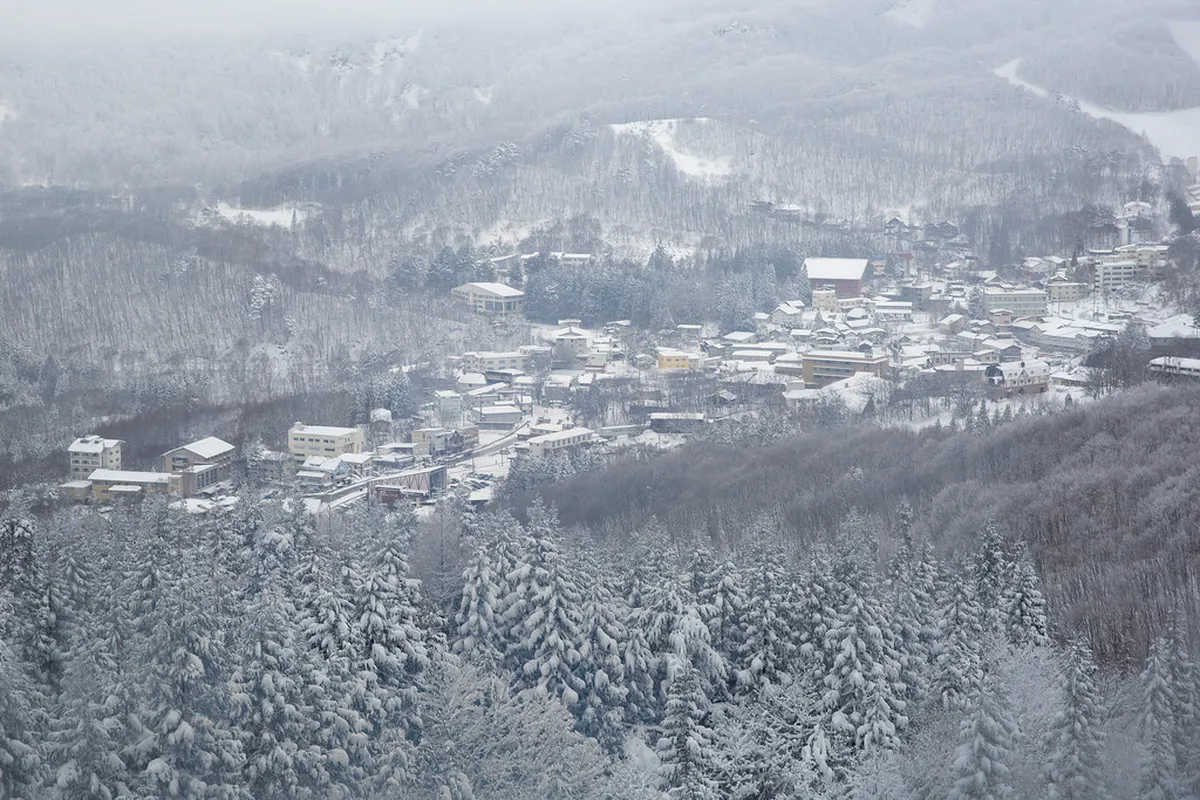
Yamagata Station is the major hub with the most frequent local bus connections to Zao Onsen. It is ideal for those prioritizing direct bus transfers and a wider range of amenities including coin lockers, convenience stores, and the Yamako Bus Information Center where you can purchase tickets before boarding. Kaminoyama Onsen Station, one stop further south on the Yamagata Shinkansen, sits closer to some ryokan in the lower Zao area but has far fewer onward connections — most visitors choosing this stop require a taxi or pre-arranged hotel shuttle.
- Yamagata Station: direct Shinkansen access, most frequent Yamako Bus services, best for the majority of travelers from Tokyo or Sendai.
- Kaminoyama Onsen Station: less crowded, closer to select lower-mountain accommodations, but requires a taxi or private transfer to reach the Zao Onsen resort area itself.
For first-time visitors, Yamagata Station is the default correct choice. Kaminoyama Onsen is worth considering only if your specific ryokan offers a shuttle from there, or if you plan to visit the Kaminoyama hot spring district as part of a wider Yamagata itinerary.
Zao Onsen Bus Terminal and Local Connections
The Yamako Bus operates the main Yamagata Station–Zao Onsen route, known as the Yamagata–Zao Line. Buses depart from Platform 1 at Yamagata Station's East Exit and terminate at Zao Onsen Bus Terminal in the heart of the resort. From the bus terminal, the main onsen street and most accommodation are within walking distance. The Zao Ropeway lower station is a short walk uphill from the terminal, making it easy to reach the ropeway directly after arrival.
Bus frequency varies by season. In winter (roughly December to March) services are more frequent to handle ski resort demand. In shoulder and summer seasons buses may run every hour or less. The timetable is published on the Yamako Bus website; the Yamagata Station Information Center also carries printed schedules. During peak periods such as the juhyo (snow monster) viewing season in February, the buses fill quickly — the operator recommends lining up at least 20 minutes before the scheduled departure time to guarantee a seat.
One practical note: the Yamako Bus accepts Suica, Pasmo, and most major transportation IC cards in addition to cash. This makes boarding straightforward if you are already carrying a loaded IC card from Tokyo or Sendai. There is no need to buy a separate paper ticket if you use an IC card.
Save Money with Japan Rail Passes
For international visitors, a Japan Rail Pass can offer significant savings on Shinkansen travel to Zao Onsen. The JR East Pass (Tohoku Area) is the most targeted option for travelers focusing on this region. It covers unlimited rides on JR trains — including the Yamagata Shinkansen Tsubasa — for a set number of days and typically costs around ¥30,000 for a 5-day flexible option within a 14-day window. If you are spending five days exploring Tohoku cities such as Sendai, Yamagata, and Zao, this pass can pay for itself on the Shinkansen fares alone.
The nationwide Japan Rail Pass is worth considering only if your itinerary includes extensive travel across multiple regions beyond Tohoku. Note that the pass does not cover the Nozomi Shinkansen; travelers from Osaka or Kyoto using the pass must ride the Hikari or Kodama instead. Always calculate your estimated individual ticket costs against the pass price before purchasing, as low trip counts rarely justify the upfront cost.
Practical Tips for a Smooth Journey
Consider using Takuhaibin (luggage delivery service) if you are traveling with large suitcases or ski equipment. This service lets you send bags from a major airport or your Tokyo hotel directly to your Zao Onsen accommodation, typically arriving one to two days later for around ¥1,500–¥2,500 per bag. Traveling with only a daypack for the train and bus legs makes transfers significantly easier, especially the Sendai Station platform change.
Keep an eye on weather conditions during winter, as heavy snowfall can occasionally affect bus schedules or cause delays. Check official Yamako Bus social media or their website on the morning of travel before heading to the station. Having some cash on hand is always prudent for buses, vending machines, and smaller onsen facilities that may not accept cards.
- Missed the last direct bus to Zao Onsen: take a taxi from Yamagata Station (approximately ¥7,000 or more), or stay overnight in Yamagata city.
- Bus is too crowded: arrive at the bus stop at least 20–30 minutes early, especially during peak winter weekends.
- Luggage too heavy for transfers: use Takuhaibin delivery in advance — arrange at the airport or your previous hotel.
- Shinkansen delayed: check the JR East app for alternative train options and inform your accommodation if your arrival time shifts significantly.
One seasonal detail that no transportation article tends to flag clearly: the Zao Echo Line mountain road — which connects the Okama Crater area to the resort — is only open from late April to early November. If you plan to drive or take a tour bus to the Okama crater lake, this is only possible outside winter. In winter, all visitor movement in the area is channeled through the resort base and the ropeway, not the summit road.
Beyond Travel: What to Do in Zao Onsen
Once you arrive in Zao Onsen, a world of natural beauty and relaxation awaits. The resort is most famous for its 'snow monsters' (juhyo), unique ice formations that appear on trees during winter. Visitors can view these incredible sights via the Zao cable car, offering stunning panoramic views. You can find more details on the best time to see the Zao Snow Monsters.
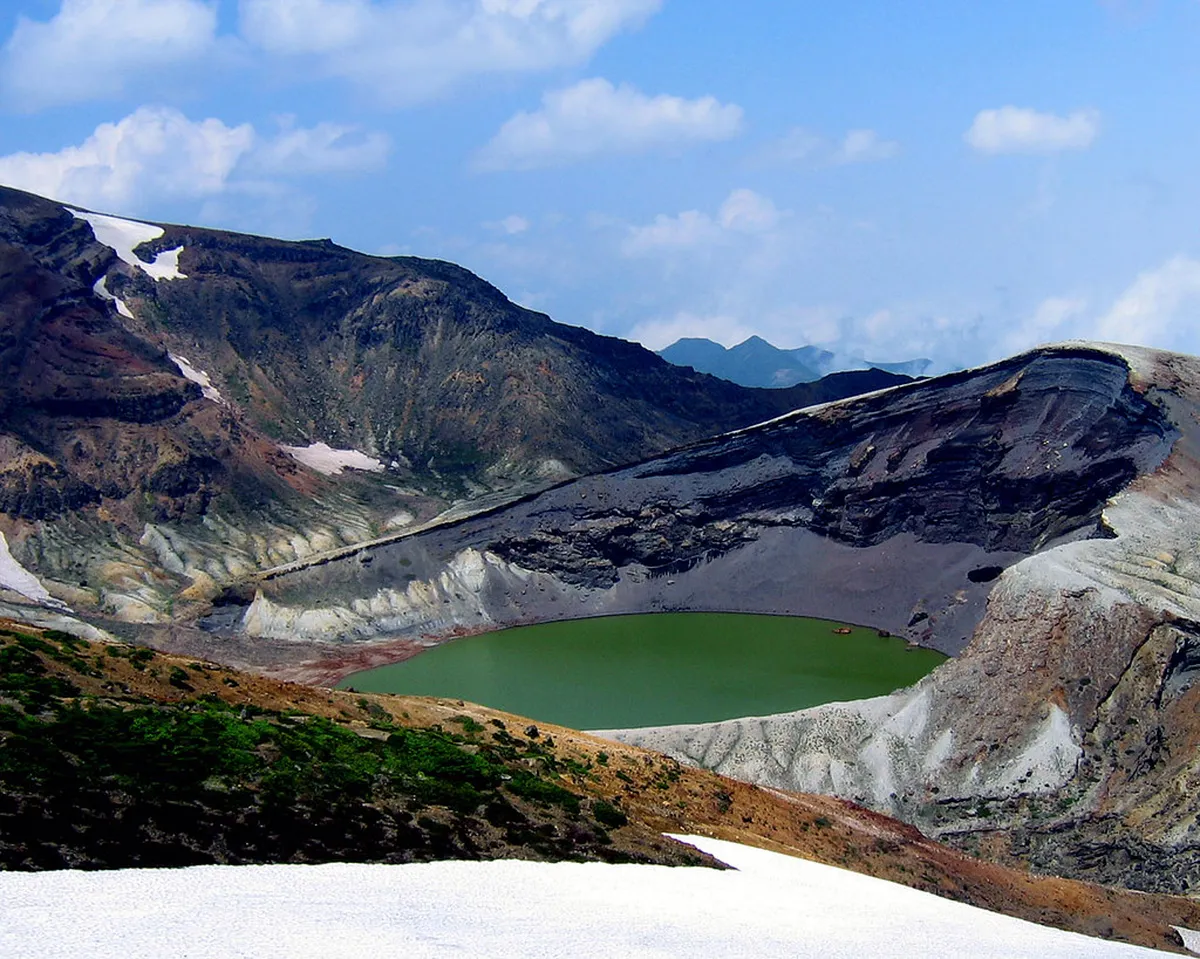
Beyond winter, Zao Onsen is a year-round destination with plenty to explore. The therapeutic hot springs are a major draw, with numerous public baths and ryokan offering rejuvenating experiences. In warmer months, hiking trails lead to scenic spots like the vibrant Okama crater lake, a volcanic lake with changing colors. Explore the guide to visiting Zao's Okama Crater for more information.
Zao Onsen also offers opportunities for skiing, snowboarding, and enjoying local cuisine. The area provides a perfect blend of outdoor adventure and traditional Japanese relaxation. Be sure to check out other Zao attractions to plan your complete itinerary.
Frequently Asked Questions
How do you get to the Zao Onsen?
The most common route is taking the Yamagata Shinkansen to Yamagata Station, then a direct Yamako Bus to Zao Onsen. This journey takes about 3.5 to 4 hours from Tokyo.
Is Zao Onsen worth going to?
Yes, Zao Onsen is highly recommended for its unique 'snow monsters' in winter and its excellent hot springs year-round. It offers a blend of natural beauty and relaxation.
What is the closest airport to Zao Onsen?
Yamagata Airport (GAJ) is the closest airport to Zao Onsen, with direct bus connections taking approximately 40 minutes. Sendai Airport (SDJ) is another option, requiring a train and bus transfer.
How long does it take to get to Zao Onsen?
From Tokyo, it takes approximately 3.5 to 4 hours by Shinkansen and bus. From Sendai, the express bus takes about 1 hour 40 minutes.
Reaching Zao Onsen is an accessible journey with various transportation choices available. Whether you opt for the speed of the Shinkansen or the budget-friendly overnight bus, careful planning ensures a smooth trip. Remember to verify schedules and consider a Japan Rail Pass for potential savings on your travel.
With this comprehensive guide, you are well-equipped to plan your visit to Zao Onsen. Prepare to immerse yourself in its stunning landscapes and rejuvenating hot springs. Enjoy your adventure to this remarkable Japanese destination.
Free: The Sendai Essentials guide
Top things to do, where to stay, a perfect day plan, getting around, and the best time to go — a Sendai mini-guide you can take offline.
You might also like


Continue reading
More guides you'll find useful


