

How To Get To Yamadera: Your Complete Travel Guide
Plan your trip to Yamadera with our complete guide on how to get there, including transport options, timings, and essential tips for a smooth visit.
On this page
Yamadera, officially known as Risshaku-ji Temple, is a stunning mountain temple complex in Yamagata Prefecture, Japan. It is famous for its breathtaking views and the challenging climb of over 1,000 stone steps. This ancient site offers a profound cultural experience and incredible photographic opportunities. Last updated June 2026.
Coming from the coast? Yamadera is an easy day trip from Sendai, the regional rail hub covered in our Sendai guide.
Planning your journey to this sacred site is quite straightforward with the right information. This guide covers all transport options, key landmarks along the trail, seasonal advice, and practical details so you can arrive prepared and make the most of your time at the mountain.
Why Visit Yamadera? Beyond the Hike
Yamadera is much more than a hike — it is a place steeped in over a thousand years of history and spiritual significance. Founded in 860 AD by the Buddhist monk Jikaku Daishi (Ennin), who carried the ritual flame from Enryaku-ji Temple on Mt. Hiei near Kyoto, the site has welcomed pilgrims continuously ever since. That flame still burns in the Konpon Chudo main hall today, over 1,200 years later.
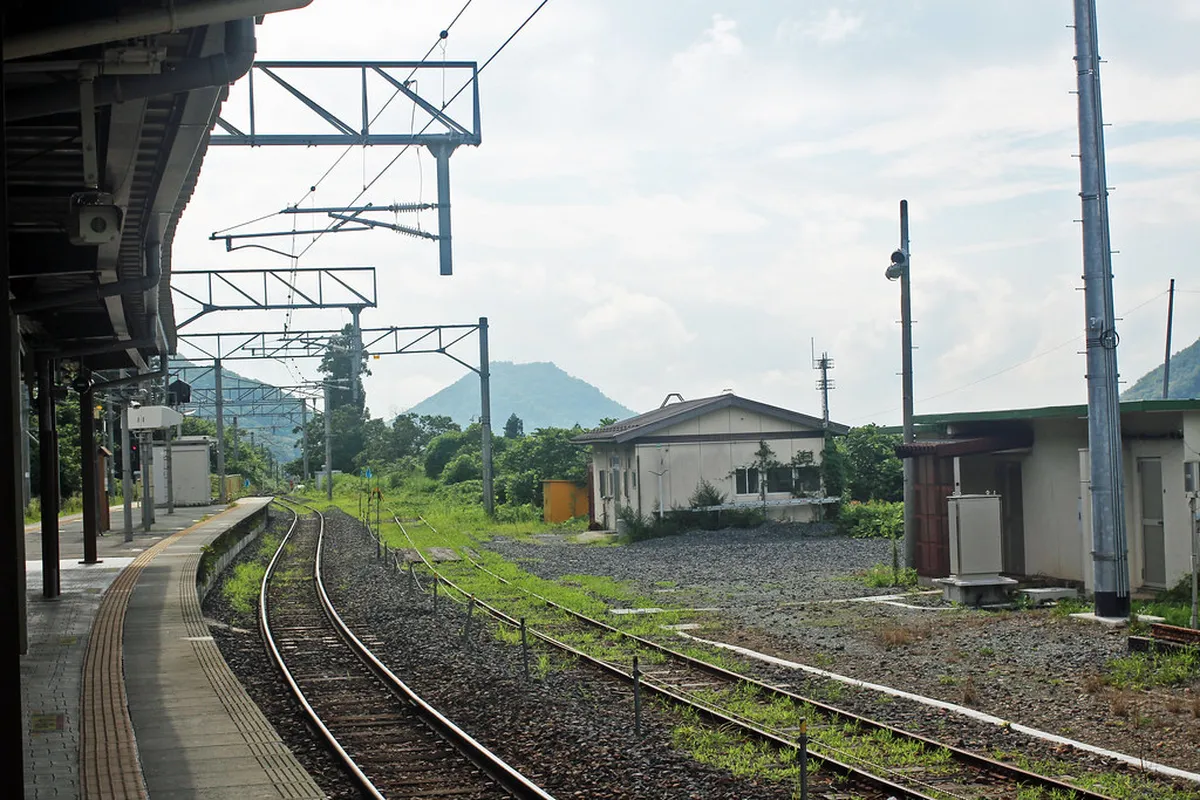
The temple is famously associated with the haiku poet Matsuo Basho, who visited in 1689 during his journey recorded in "The Narrow Road to the Deep North." Inspired by the profound silence of the mountain, he composed one of his most iconic poems: "Silence — the cicada's cry penetrates the rocks." You can see a statue of Basho near the base, along with the Semizuka mound where local poets later buried some of his writings.
Beyond its spiritual depth, Yamadera is designated both a National Historic Site and a Place of Scenic Beauty. The Godaido Hall lookout, a national cultural property that juts out over the mountainside on wooden stilts, provides the iconic panoramic views of the valley. Whether you come for history, poetry, photography, or pure mountain air, the site delivers.
How to Get to Yamadera: Your Transport Options
The JR Senzan Line is the key train line for reaching Yamadera. Yamadera Station (山寺駅) sits directly on this line, served by trains roughly every hour throughout the day. The line connects Sendai and Yamagata City, so you can arrive from either direction without any transfer. Below are the three most common starting points.
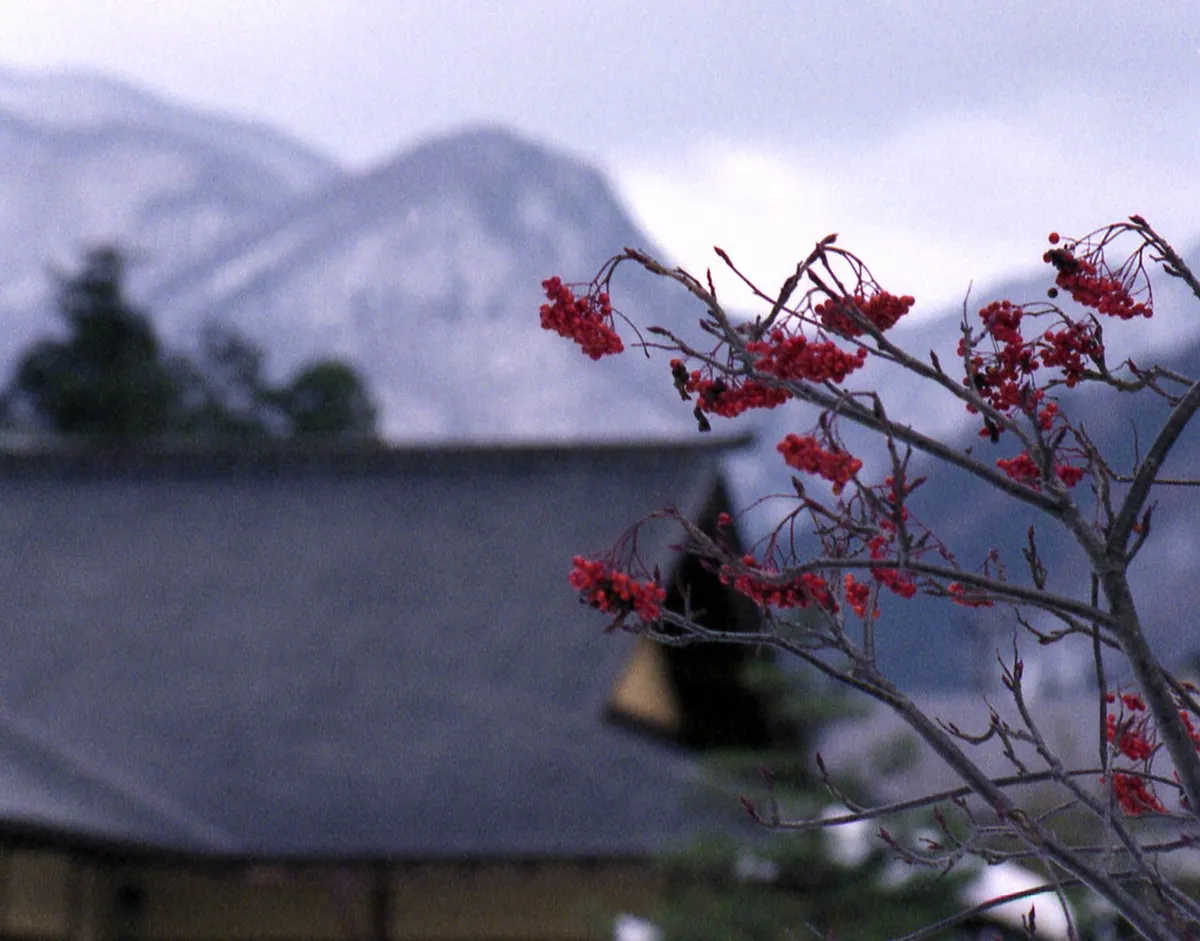
- From Sendai: Take the JR Senzan Line direct to Yamadera Station. Journey time is approximately 60 minutes. The one-way fare is around ¥860 (~$6). Trains run roughly every hour; check the JR East timetable before you go.
- From Yamagata City: Also the JR Senzan Line, heading toward Sendai. Journey time is about 20 minutes and the fare is approximately ¥240 (~$1.60). Yamagata is the closer base and makes a relaxed half-day excursion possible.
- From Tokyo: Take a Tohoku Shinkansen to Sendai (roughly 90 minutes, ~¥11,000 / $75 one-way), then transfer to the JR Senzan Line for Yamadera. Total travel time from Tokyo is around 2.5–3 hours each way, making it a long but achievable day trip.
If you plan to travel extensively in Tohoku, the JR East Tohoku Area Pass covers the Senzan Line and the Shinkansen on JR East lines for 5 or 10 consecutive days. It can save a meaningful amount on a multi-city itinerary. Tickets for individual journeys are available at any JR station counter or ticket vending machine.
Driving to Yamadera is possible, and parking is available near the temple entrance. However, the train is genuinely the most convenient option — parking is limited during peak autumn weekends, and navigating rural Yamagata roads adds stress that the train avoids entirely.
From Yamadera Station to the Temple Entrance
Once you step off the train, the walk to the temple entrance takes about 10 minutes and is itself a pleasant part of the experience. Follow the signs from the station and you will cross the red Yamaderahoju Bridge (山寺宝珠橋) over the Tachiya River. The bridge is a good early photo stop, framing the mountain temple above.
The short village street that leads from the bridge to the entrance is lined with souvenir shops and small restaurants. Look for chikara konnyaku ("power konjac") — skewers of konjac flavoured with soy sauce and English mustard that are a Yamagata specialty traditionally eaten before the climb. Soba noodles and cherry-flavoured soft serve are also popular here after the descent.
The temple entrance and ticket office sit at the base of the mountain, just before the stone stairway begins. Entrance fee in 2026 is ¥500 per adult. The ticket covers access to the entire mountain trail. Pay in cash — card acceptance is not guaranteed at the gate.
The Yamadera Hike: What to Expect on the 1,015 Steps
The climb consists of exactly 1,015 stone steps, winding through a tall cedar forest that keeps the path cool and shaded. The ascent is steep in sections but well-maintained, and because notable structures appear at regular intervals along the way, natural rest points are built into the route. Most people reach the summit in 30–40 minutes at a moderate pace; the descent takes around 20–30 minutes. Allow 2 hours in total for the mountain, more if you want to explore the buildings thoroughly.
Early in the climb you pass the Konponchudo Hall (根本中堂), the main hall of Risshaku-ji and one of Japan's oldest beech wood structures. It is a designated National Treasure. A little further on, the statues of Matsuo Basho and his pupil Kawai Sora stand beside the path. The Semizuka mound nearby marks where Basho's famous cicada poem is buried.
Higher up, the imposing Niomon Gate of zelkova wood marks the transition to the mountaintop precincts. Past the gate you reach the inner sanctuary Okunoin (奥之院) and the Great Buddha Hall Daibutsuden, housing a golden Amida Buddha statue. Near this highest section, keep an eye out for a small red mailbox fixed to the rock face — a postman climbs up to collect from it five days a week, which says something about the practical devotion this mountain inspires.
The trail's climax is Godaido Hall (五大堂), a small open-air platform cantilevered over the cliff edge. The panoramic view of the Yamadera valley and surrounding forested mountains from here is the photograph most people come for. Next to Godaido sits the bright red Nokyodo (納経堂), the oldest building in the complex, perched on a rocky outcrop. Together they form the most photographed corner of the temple grounds.
Seasonal Highlights: When to Visit Yamadera
Yamadera rewards a visit in every season, but each comes with distinct conditions worth knowing in advance.
- Spring (March–May): Cherry blossoms bloom around the village in late March and early April. Lush greenery follows through May. Mild temperatures make this one of the most comfortable times to climb.
- Summer (June–August): The cedar forest keeps the steps shaded, but humidity is high. Bring water — the vending machines near the summit charge two to three times more than those at the base. One genuine caution: venomous mamushi pit vipers are occasionally spotted on the path in summer. Stay on the trail and watch where you step.
- Autumn (September–November): The most popular season. The valley turns vivid red, orange, and yellow, and the view from Godaido is at its most dramatic. Weekday visits are strongly recommended to avoid crowds.
- Winter (December–February): Snow transforms Yamadera into a silent, photogenic scene that relatively few foreign visitors experience. Steps become slippery — proper non-slip footwear or crampons are required. Opening hours shorten: 08:30–16:00 (last entry by 15:00 in deep winter). Verify current hours before travelling.
Early morning visits in any season reward you with calmer crowds and, in autumn and winter, a chance to catch morning mist drifting through the valley below Godaido. The temple opens at 08:00 (April to September) or 08:30 (October to March). Arriving at opening time also avoids competition for the best spots on the narrow Godaido platform.
Essential Tips for Visiting Yamadera
A few practical points will save you stress on the day.
- Wear comfortable walking shoes with a grip sole. The stone steps are worn smooth in places and wet stone becomes slippery. In winter, bring winter hiking boots; crampons attachments are a sensible addition.
- Carry cash. The entrance fee (¥500) must be paid at the gate, and card payment is unreliable. Small change is also useful for offerings at the sub-temples.
- Bring your own water from the station. Vending machines exist near the top but are significantly more expensive.
- Allow extra time if you want to collect a goshuin (temple stamp) at Yamadera. Stamp offices are located at several points on the mountain and can have short queues. Bring your own goshuincho (stamp book) or purchase one at the entrance.
- For visitors with limited mobility, the lower temple grounds and the village walk along the river offer plenty to see without the full climb. Views of the mountain from the base are also striking.
The Yamadera Basho Memorial Museum sits across the valley from the temple, about a 10-minute walk from the station. It holds exhibits on Basho's life and his Tohoku journey. Admission is separate from the temple, but it pairs well with the visit if you have extra time before your return train.
Planning Your Yamadera Day Trip
Yamadera fits naturally into a Tohoku rail itinerary. From Sendai, the typical schedule is to catch a mid-morning train (around 09:00–10:00), spend roughly 3 hours on the mountain and in the village, and return by mid-afternoon. That leaves your Sendai evening free. You can find a full schedule in our a Yamadera day trip from Sendai guide.
From Yamagata City, Yamadera works as a half-day excursion. The 20-minute train ride means you can go in the morning and still have the afternoon for Yamagata Castle Park, the Imoni-gawa riverside, or sampling Yamagata's renowned ramen. Yamagata City also provides a quieter and cheaper overnight base than Sendai if you want to explore the prefecture at a slower pace.
If you are building a broader Tohoku loop, Yamadera pairs well with Ginzan Onsen (around 1 hour from Yamagata by train and bus) and with the 1,015-step Yamadera climb written as a dedicated hiking guide for those wanting more detail on the trail itself. The when to visit Yamadera guide covers seasonal photography and crowd patterns in more depth if you are deciding between months.
From Tokyo, plan to leave no later than 07:00 to have enough time at the temple and return the same day. The Tohoku Shinkansen to Sendai takes about 90 minutes. Total round-trip from Tokyo including the Senzan Line is roughly 6 hours of travel, so an overnight in Sendai or Yamagata is worth considering for a more relaxed experience.
Frequently Asked Questions
How long does it take to climb Yamadera's 1000 steps?
The hike to the top of Yamadera typically takes 30 minutes to an hour. This depends on your pace and how often you stop to admire the views and smaller temples along the way. Allow extra time for photography at the summit.
Is Yamadera worth visiting in winter?
Yes, Yamadera is incredibly beautiful in winter, especially with snow. The landscape transforms into a serene, almost magical scene. Be prepared for colder temperatures and potentially slippery steps; wear warm clothing and appropriate footwear.
What are Yamadera's opening hours?
Yamadera is generally open from 8:00 AM to 5:00 PM. During winter months (November to March), the closing time might be slightly earlier, around 4:30 PM. Always check the official Yamadera Tourism Association website for the most current information before your visit.
Are there any accessible options for those who cannot climb the steps?
While the main climb involves many steps, you can still enjoy the lower temple grounds and the charming village area. There are beautiful views of the mountain from the base. Some parts of the temple complex are accessible without extensive climbing.
Can I collect goshuin (temple stamps) at Yamadera?
Yes, you can collect goshuin at Yamadera. There are specific locations within the temple complex where you can get your pilgrim's stamp. It is a wonderful way to commemorate your visit and a popular activity for many visitors. Learn more about collecting goshuin in Japan.
Visiting Yamadera offers a unique blend of natural beauty, historical depth, and spiritual reflection. With its direct train connections from Sendai and Yamagata, reaching this iconic temple is straightforward, and the 1,015-step climb pays off in views from Godaido that stay with you long after the trip. Careful planning around season and opening hours makes all the difference.
Whether you are a first-time visitor or returning in a different season, Yamadera provides something new each time. Bring comfortable shoes, carry cash, and leave enough time to linger at the summit. This guide has everything you need to plan your trip to one of Tohoku's most revered mountain temples.
Free: The Sendai Essentials guide
Top things to do, where to stay, a perfect day plan, getting around, and the best time to go — a Sendai mini-guide you can take offline.
You might also like


Continue reading
More guides you'll find useful


