

Yamadera Temple Guide: Plan Your Visit to Japan's Mountain Temple
Discover Yamadera Temple with our comprehensive guide. Learn how to get there, what to see, best times to visit, and essential hiking tips for an unforgettable experience.
On this page
Yamadera Temple, officially known as Risshaku-ji, stands as a spiritual beacon in Japan's Tohoku region. This ancient mountain temple offers a profound cultural experience and breathtaking natural beauty. Our comprehensive yamadera temple guide will help you plan an unforgettable journey.
Yamadera is a highlight of our wider Yamagata Prefecture guide — pair it with Ginzan Onsen and the Mount Zao area, or visit on a day trip from Sendai.
Visitors climb over a thousand stone steps to reach the temple's upper halls, enjoying stunning panoramic views. The journey itself is a meditative experience, steeped in history and natural splendor. You will discover why this site captivates so many travelers.
This guide covers everything from transportation to local cuisine, ensuring a smooth trip. Prepare to immerse yourself in the serene atmosphere of this sacred Japanese site. You will find all the essential information needed for your visit here.
Key Takeaways
- Plan your visit for 2-3 hours to fully explore the temple complex.
- Wear comfortable shoes and bring water, especially for the 1000-step hike.
- Consider a JR East Tohoku Area pass for cost-effective train travel.
- Visit in autumn for stunning foliage or winter for a serene, snowy landscape.
- Explore local cuisine like Chikara Konjac and Yamagata Purin for a complete cultural experience.
Why Visit Yamadera Temple?
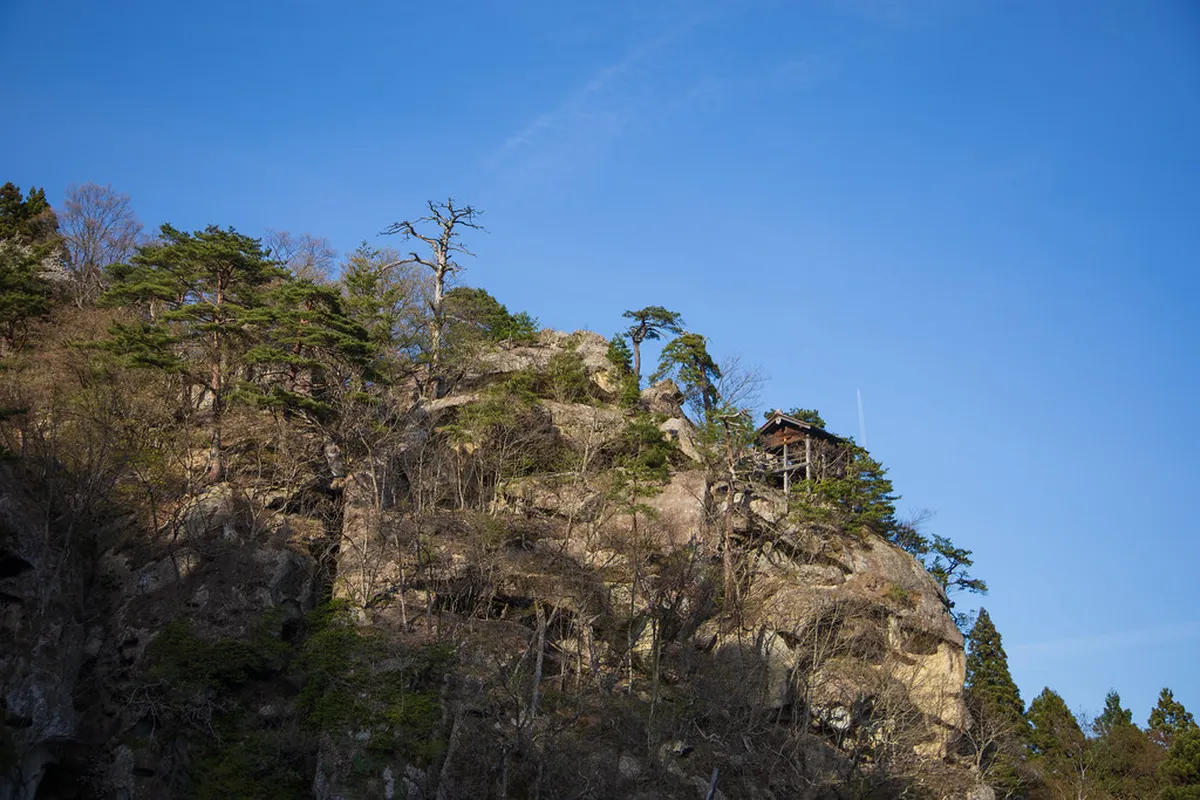
Yamadera Temple is renowned for its dramatic setting on a steep mountainside, offering spectacular views of the surrounding valley. Founded in 860 AD by the Buddhist priest Jikaku Daishi of the Tendai sect, it has welcomed pilgrims for over a thousand years. Today it holds the dual status of National Historic Site and Place of Scenic Beauty.
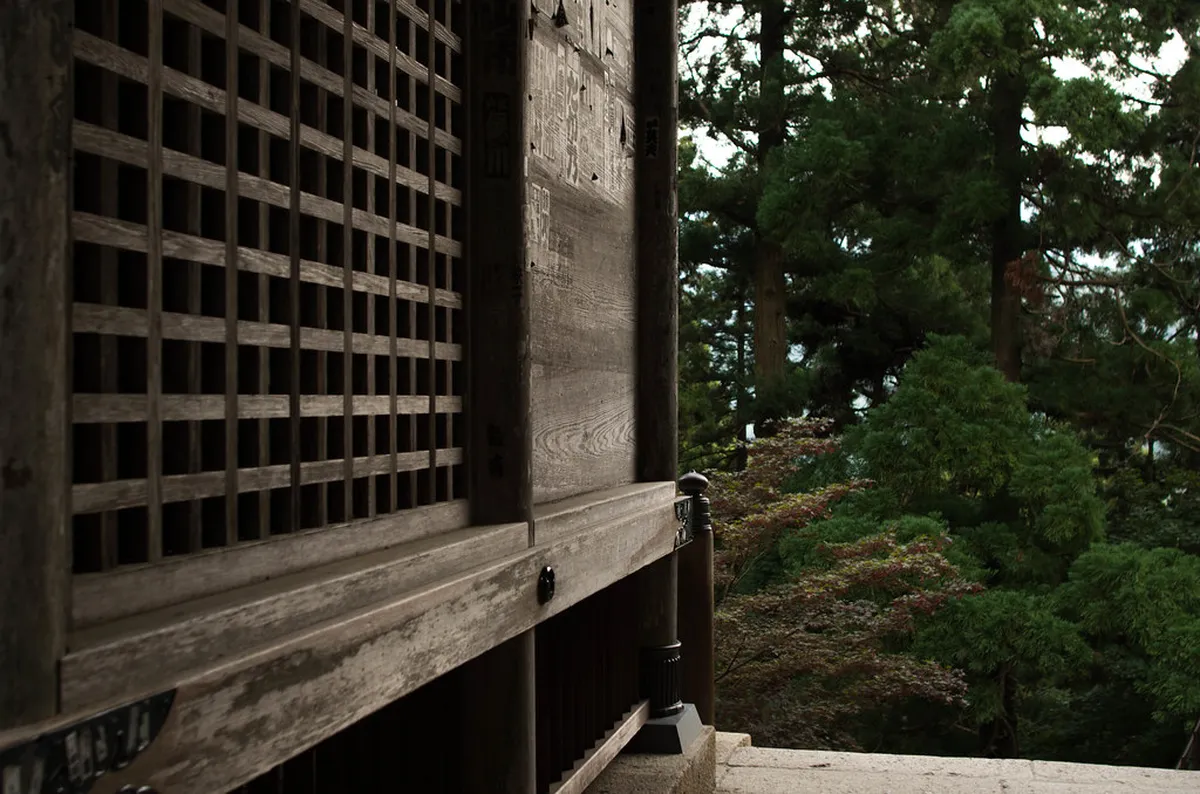
The temple complex is famous for its connection to haiku master Basho Matsuo. He visited in 1689 and composed one of his most celebrated poems here: "Shizukesa ya / iwa ni shimiiru / semi no koe" — "In the stillness, the cries of cicadas penetrate the rocks." Statues of Basho and his pupil Kawai Sora stand near the entrance, and a buried mound called Semizuka marks where the poem was interred.
Visiting Yamadera offers a tranquil escape from city life and a genuine chance for quiet contemplation. The ascent to the main halls is a pilgrimage, symbolizing a journey towards enlightenment. Many find peace and inspiration amidst its ancient structures.
The various halls and pagodas nestled among the cliffs present incredible photo opportunities at every turn. Yamadera is easy to combine with a visit to Sendai or the nearby Ginzan Onsen, making it a natural anchor for any Tohoku itinerary.
Getting to Yamadera Temple
Yamadera is easily accessible by train, making it a popular day trip destination. The Yamadera station (山寺駅) is conveniently located near the temple entrance. Planning your route helps ensure a smooth arrival.
From Sendai, a major city in Tohoku, the journey takes about an hour on the JR Senzan Line. The fare is approximately ¥858. This route offers scenic views as you travel through the Yamagata countryside.
If you are coming from Yamagata City, the train ride is much shorter — around 17 minutes on the same JR Senzan Line, with a fare of about ¥242. Both routes allow for the use of IC cards like Suica or Pasmo, so there is no need to buy a paper ticket.
From the station, the trailhead is a pleasant 10-minute walk. You will cross the red Yamaderahoju Bridge over the Tachiya River, passing souvenir shops and small cafes along the way. Consider purchasing a JR East Tohoku Area pass if you plan extensive travel in the region, as it covers the Senzan Line and Shinkansen services.
Best Time to Visit Yamadera
Yamadera Temple offers a distinct charm in every season, but each period has unique considerations. Choosing the best time depends on your preferences for weather, crowds, and scenery. Plan your visit to match your ideal experience.
Spring (April-May) brings cherry blossoms and comfortable temperatures, ideal for the hike. The steps are clear and the surrounding greenery is lush. Weekday mornings in late April are particularly uncrowded.
Summer (June-August) is green and atmospheric, but humidity on the climb can be intense. Start early — the gates open at 8:00 and the temperature at the summit is several degrees cooler than in the valley below. Autumn (October-November) is the most popular season, with vibrant fall foliage painting the mountain in deep reds and golds. Expect larger crowds on weekends; book accommodation and transport well in advance.
Winter (December-March) transforms Yamadera into a quiet, snow-covered wonderland. Crowds thin dramatically and the silence at the top becomes almost sacred. The gates open at 8:30 in winter — note that the trail does not open earlier, so arriving too soon means waiting in the cold. Microspike crampons are strongly recommended for the icy steps.
Exploring Yamadera Temple: What to See and Do
The Yamadera Temple complex offers a wealth of sights beyond the famous climb. From the base, you will encounter significant cultural structures worth pausing at before you begin the ascent.
The Konpon Chudo Hall greets you at the foot of the mountain. It is Japan's oldest beech (or cedar) wood structure, designated as an Important Cultural Property, and houses a sacred flame said to have burned continuously since the temple's founding in 860. Pay your respects here before purchasing your entrance ticket (¥500) at the small booth next to the Sanmon gate.
As you climb, watch for Midahora Rock, a natural formation eroded by wind and rain over millennia. Local legend says those who can see the image of Amida Nyorai Buddha in the rock's surface will be blessed with good luck. The Niomon Gate, built from zelkova wood and guarded by a pair of fierce temple guardians, marks the threshold to the upper mountain temples. Just past the gate, Kaisando Hall honors Jikaku Daishi, the temple's founder, while the small red Nokyodo Hall perched on a craggy cliff outcrop is the oldest surviving building in the entire complex and one of the most photographed views at Yamadera.
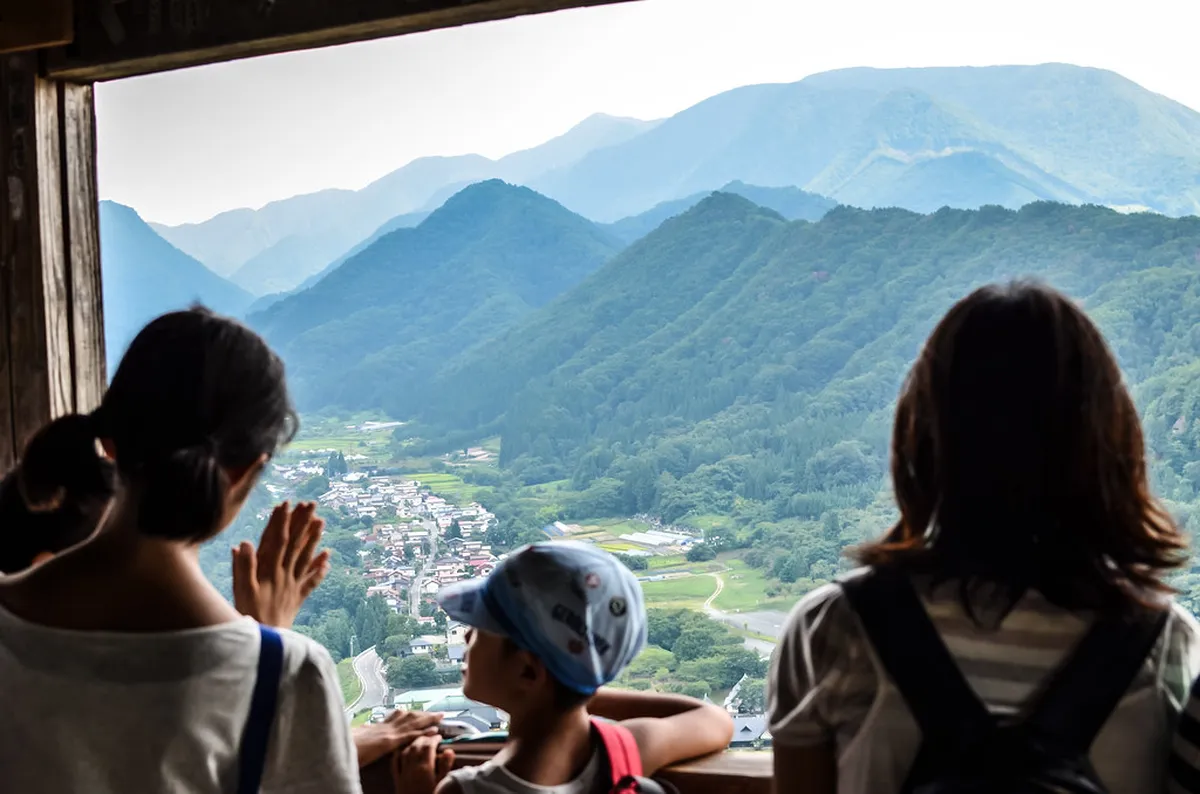
The highlight for many is the Godaido Hall lookout, perched on the cliff edge like a Noh stage. This observation deck provides the iconic panoramic views of the Yamadera valley. At the very top sit Okunoin Temple and the Daibutsuden Hall, said to expel evil spirits — this is the highest point you can reach, and arriving here feels like a genuine accomplishment.
Hiking the 1,015 Steps: Tips and Expectations
The climb to the upper temple area involves exactly 1,015 stone steps, known locally as the "Stairway to Heaven." The ascent is considered moderate — well-maintained, gradual, and broken up by sights along the path. Most visitors find it easier than expected.
Most people take 30–40 minutes to reach the top at a comfortable sightseeing pace, with the descent taking around 20–30 minutes. Very fit hikers can push to the summit in 15–20 minutes, but there is no reason to rush: statues, inscriptions, and sudden valley views reward those who go slowly. Budget at least 2 hours for the full complex once you are inside the gate.
Wear comfortable walking shoes with good grip, especially during wet or snowy conditions. In winter, microspike crampons are worth the investment — the ancient stone steps become genuinely slippery under ice. Bring cash and coins: the entrance fee (¥500) is cash only, and vending machines near the summit charge two or three times the usual price, so carry your own water.
For those with mobility concerns, viewing the temple from the base is still rewarding. The lower temple grounds contain the Konpon Chudo Hall and the Basho statues, and the walk to the red bridge is scenic in its own right. The path from Yamadera station to the trailhead takes about 10–15 minutes and is flat and easy for all visitors.
Temple Stamps, the Red Letterbox, and Hidden Details
Several small details at Yamadera reward the curious visitor. If you collect goshuin (temple and shrine stamps), Yamadera is an excellent stop: stamps are available at halls near the Niomon Gate and at Okunoin at the summit. The fee is typically ¥300–¥500 per stamp, and the ink-and-calligraphy style here is notably atmospheric given the mountain setting.
At the top, just before Okunoin, look for a bright red letterbox attached to the cliff wall. A postman climbs the 1,015 steps to service it five days a week — one of the more quietly remarkable logistical facts about daily life at a working temple. Sending a postcard home from here makes for a genuinely memorable souvenir.
Also keep an eye out for Semizuka, a small stone mound near the start of the climb where Basho's cicada haiku was ceremonially buried. It is easy to walk past, but knowing what it is gives the poem another dimension. Near the entrance you will also pass a small ticket booth for the Yamadera Basho Memorial Museum, which is worth 30 minutes of your time if you are interested in the poet's wider journey through the Tohoku region.
Nearby Attractions and Dining Around Yamadera
After exploring Yamadera Temple, consider extending your visit to discover local flavors and nearby sights. The village strip between the station and the trailhead has several small shops worth stopping at on your way out.
Try Yamadera Chikara Konjac (力こんにゃく), skewers of konjac jelly flavoured with soy sauce and English mustard — a local specialty sold on sticks outside shops near the bridge. The name means "power konjac," traditionally eaten before climbing the steps. Many restaurants in the village offer Dashi Soba, a light, dashi-broth noodle dish that is Yamagata's signature style. Both make ideal post-climb fuel.
For those with a sweet tooth, Yamagata Purin — a Japanese-style pudding made with local ingredients including wine grapes and La France pears — is available in Yamagata City, a 17-minute train ride away. The city also has the Beni-no-kura cultural complex in a restored safflower merchant's warehouse, with local crafts and seasonal produce.
Consider a side trip to Kaminoyama Onsen, a traditional hot spring town about 40 minutes by train. It sits alongside Kaminoyama Castle and Narage-juku, a preserved old post town. Staying a night there after a day at Yamadera is a natural combination for anyone building a Yamagata itinerary. The Yamadera Tourism Association website provides up-to-date information on local eateries and attractions.
Practical Tips for Your Yamadera Trip
Planning your Yamadera trip effectively ensures a more enjoyable and stress-free experience. Consider these practical tips before you go.
The entrance gate opens at 8:00 (April to September) and 8:30 (October to March). Gates close for entry at 15:00 in the off-season, with the complex closing fully at 16:00. Arrive as early as possible, especially in autumn, to beat the tour groups that typically arrive from Sendai by mid-morning.
The entrance fee for the upper mountain area is ¥500 per adult. Bring yen cash — there is no card payment at the gate. You might also consider collecting goshuin in Japan, which are unique temple stamps available here for ¥300–¥500.
Allocate at least 2–3 hours for your visit to fully explore the complex and enjoy the views. This includes the 10-minute walk from the station, the climb, time at the top, and the descent. Dress respectfully when visiting temples — while there are no strict rules against shorts, modest attire is always appreciated. Be mindful of photography inside sacred halls; some inner sanctuaries post no-photo signs.
Going deeper on this theme? Our What to Eat in Yamadera guide covers it in detail, with the practical planning this page leaves out.
Frequently Asked Questions
How long does it take to walk up Yamadera Temple?
Walking up Yamadera Temple's 1000 steps typically takes 30-45 minutes for most visitors. This duration allows for a comfortable pace and brief stops. Fitness levels can affect this time, with some completing it faster.
How hard is the hike up Yamadera?
The hike up Yamadera is considered moderate. While there are many steps, they are well-maintained, and the ascent is gradual. It is suitable for most people with average fitness. Taking breaks along the way is recommended.
Is Yamadera Temple worth visiting?
Yes, Yamadera Temple is absolutely worth visiting for its stunning views, historical significance, and serene atmosphere. It offers a unique cultural and natural experience in Japan. The spiritual journey and scenic rewards are highly praised.
What are the opening hours for Yamadera Temple?
Yamadera Temple's opening hours are generally from 8 AM to 4 PM between April and September. From October to March, it opens at 8:30 AM and closes at 3 PM, with gates shutting at 4 PM. Always verify current hours on the Yamadera Tourism Association website before your visit.
Can you visit Yamadera Temple in winter?
Yes, Yamadera Temple can be visited in winter and offers a magical, snow-covered landscape. Be prepared for cold weather and potentially icy steps. Proper winter gear and sturdy, waterproof footwear are essential for a safe and enjoyable visit.
Yamadera Temple offers a captivating blend of spiritual heritage, stunning natural beauty, and a rewarding physical challenge. This ancient site promises a memorable experience for every traveler. Plan your visit carefully to fully appreciate its unique charm.
Whether you seek historical insights, breathtaking views, or a peaceful escape, Yamadera delivers. Use this yamadera temple guide to prepare for your journey. You are now ready to explore one of Japan's most sacred mountain temples.
Embrace the journey up the thousand steps and discover the tranquility awaiting you at the top. Yamadera is more than just a destination; it is an experience. We hope you have an incredible trip to this iconic Japanese landmark.
For visitor details — hours, prices and map pins — browse our Yamadera attractions directory.
Free guide: Japan's Hidden Gems
12 under-the-radar places beyond Tokyo & Kyoto — with the best season to visit each and a local tip you won't find in the guidebooks.
You might also like


Continue reading
More guides you'll find useful


