

Yamadera 1000 Steps Climb: Ultimate Guide to Japan's Mountain Temple
Plan your Yamadera 1000 steps climb with our ultimate guide. Discover how to get there, what to see, and essential tips for an unforgettable journey.
On this page
The Yamadera 1000 steps climb offers a truly unforgettable experience in Japan. This sacred mountain temple, Risshaku-ji, dates back over a thousand years. It provides stunning views and a deep sense of tranquility.
Travelers journey through ancient cedar forests, passing historic stone lanterns and small shrines. The climb culminates in breathtaking vistas of the surrounding Yamagata landscape. Prepare for a spiritual and scenic adventure.
This comprehensive guide will help you plan your perfect Yamadera 1000 steps climb. We cover everything from getting there to exploring the temple's hidden gems. Discover practical tips for a rewarding visit.
Getting to Yamadera & Initial Logistics
Reaching Yamadera is straightforward, especially from nearby cities like Sendai and Yamagata. Yamadera Station sits on the JR Senzan Line, making it directly accessible by local train. A train from Sendai takes about an hour and costs approximately ¥860. You can reach Yamadera from Yamagata in just 20 minutes for around ¥240. Both options run on JR lines, so a JR Pass covers the fare in either direction. Consider a a Yamadera day trip from Sendai for convenience — it works as an easy half-day excursion even from Tokyo with an early start.
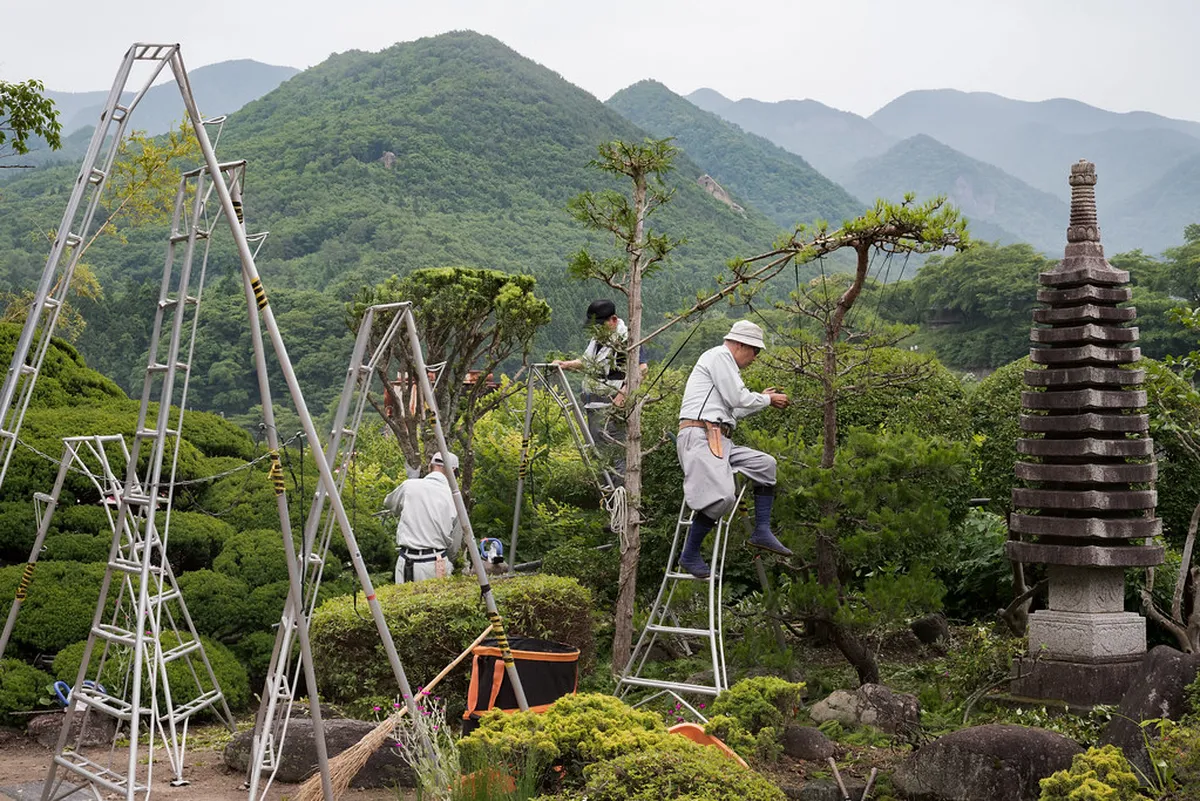
The train ride through the Yamadera valley is itself worth noting. The JR Senzan Line passes through scenic countryside — forested hillsides and small villages — before the river gorge comes into view near the station. In winter the landscape is snow-covered and particularly striking. Upon arrival, the temple entrance is a five-minute, well-signposted walk down the road and over a bridge. The main entrance area offers souvenir shops and small eateries selling local specialties including pickled cherries and soba.
The temple grounds typically open at 8:00 AM and close around 17:00. There is an entrance fee of ¥300 per adult to access the upper temple complex — but note that the lower temple area around Konponchudo Hall is freely accessible without paying this fee, which matters if you are visiting with young children or simply want to see the main hall without the full climb. Pick up a map of the temple grounds at one of the nearby shops before you start. It highlights key points of interest along the path and shows the various temple buildings at the summit.
The Lower Temple Is Free — The Upper Requires a ¥300 Ticket
One practical detail that first-time visitors frequently miss: Yamadera divides into two distinct areas with different access rules. The lower precinct — including Konponchudo Hall, the Five-Storied Pagoda, the Basho stone monument, and the treasure hall — can be explored at no charge. Walk through the main gate and take your time here; this lower area alone is worth 20–30 minutes and conveys the temple's age and scale clearly.
The ¥300 entrance fee (per adult; children under 12 free) is collected at a ticket gate that marks the start of the forested stone staircase. Everything above that gate — the cedar forest path, the Niomon Gate, Kaisando Hall, and the Godaido Hall cliff platform — requires the ticket, open approximately 8:00–17:00. If your group includes visitors who cannot manage the full climb, the lower precinct gives them a meaningful experience while others ascend. Budget visitors with only 30–40 minutes can see the Basho monument and the pagoda for free; those with a full morning should buy the ticket and go up.
The Yamadera 1000 Steps Climb Experience
The Yamadera 1000 steps climb is more than just a hike; it is a spiritual pilgrimage. The stone steps wind through a serene cedar forest, creating a tranquil atmosphere. Each step brings you closer to ancient temple halls. The entire climb covers roughly 1,015 stone steps leading to the mountaintop temple complex of Risshaku-ji. The path is well-maintained but steep in sections. Take your time and enjoy the peaceful surroundings.
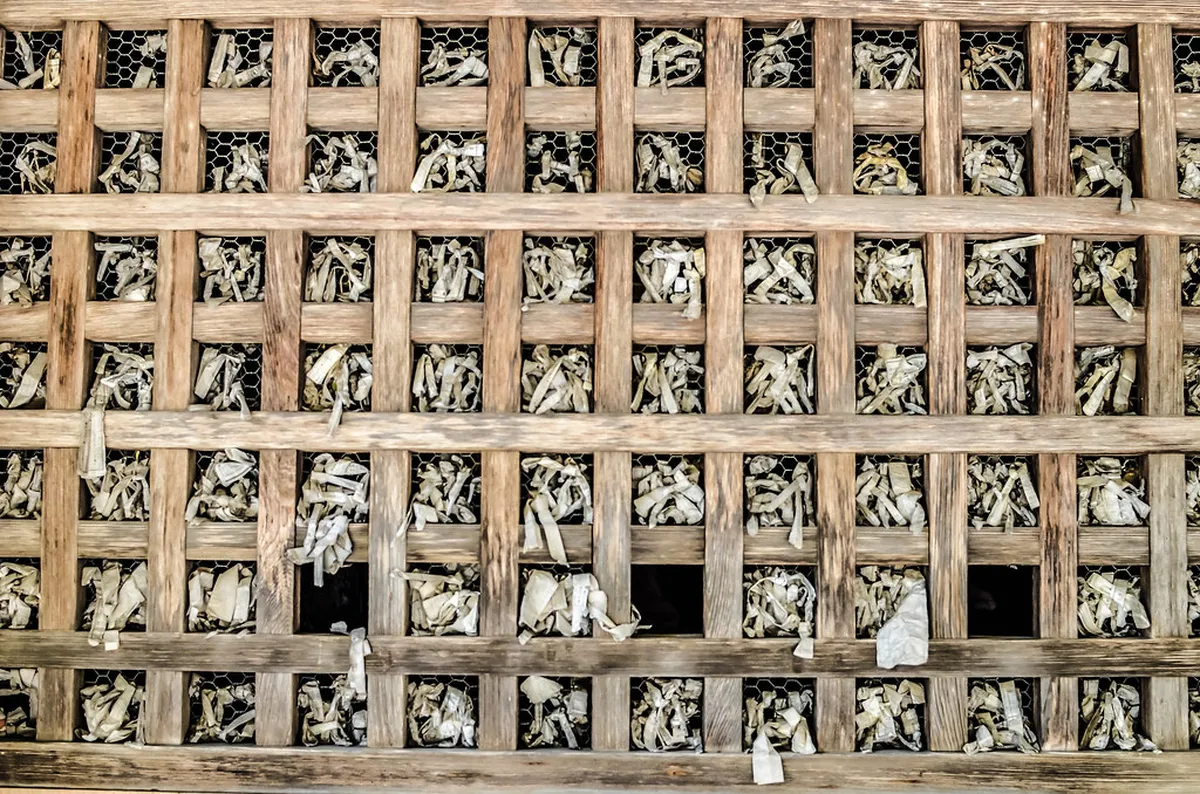
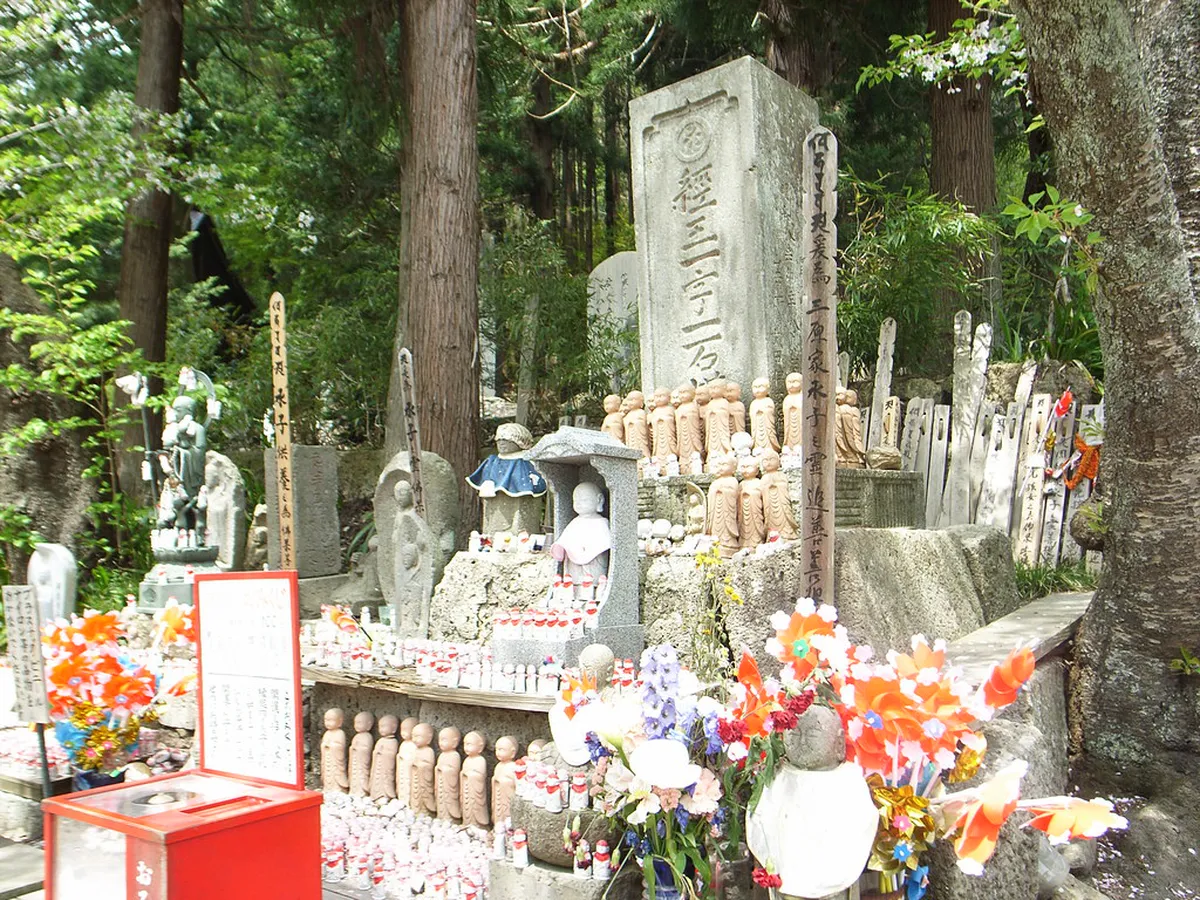
As you climb, you will pass numerous small shrines and carved Buddha figures. These elements add to the spiritual journey. The air in summer fills with the sound of cicadas, a natural soundscape recognized as one of the 100 Soundscapes of Japan. The climb itself is considered a purification process — each step is believed to help shed worldly desires, making the journey as significant as the destination.
The difficulty is moderate. Most visitors with average fitness can complete the climb in 45 minutes to an hour. Wear appropriate footwear with good grip — the stone steps can be uneven, and in winter they can be genuinely icy. Bring water, especially during warmer months. The views from the top are a fitting reward for your effort.
Detailed Climb Breakdown: Landmarks & Timings
The approach from Yamadera Station is a flat five-minute walk to the base. Here you will find the main gate, souvenir shops, and the ticket office for the upper temple. The first section of the lower temple grounds includes Konponchudo Hall and the Five-Storied Pagoda — plan 20–30 minutes here before paying to enter the main staircase. This initial part is accessible to all visitors and provides a gentle introduction to the complex.
Beyond the ticket gate, the true climb begins: a steep, forested stone staircase marked by small shrines, Jizo statues in red bibs, and cedar trees that arch overhead. Around the halfway point you reach the Niomon Gate, guarded by two fierce Nio statues. This marks the entrance to the upper temple area and offers a natural rest point. This section typically takes 20–30 minutes depending on your pace. Just past the gate, look out for Mida Hora rock, said to be shaped like Amida Buddha — it is easy to miss if you are moving quickly.
The final stretch involves the Nokyodo and the Kaisando hall tucked into the cliffside, and then a few more minutes to the Godaido Hall lookout perched on the cliff edge. Allow 15–20 minutes from the Niomon Gate to reach Godaido. Spend at least 15–20 minutes at the top — the panoramic view over the valley is the highlight of the entire visit. From Godaido you can continue up to the Sanjushoto Pagoda, Okunoin Hall, and Daibutsuden Hall, which houses a large Amida Buddha statue. The entire round trip including stops takes 2–3 hours. Open with Maps to navigate the area easily.
Key Temples and Sights at Yamadera
The main hall, the Konponchudo main hall, is a designated Important Cultural Property. This colorful building is thought to be Japan's oldest beech wood structure, built sometime between 1333 and 1568. It houses a sacred flame said to have been burning continuously for nearly 1,200 years — brought originally from Enryakuji Temple near Kyoto when Risshaku-ji was founded. The Five-Storied Pagoda stands nearby amidst the trees, offering a classic photo opportunity before the paid ascent begins.
Higher up, the Nokyodo Hall was historically used for copying sutras, while the larger Kaisando Hall houses a wooden statue of the temple's founder, Jikaku Daishi. Both are small buildings tucked into the cliffside, easy to overlook if you are focused on reaching the summit. The bell tower near the lower precinct also merits attention — Japanese macaques from the surrounding hills occasionally appear here.
The highlight for most visitors is Godaido Hall, perched dramatically on a cliff edge. The view from its wooden platform cannot be done justice in photographs. The mountains seem to require a moment of quiet — most visitors stop talking when they step onto the deck. The scene changes with every season: autumn leaves contrasted with early snow, summer's deep green slopes, spring cherry blossoms at the base. Even with repeated visits you would never see the same view twice.
Historical & Cultural Significance of Risshaku-ji
Risshaku-ji was founded in 860 AD by the Buddhist priest Ennin — known posthumously as Jikaku Daishi — as a temple of the Tendai sect and a branch of Enryakuji near Kyoto. The temple served as a significant center for Buddhist practice and ascetic training in the remote mountains of Tohoku. It was destroyed during local wars in the 16th century and later rebuilt, continuing to stand as one of the key sacred sites in the northeast of Japan. It remains an active place of worship today.
The temple's cultural fame increased substantially with the visit of Matsuo Basho in 1689. Basho, Japan's most celebrated haiku poet, composed his famous verse here: "In the stillness / the cries of cicadas / penetrate the rocks." The poem captures the profound silence and timelessness of the mountain. A stone monument to Basho stands near the temple's main gate in the lower precinct — it is one of the first things you pass on the way in. You can read an analysis of the poem here. His visit cemented Yamadera's place in Japanese literary history and draws visitors who want to experience the same inspiration he felt.
Across the river from the main temple, the Basho Memorial Museum (Kikaku-tei) displays artifacts related to the poet and the context of his 1689 visit. It sits on the opposite bank and is easy to miss, but adds depth to any longer stay. The broader landscape of Mount Hoju, with its cliff faces and forested ridgeline, has defined Yamadera's identity as a place of beauty and spiritual retreat for over eleven centuries.
Best Time to Visit Yamadera
Each season at Yamadera offers a distinct experience. Spring (late April to early May) brings cherry blossoms at the base and fresh green canopy on the cedar path. Temperatures are mild and the air is clean — an excellent time for photography. Expect moderate crowds, and arrive early in the morning for a quieter climb. Summer (June to August) brings lush, deep green foliage and the incessant sound of cicadas — the very sound that Basho described in his haiku. The path is shaded so the heat is manageable, but carry water and start early to avoid the busiest midday period.
Autumn (late October to early November) is widely considered the most spectacular season. The mountainside explodes with red, orange, and gold foliage. This is when Yamadera draws its largest crowds. Book accommodation and transport in advance — trains from Sendai fill up on weekends. The crisp air and brilliant colors make it the best season for the view from Godaido Hall, and some years bring a rare combination of autumn leaves and early snow that makes the scene particularly dramatic. You can find more details on the best time to visit Yamadera.
Winter (December to March) transforms the temple into a snow-covered wonderland with almost no crowds. The path through the cedar forest in deep snow is extraordinary, and you may have sections of the climb almost entirely to yourself. The trade-off is real: steps become genuinely icy and slippery. Waterproof boots with ankle support are essential, and slip-on traction devices (crampons that fit over regular boots) are sold at outdoor shops in Sendai and Yamagata — worth carrying even if the forecast looks clear, as north-facing steps stay icy well into the afternoon. The temperature on the exposed Godaido Hall platform can be several degrees colder than the base. Check weather and trail conditions before heading out, and note that some facilities near the base may have reduced hours in winter.
Practical Tips for Your Yamadera Visit
Wear comfortable, sturdy walking shoes with good grip. The stone steps can be uneven and slippery after rain or in winter — this is not a climb for sandals or flat-soled shoes. Dress in layers, as temperatures between the base and the summit differ noticeably. Bring a small backpack for water and snacks. Sunscreen and a hat are useful during summer; a light rain jacket handles unexpected showers in any season.
Go early. Yamadera is at its most peaceful before 10:00 AM, especially in autumn. After that, tour groups from Sendai and Yamagata begin to arrive and the narrower sections of the staircase become congested. Plan your departure from Sendai to arrive by 8:30 AM if possible. Restrooms are available at the base and at various points along the trail — use them before you start the ascent as there are no facilities in the middle sections. Carry any trash with you; the temple grounds are kept scrupulously clean and there are no bins on the path.
Food options cluster around Yamadera Station and the base. Small restaurants serve regional dishes — the area's soba noodles and tempura are well regarded and worth sampling on the way back. Some shops near the entrance sell sweet red bean paste and maple syrup wafer treats that make a good snack for the climb. Cold drinks are available at a small souvenir stand near the summit. There is no cash machine at Yamadera; withdraw yen in Sendai or Yamagata before you travel, as most small shops here are cash-only.
Beyond the Steps: Exploring Yamadera Town
The small town around Yamadera Station rewards a leisurely hour of exploration after your climb. The lane from the station to the temple gate is lined with shops selling local crafts, pickled produce, and Yamagata specialties. Stop for local snacks on the way in or pick up gifts on the way out. Several small restaurants along the road make it easy to eat before or after the temple visit — soba is the regional specialty and most places offer it in both hot and cold versions.
Directly across the river from the main temple, the Basho Memorial Museum (Kikaku-tei) is easy to miss but worthwhile for anyone interested in the poet's connection to the region. It houses artifacts and translations related to Basho's 1689 visit and places his famous cicada haiku in broader literary context. The walk over the bridge takes about five minutes from the temple entrance. Admission is separate from the temple fee.
For those interested in extending their visit, Yamadera Onsen — a small cluster of traditional ryokan along the Yamadera valley — is a short walk from the station. A soak after the climb is a sensible way to end the day before catching the train back. Some ryokan offer day-use bathing (higaeri-nyuyoku) without an overnight stay. Confirm availability at the accommodation directly. You can also explore more at our Yamadera temple guide.
Accessibility & Alternatives for the Climb
The full 1,015-step ascent is not suitable for visitors with significant mobility issues or very young children. However, the lower temple precinct around Konponchudo Hall is freely accessible and requires no climbing — it includes the main hall, the Five-Storied Pagoda, the Basho monument, and the bell tower area. These sights alone represent a meaningful visit and can be explored in 20–30 minutes at a relaxed pace.
For visitors who want to attempt a partial climb, the first 100–200 steps from the ticket gate lead through the most atmospheric section of the cedar forest without reaching the steepest upper sections. Rest benches appear at several points along the lower staircase. There is no obligation to reach the top — many visitors pause at the Niomon Gate halfway up, take in the views already visible from that height, and turn back satisfied. The temple is designed to be meaningful at every level.
Accessible parking is available near the base for visitors arriving by car. There is no shuttle between the station and the temple entrance, but the flat five-minute walk from Yamadera Station to the gate is manageable for most. The local tourist information center near the station provides maps and can advise on conditions on the day. Check for seasonal closures or special events that may affect access — the Yamadera Tourism Association website has current information in English.
Frequently Asked Questions
How hard is the hike up Yamadera?
The hike up Yamadera is moderately challenging, involving over 1,000 stone steps. Most people with average fitness can complete it in 45 minutes to an hour one way. The path is well-maintained but can be steep in sections. Take breaks as needed and wear comfortable, sturdy shoes.
How many steps does Yamadera have?
Yamadera has approximately 1,015 stone steps leading from the base to the mountaintop temple complex. Each step is believed to help shed worldly desires. The climb offers a spiritual journey as well as a physical one.
How long does it take to climb Yamadera?
The climb to the top of Yamadera typically takes between 45 minutes to 1 hour for the ascent. This timing depends on your fitness level and how often you stop. Allow 2-3 hours for the entire visit, including time to explore the temples at the summit. You can find more tips on our Yamadera temple guide here.
Is Yamadera worth visiting?
Yes, Yamadera is absolutely worth visiting for its stunning views, rich history, and spiritual atmosphere. The panoramic vistas from Godaido Hall are breathtaking. Its connection to the poet Matsuo Basho adds significant cultural value. It offers a unique cultural and natural experience.
Can you visit Yamadera in winter?
Yes, you can visit Yamadera in winter, and it offers a uniquely beautiful, serene experience covered in snow. However, the steps can be icy and slippery. Wear appropriate winter footwear with good grip. Check weather and trail conditions before your visit for safety.
The yamadera 1000 steps climb offers a truly enriching travel experience in Japan. It combines physical challenge with deep spiritual and cultural immersion. The panoramic views from the summit are a fitting reward.
Whether you visit during the vibrant autumn foliage or the tranquil winter snow, Yamadera promises unforgettable memories. Plan your trip carefully to make the most of this sacred mountain temple. Prepare for a memorable journey.
Embrace the climb, soak in the history, and enjoy the breathtaking natural beauty. Yamadera awaits with its ancient charm and serene vistas. It is a destination that truly captivates the soul.
Free: The Sendai Essentials guide
Top things to do, where to stay, a perfect day plan, getting around, and the best time to go — a Sendai mini-guide you can take offline.
You might also like


Continue reading
More guides you'll find useful


