Japan Travel Guide: Plan Your Trip with Expert Tips & Itineraries
Plan your Japan adventure with our comprehensive guide. Discover top attractions, local foods, itinerary tips, and practical advice for a memorable journey.
On this page
Japan offers a captivating blend of ancient traditions and futuristic innovation. This island nation promises an unforgettable journey for every traveler. Discover serene temples, vibrant cities, and breathtaking natural landscapes.
Planning a trip to Japan can feel overwhelming with so many incredible options. Our comprehensive Japan travel guide helps simplify your preparations. You will find expert tips, essential advice, and curated itineraries here.
Prepare to immerse yourself in a rich culture unlike any other. This guide covers everything from navigating bustling Tokyo to finding tranquility in Kyoto. Get ready to explore Japan with confidence and excitement.
Key Takeaways
- Plan your Japan trip carefully, considering seasons and major city bookings.
- Choose a travel guidebook that matches your specific interests and travel style.
- Embrace local etiquette to enhance your cultural experience and show respect.
Why Visit Japan? An Introduction
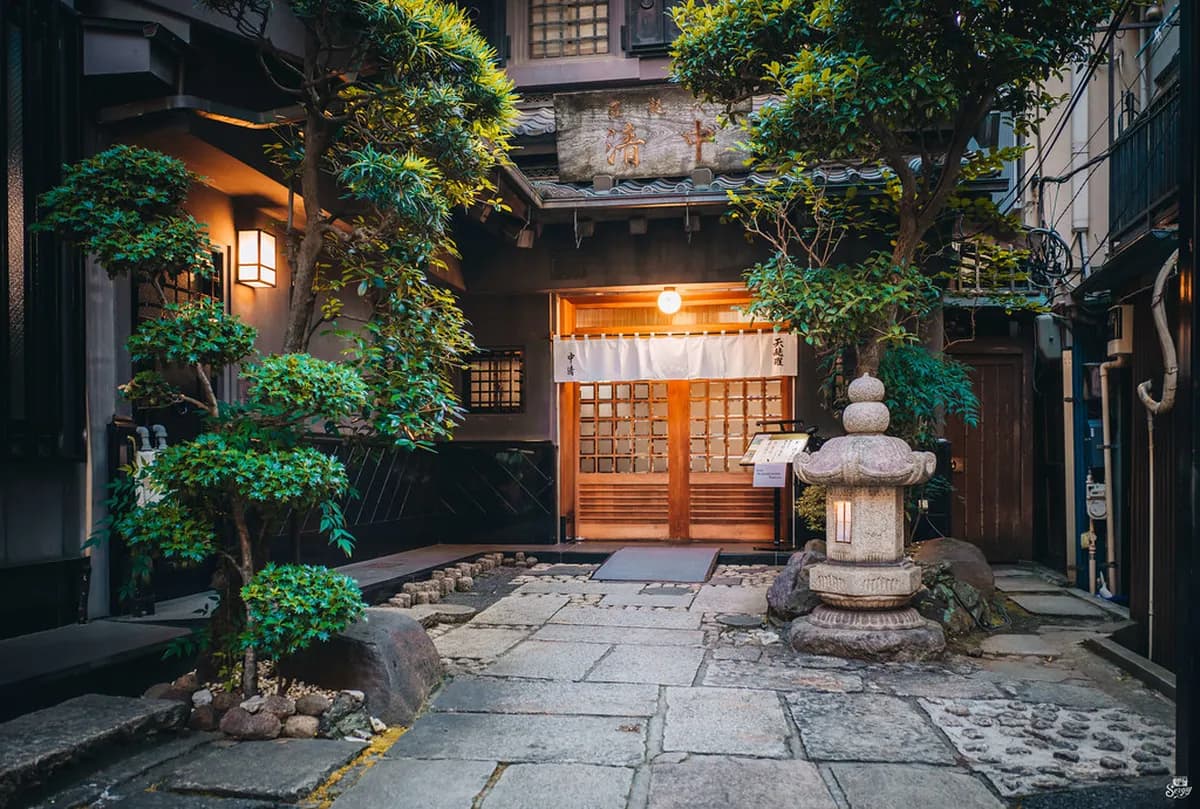
Japan provides a truly unique travel experience, blending deep history with cutting-edge modernity. Ancient castles stand proudly beside towering skyscrapers, creating a fascinating contrast. Traditional tea ceremonies offer a peaceful escape from busy city life.
The country boasts stunning natural beauty, from the iconic cherry blossoms in spring to vibrant autumn foliage. Mount Fuji presents an awe-inspiring backdrop for many adventures. Japan's diverse landscapes invite exploration throughout the year.
Japanese hospitality, known as omotenashi, ensures visitors feel welcomed and respected. The meticulous attention to detail is evident in every aspect of daily life. Prepare for an immersive journey that delights all your senses.
Tips for Your First Trip to Japan
First-time visitors often find Japan more manageable than expected, but a few early decisions shape the whole trip. Start by confirming visa requirements for your nationality — most travelers from Europe, North America, and Australia enter visa-free for up to 90 days, but always check before booking flights.
Consider the Best Time To Visit Japan: A Seasonal & Monthly Travel Guide based on your priorities. Late spring (March to May) brings cherry blossoms and mild temperatures. Late autumn (September to November) offers colourful foliage and lower humidity. Both periods are peak season, so book flights and accommodation at least three months ahead. If budget is the priority, mid-January through February is the cheapest window — cold, but uncrowded and genuinely atmospheric.
Build in buffer time between stops. A common first-timer mistake is over-scheduling: Tokyo alone can absorb four full days without feeling rushed, and Kyoto warrants at least three. A 2-week Japan itinerary is the sweet spot for covering Tokyo, Kyoto, Osaka, and one or two day trips. Seven days is enough if you concentrate on one region.
Download the Navitime app before you leave home. It handles complex train transfers, displays platform numbers, and works offline. Google Maps covers most routes too, but Navitime's IC card balance integration makes it more useful day-to-day.
Book flights and accommodation at least three months in advance for peak seasons (late spring and autumn). If budget is your priority, visit mid-January through February for the cheapest rates, uncrowded attractions, and a genuinely atmospheric experience despite the cold weather.
Top Destinations and Must-See Attractions in Japan
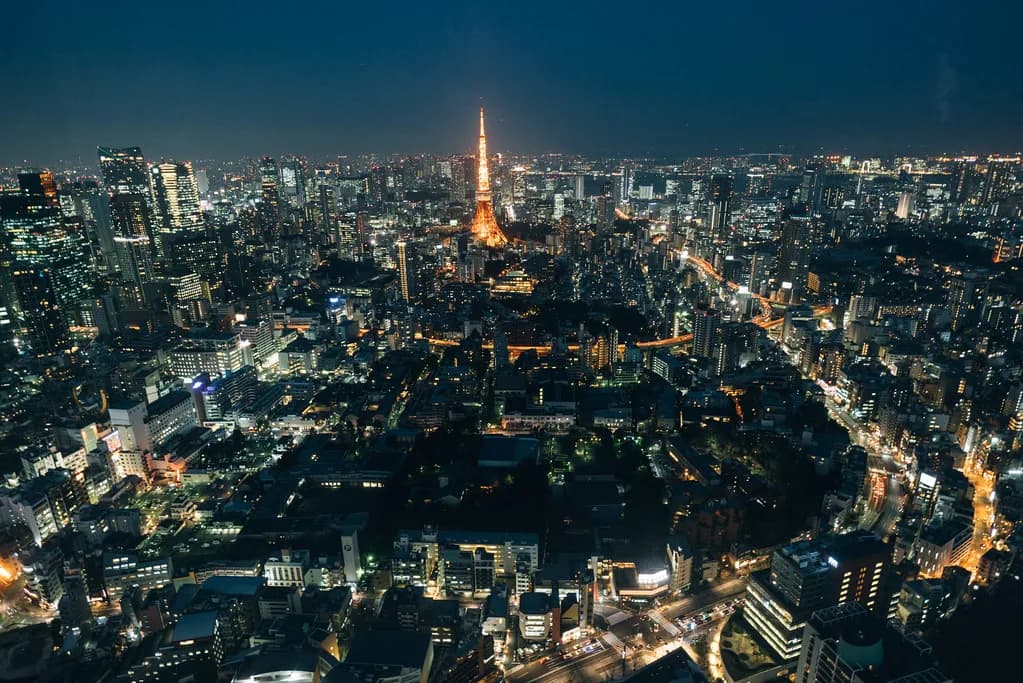
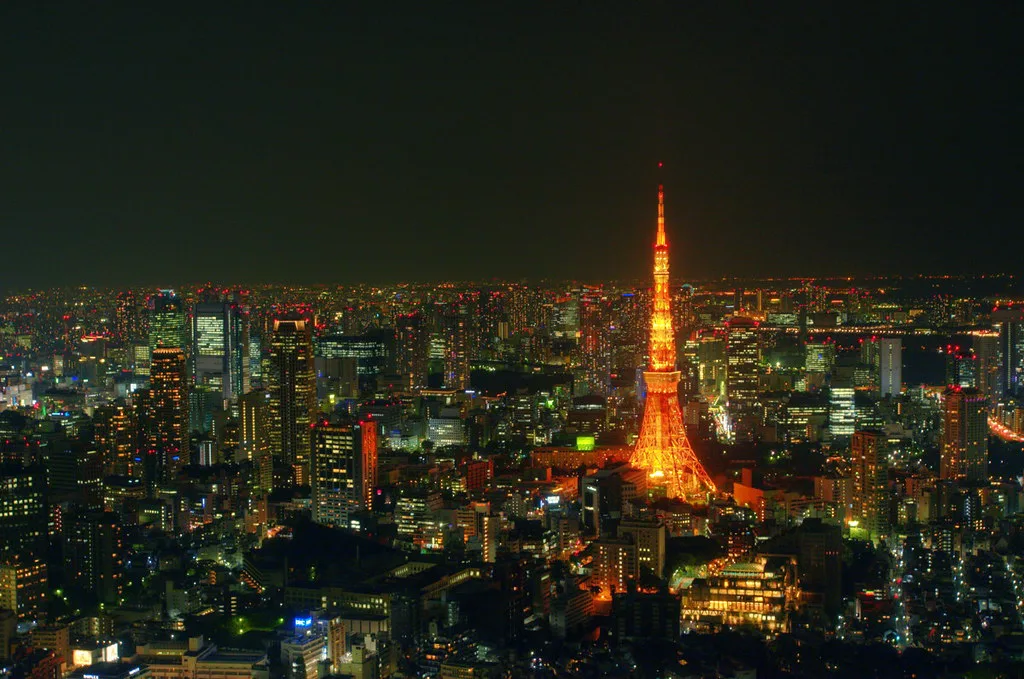
Tokyo is the obvious starting point: a city where ancient shrines sit beside futuristic architecture and the world's densest concentration of Michelin-starred restaurants. Spend time in Asakusa for traditional Tokyo, Shinjuku for nightlife and skyline views from the free Tokyo Metropolitan Government Building observatory, and Harajuku for street fashion and the Meiji Jingu shrine. The Imperial Palace East Gardens are free and open most days — an underrated half-day stop.
Kyoto, the former imperial capital, rewards slow exploration. Fushimi Inari's thousands of torii gates are iconic but genuinely crowd-free before 07:00. Arashiyama's bamboo grove is similarly best at sunrise. Beyond those landmarks, the Gion district, Nishiki Market, and the preserved machiya townhouses of Nishiki and Pontocho give a more layered picture of the city. Our guide to 20 Best Places to Visit in Japan (2026): Ultimate Travel Guide covers additional destinations.
Osaka is Japan's food capital and its most relaxed major city. Street food in Dotonbori — takoyaki, okonomiyaki, kushikatsu — costs a fraction of sit-down restaurant prices. Osaka Castle and the vibrant Shinsekai district round out a solid two-day visit. Nara, 45 minutes away by local train, adds the famous deer park and the enormous Todai-ji temple for minimal extra effort.
Beyond the Golden Route, Hiroshima and Miyajima Island make for a deeply worthwhile detour. Sapporo and Hokkaido reward visitors in both winter (skiing, the Snow Festival in February) and spring (cherry blossoms in Moerenuma Park). Kanazawa on the Sea of Japan coast is sometimes called "Little Kyoto" — comparable historic districts and geisha culture, but dramatically fewer tourists.
Beyond the Crowds: Unique Experiences in Kyoto and Tokyo
Kyoto's lesser-known temples are often as beautiful as the famous ones but far quieter. Nanzen-ji sits at the edge of the Eastern Mountains and includes a striking 19th-century aqueduct running through its grounds. Eikando, just south of Nanzen-ji, is spectacular in autumn. The Philosopher's Path connecting them is genuinely peaceful on a weekday morning. Fushimi Inari's lower gates get congested by mid-morning; if you want the iconic tunnel-of-gates photograph without crowds, arrive before 06:30.
Tokyo rewards neighbourhood-level exploration. Yanaka is an old shitamachi district that survived the 1923 earthquake and wartime bombing, leaving intact a grid of traditional wooden shopfronts, a cemetery with cherry trees, and a relaxed pace that feels nothing like central Tokyo. Shimokitazawa attracts a younger crowd — indie music venues, vintage clothing, and neighbourhood cafes rather than tourist infrastructure. Both are free to explore and rarely appear on first-timer itineraries.
Tokyo's Golden Gai in Shinjuku is a grid of roughly 200 tiny bars, each seating six to ten people, built in the postwar black-market era. Many have cover charges of ¥500–¥1,000 but welcome visitors who approach respectfully and ask first. It is one of the most authentic drinking experiences in Asia and something no guidebook photograph can adequately convey.
For an activity that cuts across both cities: soaking in an onsen. Hakone, 90 minutes from Tokyo by the Romancecar train, is the most accessible onsen town. Entry to a bathhouse runs around ¥1,000. Note that most facilities bar visible tattoos — if this applies to you, seek out private baths (kashikiri onsen), which are bookable by the hour and widely available in Hakone.
Discovering Japan's Culinary Delights: Local Foods to Try
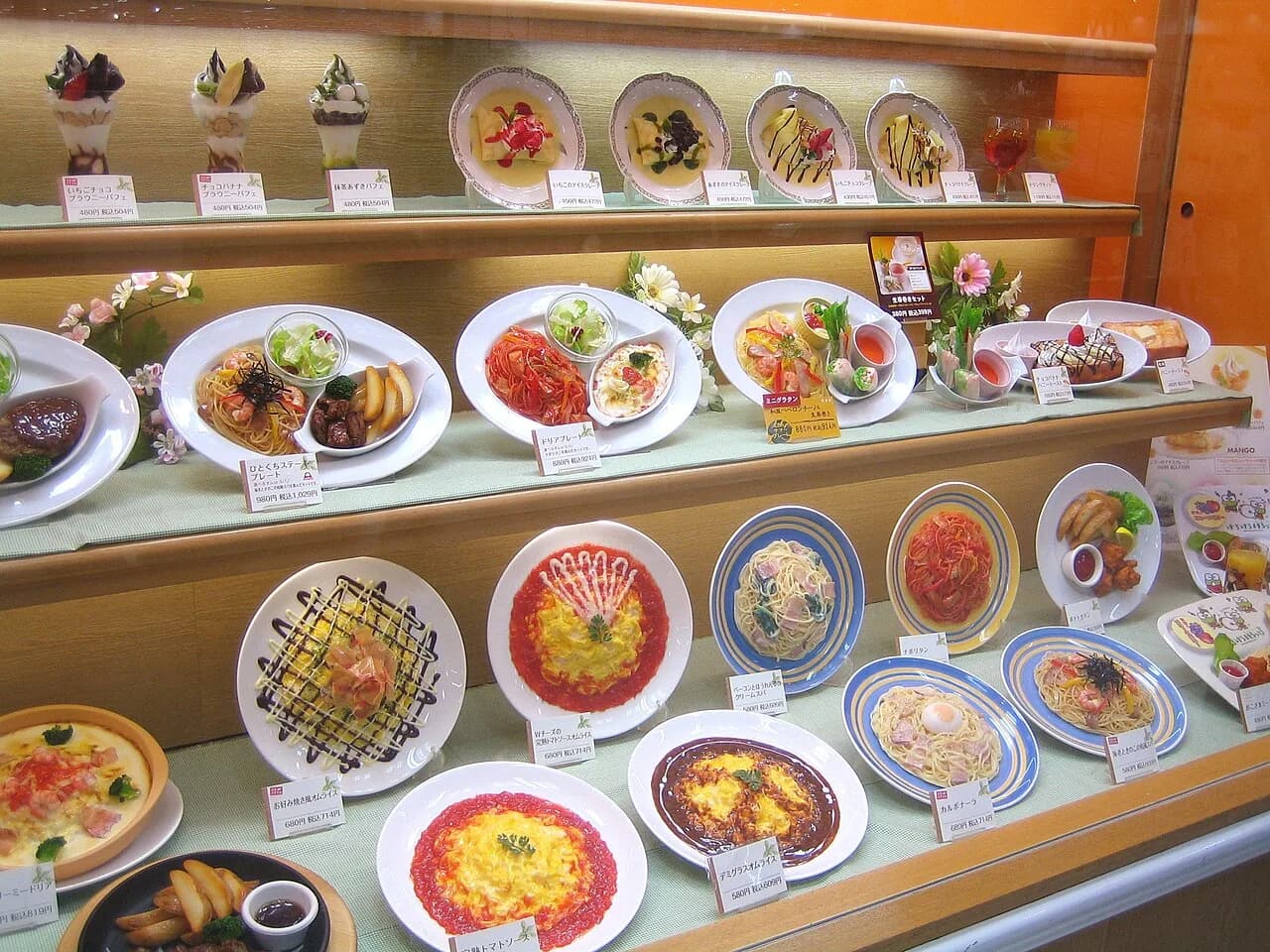
Japanese cuisine goes far deeper than sushi and ramen. Each prefecture has its own signature dish, and seeking those out region by region turns eating into its own itinerary. In Osaka, takoyaki (octopus dumplings) from a street stall and okonomiyaki (savoury cabbage pancake) are the essential starting points. Kyoto's kaiseki multi-course cuisine is expensive — budget ¥10,000–¥25,000 per person — but the city also does affordable obanzai home cooking at lunch counters in Nishiki Market.
In Tokyo, the fish markets are worth an early start. Tsukiji's outer market still operates from around 06:00 and is the best place for fresh sushi at breakfast prices. The inner market moved to Toyosu in 2018; guided tours here explain the tuna auction process if you book in advance. Sapporo's famous miso ramen — richer and more warming than Tokyo-style — makes the city worth visiting on food alone.
Convenience store food deserves mention: 7-Eleven, Lawson, and FamilyMart in Japan operate at a completely different quality tier from their Western equivalents. Onigiri (rice balls), hot nikuman (steamed pork buns), and seasonal sandwiches are genuinely good and cost ¥150–¥400. They are also reliably open 24 hours when nothing else is.
Traditional wagashi — the intricate seasonal sweets served alongside matcha — are best sampled at a tea ceremony or specialty confectioner rather than a tourist shop. The flavours are subtle and regionally specific: Kyoto's yatsuhashi (cinnamon rice wafer) is different from the mochi you'll find in Tokyo. For dietary restrictions, many restaurants are accommodating but knowing the Japanese terms for common allergies helps considerably.
Navigating Japan: Transport, Accommodation and Practical Tips
Japan's public transport is the most efficient in the world. The Shinkansen bullet train connects Tokyo to Osaka in about 2 hours 30 minutes and to Hiroshima in 4 hours. For frequent long-distance travel, evaluate carefully whether the JR Pass is worth it for your specific route — for a Tokyo–Kyoto–Osaka trip only, individual tickets often work out cheaper. The Pass pays off on trips that include Hiroshima, Kyushu, or Hokkaido.
Within cities, an IC card (Suica, Pasmo, or their regional equivalents) covers local trains, subways, and buses. Load it at any station machine, tap in and out, and avoid the faff of buying individual tickets. Most convenience stores also accept IC card payment. For long-distance bus travel between cities, Japan Bus Lines offers significantly cheaper fares than the Shinkansen, with overnight options cutting accommodation costs too.
Accommodation spans a wide range. Business hotels (APA, Toyoko Inn, Dormy Inn) start around ¥7,000–¥9,000 per night in the regions and ¥11,000+ in central Tokyo — clean, well-located, and practically oriented. Capsule hotels are a genuinely comfortable budget option at ¥3,500–¥6,000 per night and widely available in major cities. A ryokan (traditional Japanese inn) is more expensive — typically ¥15,000–¥30,000 per person with dinner and breakfast — but worth booking for at least one night to experience tatami rooms, yukata robes, and multi-course meals.
For connectivity, renting a pocket Wi-Fi device at the airport or purchasing a data-only eSIM for Japan before departure are both reliable options. eSIMs have become the simpler choice in 2026 since they activate immediately and eliminate return logistics.
Japan Travel Costs and Budgeting
Japan's reputation as an extremely expensive destination is overstated. Accommodation and transport are the main costs; food and attractions are often cheaper than in comparable Western cities. A practical daily budget breaks down roughly as follows:
- Backpacker (hostel dorm, local food, public transport): around ¥15,000 per day
- Mid-range (business hotel, eating out twice, a museum or two): around ¥26,000 per day
- Comfortable (nicer hotels, food tours, Shinkansen travel): around ¥50,000–¥75,000 per day
| Meal Type | Cost Range | Where to Find |
|---|---|---|
| Ramen or donburi (rice bowl) | ¥600–¥800 | Local noodle shops |
| Conveyor-belt sushi | ¥150–¥600 per plate | Sushi chains throughout cities |
| Sit-down restaurant dinner | ¥2,500–¥3,000 | Mid-range dining outside tasting menus |
| Kaiseki multi-course | ¥10,000–¥25,000 per person | Kyoto and upscale cities |
| Convenience store meal | ¥150–¥400 | 7-Eleven, Lawson, FamilyMart |
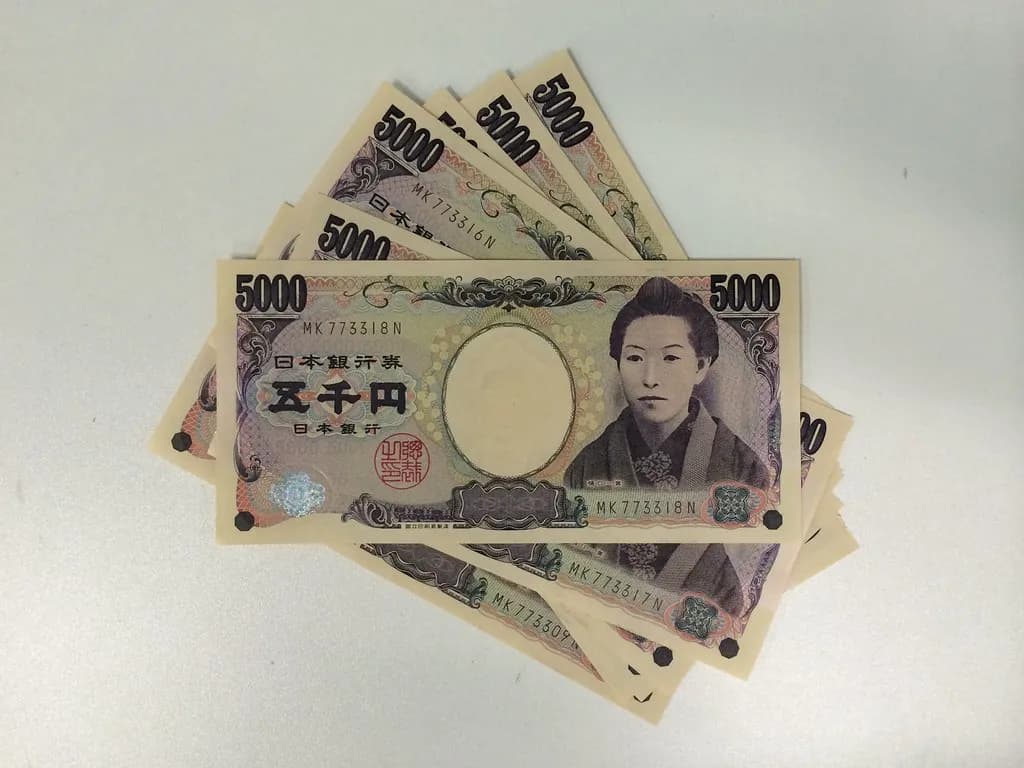
Food is where Japan surprises most visitors. A bowl of ramen or a donburi rice bowl costs ¥600–¥800 at a local shop. A conveyor-belt sushi lunch runs ¥150–¥600 per plate. Even a sit-down restaurant dinner rarely exceeds ¥2,500–¥3,000 outside of tasting menus. Eating at convenience stores or supermarkets for one meal a day is a legitimate strategy and does not feel like a compromise in Japan.
The 7-day JR Pass (currently ¥50,000 as of 2026) is only cost-effective if you plan extensive intercity travel. For a first visit covering the Golden Route plus one regional destination, individual tickets often come out similar in price. Compare the passes and individual fares for your planned stops before purchasing. Free attractions — parks, shrine grounds, temple exteriors, and most castle gardens — can fill three to four days without spending anything on entry fees.
Daily averages are a useful starting point, but trip length, room type, season, children, flights and major activities change the total quickly. Use the Japan trip cost calculator to turn those choices into one editable estimate, then read our dedicated Japan on a budget guide for ways to reduce each category.
How to Stay Safe and Handle Money in Japan
Japan is one of the safest countries in the world for tourists. Violent crime is rare, scams targeting visitors are essentially nonexistent, and the listed price is always the actual price — there are no tourist rates. Solo female travellers generally feel very safe; many train operators run women-only carriages during rush hour (marked with pink signs at platform level). Standard urban precautions still apply in crowded nightlife areas.
The main natural risks are earthquakes and typhoons. When you arrive at any accommodation, note the nearest fire exit and emergency staircase. Download an offline map before travelling so navigation works without mobile data in an emergency. The Japan Helpline nonemergency line is 0570-000-911; for emergencies dial 110 (police) or 119 (fire and ambulance).
Cash handling is where first-timers consistently get caught out. Major cities accept cards widely, but outside Tokyo, Osaka, and Kyoto — and particularly at smaller restaurants, local markets, rural shrines, and some regional transport — cash remains essential. The practical solution is 7-Eleven and Japan Post ATMs: both reliably accept foreign Visa, Mastercard, and Maestro debit cards, display English menus, and are found throughout the country including small towns. Most other Japanese ATMs, including those in convenience stores other than 7-Eleven, frequently reject foreign cards. Carry ¥20,000–¥30,000 in cash when leaving a major city.
Get an IC card (Suica or Pasmo) at any train station in Japan—load it at a vending machine and tap in/out for all local trains, subways, and buses. It also works at most convenience stores. This eliminates the need to buy individual tickets and streamlines daily travel across cities.
Travel insurance is non-negotiable. Japan's healthcare is excellent but expensive for uninsured visitors. A comprehensive policy covering medical evacuation, trip cancellation, and theft will cost far less than a single hospital visit out of pocket.
Cultural Etiquette and Blending In: What You Need to Know
Understanding Japanese etiquette is crucial for a respectful and enjoyable trip. Bowing is a common greeting; a slight nod is sufficient for tourists. Avoid loud conversations in public spaces, especially on trains — calls are typically muted, and voices are kept low.
Always remove your shoes before entering homes, traditional restaurants, and some temples. Look for shoe lockers or a step up at the entrance (called genkan). Wearing clean socks is always a good idea.
Tipping is not customary in Japan and can even be considered rude. Excellent service is expected as part of the culture. Simply offering a polite arigato gozaimasu (thank you very much) is appreciated.
Rubbish disposal in Japan requires attention: bins are scarce in public spaces, so most visitors carry a small bag for wrappers until they reach a convenience store bin. Do not eat or drink while walking in public — convenience store purchases are typically consumed near the store. Our Japanese Etiquette: A Comprehensive Guide for Travelers covers additional customs for temples, onsen, and dining in detail.
Choosing the Best Japan Travel Guidebook
The right guidebook depends on your travel style. There are two broad categories worth distinguishing before you browse. "Nuts and bolts" guides (Nomadic Matt's online guide, Lonely Planet) prioritise logistics: opening hours, prices, transport connections, hostel recommendations. "Essence and feeling" guides (DK Eyewitness, Time Out) lean into visual presentation, cultural context, and neighbourhood character. Most travellers benefit from one of each — a practical logistics reference plus a sense-of-place companion.
Among printed options, DK Eyewitness Travel Japan is excellent for its maps and visual walkthrough of major sites. Fodor's Guide To Japan provides thorough practical advice and historical context. Frommer's Guide To Japan suits travellers who want cultural depth alongside the logistics. All three are updatable via publisher supplement PDFs between print editions.
Use Amazon's "Look Inside" feature before buying: check the table of contents for the specific regions you're visiting, examine how the maps handle transit connections, and read two or three full destination entries to gauge depth. A guide that gives Kyoto three pages is less useful than one that gives it thirty. For niche interests — hiking, food tourism, traditional crafts — smaller specialist publishers often outperform the big names.
One often-missed feature: many physical guidebooks include pull-out maps, phrasebook appendices, and coupon sections. The Lonely Planet Japan phrasebook, sold separately, is genuinely worth carrying for situations where translation apps fail (crowded restaurants, rural bus stations). Whichever guide you choose, pair it with a current-year online update: Japan's opening hours and prices shift frequently, and a 2023 book may list incorrect admission fees or show closed restaurants.
Essential Resources and Packing for Japan
Preparing a good set of resources before departure makes a measurable difference once you arrive. Download offline maps (Google Maps offline areas work well for most cities; Maps.me covers rural areas). Save hotel confirmation PDFs, Shinkansen tickets, and attraction vouchers locally on your phone — network congestion at peak spots like Fushimi Inari or Shibuya Crossing can make loading QR codes slow.
Offline Japan itinerary PDFs are practical for day-by-day reference without needing data. Build your own from a spreadsheet — list each day's transport leg with times, departure station, and platform numbers researched in advance. This matters most on bullet train days where reserved seats and strict boarding times leave no room for uncertainty.
Carry a portable power bank. Japan's train stations have few accessible charging points and navigation apps drain batteries quickly. A universal adapter covers the Type A and B plugs used throughout Japan (standard voltage 100V, 50/60Hz). A lightweight packable rain jacket is worth including year-round — afternoon showers are common even in fair-weather seasons. The Japan Packing List: Seasonal & Essential Travel Guide covers gear recommendations in full.
Continue planning with 15 Best Things to Do in Yamagata Prefecture (2026).
Going deeper on this theme? Our Halloween in Japan 2026 guide covers it in detail, with the practical planning this page leaves out.
Going deeper on this theme? Our Autumn in Japan guide covers it in detail, with the practical planning this page leaves out.
Going deeper on this theme? Our Skiing in Japan guide covers it in detail, with the practical planning this page leaves out.
Going deeper on this theme? Our 8 Best Onsen in Japan guide covers it in detail, with the practical planning this page leaves out.
Going deeper on this theme? Our Japan in Winter guide covers it in detail, with the practical planning this page leaves out.
Going deeper on this theme? Our Christmas in Japan 2026 guide covers it in detail, with the practical planning this page leaves out.
Going deeper on this theme? Our New Year in Japan guide covers it in detail, with the practical planning this page leaves out.
Going deeper on this theme? Our 14 Best Festivals in Japan (2026) guide covers it in detail, with the practical planning this page leaves out.
Going deeper on this theme? Our Attractions, Neighborhoods and Itineraries guide covers it in detail, with the practical planning this page leaves out.
Going deeper on this theme? Our 11 Best Things to Do in Nagano, Japan guide covers it in detail, with the practical planning this page leaves out.
Frequently Asked Questions
How do I choose the best Japan travel guide for my needs?
Consider your travel style, budget, and desired level of detail. Look for guides focusing on cultural immersion if you want deeper insights. If you prefer practical logistics, choose a 'nuts and bolts' guide. Preview sections like maps and itineraries using online features to ensure a good fit.
What are some popular Japan travel guide options and their general strengths?
DK Eyewitness guides excel with visual content and detailed maps. Fodor's offers comprehensive practical advice and historical context. Frommer's often provides in-depth cultural information and personal recommendations. Lonely Planet is known for its budget-friendly tips and extensive coverage.
Which Japan travel guide options fit first-time visitors?
First-time visitors often benefit from comprehensive guides like Lonely Planet or DK Eyewitness. These provide broad overviews of major attractions, essential etiquette, and practical tips. Look for guides with clear maps and suggested itineraries to simplify planning.
How much time should you plan for a Japan travel guide itinerary?
Most first-time visitors find 7 to 14 days ideal for a comprehensive Japan itinerary. A 7-day trip allows exploration of Tokyo and Kyoto, while 10-14 days lets you visit more regions. Longer stays enable deeper dives into specific areas or unique experiences.
What should travelers avoid when planning a Japan travel guide itinerary?
Avoid over-scheduling your days; Japan offers so much, but rushing can detract from the experience. Do not rely solely on cash; many places now accept cards, but cash is still important. Also, avoid loud phone conversations on public transport, as it is considered impolite.
Japan truly offers an unparalleled travel experience, blending ancient traditions with futuristic innovation. This comprehensive Japan travel guide equips you with essential knowledge for your adventure. From vibrant cities to serene landscapes, every moment promises discovery.
Remember to plan ahead, embrace local customs, and seek out unique experiences beyond the main tourist trails. Utilise the resources provided to navigate transport, manage your budget, and choose the perfect guidebook. Your journey through Japan will undoubtedly be unforgettable.
Start planning your dream trip today and prepare to be captivated by the beauty and charm of Japan. We hope this guide helps you create lasting memories. Happy travels!
Plan Your Trip: More Japan Travel Guides
Use these companion guides to plan every part of your trip — when to go, how to get around, where to go, and what to pack.
Itineraries & Trip Length
- 7 Day Japan Itinerary: Tokyo, Kyoto & More (First-Timer's Guide)
- 10 Day Japan Itinerary: Ultimate First-Timer's Guide & Tips
- 2 Week Japan Itinerary: The Ultimate First-Timer's Guide
- Japan Golden Route Itinerary: The Essential First-Timer's Guide
- How Many Days in Japan? Ultimate Itineraries & Travel Guide
Getting Around & Connectivity
- Getting Around Japan: Trains, Buses, Flights & IC Cards
- Japan Money Guide: Cash, IC Cards & Going Cashless
- Bullet Train Japan
- Is the Japan Rail Pass Worth It? A Comprehensive 2024 Guide
- 9 Best eSIM for Japan in 2026
When to Go
- Best Time To Visit Japan: A Seasonal & Monthly Travel Guide
- Cherry Blossom Season Japan: Your Guide to Timing & Top Spots
Where to Go & Who With
Planning Essentials
Explore Japan by Destination
Dive into any city with our in-depth destination guides — each pairs a full "things to do" guide with a curated attractions hub of verified 2026 prices and hours.
- Beppu — top attractions
- Fukuoka — top attractions
- Hakodate — top attractions
- Hakone — top attractions
- Himeji — top attractions
- Hiroshima — top attractions
- Kagoshima — top attractions
- Kamakura — top attractions
- Kanazawa — top attractions
- Kawaguchiko — top attractions
- Kobe — top attractions
- Koyasan (Mount Koya) — top attractions
- Kumamoto — top attractions
- Kurashiki — top attractions
- Kyoto — top attractions
- Matsumoto — top attractions
- Nagasaki — top attractions
- Nagoya — top attractions
- Naha — top attractions
- Nara — top attractions
- Nikko — top attractions
- Niseko — top attractions
- Okayama — top attractions
- Okinawa — top attractions
- Osaka — top attractions
- Sapporo — top attractions
- Sendai — top attractions
- Shirakawa-go — top attractions
- Takayama — top attractions
- Tokyo — top attractions
- Yokohama — top attractions
Free: The Tokyo Essentials guide
Top things to do, where to stay, a perfect day plan, getting around, and the best time to go — a Tokyo mini-guide you can take offline.
You might also like
Continue reading
More guides you'll find useful