Bullet Train Japan: Ultimate Guide to Shinkansen Routes & Tickets
Master Japan's bullet train (Shinkansen) with our ultimate guide. Learn about routes, tickets, JR Passes, booking tips, and how to ride like a pro.
On this page
Japan's bullet train — the Shinkansen — is one of the country's most iconic travel experiences. Whisper-quiet at 320 km/h, punctual to the second, and connecting almost every major destination on the Japan Travel Guide: Plan Your Trip with Expert Tips & Itineraries circuit, it transforms long distances into short hops. This guide covers everything you need to know for 2026: routes, train types, seat classes, ticket prices, JR Pass options, and how to board with confidence.
Wondering whether all these fares justify a rail pass? Our free JR Pass Calculator compares the national pass, the regional JR passes and pay-per-ride prices for your exact route — with hand-verified 2026 fares.
Whether you are a first-timer planning a Tokyo–Kyoto run or a returning visitor trying to reach Kanazawa or Kagoshima, the sections below will help you choose the right train, the right pass, and the right seat.
For a group weighing the road instead, the Tokyo–Osaka rental car vs Shinkansen calculator compares the whole-party bill and realistic travel time.
What is the Japanese Bullet Train (Shinkansen)?
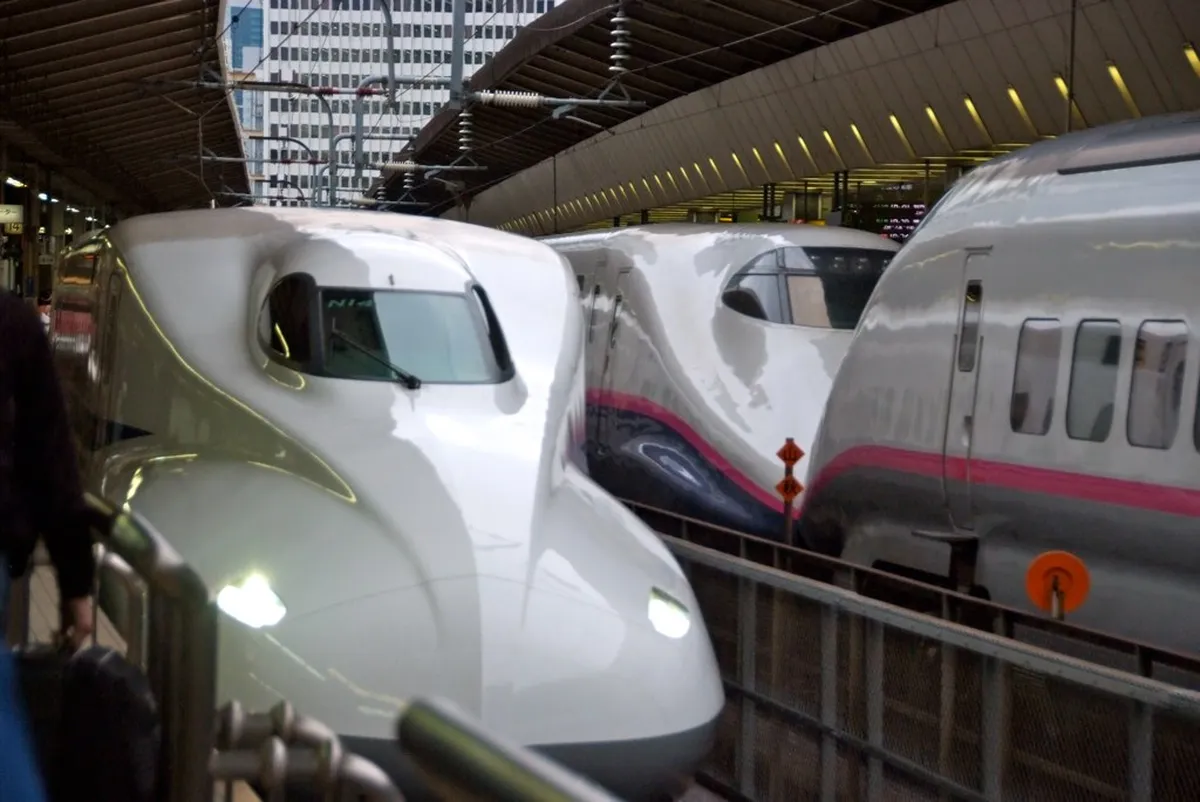
The Shinkansen (新幹線, meaning "new trunk line") is Japan's dedicated high-speed rail network, operated by the Japan Railways (JR) Group. It runs on tracks completely separate from conventional railways, which eliminates freight traffic and level crossings and is the main reason for its legendary safety record — zero passenger fatalities in over 60 years of operation.
The first line opened on 1 October 1964, the day before the Tokyo Summer Olympics, deliberately timed to showcase Japan's post-war engineering capability. Today the network covers most of Japan's main islands, from Kyushu in the south to Hokkaido in the north. Trains travel at speeds up to 320 km/h, yet the ride feels remarkably smooth and quiet thanks to active vibration-damping technology built into the cars.
Punctuality is a defining characteristic. The Tokaido Shinkansen alone runs over 130,000 journeys per year, with an average delay of just 24 seconds. Delays caused by external factors such as earthquakes or typhoons are announced immediately, and the system automatically brakes trains when ground sensors detect tremors. For visitors arriving from countries where trains run late by habit, this reliability alone makes the Shinkansen feel extraordinary.
Shinkansen Routes: Where Does the Bullet Train Go?
Japan's Shinkansen network is divided into distinct lines, each operated by a different regional JR company. Knowing which line you need matters because it affects which booking platform to use and which passes apply. The main lines for tourists are the Tokaido, Sanyo, Kyushu, Tohoku, Hokkaido, Hokuriku, and Joetsu.
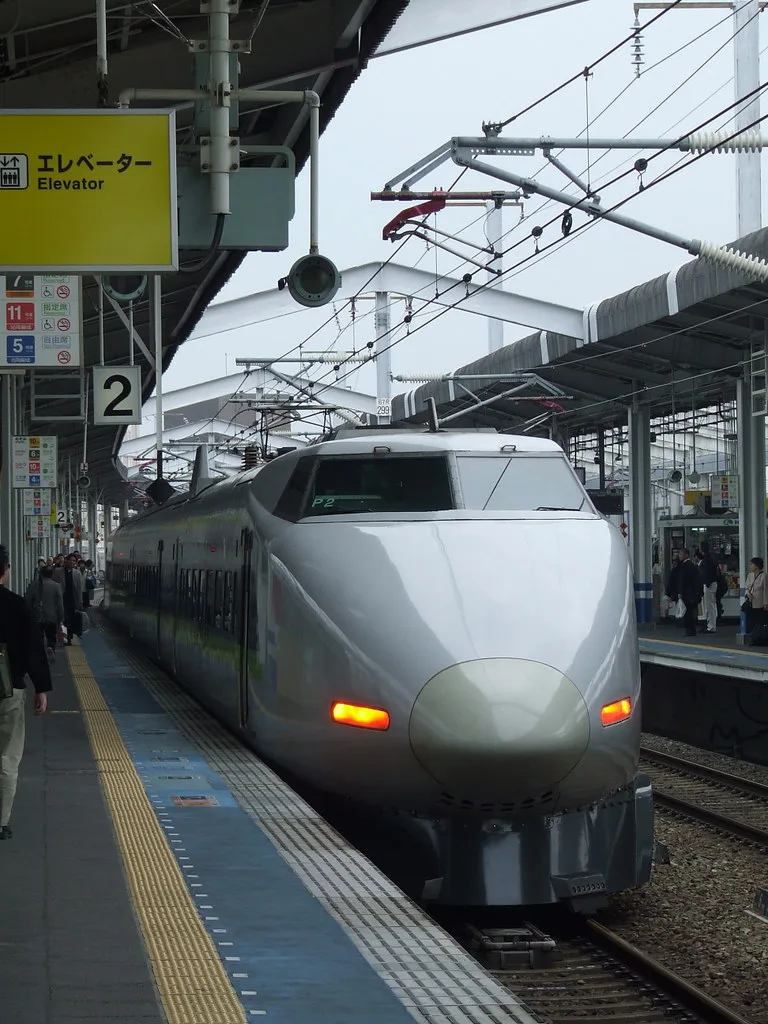
The Tokaido Shinkansen (Tokyo – Shin-Osaka) is the busiest in the world, linking Tokyo, Nagoya, Kyoto, and Osaka. It is the default choice for first-time visitors and handles over 150 million passengers per year. The Sanyo Shinkansen (Shin-Osaka – Hakata) extends the journey west through Hiroshima and on to Fukuoka. Together, Tokaido and Sanyo form a continuous corridor from Tokyo to Fukuoka — about five hours non-stop on the fastest Nozomi service.
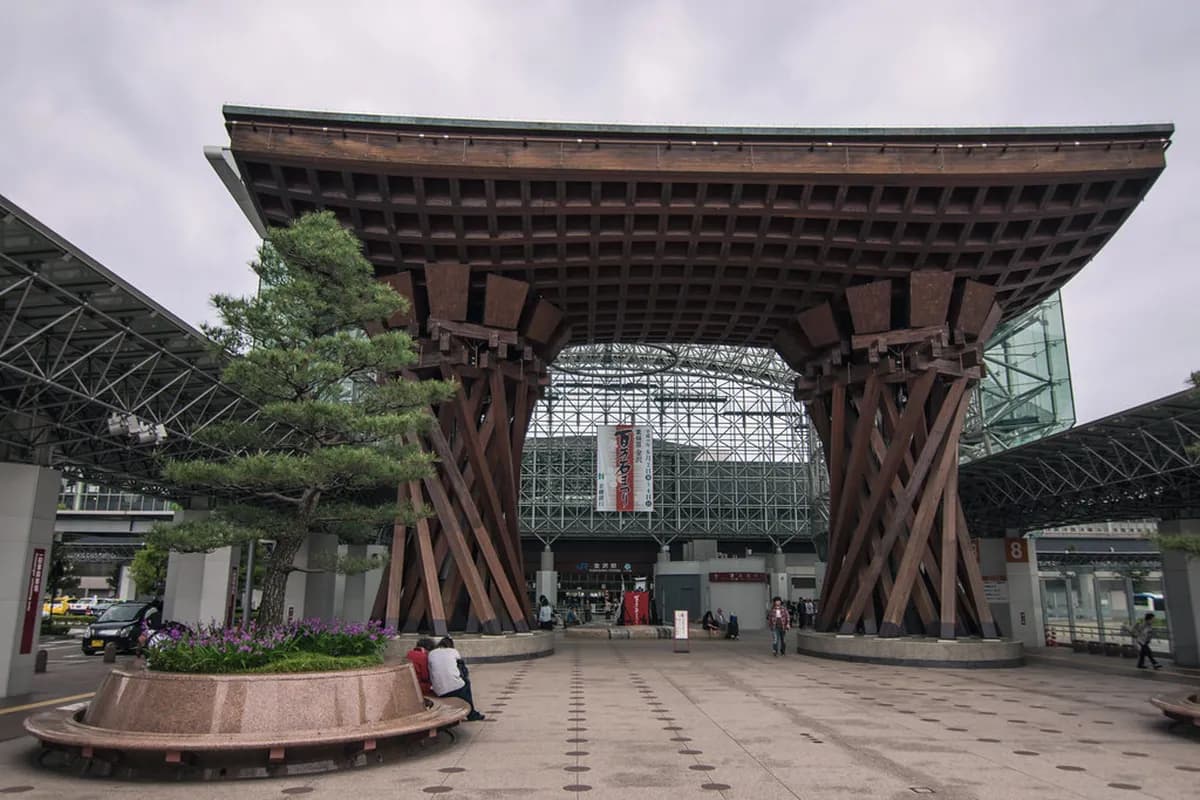
The Kyushu Shinkansen runs south from Hakata (Fukuoka) through Kumamoto to Kagoshima-Chuo, covering the southern island in roughly 1 hour 20 minutes end-to-end. Northern routes branch from Tokyo: the Tohoku Shinkansen goes to Shin-Aomori (about 3 hours), where it connects to the Hokkaido Shinkansen continuing under the sea via the Seikan Tunnel to Shin-Hakodate-Hokuto. The Hokuriku Shinkansen heads northwest through the Japanese Alps to Kanazawa (about 2.5 hours) and now extends to Tsuruga. The Joetsu Shinkansen connects Tokyo with Niigata in about 2 hours — a popular route for winter ski trips.
Types of Shinkansen Trains (And What Their Names Mean)
Within each line, multiple service levels operate — think of them like express versus semi-express. On the Tokaido and Sanyo lines, the fastest is the Nozomi (希望, "Hope"), which skips most intermediate stops and reaches Hakata in about five hours from Tokyo. Next is the Hikari (光, "Light"), which stops at more stations but is fully covered by the Japan Rail Pass and barely slower on key city-to-city legs. The Kodama (木霊, "Echo") stops at every station — useful for smaller towns or short hops.
On the Sanyo and Kyushu lines, the Mizuho (瑞穂, "Bountiful Harvest") is the fastest equivalent of the Nozomi, while the Sakura (桜, "Cherry Blossoms") and Tsubame (燕, "Swallow") are the pass-compatible alternatives. Northern lines use different naming: the Hayabusa (隼, "Peregrine Falcon") is the flagship Tohoku/Hokkaido express, reaching Shin-Hakodate-Hokuto in about 4.5 hours. On the Hokuriku line, the Kagayaki (輝き, "Glitter") is the direct Tokyo–Kanazawa service with no unreserved cars.
The JR Pass does NOT cover Nozomi or Mizuho trains on the Tokaido-Sanyo-Kyushu corridor. For every other service — Hikari, Kodama, Sakura, Hayabusa, Kagayaki, and so on — the pass is valid. Always check the service name when booking if you are a JR Pass holder.
Nozomi and Mizuho are excluded from the JR Pass — always verify the train service name when booking if you hold a pass. Every other Shinkansen service is fully covered, including Hikari, Kodama, Sakura, and Hayabusa.
- Nozomi / Mizuho — fastest, fewest stops, NOT covered by standard JR Pass
- Hikari / Sakura / Hayabusa / Kagayaki — fast, JR Pass covered, reserved seat recommended
- Kodama / Tsubame / Nasuno — slowest, all stations, good for short hops and flexibility
Shinkansen Seat Classes: Standard, Green Car, and Gran Class
Every Shinkansen has three seating categories. Standard reserved seats are the baseline: comfortable reclining seats with fold-down tray tables, and on most modern cars, a power outlet at each seat. Seat pitch is around 104 cm — noticeably more legroom than a budget airline. Unreserved cars (usually three to six cars per train) use the same seats but allow boarding without a reservation. They can fill up during peak periods, meaning you may stand.
The Green Car is Japan's business-class equivalent: wider seats (about 116 cm pitch), a quieter atmosphere, and a slightly more elevated feel. It is not dramatically more expensive — typically ¥2,000–¥4,000 more than a standard reserved seat on the Tokaido line. For a 2.5-hour Tokyo–Kyoto run with large luggage, the extra space is worth considering. JR Pass holders can upgrade to Green Car by purchasing an additional Green Car coupon or by holding a Green JR Pass.
On trains running north from Tokyo on the Tohoku, Hokkaido, and Hokuriku lines, a third tier called Gran Class operates on E7 and W7 series trains. This is genuine first-class: meals and drinks are served, seats recline nearly flat, and the ticket costs significantly more than a standard reserved fare. Gran Class is not covered by any standard JR Pass. It is a genuine splurge rather than a practical choice for most travelers, but worth knowing exists if comfort is the priority.
| Seat Class | Seat Pitch | Features | JR Pass Covered? |
|---|---|---|---|
| Standard Reserved | 104 cm | Reclining seat, fold-down tray table, power outlet at seat | Yes |
| Unreserved (Standard) | 104 cm | Same seats as reserved; no seat guarantee during peak periods | Yes |
| Green Car | 116 cm | Wider seats, quieter car, elevated service; ¥2,000–¥4,000 upcharge | Yes (with Green Car coupon) |
| Gran Class | Extra-wide | Meals & drinks served, fully reclined seats, first-class experience | No |
Shinkansen Ticket Prices: What to Expect in 2026
Shinkansen fares consist of a base fare plus a limited express surcharge. The total depends on distance, train type, seat class, and whether you choose a reserved or unreserved seat. As a general guide for 2026, one-way reserved seats on popular routes cost approximately:
- Tokyo – Kyoto: around ¥13,850 on Hikari (approx. $92)
- Tokyo – Shin-Osaka: around ¥14,720 on Hikari (approx. $98)
- Shin-Osaka – Hiroshima: around ¥7,010 on Hikari (approx. $47)
- Shin-Osaka – Hakata: around ¥9,320 on Hikari (approx. $62)
- Tokyo – Kanazawa: around ¥14,120 on Kagayaki (approx. $94)
- Tokyo – Shin-Aomori: around ¥17,670 on Hayabusa (approx. $118)
- Hakata – Kagoshima-Chuo: around ¥10,640 on Sakura (approx. $71)
Nozomi trains on the Tokaido-Sanyo line cost marginally more than Hikari for the same leg. Unreserved seats are slightly cheaper than reserved seats but unavailable on some services (Nozomi, Kagayaki, Hayabusa have no unreserved cars during peak periods). Green Car adds roughly ¥2,000–¥5,000 depending on the route. Children aged 6–11 travel at half price; under-6s ride free without a seat, or at child fare if they occupy a seat.
Understanding JR Rail Passes for Shinkansen Travel
The Japan Rail Pass is not always the cheapest option — but for visitors covering Tokyo, Kyoto, Hiroshima, and back in one trip it usually breaks even or saves money. The key is to calculate your itinerary's point-to-point fares first, then compare. You can find out if the JR Pass is worth it in detail in our dedicated guide.
Beyond the nationwide pass, JR's regional passes are often overlooked but can be far cheaper for focused itineraries. The JR East Pass (Tohoku area) costs around ¥30,000 for any five days within 14 days — less than half the price of the 7-day nationwide pass — and covers the entire Tohoku and Hokkaido Shinkansen. If you are only going north from Tokyo, this is almost certainly the better deal.
| Pass | Coverage | Shinkansen lines covered | Nozomi/Mizuho? | Best for |
|---|---|---|---|---|
| Japan Rail Pass (7-day) | All JR nationwide | Most lines (not Nozomi/Mizuho) | No | Multi-region trips Tokyo–Kyushu |
| JR East Pass (Tohoku) | Eastern Japan | Tohoku, Joetsu, Hokuriku (JR East) | No | North of Tokyo, Hokkaido |
| JR East Pass (Nagano/Niigata) | Tokyo, Nagano, Niigata | Hokuriku, Joetsu (partial) | No | Ski season, Alps, Kanazawa |
| JR West Kansai-Hiroshima Pass | Western Honshu | Sanyo (Shin-Osaka to Hiroshima) | No | Kansai + Hiroshima focus |
| JR Kyushu Rail Pass | Kyushu island | Kyushu Shinkansen | No | Fukuoka–Kagoshima loop |
| JR Hokkaido Rail Pass | Hokkaido | Hokkaido Shinkansen (partial) | No | Hokkaido-only itinerary |
All passes must be purchased before arriving in Japan (or through designated overseas agents) and activated at a JR ticket office on first use. Seat reservations with a JR Pass are free of charge but still necessary on services with no unreserved cars (Nozomi, Kagayaki, and most Hayabusa). You can get your JR Pass on Klook before departure and collect the physical pass at the airport or major stations upon arrival in Japan.
How to Book Shinkansen Tickets
You have three main options for purchasing Shinkansen tickets: online booking apps, station ticket offices, or ticket vending machines. The right choice depends on when you are booking, which line you are traveling on, and how comfortable you are with Japanese-language interfaces.
At the station, look for the Midori-no-Madoguchi (green ticket window) at major JR stations. Staff speak limited but functional English and can handle complex itineraries, JR Pass exchanges, and seat selections. Vending machines at the same counters support English and handle straightforward point-to-point purchases efficiently. This is the easiest method for same-day tickets or if you have a JR Pass.
Online, the booking platform depends on which company operates your line. JR-Central's SmartEX app covers Tokaido-Sanyo-Kyushu routes (Tokyo to Fukuoka). JR-East's Eki-Net covers routes from Tokyo northward. JR-West's e5489 site handles Shin-Osaka to Kagoshima. Tickets booked online must be collected at a station machine before boarding, unless you use a QR or IC card ticket. Tickets for the 2-week Japan itinerary are best reserved in advance for peak season legs, especially during Golden Week (late April to early May) and Obon (mid-August).
General ticket prices range from around ¥3,000 for short regional hops up to ¥20,000+ for the longest routes (e.g., Tokyo to Kagoshima-Chuo). A credit card is accepted online and at most machines; cash is accepted at counters.
Making Seat Reservations: Online vs In Person
Seat reservations are free with a JR Pass and included in the ticket price for paid reserved seats. You can travel on unreserved cars without one — but unreserved cars fill fast during peak periods and on popular morning trains. Reserving even one or two days in advance eliminates the risk of standing.
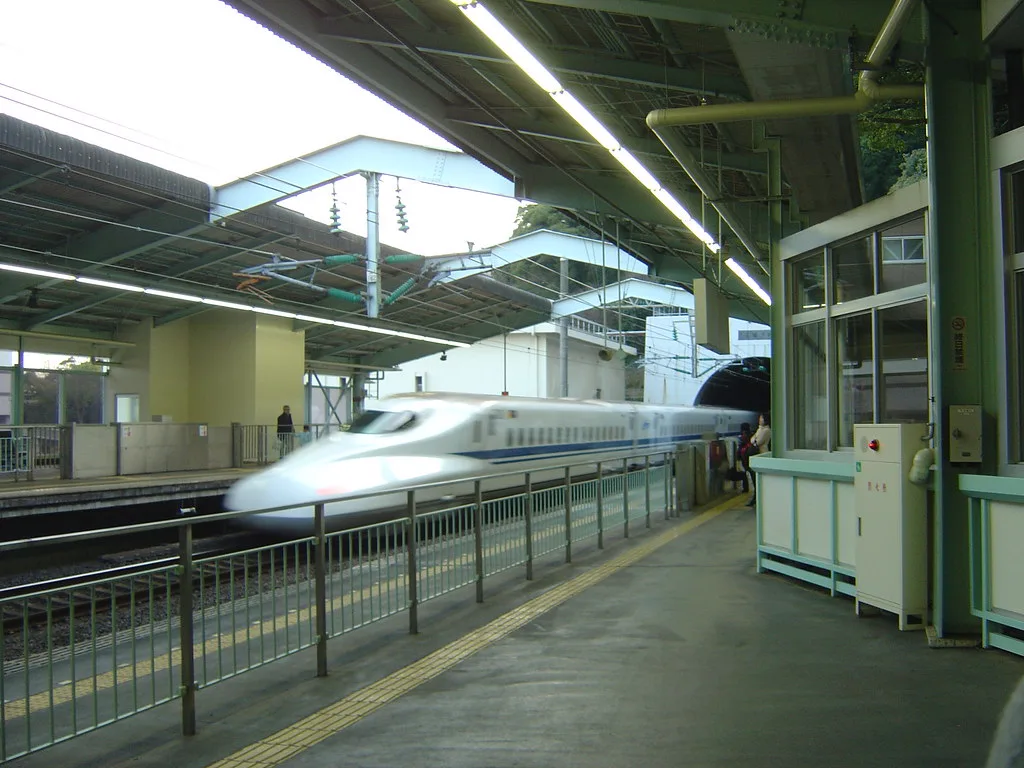
In person at a Midori-no-Madoguchi is the most straightforward method. Present your pass or ticket number, state your route, date, time, and any seating preference (window/aisle, smoking-free car). The agent handles the rest. Same-day reservations are usually fine except for the Tokaido Nozomi during rush hour.
Online reservations depend on the operator. SmartEX (JR-Central) covers trips between Tokyo, Kyoto, Osaka, Hiroshima, and Fukuoka and is the most foreigner-friendly: English interface, international credit cards accepted, and QR or IC card boarding. Eki-Net (JR-East) is older and stricter — tickets cannot be collected on the day of booking, so plan at least 24 hours ahead. JR-West's e5489 allows credit card payment at booking or payment at the vending machine on travel day.
- SmartEX (JR-Central): Best for Tokaido-Sanyo-Kyushu; English; IC card tap-and-go boarding available
- Eki-Net (JR-East): Covers Tokyo to Hokkaido; English but complex; must collect tickets before travel day
- JR-West e5489: Covers Osaka to Kagoshima; pay at booking or at machine; English available
- Midori-no-Madoguchi (in-person): Works for all lines; best for JR Pass holders or complex multi-leg bookings
Using the SmartEX App for Tokaido Shinkansen Reservations
SmartEX is the booking app for JR-Central, covering the Tokaido, Sanyo, and Kyushu Shinkansen — in other words, the main tourist corridor from Tokyo to Fukuoka. Download the app (iOS or Android), register with an email address, and add an international credit card. Registration takes about 10 minutes and can be done from your home country before the trip.
Once registered, search your route, select the date and departure time, choose your preferred car and seat on an interactive seat map, then pay. Tickets can be changed free of charge up to the departure time. After booking you have three boarding options: collect a paper ticket at any JR station machine using your pickup code, link the booking to a Suica or ICOCA IC card for tap-and-go entry, or display a QR code in the app and scan it at the gate. The IC card method is the smoothest for frequent travelers since you never handle a paper ticket.
If you are a JR Pass holder, SmartEX allows you to filter searches to Hikari, Sakura, and Kodama only — the services your pass covers — and then make free seat reservations directly. This is easier than queuing at a ticket office for every leg of a multi-city trip.
Tokaido, Sanyo & Kyushu Lines: Western Japan in Detail
The Tokaido Shinkansen (Tokyo – Shin-Osaka) is where most first-time visitors start. The route passes through Nagoya and Kyoto, with one unmissable scenery moment: on clear days, Mount Fuji is visible from the right side of the train (if traveling westbound from Tokyo) between Shin-Fuji and Shizuoka stations, usually around 40–50 minutes after departure. The Nozomi covers this route in about 2 hours 15 minutes; the Hikari takes 2 hours 40 minutes with more stops. Nozomi departs every 10 minutes or less during morning and evening peak hours, making it effectively turn-up-and-go for business travelers — but remember, JR Pass holders must use Hikari or Kodama.
The Sanyo Shinkansen (Shin-Osaka – Hakata) continues the journey west. Key stops include Himeji (for Himeji Castle, a 15-minute walk from the station), Okayama (gateway to Naoshima Art Island), and Hiroshima. The Mizuho and Nozomi are the fastest, not covered by the standard JR Pass. Sakura trains are pass-compatible and stop at Hiroshima and Kokura. From Shin-Osaka to Hiroshima takes about 1 hour 5 minutes on a Sakura; to Hakata is 1 hour 50 minutes. The Kodama stops at every station including Shin-Onomichi and Mihara — useful if you are island-hopping along the Seto Inland Sea coast.
The Kyushu Shinkansen (Hakata – Kagoshima-Chuo) opens up Japan's volcanic southern island. Kumamoto is the most popular stop for tourists — its reconstructed castle and Mt. Aso volcanic access are within day-trip distance of the station. The Sakura express reaches Kumamoto in 33 minutes from Hakata (¥4,400). Kagoshima-Chuo station sits at the foot of the active Sakurajima volcano — you can see it steaming across the bay from the station plaza.
Tohoku, Hokkaido, Hokuriku & Joetsu Lines: Northern and Central Japan
The Tohoku Shinkansen (Tokyo – Shin-Aomori, with connections to Akita and Yamagata) is the main artery for northeastern Japan. The Hayabusa is the fastest: it runs non-stop between Omiya and Sendai and reaches Shin-Aomori in about 3 hours. It has no unreserved cars, so even JR Pass holders must make a seat reservation. The Yamabiko serves intermediate stops up to Morioka and is the train to take for Sendai, the largest city in Tohoku and a useful base for Matsushima Bay. The slower Nasuno stops at all stations between Tokyo and Koriyama — the route for Nasu-Shiobara hot springs, about 70 minutes from Tokyo.
The Hokkaido Shinkansen extends from Shin-Aomori through the Seikan Tunnel under the Tsugaru Strait to Shin-Hakodate-Hokuto on Hokkaido. The full Tokyo–Shin-Hakodate-Hokuto journey takes about 4 hours 20 minutes on the Hayabusa. From Shin-Hakodate-Hokuto, a conventional JR express train connects to Hakodate in about 15 minutes. An extension to Sapporo is under construction and expected around 2030.
The Hokuriku Shinkansen (Tokyo – Tsuruga via Kanazawa) is the best route for exploring the Japan Alps and Sea of Japan coast. The Kagayaki is the direct service: Tokyo to Kanazawa in 2 hours 28 minutes, stopping only at Ueno, Omiya, Nagano, Toyama, and Kanazawa. All Kagayaki seats are reserved — there are no unreserved cars, even for JR Pass holders. The Hakutaka makes more stops (about 3 hours to Kanazawa) and has unreserved cars, useful if you want to stop at Karuizawa or Nagano. In 2024, the line extended to Tsuruga, making Fukui and the Eiheiji temple precinct newly accessible by Shinkansen.
The Joetsu Shinkansen (Tokyo – Niigata) is primarily a regional commuter line but a useful one for tourists. The Toki express reaches Niigata in about 1 hour 40 minutes. In winter, the Tanigawa service stops at Gala-Yuzawa — a ski resort literally attached to the station, making it possible to ski from the platform with no connecting transport. Niigata itself is worth an overnight stop: the prefecture produces Japan's most acclaimed sake (Kubota, Hakkaisan) and some of the country's best Koshihikari rice. The coast road north leads to Sado Island, accessible by ferry.
Riding the Shinkansen: What to Expect on Board
Arrive at the station at least 15 minutes before departure — 20–30 minutes if you are at a large station like Tokyo or Shin-Osaka and have not yet picked up your ticket. Look for the green "Shinkansen" signs to find the dedicated ticket gates, which are separate from local line gates. Insert your paper ticket into the gate slot, or tap your IC card, or scan your QR code. JR Pass holders use the staffed gate and show the pass to the attendant.
Once through the gates, find your platform from the overhead display boards (bilingual Japanese/English at all major stations). Platform floor markings show exactly where each car number will stop — this is a critical detail because Shinkansen trains are long (usually 16 cars) and the train stops for only one to two minutes. If you are in Car 1 and the car stops 200 meters from where you are standing, you will miss it. Find your car number marking and stand behind the yellow line before the train arrives.
On board, luggage goes in the overhead rack or in the space at the very front or rear of the car behind the last row of seats. Oversized baggage — defined as items with total dimensions over 160 cm — requires a prior reservation for a designated storage area at the rear of certain cars. This reservation is free but must be made when purchasing the ticket. Bringing an unreserved large bag can result in a ¥1,000 surcharge if staff check. Enter your case dimensions in the Shinkansen baggage size calculator to classify it and compare the forwarding cost. Food and drink are fully permitted. Many travelers buy an ekiben (station bento box) from the kiosk on the platform before boarding — this is a distinctly Japanese ritual worth participating in.
Keep noise down, avoid loud phone calls, and set your phone to silent. Eating is fine; strong-smelling food is frowned upon. Seats recline with a button (not by leaning back manually), so always check behind you before reclining — a small but appreciated courtesy. Train announcements on major lines are made in Japanese and English.
Shinkansen FAQs: Common Questions Answered
Many first-time visitors have questions about luggage, food, connectivity, and what happens when things go wrong. Here are the most common.
What happens if I miss my train? For reserved seats, you generally must catch the next available train on the same day on the same route. Non-reserved tickets are valid for any train on the designated route on the day of travel. For complex situations, go directly to a Midori-no-Madoguchi counter — staff can rebook you without a penalty fee in most cases.
Can I use Suica on the Shinkansen? Not for fare payment directly. Suica covers local trains, subways, and some bus lines. For Shinkansen, you can link an IC card to a SmartEX or Eki-Net booking to use it as a ticket at the gate — but the fare is charged to your SmartEX account, not deducted from your IC card balance.
Is there Wi-Fi on the Shinkansen? Most Shinkansen cars offer free Wi-Fi, but connection quality varies and can drop in tunnels. For reliable connectivity, pair the onboard Wi-Fi with a personal eSIM for Japan — especially useful for looking up onward connections mid-journey.
What about large suitcases? Items exceeding 160 cm total (length + width + height) require a designated luggage space reservation when purchasing your ticket. Most standard 26-inch roller bags are under this limit. If you are unsure, measure your bag before traveling.
- Lost item on the Shinkansen: Report to station staff immediately or call JR Lost and Found. Items are catalogued and held — recovery rates are high.
- JR Pass + Nozomi confusion: Nozomi and Mizuho are the only trains excluded. Every other Shinkansen service is pass-eligible.
- No English at the ticket machine: Press the British flag icon (English) on the touch screen at the start.
- Smoking: Prohibited in all cars; some older rolling stock has designated smoking rooms in specific cars.
Essential Tips for a Smooth Shinkansen Journey
Book seat reservations for any Tokaido Shinkansen leg during Golden Week (late April – early May), Obon (mid-August), and New Year (late December – early January). During these periods, popular trains fill up days in advance. Outside peak season, same-day reservations at the station are almost always possible.
On the Tokaido line, sit on the right side (seat letters D or E) when traveling westbound from Tokyo for the best chance of seeing Mount Fuji. It appears roughly 30–50 minutes into the journey and is only visible on clear mornings. The window is on your left when traveling eastbound toward Tokyo. In summer, cloud cover makes Fuji sightings unreliable — late autumn through early spring gives the clearest views.
To catch Mount Fuji from the Tokaido Shinkansen, book a seat on the right side (D or E) if traveling westbound from Tokyo toward Kyoto. Look out between Shin-Fuji and Shizuoka stations, roughly 30–50 minutes into the journey. Clear mornings in late autumn through early spring offer the best visibility; summer cloud cover makes sightings unreliable.
If you are doing a Tokyo–Kyoto–Hiroshima–Tokyo loop, the 7-day nationwide JR Pass at around ¥50,000 (2026 price) covers all legs on Hikari trains and saves around ¥5,000–¥10,000 compared to buying individual tickets. Add Kanazawa and the math tilts further in the pass's favor. For a short Tokyo–Kyoto–Tokyo trip only, individual Hikari tickets at roughly ¥27,700 round trip cost less than the 7-day pass — skip the pass in that case.
Finally, download station maps offline before your trip. Tokyo Station in particular has multiple Shinkansen platforms in different halls. Knowing the layout in advance — especially the difference between the Tokaido/Sanyo gates and the Tohoku/Joetsu/Hokuriku gates — prevents the frantic sprint to the wrong platform that catches many first-time visitors off guard.
Frequently Asked Questions
What is the Japanese bullet train?
The Japanese bullet train, or Shinkansen, is a network of high-speed passenger railways. It is renowned for its speed, punctuality, and safety, connecting major cities across Japan. The first Shinkansen line opened in 1964.
Shinkansen bullet train routes: Where does it go?
The Shinkansen covers most of Japan's main islands. Key routes include the Tokaido (Tokyo-Osaka), Sanyo (Osaka-Hakata), Kyushu (Hakata-Kagoshima-Chuo), Tohoku (Tokyo-Shin-Aomori), and Hokkaido (Shin-Aomori-Hakodate) lines. It connects most major tourist destinations.
Shinkansen JR Pass: Which passes cover the bullet train?
The nationwide Japan Rail Pass covers most Shinkansen lines, specifically Hikari and Kodama trains on the Tokaido/Sanyo lines, and most other lines. It does not cover the fastest Nozomi or Mizuho trains. Regional JR Passes also cover specific Shinkansen routes.
How to use the Japanese bullet train?
To use the Shinkansen, first purchase a ticket online or at a station. Arrive early, pass through ticket gates, find your platform and car, then board and enjoy the ride. Remember to make seat reservations for guaranteed seating.
What are the different types of Shinkansen trains?
Shinkansen trains vary by speed and number of stops. On the Tokaido/Sanyo lines, 'Nozomi' is the fastest, 'Hikari' is mid-speed, and 'Kodama' makes all stops. Other lines have unique names like 'Hayabusa' (Tohoku/Hokkaido) and 'Sakura' (Sanyo/Kyushu).
The Shinkansen is the backbone of Japan travel. Once you know which line serves your route, which train type your pass covers, and how to use the booking platform for that region, the rest falls into place. The trains run on time, the stations are well-signed in English, and the experience of watching Japan's countryside blur past at 300 km/h is one that stays with you long after the trip ends.
Plan your Shinkansen legs early — especially peak season reservations — and the rest of your itinerary will slot in around them naturally. Safe travels on your Shinkansen journey.
Other shinkansen-served stops worth a visit include Himeji and Kurashiki.
Free: The Tokyo Essentials guide
Top things to do, where to stay, a perfect day plan, getting around, and the best time to go — a Tokyo mini-guide you can take offline.
You might also like

Continue reading
More guides you'll find useful