12 Best Things To Do In Noboribetsu: The Ultimate Onsen Guide (2026)
Discover the best things to do in Noboribetsu, from the steaming Hell Valley to natural footbaths and demon festivals. Includes maps, transport tips, and ryokan picks.
On this page
After three visits to Hokkaido over the last five years, I still find the sulfur-rich air of Noboribetsu to be the most evocative scent in Japan. This volcanic town offers a theatrical landscape where steam rises from the earth and giant demon statues guard the street corners. Our editors have reviewed every neighborhood to bring you a guide that balances iconic sights with quiet, local corners.
This guide was last refreshed in April 2026 to include current bus schedules and the latest entry requirements for the thermal parks. Noboribetsu remains a premier destination for those seeking the healing powers of nine different types of thermal water. Whether you are here for a day trip or a luxury stay, the raw power of Hell Valley never fails to impress.
Planning your trip requires understanding the unique layout of the town, which stretches from the JR station to the mountain base. You will find that most attractions are walkable once you arrive in the central hot spring district. This article covers everything from the legendary 'Story of Love' to the best spots for autumn foliage photography.
Useful resources: the Noboribetsu Onsen tourism association and Japan Guide's Noboribetsu page have up-to-date onsen and access details.
Key Takeaways
- Best Overall Attraction: Jigokudani (Hell Valley) for its raw volcanic power and easy boardwalk access.
- Best Free Activity: The Oyunuma Natural Footbath offers a relaxing soak in a steaming forest river.
- Best for Families: Noboribetsu Date Jidai Village provides interactive ninja shows and historical fun.
- Insider Tip: Visit Hell Valley at night to see the 'Demon's Path' illumination without the daytime crowds.
12 Best Things To Do In Noboribetsu
Exploring this volcanic wonderland requires a mix of outdoor hiking and deep cultural immersion in the local hot spring traditions. Most visitors start their journey at the steaming crater of Jigokudani before heading deeper into the forest for a natural soak. We have curated this list to ensure you experience both the famous landmarks and the hidden cultural quirks of the town.
The following items represent the absolute highlights that make Noboribetsu a unique stop on any Hokkaido itinerary. Prices and operating hours are subject to seasonal changes, so checking the Noboribetsu Onsen Guide: 10 Essential Things to Know and Do before your departure is highly recommended. Wear comfortable walking shoes as many of these sites involve uneven boardwalks or forest trails.
While the town is famous for its 'hellish' imagery, you will find the hospitality here to be incredibly warm and welcoming. Families will particularly enjoy the interactive theme parks located just a short bus ride from the main onsen terminal. Solo travelers often prefer the quiet morning hours at the footbath when the forest is most peaceful.
- Hike the Boardwalks of Jigokudani (Hell Valley)
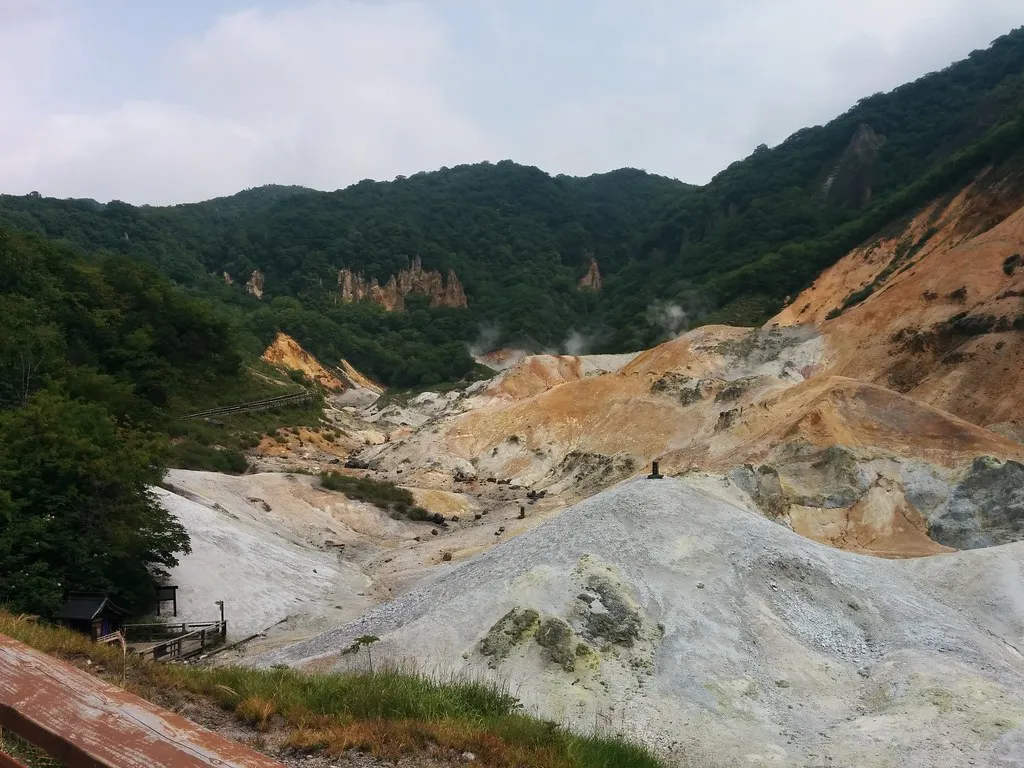
- Steam rises from yellow sulfur vents across this dramatic volcanic crater in Shikotsu-Toya National Park.
- Entry is free and the site remains open 24 hours for atmospheric night strolls along illuminated paths.
- Walking the full loop takes about 45 minutes and is best done in sturdy shoes.
- Arrive before 9am to avoid the large tour buses that dominate the narrow boardwalks later.
- Soak Your Feet at Oyunuma Natural Footbath
- This natural hot spring river flows through a lush forest, providing a free and relaxing outdoor spa experience.
- Access is available daily from sunrise to sunset at no cost to visitors exploring the forest trails.
- Follow the marked path from Oyunuma Pond for about 20 minutes to reach this steaming woodland stream.
- Bring a small towel to dry your feet as there are no rental facilities at the riverside.
- Travel to the Edo Period at Noboribetsu Date Jidai Village
- This historical theme park features ninja shows, geisha performances, and traditional architecture from Japan's Edo era.
- Tickets cost roughly $23 per adult and the park operates daily from 9am to 5pm.
- Take a local bus from the main onsen terminal for a short ten-minute ride to the gate.
- Don't miss the ninja house where hidden doors and trick floors provide a fun interactive experience.
- Watch the Face-Changing Enma Daio at Enmado Temple
- The mechanical King of Hell statue performs a dramatic face-changing ceremony several times throughout the day.
- Viewing is free of charge and performances typically occur at 10:00, 11:00, 13:00, 15:00, 17:00 and 21:00.
- The temple is located right on the main Gokuraku shopping street near the center of town.
- Check the posted schedule on the temple door as times can shift during the winter season.
- Take the Ropeway to Noboribetsu Bear Park ropeway
- A scenic cable car ride whisks visitors to a mountain summit inhabited by over 70 brown bears.
- Standard admission including the ropeway is approximately ¥2,600 per adult with daily hours from 9am to 4:30pm.
- The ropeway station is a five-minute walk from the central bus terminal up a steep hill.
- Visit the 'Human Cage' observation area to see the bears from a safe, ground-level perspective.
- Feel the Power of the Sengen Park Geyser
- This accessible geyser erupts with a thunderous roar every three hours, sending clouds of steam into the air.
- The park is free to enter and remains open 24 hours a day for passing visitors.
- You can find this site at the entrance of the onsen town near the large red demon statue.
- Wait for the rumbling sound to start before readying your camera for the dramatic steam release.
- Hunt for the Nine Lucky Demon Statues
- Nine unique demon statues are hidden throughout the town, each representing a different type of good fortune.
- Searching for these statues is a free activity that takes you through the main shopping and residential areas.
- Pick up a free walking map at the visitor center to track your progress across the town.
- Look for the 'Business Demon' near the bank and the 'Study Demon' near the local school.
- Walk the Shores of the Steaming Oyunuma Pond
- This massive sulfurous pond maintains a surface temperature of 50 degrees Celsius and glows with a grey-blue hue.
- The surrounding viewpoints are free to access and are open during daylight hours throughout the year.
- A paved road leads from Hell Valley to the pond, taking about 15 minutes by foot.
- Observe the boiling mud pools near the shore but stay behind the safety railings at all times.
- Hike the Lush Trails of Mt. Hiyori
- The summit of this active volcano offers panoramic views of the steaming ponds and the Pacific Ocean.
- Hiking the trails is free, though the paths may close during periods of high volcanic activity.
- Start your ascent from the Oyunuma parking lot for the most direct route to the observation deck.
- Wear long sleeves even in summer to protect against the biting insects found in the dense brush.
- Soak in the Historic Baths of Dai-ichi Takimotokan
- This legendary hotel features 35 different baths and views directly overlooking the steaming Hell Valley crater.
- Day-use tickets cost ¥2,250 per person (09:00–16:00) or ¥1,700 after 16:00, open to visitors daily.
- The hotel sits at the very end of the main street, right next to the Hell Valley entrance.
- Try the acidic green water bath which is famous for its skin-healing properties and historical significance.
- Peer into the Bubbling Tessen Pond Geyser
- Located at the heart of Hell Valley, this small geyser periodically boils over with hot, mineral-rich water.
- Viewing is included with your free entry to the Jigokudani boardwalk system at any time of day.
- Follow the central boardwalk to the very end of the valley to find this enclosed pool.
- The steam here is particularly thick, so be prepared for your glasses or camera lens to fog up.
- Attend the Dramatic Oni-Hanabi Demon Fireworks
- Local performers dressed as demons set off handheld fireworks in a ritual dance to ward off evil spirits.
- The event runs from early June to late July on specific weeknights, starting at 20:30 and lasting about 30 minutes.
- The performance happens at the Hell Valley observatory, and closed-toe shoes are required in the viewing area.
- Arrive at least 30 minutes early to secure a spot with a clear view of the demon dancers.
The Story of Love: Kinzo Takimoto's Legacy
The history of this town is deeply intertwined with the devotion of a man named Kinzo Takimoto. In the 1850s, Kinzo moved from Edo (present-day Tokyo) to this rugged volcanic wilderness specifically to find a cure for his wife Sata's severe dermatosis. He believed the mineral-rich waters of the valley held the key to her recovery and built a small bathhouse at the base of Jigokudani.
His efforts were successful, and as word of the healing waters spread, he expanded the facility into a proper inn. This humble beginning eventually grew into the massive Dai-ichi Takimotokan, which remains the town's most famous landmark today. In 1953, Kinzo's descendants renamed the inn in his honor, and a monument near the hotel entrance still marks where it all began.
Understanding this 'Story of Love' adds a layer of human warmth to the otherwise harsh, sulfurous landscape of the valley. Many visitors feel a sense of gratitude for Kinzo's persistence as they soak in the very same springs he once curated. The town celebrates this legacy by maintaining the high standards of thermal therapy that he originally established.
What few guides mention is that the Ainu people — Hokkaido's indigenous community — knew about these springs long before Kinzo arrived. They called the river "Nupuru Pet," meaning "murky river" in the Ainu language, and regarded the thermal waters as sacred. Today, the Noboribetsu Bear Park includes a recreated Ainu village at its summit, offering one of the most accessible glimpses into that culture anywhere in Hokkaido.
Explore the Steam of Jigokudani (Hell Valley)
Jigokudani is the lifeblood of the town, providing the thermal energy and mineral water for every local ryokan. The valley was formed by an eruption of Mt. Kuttara approximately 20,000 years ago, leaving behind a scarred, beautiful landscape. Walking along the wooden boardwalks allows you to see the boiling vents and sulfurous streams up close.
The scent of sulfur is unavoidable here, but most travelers find they grow accustomed to it within minutes. During the autumn months, the surrounding hills ignite with red and orange maple leaves, contrasting sharply with the grey crater. Visiting just after sunset when the 'Demon's Path' is lit by flickering lanterns creates a genuinely spooky atmosphere that daytime visits cannot replicate.
If you have the stamina, continue past the main boardwalks toward the forest trails that lead to Oyunuma Pond. Along the way, keep an eye out for Japanese Sika deer that graze near the pond edges in the early morning. Always stay on the marked paths as the ground near the vents can be unstable and dangerously hot.
Soak in the Oyunuma Natural Footbath
The walk from the main valley to the natural footbath is one of the most rewarding short hikes in the region. Tall birch and maple trees shade the path, which follows the steaming River Oyunuma fed by volcanic activity beneath the pond just upstream. Plan for about 20–30 minutes of easy walking each way from the Hell Valley car park.
When you reach the footbath area, you will find bamboo seating and padded mats along the river's edge where you can sit and dangle your feet in the water. The temperature varies depending on the weather but usually stays around a comfortable 40 degrees Celsius. Small stones on the riverbed provide a natural massage for tired feet after a long morning of walking.
This experience is entirely free, making it a favorite for budget-conscious travelers and local hikers alike. Bring a small towel from your ryokan — there are no facilities at the riverside — and slip your sandals off while you linger. In winter, the contrast between falling snow and rising steam creates a scene that rewards every extra layer you wore to get there.
Experience a Traditional Onsen Ryokan
Staying overnight in a ryokan is the best way to fully appreciate the culture of this hot spring town. Most inns offer a variety of baths, ranging from indoor cedar tubs to outdoor 'rotenburo' with views of the mountains. You can find excellent options like the Noboribetsu Onsengo Takinoya for a truly luxury experience.
The evening meal is typically a multi-course kaiseki feast featuring fresh seafood from the nearby Uchiura Bay. Expect to see local delicacies like hairy crab, scallops, and Hokkaido beef served with seasonal vegetables. If you are looking for a more family-friendly stay, the Park Hotel Miyabitei offers spacious rooms and a buffet-style onsen dinner that suits picky eaters.
For those who cannot stay overnight, many hotels offer day-use tickets for their public baths. Dai-ichi Takimotokan charges ¥2,250 per adult (09:00–16:00) or ¥1,700 after 16:00, while the Noboribetsu Grand Hotel offers access for ¥1,500. The Grand Hotel's day pass includes its famous Roman bath with a domed ceiling and Japanese garden outdoor pools — a strong value for solo travelers not committing to an overnight booking. Be sure to also check our guide on Where To Stay In Noboribetsu: Best Ryokans & Hotels Guide to find the perfect match for your travel style.
Onsen Etiquette: What You Need to Know
First-time onsen visitors sometimes feel anxious, but the rules are straightforward and apply at every bath in town. Always shower thoroughly at the individual shower stations before entering any communal pool — this is non-negotiable and deeply embedded in bath culture. Soap and shampoo are provided at the shower stations; use them fully before stepping into the shared water.
- Bathing is done without swimwear. Everyone is in the same position, and nobody pays attention.
- Bring a small towel into the bath area to cover yourself as you walk between pools. Never put the towel into the water — fold it on your head or leave it at the pool edge.
- No photography anywhere near the baths. This rule is strictly enforced.
- Keep noise low. The onsen is a rest space, not a social gathering.
- Drink water before and after soaking — the mineral-rich baths are dehydrating, especially in winter when you may stay longer than intended.
- Tattoos: many ryokan in Noboribetsu still formally restrict tattooed visitors in communal baths. Check your specific property before booking. Some hotels offer private baths (kashikiri) that can be reserved hourly for groups or tattooed guests.
If you are shy about your first onsen visit, go during off-peak hours — early mornings (06:00–08:00) or late evenings after 21:00. The Grand Bath at Dai-ichi Takimotokan is at its quietest then, and you can explore all 35 pools at a leisurely pace without waiting in line.
Step Back in Time at Noboribetsu Date Jidai Village
Historical immersion awaits at this meticulously recreated Edo-period village located on the outskirts of the main town. The park is designed to look like a bustling 17th-century town, complete with samurai residences and traditional merchant shops. You can book Noboribetsu Date Jidai Village Tickets in advance to skip the morning lines at the entrance.
The highlight for many is the high-energy ninja show at Kasumi Ninja House, which features impressive acrobatics and stage illusions. Children often enjoy the maze-like ninja house where they can search for hidden panels and secret escape routes. The oiran courtisan show at the Japanese Culture Theater offers a more refined look at traditional arts through music and costumed performance.
Photographers will love the chance to rent traditional kimonos or samurai armor for a walk through the park's scenic streets. While it is a theme park, the attention to architectural detail makes it feel surprisingly authentic and educational. Plan to spend at least three hours here to see all the major shows and explore the various museum exhibits.
Witness the Transformation at Enmado Temple
Mechanical theater brings the legend of Enma Daio, the Ruler of Hell, to life in the center of the shopping district. For most of the day, the large statue sits peacefully behind a glass window with a serene, judging expression. At scheduled intervals — typically 10:00, 11:00, 13:00, 15:00, 17:00 and 21:00 — the statue's face turns red, its arms move, and it begins to shout in a booming voice.
This performance represents the moment Enma passes judgment on the souls that enter the underworld. It is a short show, lasting only about five minutes, but it always draws a large crowd of curious onlookers. The temple is conveniently located near several excellent ramen shops, making it an easy stop before or after lunch.
Watching the transformation at night is particularly effective, as the red lighting makes the demon look even more imposing. There is no cost to watch, so it is one of the best free entertainment options in the town. Make sure to check the performance board outside the temple as the schedule can change during festival days.
Meet the Residents of Noboribetsu Bear Park
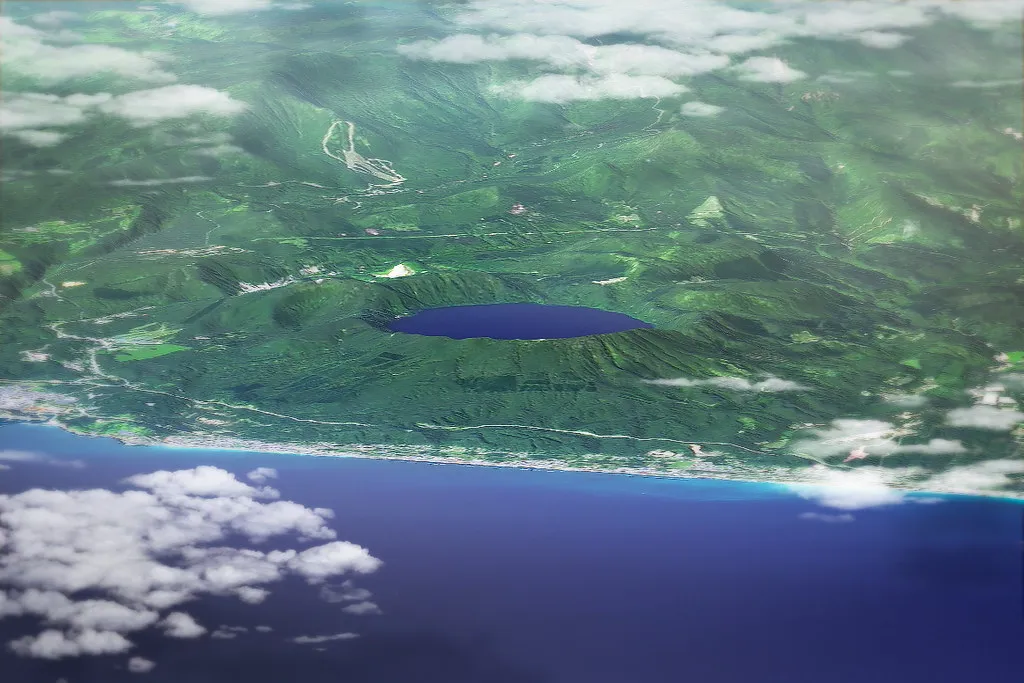
Mountain views accompany the journey to this unique wildlife park situated on the summit of Mt. Shihorei. The only way to reach the park is via a seven-minute ropeway ride that offers stunning glimpses of Lake Kuttara — a perfectly round volcanic caldera with some of the clearest water in Japan. Once at the top, you can observe Hokkaido brown bears in several large, open-air enclosures.
The park includes a small museum dedicated to the brown bear's biology and its role in local Ainu folklore. There is also a recreated Ainu village on site where you can learn about the indigenous culture of Hokkaido, including traditional crafts and the Ainu relationship with the natural thermal landscape. Feed the bears a bag of treats — they have learned to 'beg' in very entertaining ways.
While the bear park is a popular attraction, some visitors find the enclosures to be smaller than modern zoo standards. If you are short on time, prioritize the natural volcanic sites, but families with children will likely enjoy the interactive elements here. The summit also features an observation deck with some of the best views of the Pacific coastline in the area.
See the Sengen Park Geyser Erupt
Steam whistles through the iron grates at Sengen Park, a small plaza located near the entrance to the onsen town. This site is home to a powerful geyser that erupts approximately every three hours from a deep underground source, with each eruption lasting around 50 minutes. The park was built to commemorate Noboribetsu's 150 years as a hot spring town.
Surrounding the geyser are nine large demon clubs — 'kanabo' — which represent the nine different types of hot spring in town. It is a quick and easy stop that requires no hiking, making it accessible for visitors of all mobility levels. The park is beautifully lit at night, providing a great backdrop for photos with the town's signature demon statues.
If you miss the eruption, you can still feel the heat radiating from the ground and hear the water boiling below. Most people spend about ten to fifteen minutes here before continuing on to the main shopping street. It serves as a great reminder that the entire town is built directly on top of a very active volcanic system.
Go "Oni Hunting" for Local Demon Statues
Statues hide in plain sight throughout Noboribetsu, turning a simple walk into a fun scavenger hunt for visitors. The town has embraced its 'Hell' theme by placing various 'Oni' (demons) in strategic locations to guard the residents. Each statue has a specific meaning, such as the 'Love Demon' who helps couples find lasting happiness together.
You can find the 'Business Demon' standing guard near the local bank, ensuring prosperity for the town's merchants. The 'Study Demon' is located near the library and is a popular stop for students hoping for good exam results. Finding all nine statues is a great way to explore the side streets and discover local shops you might otherwise miss.
This activity is completely free and is a hit with children who enjoy checking the demons off their list. The visitor center provides a 'Demon Map' that gives the backstory and location for each of the lucky guardians. Don't forget to take a photo with the massive red and blue demons at the Yuzawa Shrine — the pair standing at the shrine's stone staircase are among the most photographed in town.
Where to Eat in Noboribetsu
Most ryokan include kaiseki dinners in the room rate, but if you are eating out — or just exploring between baths — the town has several excellent options. The standout is Enmaken (閻魔軒), a tiny ramen shop about one block south of Enmado Temple with a teal exterior and red flags at the entrance. Their signature dish is "Hell Ramen" (Enma Ramen), a fiery spicy bowl that regulars describe as one of the best ramen in Hokkaido. The menu is small by design — a reliable sign of quality — and the kitchen also does a rich Chashao ramen topped with slow-braised pork for those who want to skip the heat.
Onsen eggs (onsen tamago) are the essential Noboribetsu snack. Look for vendors near Hell Valley selling eggs cooked slowly in the 70-degree spring water, resulting in a uniquely silky, custardy yolk. They cost about ¥200 for two and are best eaten right at the boardwalk with a light sprinkle of salt. For a more filling lunch, Fukuan Soba on the main onsen street does excellent cold soba and warm kakiage tempura bowls using Hokkaido buckwheat.
Before leaving town, pick up a bag of Onsen Manju from one of the shops along Gokuraku Street. These steamed buns with sweet red bean paste are Noboribetsu's most iconic souvenir and taste best warm, straight out of the steamer. Demon-themed sweets, locally made bath salts, and hand-painted ceramics also make excellent omiyage gifts.
How to Get to Noboribetsu Onsen
Transport options vary depending on your starting point, but most travelers arrive from Sapporo or New Chitose Airport. The most efficient way from Sapporo is the JR Limited Express Hokuto or Suzuran train from Sapporo Station to Noboribetsu Station, a journey of about 1 hour 15 minutes with a fare of approximately ¥4,780. From the station, transfer to a Donan Bus for a 15-minute ride (¥350) up the hill to the onsen district.
A direct highway bus run by Donan Bus departs daily from Sapporo Eki Mae (stop No.7) at 13:40 and arrives directly at Noboribetsu Onsen, taking about 1 hour 50 minutes for a fare of ¥2,500. This is often the easiest option as it eliminates the train-to-bus transfer. From Hakodate, the JR Limited Express Hokuto takes about 2 hours 33 minutes to Noboribetsu Station (¥7,460); many travelers on the Sapporo–Hakodate corridor stop here overnight using a JR Pass.
Renting a car provides the most flexibility, especially if you plan to visit 15 Best Things to Do in Lake Toya on a day trip. The drive from Sapporo takes about 1.5 hours via the Hokkaido Expressway (道央自動車道), exiting at Noboribetsu-Higashi Interchange (登別東IC), with tolls around ¥3,000. For more detailed instructions, see our guide on how to get to Noboribetsu from Sapporo.
Best Time to Visit and Seasonal Festivals
Seasons change the character of the town dramatically, with each offering a unique reason to visit the hot springs. Autumn is arguably the most popular time, as the foliage in the valley peaks during mid to late October. Winter brings heavy snow from December through February, which creates a stunning 'snow-viewing' rotenburo experience — sinking into hot mineral water while snowflakes land on your shoulders is genuinely transformative.
Summer visitors can catch the Oni-Hanabi (Demon Fireworks) running from early June to late July on selected weeknights at 20:30. The Jigoku Matsuri (Hell Festival) takes place over the last weekend of August, when Enma Daio's statue is paraded through the streets alongside taiko drumming and demon dancers. Spring (April to May) is the quietest season, offering lower hotel rates, wildflower-carpeted forest paths, and the blooming of cherry trees near the station.
A useful packing guide by season: bring micro-spike shoe covers for the icy boardwalks in winter; a compact rain shell and light gloves for the shoulder season; and sunscreen, insect repellent, and a quick-dry hiking shirt for summer. Regardless of season, carry a small towel and bring water — the baths are dehydrating in all temperatures. Check our detailed breakdown of the Best Time to Visit Noboribetsu: 8 Essential Planning Tips for specific weather and packing tips.
Lake Kuttara: The Day Trip Most Visitors Skip
About a 20-minute drive from the onsen district sits Lake Kuttara, a perfectly circular volcanic caldera lake that rarely appears on standard Noboribetsu itineraries. The water is rated among the clearest in Japan — visibility can exceed 20 meters — and the lake has no rivers flowing in or out, which keeps its mineral content uniquely stable. From the viewpoint above the shoreline, the water shifts between deep cobalt and bright turquoise depending on the light.
In autumn, the maple and birch trees that ring the lake turn into a wall of crimson and gold that reflects in the still water. A lakeside walking path takes about 30 minutes at a gentle pace, and a small refreshment stand operates from late spring through October. There is no public bus; access requires a car or taxi from the onsen district (roughly ¥2,000 one way). If you have rented a car, it makes a natural pairing with the Bear Park ropeway, whose summit also overlooks the lake from above.
Most online Noboribetsu guides pass over Lake Kuttara entirely, defaulting to the Bear Park or Jidai Village for day-trip content. The lake is better suited to travelers who want quiet nature without an admission fee, and it rewards an early morning visit before the tour buses arrive in town. Combine it with a stop at Okunoyu Pond on the return walk through Hell Valley for a half-day loop that covers Noboribetsu's best volcanic scenery end to end.
Planning the Rest of Hokkaido
Noboribetsu is one stop on a bigger Hokkaido trip. Start with our things to do in Hokkaido region guide, then explore the other areas:
- Attraction guides: ticket prices, hours & maps for Noboribetsu's top attractions.
- things to do in Furano
- things to do in Asahikawa
- things to do in Sapporo
Going deeper on this theme? Our 7 Best Foods to Eat in Noboribetsu guide covers it in detail, with the practical planning this page leaves out.
Frequently Asked Questions
Is Noboribetsu worth a day trip from Sapporo?
Yes, Noboribetsu is highly worth a day trip due to its unique volcanic landscapes. You can easily see Hell Valley and the footbath within 4-6 hours. However, staying overnight allows for a much more relaxing onsen experience.
How do you get from Noboribetsu Station to the Onsen town?
You must take a local Donan Bus from the station's bus stop. The ride takes about 15 minutes and costs approximately 350 JPY. Buses are timed to coincide with the arrival of major JR trains.
What is the best ryokan in Noboribetsu for families?
Dai-ichi Takimotokan is the top choice for families because of its massive variety of baths. It also features a swimming pool and easy access to Hell Valley. The buffet dining options are excellent for picky eaters.
Noboribetsu stands out as one of Japan's most atmospheric onsen towns thanks to its dramatic volcanic geology and rich folklore. From the steaming vents of Hell Valley to the healing waters of the local ryokans, it offers a sensory experience unlike any other. Whether you are hunting for demons or soaking in a natural forest river, the town leaves a lasting impression on every visitor.
We hope this guide helps you plan an unforgettable trip to this unique corner of Hokkaido. Remember to pack a small towel, wear comfortable shoes, and embrace the sulfurous air of the underworld. Safe travels as you explore the beautiful and hellish wonders of Noboribetsu!
Free guide: Japan's Hidden Gems
12 under-the-radar places beyond Tokyo & Kyoto — with the best season to visit each and a local tip you won't find in the guidebooks.
You might also like


Continue reading
More guides you'll find useful