Lake Toya from Noboribetsu: Day Trip & Access Guide (2026)
How to reach Lake Toya from Noboribetsu, plus what to do when you arrive — volcanic cruises, Mount Usu, lakeside onsen and whether to day-trip or stay overnight.
On this page
After my third trip to the Hokkaido caldera region, I can confidently say this lake offers more than just views. This guide was last refreshed in October 2025 to ensure all 2026 travel details remain accurate for your next adventure. If you are exploring other 12 Best Things To Do In Noboribetsu, Lake Toya caldera makes for a perfect next stop on your itinerary.
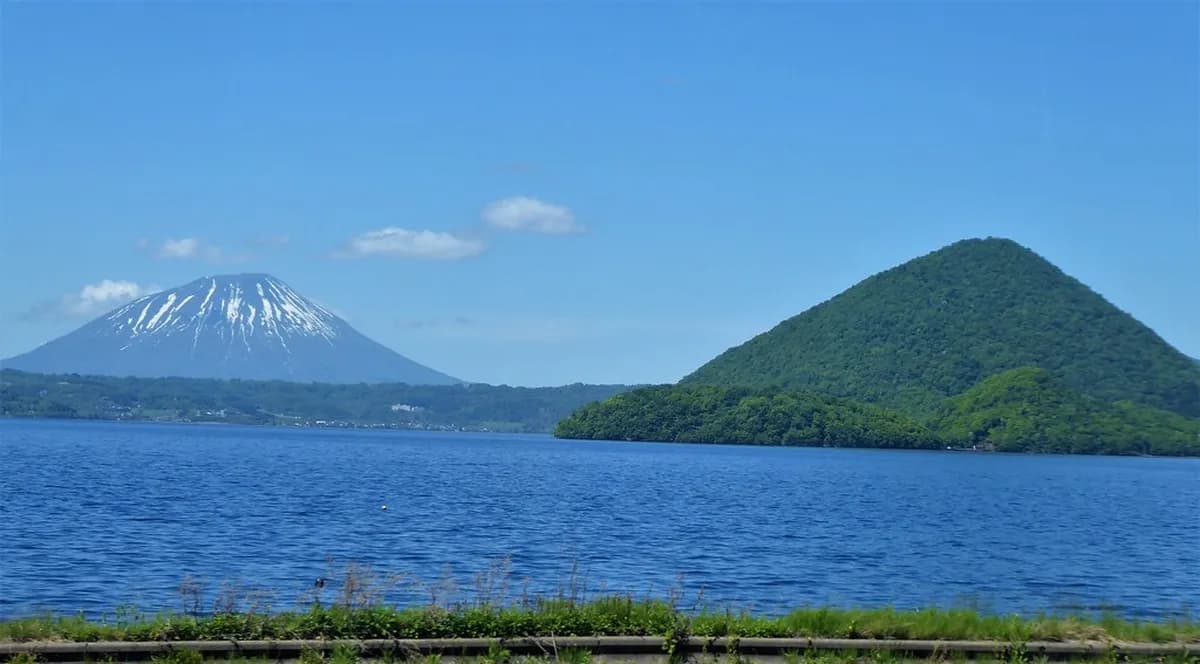
The area is famous for its volcanic activity, which created the massive lake and the steaming peaks that surround it. Visitors often flock here for the hot springs, but the hidden art trails and family ranches are equally compelling. The nightly Toyako Onsen Fireworks display is a major summer highlight that lights up the water.
Useful resources: the Noboribetsu Onsen tourism association and Japan Guide's Noboribetsu page have up-to-date onsen and access details.
Getting from Noboribetsu to Lake Toya
Noboribetsu and Lake Toya sit roughly 45 km apart, and the route between them is straightforward in 2026. The fastest option is a direct drive on Route 37 and the Donan Expressway, which takes about 40 to 50 minutes depending on traffic. For those without a car, a combination of the JR Muroran Line to Toya Station followed by a 15-minute local bus to Toyako Onsen works reliably — allow 70 to 90 minutes total.
There is no direct express bus running Noboribetsu Onsen to Toyako Onsen as a single hop, so the train option (change at Noboribetsu Station, not the Onsen bus terminal) is the most practical public-transport route. A one-way JR fare from Noboribetsu to Toya Station costs around 1,070 JPY in 2026. Check the latest schedules at the Noboribetsu Onsen tourism association before you go, as seasonal bus supplements sometimes operate in summer.
Rental cars are available at Noboribetsu Station and are worth the cost if you plan to reach the Silo Observatory, Lake Toya Ranch, or the disaster-remains walking trails — none of these are easily served by the local Toyako loop bus. A one-day rental from a major agency typically runs 5,000 to 8,000 JPY and gives you full flexibility over your itinerary.
Day Trip or Overnight: The Key Decision
Most visitors from Noboribetsu treat Lake Toya as a single day out, and you can cover the Usuzan Ropeway, a lake cruise, and the Volcano Science Museum comfortably if you leave Noboribetsu by 08:30. The problem is the fireworks: the nightly Toyako Onsen Fireworks display runs from 20:45 to 21:05 every evening from late April through October, which means a day-tripper on public transport must either forgo them entirely or catch a very late bus back.
The case for staying overnight is strong if you are travelling in summer. A lakeside room at one of the Toyako Onsen hotels lets you watch the fireworks from your balcony and soak in an outdoor onsen at dusk without any rush. The town is noticeably quieter by 19:00 when day-trippers clear out, so onsen and restaurants feel far more local after sunset. Our guide on Where To Stay In Noboribetsu: Best Ryokans & Hotels Guide also covers accommodation considerations for the wider region if you want to compare bases.
If you are day-tripping from Noboribetsu in winter (November to March), the fireworks do not run, so there is no penalty for heading back before dark. The winter light tunnel along the waterfront is the evening draw instead, and it runs from about 18:00 to 22:00, which is achievable on a late-afternoon visit. In that case a day trip is perfectly satisfying.
15 Best Things to Do in Lake Toya
The attractions around the lake fall into three main categories: volcanic wonders, artistic escapes, and family-friendly outdoor activities. Before you head out, read our Noboribetsu Onsen Guide: 10 Essential Things to Know and Do for more regional bathing tips that apply here. Most sights are clustered near the southern shore, but a few hidden gems require a quick drive or boat ride.
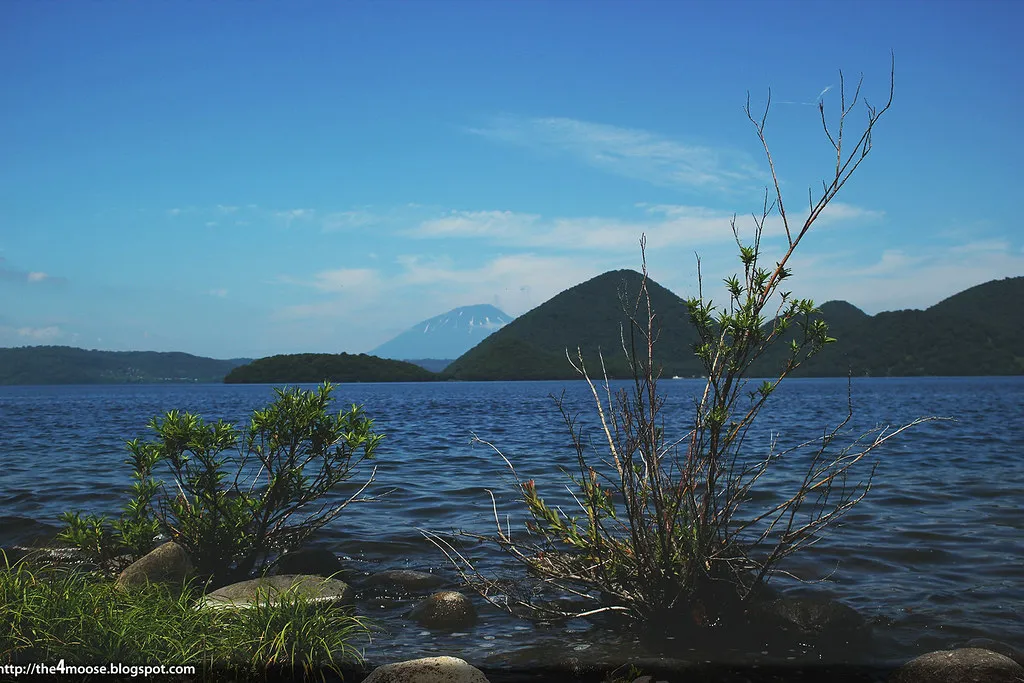
Prices for attractions generally range from 500 to 2,000 JPY per person for standard entry fees. Operating hours typically run from 9 am to 5 pm, though the onsen baths stay open much later. We recommend starting your day early at the ropeway to beat the tour bus crowds that arrive by noon.
- Riding the Usuzan Ropeway to Volcanic Viewpoints
- This active volcano offers a dramatic gondola ride to observation decks overlooking the lake and the Pacific Ocean.
- Expect to pay around 1,800 JPY for a round-trip ticket between 9 am and 5 pm in the Showa Shinzan area.
- Most visitors spend about 90 minutes here, arriving by bus from the main onsen town in under fifteen minutes.
- Walk the outer crater trail for twenty minutes to see steam vents that most tourists skip for the main deck.
- Exploring the Geologic Wonder of Showa Shinzan
- This rust-colored mountain is one of Japan's youngest volcanoes and continues to vent sulfuric steam today.
- Viewing the mountain from the base is free and accessible 24 hours a day near the ropeway station.
- Plan for thirty minutes to photograph the peak and visit the nearby statue of the local postmaster who preserved it.
- Visit the gift shops nearby to try local melon-flavored snacks that are unique to this specific volcanic soil.
- Soaking in the Healing Waters of Toyako Onsen
- The town is lined with luxury hotels and public bathhouses that utilize the mineral-rich volcanic water.
- Day-use fees for the baths range from 500 to 1,500 JPY, with most facilities open from noon until late evening.
- Public footbaths called 'ashiyu' are scattered along the lakeside and are completely free for all weary walkers.
- Bring your own small towel from your hotel to avoid paying the extra rental fees at the smaller public baths.
- Boarding a Nakajima Island Sightseeing Cruise
- Large multi-deck boats depart the main pier every thirty minutes to ferry visitors across the deep blue caldera.
- Tickets cost approximately 1,600 JPY and the cruises operate from late April through the end of October.
- The journey takes about fifty minutes, with an optional stop at the central islands to see wild Ezo deer.
- Sit on the left side of the boat during departure for the best unobstructed photos of the approaching islands.
- Panoramic Photography at the Silo Observatory
- Located on the western rim, this viewpoint offers the most iconic postcard-perfect perspective of the entire lake area.
- Entry to the observation deck is free, and the facility is open daily from 8:30 am to 6 pm.
- You will need a rental car or a taxi to reach this spot, as it sits high above the water.
- Try the fresh Hokkaido yogurt at the cafe here, which is widely considered the best in the entire region.
- Stopping for Ice Cream at Lake Hill Farm
- This working dairy farm features a sprawling garden where you can enjoy locally made gelato with mountain views.
- A double scoop of ice cream costs roughly 450 JPY, and the shop is open daily from 9 am to 5 pm.
- Spend an hour here to let kids play in the fields or to browse the handmade cheese selection.
- The corn-flavored gelato sounds unusual but is a local favorite that perfectly captures the taste of Hokkaido summers.
- Discovering the Hidden Sobetsu Waterfall
- This powerful cascade is tucked away in the eastern hills and provides a cool, misty retreat during the summer.
- Access to the falls is free and it is located just a ten-minute drive from the main onsen district.
- Allow twenty minutes for the short walk from the parking lot to the viewing platform near the base.
- Visit in early October to see the surrounding foliage turn vibrant shades of red and gold against the white water.
- The Toya Gurutto Sculpture Park Walk
- This open-air gallery features 58 unique artworks scattered along the entire 43-kilometer perimeter of the lake shoreline.
- Access to the trail is completely free and you can explore different sections at any time of day.
- Many visitors choose to walk the onsen town section in thirty minutes to see the most famous bronze pieces.
- Look for the 'Gift of the Sun' sculpture near the pier for the most popular photo opportunity at sunset.
- Lake Toya Ranch Horseback Riding
- This family-friendly ranch offers guided treks through the hills with panoramic views of the water and surrounding peaks.
- Basic trekking courses cost roughly 4,000 to 10,000 JPY and operate daily from April through early November.
- Located on the western hills, this experience takes about an hour and is best reached via a rental car.
- Beginners and children are welcome here, making it a top pick for families looking for a unique outdoor adventure.
- Visiting the Toyako Visitor Center
- This educational hub provides deep context on the 1977 and 2000 eruptions that shaped the modern landscape.
- Entry to the museum is about 600 JPY and it remains open daily from 9 am to 5 pm.
- Allow forty-five minutes to watch the high-definition theater presentation that recreates the power of the volcanic flows.
- Visit the quiet library and coffee shop inside for a peaceful break with floor-to-ceiling views of the caldera.
- Crafting at the Toyako Glass Art Workshop
- Local artisans teach visitors how to blow glass or create intricate beads inspired by the blue lake water.
- Workshops start around 2,500 JPY and usually require an hour of your time in the central town area.
- Most studios are open from 10 am to 6 pm, but booking in advance is highly recommended for groups.
- Your custom glass piece will need to cool overnight, so plan this activity for the start of your stay.
- Watching the Long-run Fireworks Display
- From late April to October, a fireworks boat moves across the bay every single night to entertain guests.
- The show is free to watch from the lakeside and begins promptly at 8:45 pm each evening.
- The display lasts for twenty minutes and can be seen from almost any hotel room facing the water.
- Walk down to the pier ten minutes early to hear the music that accompanies the pyrotechnic show.
- Walking through the Winter Illuminated Tunnel
- During the snowy months, the town center is transformed by a massive tunnel of 400,000 colorful LED lights.
- This attraction is free to enter and typically runs from November through early March each year.
- The tunnel is about 70 meters long and takes just a few minutes to walk through and photograph.
- Visit after 7 pm when the crowds thin out to get the best long-exposure shots of the lights.
- Hiking the Takarada Nature Observation Trail
- This forest path leads hikers through lush greenery to a viewpoint that overlooks the northern end of the lake.
- There is no cost for the trail, which is open during daylight hours from spring through autumn.
- The moderate hike takes about two hours round-trip and starts near the Takarada campsite area.
- Wear sturdy boots as the path can become quite muddy after the frequent Hokkaido rain showers.
- Tasting Treats at the Wakasaimo Main Store
- This famous confectionery shop produces a unique sweet made from white beans that looks exactly like a roasted yam.
- A box of snacks costs between 600 and 2,000 JPY, and the store is open daily from 9 am to 7 pm.
- Spend thirty minutes browsing the kitchen where you can see the snacks being freshly fried and glazed.
- Try the 'tempura' version of the potato sweet, which is served warm and only available at this flagship location.
How to Plan a Smooth Lake Toya Day Trip
A well-paced day from Noboribetsu starts with an early departure — ideally on the road or at the train station by 08:30. Many visitors who arrive as part of the Noboribetsu From Sapporo: 10 Essential Planning Tips loop find it easiest to do Noboribetsu on day one and Lake Toya on day two, using the same rental car throughout. That removes the transit puzzle entirely and gives you a natural two-day onsen circuit.
The table below summarises typical travel times and costs from three common starting points in 2026. Times are door-to-door including the bus from Toya Station to Toyako Onsen where relevant.
| Origin | Method | Time | Approx Cost |
|---|---|---|---|
| Noboribetsu (car) | Route 37 / Donan Expressway | 40–50 min | 500–700 JPY toll |
| Noboribetsu (train) | JR Muroran Line → Toya Sta. → bus | 70–90 min | ~1,070 JPY + 320 JPY |
| Sapporo (train) | JR Ltd Express Hokuto → Toya Sta. → bus | ~2 hr 15 min | ~4,810 JPY |
| Niseko (car) | Route 230 southbound | 60–75 min | Toll-free scenic route |
A successful itinerary runs: ropeway (morning) → Lake Hill Farm for lunch → lakeside cruise (early afternoon) → sculpture walk or Volcano Science Museum (mid-afternoon). Public transportation within Toyako Onsen town is served by a loop bus, but departures can be 40 minutes apart. Buy the all-day loop bus pass (approximately 500 JPY) if you are carless — it covers the main onsen town circuit but not the Silo Observatory or the ranch, which need a taxi or car.
Museums, Art, and Culture at Lake Toya
The cultural heart of the region lies in its ability to blend natural disaster history with modern creative expression. Art lovers should visit the TOYA Colors - Sculpture Park to see the bronze works created by 56 artists from Japan and abroad. The park serves as a permanent outdoor gallery that reflects the changing seasons of the Hokkaido landscape — you can dip in and out of it for free along the 43-km lakeshore.
The Volcano Science Museum provides a sobering look at how the local community lives alongside active peaks. Exhibits include actual vehicles and household items destroyed during the 2000 eruption to show the volcano's power. Entry runs about 600 JPY and the simulated eruption theatre alone is worth the ticket — plan 45 minutes here.
One of the least crowded but most pleasant spots in town is Blossom Coffee, located on the ground floor of the Toyako Manseikaku Hotel Lakeside Terrace. It doubles as a library-style reading room with floor-to-ceiling lake views, and the chocolate brownie latte and freshly baked croissants are genuinely good. Most day-trippers walk straight past — which is exactly why you should stop in between sights for a half-hour reset.
The glass art studio Gla Gla offers hands-on glassblowing workshops for around 2,500 JPY per person. Sessions run from 10:00 to 18:00 and you can see finished works on display in the adjacent gallery even if you do not participate. Book ahead in peak summer, as groups fill the afternoon slots quickly.
Parks, Gardens, and Outdoor Spots at Lake Toya
Shikotsu-Toya National Park is a massive protected area that offers some of the best hiking in northern Japan. Adventure seekers can bike the entire perimeter of the lake on a clear day. The route is mostly flat and takes about four to five hours for a casual cyclist to complete, with dedicated cycle lanes and quiet one-way streets rather than the main highway.
Families can book a session at the Lake Toya Ranch for mountain views. Guided trails run for beginners and children as well as experienced riders, with panoramic views of Lake Toya, Mount Usu, and Mount Yotei throughout. This is one of the few places in Hokkaido where you can ride horses with a constant view of the water; courses run April through early November and cost roughly 4,000 to 10,000 JPY.
Two short walking trails near the lake take you through the actual disaster footprint of Mount Usu's 2000 eruption — something no tour bus itinerary covers. The Nishiyama Crater Walking Trail (about 40 minutes round-trip, free) passes through abandoned rice paddies and cracked roads lifted by magma, with steam still venting from fissures in the earth. The Konpira Craters Disaster Remains Trail (about 30 minutes, also free) passes the ruins of the old Toyako Onsen district buried under volcanic debris. Both are walkable from the onsen town and are signposted in English.
The Nakajima Islands serve as a sanctuary for local flora and fauna, including a population of Ezo deer that roam freely on the main island. Walking trails there lead through ancient forests that feel worlds away from the onsen hotels. Be sure to catch the last ferry back to the mainland, as there are no overnight facilities on the islands; ferries run late April through October.
Family-Friendly and Budget-Friendly Options
Lake Toya has a handful of genuinely free or near-free highlights that are well-suited to families traveling on a tighter budget. The ashiyu (foot onsen) scattered along the Toyako Onsen lakefront cost nothing and are a satisfying way to sample the hot springs without committing to a full bath entry fee. The Toya Gurutto Sculpture Walk is also entirely free — children tend to enjoy hunting for the 58 bronze works dotted along the shoreline.
Lake Hill Farm about 10 minutes from the onsen town is a strong family stop. Kids can watch cows grazing while you eat, and the ice cream made from the farm's own milk costs around 450 JPY per scoop. The farm also occasionally runs butter-making sessions for an extra fee, which is a popular rainy-day option. The Sobetsu Fruit Village area near the lake's eastern shore is worth a detour from July through November for fruit picking — cherries, blueberries, peaches, and apples depending on the month, typically priced per weight.
For families who want to keep transit costs low, the JR train route from Noboribetsu to Toya Station is the most budget-friendly approach. Once at Toyako Onsen, the free sculpture walk and foot baths plus a 1,600 JPY cruise to Nakajima Island to see the wild Ezo deer make for a full half-day without spending more than about 2,000 JPY per person beyond transit. Pair this with a free stop at the Nishiyama Crater Walking Trail on the way back and you have a complete day.
What to Skip: Overrated Lake Toya Spots
While it appears on many brochures, the Showa-shinzan Bear Ranch is an attraction many modern travelers find underwhelming. The bears are kept in concrete enclosures that lack the natural enrichment found in modern zoological facilities. Many visitors report feeling uneasy about the conditions, making it a controversial stop for animal lovers.
Instead of visiting the ranch, we recommend taking the cruise to Nakajima Island to see wildlife in a natural setting. The wild deer there roam freely and provide a much more authentic Hokkaido nature experience. You will also save the entry fee, which is better spent on a local meal or a ropeway ticket.
Skip the overpriced souvenir shops directly at the bus terminal in favor of the Wakasaimo flagship store. The quality of the snacks is higher and the prices are more consistent with local standards. You will also get to see the production process, which adds more value to your shopping trip.
Is Lake Toya Worth Visiting in Winter?
Winter transforms the caldera into a silent, white wonderland that is perfect for those seeking a peaceful escape. Checking the Best Time to Visit Noboribetsu: 8 Essential Planning Tips will help you coordinate your winter activities. The lake itself never freezes due to its depth, creating a stunning contrast between blue water and white snow.
While the sightseeing cruises run on a reduced schedule, the winter light tunnel becomes the main evening draw. Snow rafting and sledding are available at the Silo Observatory for those looking for a bit of adrenaline. Most hiking trails are closed, but the Usuzan Ropeway remains open for spectacular snowy panoramic views.
Soaking in an outdoor onsen while snow falls around you is perhaps the ultimate Hokkaido winter experience. The town is much quieter during this season, which means you can often have public baths to yourself. Just be sure to check road conditions if you are driving, as the mountain passes can be quite treacherous.
Frequently Asked Questions
How do I get from Sapporo to Lake Toya?
Take the JR Limited Express Hokuto train from Sapporo Station to Toya Station, which takes about two hours. From Toya Station, a 15-minute local bus will bring you directly to the Toyako Onsen district. Check the latest schedules at the station for the most accurate timing.
Can I visit Lake Toya as a day trip from Niseko?
Yes, Lake Toya is a popular day trip from Niseko and takes about 60 to 90 minutes by car. While buses are available, they are infrequent and require transfers. A rental car is the best way to see all the major sights in one day.
Where is the best place to stay overnight?
The Toyako Onsen area offers the best variety of hotels, from luxury resorts to traditional ryokans. Look for a lakeside room to enjoy the nightly fireworks from your balcony. You can find more details in our guide on Where To Stay In Noboribetsu: Best Ryokans & Hotels Guide" and nearby areas.
Lake Toya is a destination that rewards those who look beyond the standard tourist brochures and explore the volcanic rim. Whether you are soaking in a hot spring or hiking a forest trail, the power of the landscape is always present. Plan your visit for the summer fireworks or the winter lights to see the caldera at its most magical.
Free: The Niseko Essentials guide
Top things to do, where to stay, a perfect day plan, getting around, and the best time to go — a Niseko mini-guide you can take offline.
You might also like
Continue reading
More guides you'll find useful