10 Best Things to Do in Iwakuni in 2026
Discover the best things to do in Iwakuni, Japan, from the Kintaikyo Bridge to hilltop castle views and rare white snakes, with 2026 prices and hours.
On this page
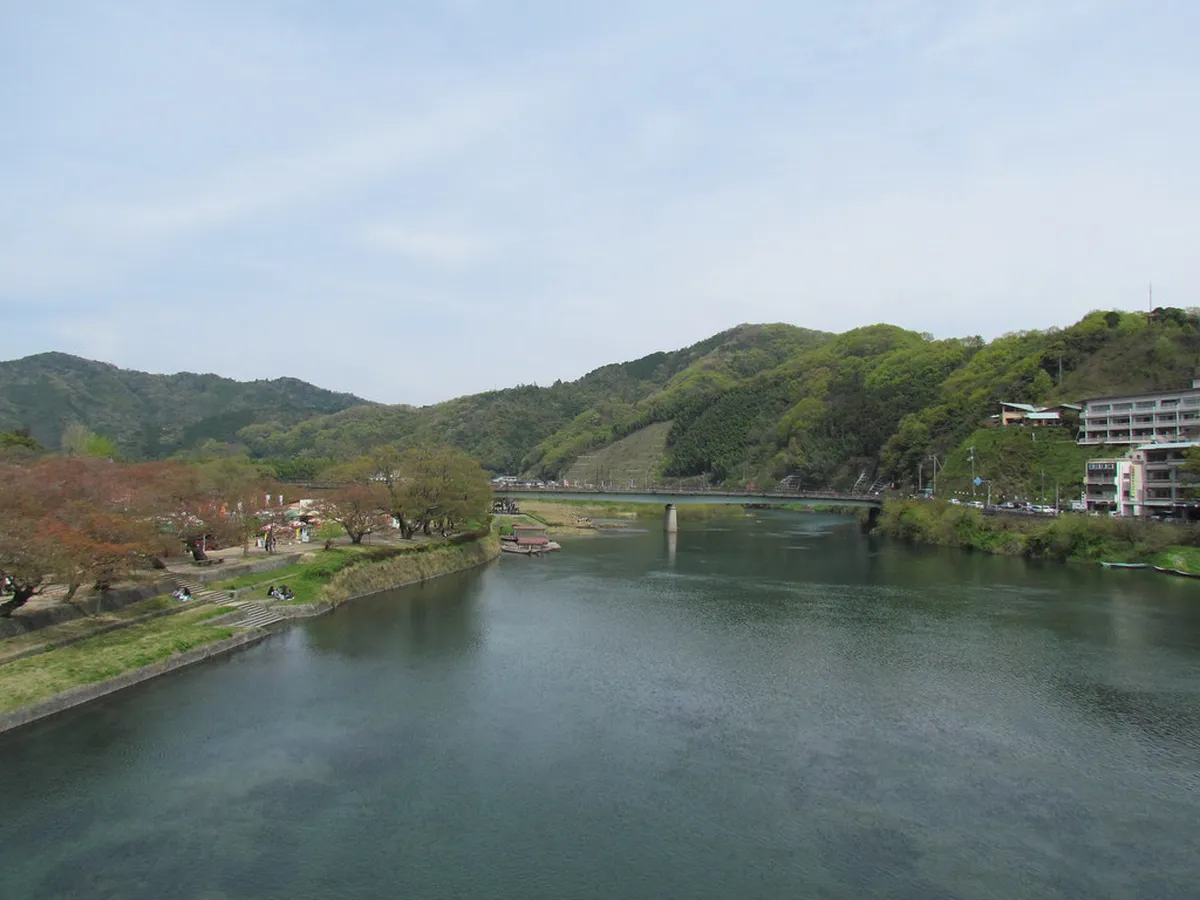
Most day-trippers arrive in Iwakuni with one photo in mind: the arched wooden bridge crossing the Nishiki River. Our editors have covered this small Yamaguchi city enough times to know the best things to do in Iwakuni go past one shot. Last updated July 2026, this guide covers the ten sights, museums, and local bites worth building a half-day or full day around.
Iwakuni sits about 40 to 45 minutes west of Hiroshima by train, which makes it an easy add-on rather than a full detour. The city built its identity around one 17th-century engineering feat, then added a hilltop castle, a samurai-era park, and rare white snakes. We'll flag typical costs and hours for each stop, plus a few honest notes on what we'd skip.
Families, history fans, and anyone chasing an easy photo can all build a satisfying itinerary here. Expect most attractions to run ¥200 to ¥940 per adult, with the bridge itself free once the ticket booths close. Here's where to spend your time on a trip to Iwakuni in 2026, starting with the bridge that put it on the map.
10 Best Things to Do in Iwakuni in 2026
The list below mixes an icon, a hilltop view, two museums, a park, and a food stop. Build either a rushed two-hour visit or a relaxed full day around it. We group loosely by area: Kikko Park anchors nearly every stop, while the bridge and old shopping street bookend it on either side. Costs stay modest across the board, and only the cormorant fishing show needs advance planning.
| Sight | What | Cost (2026) |
|---|---|---|
| Kintaikyo Bridge | Five-arch wooden bridge over Nishiki River, iconic photo spot | ¥300 round trip (free after 5pm) |
| Iwakuni Castle + Ropeway | Hilltop castle with samurai armor, 3-min ropeway access | ¥940 combined ticket |
| Kikko Park | Former samurai residence grounds, free to wander, deer area | Free |
| Iwakuni Art Museum | Samurai armor, swords, lacquerware from Kikkawa clan | ¥500 |
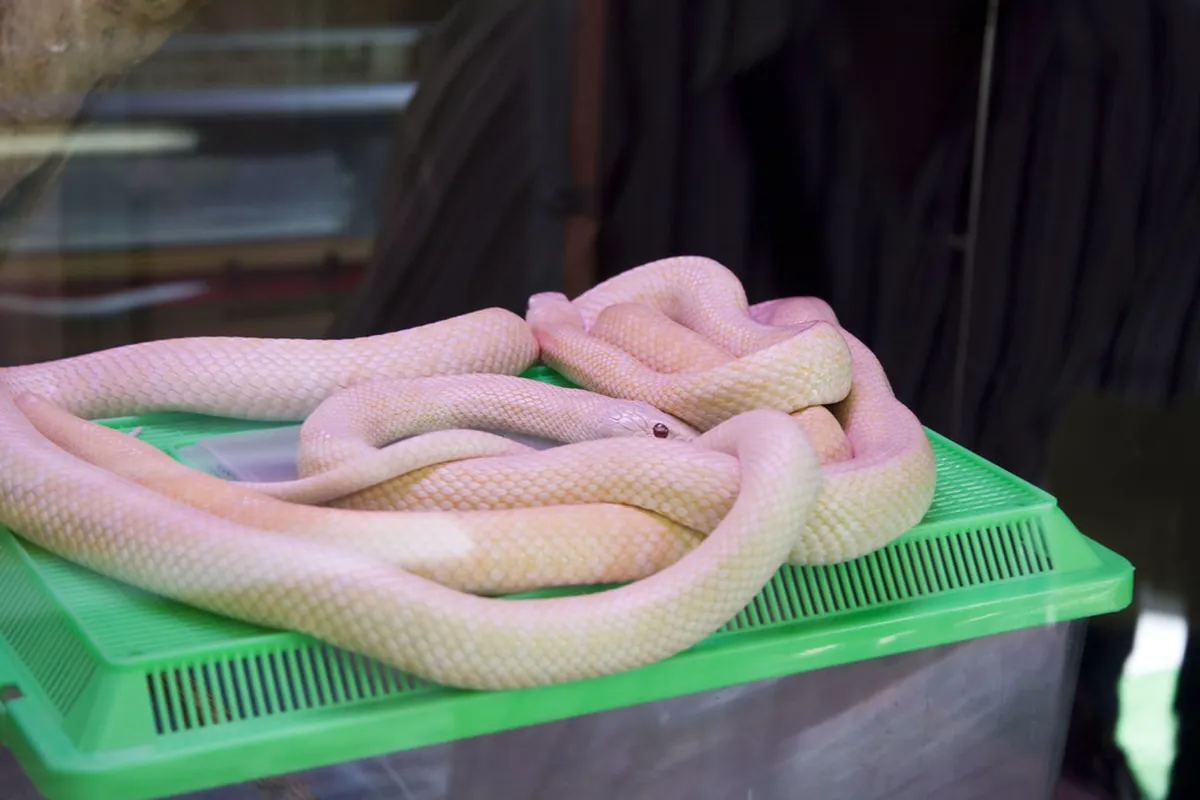
| Shirohebi Museum (White Snakes) | Live rare leucistic white snakes, national monument since 1924 | ¥200 |
One quirk trips up first-time visitors: the Kintaikyo Bridge itself never actually closes. Ticket booths at each end run roughly 8am to 5pm daily, but the bridge deck stays open around the clock. Time your visit for early morning or just before sunset to shoot the five arches without a crowd in every frame.
Buy a combined ticket covering the bridge, ropeway, and castle for ¥940 instead of paying for each separately. Ticket booths at the bridge work 8am to 5pm daily, but if you visit after hours, the bridge itself is free. Bring cash for smaller museums and food stalls near Kikko Park.
Most sights below sit within a 15 to 20-minute walk of each other, so a bike or a slow stroll covers the loop easily. Bring cash, since several smaller ticket windows and food stalls near Kikko Park don't take cards. We've ordered the list roughly by how most visitors move through the city, starting at the bridge.
- Kintaikyo Bridge, Iwakuni's Five-Arch Wooden Icon
- This wooden arch bridge spans roughly 200 meters across the Nishiki River using joinery instead of nails.
- Crossing costs about ¥300 round trip for adults, though the bridge itself stays open all day and night.
- Ticket booths only run 8am to 5pm, so a late evening walk across costs nothing.
- Arrive at sunrise for the classic reflection shot before tour buses fill the riverbank.
- Iwakuni Castle and the Mountaintop Ropeway
- The current castle is a 1962 concrete rebuild after the original 1608 structure was demolished just seven years later.
- A combined ticket covering the bridge, ropeway, and castle costs about ¥940 for adults, cheaper than paying separately.
- Inside, small samurai armor and sword displays cover the Kikkawa clan's centuries-long rule over Iwakuni.
- The three-minute ropeway ride saves the steep climb, so save the walking trail for the way down.
- Kikko Park, the Old Samurai Residence Grounds
- This former lord's residence now spreads out as a free public park between the bridge and the castle base.
- Wide gravel paths, a moat, and clipped pine trees make it an easy 20-minute stroll between stops.
- A small tame deer area near the entrance is a hit with kids on a family day out.
- Cherry blossoms and maple leaves both draw local crowds, so weekday mornings stay noticeably quieter.
- Iwakuni Shirohebi Museum, Home to Rare White Snakes
- Iwakuni's white snakes are a rare leucistic form protected as a national natural monument since 1924.
- Locals consider them messengers of Benten, the goddess of wealth, rather than an unlucky sign.
- The museum inside Kikko Park keeps live snakes in glass tanks alongside snake-skin souvenirs for sale.
- Admission runs about ¥200 for adults, and the whole visit takes 15 to 20 minutes.
- Sasaki Kojiro Statue and Swordsman Legend
- A bronze statue near the bridge honors Sasaki Kojiro, a swordsman said to have trained here.
- Local legend credits him with developing the tsubame-gaeshi technique by studying swallows over the Nishiki River.
- He later lost a famous duel to Miyamoto Musashi on Ganryujima, an island off Shimonoseki.
- Viewing the statue is free and takes only a few minutes, best paired with the bridge crossing.
- Iwakuni Art Museum for Samurai Armor and Swords
- This museum inside Kikko Park displays samurai armor, swords, and lacquerware collected by the Kikkawa family over centuries.
- Some pieces have traveled to major overseas institutions, including New York's Metropolitan Museum, according to the museum's own history.
- Entry runs roughly ¥500 for adults, and the collection fills just one modest building.
- It's the best indoor rainy-day stop on this list, with hours generally running 9am to 5pm.
- Nishiki River Cormorant Fishing, a Summer Tradition
- Trained cormorants dive for river sweetfish under lantern light on the Nishiki River from June through September.
- Fishermen wear traditional straw skirts and noble headgear to perform a technique documented for roughly 300 years.
- A separate spring procession in late April, called sankin-kotai, reenacts a feudal lord's samurai retinue crossing the bridge.
- Outside these events, the riverbank still makes a quiet evening walk near the bridge.
- Iwakuni Zushi and Renkon Lotus Root Dishes
- Iwakuni's signature dish is a layered pressed sushi called iwakuni-zushi, originally packed as samurai travel food.
- Local renkon, or lotus root, shows up fried, pickled, and stuffed at small restaurants near the bridge.
- A set lunch typically runs ¥1,200 to ¥2,000 per person at family-run spots near Kikko Park.
- Weekday lunch service is usually calmer than weekend afternoons, when tour groups fill the small dining rooms.
- Kintaikyo Shopping Street and Old Castle Town
- A short row of shops and snack stalls lines the approach to the bridge on the castle-town side.
- Browse local sweets, sake, and souvenir shops here in about 20 to 30 minutes.
- It gets busiest between late morning and early afternoon on weekends and holidays.
- Grab a treat here before or after the bridge crossing rather than adding a separate stop.
- Kintaikyo Bridge Night Illumination
- After dark, the bridge and castle hillside light up together for a quieter version of the daytime view.
- Illumination hours shift by season, so check the official tourism site for the current schedule.
- It's free to view from the riverbank, and photographers get a longer exposure without daytime foot traffic.
- This is our pick for the best low-key end to a day trip from Hiroshima.
Is Iwakuni Worth a Day Trip From Hiroshima?
Yes — a half-day is enough to hit the bridge, castle, and park. A full day lets you add the art museum and a proper lunch. Most visitors base themselves in Hiroshima and treat Iwakuni as a half-day rail trip rather than an overnight stop. For step-by-step transit timing and ticket combos, our Kintaikyo Bridge day trip guide from Hiroshima covers the full route.
We'd skip the paid photo booths at the bridge's east ticket gate, since the same shot is free a few steps down the riverbank. The castle's inner gift shop add-on rarely earns the extra 15 minutes if you're racing back for a train. Save that time for the White Snake museum instead, which most visitors rate as the more memorable stop.
Arrive before 10am on weekends to beat tour bus crowds at the bridge and Kikko Park. Cherry blossom season (late March–early April) and fall foliage (mid–late November) draw peak crowds, so weekdays stay noticeably quieter during these seasons. If you visit after 5pm, the bridge admission is free—a cost-saving strategy for budget travelers.
A second day lets you fold in a Shimonoseki fish-market visit or a quieter mountain gorge without rushing the main sights. Our Iwakuni itinerary lays out a fuller two-day version if you want more than the highlights. Either way, aim to arrive before 10am so the bridge and castle grounds stay uncrowded.
Rain rarely cancels a visit, since the museums and covered arcades near the bridge give you a backup plan. Summer adds the cormorant fishing show but also brings the region's heaviest humidity. Spring cherry blossoms and fall foliage in Kikko Park are the two most photographed seasons of the year.
Getting Around Iwakuni
Direct trains from Hiroshima Station reach JR Iwakuni Station in about 40 to 45 minutes on the JR Sanyo Line. From the station, a local bus covers the roughly 15-minute ride to the bridge for around ¥300 one way. Rail-pass holders should check Which Japan Rail Pass To Choose before booking, since coverage varies by route.

Once you're at the bridge, the castle, park, and museums all sit within a 15 to 20-minute walk of each other. A same-day bus pass costs under ¥500 and covers hops between the station and the bridge area. Bicycles rent near the station for a few hundred yen an hour if you'd rather cover ground faster.
Drivers will find paid lots near the bridge charging roughly ¥500 to ¥1,000 for a full day, tighter on weekends. Arrive before 10am on Saturdays and Sundays, since the closest lots fill up by midday. Taxis wait at the station and cost more than the bus but save time if you're traveling with luggage.
For a self-guided walking route between stops, the GPSmyCity app maps out a workable loop offline. That's handy given patchy mobile signal in the older streets around Kikko Park. Either way, plan your loop to end near the station so you're not backtracking for a train.
Best Time to Visit Iwakuni
Cherry blossoms line the Nishiki riverbank and Kikko Park in late March and early April, framing the bridge in pink for about two weeks. This is the single busiest stretch of the year, so expect crowded photo spots by mid-morning. Book any guided options well ahead if you're visiting during this window.
Summer brings the cormorant fishing shows plus the region's heaviest humidity, running from June through September. Locals head out in the evening once the day's heat breaks, usually after 6pm. Pack light layers and expect afternoon showers most weeks during this stretch.
Maple leaves peak in Kikko Park through mid-to-late November, drawing a smaller crowd than the spring blossoms. Cooler daytime temperatures make this the most comfortable season for the castle hike or ropeway queue. Photographers tend to favor this season over spring for softer afternoon light.
Winter is the quietest season, with shorter museum hours and the smallest crowds of the year at every stop. The bridge's night illumination stands out more clearly against a dark, cold sky. Confirm winter hours before you go, since several attractions trim their schedules from December through February.
How Many Days Do You Need in Iwakuni?
A tight half-day covers the bridge, the castle and ropeway, and a loop through Kikko Park without feeling rushed. That's realistic if you're coming from Hiroshima and need to catch an evening train back. Start at the bridge first, since morning light works best for photos there.
A full day adds the art museum, a proper renkon lunch, and time to browse the old shopping street near the bridge. This pace suits most travelers who want to actually sit down for a meal instead of grabbing something quick. Budget roughly ¥3,000 to ¥5,000 per person for tickets and food across a full day.
Two days opens up options like a family-focused hilltop park near Waki Station or a Shimonoseki fish-market detour, without rushing the core sights. That kind of side trip suits families chasing extra rides, but it costs the better part of an afternoon round trip. If you're mapping a wider swing through the region, our Setouchi itinerary shows how Iwakuni fits alongside Hiroshima and the coast.
Whichever pace you pick, the things to do in Iwakuni listed above cover the sights worth building a trip around. Check current hours and prices before you go, since several venues adjust their schedules by season. A half-day gets the highlights, but a full day lets the city's quieter corners show through.
Where to Stay Near Iwakuni
Most visitors treat Iwakuni as a day trip and base themselves in Hiroshima instead, where business hotels near Hiroshima Station typically run ¥6,000 to ¥10,000 a night for a double room. That setup keeps you close to the Shinkansen and lets you fold in Miyajima or downtown Hiroshima sights on the same trip.
If you'd rather overnight in Iwakuni itself, a handful of small business hotels and ryokan cluster around JR Iwakuni Station, generally ¥5,000 to ¥8,000 a night, with a 15-minute bus ride to the bridge and castle area each morning. Staying locally means you can catch the bridge's night illumination without racing for a last train, then walk the riverbank again at sunrise before the tour buses arrive.
Few properties sit directly by Kintaikyo or Kikko Park, so expect to commute a short way from wherever you sleep. Book ahead during cherry blossom season and the April bridge festival, when the small local supply fills up fastest.
Browse every Iwakuni attraction in depth — prices, hours and maps — on our Iwakuni attractions hub.
Going deeper on this theme? Our What to Eat in Iwakuni guide covers it in detail, with the practical planning this page leaves out.
Frequently Asked Questions
Is it worth visiting Iwakuni?
Yes, Iwakuni is worth visiting for its five-arch Kintaikyo Bridge, hilltop castle, and rare white snake museum. Most travelers cover the highlights in a half-day trip from Hiroshima. Add a full day if you want time for the art museum and a proper lunch.
What food is Iwakuni known for?
Iwakuni is known for iwakuni-zushi, a layered pressed sushi once carried as samurai travel food. Local renkon, or lotus root, appears fried, pickled, and stuffed at restaurants near the bridge. A set lunch typically costs ¥1,200 to ¥2,000 per person.
How do you get to Iwakuni from Hiroshima?
Direct trains on the JR Sanyo Line connect Hiroshima Station to Iwakuni Station in about 40 to 45 minutes. From there, a local bus covers the short ride to the bridge for around ¥300. Rail-pass coverage varies, so check your pass details before booking.
How cold does Iwakuni get in winter?
Iwakuni winters stay mild by Japanese standards, with daytime highs typically in the upper single digits Celsius. Overnight lows can dip near freezing from December through February. Snow is rare, though several attractions trim their hours during this quieter season.
What is the main attraction in Iwakuni?
The Kintaikyo Bridge is Iwakuni's signature attraction, a five-arch wooden bridge spanning the Nishiki River without a single nail. Most visitors pair it with the hilltop castle and ropeway just across the water. Together they cover Iwakuni's best photo opportunities in under two hours.
Iwakuni rewards travelers who treat it as more than a bridge photo stop, from the hilltop castle to the White Snake museum's odd charm. Build your visit around the ten stops above, add a renkon lunch, and you'll cover more ground than most day-trippers manage. Whether you have three hours or two full days, this small Yamaguchi city earns a spot on any Hiroshima-area itinerary.
Check the official tourism site for current hours before you go, since several attractions adjust schedules by season. Pack cash for smaller ticket windows, and start early if cherry blossoms or fall foliage bring you to town. Iwakuni's mix of history, food, and an easy day-trip distance from Hiroshima makes it worth the detour in 2026.
Free guide: Japan's Hidden Gems
12 under-the-radar places beyond Tokyo & Kyoto — with the best season to visit each and a local tip you won't find in the guidebooks.
You might also like


Continue reading
More guides you'll find useful