Shimanami Kaido Without a Bike: 2026 Guide
Plan the Shimanami Kaido without a bike in 2026 using the Shimanami Liner bus, island ferries, rental cars, and walkable stops around Onomichi and Setoda.
On this page
The Shimanami Kaido links Honshu and Shikoku across six bridges and six small islands in Japan's Seto Inland Sea. Most guides assume you will pedal the full route, but seeing the Shimanami Kaido without a bike is just as doable in 2026. Express buses, passenger ferries, and rental cars each cross the bridges on their own schedules and price points.
This guide covers every non-cycling option, from the Shimanami Liner bus to island-hopping ferries and car rentals. We also point out which stops work well on foot, including Kosanji Temple and the historic port town of Setoda. Cyclists who want the full pedaling route can still follow the same landmarks in reverse order.
Last updated July 2026.
What Is the Shimanami Kaido, and Can You Skip the Bike?
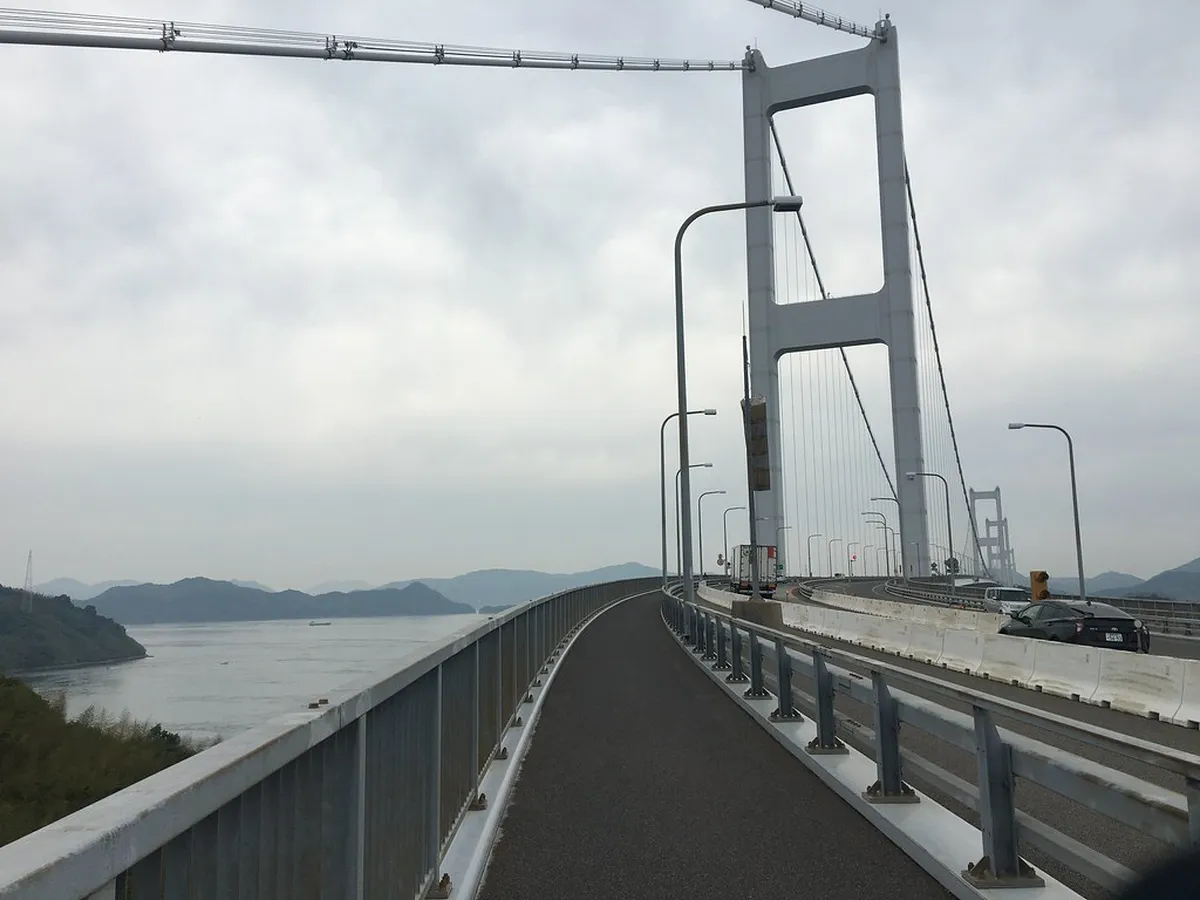
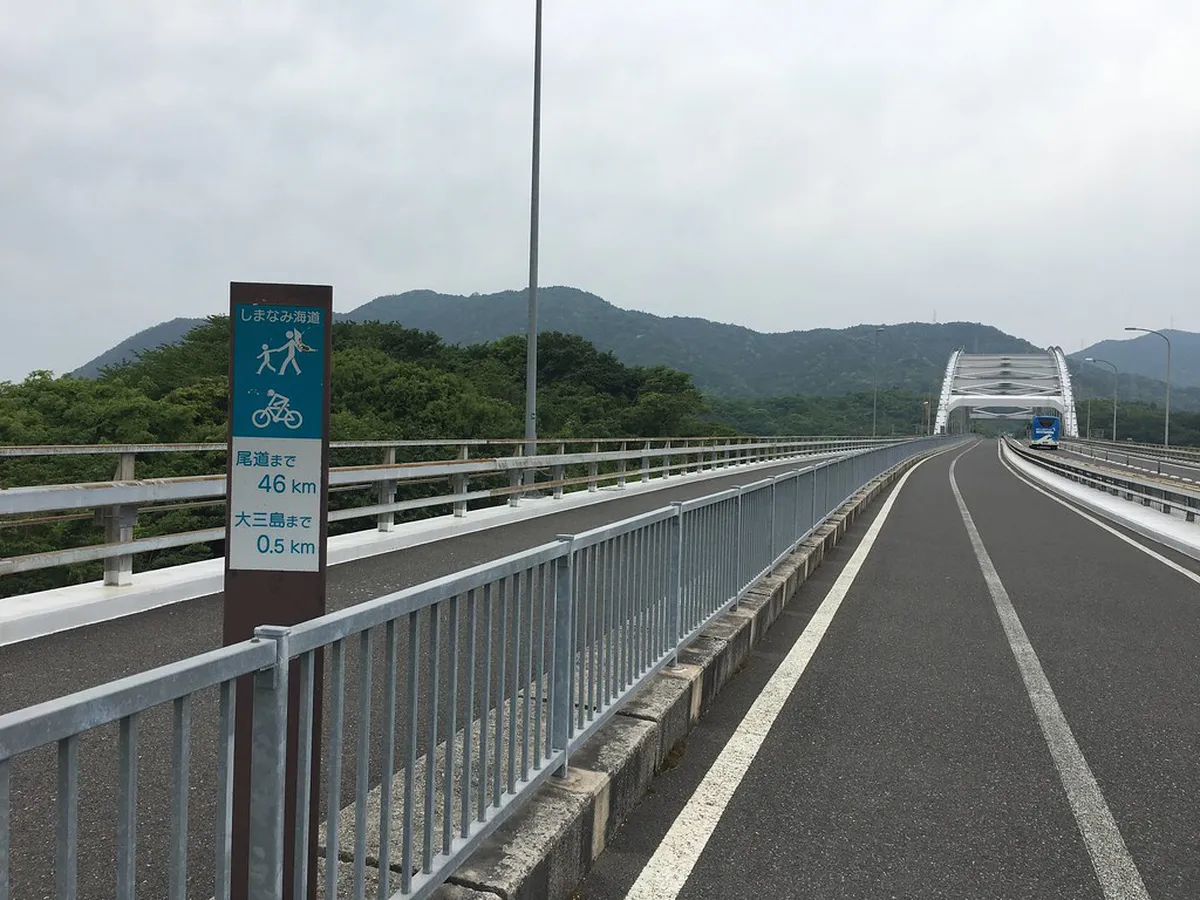
The Shimanami Kaido, or Nishiseto Expressway, connects Onomichi in Hiroshima Prefecture to Imabari in Ehime Prefecture. Six bridges span six islands across roughly 60 kilometers of the Seto Inland Sea. Most of those bridges carry both a car expressway and a separate cycling and walking path.
The road opened in stages between 1999 and 2006, part of Japan's push to connect Shikoku by highway. This source covers the fuller history of the crossing. Choosing the shimanami kaido without a bike simply means picking a different set of vehicles for the same scenery.
Skipping the pedals does not mean skipping the highlights, since buses and ferries stop near the same viewpoints and temples. You can still reach island towns, seaside cafes, and lookout points that most cycling itineraries pass through quickly. Our Shimanami Kaido attractions guide lists the specific sites this article will help you reach by bus, ferry, or car.
Riding the Shimanami Liner Express Bus
The Setouchi Bus Company runs the Shimanami Liner between Onomichi Station and Imabari Station most days of the year. The trip takes about two hours end to end and crosses all six bridges on the expressway. Seats are limited, so reserving ahead matters during Golden Week and other busy 2026 holiday weekends.
Buses depart from Onomichi Station roughly every one to two hours, with fewer runs on weekday mornings. Our guide to getting to Onomichi covers train connections from Hiroshima and Osaka before you board the bus. One-way tickets run roughly ¥2,000 to ¥2,500, and the driver usually accepts both cash and IC cards.
Unlike the cycling path, the bus stays on the expressway, so you get elevated views instead of close-up bridge crossings. It stops at a handful of interchanges, letting you hop off for an hour before catching a later departure. This flexibility makes the bus a practical backbone for a car-free, bike-free Shimanami Kaido trip.
- Onomichi Station to Mukaishima Interchange
- This short first leg takes about ten minutes and crosses the Innoshima Bridge approach.
- Innoshima and Ikuchijima Interchanges
- These stops sit near Setoda town and the Kosanji Temple complex.
- Travelers heading to the temple usually get off here and catch a local connector bus.
- Oshima and Imabari Interchanges
- Imabari Station connects onward to Matsuyama and other parts of Shikoku by train.
The Shimanami Liner books up fast during spring cherry blossom season and autumn foliage weeks in 2026. Reserve your seat online or by phone at least two to three weeks ahead if you're traveling during those peak periods.
Ferries and Island-Hopping Without Pedals
Small passenger and car ferries connect Onomichi to Mukaishima and several other islands throughout the day. Foot passengers typically pay far less than drivers, often just a few hundred yen for the shortest crossings. The Onomichi to Mukaishima ferry takes about seven minutes and has run for generations before the bridges existed.
Longer routes link Onomichi to islands further along the chain, letting you skip sections of the expressway entirely. Our Setouchi region itinerary maps out which ferry connections pair well with an overnight island stay. Ferries run less often outside peak tourist months, so checking the current 2026 timetable before you travel helps avoid a long wait.
Island-hopping by ferry suits travelers who want slower mornings and fewer transfers than the express bus offers. You can carry luggage on board without the folding-bike restrictions some ferry operators enforce for cyclists. Ferries also dock closer to town centers than the bus interchanges, cutting the walk to hotels and restaurants.
Ferry timetables run less frequently outside peak summer and holiday weeks. Check the current 2026 schedules on the Onomichi ferry website or with your lodging before arriving, so a missed connection doesn't derail your island-hop plan.
Renting a Car: Tolls, Parking, and Road Rules
Car rental counters at Onomichi and Imabari stations offer standard compacts for roughly ¥6,000 to ¥9,000 per day in 2026. Driving the expressway costs roughly ¥3,000 to ¥4,000 in tolls one way, depending on how many bridges you cross.
Parking near Kosanji Temple and Setoda's waterfront costs a few hundred yen for a few hours in most lots. Spaces fill up fast on weekends, so arriving before mid-morning saves a search for parking. A printed or downloaded Shimanami Kaido Cycling Map still helps drivers, since it marks exits and rest areas clearly.
A rental car makes sense for groups, families with young children, or anyone short on time. If you are still torn between pedaling and driving, our e-bike versus road bike logistics guide breaks down the cost difference in detail. Note that some sections of the dedicated cycling path stay closed to cars entirely, so a few viewpoints remain bike- or foot-only.
| Mode | Best for | Note |
|---|---|---|
| Shimanami Liner Bus | Full-route coverage | Two hours end-to-end, ¥2,000–¥2,500 one way. Best for travelers on a tight schedule. |
| Island Ferries | Slower exploration | Pay-as-you-go foot passage, a few hundred yen per crossing. Ideal for island overnight stays. |
| Rental Car | Flexibility and luggage | ¥6,000–¥9,000 per day plus ¥3,000–¥4,000 tolls one way. Best for groups or families with young children. |
Car-Free Highlights: Kosanji Temple, Setoda, and Viewpoints
Kosanji Temple sits a short walk from the Setoda bus and ferry stops, so you never need a bike to reach it. The temple grounds include the Hill of Hope, a marble viewpoint with sweeping views over the inland sea. Entry runs roughly ¥1,400 for adults in 2026, covering the temple, the hill, and an on-site art museum.
Setoda's old town spreads out from the ferry pier, with citrus groves, a salt-flavored ice cream stand, and small cafes lining the streets. Everything sits within a ten to fifteen minute walk, so you can explore without renting any wheels at all. The town works well as a lunch stop between a morning bus ride and an afternoon ferry back to Onomichi.
Back on the Onomichi side, Senkoji Temple and the Path of Literature reward walkers with hillside views over the port. Our Cat Alley and temple walk day trip guide covers this exact route step by step. Pairing that walk with a Shimanami Liner ride out to Setoda makes a full car-free day without touching a bicycle.
One Day or Two? Planning Time Without a Bike
A single day works well if you stick to the Shimanami Liner bus and one or two stops like Setoda. You can ride out in the morning, explore Kosanji Temple and the old town, and be back in Onomichi by evening. This pace suits travelers connecting Hiroshima or Osaka with a Shikoku destination on the same trip.
Two days give you room to add a ferry crossing, a rental car loop, or a night on one of the islands. Hotels here range from simple guesthouses to onsen inns, usually a few thousand yen apart in nightly rates for 2026.
Weather and season shape this decision more than transport mode does, since ferries can pause in strong wind or storms. Our best time to visit Onomichi guide breaks down which months keep both buses and ferries running reliably. Whichever pace you choose, book bus seats and any island lodging a few weeks ahead during spring and autumn.
One-Day Budget Without a Bike
Travelers weighing the bus, ferry, and rental-car options often want a rough sense of what a single car-free day actually costs. We priced out a simple Onomichi-to-Setoda-and-back day using the figures above, and the total lands well under what a rental car costs for the same route.
- Shimanami Liner round trip between Onomichi and the Setoda-area interchange: roughly ¥4,000 to ¥5,000 per person.
- Kosanji Temple entry, including the Hill of Hope and the on-site art museum: roughly ¥1,400.
- Salt-flavored ice cream or a similar snack in Setoda's old town: a few hundred yen.
- A simple lunch at one of the port-town cafes: roughly ¥1,000 to ¥1,500.
That puts a full day near ¥6,500 to ¥8,500 per person, before souvenirs, and it works whether you spend the whole day on the bus loop or swap in a short ferry crossing instead. A rental car covers the same ground faster, but tolls and parking stack on top of the daily rate, so the bus-and-ferry combination usually wins on cost for solo travelers and pairs.
See our Onomichi attractions guide for the wider Setouchi picture.
Frequently Asked Questions
Can you drive the Shimanami Kaido?
Yes, drivers can cross all six bridges on the Nishiseto Expressway in a rental car. Tolls run roughly ¥3,000 to ¥4,000 one way in 2026, and the drive takes under two hours without stops. Cars use a separate roadway from the dedicated cycling and walking path.
Can you walk across the Shimanami Kaido bridges?
Most bridges include a pedestrian lane alongside the cycling path, so walking short sections is possible. Covering the full 60-kilometer route on foot takes multiple days, which few travelers attempt. Combining short walks near Setoda or Onomichi with bus or ferry rides works better for most itineraries.
Is there a bus that crosses the whole Shimanami Kaido?
Yes, the Shimanami Liner runs between Onomichi Station and Imabari Station and crosses all six bridges. The trip takes about two hours, with one-way fares roughly in the ¥2,000 to ¥2,500 range. Reserve a seat in advance during holiday weekends and peak cherry blossom or autumn weeks.
Is the Shimanami Kaido just for cyclists?
No, buses, ferries, and rental cars all cross the same bridges as cyclists do. Non-cyclists can still reach Kosanji Temple, Setoda, and island viewpoints without pedaling a single kilometer. Riders who want the full route can still follow our two-day Shimanami Kaido cycling itinerary instead.
How long does a non-cycling trip take?
A single day covers the Shimanami Liner bus plus a stop in Setoda or at Kosanji Temple comfortably. Adding a ferry crossing or an overnight island stay stretches the trip to two days. Either pace lets you see the main bridges and temples without renting a bicycle.
Skipping the bike does not mean skipping the Shimanami Kaido, since buses, ferries, and rental cars reach the same six islands. The Shimanami Liner covers the whole route in about two hours, while ferries and cars offer slower, more flexible pacing. Kosanji Temple, Setoda's old town, and the coastal viewpoints stay just as rewarding on foot as they are by bike.
Pick the option that matches your schedule, whether that means a single bus-powered day trip or a two-night island loop. Book bus seats and any island lodging ahead of busy 2026 travel weeks, especially in spring and autumn.
Free guide: Japan's Hidden Gems
12 under-the-radar places beyond Tokyo & Kyoto — with the best season to visit each and a local tip you won't find in the guidebooks.
You might also like

Continue reading
More guides you'll find useful