Shimanami Kaido Cycling Cafes: An Island-by-Island Guide
Plan Shimanami Kaido cycling cafes island by island, from Cycle Oasis stops to Bubuka's reservation-only lunch, with 2026 hours and prices in yen.
On this page
Last updated August 2026: Shimanami Kaido cycling cafes turn the 70km (44-mile) ride between Onomichi and Imabari into a series of deliberate stops rather than one long push. The route's Cycle Oasis network marks cafes and rest points with pumps, water, and bike racks along the Blue Line. This guide routes the best stops island by island, from Mukaishima's first climb to Oshima's final approach at Kurushima Kaikyo Bridge.
The Cycle Oasis System: What a Shimanami Kaido Cafe Stop Offers
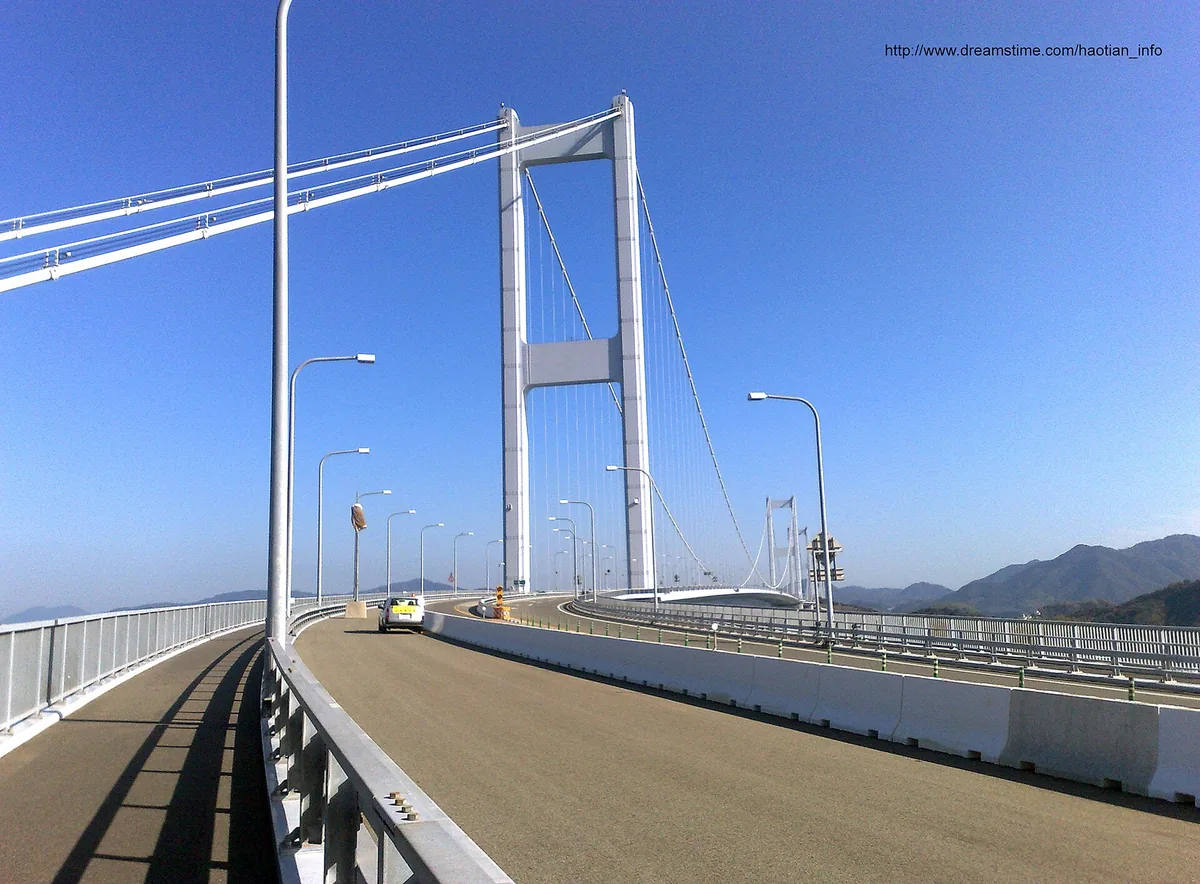
A Cycle Oasis is a registered stop along the route that supports cyclists directly, not just a cafe with good coffee. Each one offers a water refill, a tire pump, basic tools, and restroom access, and most also have a bike rack out front. Signs mark each location, so riders can spot a Cycle Oasis from the road without checking a map every time. Etiquette matters: use the provided rack instead of leaning a bike against a wall, and let sweat cool before sitting down inside. Not every Cycle Oasis is a business. On Oshima's west side, one private home doubles as a registered stop, offering a bike stand and a pump to passing riders. For dining beyond cafes, lunch counters, okonomiyaki, and seafood, see the Shimanami Kaido food guide.
- Water refill for bottles and hydration packs
- Tire pump and basic repair tools
- Restroom access
- Bike rack or a marked parking area
Mukaishima and Innoshima: The First Climb and Citrus Country
Mukaishima is the first island most riders reach, connected to Onomichi by a short ferry that costs ¥110 with a bike. The island stays mostly flat and rural, with a long history of orchid cultivation, making it a warm-up before the route's real climbing begins. Ushio Chocolatl sits partway up a steep early climb and serves small-batch chocolate and chocolate drinks. Hours can run short in the late afternoon, so confirm same-day timing before detouring uphill. Innoshima is the birthplace of the hassaku citrus fruit, and the island's main cycling route covers around 10 kilometers (6 miles) before rejoining the bridge crossings. That citrus heritage shows up at Hassaku Kobo MATSURA. The shop takes cash only and closes as soon as the day's fruit mochi sells out, so an early stop pays off.
Ikuchijima: Setoda's Cluster of Lemon Island Cafes
Setoda, on Ikuchijima, sits roughly at the halfway point of the ride from Onomichi and ranks as the most developed stop on the route. Ikuchijima grows more than a quarter of Japan's lemons, and citrus turns up in soft serve, baked goods, and drinks across town. Dolce Ice Cream is the standout for citrus flavors. Its salty soft serve, topped with sea salt flakes, is a local specialty. The citrus version uses the island's own lemons. Overview Coffee is the pick for a proper roast, sourcing and roasting beans from regenerative farmers, though it only opens in the afternoon. Setoda's cafes sit close enough together to fit two or three into one stop. Kosanji Temple and the Shiomachi shopping street both sit within easy walking distance of the port. For the island's fuller lemon menu, see the Setoda Lemon Food Guide: Lemon Cakes, Gelato & Curry on Ikuchijima.
Omishima: Reservation-Only Lunches and a Community Cafe
Bubuka sits on Omishima's quiet southern coast road, in a stretch with few other restaurants. It serves a daily set built around homemade sourdough bread and local, seasonal ingredients. Reservations are strongly recommended, since the small dining room fills up during lunch service. Bubuka opens 11:00 to 16:00 on weekdays, later until 17:00 on weekends. It closes Wednesdays and Thursdays, and a set runs ¥1,000 to ¥2,000. Co-Living and Cafe SANDO offers a different pace nearby, built around a shared community space rather than one signature dish. Tatara Shimanami Park, the roadside station next to Tatara Bridge, is the largest rest area on the entire route. It sells soft serve and stamps for riders collecting one from every stop, and needs no reservation at all. Riders with time to spare can also detour to the nearby Toyo Ito Museum of Architecture before continuing toward Hakatajima.
Hakatajima: Ocean-View Pastry and a Salt Broth Reset
Patisserie T's Cafe Tamaya faces Aritsu Bay through a wall of windows, with terrace seating for riders who want to stay outside in cycling kit. The cafe traces back to a confectionery shop called Tamaya, opened in 1948, before the current owner trained in Western pastry and returned to reopen it as a cake cafe. It runs 11:00 to 17:00 and closes Tuesdays, Wednesdays, and Thursdays; cake and coffee run ¥1,000 to ¥2,000. Sanwa, inland in Kinoura, serves Hakata Salt Ramen, a broth built from 17 ingredients and seasoned with local sea salt. The shop started in 1971 as Sanwa Shokudo, after the island's original saltworks closed. It is open 11:00 to 19:00, with a shorter Wednesday closing at 17:00, and it is closed Sundays; a bowl runs ¥1,000 to ¥1,500. Hakata Beach, a short ride from both cafes, is worth a stop for riders who want to cool off before the Oshima climbs. Salt-forward stops like Sanwa matter most in summer heat, replacing what a ride sweats out. Citrus stops matter more in winter and spring, when Ikuchijima's lemon crop peaks.
Sanwa opened in 1971 after the original saltworks closed; salt-forward stops matter most in summer heat, but confirming same-day hours is essential since island cafes close irregularly and may sell out seasonally.
Oshima: Bridge Views Before the Final Climb
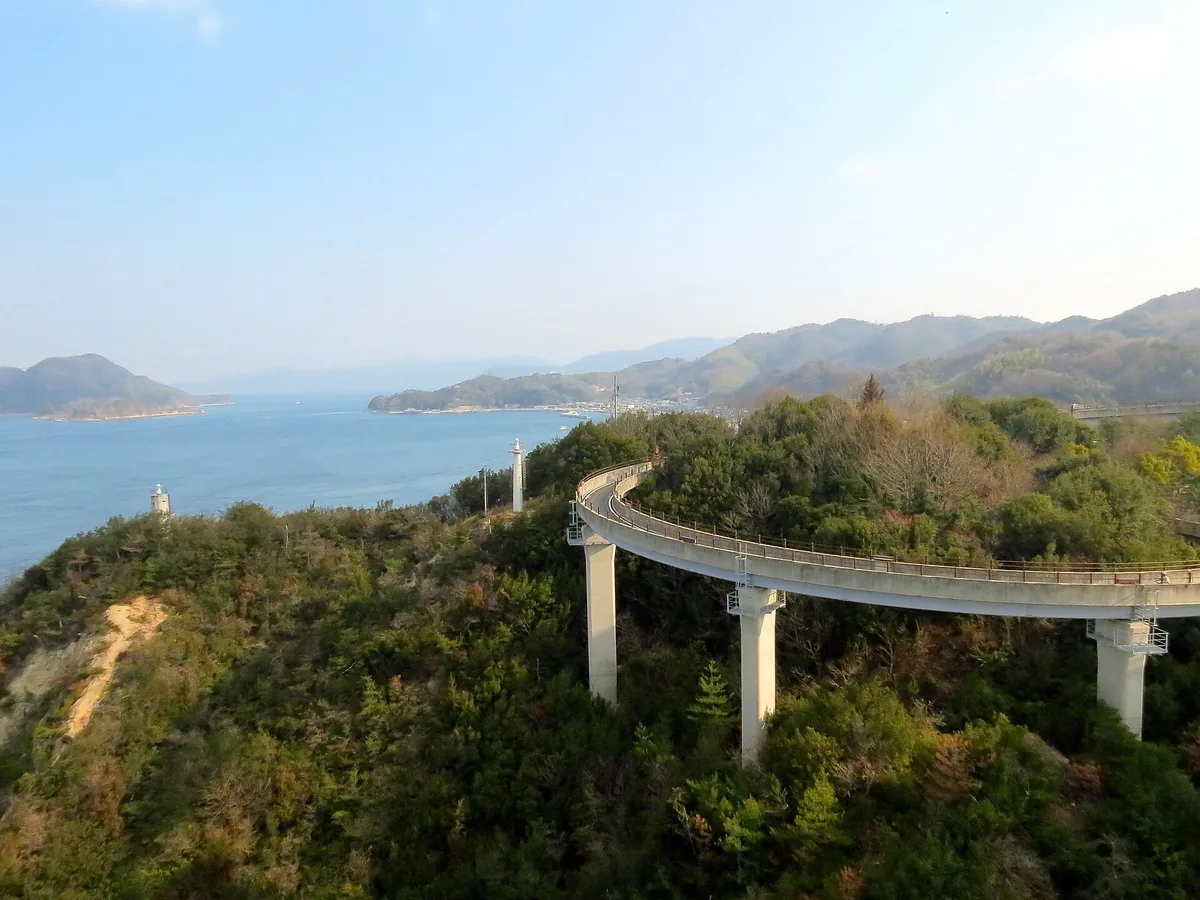
Kameyama Goya opened in 2020 partway up a hill on the main route, reached by a short walk from a bike rack near the parking area. The terrace looks straight at Kurushima Kaikyo Bridge, and the menu leans Asian: green curry, lu rou fan, and pho, alongside lemon tofu pudding for a lighter break. It is open 11:00 to 17:00 and closed Monday through Thursday; a meal runs ¥1,000 to ¥2,000. Cafe Shozan, further along the coast, is a log-cabin cafe with bike racks out front and house-roasted coffee. The nearby Yoshiumi Rose Garden holds more than 3,500 roses across 400 varieties, in bloom from mid-May into late autumn. Pasta and curry lunch sets are the draw at Cafe Shozan, served in a wood-paneled room with a sea view. It runs 10:00 to 16:00 and closes Tuesday through Thursday; expect ¥1,000 to ¥2,000. For a savory lunch instead of pastries, Noshima Suigun near Miyakubo Fishing Port serves fresh seafood bowls straight from the local fisheries co-op, covered in the seafood guide. Riders tackling Kirosan Observatory should expect a steep climb of roughly 244 meters (800 feet) over 3.2 kilometers (2 miles) before a snack station and soft serve reward the effort.
Best Shimanami Kaido Cycling Cafes by Need
Matching a cafe to a specific need saves time on a route with dozens of options. The table below groups the strongest picks by what a rider is actually looking for, from a quick sugar hit to a sit-down reservation. For a fuller citrus and dessert lineup beyond this list, see the gelato and sweets guide.
| Need | Pick | Island | Note |
|---|---|---|---|
| Scenic view | Patisserie T's Cafe Tamaya | Hakatajima | Terrace over Aritsu Bay |
| Scenic view (after a climb) | Kirosan Observatory snack station | Oshima | Reward after a 244m (800 ft) climb over 3.2km (2 miles) |
| Quick energy | Tatara Shimanami Park roadside station | Omishima | Soft serve, no reservation needed |
| Real coffee | Overview Coffee | Ikuchijima | Afternoon-only, regenerative-farm beans |
| Real coffee (alt) | Cafe Shozan | Oshima | House-roasted, bike racks out front |
| Sweets and gelato | Dolce Ice Cream | Ikuchijima | Salty and citrus soft serve |
| Sit-down lunch | Bubuka | Omishima | Reservation recommended, ¥1,000-¥2,000 |
Practical Logistics: Hours, Cash, and Bike Security
Cafe hours, payment, and bike security on the islands are far less predictable than on the mainland, so a little prep prevents a wasted detour. Google Maps listings and each cafe's own site are the most reliable way to confirm hours before riding out of the way. Photo-menu ticket machines, common at roadside stations and diners along the route, remove most language barriers even without a shared language. Riders who want more than coffee and dessert can check the lunch stops guide for sit-down lunches, seafood bowls, and okonomiyaki.
A one-day 70km route realistically allows two cafe stops; carrying ¥1,000 to ¥3,000 in small bills is essential since many island cafes are cash-only and may close early once stock sells out.
- Hours: several island cafes close on some run of Monday through Thursday; Kameyama Goya, Cafe Shozan, and Patisserie T's Cafe Tamaya each follow a different pattern
- Cash: carry roughly ¥1,000 to ¥3,000 in small bills; Hassaku Kobo MATSURA on Innoshima is cash-only
- Bike security: use the rack that's provided; Shiomachitei on Ikuchijima lets riders bring bikes onto a dirt-floor area inside
Planning Cafe Stops: One Day vs Multi-Day Rides
A one-day rider covering the full 70km (44-mile) route realistically has time for about two cafe stops without missing the last bus or ferry back. Multi-day riders spreading the route across two or three days can fit four to five stops without feeling rushed. A common two-day split rides Onomichi to Omishima or Setoda on day one, then continues to Imabari on day two, spreading cafe stops evenly across both halves of the route. Luggage-forwarding services can leave riders with only a light day pack, but participating operators, eligible lodgings, deadlines, and prices vary; confirm the current service before relying on it. Pairing a cafe stop with a nearby sight also stretches the day further. Kosanji Temple and Oyamazumi Shrine both work well for that; see the island attractions guide for the full list.
Pre-Ride Checklist for Cafe-Hopping the Shimanami Kaido
A short checklist keeps cafe-hopping efficient instead of chaotic across a route this long. Pack for hydration, payment, and navigation before setting off from Onomichi or Imabari.
- A refillable water bottle for Cycle Oasis top-ups
- ¥1,000 to ¥3,000 in small bills, plus an IC card as backup
- A dedicated cycling map, such as the CycloTourisme Shimanami set, for locating Cycle Oasis points
- Awareness of Monday-through-Thursday closure patterns before finalizing a day's route
- A plan for luggage forwarding if carrying panniers to every cafe isn't appealing
Blue Line Stops vs Cafe Detours
Plan cafe stops by how much they interrupt your riding rhythm. Setoda is the easiest cluster for riders following the route from Onomichi toward Imabari. Dolce Ice Cream, Overview Coffee, Shiomachi shopping street, and Kosanji Temple can fit into one walking-and-riding break near the port.
Other stops need extra time. Ushio Chocolatl is uphill on Mukaishima, so treat it as an early climbing detour rather than a quick ferry-side coffee. Bubuka sits on Omishima’s quieter southern coast road. Reserve ahead before committing to that stretch.
- Quick route stop: Tatara Shimanami Park beside Tatara Bridge, with no reservation needed.
- Scenic detour: Patisserie T’s Cafe Tamaya at Aritsu Bay, best when you can spare time for terrace seating.
- Hill stop: Kameyama Goya on Oshima, reached by a short walk from the bike rack.
Riders moving in the opposite direction can reverse this logic. Save one flexible stop for the final island, since wind, bridge climbs, and cafe closures can change your pace.
How This Guide Was Verified
Food availability, access details, seasonal rules, and the time-sensitive claims in this guide were checked on August 22, 2026 against the official sources below. Independent restaurant menus, prices, opening days, and sell-outs can change, so confirm the operator's same-day notice before making a special trip.
Frequently Asked Questions
What is a Cycle Oasis on the Shimanami Kaido?
A Cycle Oasis is a shop, cafe, or home registered into a rider-support network along the route. Each one typically offers a water refill, a tire pump, basic tools, and usually a bike rack.
Which Shimanami Kaido cycling cafes have dedicated bike racks?
Kameyama Goya and Cafe Shozan on Oshima both have bike racks near their entrances. Shiomachitei on Ikuchijima goes further, letting cyclists bring bikes onto a dirt-floor area inside.
Are island cafes open every day of the week?
No. Several, including Kameyama Goya, Cafe Shozan, and Patisserie T's Cafe Tamaya, close on some combination of Monday through Thursday. Confirm hours the same day, since small operators can also close early once they sell out.
How much cash should cyclists carry for cafe stops?
Carry roughly ¥1,000 to ¥3,000 in small bills, since many island cafes and shops are cash-only or prefer it. Hassaku Kobo MATSURA on Innoshima, for example, accepts cash only and closes once the day's stock sells out.
Is it possible to cycle the Shimanami Kaido without carrying panniers to every cafe?
Potentially. Luggage-forwarding services can leave riders with only a light day pack, but participating operators, eligible lodgings, booking deadlines, and prices vary. Confirm a current service for the exact route before relying on it.
Free guide: Japan's Hidden Gems
12 under-the-radar places beyond Tokyo & Kyoto — with the best season to visit each and a local tip you won't find in the guidebooks.
You might also like


Continue reading
More guides you'll find useful