Shimanami Kaido Gelato and Sweets Guide
Plan Shimanami Kaido gelato and sweets stops: Setoda lemon gelato, Hakatajima salt soft serve, and Yoshiumi Rose Park, with 2026 prices, hours, and route notes.
On this page
Last updated August 2026, this guide plots the best Shimanami Kaido gelato and sweets stops along the 70km route between Onomichi and Imabari. Citrus and salt define the flavor profile here. The three essential stops are Shimanami Dolce on Ikuchijima, Hakata S.C. Park on Hakatajima, and Yoshiumi Rose Park on Oshima.
The Best Shimanami Kaido Gelato and Sweets Stops by Island
Each of the Big Three stops sits directly on, or just off, the cycling route. Every stop ties its flavor to a local product. Citrus dominates the Hiroshima-side islands, and salt and roses dominate the Ehime side. Ikuchijima comes first for most Onomichi starts, and Hakatajima and Oshima follow on the Ehime side; the order rarely changes regardless of pace. For savory stops instead, check the Shimanami Kaido Seafood Guide: BBQ, Sushi, and Island Specialties. See the full Shimanami Kaido food guide for the complete meal plan across the islands.
| Shop | Island | Signature Flavor | Price | Typical Closing |
|---|---|---|---|---|
| Shimanami Dolce | Ikuchijima | Setoda lemon, Hassaku orange gelato | ¥400–¥600 | 5:00 PM |
| Hakata S.C. Park | Hakatajima | Hakata no Shio salt soft serve | ¥400–¥600 | 5:00 PM |
| Yoshiumi Rose Park | Oshima | Rosehip sorbet, rose soft serve | ¥400–¥600 | 5:00 PM |
Ikuchijima: Setoda's Lemon and Hassaku Orange Gelato
Setoda is Hiroshima Prefecture's citrus center, and Shimanami Dolce built its menu around that supply. The main shop sits at 20-8 Setodacho Hayashi in Onomichi City, about a 30-minute drive from JR Onomichi Station. A second branch operates in Setoda town, in front of Kousanji Temple. Cyclists on either the coastal route or the temple detour can both reach a scoop there. Order the Setoda lemon or Hassaku orange gelato first. The salt-and-orange-cream combination appears seasonally and is worth trying when it's on the menu, according to Japan's official tourism guide to the route. Kousanji Temple and the Hill of Hope sculpture garden sit right behind the town branch. Pair the gelato stop with that detour instead of treating them as separate trips. For deeper coverage of the citrus scene here, see the Setoda Lemon Food Guide: Lemon Cakes, Gelato & Curry on Ikuchijima.
Hakatajima: Hakata no Shio Salt Soft Serve
Hakatajima built its identity on salt production. Hakata no Shio is the resulting brand, noted by Japan's official tourism site among the route's food highlights. Hakata S.C. Park is the only shop selling the salt soft serve, at 1668-1 Hakatacho Kanoura in Imabari City. It sits roughly a 23-minute drive from JR Imabari Station. Order the plain salt-vanilla swirl first; a salt-chocolate version is also on the menu. Set against the blue water of the Inland Sea, the white soft serve is a deliberate visual contrast, not just a flavor gimmick. Treat this stop as close to mandatory on the final leg toward Imabari, since it sits near the Ehime end of the route.
Oshima: Yoshiumi Rose Park's Rosehip and Rose Flavors
Yoshiumi Rose Park sells rosehip sorbet and rose-flavored soft serve, both distinct from the citrus and salt options on the rest of the route. Blooms peak in May and June, and again in October and November, so plan a rose-themed stop around those windows. Oshima also holds the steepest optional detour on the route. Kirosan Observatory Park is a climb up a roughly 300-meter-tall mountain to a 360-degree view of the islands and the Inland Sea. That detour is the clearest flavor-versus-fatigue trade-off on the whole ride. Climbing to the observatory late in the day risks missing the rose park's closing time below, so budget the descent before committing to the climb.
Beyond Gelato: Lemon Cakes and Citrus Jellies for the Jersey Pocket
Not every sweet stop requires a bike rack and a bench. Setoda's signature baked good is the lemon cake, a dense, citrus-glazed slice sold in individually wrapped portions that survive a jersey pocket without melting. Michi-no-Eki roadside stations along the route also stock mikan citrus jellies, another no-melt option for the bridge crossings, where there's no shade for long stretches. Pack one or two before the Tatara Bridge crossing, where open water offers no cover from sun or wind. For savory portable options and full stop-by-stop meal timing, see the Shimanami Kaido lunch stops guide.
Reaching Setoda by Ferry Instead of the Full Ride
Not every cyclist rides the full 70km from Onomichi. Some ferry directly to Ikuchijima and ride a shorter loop around the dessert stops instead. A high-speed ferry from Mihara Port to Setoda Port takes about 25 minutes, and the regular ferry from Onomichi Port to Setoda Port takes about 35 minutes, per Japan's official tourism guide. Both options land within walking distance of the Setoda town branch of Shimanami Dolce and the Kousanji Temple detour. By road, the same area sits about a 10-minute drive from Ikuchijima-Kita IC for anyone driving in rather than cycling.
Not every cyclist completes the full 70km from Onomichi. Ferries reach Setoda in 25 minutes from Mihara Port or 35 minutes from Onomichi Port, letting riders skip early islands and focus tasting time on the three essential stops.
Planning a Sweets-Timed Itinerary Across the Islands
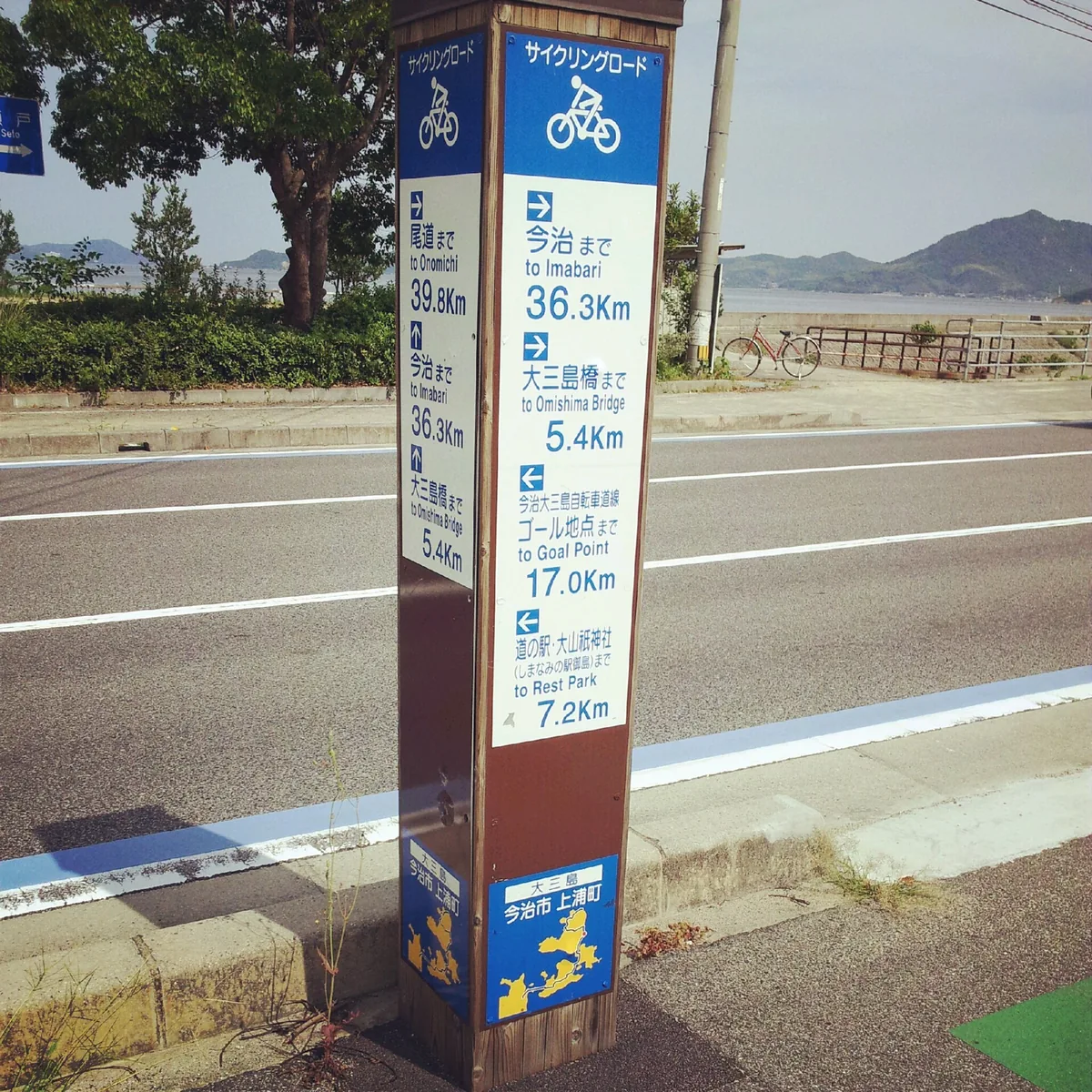
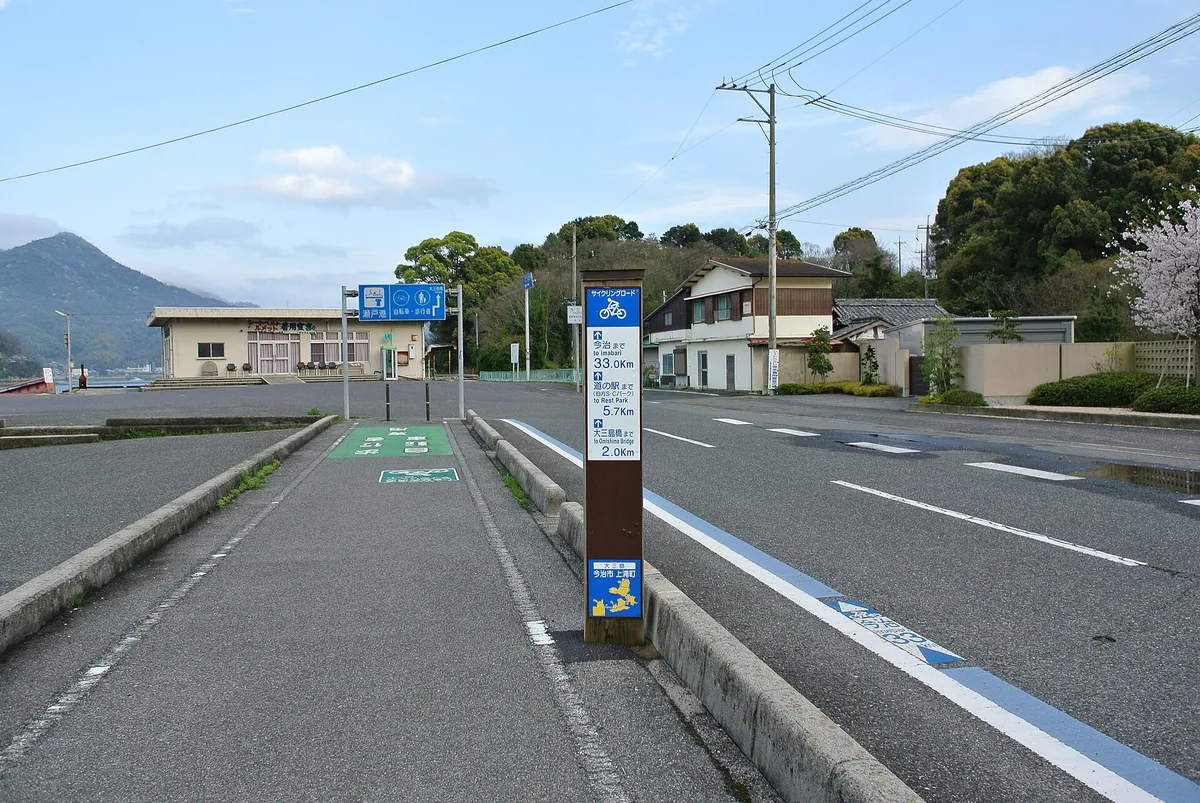
Starting in Onomichi, most riders save the first treat for Ikuchijima rather than eating in town before the crossing. That puts the first stop around the Shimanami Dolce main shop or the Setoda town branch, roughly two islands into the ride. The afternoon slump usually lands around Hakatajima or Oshima, depending on pace, which is exactly where the salt soft serve and rose park sit. Route friction matters more than flavor preference. Shimanami Dolce's main shop and Hakata S.C. Park both sit close to the Blue Line, the route's official cycling markers. Yoshiumi Rose Park and Kirosan Observatory both require a short detour off that line. Riders who prefer a sit-down coffee break instead of soft serve can check the Shimanami Kaido cycling cafes guide for stops with indoor seating. Many island attractions and food counters finish service in the late afternoon, but schedules vary, so confirm each stop and plan sweets before the day's final push.
Timing a Sweets Stop Around Sunset
Sunset planning is another reason to linger in Setoda, not just the gelato. Setoda Sunset Beach runs about 800 meters along the coast and sits roughly a 40-minute drive from JR Onomichi Station, according to Japan's official tourism site. It also has room for camping or a barbecue and several art installations, so it works as an end-of-day stop rather than a quick photo break. Riders further along the route get a second option: the crossing over Tatara Bridge, where the light over the water is a known highlight of the route when conditions cooperate. Fit a gelato stop earlier in the day, and treat Setoda Sunset Beach or the Tatara Bridge crossing as the natural end-of-day stop instead.
Why Salt and Citrus Define Seto Inland Sea Sweets
Hakatajima's salt soft serve sits in a specific tradition of Japanese regional ice cream, where local industries or crops become the flavor. Furano, in Hokkaido, is known for lavender ice cream tied to its lavender fields, and Kanazawa sells vanilla soft serve wrapped in edible gold leaf. Elsewhere, Takayama sells sake-flavored ice cream, and Osaka's Amerika-mura district is known for elaborate novelty flavors. Hakatajima's version draws on an established local salt industry rather than a novelty ingredient, which gives the salty-sweet profile more grounding than a one-off gimmick flavor. Citrus works on a hierarchy along the route rather than a single flavor. Mikan, a mandarin-type citrus, is the everyday reference point. Lemon is Setoda's signature crop. Hassaku orange is the tarter, more bitter option that regular visitors tend to prefer once they've tried the other two.
Practical Logistics: Prices, Hours, and Bike Parking
Expect to pay roughly ¥400 to ¥600 per cup at any of the Big Three stops. Cash is the safer default at smaller island shops and Michi-no-Eki stands, though larger stops increasingly accept IC cards such as Suica or Pasmo. Confirm card acceptance before ordering if a shop looks small or seasonal. Late-afternoon closing times are a planning risk on this itinerary, but there is no single closing rule across the islands. Check the current hours for each intended stop.
- Price per serving: roughly ¥400 to ¥600 at the Big Three stops
- Closing time: often late afternoon; confirm each island shop
- Payment: cash safest at small shops; IC cards like Suica or Pasmo accepted at larger stops
- Bike parking: outdoor cycle racks (Chikurin stands) at all three main stops
The Meltdown Factor: Beating the Heat
Eating gelato in cycling gear during Seto Inland Sea summer humidity is a race against melting, not a leisurely rest stop. Shops with indoor, air-conditioned seating give more time to actually taste the flavor instead of catching drips off a cone. Outdoor bench seating works fine in spring and autumn, but it turns into a five-minute countdown in peak summer. Check for indoor seating first if the ride falls in July or August. None of the Big Three stops force a choice between shade and a cycle rack. All three keep outdoor seating and bike parking as standard.
Summer riders should plan cold-dessert stops carefully: gelato melts quickly in the heat, while many counters finish service in the late afternoon. Check the current hours of the specific shop rather than assuming a route-wide closing time.
Mistakes to Avoid on the Shimanami Kaido Sweets Route
A few planning errors repeat often enough to call out directly. Most come from treating the ride like a straight point-to-point commute instead of a series of timed stops.
- Ignoring the Blue Line markers and riding past a shop entrance while looking at a map instead of the road.
- Underestimating the sugar crash on the bridge sections, where there's no shop, shade, or rest point for several kilometers at a stretch.
- Climbing to Kirosan Observatory late in the day and missing Yoshiumi Rose Park's closing time on the way back down.
- Missing the seasonal citrus windows, since fresh Setoda lemon and Hassaku orange run through winter and spring while gelato versions cover the rest of the year.
- Assuming every stop takes cards; carrying small cash bills avoids a wasted trip to a shop that turns out to be cash-only.
How This Guide Was Verified
Food availability, access details, seasonal rules, and the time-sensitive claims in this guide were checked on August 22, 2026 against the official sources below. Independent restaurant menus, prices, opening days, and sell-outs can change, so confirm the operator's same-day notice before making a special trip.
Frequently Asked Questions
What's the best gelato flavor to try on the Shimanami Kaido?
Setoda lemon and Hassaku orange gelato at Shimanami Dolce are the standout citrus options, and Hakata no Shio salt soft serve at Hakata S.C. Park is the standout savory-sweet option. Try one from each side of the route rather than picking just one, since the flavor profiles are genuinely different.
How much does gelato or soft serve cost along the route?
Most shops charge roughly ¥400 to ¥600 per serving at the main stops, including Shimanami Dolce, Hakata S.C. Park, and Yoshiumi Rose Park. Cash is the safer choice at smaller shops, though larger stops increasingly take IC cards such as Suica or Pasmo.
What time do the gelato and sweets shops close?
There is no route-wide closing time. Many island attractions and food counters finish service in the late afternoon, so check the current hours for each intended stop and avoid leaving the last one until the end of the ride.
Is Yoshiumi Rose Park worth a detour outside of rose season?
The rosehip sorbet and rose soft serve are sold outside peak bloom too. Floral displays that make the stop memorable peak in May and June, and again in October and November. Outside those windows, treat the stop as a flavor break rather than a scenic one.
Can you find lemon cake or citrus jelly if you don't want ice cream?
Yes. Setoda's lemon cake is sold in individually wrapped slices that travel well in a jersey pocket. Michi-no-Eki roadside stations along the route also stock mikan citrus jellies as another no-melt option.
Free guide: Japan's Hidden Gems
12 under-the-radar places beyond Tokyo & Kyoto — with the best season to visit each and a local tip you won't find in the guidebooks.
You might also like


Continue reading
More guides you'll find useful