Shimanami Kaido Cycling Guide: E-bike vs Road Bike Logistics (2026)
2026 Shimanami Kaido cycling guide: e-bike vs road bike comparison, rental prices (¥1100-¥2000/day), Onomichi to Imabari logistics, battery range, and one-way return rules.
On this page
Quick answer: For most riders in 2026, an e-bike from Onomichi Port (¥2000/day) is the smartest choice for the full 70 km Shimanami Kaido route — battery range covers the whole crossing, and the ¥1100 one-way return fee lets you drop it in Imabari without backtracking. A road bike (¥1100/day) only beats an e-bike if you can sustain 20+ km/h on the bridge ramps and want to finish in under 5 hours.
The Shimanami Kaido is a 70-kilometer cycling expressway across the Seto Inland Sea, linking Onomichi in Hiroshima Prefecture to Imabari in Ehime Prefecture across six islands and seven bridges. Dedicated cycling lanes, blue-line wayfinding, and ten public rental terminals make it the most beginner-friendly long-distance bike route in Japan — but the choice between e-bike and road bike, and the logistics of one-way drop-offs, ferry shortcuts, battery management, bike sizing for tall riders, and mandatory cycling insurance are the things first-timers get wrong most often.
This 2026 guide covers updated rental prices at Onomichi, Setoda and Imabari terminals, a direct e-bike vs road bike comparison table, recommended distances per ability level (15 km / 35 km / 70 km), battery range and swap options, one-way return logistics, mandatory cycling insurance and helmet rules, the post-2014 toll-free bridge policy, and how the lesser-known Tobishima Kaido connects as a quieter sister route. If you are fitting Shimanami Kaido into a broader Hiroshima trip, see our how to get to Hiroshima from Tokyo and Osaka guide for the Shinkansen leg into Onomichi.
What is the Shimanami Kaido?
The Shimanami Kaido is a 70 km expressway linking Onomichi (Hiroshima Prefecture) to Imabari (Ehime Prefecture) across six islands of the Seto Inland Sea: Mukaishima, Innoshima, Ikuchijima, Omishima, Hakatajima, and Oshima. What makes it the only route of its kind in Japan is the dedicated cyclist-and-pedestrian lanes built parallel to the car deck on every one of its seven bridges, separating riders from motorized traffic on the longest sea crossings.
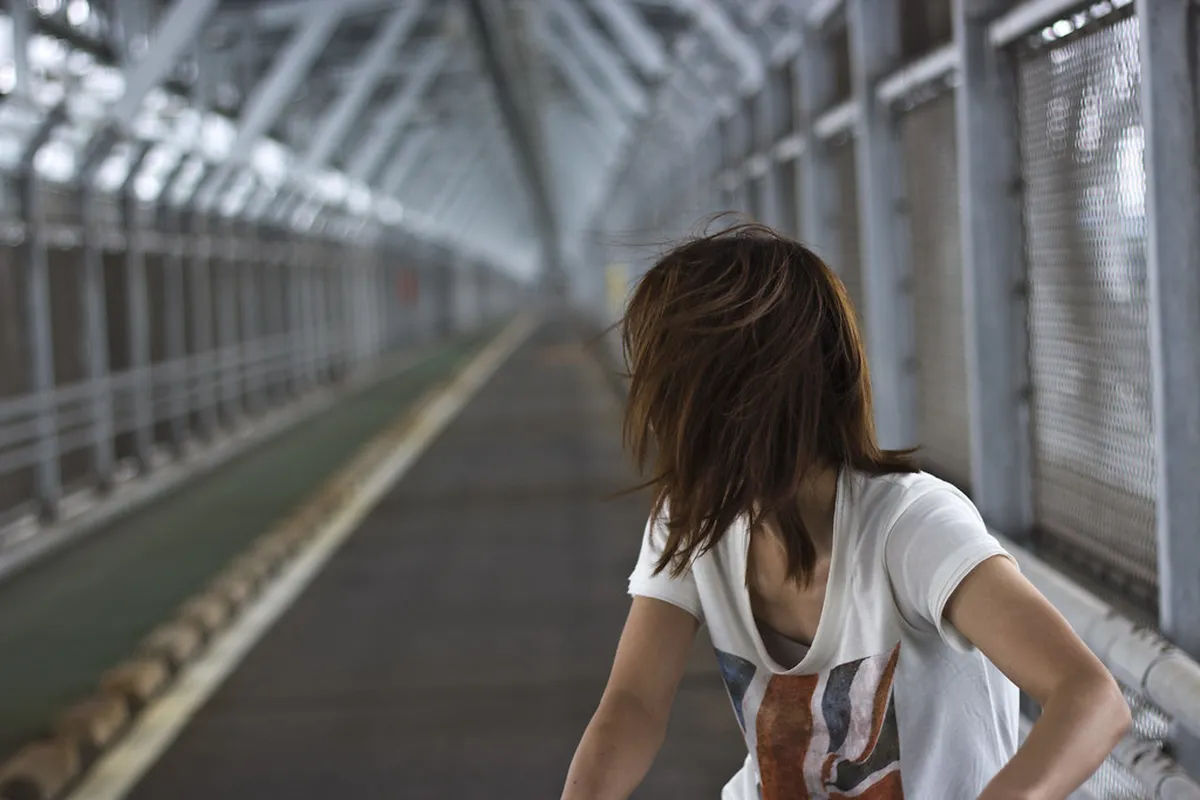
Each island has a distinct character — Innoshima is pirate country, Ikuchijima is the citrus and art island, Omishima holds the oldest shrine, and Oshima is the quietest with the most dramatic bridge approach. The full route follows a painted blue line on the road surface that wayfinds you through every junction, ramp entry, and ferry pickup, so you rarely need a map once you know which direction you're heading.
Infrastructure on the route is unusually good for a rural cycling network: ten public rental terminals, dozens of road stations (michi-no-eki) with toilets and food, free repair pumps, and a vending machine roughly every 3 km. In 2026 the Setouchi DMO has continued upgrading multilingual signage at all major junctions and adding English-language QR menus at terminal cafes, which removes most of the friction first-time international visitors used to face.
E-Bike vs. Road Bike: Logistics and Performance Trade-offs
Selecting your bike type is the most consequential decision you make before riding. An e-bike provides steady assistance on the long approach ramps that lead up to each suspension bridge — these ramps maintain a 3% gradient over 1.0 to 1.5 km, which sounds gentle on paper but stings when you've already ridden 50 km. A road bike rewards a fit cyclist with a sub-5-hour finish; a cross/hybrid bike is the cheapest option and the most common rental.
Logistics for e-bikes are tighter than standard bikes because of charging needs. Public Shimanami Cycle terminals will accept e-bike one-way drop-offs only at Onomichi, Setoda, and Sunrise Itoyama (Imabari) — the seven smaller mid-route terminals do not stock charging infrastructure, so you cannot leave an e-bike there. Standard cross bikes and road bikes from the public fleet drop off at any of the ten terminals.
Battery management is the single skill that separates a smooth e-bike day from a stranded one. You must use eco mode on flat coastal sections and reserve mid- or high-assist for the seven bridge climbs. Most modern rental batteries last the full 70 km if you pedal consistently, but heavier riders, headwinds, and overuse of high mode can drop you to 30 percent battery by Omishima — at which point you're rationing for the Kurushima Kaikyo crossing rather than enjoying it.
Side-by-side comparison: e-bike vs road bike vs cross bike (2026)
This is the comparison table most blogs skip. It maps the three rental options against the four decisions that actually matter on the day: cost, range, terrain handling, and return flexibility. Numbers reflect 2026 Shimanami Cycle public terminal pricing.
| Factor | E-bike | Road bike | Cross/hybrid bike |
|---|---|---|---|
| Daily rental (2026) | ¥2000 | ¥1100 | ¥1100 |
| One-way drop-off fee | ¥1100 (3 terminals only) | ¥1100 (any of 10 terminals) | ¥1100 (any of 10 terminals) |
| Range on full battery | 50–80 km depending on mode | Unlimited | Unlimited |
| Bridge ramps (3% gradient) | Effortless | Demanding | Manageable |
| Average pace | 15–18 km/h | 22–28 km/h | 14–17 km/h |
| Time for full 70 km | 5.5–7 hours | 3.5–5 hours | 6–8 hours |
| Best for | Casual riders, families, anyone over 50 | Fit cyclists wanting a sub-day finish | Multi-day tourers, beginners |
| Pannier/luggage rack | Yes | Usually no | Yes |
| Helmet provided | Yes (free, mandatory) | Yes (free, mandatory) | Yes (free, mandatory) |
The decision in one line: if you can hold 20+ km/h on a road bike comfortably, rent road. If you can't, or you're carrying a backpack, or anyone in your group is unsure — rent the e-bike. The ¥900 price difference is trivial against the cost of bonking on Kurushima Kaikyo Bridge with 15 km still to go.
Helmets are mandatory for all cyclists in Japan since April 2023, and the rule is enforced on the Shimanami Kaido. Every Shimanami Cycle rental includes a free helmet. Cycling insurance is also included in your rental fee, covering third-party liability up to ¥100 million per incident.
Bridge Tolls, Helmets, and Cycling Insurance Rules for 2026
Direct answer: The seven Shimanami Kaido bridges have been free for cyclists since July 2014 — the prior ¥50–¥200 per-bridge tolls were permanently abolished, so there are no toll booths to budget for in 2026. Helmets became mandatory under Japanese road law in April 2023 and the rule is enforced by police patrols on the route; every public rental includes a free helmet. Cycling insurance is mandatory in both Hiroshima and Ehime Prefectures, and your rental fee includes 24-hour third-party liability cover up to ¥100 million per incident.
The toll-free policy means you can ride through every bridge approach without stopping at a coin booth — this surprises older guidebooks and pre-2015 forum posts, which still warn about carrying coins. The only fee that applies on bridges is the optional Innoshima Bridge motorbike lane (¥50, irrelevant to cyclists) and the bridge-deck observation elevators on Tatara and Kurushima Kaikyo (free for pedestrians and cyclists).
Helmet enforcement matters because Japanese police treat the Shimanami Kaido as a high-traffic test corridor for the new helmet rule. The fine for refusing a helmet is technically administrative rather than monetary, but officers can stop and document you, which voids your rental insurance for that ride. Wear the rental helmet even if it looks unfashionable — the included EPS-foam unit meets JCF certification and is the simplest path to staying covered.
The rental insurance covers third-party damage (you hit a pedestrian, you damage a parked car), bike theft if you used the issued lock, and limited bodily injury treatment at participating clinics in Onomichi, Setoda, and Imabari. It does not cover loss of personal property, lost rental fees due to weather, or international medical evacuation — bring your own travel insurance for those.
Choosing Your Starting Point: Onomichi vs. Imabari
Most travelers start in Onomichi because the JR Sanyo Line and the Sanyo Shinkansen (via a short transfer at Shin-Onomichi) deliver you within walking distance of the Onomichi Port terminal. The city itself is worth half a day before or after the ride: hillside temples, narrow alleys, and Senkoji Park overlooking the harbor. From Onomichi you take a quick ¥110 ferry to Mukaishima to begin pedaling toward the first bridge.
Starting from Imabari is the contrarian's choice, and a good one if you fly into Matsuyama (90 minutes by limited express to Imabari) rather than Tokyo or Osaka. The Kurushima Kaikyo Bridge is the route's longest at 4.1 km, and tackling it first means you ride the most dramatic structure with fresh legs and the morning light at your back. Imabari also has cheaper accommodation than Onomichi because it's a working city rather than a tourist hub.
Wind direction is a real factor — the Seto Inland Sea has prevailing southerly winds in summer (a tailwind from Imabari) and prevailing northerlies from October to March (a tailwind from Onomichi). Check the Japan Meteorological Agency (Hiroshima Forecast) the night before and reverse direction if needed; a 15 km/h headwind across the bridges will add 90 minutes to your day.
Onomichi is also a great base for combining the ride with city sightseeing — see our Onomichi day-trip guide for Cat Alley and the temple walk for an easy half-day before or after the ride. Both cities have luggage forwarding services and bike storage at major hotels, so the choice mostly comes down to which side of the route fits your inbound transport.
Cycle Rentals: Public Terminals vs. Private Shops
The public rental system, Shimanami Cycle, is the default choice for most riders — ten terminals, ¥1100/day for cross or road bikes, ¥2000/day for e-bikes, and the same ¥1100 deposit functioning as your one-way drop-off fee. The fleet is well-maintained mid-range hardware, the booking system has English support, and you can shorten your day at any terminal if weather or fatigue forces a change of plan.
Private shops fill two niches the public fleet doesn't. Giant Onomichi (next to the Onomichi U2 hotel) and Giant Imabari rent high-spec road bikes — Defy and Contend frames in carbon and aluminum from ¥4000–¥8000/day — with proper Shimano 105 components and clipless pedal compatibility. They also offer bike fitting before the ride and accept one-way returns between their two locations only. For long-frame riders or anyone bringing their own clip-in shoes, this is the only sensible option.
Booking ahead is essential during cherry blossom season (late March to early May) and the autumn-color window (mid-October to late November), when the public fleet sells out by 9 AM on weekends. Use the Shimanami Cycle (Official Public Rental) portal at least seven days before your ride. Walk-up rentals are usually fine on weekdays in shoulder seasons, but assume nothing in peak weeks.
One detail that catches international riders by surprise: the public fleet is sized for Japanese riders, with frames topping out at roughly 175 cm rider height. If you're 185 cm or taller, you will be cramped on a public bike for 70 km — book a Giant Onomichi road bike (frames go to 195 cm) or, if you're touring multiple Japanese routes, ship your own bike via Yamato Transport's bicycle service to your hotel for around ¥3500 each way.
2026 Rental Prices and Terminal Locations
Direct answer: In 2026, public Shimanami Cycle terminals charge ¥1100/day for road and cross bikes, ¥2000/day for e-bikes, plus a refundable ¥1100 deposit. The same ¥1100 deposit is forfeited as a one-way fee if you drop the bike at any terminal other than the one you rented from. Hours run roughly 7:00 to 17:00 in peak season.
Onomichi Port Terminal
Onomichi Port (Onomichi Eki-mae Minato) is the most popular start point — directly opposite Onomichi Station and a 2-minute walk from the JR ticket gate. The terminal opens at 7:00 in spring and autumn (8:00 in winter) and stocks the largest fleet on the route: roughly 200 cross bikes at ¥1100/day, 50 road bikes at ¥1100/day, and 30 e-bikes at ¥2000/day. Reserve e-bikes at least three days in advance during cherry blossom and autumn-leaf weekends; walk-ups frequently sell out by 9 AM.
Setoda Terminal (Ikuchijima)
The Setoda Sunset Beach terminal sits roughly 30 km from Onomichi at the midpoint of the route — useful as both a half-route finish and a mid-day swap point. It carries about 60 cross bikes and 15 e-bikes, with the same ¥1100 / ¥2000 daily rates. Many one-day riders ferry from Onomichi directly to Setoda (¥1500, 50 minutes) to skip the flat first 25 km and start cycling from the most scenic stretch.
Imabari (Sunrise Itoyama) Terminal
Sunrise Itoyama is the southern terminus, set at the base of the Kurushima Kaikyo Bridge and 15 km north of central Imabari. Open 8:00–20:00, this is the largest single rental hub on the Shikoku side, with around 250 cross bikes, 40 road bikes, and 25 e-bikes. The on-site cafeteria, hot showers (¥200), and capsule-hotel accommodation make it the natural overnight stop for two-day riders. From here, an Imabari Bus shuttle (¥720, 25 minutes) connects to JR Imabari Station for trains to Matsuyama or back toward Hiroshima.
Other useful terminals
Eight smaller terminals dot the route — Innoshima South, Ikuchi Bridge, Tatara Shimanami Park, Omishima Road Station, Hakatajima, Oshima, and Kurushima — typically with 20–40 cross bikes each but limited or no e-bikes. They're most useful as escape valves: if weather turns or someone in your group is exhausted, drop the bike at the nearest terminal and catch a Shimanami Liner bus (¥1200–¥2300) the rest of the way to Imabari or back to Onomichi.
One-Way Return Logistics: How the ¥1100 Drop-Off Fee Works
Direct answer: When you rent at any Shimanami Cycle terminal, you pay the daily fee plus an ¥1100 deposit. Return the bike to the same terminal, your deposit is refunded. Drop it at any of the other nine terminals along the route, the deposit is kept as a one-way fee — that's the entire system, and it applies equally to road bikes, cross bikes, and most e-bikes (a few private-shop e-bikes are exceptions).
This single rule is what makes the Shimanami Kaido work as a one-way route. You don't have to backtrack 70 km, and you don't have to reverse-ferry back to your starting city. Cycle Onomichi to Imabari, drop the bike at Sunrise Itoyama, take the bus to Imabari Station, and ride the JR Limited Express Shiokaze to Okayama where you can transfer onto the Sanyo Shinkansen back to Hiroshima or Osaka.
Ferry shortcuts and partial-route returns
If you want to ride only part of the route, the ferry network is your friend. The Onomichi–Setoda passenger ferry (¥1500, runs 5–7 times daily) carries bikes and lets you shorten a 70 km day to a 35 km Setoda-to-Imabari leg through the most scenic islands. From Imabari, the Setouchi Cruising bus-and-ferry combo can return you to Onomichi in roughly 2 hours if you decide last-minute that one direction is enough. For terminal hours and ferry schedules check the official Shimanami Cycle page before you go.
Same-day luggage forwarding
Sagawa Express and Yamato Transport both run cyclist luggage services along the route. Drop your suitcase at Onomichi U2 or your hotel concierge by 10 AM, pay around ¥1700–¥2200 per bag, and it arrives at your Imabari hotel by 18:00 the same day. This is what allows riders to do the full 70 km with only a small day pack — and it's the single biggest comfort upgrade available on the route.
Recommended Distances by Ability Level: 15 km, 35 km, or the Full 70 km
Direct answer: Match the distance to your group's least-fit rider, not your strongest. The 15 km Onomichi-Innoshima loop suits absolute beginners and kids; the 35 km Setoda-to-Imabari ferry-and-ride hits the visual highlights; the full 70 km Onomichi-to-Imabari is realistic for fit cyclists or anyone on an e-bike with a full day to spare.
15 km — Onomichi to Innoshima (half day, beginner)
Take the short ferry from Onomichi Port to Mukaishima (¥110, 5 minutes), ride 8 km of flat coastal road to the Innoshima Bridge, cross the unique two-tier bridge with its dedicated lower deck for cyclists, and turn back at Innoshima South Terminal. Total round trip: about 15 km in 2–3 hours, including a lunch stop. Ideal for families with children, anyone testing whether they enjoy distance cycling, or visitors with only an afternoon to spare.
35 km — Setoda to Imabari (one full day, intermediate)
Ferry from Onomichi to Setoda (¥1500, 50 minutes — bike included), then ride south through Ikuchijima, Omishima, Hakatajima, Oshima, and across the Kurushima Kaikyo Bridge into Imabari. This stretch contains the four most photogenic bridges, the Kosanji Temple, the Cyclist Sanctuary monument, and the longest suspension bridge on the route. Allow 4–6 hours moving time on a cross bike or e-bike. This is the route most experienced Shimanami cyclists actually recommend over the full 70 km.
70 km — Onomichi to Imabari (one long day or two days, advanced or e-bike)
The full route covers all six islands and seven bridges. Expect 5–7 hours moving time on an e-bike, 3.5–5 hours on a road bike at race pace, or 7–9 hours on a cross bike including stops. Start by 7:30 AM if attempting in one day. The 8 km of flat shipyard-and-residential road on Mukaishima at the start is the least scenic stretch — many riders skip it via the Setoda ferry without regret.
Whichever distance you pick, plan how Shimanami fits the rest of your trip. Our Shimanami Kaido 2-day cycling itinerary covers the overnight stop on Omishima or Ikuchijima, and the Onomichi day-trip guide to Cat Alley and the temple walk gives you something to do on the rest day before or after the ride.
E-bike Battery Range and Swap Stations
Direct answer: A standard Shimanami Cycle e-bike battery delivers roughly 50–60 km in mid-assist mode and 70–80 km in eco mode. The full route is 70 km, so you must use eco mode on flat sections and reserve high assist for the seven bridge ramps. Battery swaps are available at Setoda, Tatara Park, and Sunrise Itoyama terminals during business hours — but they're not guaranteed, especially on busy weekends.
The dominant e-bike model in the public fleet in 2026 is a 36V/14Ah Yamaha-style assist with three modes: eco, standard, and high. Practical battery management for the full 70 km looks like this: ride the first 25 km Onomichi-to-Innoshima section in eco mode (the terrain is flat enough that you barely need assist), switch to standard mode for the rolling middle section through Ikuchijima and Omishima, and save high mode for the four-minute climbs up the Tatara and Kurushima Kaikyo bridge approaches.
What happens if the battery dies
An e-bike with a dead battery is heavy — around 23 kg — but still rideable. The bridge ramps will be brutal but the coastal sections are doable. If the battery dies more than 15 km from your finish terminal, your better option is to drop the bike at the nearest of the ten terminals (paying the ¥1100 one-way fee) and catch the Shimanami Liner bus to Imabari. Operators won't replace a dead battery mid-route in 2026 — swap stock is reserved for riders whose bike is brought back to a staffed terminal.
The public rental fleet is sized for Japanese riders and tops out at roughly 175 cm rider height. If you are 185 cm or taller, you will be cramped for 70 km — book a Giant Onomichi road bike (frames up to 195 cm) or ship your own bike via Yamato Transport (~¥3,500 each way).
Best Time to Cycle the Shimanami Kaido in 2026
Direct answer: The two windows worth planning around in 2026 are late March through early May (cherry blossom and warm dry weather) and mid-October through late November (autumn colors and the most stable weather of the year). Avoid late June through mid-July (rainy season) and August (35°C+ humidity that turns the bridge ramps brutal).
Spring 2026: late March to early May
Cherry blossoms peak around Onomichi between March 28 and April 5 in 2026, with Senkoji Park on the Onomichi side a top photo stop. Daytime highs reach 16–22°C with low humidity, perfect riding weather. The downside is crowds — every public terminal sells out on the Saturdays surrounding peak bloom, so reserve at least seven days ahead.
Autumn 2026: mid-October to late November
This is the locals' choice. October and November in Hiroshima Prefecture deliver 18–24°C days, dry air, and the maple-and-citrus colors that make Ikuchijima photogenic. Crowds are about 30 percent lighter than spring, and the rental fleet is fully restocked after the summer lull. November 1–15 is the sweet spot for any rider with flexibility.
Months to avoid
Late June through mid-July is Japan's rainy season — daily showers, slick bridge surfaces, and reduced ferry frequency. August combines 35°C+ heat with 80 percent humidity that makes the south-facing bridge climbs genuinely dangerous for inexperienced riders. Mid-December through February is rideable but cold (5–10°C), with shorter daylight that limits the route to 50 km comfortably.
Extending the Ride: The Tobishima Kaido as a Quieter Sister Route
The Tobishima Kaido is the Shimanami Kaido's lesser-known cousin: a 30 km bridge-and-island route that runs parallel to Shimanami from the Hiroshima/Kure side, linking five smaller islands (Shimo-Kamagari, Kami-Kamagari, Toyoshima, Osaki-Shimojima, and Okamura) before stopping at Okamura Island. Ferries from Okamura connect to Imabari or to Mihara on the mainland, which means riders with three or four days can chain Shimanami and Tobishima into a 100 km loop almost no English guidebook describes.
Tobishima carries a fraction of Shimanami's traffic — on a typical autumn weekday you can ride for an hour without seeing another cyclist — and the bridges, while smaller, are arguably more architecturally interesting. The Akinada Bridge and the bright-red Toyohama Bridge frame photos that look like nothing on the main route. The trade-off is fewer rental terminals (start and end your Tobishima leg in Kure or use a private shop in Mihara) and almost no English signage outside of major junctions.
The connection between the two routes works two ways. Riders finishing Shimanami at Imabari can take the Imabari–Okamura ferry (¥1380, 75 minutes, runs three times daily and accepts bikes) and pedal the Tobishima Kaido in reverse back to Kure or Hiroshima. Or start Tobishima from Kure on day one, ferry from Okamura to Imabari overnight, and ride Shimanami back to Onomichi on days two and three. Either chain produces a four-day loop that locals consider the definitive Setouchi cycling experience.
Navigating the Route: Islands, Bridges, and Key Attractions
Mukaishima is the first island after the short ferry from Onomichi. The 8 km here are flat shipyard-and-residential road — functional rather than scenic — and many riders skip it entirely via the Setoda ferry without regret. The blue line guides you to the Innoshima Bridge approach, which is a useful first ramp to calibrate how your legs feel before the longer climbs.
Innoshima features the route's only two-tier bridge: cyclists ride a dedicated lower deck below the car traffic, which provides shade and a constant cross-breeze. The island was the medieval base of the Murakami Suigun pirates, and a small museum near the Innoshima South Terminal covers their naval history in a 30-minute walkthrough that's worth the detour if you have time.
Ikuchijima is the lemon island and the photo capital of the route. Kosanji Temple's Marble Hill of Hope (Italian Carrara marble carved into a clifftop sculpture garden) and the dozens of small citrus farms selling fresh juice make this the natural lunch stop for any rider doing the 35 km route from Setoda. The coastal road hugs the water for almost 10 km of the most photogenic riding on the entire crossing.
Omishima is the largest island and houses Oyamazumi Shrine, the oldest shrine in the region and a major Shinto pilgrimage site. The Tatara Bridge cable-stayed structure that connects Ikuchijima to Omishima is the most photographed engineering on the route, and the Cyclist Sanctuary monument near its base is the closest thing to a finish-line photo prop.
- Mukaishima: flat, shipyards, Mukaishima Orchid Center, very easy
- Innoshima: two-tier bridge, Murakami pirate museum, easy-to-moderate
- Ikuchijima: lemon farms, Kosanji Temple, easy coastal riding
- Omishima: Oyamazumi Shrine, Tatara Bridge, rolling hills
- Hakatajima: salt production, salt ramen, Hakata Bridge, flat
- Oshima: Kurushima Kaikyo Bridge approach, observation tower, moderate
How Long to Spend: One Day vs. Multi-Day Itineraries
One day works for fit cyclists on a road bike or anyone on an e-bike who can start by 7:30 AM. Plan 8–10 hours door to door including lunch, photo stops, and the Imabari bus transfer. The single-day pace leaves no margin for museum visits or long meals — you're crossing the islands rather than visiting them.
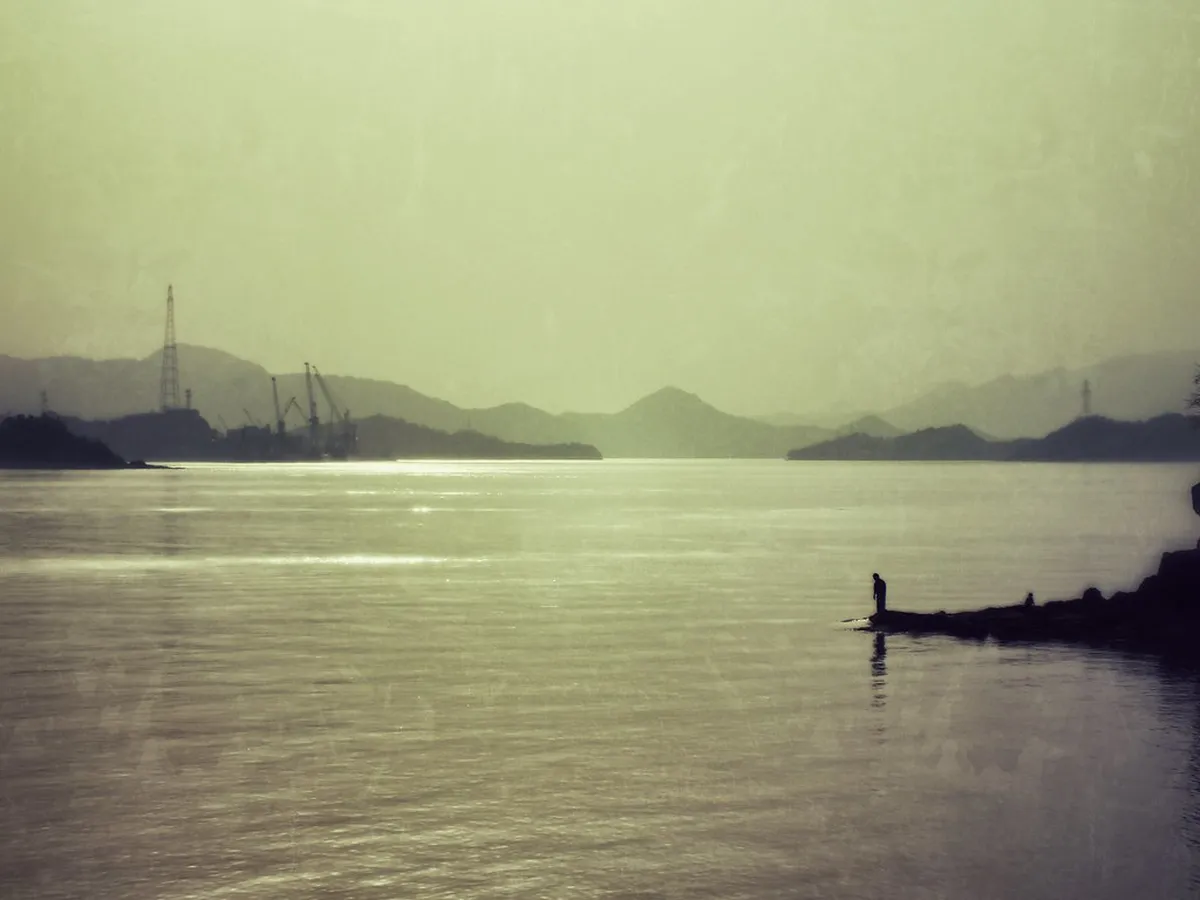
Two days is the sweet spot for most travelers and the standard recommendation among local cycling guides. Stay overnight on Ikuchijima (Setoda) or Omishima (Oyamazumi area), break the ride into a 30 km first day and 40 km second day, and you'll have time for Kosanji Temple, lunch at a citrus cafe, and an evening dip in an island onsen. For the exact two-day plan with overnight options on Omishima, see our Shimanami Kaido 2-day cycling itinerary.
Three or four days lets you circumnavigate individual islands, ride detours to hidden beaches, and add the Tobishima Kaido extension for the full Setouchi cycling loop. This is the right plan for photographers, families with kids, and anyone who wants the trip to feel like slow travel rather than a fitness benchmark.
Whatever duration you pick, ride to the slowest member of your group, plan two indulgent meal breaks per day, and book your accommodation in advance — the cyclist-friendly hotels listed below sell out 6–8 weeks ahead in peak season.
Shimanami Kaido Accommodation for Cyclists
Onomichi U2 is the route's signature cyclist hotel — converted from a 1940s warehouse on the Onomichi waterfront, with rooms that let you wheel your bike in and hang it on a wall rack. The complex includes a Giant Store, a bakery, a craft-beer bar, and a high-end Japanese restaurant. Rooms in 2026 run ¥18,000–¥28,000 depending on view and season; book 8 weeks ahead for autumn weekends.
For mid-route stays, the Living Wreck Studio on Ikuchijima and the I-Link Hostel & Cafe Shimanami on Omishima both target cyclists with secure bike storage, simple western breakfast, and prices in the ¥4500–¥9000 range. The I-Link in particular is the standard recommendation for two-day riders who want to break the trip near the Tatara Bridge.
Island minshuku (family-run guesthouses) are the most authentic option — futons on tatami, a home-cooked dinner of local seafood, and prices around ¥6500 with two meals included. Most are run by retirees who speak limited English, so book through Booking.com or via your Onomichi U2 concierge rather than calling cold. The trade-off is character: minshuku owners often invite cyclists to morning fish auctions or lemon harvests that no hotel concierge can arrange.
For seasonal timing across the wider region, our guide on the best season to visit Hiroshima for autumn colors covers the autumn window in detail. Whatever you book, confirm that the property accepts bikes inside — a few cheaper business hotels in central Imabari only allow bikes in the underground car park, which is a security downgrade after a long day.
What to Eat Along the Route: Citrus, Seafood, and Salt
The Setouchi islands are Japan's citrus belt — Hassaku oranges, Setoka, and Setoda lemons grow on terraced groves that you ride past for hours. Roadside stands on Ikuchijima sell ¥200 lemon onigiri, ¥350 fresh-squeezed lemonade, and lemon gelato that hits hard at the 35 km mark. The Setoda Limonea cafe is the standard Instagram stop, but the smaller stands set up by individual farmers offer better fruit for less money.
Seafood centers on tai (sea bream), the regional fish that anchors most lunch sets along the route. Try tai-meshi (rice cooked with tai in a clay pot) at a Setoda or Imabari restaurant — the Hyokin Imabari Honten near JR Imabari Station serves a ¥1850 tai-meshi set that locals consider the regional benchmark. Oyster lovers cycling between November and March should detour to Onomichi's harbor restaurants for the fresh Hiroshima Bay oysters.
Hakatajima salt deserves its own paragraph. The island has been producing high-mineral sea salt since the Heian period, and 2026 still sees the Hakata-no-Shio brand sold at premium ramen shops across Japan. A bowl of Hakata salt ramen at the Hakatajima Salt Factory cafe is the perfect electrolyte hit at the 50 km mark, and a small bag of finishing salt makes the best souvenir from the route.
For broader local-food context, see Visit Hiroshima: Official Tourism Guide (Oysters & Local Food). Pace your eating: two big meals plus three small refuels works better than one large lunch followed by sugar crashes on the back-half bridges.
Beyond the Bike: Cultural Experiences and Hidden Gems
Kosanji Temple on Ikuchijima is the route's most unusual attraction — a 20th-century complex featuring scaled replicas of famous temple buildings from across Japan, anchored by the Heights of Eternal Hope, a hilltop landscape carved entirely from white Italian marble. Entry is ¥1400 and the visit takes about 90 minutes including the marble garden. It's gimmicky in the best possible way and photographs unlike anywhere else in Japan.
The Murakami Suigun Museum on Oshima covers the medieval pirate clan that controlled these waters from the 14th to 16th centuries. The exhibits are bilingual since the 2024 renovation, and a small boat tour from the museum dock takes you through the actual whirlpool currents the pirates navigated — a 45-minute ride that costs ¥1500 and runs three times daily.
The route's hidden gems sit just off the blue line. The Setoda Sunset Beach has free outdoor showers cyclists use to rinse off before the ferry; the Hakatajima Salt Beach has a small free hot-spring footbath with a view of the Tatara Bridge; and Oshima's Kirosan Observatory (a 4 km detour, mostly uphill) gives the single best aerial view of the Kurushima Kaikyo Bridge if you have an hour to spare and the legs to spend it.
If you want to combine the cycling trip with central Hiroshima, the Hiroshima attractions pillar guide covers Peace Park, Miyajima, and Hiroshima Castle in a connected itinerary. Most cyclists pair the Shimanami ride with two days in Hiroshima city as a single 5–6 day Setouchi trip.
Practicalities: Luggage, Ferries, and Weather Tips
Luggage forwarding is the comfort upgrade that turns a tough ride into a pleasant one. Drop your suitcase with Sagawa Express or Yamato Transport (counters at Onomichi U2, Onomichi Station, and most central hotels) before 10 AM, pay ¥1700–¥2200 per bag, and the case meets you at your Imabari hotel that evening. With only a small day pack on the bike, the bridge climbs feel two gears easier.
Ferries are part of the route, not a workaround. The Onomichi-to-Setoda ferry skips the least-scenic 25 km; mid-route ferries between Setoda and Omishima offer a weather escape; and the Imabari-to-Okamura ferry connects you to the Tobishima Kaido for multi-day extensions. Check the Onomichi Ferry Information page the night before — schedules thin out on Sundays and during typhoon season.
Weather in the Seto Inland Sea is generally mild but volatile in shoulder seasons. Pack a packable rain jacket year-round, sunglasses with UV protection (the bridges have no shade), and chamois cream if you're not used to a saddle for 5+ hours. Convenience stores along the route sell ¥600 disposable rain ponchos, and every michi-no-eki has clean public toilets and free water refills.
Safety basics: ride with the blue line, wear the issued helmet, signal lane changes on bridges, and yield to pedestrians on the narrow lower deck of the Innoshima Bridge. If you're cycling solo, share your route with someone and check in at major terminals — the route is safe but cell coverage drops on bridge mid-spans, and a fall on Kurushima Kaikyo can leave you out of contact for 20 minutes. For more general planning resources, visit Japan Activity for comprehensive guides on traveling in Hiroshima and the wider Setouchi region.
Frequently Asked Questions
Can you rent an E-bike for the whole Shimanami Kaido?
Yes, you can rent an e-bike for the entire 70 km route in 2026 for ¥2000/day plus an ¥1100 deposit. Public Shimanami Cycle terminals at Onomichi Port, Setoda, and Sunrise Itoyama (Imabari) all stock e-bikes, and the ¥1100 deposit doubles as your one-way drop-off fee — you forfeit it if you finish at a different terminal than where you started. Private shops like Giant Onomichi also offer e-bikes with one-way returns to their Imabari branch if booked in advance. See our Shimanami Kaido 2-day cycling itinerary for booking timing.
How hard is the Shimanami Kaido for beginners?
The route is very beginner-friendly because the bridge approach ramps maintain a gentle 3% gradient. While the 70km distance is long, the paths are well-paved and separated from heavy traffic. Beginners should consider a two-day itinerary to enjoy the islands without feeling rushed or overly tired.
Can I drop off my rental bike at the other end?
Public Shimanami Cycle rentals allow you to drop off standard cross bikes at any of their terminals for a small fee. However, e-bikes and certain high-end road bikes from private shops often must be returned to their original location. Always confirm the drop-off policy at the time of your rental.
Is one day enough for the Shimanami Kaido?
One day is enough for fit cyclists who start early and maintain a steady pace across the 70km route. Most riders take 8 to 10 hours to complete the journey with short breaks for food and photos. If you want to visit temples or museums, a two-day trip is much better.
What happens if my E-bike battery dies mid-route?
If your battery dies, you can still pedal the bike like a heavy 23 kg standard bicycle to reach the next terminal. To avoid this, use eco mode on flat ground and save high-assist mode for the seven bridge ramps. Battery swaps are available in 2026 at Setoda, Tatara Park, and Sunrise Itoyama terminals during business hours, but only if you can ride or transport the bike there — operators do not deliver replacement batteries to riders stranded mid-route.
Is there a minimum age to rent a bike on the Shimanami Kaido?
Public Shimanami Cycle terminals rent to anyone aged 13 and over with a guardian's signature, or 18 and over independently. Children's bikes (24-inch frames) and tag-along trailers are available at Onomichi Port and Sunrise Itoyama Imabari. E-bikes have a stricter minimum age of 16 in 2026 and require the rider to demonstrate basic balance before the terminal staff release the bike. Helmets are sized down to 50 cm head circumference for younger riders.
Are helmets required on the Shimanami Kaido?
Helmets became mandatory for all cyclists in Japan as of April 2023, and the rule is enforced on the Shimanami Kaido. Every Shimanami Cycle rental includes a free helmet at no extra cost — staff will fit it before you depart. If you bring your own clip-in road shoes or pedals, the public terminals supply only flat-pedal hybrid bikes; bring your own road bike or rent from Giant Onomichi for clip-in compatibility.
What is the rain plan if the weather turns mid-ride?
Rain on the Shimanami Kaido is normally rideable — the bridges have wind shielding and the pavement is grippy — but heavy rain or thunderstorms make the metal expansion joints slick and the bridge ramps risky. Your three options if weather deteriorates: drop the bike at the nearest of ten terminals (¥1100 one-way fee), catch the Shimanami Liner bus to your destination (¥1200–¥2300, bikes loaded under the bus on a rack), or shelter at one of the road stations (michi-no-eki) until the squall passes. Convenience stores along the route sell ¥600 disposable rain ponchos.
Can I pay for rentals and ferries with a credit card, or do I need cash?
The major terminals — Onomichi Port, Sunrise Itoyama Imabari, and Setoda — accept Visa, Mastercard, and IC cards (Suica, ICOCA, PASMO) in 2026. Smaller mid-route terminals and most island ferries are still cash-only, so carry at least ¥10,000 in 1000-yen notes plus a few ¥100 coins for vending machines. ATMs that accept foreign cards are sparse on the islands — withdraw cash at the 7-Eleven or Lawson in Onomichi or Imabari before you set off, since the next reliable foreign-card ATM is on Ikuchijima 30 km in.
The Shimanami Kaido rewards riders who plan the logistics rather than just the route. Get the bike type right (e-bike for most, road for the fit), reserve the public terminal slot ahead of cherry blossom or autumn weekends, accept the ¥1100 one-way drop-off fee as the price of not backtracking, and confirm your rental insurance and helmet are sorted before you push off from Onomichi Port.
For most travelers, the right shape of the trip is two days on the Shimanami Kaido with an Ikuchijima or Omishima overnight, plus a Hiroshima city day on either side via the how to get to Hiroshima from Tokyo and Osaka Shinkansen route. Riders with four days should add the Tobishima Kaido extension for the full Setouchi cycling loop almost no foreign visitor knows about.
Check the wind forecast the night before, withdraw cash at a foreign-friendly ATM in Onomichi, drop your suitcase with Yamato by 10 AM, and clip in. The Seto Inland Sea bridges are some of the best engineering in Japan, and the islands underneath them deliver food, history, and quiet that most visitors to Hiroshima Prefecture never see.
Free: The Hiroshima Essentials guide
Top things to do, where to stay, a perfect day plan, getting around, and the best time to go — a Hiroshima mini-guide you can take offline.
You might also like
Continue reading
More guides you'll find useful