Acros Fukuoka Step Garden Visitor Guide: Tips, Views & Hours
Plan your visit to ACROS Fukuoka Step Garden with our guide to the rooftop views, artisan galleries, and the best times to climb this urban green mountain.
On this page
Standing tall in the heart of the city, the ACROS building looks like a lush mountain rising from the pavement. This iconic structure serves as a bridge between the busy Tenjin district and the peaceful greenery of the adjacent park. Our acros fukuoka step garden visitor guide helps you navigate this unique urban forest while avoiding common tourist mistakes. Exploring this site is one of the most rewarding Free Things to Do in Fukuoka, Japan for nature lovers.
The building is more than just an office space or a cultural center. It represents a pioneer in sustainable design that integrates nature directly into the urban fabric. Walking up the terraced gardens offers a refreshing break from the concrete jungle below. You will discover hidden paths and vibrant plant life that change beautifully with every season.
Many travelers visit for the views but stay for the fascinating cultural galleries located inside. From world-class music performances to traditional artisan crafts, the interior is just as impressive as the exterior. Prepare for a climb that rewards you with sweeping vistas of the Hakata Bay area. This guide ensures you know exactly when to go and what to see at every level.
The Eco-Architectural Vision of ACROS Fukuoka
The ACROS Fukuoka building is a masterpiece designed by the renowned architect Emilio Ambasz. His vision was to return the land used for the building back to the citizens in the form of a park. By creating a terraced garden on the south side, he effectively doubled the green space of the neighboring park. This clever design helps cool the surrounding area and reduces the city's energy consumption.
Local residents often refer to the building as Mount ACROS because of its mountainous profile. The structure features 13 distinct levels of terraces that house a massive variety of plant species. Each level acts as a natural insulator for the offices and halls located deep within the building. This approach makes it a world-class example of green architecture and sustainable urban planning.
The interior of the building contrasts the green exterior with a modern, airy atrium. Natural light floods the lower levels through massive glass walls that face the park. It serves as a cultural hub where the city's business life meets its artistic soul. Understanding this architectural balance makes your walk through the gardens even more meaningful.
Hiking the Step Garden: A Mountain in the City
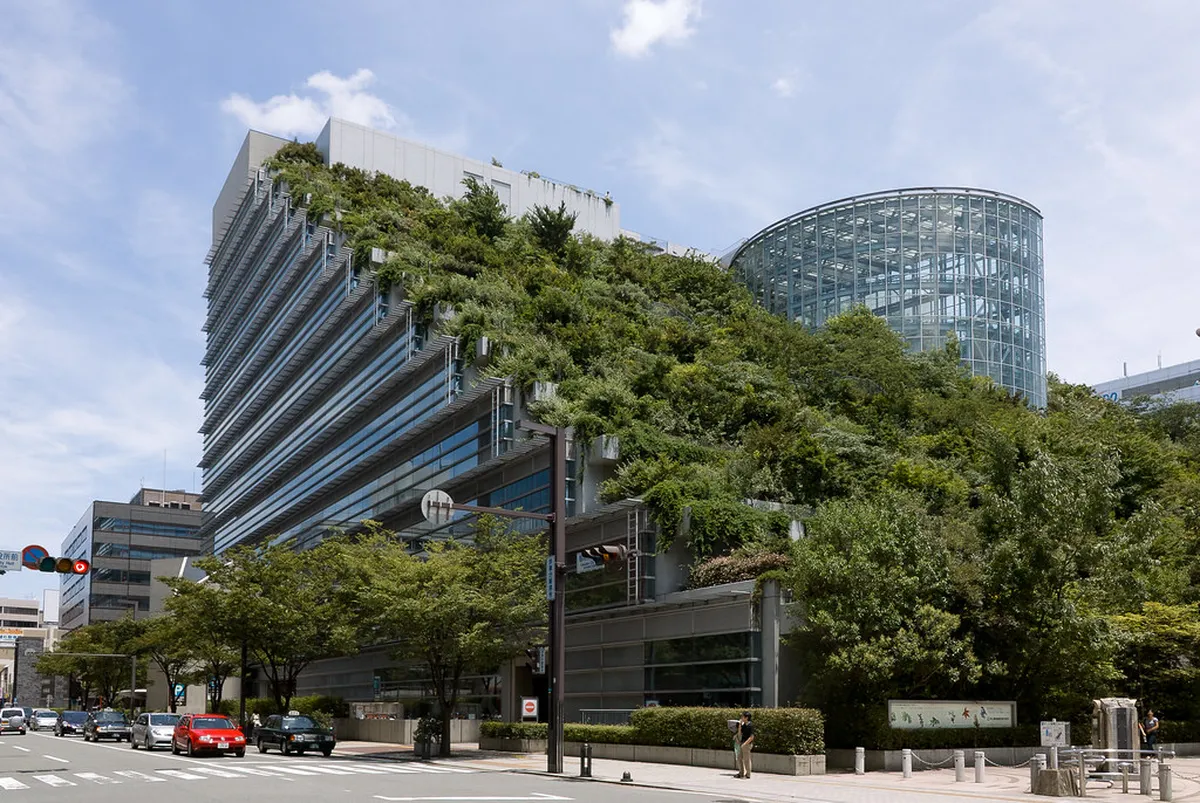
Climbing the Step Garden feels like a short mountain hike rather than a walk in a building. The path consists of several hundred stone steps that wind through dense foliage and small resting areas. You should wear comfortable shoes because the climb is entirely made of stairs and can be quite steep. This activity is a great addition to a Fukuoka itinerary for those who enjoy light exercise.
The garden is home to over 30,000 plants and roughly 120 different varieties of trees and shrubs. As you ascend, you will notice how the plant life changes to mimic different forest elevations. Small signs identify many of the species, making it an educational walk for botany enthusiasts. Birds and butterflies are frequent visitors to this urban sanctuary, adding to the natural atmosphere.
Photographers will find many unique angles of the city framed by hanging vines and colorful flowers. Mid-level terraces often provide the best 'urban jungle' shots where the greenery hides the building's edges. Stop at the small benches along the way to catch your breath and enjoy the quiet sounds of the wind. The experience is surprisingly peaceful despite being located in one of Japan's busiest shopping districts.
Keep in mind that the garden paths can be slippery after a rain shower. Maintenance staff often work on the terraces, so please follow any temporary directional signs. Water fountains are not available on the stairs, so bring a small bottle of water for the climb. Reaching the higher levels provides a sense of accomplishment and a fresh perspective on the city layout.
No water fountains exist on the 800-step garden path — bring a bottle before you start. Garden paths are slippery after rain, so non-slip shoes are recommended. The correct entrance is on the park-facing south side, not the main Tenjin lobby.
Rooftop Observation Deck: Panoramic Views of Fukuoka
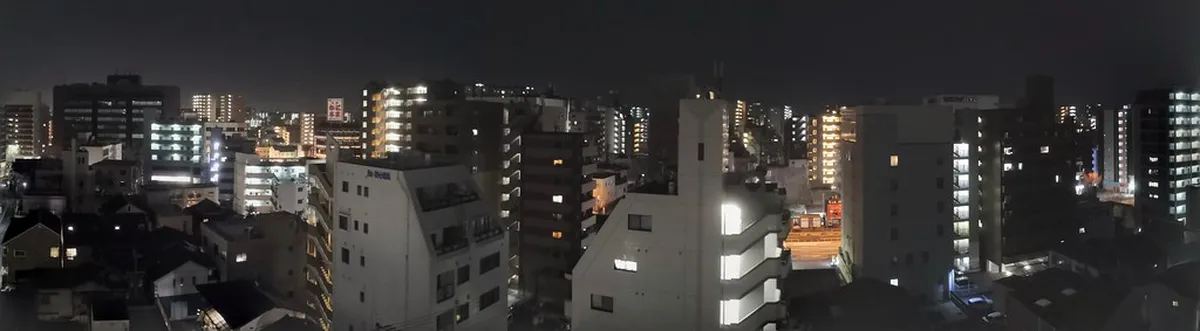
The top of the climb leads to a spacious observation deck with incredible 360-degree views. From this height, you can see the ships in Fukuoka Port and the mountains surrounding the city. The bustling streets of Tenjin look like a miniature world from this elevated vantage point. Check the Official ACROS Fukuoka Step Garden Page for the most current updates on deck access.
A critical detail for visitors is what locals call the Rooftop Gap. While the lower garden levels often stay open until 6:00 PM, the rooftop deck usually closes at 4:00 PM. Many travelers arrive late and find the final gate locked, which can be very frustrating. Plan to start your climb no later than 3:15 PM to ensure you have time to enjoy the summit.
Rooftop access is also generally limited to weekends and national holidays. On weekdays, the stairs may only take you to the upper garden levels without reaching the very top. The views remain impressive from the high terraces, but the full panorama is best on the weekend. Always verify the weather forecast, as the deck may close during high winds or heavy rain.
The rooftop observation deck closes at 4:00 PM on weekends and holidays — well before the lower garden levels close at 6:00 PM. Start your climb no later than 3:15 PM to ensure you reach the top in time. Rooftop access is not available on most weekdays.
Cultural Attractions: Symphony Hall and Artisan Galleries
After descending the garden, head inside to explore the building's rich cultural offerings. The Fukuoka Symphony Hall is the centerpiece of the interior, known for its world-class acoustics. It regularly hosts the Fukuoka Symphony Orchestra and various international performers throughout the year. This venue is a highlight for anyone seeking modern art experiences in Fukuoka and the surrounding region.
The Yakumi Gallery on the second floor is a hidden gem for fans of traditional Japanese crafts. This space showcases the incredible skills of artisans from Yame City and the surrounding prefecture. You can view intricate displays of lanterns, textiles, and handmade paper that define local heritage. It is a quiet place to appreciate the fine details of Japanese craftsmanship without the crowds.
Specific crafts on display often include Kurume kasuri, a traditional indigo-dyed textile with unique patterns. You might also see Yame lanterns, which are famous for their delicate bamboo frames and paper covers. The gallery provides information on where to buy these items or visit the workshops in person. Learning about these traditions adds a layer of depth to your understanding of Fukuoka's history.
The building also houses several shops and restaurants on the lower levels and basement. You can find high-quality Yamecha green tea and other regional specialties to take home. Information desks are available to help you find specific galleries or event schedules. Taking time to see the interior ensures you experience the full scope of this landmark.
Relaxing at Tenjin Central Park
The ACROS building sits directly on the edge of Tenjin Central Park, creating a seamless transition. This park is a favorite spot for office workers and families to enjoy a lunch break. Large grassy areas provide plenty of space for a picnic or a quick nap under the trees. It serves as a vibrant community space that hosts many festivals and public events.
During the spring, the park becomes a popular destination for viewing cherry blossoms. The pink petals look stunning against the backdrop of the green ACROS mountain. You can check the Fukuoka Cherry Blossom 2026: Bloom Dates, Best Parks & Spring Festival for timing your visit. Autumn is equally beautiful as the leaves on the building and in the park turn golden brown.
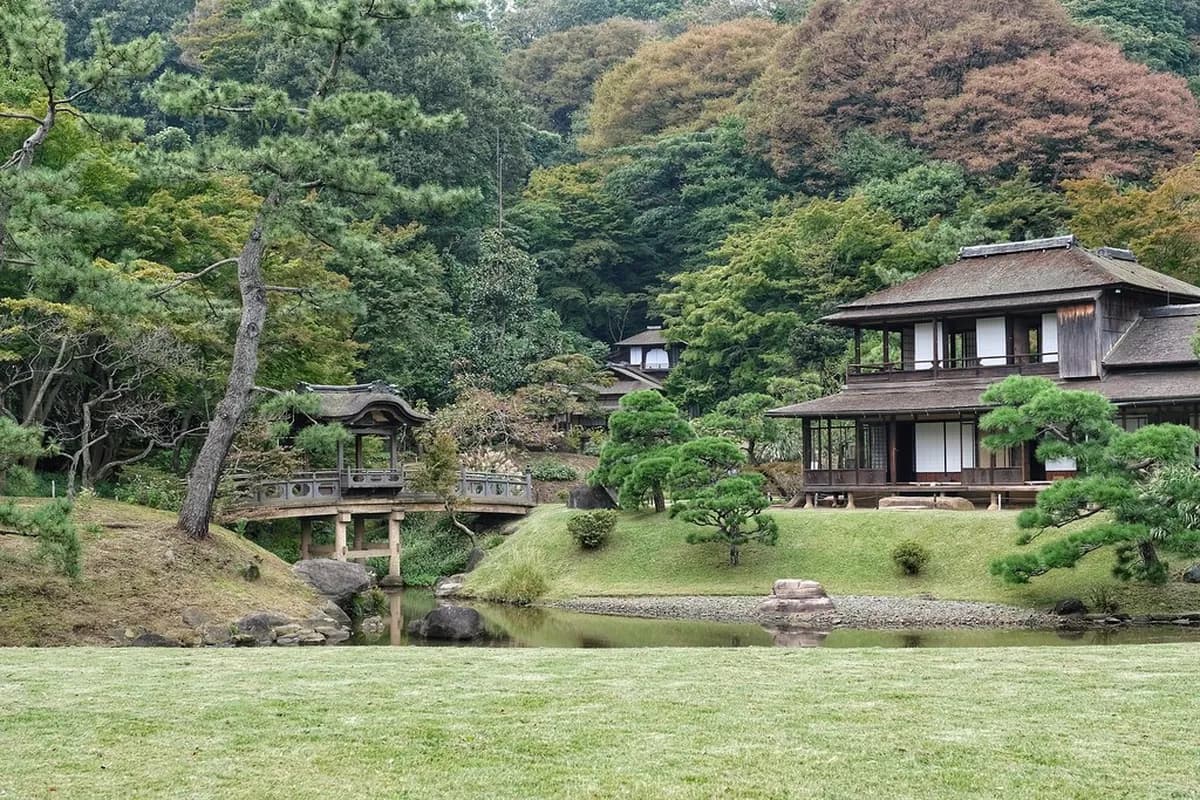
The park also features a historic former guesthouse that showcases Western-style architecture from the Meiji era. Walking between the modern ACROS building and this old structure highlights the city's evolution. It is a perfect place to sit and people-watch after your climb up the garden steps. The connection between the park and the building makes the whole area feel like a giant living room for the city.
Historic Landmarks Within Walking Distance of ACROS Fukuoka
Several Meiji-era buildings sit within a short walk of ACROS Fukuoka, making it easy to pair the Step Garden climb with a quick dose of the city's architectural history.
The Fukuoka City Red Brick Culture Center, roughly a 7-minute walk northwest of ACROS, is the former Kyushu branch office of the Nippon Life Insurance Company. Completed in 1909 by architect Tatsuno Kingo, who also designed Tokyo Station, its red brick and white granite facade is now a designated Important Cultural Property. The ground-floor exhibition rooms are free to enter and open 9:00 AM to 5:00 PM, closed Mondays.
Inside Tenjin Central Park itself, the pale green Former Fukuoka Prefecture Public Hall Distinguished Guest House dates to 1910 and once hosted visiting dignitaries. The building is free to view from the garden and periodically opens its interior for special exhibitions, so check the park noticeboard for current dates before planning around it.
Both stops add less than 20 minutes of walking to a visit and work well as a wind-down after the Step Garden's several hundred stairs, since neither requires another climb.
Seasonal Highlights: Winter Illuminations
As winter approaches, the Step Garden transforms into a magical landscape of light. The annual Seasons of Light event covers the terraces in thousands of sparkling LED bulbs. This ticketed event allows visitors to walk through the garden after dark for a romantic experience. Consult the ACROS Fukuoka Illumination Official Site for specific dates and ticket prices.
The light displays often follow a theme, such as a journey through the four seasons or a starry forest. Night views from the terraces offer a completely different perspective of the glowing Tenjin skyline. It is one of the most popular winter activities for couples and photographers in the city. Remember that the garden may be closed during the day for maintenance during the illumination setup.
Visiting during the holidays requires a bit more planning due to the increased crowd sizes. Try to visit on a weekday evening to avoid the longest lines for the light trail. Budget for this event as it is one of the few times the garden requires a paid entry fee. Managing your Fukuoka travel budget and daily costs is easier when you know which events are paid.
Accessibility and the Stair-Free Route Most Visitors Miss
Almost every guide describes the Step Garden as a stairs-only climb, which leaves out a practical detail families and mobility-limited travelers need. The garden terraces themselves are indeed all stone steps, but the building has interior elevators that reach the upper office floors with a connecting passageway near the top of the terraces. Ask at the first-floor information desk for the rooftop access elevator on event days, and staff can point you toward the route that bypasses the climb.
Strollers and wheelchairs cannot navigate the terraced path, but the adjacent Tenjin Central Park has paved loops that mirror the views of the green facade from below. If you are traveling with grandparents or small children, split the group: one party climbs while the other waits at the park's western lawn for the same skyline backdrop. This split approach is also the easiest way to handle Fukuoka's summer humidity, when 800 stone steps in direct sun become punishing past 11:00 AM.
One first-timer mistake worth flagging is the entrance confusion. The terraces start on the south side of the building facing the park, not the main Tenjin-facing lobby. Many visitors enter through the wrong door, wander the atrium for ten minutes, and exit thinking the garden is closed. Walk around to the park-side staircase at ground level and you will see the first stone step rising into the foliage immediately.
Essential Visitor Information: Hours, Access, and Tips
Reaching the ACROS building is easy because it is located directly above the Tenjin Subway Station. You can take the Kuko Line and follow the signs for the ACROS building exit. The central location makes it a perfect starting point for exploring other 20 Best Fukuoka Attractions in 2026 nearby. Walking from the Hakata Station area takes about 15 to 20 minutes through the pleasant Nakasu district.
Most of the garden is free to enter, making it a budget-friendly stop for any traveler. The garden opening hours change slightly depending on the month and the amount of daylight. Generally, the gates open at 9:00 AM and close between 5:00 PM and 6:30 PM. Refer to the Google Maps Location for precise navigation and nearby transit stops.
Please respect the rules of the garden to help maintain this delicate urban ecosystem. Smoking and eating on the stairs are prohibited to keep the area clean and safe for everyone. Pets are not allowed on the garden paths, though they are welcome in the adjacent park. Following these simple guidelines ensures that the Step Garden remains a beautiful oasis for years to come.
- Visitor Logistics and Requirements
- Entry Fee: Free (except winter illumination)
- Step Count: Approximately 800 steps
- Best Time: Weekend mornings for rooftop access
- Subway Station: Tenjin Station (Exit 16)
- Traditional Yame Crafts at Yakumi Gallery
- Textiles: Kurume kasuri indigo patterns
- Paper: Yame Washi handmade sheets
- Tea: Yamecha premium green tea
- Lighting: Hand-painted Yame lanterns
| Detail | Info |
|---|---|
| Entry fee | Free (winter illumination event is paid) |
| Garden steps | ~800 steps across 13 terrace levels |
| Garden hours | 9:00 AM – 5:00–6:30 PM (varies by month) |
| Rooftop closes | 4:00 PM on weekends & holidays only |
| Nearest station | Tenjin Station (Kuko Line), Exit 16 |
| Best season | Spring (cherry blossoms) & autumn (fall colors) |
| Pets | Not allowed on garden path; allowed in Tenjin Central Park |
| Accessibility | Interior elevators to upper floors on event days (ask at desk) |
Where to Eat Nearby: Hakata Ramen, Udon, and Pufferfish Cuisine
Fukuoka's food culture is as much a draw as its architecture, and several signature dishes are a short walk from ACROS.
Hakata ramen is the city's best-known export: a rich tonkotsu (pork bone) broth with thin, firm noodles, typically priced around ¥800–¥1,000 a bowl. The Nakasu yatai (open-air food stall) district, about 15 minutes on foot from ACROS, is the classic spot to try it after dark.
Hakata udon predates ramen in the city and uses a milder, dashi-based broth with softer noodles. Goboten udon, topped with deep-fried burdock root, is the local specialty to order, usually ¥600–¥900.
For a splurge, fuku (pufferfish) cuisine is a Fukuoka winter tradition, served as thin sashimi (tessa) or hot pot (tecchiri) at licensed specialty restaurants. Set courses generally start around ¥5,000 and can run well past ¥10,000 depending on the grade of fish.
- Hakata ramen: tonkotsu broth, thin noodles, ¥800–¥1,000
- Hakata udon: dashi broth, goboten topping, ¥600–¥900
- Fuku (pufferfish): sashimi or hot pot, from around ¥5,000, best in winter
Frequently Asked Questions
Is the ACROS Fukuoka Step Garden free to enter?
Yes, the ACROS Fukuoka Step Garden is free for the public to climb during daylight hours. However, the special winter illumination event held at night usually requires a paid ticket. You can find more details on local prices in our guide to 20 Best Fukuoka Attractions in 2026 and budget planning.
What time does the ACROS Fukuoka rooftop close?
The rooftop observation deck typically closes at 4:00 PM on weekends and holidays. This is earlier than the rest of the garden, which often stays open until 6:00 PM. Always check the official website before your visit to confirm the specific closing time for your date.
How many steps are in the ACROS Fukuoka garden?
There are roughly 800 steps spanning 13 levels from the ground floor to the top. The climb is manageable for most people but requires a basic level of fitness. Wearing comfortable walking shoes is highly recommended for the stone stairs and terraced paths.
What is the best time of year to visit Mount ACROS?
Spring and autumn are the best times to visit because the weather is mild and the foliage is vibrant. In April, you can see cherry blossoms in the park below. October and November offer beautiful fall colors across the building's many terraced garden levels.
Are there restaurants inside the ACROS Fukuoka building?
Yes, the building contains several restaurants and cafes, mostly located in the basement levels. You can find a variety of options ranging from traditional Japanese cuisine to quick snacks. It is a convenient place to grab a meal after finishing your climb.
The ACROS Fukuoka Step Garden is a shining example of how cities can integrate nature into their design. It offers a rare opportunity to hike a mountain while staying in the middle of a bustling downtown area. Whether you are interested in architecture, botany, or simply a great view, this landmark has something to offer. Make sure to plan your climb around the 4:00 PM rooftop closure to see the best views.
Beyond the greenery, the cultural treasures inside the building provide a deep look into local craftsmanship. The Yakumi Gallery and Symphony Hall make it a complete destination for a full afternoon of exploration. It remains one of the most accessible and impressive sites in the entire Kyushu region. Visiting this urban forest will likely be a highlight of your time in Fukuoka.
Take your time on the stairs and enjoy the peaceful atmosphere that Emilio Ambasz created for the city. The building stands as a reminder that urban life and natural beauty can exist in perfect harmony. We hope this guide helps you make the most of your visit to this incredible green mountain. Enjoy the fresh air and the stunning panoramas of Fukuoka from the top of the steps.
For related Fukuoka deep-dives, see our Fukuoka Tower Visitor Guide and Ohori Park Fukuoka guides.
See our Fukuoka travel hub for trip-planning fundamentals.
Free: The Fukuoka Essentials guide
Top things to do, where to stay, a perfect day plan, getting around, and the best time to go — a Fukuoka mini-guide you can take offline.
You might also like

Continue reading
More guides you'll find useful