Fukuoka Cherry Blossom 2026: Bloom Dates, Best Parks & Spring Festival Calendar
Fukuoka sakura peaks late March–early April. Nishi Park: 1,300 trees, free entry. Maizuru, Ohori Park & Kitakyushu spots + full 2026 spring festival calendar.
On this page
Spring in Kyushu transforms the landscape into a stunning sea of soft pink and white petals. The fukuoka cherry blossom and festival calendar 2026 offers travelers a chance to witness Japan's most iconic season. Planning ahead is essential because the blooming window remains brief and highly dependent on weather. Kagoshima and Kyoto are also popular sakura destinations, but Fukuoka often serves as the gateway for sakura hunters arriving in Southern Japan. Visitors from Tokyo frequently plan multi-city sakura tours that begin here.
Visitors can expect vibrant street food stalls and festive night illuminations throughout the city. Major parks become social hubs where locals and tourists gather for traditional hanami picnics. This guide breaks down the best spots, predicted dates, and cultural tips for your journey. Prepare to experience one of the most magical times to visit the vibrant city of Fukuoka.
2026 Fukuoka Cherry Blossom Forecast and Key Dates
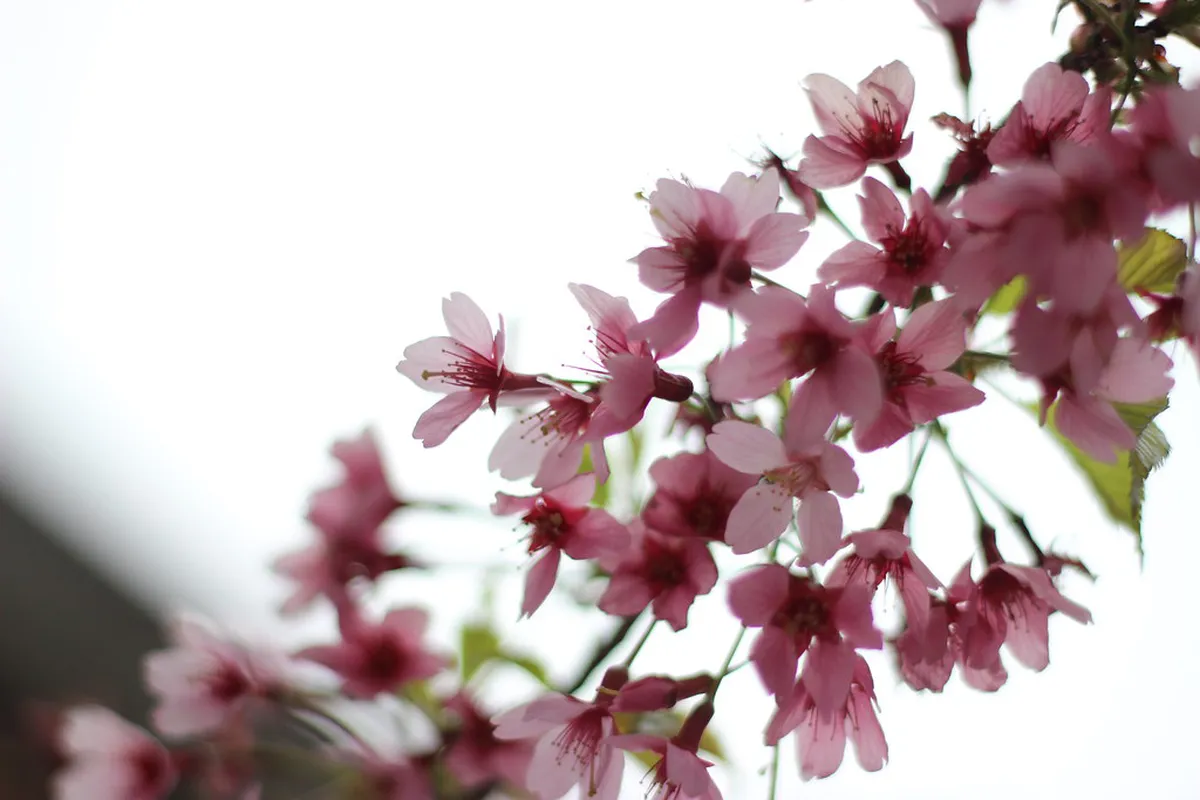
The official forecast usually arrives in early January to help travelers book their flights and hotels. For the 2026 season, experts predict the first blossoms, known as Kaika, to appear around March 20th. Full bloom, or Mankai, typically follows approximately seven to ten days after the initial opening. Peak viewing in Fukuoka City is expected to occur between March 28th and April 5th.
Temperature fluctuations in late winter play a massive role in determining the exact start date. A warmer February often pushes the schedule earlier, while a cold snap can delay the flowers. Monitoring the Japan Meteorological Corporation updates ensures you arrive during the most colorful window. Keep your travel dates flexible to account for these natural shifts in the blooming cycle.
Kyushu generally sees blossoms earlier than Tokyo or Kyoto due to its southern latitude. Fukuoka serves as a primary indicator for the rest of the island's seasonal progression. Travelers often use this city as a base before heading further north as the season moves. Early planning helps you secure the best views before the petals begin to fall. For a focused guide on timing your visit and choosing the best parks, read our article on the best time for Fukuoka cherry blossoms.
Major Sakura Festivals in Fukuoka City (Maizuru & Nishi Park)
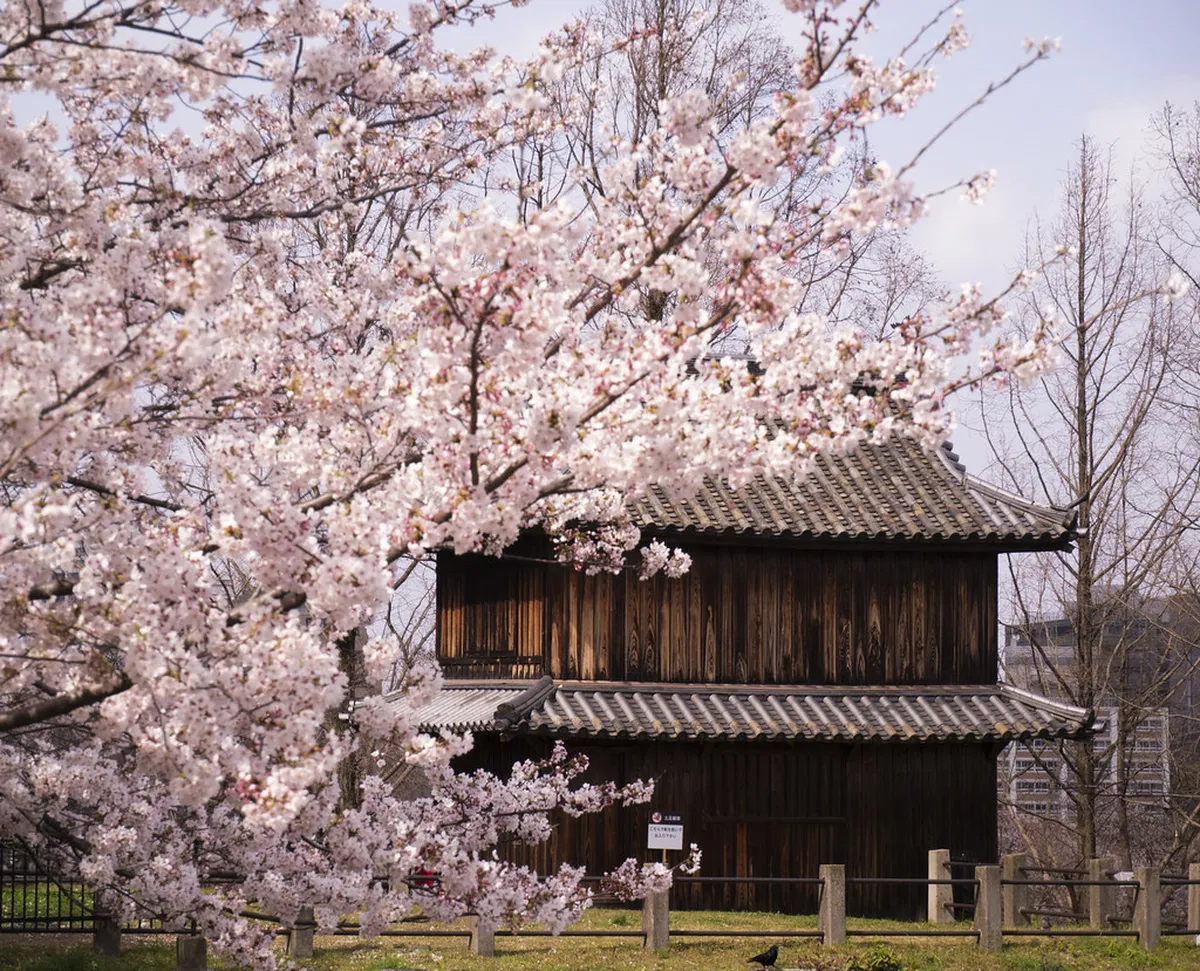
Maizuru Park serves as the heart of the city's spring celebrations during the Fukuoka Castle Sakura Festival. Visitors often gather here to witness the ancient stone walls draped in thousands of pink petals. The castle ruins provide a dramatic backdrop for photography enthusiasts and history buffs alike. You can find this historic site at 1-4 Jonai, Chuo-ku, Fukuoka for easy navigation.
Nishi Park is free to enter year-round and has over 1,300 cherry trees. Arrive before 8 AM on weekdays during peak bloom to enjoy the paths without crowds. The hilltop observation points offer clear views of Hakata Bay and the city skyline.
Nishi Park offers a more traditional atmosphere with over 1,300 cherry trees covering its hillsides. This location is recognized as one of Japan's Top 100 Cherry Blossom Spots for its beauty. Walking paths lead to observation points with stunning views of Hakata Bay and the city skyline. The park remains free to enter, making it a popular choice for budget-conscious travelers.
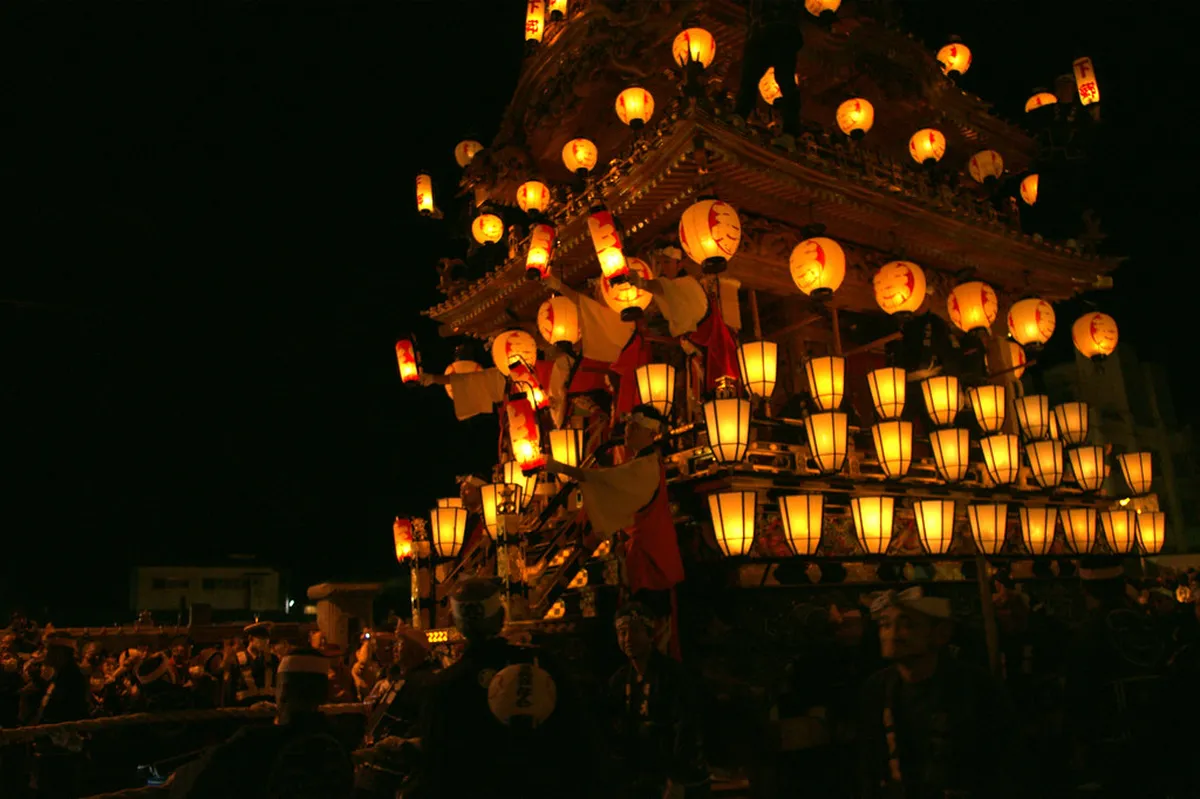
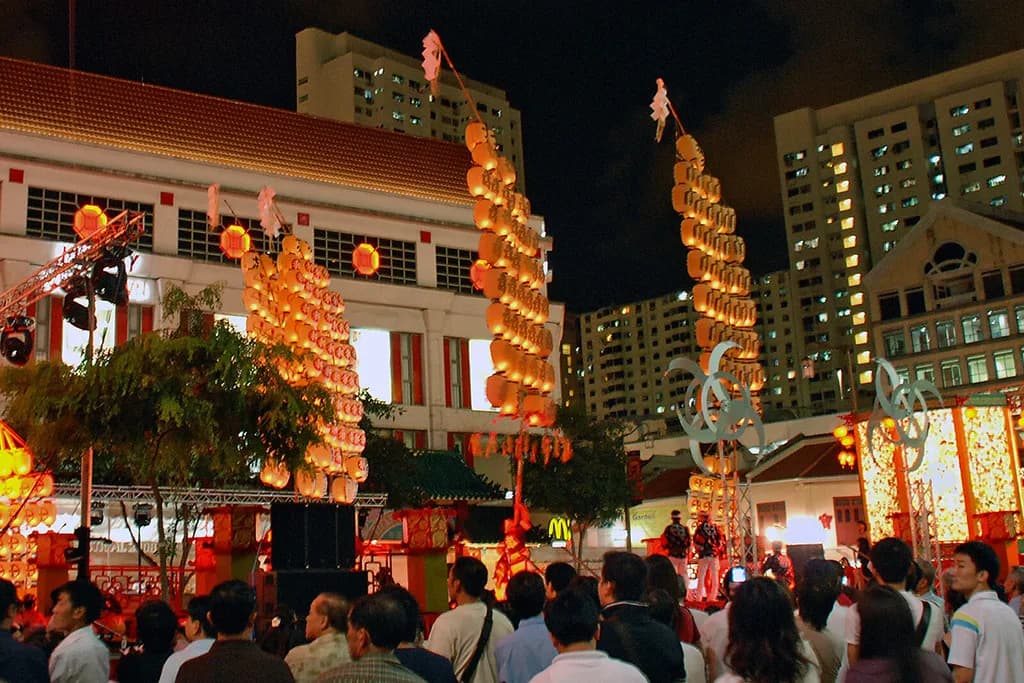
Evening illuminations transform these parks into glowing wonderlands after the sun sets. Light displays typically begin around 6:00 PM and run until late in the evening. Food stalls, known as yatai, set up near the festival entrances to serve local delicacies. Expect to find grilled skewers, yakisoba, and seasonal sweets like sakura mochi.
Regional Festival Highlights: Kitakyushu and Chikugo
Venturing outside the city center reveals unique landscapes like the Nagaregawa riverside path in Ukiha. This two-kilometer stretch features a stunning tunnel of cherry trees reflected in the water. Fans of the 'Slam Dunk' anime often visit this area due to its local cultural connections. The exact location is found at Nagarekawa, Ukiha-machi, Ukiha City, Fukuoka for your itinerary.
Kokura Castle in Kitakyushu provides another spectacular setting for seasonal festivals and events. The reconstructed keep looks magnificent when framed by blooming Somei Yoshino branches. Local performers often hold traditional music and dance shows on the castle grounds. It takes about 15 minutes by Shinkansen to reach this area from Hakata Station.
Chikugo region festivals offer a slower pace compared to the bustling city parks. Many small towns host weekend markets with local crafts and seasonal farm produce. Exploring these rural spots allows for a more intimate connection with Kyushu's natural beauty. Public buses and local trains provide reliable access to these hidden gems.
The Science of Sakura: How the Season Works in Kyushu
The blooming process begins months earlier when the trees enter a period of winter dormancy. Kyushu's unique geography causes Fukuoka to bloom earlier than some cities further south. Coastal breezes help regulate temperatures, preventing the trees from waking up too early or late. This delicate balance ensures a consistent display across the prefecture most years.
Kagoshima often sees later blooms than Fukuoka despite being located at a lower latitude. Inland mountains and varying elevations create microclimates that influence the cherry tree cycle. Understanding these dynamics helps travelers plan a multi-city route across the island. Scientific tracking remains the best way to predict the peak of the fukuoka cherry blossom and festival calendar 2026.
Identifying Fukuoka’s Cherry Tree Varieties
Somei Yoshino is the most common variety you will encounter in Fukuoka's major parks. These trees produce pale pink, almost white, flowers that bloom before the leaves appear. Their synchronized blooming creates the massive clouds of color seen in professional travel photos. Most festival dates are specifically timed to match the peak of this specific variety.
Weeping cherry trees, or Shidarezakura, offer a different aesthetic with their drooping branches. These often bloom a few days earlier than the Somei Yoshino and have darker pink petals. You can spot these elegant trees near temple entrances and traditional Japanese gardens. Wild Yamazakura trees are also visible on the mountainsides surrounding the city.
Best Neighborhoods to Stay for Festival Access
Hakata serves as the most convenient base for travelers using the Shinkansen or airport. Staying here allows you to quickly reach regional spots like Kitakyushu or Dazaifu. Many 20 Best Fukuoka Attractions in 2026 are just a short subway ride away from this central hub. Hotels in this area range from luxury towers to affordable business accommodations.
Tenjin is the ideal neighborhood for those who want to be within walking distance of Maizuru Park. This district is famous for its shopping malls and vibrant nightlife scene. Waking up early in Tenjin lets you reach the parks before the largest crowds arrive. The proximity to Ohori Park also provides a peaceful morning walking route.
Navigating Fukuoka: Transportation Tips for Peak Season
The city's subway system is the fastest way to travel between Hakata, Tenjin, and the airport. The Kuko Line stops directly at Ohori Park, which is the main entrance for Maizuru Park. You can find detailed schedules on the Fukuoka City Subway official website. Purchasing a daily pass can save money if you plan to visit multiple sites.
Buses offer access to more remote viewing spots like Nishi Park or the seaside areas. Nishitetsu buses run frequently, though traffic can be heavy during the peak festival weekends. Check the Nishitetsu Bus Route Map to plan your specific journey. Learning How to Use Fukuoka Public Transport for Attractions: A Complete 2026 Guide will make your trip much smoother.
Early and Late Bloomers: Extending Your Trip
If you miss the main peak, some locations in Fukuoka offer late-blooming varieties. Mountainous areas like Mount Abura often see flowers a week later than the city center. The Yaezakura variety features multi-layered petals and typically blooms in mid-April. These trees provide a deeper pink color and last longer than the delicate Somei Yoshino.
Early travelers can look for Plum blossoms in February or early cherry varieties in early March. Atami-zakura and Kawazu-zakura are known for their vibrant pink hues and early arrival. Check local botanical gardens for these specific species if your trip falls before late March. Flexible itineraries allow you to chase the blossoms across different elevations and regions.
Peak bloom (Mankai) at Fukuoka's main parks typically lasts only 5–7 days before petals start falling. A late cold snap or warm spell can shift the predicted March 28–April 5 window by a week in either direction — monitor the Japan Meteorological Corporation forecast in the week before your arrival.
Essential Ohanami Etiquette and Local Vocabulary
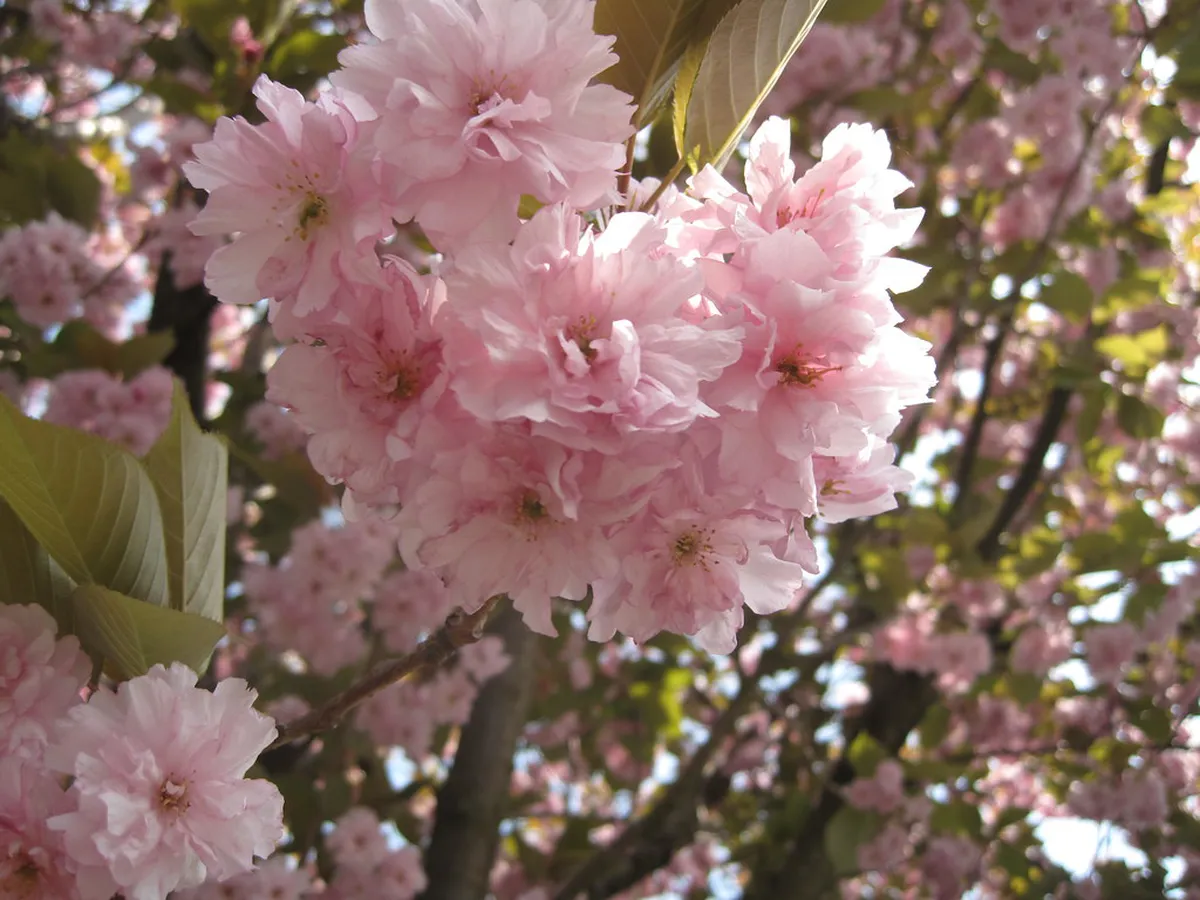
Hanami is a social tradition that requires respect for the environment and other visitors. Always carry your trash with you if public bins are full or unavailable. Many parks have designated areas for picnics, so look for posted signs before sitting. Avoid touching or climbing the trees, as the branches are very fragile.
Learning a few local phrases can enhance your interaction with residents during the festivals. The term 'Mankai' refers to the beautiful state of full bloom everyone hopes to see. When the petals start falling like snow, locals call this poetic sight 'Sakura Fubuki'. Using these words shows appreciation for the cultural significance of the season.
- Essential Items for Your Hanami Picnic
- Mat: Blue plastic sheet
- Shoes: Easy to remove
- Waste: Small trash bags
- Warmth: Light jacket
| Viewing spot | Tree count | Entry fee | Best for | Nearest subway |
|---|---|---|---|---|
| Nishi Park | 1,300+ | Free | Bay views, traditional hanami | Ohori-koen (5 min walk) |
| Maizuru Park / Castle Ruins | 1,000+ | Free | History backdrop, illuminations | Akasaka or Ohori-koen |
| Ohori Park | Several hundred | Free | Lakeside strolls, photography | Ohori-koen Station |
| Kokura Castle (Kitakyushu) | 300+ | Free grounds | Castle + blossom combo | Kokura Station (Shinkansen 15 min) |
| Nagaregawa, Ukiha | 700+ | Free | Riverside tunnel of blossoms | Ukiha Station (JR 75 min) |
Planning Your 2026 Fukuoka Spring Itinerary
Start your morning at Nishi Park to enjoy the quietest atmosphere and best light for photos. Afterward, head to Maizuru Park to explore the castle ruins and food stall offerings. This route is part of a great one day Fukuoka itinerary for sightseeing during spring. End your day with a visit to the illuminated trees at Fukuoka Castle.
You might also consider visiting 10 must see Fukuoka landmarks and cultural sites while the flowers are out. Combining historical visits with flower viewing provides a deeper understanding of Japanese heritage. Make sure to book your restaurants in advance, as popular spots fill up quickly. Spring is the busiest time for the city, so patience and planning are your best tools.
Frequently Asked Questions
When is the best time to see cherry blossoms in Fukuoka 2026?
The best time is typically from late March to early April. For 2026, peak viewing is predicted between March 28th and April 5th. You can find more budget-friendly tips in our guide on cheap and free things to do in Fukuoka.
What are the dates for the Fukuoka Castle Sakura Festival 2026?
The festival usually runs from late March through the first week of April. Exact dates depend on the bloom forecast but typically align with the full bloom period. Check official city tourism sites in early 2026 for the final event schedule.
Is Nishi Park free to enter for cherry blossom viewing?
Yes, Nishi Park is free to enter for all visitors throughout the year. It is one of the most popular spots for hanami due to its extensive collection of trees. Expect large crowds on weekends and during the peak bloom window.
How do I get to the Ukiha Nagaregawa cherry blossoms from Fukuoka?
You can take a JR train from Hakata Station to Ukiha Station, which takes about 75 minutes. From the station, it is a short taxi ride or a pleasant walk to the riverside. This area is perfect for those seeking a more rural experience.
What is the difference between Kaika and Mankai?
Kaika refers to the opening of the first few blossoms on a representative tree. Mankai means the trees have reached full bloom with at least 80% of flowers open. Most travelers aim to visit during the Mankai stage for the best photos.
Experiencing the fukuoka cherry blossom and festival calendar 2026 is a highlight for any traveler. The combination of historic ruins, vibrant city life, and natural beauty creates an unforgettable atmosphere. By following the forecast and planning your transport, you can maximize your time in Kyushu. Fukuoka truly shines when the sakura are in bloom, offering a warm welcome to every guest.
Remember to pack a light jacket and your camera for those stunning evening illuminations. Respect the local etiquette to ensure these beautiful spaces remain preserved for future seasons. We hope this guide helps you create the perfect spring itinerary for your 2026 adventure. Enjoy the magic of the cherry blossoms in one of Japan's most dynamic cities.
Free: The Fukuoka Essentials guide
Top things to do, where to stay, a perfect day plan, getting around, and the best time to go — a Fukuoka mini-guide you can take offline.
You might also like

Continue reading
More guides you'll find useful