Tokasan Festival 2026: June 5-7 Hiroshima Yukata Guide
Tokasan, Hiroshima's yukata festival, runs June 5-7, 2026 at Enryuji Temple. Free, yukata rental ¥4,500-8,000, streetcar access, viewing spots and food stalls.
On this page
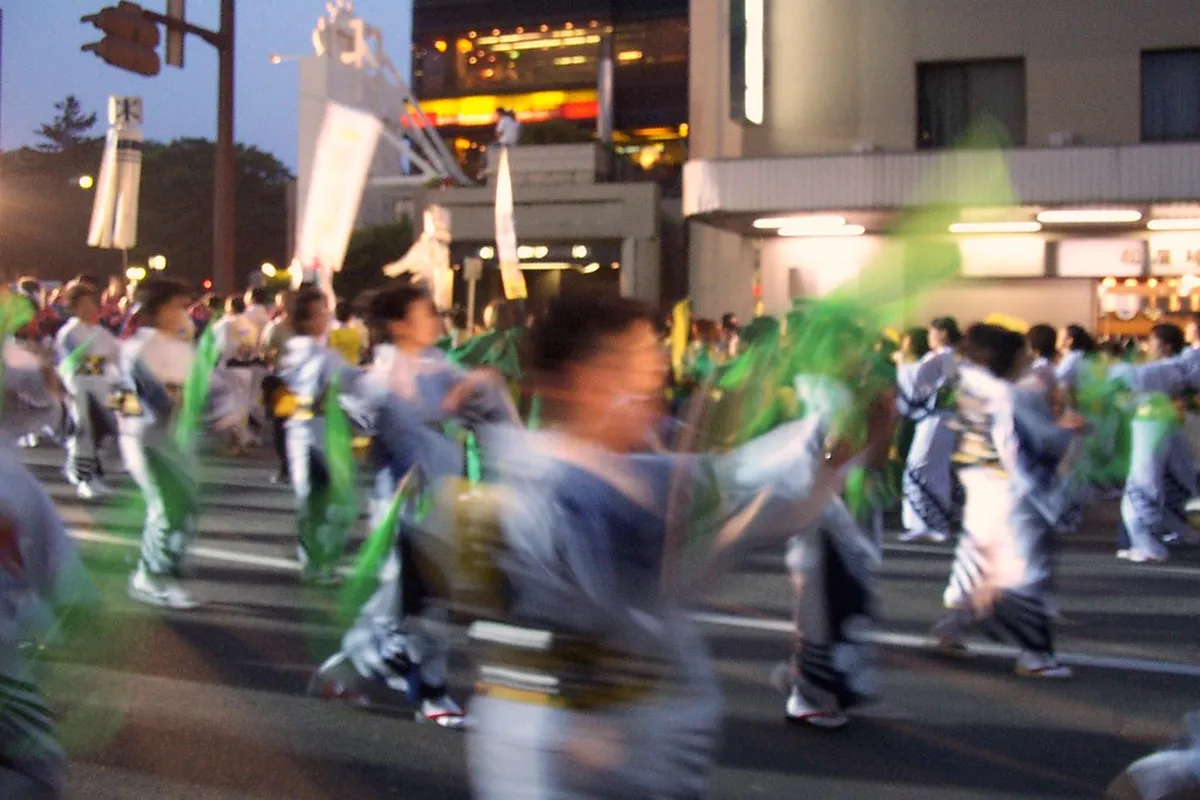
The Hiroshima Tokasan Yukata Festival (Toukasan / Toukaishi) marks the official start of summer in the city. In 2026 it runs Friday June 5 through Sunday June 7, centered on Enryuji Temple in the Nagarekawa district. Tens of thousands of residents and visitors put on cotton yukata to walk the Chuo-dori shopping arcade, line up at temple offerings, and graze the food stalls late into the night.
This guide gives you the practical details: confirmed 2026 dates, yukata rental prices (typically ¥4,500-8,000 with dressing service included), the best viewing locations, and exactly which streetcar stop to use. Tokasan is free to attend, runs from late afternoon into the night, and pairs well with a Peace Memorial Park visit earlier in the day.
If you want one Hiroshima summer experience that captures local culture rather than only history, this is it. Read on for the festival schedule, transit, what to wear, where to stand for parades, and how Tokasan fits into a wider Hiroshima trip.
History and Meaning of Tokasan
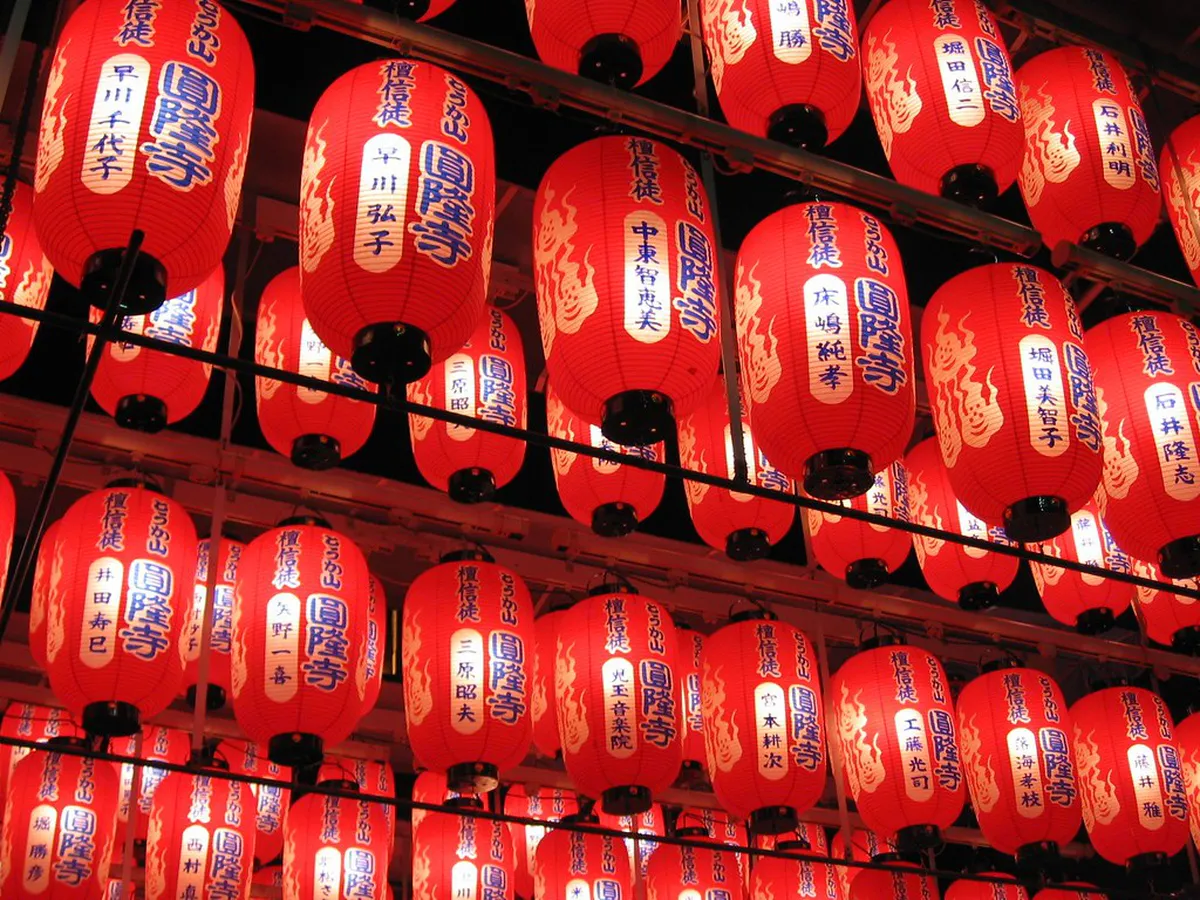
Tokasan dates back to 1619, when Enryuji Temple in central Hiroshima was permitted to open its doors to public worship of Toukasan Daimyojin (the deity of the temple's main hall) for just three days each year. That early-June window is the only time the inner sanctuary is unsealed, and the festival is built around the visiting prayer that follows. More than 400 years later the religious core is unchanged - Enryuji's monks lead Toukaishi blessings each evening - but the surrounding arcade has grown into the city's largest summer street event.
Locals treat Tokasan as the symbolic switch into yukata season. Hiroshima is widely credited as the city where yukata first moved from bathhouse robe to summer street wear, and Tokasan was the festival that legitimised it. Even today, residents who would not wear yukata in late May feel comfortable doing so the moment Tokasan opens. Understanding this background turns a walk down Chuo-dori from a costume parade into a 400-year-old civic ritual.
The festival's full Japanese name is "Toukaishi" (圓隆寺とうかさん大祭), and you will see both Tokasan and Toukasan used interchangeably in English signage. The temple is officially Enryuji (圓隆寺), in the Nagarekawa entertainment district one block off Chuo-dori. Bring a ¥100 coin for the offertory box if you want to participate in the temple visit itself - it takes about 15 minutes including the queue.
Tokasan 2026 Dates and Schedule
Tokasan 2026 takes place Friday June 5, Saturday June 6, and Sunday June 7. The festival opens around 16:00 each afternoon and the busiest hours run 18:00-22:00, when the Chuo-dori arcade fills with yukata-clad crowds and food stalls hit full operation. Enryuji Temple itself stays accessible across all three days for prayer offerings and the symbolic Toukaishi blessing.
The Friday opening is calmer and best for photography or a relaxed first look. Saturday is the peak night with the heaviest stall traffic, the yukata contest along the south end of Chuo-dori, and most live taiko and stage performances. Sunday closes the festival earlier, usually around 21:30, so plan to arrive by mid-afternoon if you want the full experience without late-night crowds.
| Day | Opens | Peak Hours | Closes | Best for |
|---|---|---|---|---|
| Friday Jun 5 | ~16:00 | 18:00–22:00 | ~23:00 | Photography, relaxed first look |
| Saturday Jun 6 | ~16:00 | 18:00–22:00 | ~23:00 | Yukata contest, taiko, peak stalls |
| Sunday Jun 7 | ~16:00 | 17:00–21:00 | ~21:30 | Families, quieter close |
Confirm exact start and end times closer to the date on the Official Hiroshima City Website, since the operating hours can shift slightly year to year. For the wider summer event picture across the city, see our major annual events in Hiroshima: a 2026 calendar.
First-Timer's Quick Plan for Tokasan Night
If you only have one evening at Tokasan, here is the simplest way to do it well without overthinking the logistics. The festival is free, runs across all three days (June 5-7, 2026), and rewards an early-afternoon start over a late arrival into the heaviest crowds.
- Late afternoon: Pick up your rented yukata in Hatchobori or Tatemachi (¥4,500-8,000, dressing included) — reserve about two weeks ahead so stock is still available.
- By 17:30: Ride the Hiroden streetcar Line 1 or 2 to Hatchobori or Tatemachi (¥220) and walk three to five minutes to the Chuo-dori arcade near Enryuji Temple to claim a viewing spot before it fills.
- 18:00-22:00: Browse the food stalls (most items ¥400-800, cash only), catch the evening Toukaishi blessing, and on Saturday watch the yukata contest.
- Before you leave: Use a restroom on arrival, carry water, and check your rental shop's return time, since most close by 21:00.
Main Events and Program Highlights
The Toukaishi prayer ceremony is the religious heart of the festival, held at Enryuji Temple each evening around 18:00. Monks chant a brief sutra, the secret hall is opened to the public, and visitors file past the main image to leave coin offerings. This is the only moment in the year when the inner sanctuary is visible, and watching the queue is a quiet contrast to the arcade outside.
The Yukata Contest (Yukata Konkuru) runs Saturday evening, usually starting around 18:30 near the south end of Chuo-dori. Local participants of all ages walk a short stage course to be judged on yukata fit, posture, and accessory choice. Winners are announced before 21:00 and the contest doubles as one of the best free photography moments of the weekend - it pulls the crowd off the food stalls for about an hour.
Other recurring program slots include taiko drumming on the temple forecourt, a children's lantern parade on Friday evening, and live music staged at three points along Chuo-dori. Programs vary slightly each year - check the printed map handed out at Hatchobori and Tatemachi station entrances on arrival, or scan the QR code posted on Enryuji's gate for the current night's schedule.
Yukata Rental Prices and Where to Rent
Reserve yukata rental at least two weeks before the festival — same-day walk-ins in Hatchobori often run out of stock by Friday afternoon. Most packages (¥4,500–8,000) include dressing service, obi sash, geta sandals, and a small bag.
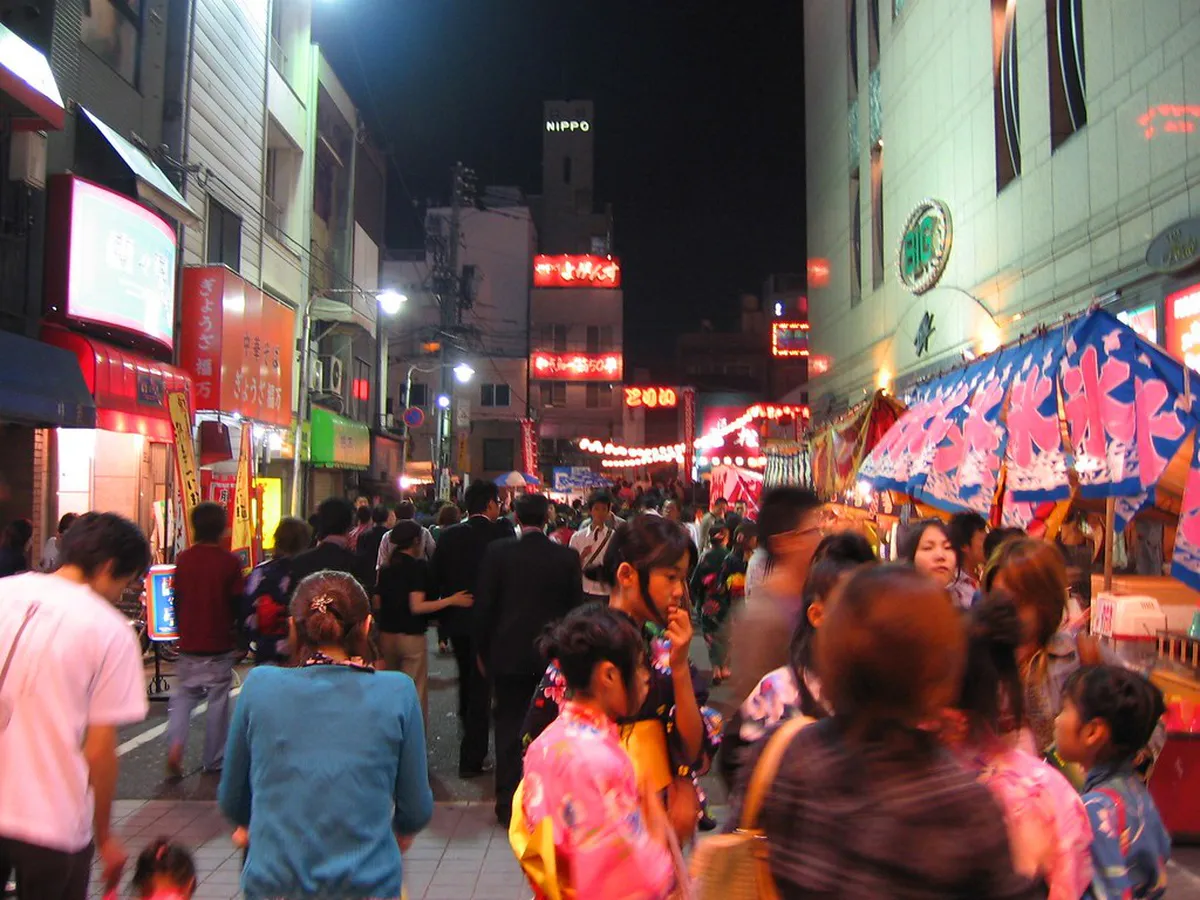
Yukata rental in Hiroshima for Tokasan typically costs ¥4,500-8,000 per person, with most rental shops bundling the obi sash, geta sandals, a small bag, and full dressing service into the base price. Budget options around ¥4,500 cover a standard cotton yukata; premium packages near ¥8,000 include hair styling and a wider fabric selection. Men's yukata sets sit at the lower end of the range, often ¥4,500-6,000 with a kaku-obi sash.
Most rental shops cluster in the Hatchobori and Tatemachi shopping arcades within five to ten minutes' walk of Enryuji Temple. Reserve at least two weeks ahead for festival weekend - same-day walk-ins often run out of stock by Friday afternoon. Bring valid ID, expect a refundable deposit of around ¥3,000-5,000 on premium sets, and confirm the return time (most shops close by 21:00, so plan a return slot earlier in the evening if you stay out late).
If you prefer to buy your own, department stores like Fukuya Hatchobori and the Pacela complex stock entry-level yukata sets from ¥6,000-12,000 in late May and early June. Buying makes sense if you plan to attend more than one festival in Japan during summer 2026.
How to Wear a Yukata Properly
Yukata are wrapped left over right - left lapel on top of right - regardless of gender. The reverse (right over left) is reserved for dressing the dead and is the single most common mistake first-time visitors make. Rental shop staff almost always dress you correctly, but if you adjust the front during the night, keep this rule in mind. The obi sash sits low on the hips for men and at the waist for women, with the bow at the back; never let it slip to the front, which signals a courtesan in old Japanese.
For shoes, geta sandals are traditional but unforgiving on first-time wearers. If you have wide feet or are walking more than 90 minutes, ask the rental shop about woven zori sandals or modern thong-style alternatives, which most Hiroshima shops stock. Underneath, women typically wear a cotton hadajuban slip or a moisture-wicking camisole; men wear a thin t-shirt or stetteko shorts. Avoid bulky underwear that prints lines through cotton.
Carry only what fits in the included kinchaku drawstring bag - a phone, cash, a folding fan, and a small handkerchief. Backpacks crush the obi shape and look out of place in arcade photos. If you sweat through the cotton (likely after two hours), the small towel works as a discreet under-collar pad.
Best Viewing Locations Along Chuo-Dori
The festival stretches along Chuo-dori between roughly Hatchobori in the north and Tatemachi in the south, with Enryuji Temple anchoring the middle. The stretch directly in front of Enryuji is the most atmospheric but also the most crowded - arrive before 17:30 if you want to stand near the temple gate during the evening blessing.
For an easier vantage point with the same yukata-watching, stake out a spot near the Hondori arcade entrance on the south end. The arcade roof keeps you cool, foot traffic flows in both directions, and food stall density is highest here. Photographers tend to prefer the open stretch between Tatemachi and Fukuya - wider sightlines, better light at sunset, and parade groups pass through more slowly.
Public restrooms at Hondori and Hatchobori stations get long queues after 19:00, so use them on arrival. For a quieter break, the Pacela complex and Sogo department store basements have less-trafficked facilities within a two-minute walk.
How to Get There by Streetcar
The fastest way to Tokasan is the Hiroshima streetcar (Hiroden) to either Hatchobori or Tatemachi stop - both put you within a three to five minute walk of Enryuji Temple and the Chuo-dori arcade. From Hiroshima Station the ride takes about 10 minutes on Line 1 or 2 to Hatchobori, with a single fare of ¥220 (cash or IC card).
Hatchobori is the better stop if you are coming from the north or the JR station and want to enter the festival from the top of the arcade. Tatemachi works better if you are walking up from the Peace Park area or arriving by Astram Line - the southern entrance is usually slightly less congested between 17:00 and 19:00.
Avoid driving. Festival weekend traffic in central Hiroshima is heavy and parking around Hatchobori fills by 16:00. If you must drive, park at the Hiroshima Station underground lot (¥300 per 30 min) and ride the streetcar in. For a deeper transit primer, see our guide on how to get around Hiroshima by streetcar and bus.
Getting to Tokasan by Bus, Taxi, or Car
The Hiroden streetcar is the fastest way in, but buses and taxis are solid backups if you are coming from Hiroshima Station or staying outside the tram network. Hiroshima Bus and Hiroden Bus both run routes from Hiroshima Station's south exit toward Kamiyacho and Hatchobori, roughly a 15-minute ride for the same ¥220 flat fare as the streetcar. Confirm with the driver that your route stops at Kamiyacho or Hatchobori, since not every service serves both.
A taxi from Hiroshima Station to Enryuji Temple takes about 10-15 minutes outside festival hours, with a metered fare typically ¥1,300-1,800. On festival nights, build in extra time: police close sections of Chuo-dori and the surrounding side streets to vehicle traffic during peak hours each evening, later on Friday and Saturday than on Sunday's earlier close, so taxis and buses may only get you within a block or two of the arcade.
Driving is not recommended. Coin parking chains such as Times and Repark run small lots around Hatchobori and Tatemachi, but they fill early on festival evenings and the street closures make the final approach on foot longer than it looks on a map. If you must drive into Hiroshima that day, park near Hiroshima Station or Peace Memorial Park instead and cover the rest of the distance by streetcar or bus.
Food Stalls and What to Eat
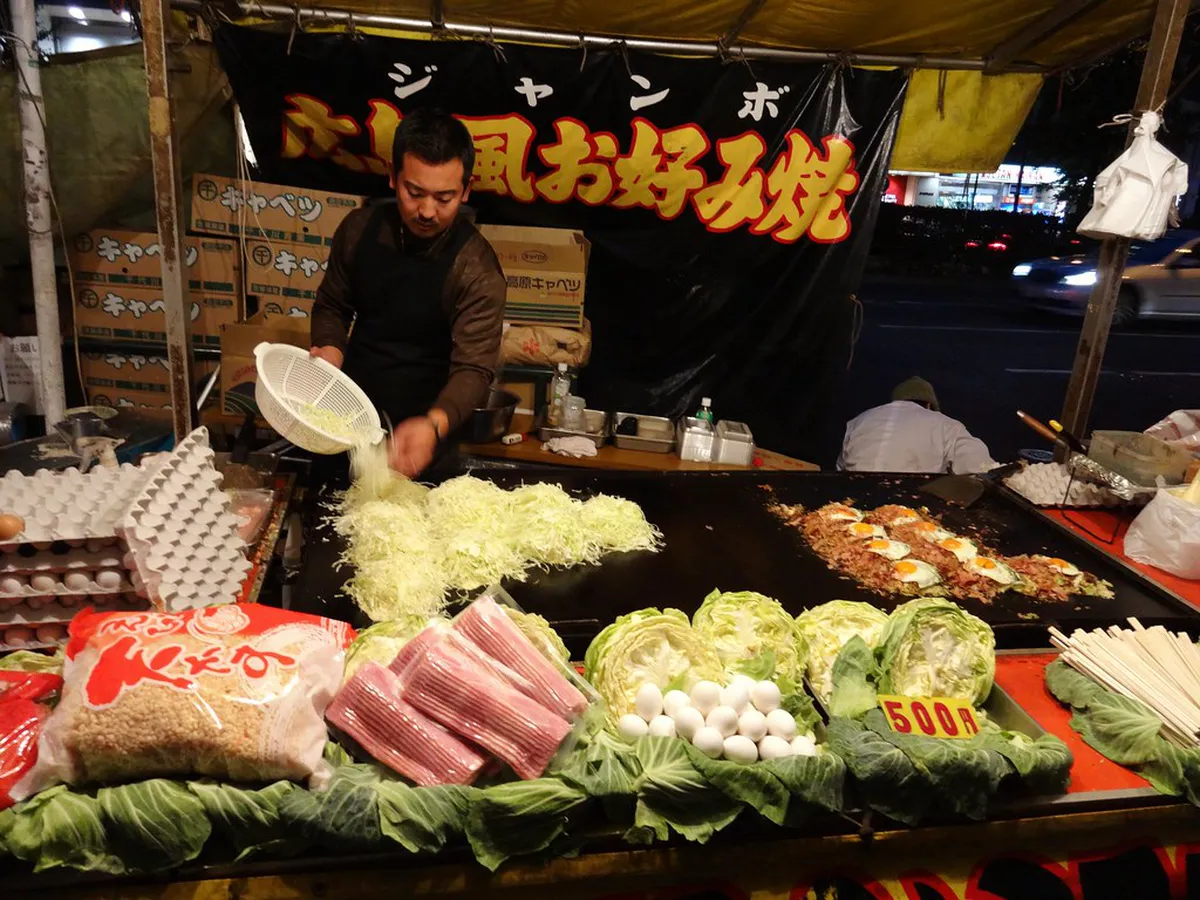
Tokasan food stalls (yatai) line both sides of Chuo-dori from late afternoon, with most items priced ¥400-800. Local favorites include yakisoba, takoyaki, grilled squid (ika-yaki), kakigori shaved ice, choco-banana, and chilled cucumber on a stick. Bring cash - many stalls do not accept IC cards or QR pay, and ATMs at convenience stores nearby get long queues after 19:00.
For a sit-down meal away from stall crowds, the okonomiyaki restaurants in the surrounding blocks stay open through the festival. If you have not tried Hiroshima-style okonomiyaki yet, this is the perfect night for it - see how to eat Hiroshima-style okonomiyaki like a local before you go.
Hydrate aggressively. June evenings in Hiroshima run 24-28C with high humidity, and walking the arcade for two to three hours in a yukata is sweatier than it looks. Vending machines along the arcade dispense bottled water and barley tea (mugi-cha) for ¥150-200.
Rain Plan and Tsuyu Season Tips
Tokasan falls inside Hiroshima's tsuyu (rainy season). If heavy thunderstorms are forecast, shift your visit to the next evening rather than risk soaking a rented yukata — deposit disputes with rental shops can be a hassle. A ¥300–500 plastic kappa poncho from the rental shop fits over the yukata.
Tokasan falls inside Hiroshima's tsuyu (rainy season), which usually starts in early June and runs through mid-July. Light rain rarely cancels the festival - food stalls open under awnings, the Chuo-dori arcade is fully covered between Hatchobori and Tatemachi, and the Toukaishi blessing at Enryuji proceeds rain or shine. Heavy thunderstorms can pause stage performances and the yukata contest, but the temple visit itself stays open.
If rain is in the forecast, ask your rental shop about a kappa (clear plastic poncho) that fits over the yukata - most shops keep them in stock for ¥300-500. Avoid umbrellas in the densest stretch in front of Enryuji; the crowd is shoulder-to-shoulder and umbrellas catch on obi bows. Slip-on plastic geta covers add traction on wet stone tiles around the temple gate. Check the JMA forecast the morning of, and if the day shows red-banner warnings, shift your visit to the next evening rather than risk a soaked rental and a deposit dispute.
Combining Tokasan with the Rest of Hiroshima
Tokasan is an evening event, so daytime is open for the city's other major sites. The classic combination is Peace Memorial Park and the Hiroshima Peace Memorial Museum in the morning, lunch in the Hondori area, an afternoon at Shukkeien Garden or Hiroshima Castle, then back to the hotel to change into your yukata before heading to Chuo-dori around 17:00.
If you have a second day, take the JR Sanyo Line and ferry to Miyajima for Itsukushima Shrine. Check the Miyajima Tide Tables before you go - the floating torii gate looks completely different at high vs low tide. For broader summer programming beyond Tokasan, our guide to Hiroshima summer festivals and Bentenjima fireworks 2026 covers the August fireworks and other peak-season events.
Stay near Hatchobori or Hondori for festival nights - it cuts walking time and lets you skip the late-night streetcar crowd. Hotels in this area book up four to six weeks before Tokasan weekend, so reserve early if you are planning a June 2026 trip.
Where to Stay Near Tokasan for Festival Weekend
Festival weekend fills hotel rooms across central Hiroshima, so book as soon as your June 5-7, 2026 dates are set, ideally by April. Two areas work well, depending on what you want from the trip.
Hatchobori and Tatemachi put you five to ten minutes on foot from Enryuji Temple, which matters most on Saturday night: you can return a rented yukata, change, and get back to your room without fighting the departing crowd for a streetcar seat. Business hotels in this pocket typically run ¥8,000-14,000 a night for a double, though festival-weekend rates often climb 20-30% above a normal June weekend.
Basing yourself near Hiroshima Station instead trades a slightly longer commute, about 15 minutes by streetcar or bus, for easier onward travel, useful if you are catching a morning Shinkansen or adding a Miyajima day trip before or after Tokasan. Station-area hotels see the same seasonal price bump, so a flexible-cancellation booking made well ahead is worth the small premium.
If you are building a longer stay around the festival, our 3-day Hiroshima festival and event itinerary sequences Tokasan with the city's other major sights, and our roundup of the best things to do in Hiroshima is a good source for filling daytime hours around the evening festival.
Practical Festival Tips
Tokasan is family-friendly, free to attend, and accessible to first-time visitors with no Japanese language ability - signage and stall names are mostly visual, and yukata rental shops typically have English-speaking staff. The biggest comfort wins are wearing geta sandals you can walk in (try them on before the festival night), bringing a small folding fan, and keeping a handkerchief or small towel for the humidity. Wheelchair users will find Chuo-dori itself fully flat and covered, but the dense food-stall stretch in front of Enryuji becomes hard to navigate after 19:00; come earlier in the afternoon or stay on the Tatemachi side, which leaves more passing room.
- Essential Tokasan checklist
- Wear: light cotton yukata (¥4,500-8,000 to rent, includes dressing); left lapel always over right
- Bring: cash for stalls, water bottle, small fan, handkerchief, ¥100 temple coin
- Time: arrive by 17:30 for prime spots, festival peaks 18:00-22:00
- Stay: Hatchobori or Hondori area for shortest walk back
- Transit: Hiroden Line 1 or 2 to Hatchobori or Tatemachi (¥220)
See our complete Hiroshima attractions guide for the wider city overview.
Frequently Asked Questions
When is the Hiroshima Tokasan Yukata Festival in 2026?
Tokasan 2026 runs Friday June 5 through Sunday June 7 at Enryuji Temple in central Hiroshima. The festival opens around 16:00 each day, peaks between 18:00 and 22:00 with the busiest food stalls and crowds, and closes earlier on Sunday around 21:30. Friday is the calmest evening for first-time visitors.
How much does it cost to rent a yukata for Tokasan?
Yukata rental in Hiroshima typically runs ¥4,500-8,000 per person and bundles the obi sash, geta sandals, a small bag, and full dressing service. Premium packages near ¥8,000 add hair styling and a wider fabric selection. Reserve at least two weeks ahead for festival weekend, since same-day walk-ins often run out by Friday afternoon.
How do I get to Tokasan from Hiroshima Station?
Take the Hiroshima streetcar (Hiroden) Line 1 or Line 2 from Hiroshima Station to Hatchobori or Tatemachi stop. The ride takes about 10 minutes, costs ¥220 one way, and leaves you a three to five minute walk from Enryuji Temple and the Chuo-dori festival arcade. Avoid driving - traffic and parking fill by 16:00.
Where are the best viewing spots along the Chuo-dori arcade?
The most atmospheric spot is directly in front of Enryuji Temple, but it crowds early - arrive before 17:30. For an easier vantage with strong yukata-watching and the densest food stalls, stand near the Hondori arcade entrance on the south end. Photographers prefer the stretch between Tatemachi and Fukuya for wider sightlines and better sunset light.
What should I eat at the Tokasan food stalls?
Stalls along Chuo-dori sell yakisoba, takoyaki, grilled squid, kakigori shaved ice, choco-banana, and chilled cucumber sticks at ¥400-800 per item. Bring cash since most stalls do not accept IC cards. For a sit-down meal, the surrounding blocks have okonomiyaki restaurants - this is the ideal night to try Hiroshima-style okonomiyaki if you have not yet.
Is Tokasan worth it on a short Hiroshima itinerary?
Yes - if your visit overlaps June 5-7, 2026, Tokasan is the most distinctive cultural experience in the city and pairs naturally with a Peace Memorial Park morning. Even a two-hour evening walk through the arcade in a rented yukata captures the heart of the festival. Stay near Hatchobori or Hondori to minimize late-night transit.
The Hiroshima Tokasan Yukata Festival is the city's signature summer event - three nights of yukata, lantern-lit temple visits, and street food along Chuo-dori. With June 5-7, 2026 confirmed and yukata rental easy to arrange in Hatchobori, all that's left is to book a hotel near the arcade and pick which night you want to walk the festival.
Use this guide to lock in your transit (Hiroden to Hatchobori or Tatemachi), your yukata budget (¥4,500-8,000 with dressing), and your viewing strategy (arrive 17:30, peak 18:00-22:00, hydrate often). Tokasan rewards travelers who plan ahead - reserve early, dress light, and join Hiroshima's most colorful summer celebration.
Free: The Hiroshima Essentials guide
Top things to do, where to stay, a perfect day plan, getting around, and the best time to go — a Hiroshima mini-guide you can take offline.
You might also like
Continue reading
More guides you'll find useful