2-Day Hiroshima Cultural Landmarks Itinerary: The Complete 2026 Guide
Plan the perfect 2-day Hiroshima cultural landmarks itinerary for 2026. Day 1 covers Peace Memorial Park, Hiroshima Castle, Shukkeien Garden, and okonomiyaki. Day 2 visits Miyajima's Itsukushima Shrine, Daisho-in Temple, and Mt. Misen with 2026 prices and hours.
On this page
Hiroshima stands as a powerful symbol of resilience and peace in the heart of western Japan.
A well-planned 2-day Hiroshima cultural landmarks itinerary balances the somber history of the Peace Memorial Park, the samurai-era heritage of Hiroshima Castle, and the sacred island shrines of Miyajima.
Travelers often feel a deep connection to the city after exploring its temples, gardens, and the floating torii gate of Itsukushima.
This 2026 guide gives you a stop-by-stop plan with current prices in Japanese yen, opening hours, and transit times so you can make every minute count over forty-eight hours.
Best 2-Day Cultural Itinerary in Hiroshima?
The best 2-day Hiroshima cultural itinerary devotes Day 1 to the city center — Peace Memorial Park and Museum (8:30 AM), Hiroshima Castle (11:00 AM), Shukkeien Garden (1:30 PM), and an okonomiyaki dinner at Okonomimura. Day 2 is a Miyajima cultural day — Itsukushima Shrine at high tide, Daisho-in Temple, and Mt. Misen by ropeway. Total cost runs around 6,500–8,500 yen per adult excluding meals and lodging.
This sequence works because it groups walkable city stops on Day 1 (everything is reachable by streetcar or 15-minute walk) and dedicates Day 2 to a single ferry destination, avoiding the costly mistake of splitting Miyajima across both days. The 2026 streetcar flat fare of 240 yen and the JR Sanyo Line + JR Ferry combo (covered by JR Pass) keep transit overhead under 1,500 yen per day.
A 1-Day Streetcar Pass (¥700) pays for itself after three rides and covers every Day 1 stop. For Day 2, JR Pass holders ride the JR Sanyo Line to Miyajimaguchi and the JR ferry to Miyajima for free — saving ¥1,240 round-trip per person.
Hiroshima 2-Day Itinerary Overview
Day 1 focuses on the city center where history was reshaped in August 1945. You walk through the Peace Memorial Park, see the Atomic Bomb Dome, visit the rebuilt Hiroshima Castle, and end with a sunset stroll through Shukkeien Garden before dinner. Day 2 takes you across the water to Miyajima, the spiritual island whose three landmarks — Itsukushima Shrine, Daisho-in Temple, and Mt. Misen — define the cultural heart of the Seto Inland Sea.
For a wider list of city sights to layer in if you have extra time, see our Hiroshima attractions guide, and if you only have one full day instead of two, our Hiroshima 2-day itinerary covers a non-cultural variant with food and shopping stops.
| Day | Focus | Key Stops | Walking + Transit | Est. Cost (JPY) |
|---|---|---|---|---|
| Day 1 | City heritage and peace | Peace Park, Hiroshima Castle, Shukkeien, Okonomimura | ~6 km walking + 3 streetcar rides | 3,200–4,000 |
| Day 2 | Miyajima island culture | Itsukushima Shrine, Daisho-in, Mt. Misen, Omotesando | JR + ferry + 4 km island walking | 3,300–4,500 |
Getting to Hiroshima From Tokyo, Kyoto, or Osaka
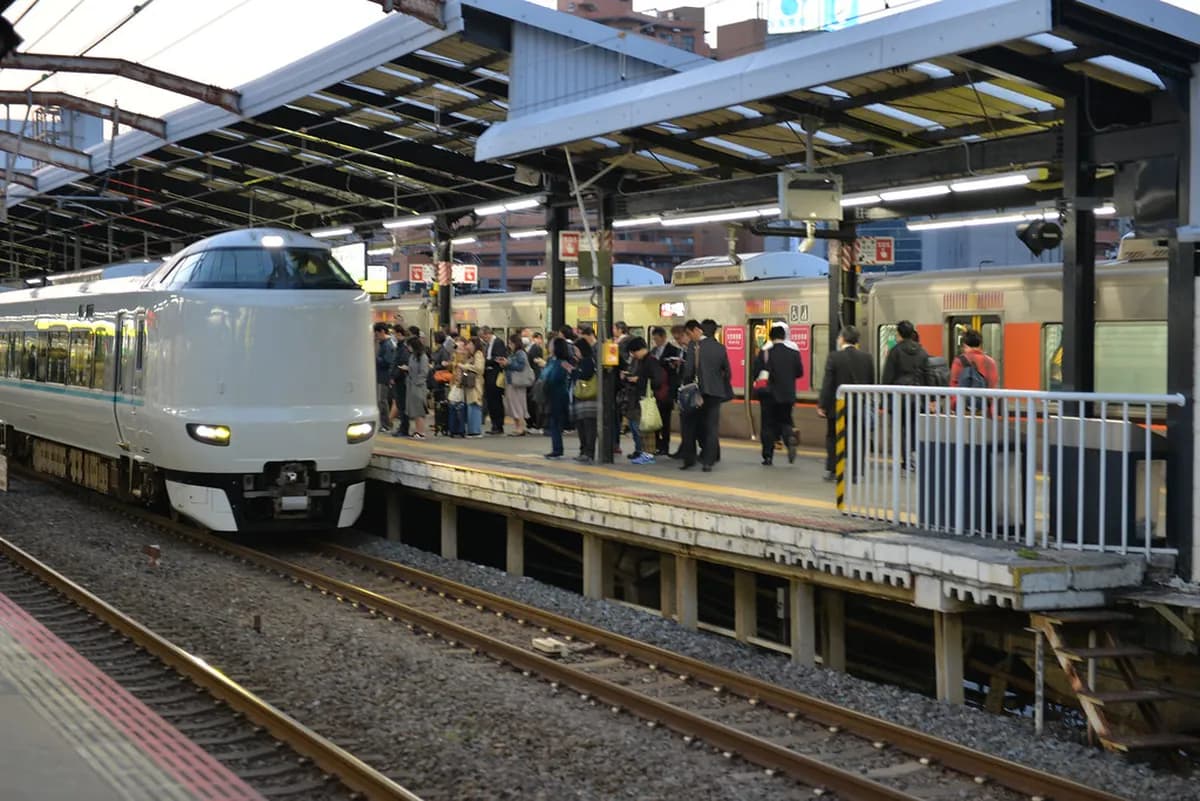
Most travelers reach Hiroshima by Shinkansen. From Tokyo, the Nozomi takes 3h 50min and the Hikari/Kodama (covered by JR Pass) takes 4h 30min to 5h, with one-way fares around 19,000 yen reserved seat. From Shin-Osaka the Nozomi runs 1h 25min (10,420 yen) and the Sakura/Hikari runs 1h 35min and is fully JR Pass covered. From Kyoto add 15 minutes to the Shin-Osaka times. Hiroshima Station is the terminus for all routes and connects directly to the Sanyo Line for Miyajimaguchi.
If you are starting Day 1 the same morning you arrive, target a Shinkansen that puts you in Hiroshima before 10:00 AM so you can still hit the Peace Memorial Museum during its quietest window. Many travelers arriving from Tokyo prefer to fly into Hiroshima Airport (HIJ) — the airport bus takes 50 minutes to Hiroshima Station for 1,450 yen, and discount one-way flights from Haneda often undercut Shinkansen reserved seats. For a full breakdown of Tokyo-to-Hiroshima options, see our Hiroshima transit guide.
Coin Lockers and Luggage Storage for Your Hiroshima Itinerary
Hiroshima Station is the natural place to store bags before Day 1, since most Shinkansen arrivals land you there with luggage in tow before the Peace Memorial Museum opens at 8:30 AM. The South Exit concourse and the ASSE underground mall both have coin lockers that take cash and IC cards (ICOCA, Suica, Pasmo) in 2026.
| Locker Size | Fits | Price (2026) |
|---|---|---|
| Small | Daypack | 400 yen |
| Medium | Carry-on suitcase | 500–600 yen |
| Large | Full suitcase | 700 yen |
If lockers are full, which happens on weekend mornings, the Hiroshima Station Tourist Information Center on the 2F concourse can direct you to overflow lockers near the Shinkansen exit. A Kuroneko Yamato luggage counter inside the station will also forward a suitcase to your Day 2 hotel for roughly 2,000–3,000 yen per bag, arriving the same day if dropped off before 11:00 AM.
For Day 2, leave large luggage behind entirely. The JR ferry to Miyajima has no dedicated luggage storage, and the lockers along Omotesando shopping street are small and often full by mid-morning. Travelers connecting straight to Miyajima without returning to a Hiroshima hotel can use the coin lockers at Miyajimaguchi Station before boarding the ferry, or the small locker bank near the Miyajima ferry terminal, though both max out at carry-on size.
Day 1: Peace Memorial Park, Hiroshima Castle, Shukkeien, and Okonomiyaki
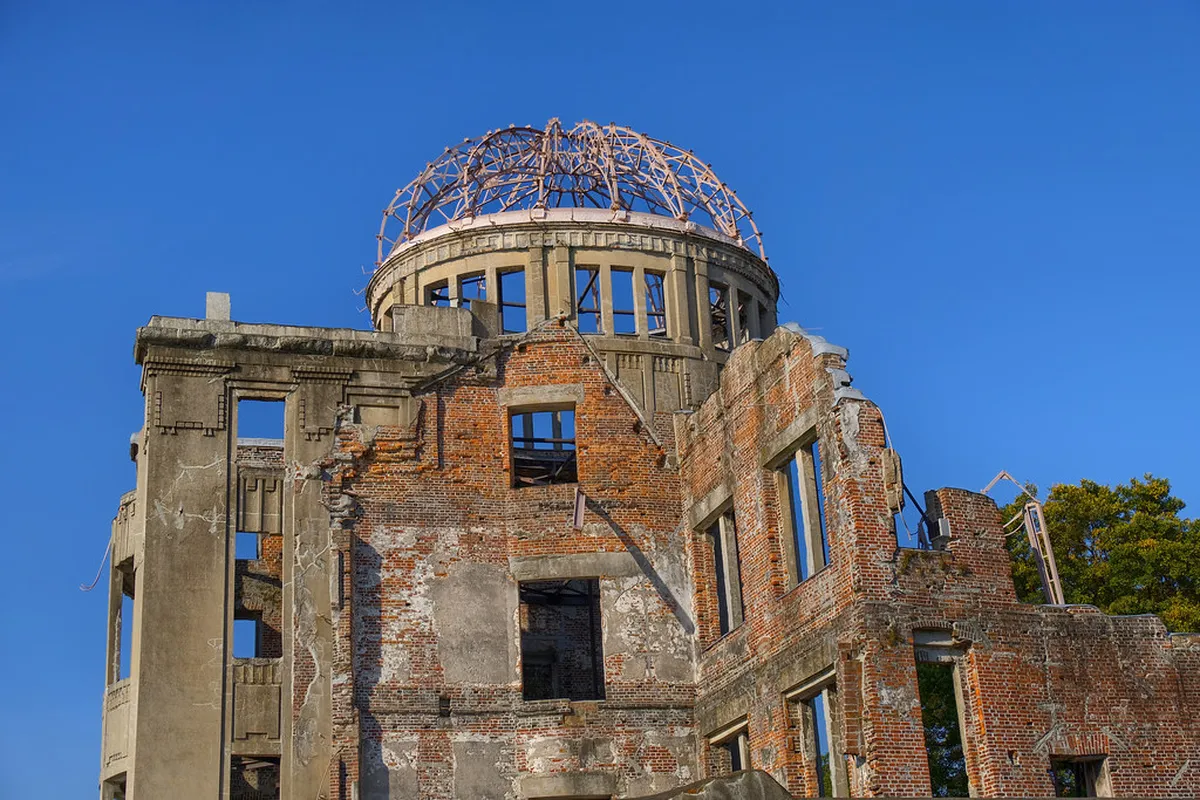
Day 1 covers four cultural cornerstones in the Naka Ward city center, all within 2 km of each other. Start at 8:30 AM at the Atomic Bomb Dome and finish around 8:00 PM at Okonomimura. Total walking distance is roughly 6 km broken across three streetcar rides on the Hiroden network.
Morning (8:30–11:00 AM): Peace Memorial Park and Museum
Begin at the Atomic Bomb Dome — the skeletal UNESCO-listed remains of the Industrial Promotion Hall preserved exactly as it stood after August 6, 1945. Cross the Motoyasu River into the Peace Memorial Park, walking past the Children's Peace Monument (with its thousands of folded paper cranes) toward the Memorial Cenotaph. The Hiroshima Peace Memorial Museum opens at 8:30 AM in 2026 (closes 7:00 PM March–November, 6:00 PM December–February). For ticket strategies and queue tips, see our Peace Memorial Museum tickets and tips guide.
- Atomic Bomb Dome: Free, exterior viewing only, 30 minutes
- Peace Memorial Museum: 200 yen adults, 100 yen students, free for under-18 (2026 rate); 90–120 minutes inside
- Memorial Cenotaph and Flame of Peace: Free, 20 minutes
- Best photo time: 8:30–9:00 AM before tour groups arrive
Late Morning (11:15 AM–1:00 PM): Hiroshima Castle
From the Peace Park, walk 15 minutes north (or take the Hiroden streetcar 1 stop from Genbaku-Domu-mae to Kamiyacho-nishi, 240 yen) to Hiroshima Castle, also called Carp Castle. Built in 1589 by feudal lord Mori Terumoto, the original donjon was destroyed in 1945 and rebuilt in 1958. The five-story keep now houses a museum on samurai armor, sword craft, and Edo-period Hiroshima history. The castle grounds, Ninomaru bailey, and reconstructed gates are free to enter; the keep museum charges 370 yen.
- Hours (2026): 9:00 AM–6:00 PM March–November, 9:00 AM–5:00 PM December–February
- Entry: 370 yen adults, 180 yen students (keep museum); grounds free
- Time needed: 75–90 minutes including grounds and Gokoku Shrine
- Best for: Cherry blossoms in early April, autumn leaves late November
For deeper background on the castle's pre-war history and reconstruction, see our Hiroshima Castle history and visitor guide.
Lunch (1:00–1:30 PM): Quick Bite Near the Castle
Grab a quick bowl of tsukemen (Hiroshima-style cold dipping noodles) at one of the small shops along Aioi-dori west of the castle, expect 900–1,200 yen. Save your major okonomiyaki dinner for the evening at Okonomimura.
Afternoon (1:30–4:00 PM): Shukkeien Garden
Walk 12 minutes east of the castle (or one Hiroden stop on Line 9) to Shukkeien Garden, a 17th-century stroll garden whose name means "shrunken scenery" — the design miniaturizes mountains, valleys, and forests around a central pond. Built in 1620 by the daimyo Asano Nagaakira, it survived the atomic bomb and reopened in 1951. Allow 90 minutes to circle the pond, cross Rainbow Bridge, and stop at the on-site teahouse for matcha (600 yen).
- Hours (2026): 9:00 AM–6:00 PM April–September, 9:00 AM–5:00 PM October–March
- Entry: 260 yen adults, 150 yen students
- Best photo time: 3:00–4:00 PM when light hits the pond's east bank
- Combo ticket: 610 yen with Hiroshima Prefectural Art Museum next door
Evening (6:30–8:30 PM): Okonomiyaki Dinner at Okonomimura
End Day 1 at Okonomimura, the legendary three-story building in Shintenchi that houses 24 small okonomiyaki stalls cooking the layered Hiroshima-style version (noodles, cabbage, pork belly, egg) on shared teppan grills. Expect 1,000–1,400 yen per pancake. To learn the proper eating technique, read our guide on how to eat Hiroshima-style okonomiyaki like a local.
Day 2: Miyajima Cultural Day — Itsukushima Shrine, Daisho-in, and Mt. Misen
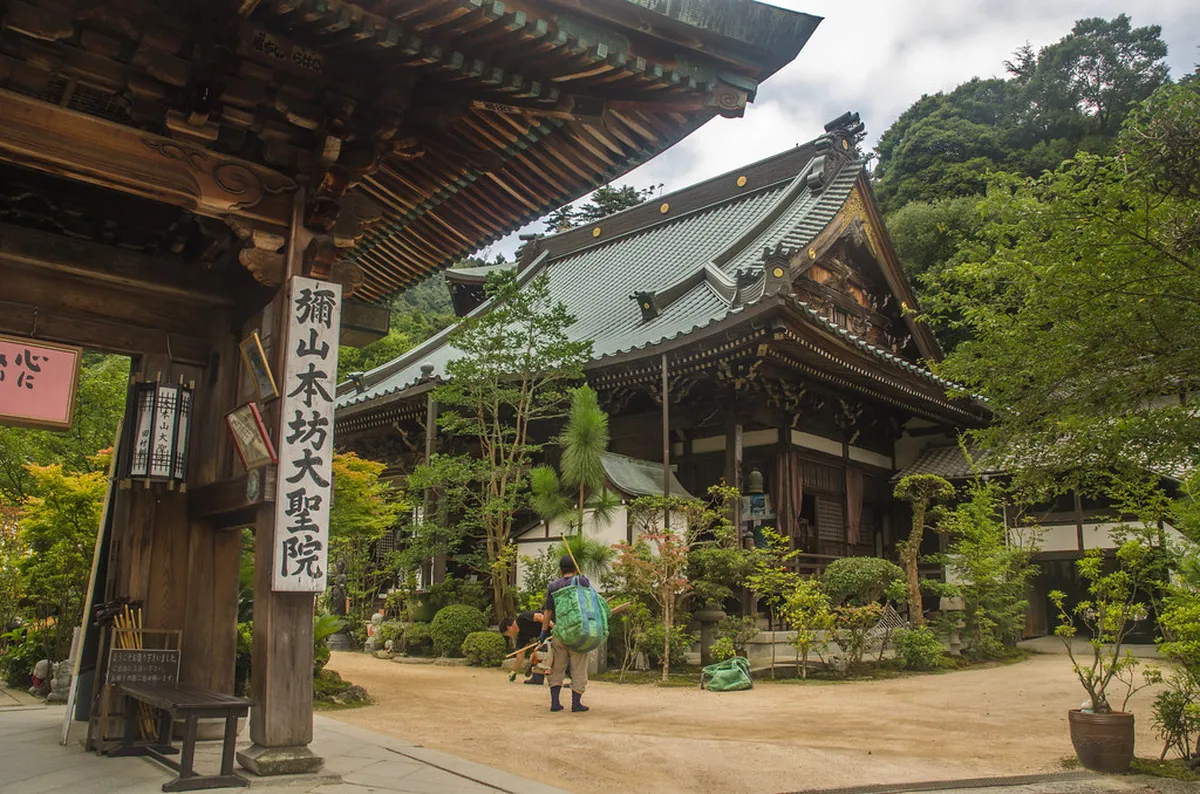
Day 2 belongs entirely to Miyajima Island. Plan to leave Hiroshima around 8:00 AM to maximize daylight and beat the day-tour crowds that arrive after 10:00 AM. The full circuit — shrine, temple, and mountain — takes 7–8 hours and pairs naturally with a sunset return ferry around 5:30 PM.
Getting to Miyajima (8:00–9:00 AM)
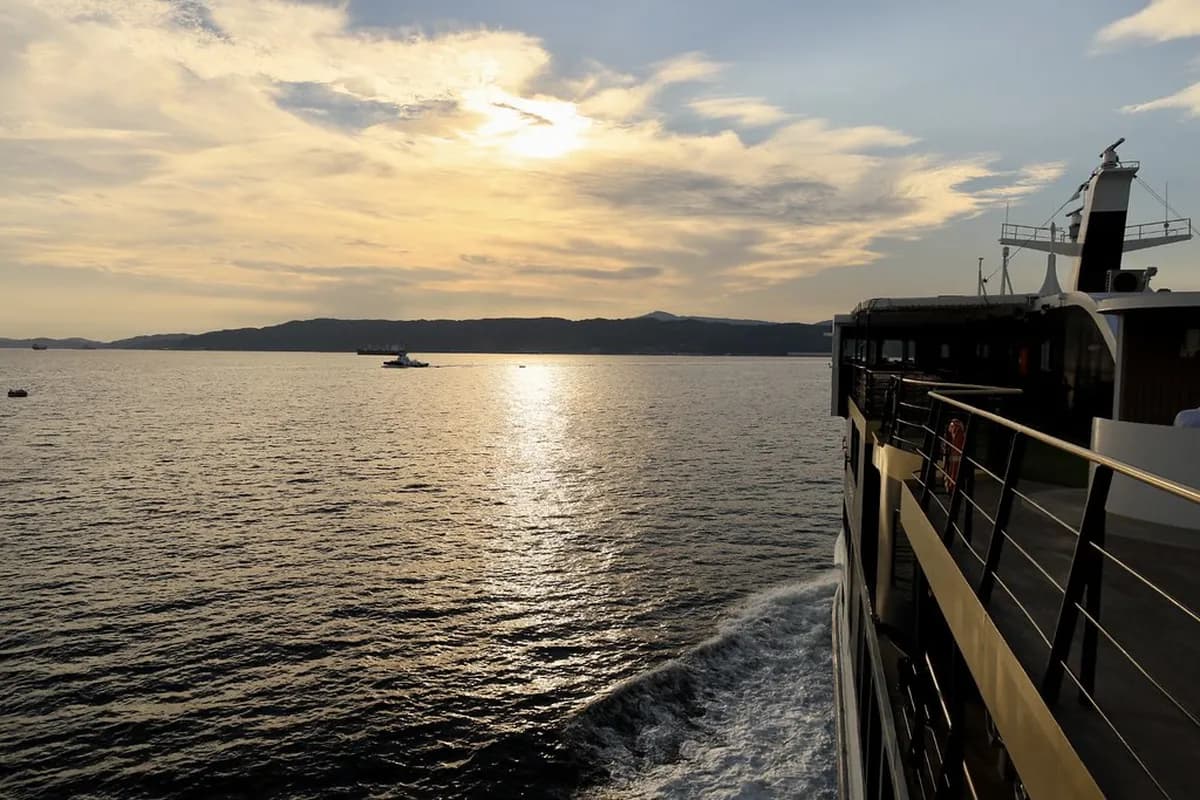
From Hiroshima Station, take the JR Sanyo Line 25 minutes to Miyajimaguchi Station (420 yen, free with JR Pass), then walk 5 minutes to the JR Miyajima Ferry pier. The ferry crossing takes 10 minutes (200 yen each way, plus 100 yen Miyajima visitor tax added in October 2023; both still apply in 2026). The JR ferry passes closer to the floating torii gate than the rival Matsudai ferry, so prefer it for photos.
Late Morning (9:00–11:30 AM): Itsukushima Shrine and the Floating Torii Gate
Itsukushima Shrine, founded in 593 AD and rebuilt in its current vermilion-pillared form in 1168, is the cultural anchor of Miyajima. The shrine is built on stilts over the tidal flats, so its appearance changes dramatically with the tide. At high tide the torii gate appears to float; at low tide you can walk across the wet sand and touch its base. Always check the official tide tables before your visit — see our detailed Itsukushima Shrine floating torii guide for tide planning.
- Hours (2026): 6:30 AM–6:00 PM (varies seasonally; closes 5:00 PM Dec–Feb)
- Entry: 300 yen adults, 200 yen high school students, 100 yen elementary
- Combo ticket with Treasure Hall: 500 yen
- Best tide for photos: 100 cm or above; check the night before
Midday (11:30 AM–1:00 PM): Daisho-in Temple
Walk 12 minutes south of Itsukushima Shrine, past Momijidani Park, to Daisho-in — Miyajima's most important Buddhist temple, founded in 806 AD by the monk Kukai. Highlights include the 500 rakan statues (each with unique facial expressions), the spinning sutra wheels lining the entrance staircase (one rotation is said to equal reading the entire Heart Sutra), and the inner Henjokutsu Cave lit by 88 lanterns representing Shikoku's pilgrimage temples. The Eternal Flame, said to have burned uninterrupted for 1,200 years, was used to light the Flame of Peace in Hiroshima's Peace Park.
- Hours (2026): 8:00 AM–5:00 PM, daily
- Entry: Free
- Time needed: 60–75 minutes
- Lunch nearby: Anago-meshi (grilled conger eel rice) at Ueno, 2,200 yen
Afternoon (1:30–4:30 PM): Mt. Misen Summit
Mt. Misen (535 m) is Miyajima's sacred peak, considered the spiritual core of the island. The fastest way up is a two-stage ropeway from Momijidani Park: Kayatani Line (gondola) + Shishiiwa Line (cable car), taking 15 minutes total. From the upper Shishiiwa Station, it's a 30-minute walk along a marked stone path to the summit, passing Reikado Hall (which houses the 1,200-year flame mentioned above) and Misen Hondo. The summit observation deck offers panoramic views of the Seto Inland Sea and, on clear days, Iwakuni and the Shikoku coast.
- Ropeway hours (2026): 9:00 AM–5:00 PM March–October, 9:00 AM–4:30 PM November–February
- Round-trip ropeway: 2,100 yen adults, 1,050 yen children
- Hiking alternative: Daisho-in Trail, 2.5 km, 90–120 minutes one way (free)
- Summit time: 45–60 minutes for views, photos, and Reikado Hall
If you prefer hiking both directions instead of the ropeway, see our Mt. Misen and Hiroshima hiking trails guide.
Evening (5:00–6:30 PM): Omotesando Shopping Street and Ferry Back
Descend from Mt. Misen by 4:30 PM and head down to Omotesando, the covered shopping street running parallel to the shrine. Buy momiji manju (maple-leaf-shaped cakes filled with red bean paste) from Iwamura, sample grilled oysters at one of the open-front stalls (350 yen each), and watch the wild deer wander among the shops. Catch the 5:30 PM JR ferry back to Miyajimaguchi for the train to Hiroshima.
When to Flip Day 1 and Day 2: The Tide Window Strategy
Most itineraries — including the default plan above — assume the high tide window for the floating torii gate cooperates with a Day 2 morning visit. Roughly 40 percent of two-day trips fall into a tide pattern where the only morning high tide above 100 cm during your stay lands on what would have been Day 1. When that happens, swap the days. Run Miyajima first, then come back to Peace Park and the Castle on Day 2. Fixed Shinkansen reservations and pre-booked museum slots are the only reasons not to flip.
To check before you book, look up your specific dates on the Miyajima Tourist Association tide chart (published monthly) and circle every tide reading at or above 100 cm between 7:00 AM and 11:00 AM. If two of those mornings fall during your trip, keep the standard sequence. If only one matches, that becomes your Miyajima morning regardless of which calendar day it is. This simple swap saves travelers from arriving at low tide and seeing the torii sitting on dry seaweed-covered mud — a real risk that most published itineraries ignore.
A second case for flipping: if August 6 falls inside your trip. The Peace Memorial Ceremony draws 50,000 attendees and a moment of silence at 8:15 AM, with museum queues stretching 90 minutes by 10:00 AM. Move Peace Park to a quieter day and visit Miyajima on the 6th instead — the island stays calm even during the anniversary.
Best Time of Year to Visit Hiroshima for Cultural Sightseeing
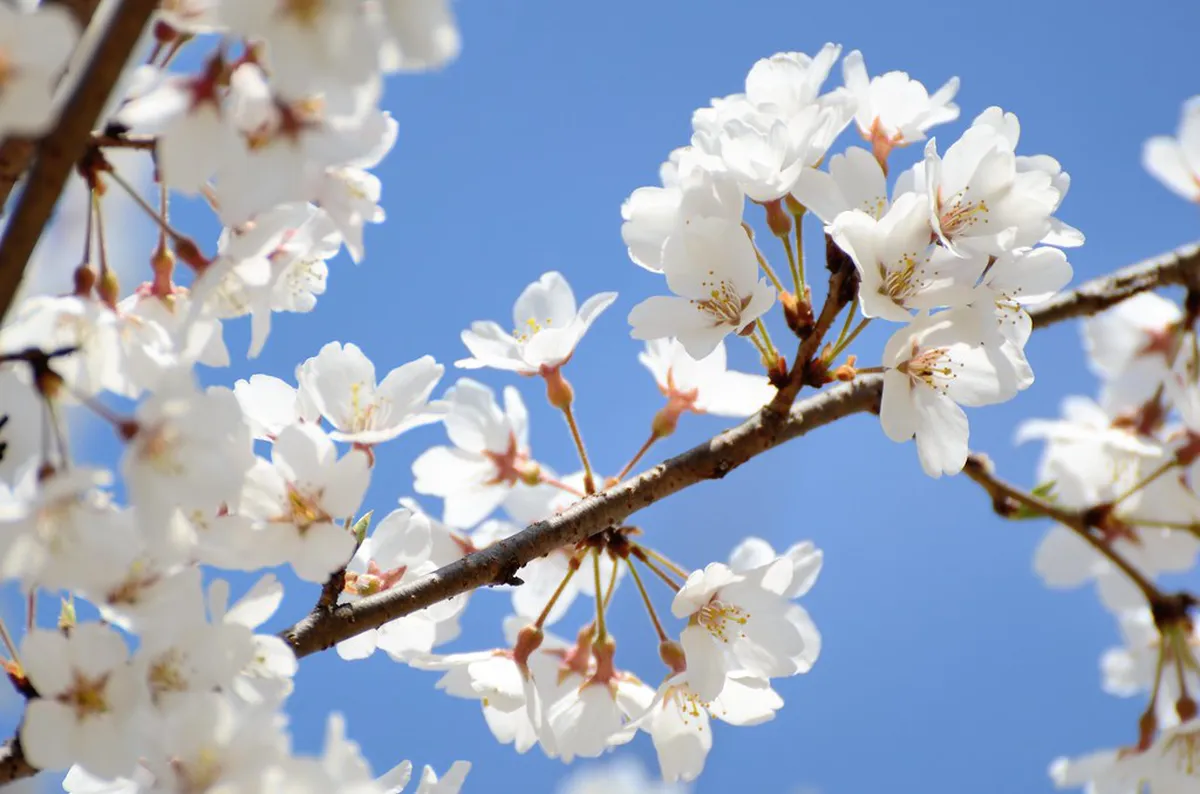
Late March through early April delivers cherry blossoms at Hiroshima Castle, Peace Memorial Park, and Miyajima's Tachibana-no-Mori grove — the highest-photo-density window of the year. Hotel prices climb 30–50 percent and ferries to Miyajima run at capacity, so book accommodation 8–10 weeks in advance. Mid-November is the second peak, with momiji (red maple) lighting up Daisho-in Temple, Mt. Misen, and Shukkeien Garden; this period sees fewer foreign tourists than spring but more Japanese domestic travelers.
For lower crowds and clear skies, target late May (after Golden Week) or early October. Summer between mid-June and mid-September is hot and humid (32–35 °C with 70 percent humidity), and August in particular sees afternoon thunderstorms over Mt. Misen that close the upper ropeway sections. Winter (December–February) is the cheapest and quietest, with crisp clear days, but Mt. Misen ropeway closes at 4:30 PM and some Miyajima restaurants shut entirely on weekdays.
Where to Stay in Hiroshima: Best Neighborhoods for a 2-Day Trip
Staying near Hiroshima Station is the most convenient choice for a 2-day cultural trip — you have direct Shinkansen access for your arrival and departure, plus the JR Sanyo Line to Miyajimaguchi runs from the same station. The Sheraton Grand Hiroshima sits directly above the platforms (rooms from ~22,000 yen in 2026). For a more local feel, Hatchobori or Kamiyacho put you closer to the streetcar lines that serve Day 1's stops, with mid-range options like Chisun Hotel Hiroshima around 10,000–14,000 yen. Budget travelers can find capsule hotels and hostels in the Ekimae district from 3,500 yen per night.
An alternative many travelers overlook: spending the night on Miyajima Island itself. Ryokans like Iwaso (from 38,000 yen with kaiseki dinner) and Kurayado Iroha (from 28,000 yen) let you walk to Itsukushima Shrine after the day trippers leave at 6:00 PM, when the shrine is illuminated and the crowds drop by 95 percent. If you pick this option, do Day 2 first and the city center on Day 1 of your return.
Optional Add-Ons If You Have a Half Day Extra
If your trip includes a half-day before or after the main 2-day plan, consider three high-value cultural add-ons. The Peace Pagoda on Mt. Futaba (free, 30-minute hike from JR Hiroshima Station) gives you the best night skyline view of the city. The Mitaki Temple complex on the western edge of town is a quiet, mossy mountain temple with three waterfalls and very few tourists. Finally, if you visit in early June, the Hiroshima Tokasan Yukata Festival 2026 brings 450,000 visitors in summer cotton kimono to the streets around Enryu-ji Temple — a major cultural event that fits between Day 1 and Day 2 if your timing aligns.
For travelers extending to a third day, Iwakuni's Kintai Bridge (40 minutes by JR Sanyo Line west of Miyajimaguchi, 770 yen) makes a strong half-day cultural stop. The five-arch wooden bridge dating to 1673 pairs well with Iwakuni Castle on the hilltop above, reached by a 200-yen ropeway. Total time: 4–5 hours including transit.
How to Get Around Hiroshima During the 2-Day Itinerary
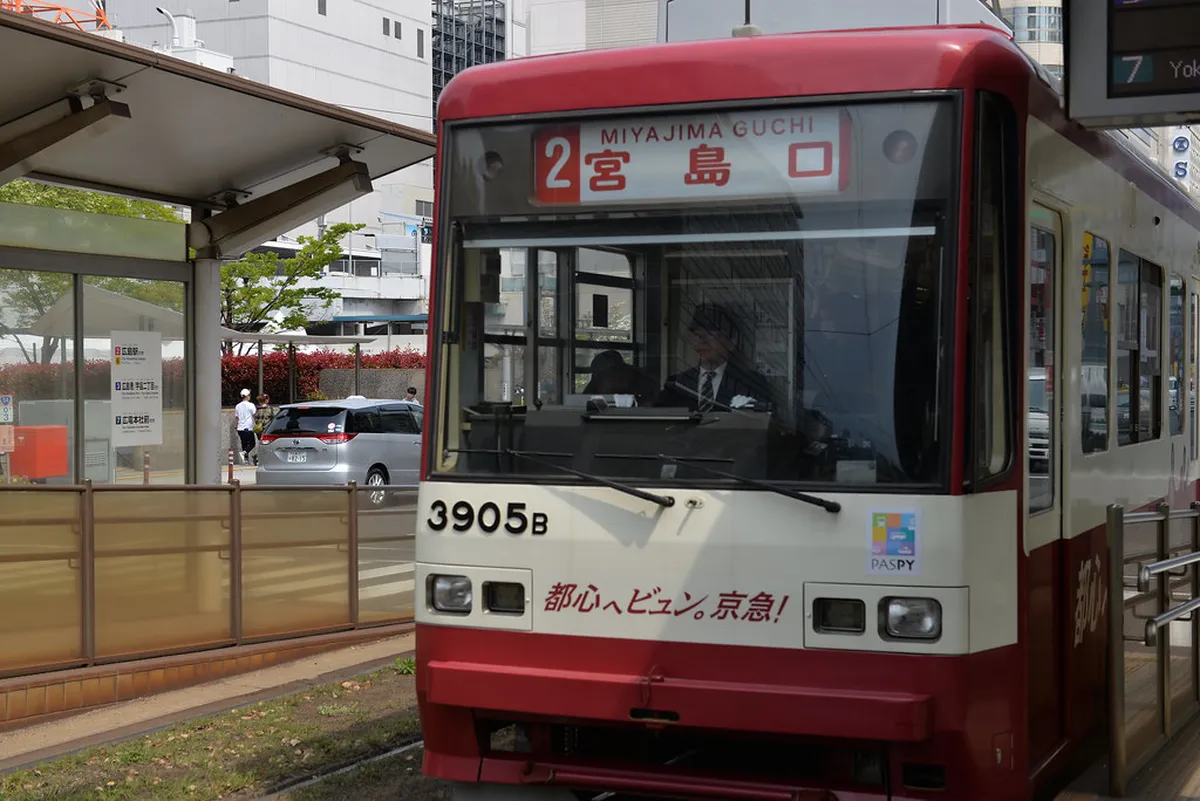
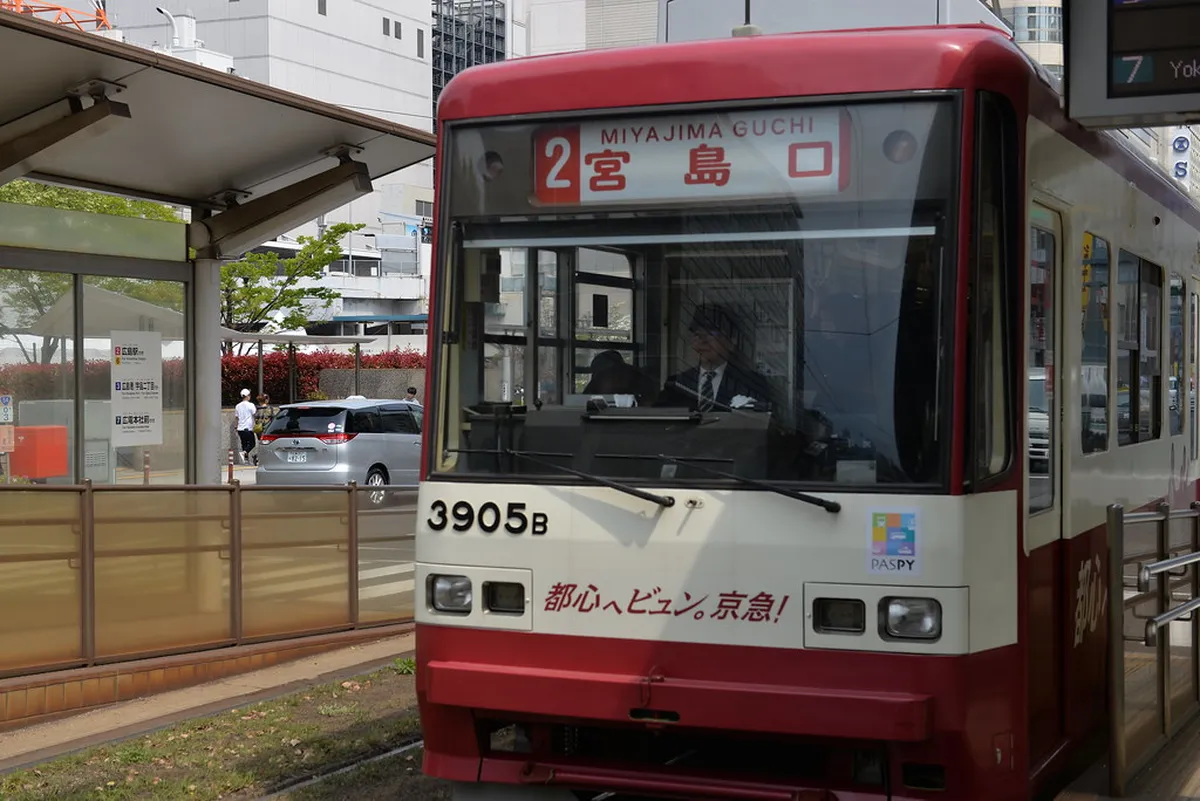
The Hiroshima streetcar (Hiroden) is the most charming way to navigate Day 1 — flat fare 240 yen per ride within the city center in 2026, with Lines 1, 2, and 6 covering Genbaku-Domu-mae (Peace Park), Kamiyacho-nishi (Castle), and Shukkeien-mae. A 1-Day Streetcar Pass costs 700 yen and pays off after three rides. Tourists with a JR Pass can use the free Meipuru-pu sightseeing loop bus that connects Hiroshima Station, Peace Park, Shukkeien, and the Castle on a 30-minute circuit.
For Day 2, the JR Sanyo Line + JR Ferry combo to Miyajima is fully covered by the JR Pass, saving 1,240 yen round trip per person. Without a pass, a Visit Hiroshima Tourist Pass (1,200 yen for 1 day, 2,400 yen for 2 days) covers streetcar, bus, and ferry. For the deeper streetcar mechanics, see our how to get around Hiroshima guide.
What to Eat: Hiroshima-Style Okonomiyaki and Miyajima Specialties
Hiroshima-style okonomiyaki layers thin batter, cabbage, pork belly, yakisoba noodles, and egg on a teppan grill — distinct from the mixed-batter Osaka style. Visit Okonomimura, the three-story building in Shintenchi packed with 24 different stalls (1,000–1,400 yen per pancake), or for a deeper food crawl read our Okonomimura eating guide. On Miyajima, the local specialties are grilled oysters from the Seto Inland Sea (350 yen each at street stalls), anago-meshi (grilled conger eel over rice, 2,000–2,500 yen at Ueno or Anago-meshi Tanaka-ya), and momiji manju maple-leaf cakes (150 yen each, available at every Omotesando shop).
Practical Tips for Your Cultural Hiroshima Trip
Carry at least 5,000 yen in cash — many smaller temple offerings, ferry vending machines, and Miyajima street stalls do not accept cards. Buy a coin locker pass at JR Hiroshima Station (700 yen large size) before heading to Miyajima so you don't drag luggage onto the ferry. The Orizuru Tower next to the Atomic Bomb Dome lets you fold a paper crane (500 yen activity, plus 1,800 yen tower entry) and drop it into the central glass shaft as a peace offering — a meaningful add-on after the museum. See our guide on how to fold orizuru paper cranes.
On Miyajima, stash your return ferry ticket in a zipped bag the moment you disembark — the island's 500 sika deer will eat paper maps, tickets, and omikuji fortunes from open hands and side bags within seconds. Feeding deer is officially banned and rangers do enforce it.
On Miyajima, keep paper out of reach of the deer. The island's 500 sika deer treat ferry tickets, paper maps, omikuji fortunes, and even the corners of guidebooks as snack food, and they are quick — a relaxed deer can shred a pocket map in under five seconds. Stash your return ferry ticket in a closed bag or front pocket the moment you disembark, and resist the urge to pull out the omikuji you bought at Itsukushima until you are inside a covered shop or back on the ferry. Feeding deer is officially banned and the rangers do enforce it.
If you visit August 6, expect the Peace Memorial Ceremony to draw 50,000+ attendees, hotel prices to climb 40–60 percent for a one-night surge, and significantly extended museum queues — see our 2026 Peace Memorial Ceremony guide for arrival timing. For the best autumn leaf timing on Mt. Misen and Momijidani Park, plan around mid-November. For cherry blossom timing at Hiroshima Castle and Peace Park, target the last week of March through the first week of April.
Wheelchair and Mobility Accessibility at Hiroshima's Landmarks
Mobility access varies sharply across the six landmarks in this itinerary, so it's worth planning Day 1 and Day 2 stops around this if you're traveling with a wheelchair, stroller, or limited walking stamina.
On Day 1, the Peace Memorial Park's paved paths and the Peace Memorial Museum are fully wheelchair accessible, with elevators between floors and free wheelchair loans at the museum's east building entrance. Hiroshima Castle's outer grounds and Ninomaru bailey are flat gravel and manageable, but the reconstructed keep has no elevator — all five floors, including the observation level, are reachable only by stairs. Shukkeien Garden's stone paths circle the pond but include uneven steps near Rainbow Bridge, so the loop is only partially accessible.
On Day 2, Itsukushima Shrine's boardwalk is flat and manageable in a wheelchair at any tide level, since the shrine sits on pilings above the sand rather than on it. Daisho-in Temple is the hardest stop on the itinerary for mobility: reaching the main hall involves stone steps with no ramp alternative, though the grounds near the entrance can still be viewed at ground level. The Mt. Misen ropeway station at Momijidani Park has an elevator to the boarding platform, and cabins can accommodate a folded wheelchair with advance notice to ropeway staff, but the trails from the upper ropeway station to the summit involve rock stairs and are not wheelchair passable.
Travelers who need to skip stairs entirely can still build a full cultural day around Peace Memorial Park, the museum, Hiroshima Castle grounds, and Itsukushima Shrine, treating Daisho-in and the Mt. Misen summit as optional rather than core stops.
Frequently Asked Questions
Is 2 days enough for Hiroshima cultural landmarks?
Yes, two days is the sweet spot for Hiroshima's core cultural landmarks. Day 1 covers Peace Memorial Park, Hiroshima Castle, and Shukkeien Garden in the city center. Day 2 dedicates a full day to Miyajima — Itsukushima Shrine, Daisho-in Temple, and Mt. Misen. A third day is only needed if you want to add Iwakuni's Kintai Bridge, the Mazda factory tour, or deep day hikes. See our Hiroshima attractions pillar for one-day or three-day variants.
What is the best order — Peace Park or Miyajima first?
Visit Peace Park on Day 1 and Miyajima on Day 2. Day 1's emotional intensity at the Peace Memorial Museum is best processed before Miyajima's lighter, nature-driven cultural sites. Logistically, Day 2 needs an early start to catch the high-tide window for the floating torii, and JR Pass holders save money by stacking the JR train + JR ferry on a single day.
How much does the 2-day cultural itinerary cost in 2026?
Excluding lodging, expect 6,500–8,500 yen per adult in 2026 for entry fees, transit, and the Mt. Misen ropeway. Day 1 costs roughly 1,800 yen in admissions (200 yen Peace Museum + 370 yen Castle + 260 yen Shukkeien + 700 yen streetcar pass). Day 2 costs roughly 4,200 yen (300 yen Itsukushima + 2,100 yen ropeway + 1,240 yen JR train and ferry + 100 yen visitor tax + 460 yen entry buffer). Add 4,000–8,000 yen for two okonomiyaki and oyster meals.
When should I visit Miyajima for the floating torii gate?
Visit Miyajima during a high tide of 100 cm or above to see the iconic floating torii effect. Tide tables for 2026 are published monthly by the Miyajima Tourist Association. Many travelers time arrival for a morning high tide (9:00–11:00 AM is ideal because crowds are still low) and stay through the late afternoon to experience low tide as well, when you can walk to the base of the gate. Autumn (mid-November) and spring (cherry blossom early April) offer the most photogenic backdrops.
Can I do this 2-day cultural itinerary as a day trip from Osaka or Kyoto?
Not comfortably — the Shinkansen takes 1h 25min from Shin-Osaka to Hiroshima (one way), so a single-day round trip leaves only 8–9 hours on the ground. A real cultural visit needs an overnight in Hiroshima. If you only have one day and must commute from Kansai, see our Hiroshima 1-day itinerary from Osaka and Kyoto, which prioritizes Peace Park and Miyajima only and skips Hiroshima Castle and Shukkeien.
How much does the Hiroshima Peace Memorial Museum cost in 2026?
Entry to the Hiroshima Peace Memorial Museum is 200 yen for adults in 2026, 100 yen for high school students, and free for children under 18 and seniors over 65 with ID. The museum opens daily at 8:30 AM and closes between 5:00 PM (Dec–Feb), 6:00 PM (Mar–Jul, Sep–Nov), and 7:00 PM (August only). It closes December 30–31 for year-end maintenance.
A 2-day Hiroshima cultural landmarks itinerary delivers one of the most meaningful 48-hour experiences in Japan — pairing the Peace Memorial Park's quiet reflection with Miyajima's spiritual heights at Itsukushima Shrine, Daisho-in Temple, and Mt. Misen.
By stacking Day 1's city stops along the Hiroden streetcar line and dedicating Day 2 fully to the JR ferry to Miyajima, you minimize transit overhead and maximize cultural depth. Plan around the museum's 8:30 AM opening and the day's high tide window, and the rest of the itinerary falls into place.
Hiroshima rewards travelers who slow down to absorb its layers of history — from a 17th-century daimyo's stroll garden to a 1,200-year continuous flame to a UNESCO floating shrine. Forty-eight hours is enough to feel its full cultural weight.
Free: The Hiroshima Essentials guide
Top things to do, where to stay, a perfect day plan, getting around, and the best time to go — a Hiroshima mini-guide you can take offline.
You might also like

Continue reading
More guides you'll find useful