Hiroshima 1-Day Itinerary from Osaka and Kyoto: 2026 Transit, Costs & Step-by-Step Plan
2026 Hiroshima 1-day itinerary from Osaka or Kyoto — Shinkansen times (90 min Shin-Osaka, 100 min Kyoto), JR Pass coverage, fares, ferry tides, and the best okonomiyaki spots.
On this page
Hiroshima rewards a one-day visit more than almost any other Kansai day trip, pairing the UNESCO-listed floating Torii of Miyajima with the Peace Memorial Park inside a single 8–9 hour window. Most travelers base in Osaka or Kyoto and ride the Sanyo Shinkansen west, which makes timing — not distance — the real planning challenge in 2026.
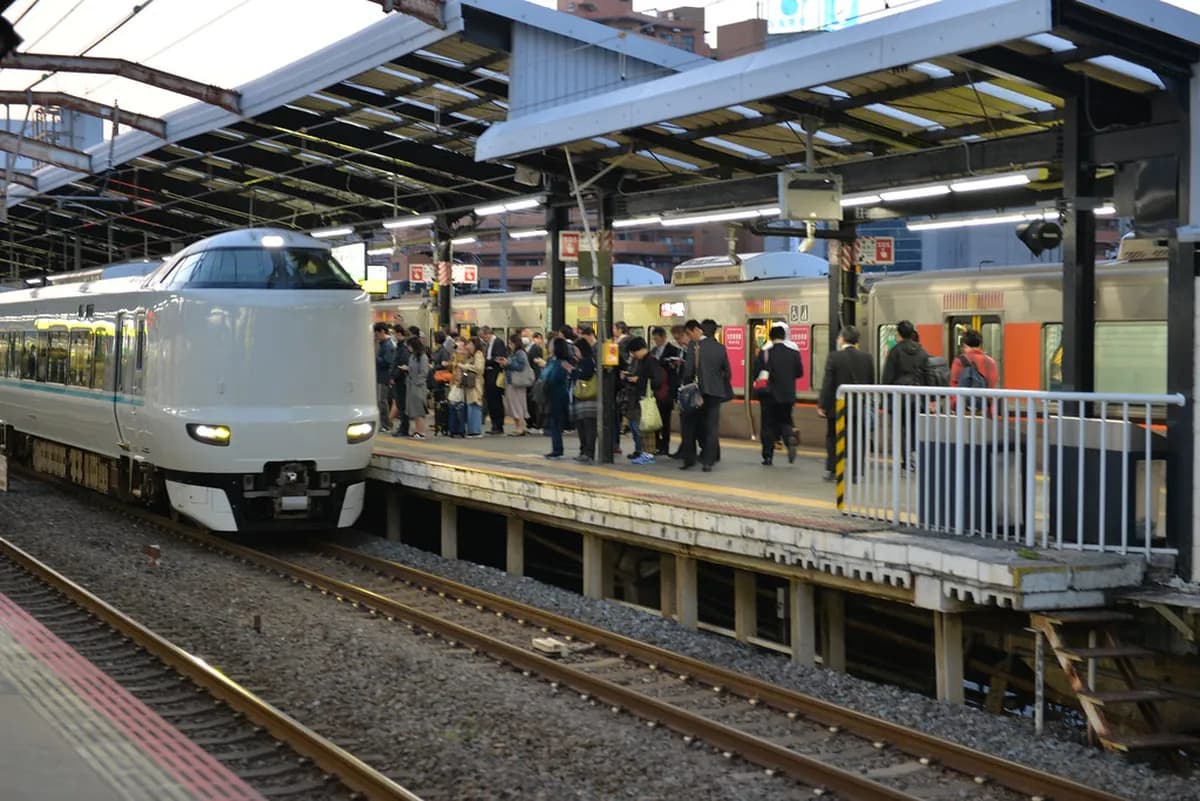
The Nozomi service covers Shin-Osaka to Hiroshima in 90 minutes and Kyoto to Hiroshima in roughly 100 minutes, with departures every 10–15 minutes from before 6:00 to past 21:00. This guide gives you the exact 2026 timetable, JR Pass math, an hour-by-hour itinerary keyed to tide times, a realistic full-day budget, and the reverse-route trick that lets you finish at Miyajima during the evening illumination instead of fighting morning crowds.
Can You Do Hiroshima as a Day Trip from Osaka or Kyoto?
Yes — Hiroshima is a comfortable day trip from both Osaka and Kyoto in 2026. The Nozomi Shinkansen reaches Hiroshima in about 90 minutes from Shin-Osaka (~¥10,420 one-way) and 100 minutes from Kyoto (~¥11,180). Departing on the 6:00–7:00 AM window gives you 8–9 productive hours on the ground for Miyajima Island and the Peace Memorial Park before the last return train near 22:00.
The trip works because the Sanyo Shinkansen runs every 10–15 minutes during the day, and Hiroshima Station sits within streetcar distance of every major sight. If you have flexibility, however, an overnight stay rewards you with Miyajima at dusk and the Peace Park at dawn — both nearly empty of crowds. For pacing comparison, see our Hiroshima and Miyajima 1-day itinerary and the slower-paced 15 best things to do in Hiroshima 2026.
Hour-by-Hour Itinerary: Standard Morning-Miyajima Route
This is the default flow when high tide falls between 8:00 and 11:00 AM — about 40% of dates in 2026 work for it. Times assume a 6:00 AM departure from Shin-Osaka; add 10 minutes if leaving from Kyoto.
- 06:00 — Board Nozomi at Shin-Osaka. Reserve a seat on the right (D side) for Mt. Fuji-direction luggage racks; grab onigiri at the Ekiben counter on platform 20.
- 07:30 — Arrive Hiroshima Station. Stash large bags in coin lockers at the north exit (¥600–¥800), then transfer to JR Sanyo Line platforms 1–2.
- 07:45 — Board local train to Miyajimaguchi (25 minutes, ¥420; covered by JR Pass and ICOCA).
- 08:15 — JR West ferry to Miyajima (10 minutes, every 15 minutes). Sit on the upper deck, port side, for the closest pass by the Torii.
- 08:30–11:30 — Itsukushima Shrine, walk under or around the Torii depending on tide, climb Mt. Misen by ropeway (¥2,000 round trip) if time allows, snack on Momiji Manju on Omotesando arcade.
- 11:45 — Ferry back to Miyajimaguchi, JR Sanyo Line to Hiroshima Station (arrive ~12:35).
- 12:45 — Lunch at Okonomimura or Nagataya (Hiroshima-style okonomiyaki, ¥1,200–¥1,600).
- 14:00 — Streetcar Line 2 or 6 to Genbaku-Dome-mae (¥240, 15 minutes from station).
- 14:15–17:30 — A-Bomb Dome, Children's Peace Monument, Cenotaph, Peace Memorial Museum (last entry 17:30 in summer, 16:30 in winter; ¥200 admission).
- 17:45 — Optional Shukkeien Garden walk (¥260; open until 18:00 April–September).
- 19:00 — Dinner near Hatchobori, then streetcar back to Hiroshima Station.
- 20:30 or 22:00 — Nozomi back to Shin-Osaka or Kyoto.
If your high-tide window misses the morning, flip this schedule — see the reverse-route section below.
Reverse Route: Peace Park First, Miyajima at Golden Hour
On dates when high tide arrives after 15:00, almost every English-language guide tells you to skip Miyajima or pick a different day. That advice costs you the best photo of the trip. The Torii is illuminated nightly until 23:00 from sunset onward, and the last JR ferry leaves Miyajima at 22:14 in 2026 — so a reversed itinerary is fully viable and noticeably less crowded.
Take the Nozomi to Hiroshima as usual, but go straight to the Peace Memorial Museum at 09:00 (the quietest hour of the day, before school groups arrive at 10:30). Lunch in Hatchobori, walk the park grounds in early afternoon, then catch the JR Sanyo Line west to Miyajimaguchi around 15:30. You'll reach the island as day-trippers leave, watch the sunset behind the Torii from the shrine veranda, and stay through the early-evening illumination before catching the 19:30 or 20:30 ferry back. This works particularly well between October and February when sunset falls earlier and fewer tour groups stay past 16:00.
The trade-off is a tighter return window — plan on the 21:00 or 21:30 Nozomi from Hiroshima rather than the very last 22:00 train, since the JR ferry plus 25-minute Sanyo Line connection eats 45 minutes back to Hiroshima Station. Check the Miyajima Tourism Association's monthly tide tables before locking your date; aim for high tide between 16:00 and 19:00 for the floating-gate sunset shot.
2026 Shinkansen Schedule and Fares from Shin-Osaka and Kyoto
From Shin-Osaka, the Nozomi Shinkansen reaches Hiroshima in 90 minutes for about ¥10,420 one-way (reserved seat) in 2026. From Kyoto, the same Nozomi takes 100 minutes for about ¥11,180. Sakura and Hikari trains add 10–25 minutes but are fully covered by the Japan Rail Pass — Nozomi is not. Trains run every 10–15 minutes from roughly 6:00 AM to 21:30 daily.
Earliest and Latest Trains (2026 Timetable)
- Earliest from Shin-Osaka: 5:54 AM Nozomi → arrives Hiroshima ~7:25 AM
- Earliest from Kyoto: 6:14 AM Nozomi (or 6:30 AM Hikari for JR Pass holders) → arrives Hiroshima ~7:55 AM
- Latest return to Shin-Osaka: ~22:00 Nozomi → arrives Shin-Osaka ~23:30
- Latest return to Kyoto: ~21:45 Nozomi → arrives Kyoto ~23:25
Fare Breakdown (Reserved Seat, 2026)
- Shin-Osaka → Hiroshima: ¥10,420 (Nozomi), ¥10,100 (Sakura/Hikari)
- Kyoto → Hiroshima: ¥11,180 (Nozomi), ¥10,860 (Sakura/Hikari)
- Non-reserved seat: subtract roughly ¥530–¥730
- Green Car (first class): add ~¥4,000–¥4,500
Booking via the JR West Online Reservation site or the Smart EX app secures a discounted advance fare (typically ¥200–¥1,000 cheaper) and lets you choose seats with luggage racks. For a wider transit reference, see our guide on how to get to Hiroshima from Tokyo and Osaka.
JR Pass Coverage: What's Included on the Hiroshima Run
The Japan Rail Pass covers Hikari and Sakura Shinkansen between Kansai and Hiroshima — but NOT Nozomi. Boarding a Nozomi with only a JR Pass means paying both the basic fare and the Nozomi supplement (around ¥6,000 one-way), which usually wipes out any pass savings. Plan your day around Sakura departures (the best Pass-covered option, only 5–10 minutes slower than Nozomi).
What the JR Pass Covers
- Hikari Shinkansen: Yes — 1h 35m Shin-Osaka → Hiroshima, 1h 50m Kyoto → Hiroshima
- Sakura Shinkansen: Yes — 1h 30m Shin-Osaka → Hiroshima, 1h 45m Kyoto → Hiroshima
- Nozomi Shinkansen: No (separate JR West Kansai-Hiroshima Area Pass needed, or pay supplement)
- Kodama Shinkansen: Yes (but stops at every station, ~2h 30m — not recommended for day trips)
- JR Sanyo Line to Miyajimaguchi: Yes (local train, 25 min from Hiroshima Station)
- JR West Miyajima Ferry: Yes (10 min crossing, every 15 min)
If you only need this one round trip, the regional Kansai-Hiroshima Area Pass (¥17,500 for 5 days in 2026) is often better value than the nationwide JR Pass — and it covers Nozomi inside its zone, shaving 10 minutes each way. The break-even is roughly two round trips: a single Shin-Osaka–Hiroshima Nozomi return is ¥20,840, so the pass pays for itself even before you add Kyoto, Himeji, or Okayama side trips.
Bullet Train vs Cheap Bus: 2026 Cost & Time Comparison
The Shinkansen costs roughly 3× more than a budget bus but saves 4–5 hours per leg — making it the only sensible option for a one-day trip. Willer Express and JR overnight buses run Osaka–Hiroshima for ¥3,500–¥6,000 one-way but take 5–7 hours, which leaves no realistic window to see both Miyajima and the Peace Park before the last service home.
| Option | Time (one-way) | Cost (one-way, 2026) | Day-trip viable? |
|---|---|---|---|
| Nozomi Shinkansen (Osaka) | 90 min | ¥10,420 | Yes — best |
| Sakura Shinkansen (Osaka, JR Pass) | 95 min | Pass-covered | Yes — best for Pass holders |
| Hikari Shinkansen (Osaka) | 1h 35m | ¥10,100 | Yes |
| Willer Express daytime bus | 5h 30m–6h | ¥3,500–¥5,500 | No — too slow |
| Willer Express overnight bus | 7h (sleeper) | ¥4,500–¥6,000 | One-way only (e.g. arrive 06:00) |
| Self-drive (rental + tolls) | 4h | ~¥18,000 (incl. fuel + tolls) | Only if continuing onward |
One workable budget hybrid: take the overnight bus from Osaka or Kyoto (arriving Hiroshima ~6:00 AM), spend the day, and return on the Shinkansen. You sacrifice one night of sleep but save roughly ¥4,500 on the trip total.
Realistic Full-Day Budget per Person (2026)
Most published itineraries quote only the train fare. The real out-of-pocket spend for an unhurried day, paying as you go without a JR Pass, sits between ¥17,000 and ¥22,000 per person depending on whether you take the ropeway and how heavily you snack on Miyajima.
- Round-trip Nozomi from Shin-Osaka: ¥20,840 (or pass-covered)
- Local Sanyo Line + ferry to Miyajimaguchi (round trip): ¥860 (pass-covered)
- Itsukushima Shrine entry: ¥300
- Miyajima ropeway round trip: ¥2,000 (skip if you only want the shrine)
- Peace Memorial Museum: ¥200
- Streetcar all-day ticket: ¥700 (or ¥240 per single ride if you only take 2)
- Coin locker (large): ¥800
- Lunch okonomiyaki + drink: ¥1,500
- Momiji Manju + snacks on Miyajima: ¥800
- Dinner before return: ¥1,800
JR Pass or Kansai-Hiroshima Area Pass holders shave roughly ¥21,700 off this list, dropping the on-the-ground spend to about ¥6,000–¥8,000. Bring cash — many small okonomiyaki stalls and the manju shops on Omotesando still don't take cards in 2026, though IC cards work on every train, ferry, and streetcar.
Must-See Hiroshima Peace Memorial Park Attractions
The Peace Memorial Park serves as a powerful reminder of the past and a beacon for future peace. Walking through the grounds, you encounter the skeletal remains of the A-Bomb Dome standing in silent vigil. This UNESCO World Heritage site provides a visceral connection to the events of August 6, 1945. Most visitors find the atmosphere here deeply moving and remarkably quiet despite the central location.
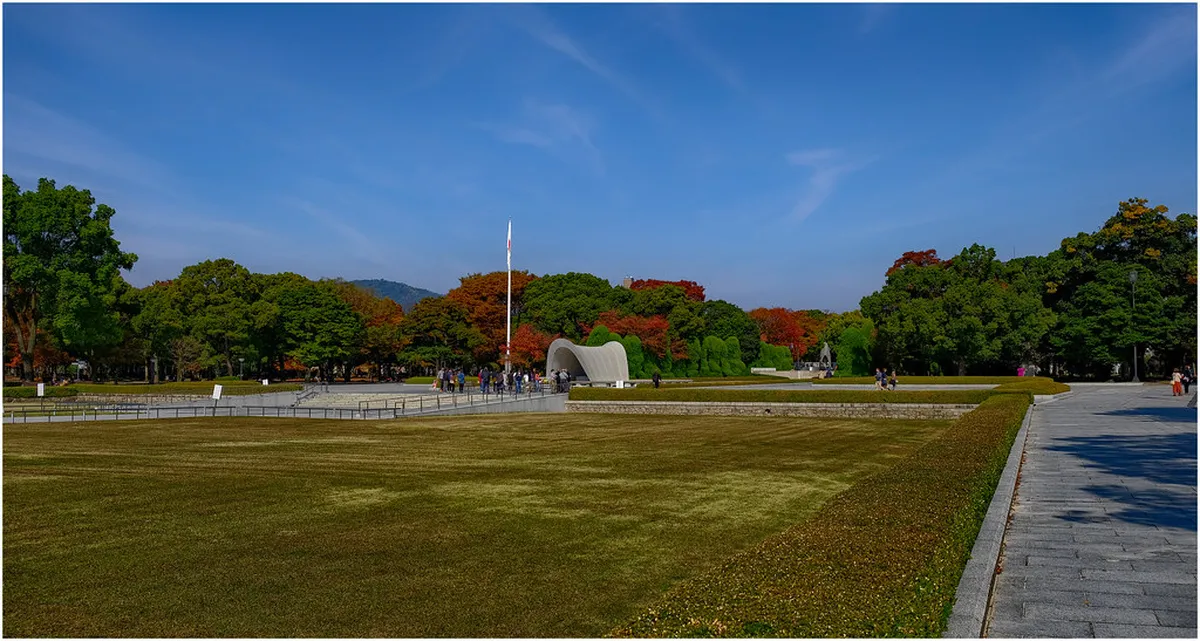
Arriving at the Peace Memorial Museum at 09:00 — before school groups at 10:30 — gives you the quietest hour of the day. Adult admission is ¥200 in 2026; the audio guide costs an extra ¥400 and is worth it for the survivor testimony exhibits.
Securing a timed entry ticket is now strongly recommended for the main museum building. Check the Hiroshima Peace Memorial Museum Official Site for current reservation policies before your trip. Adult admission is ¥200 in 2026, and the museum opens at 8:30 AM (last entry 17:30 in summer, 16:30 in winter). Allow 90 minutes minimum inside the East Building plus the Main Building — the Main Building's video testimony rooms are the most affecting and the easiest to under-budget.
The Children's Peace Monument is another essential stop. Thousands of folded cranes — over ten million sent annually from schools worldwide — surround the statue commemorating Sadako Sasaki. School groups visit between 10:00 and 14:00 on weekdays, so an early-morning or late-afternoon visit is calmer for reflection.
Crossing the Motoyasu River brings you to the Memorial Cenotaph, which frames the eternal Flame of Peace and aligns visually with the A-Bomb Dome on the far bank. The flame is intended to burn until all nuclear weapons are eliminated. Stand at the cenotaph and look through the arch — the Dome, flame, and museum line up on a single axis the architects designed deliberately.
Exploring Miyajima Island and Itsukushima Shrine
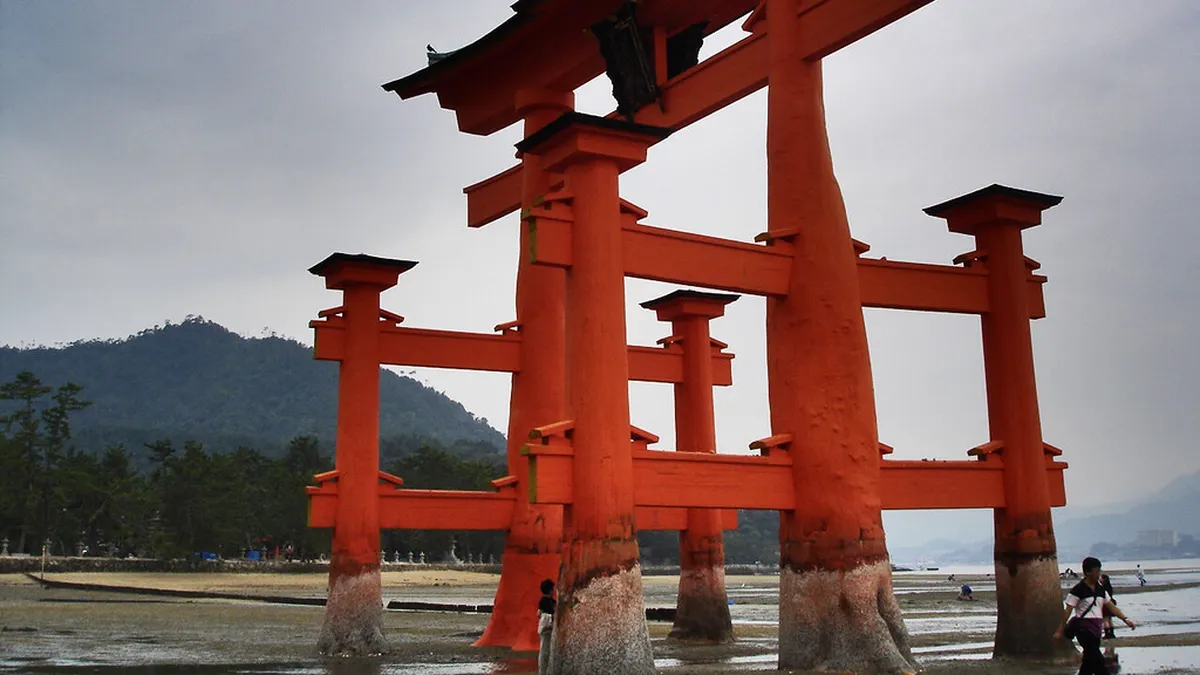
Miyajima is widely considered one of the three most scenic spots in Japan. Itsukushima Shrine is the primary draw — its main hall sits on stilts above the water and at high tide both the shrine and the Great Torii appear to float. Tide tables matter: the official Miyajima tourism site publishes daily levels, and our how to visit Itsukushima Shrine floating torii gate with tide times guide explains the math. Aim for tide levels above 250 cm for the floating effect; below 100 cm you can walk to the gate's base.
The Miyajima Ropeway up Mount Misen offers panoramic views across the Seto Inland Sea. Hours and seasonal closures are published on the Miyajima Ropeway Official Information site. The ride takes 15 minutes including the transfer, and the hike from the upper station to the actual summit adds 30 minutes one way. Skip the ropeway if you have less than four hours on the island — the shrine, Torii walk, and Omotesando shopping street alone fill that time.
Wild sika deer roam the island and approach tourists near the shrine. They are protected as Shinto messengers and are no longer fed by visitors — the local council formally banned feeding in 2008 to reduce aggression and litter. Keep maps and tickets in zipped bags; deer have learned to nose-open simple side pockets.
Since October 2023, every non-resident visitor to Miyajima pays a ¥100 Itsukushima Visit Tax collected at the ferry terminal alongside the ferry ticket. Keep small change on hand — you cannot board the ferry without paying it.
For lunch or snacks, the Omotesando arcade is lined with shops grilling oysters (¥400–¥600 each), serving anago-meshi (saltwater eel rice, ¥1,800–¥2,500), and baking Momiji Manju to order. Watch for the mechanical baking machines in shop windows — they're a small piece of theater unique to the island.
Where to Eat: Hiroshima Okonomiyaki and Local Delicacies
Hiroshima-style okonomiyaki is layered, not mixed. A thin crepe is laid on the griddle, then heaped with cabbage, bean sprouts, pork belly, and a nest of yakisoba noodles before being flipped and topped with a fried egg and Otafuku sauce. The build takes 10–15 minutes per pancake — settling at the counter to watch the chef work is part of the meal.
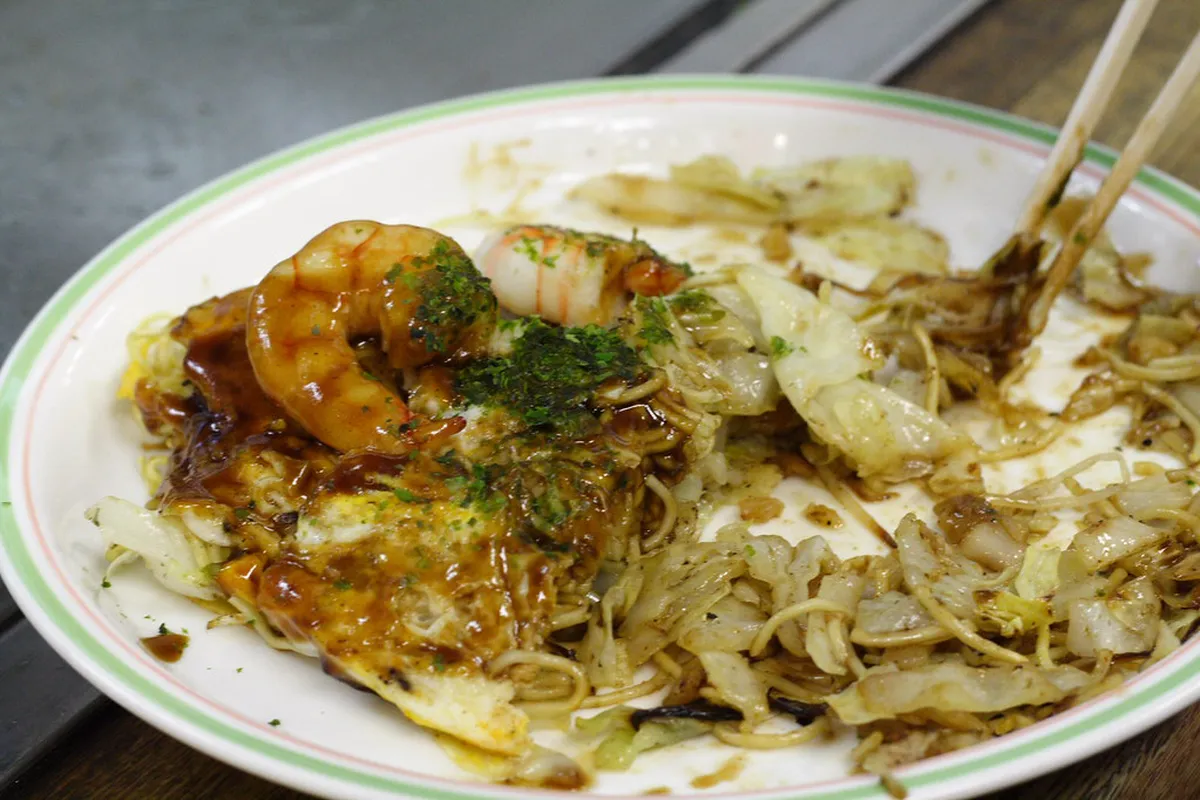
Vegetarians have workable options at Nagataya near the Peace Park, which makes a meat-free version with extra mushrooms and a vegetarian sauce on request — say niku nashi, gyofun nashi (no meat, no fish powder) when ordering. Most other shops use bonito-flake sauce by default.
Fresh oysters are the other Hiroshima signature, especially November through March. Try them grilled at the Miyajima ferry pier or fried (kaki-fry) at Hatchobori restaurants. Hiroshima produces about 60% of Japan's farmed oysters annually — the bay's calm, brackish water is the reason. During rainy days in Hiroshima, oyster restaurants become sheltered spots to sample the local specialty while you wait for weather to clear.
Okonomimura, the four-floor okonomiyaki building near Parco department store, houses 24 stalls with their own sauce recipes. Ideal for groups; expect a 20–40 minute wait at peak (12:00–13:30 and 19:00–20:30 daily). For a quieter alternative, Nagataya across the river opens at 11:00 and seats around 60.
How to Get Around Hiroshima on a Day Trip
Hiroshima's streetcar (Hiroden) network covers nearly every sight a day-tripper visits. Lines 2 and 6 run from Hiroshima Station through the Peace Memorial Park; flat fare is ¥240 paid on exit, or ¥700 for an all-day pass that's worth it from three rides up. Suica, Pasmo, and ICOCA all work on the streetcars and the JR Sanyo Line. Our full breakdown lives in how to get around Hiroshima by streetcar and bus.
The Hiroshima Sightseeing Loop Bus (Meipuru-pu) is free for JR Pass holders and runs three loops (Orange, Green, Lemon) hitting every major landmark from Hiroshima Station's north exit. Buses leave every 25–30 minutes between 9:00 and 17:00. For non-Pass holders the single-ride fare is ¥220.
Coin lockers at Hiroshima Station are concentrated along the north and south exits in three sizes (¥400 small, ¥600 medium, ¥800 large). If lockers are full, the staffed Crosta Hiroshima counter inside the north concourse holds bags until 21:00 for ¥800 per piece. Drop off heavy backpacks before heading to Miyajima — the ferry, ropeway, and Omotesando arcade are all easier without them.
Walking distances are surprisingly compact: A-Bomb Dome to the museum is 700 m through the park, and the central Hatchobori restaurant district is a 10-minute walk east of the museum. Most visitors only need streetcars for the station-to-park leg in each direction.
Accessibility, Weather, and What to Pack
Hiroshima Station, the Peace Memorial Museum, and the Miyajima ferries are step-free with elevator access; the JR ferry has a ramp to the upper deck and a wheelchair-accessible toilet. Itsukushima Shrine has wooden boardwalks with a few small thresholds — manageable in a wheelchair with one helper, though the gravel approach paths are uneven. The Miyajima Ropeway is wheelchair-accessible to the upper Shishiiwa station; the trail to the actual summit of Mt. Misen is not. Hiroden streetcars run a mix of low-floor and older high-step cars; the newer 5100-series (introduced after 2005) are the easiest for strollers and wheelchairs.
Weather drives the day more than season. Summer temperatures in Hiroshima often hit 33–35°C with high humidity; carry water and plan museum time during the hottest 13:00–15:00 window. Winter is mild (4–10°C) but the ferry deck and Mt. Misen summit are noticeably colder than the city — add a windproof layer. Plum rain (tsuyu, mid-June through mid-July) drops sudden showers; a folding umbrella beats a poncho since you'll be in and out of buildings.
Pack light: a small backpack with a refillable bottle, the umbrella, a power bank, and a handkerchief (cheap restrooms often skip paper towels) is enough. Wear shoes you can slip off — Itsukushima Shrine's interior decking and most okonomiyaki counters are tatami-friendly. ICOCA cards purchased in Osaka or Kyoto work everywhere in Hiroshima with no top-up needed if loaded with ¥3,000+.
Visiting with Children or Sensitive Travelers
The Peace Memorial Museum's content is intense — graphic photographs and personal artifacts that can overwhelm younger children or anyone working through trauma. The official guidance recommends ages 10+ for the full Main Building exhibits; the East Building (history and context) is gentler and a reasonable stopping point for younger visitors. Take breaks on the riverbank or at the Children's Peace Monument, where the atmosphere is hopeful rather than harrowing.
For a lighter cultural detour, the Hiroshima City Manga Library in Hijiyama Park holds 150,000+ volumes of graphic novels in a quiet hilltop setting. It's free, has reading nooks, and the surrounding park has cherry blossoms in spring and skyline views year-round.
Shukkeien Garden, a 10-minute walk north of the Peace Park, is a circular Edo-era stroll garden with miniature mountains, bridges, and a koi pond. Admission is ¥260 and the loop takes 30–45 minutes — ideal as a quiet reset between the museum and dinner. Children can buy small bags of fish food at the entrance to feed the koi.
Hiroshima Castle's reconstructed keep houses samurai-era armor and interactive exhibits about the local Asano clan. The original was destroyed by the bomb; the 1958 rebuild is concrete inside but accurate outside. Climbing five floors rewards you with a panoramic view across the city back toward the Peace Park.
Where to Stay if You Decide to Overnight
Staying near Hiroshima Station is the most convenient option for an early next-morning train. Hotel Granvia Hiroshima sits inside the station building; Sheraton Grand Hiroshima and Hotel Vista are within a five-minute walk of the Shinkansen platforms. Rates run ¥18,000–¥30,000 per night in 2026 for a twin room, more in cherry-blossom and Obon weeks.
The Hatchobori and Nagarekawa districts put you in the heart of nightlife and ten minutes from the Peace Park on foot. Mid-range business hotels like Daiwa Roynet and Hotel Active Hiroshima sit here from ¥10,000–¥16,000. This is the right base if you want dinner and drinks without taxiing back to the station.
Miyajima Island ryokan stays are the indulgent option. Iwaso, Kinsuikan, and Miyajima Grand Hotel Arimoto sit within 10 minutes of the shrine and let you see the Torii by night with no day-trippers around — ¥30,000–¥60,000 per person with kaiseki dinner and breakfast. The last day-tripper ferry leaves at 22:14, so by 22:30 the village is yours.
Budget travelers will find clean hostels and guesthouses near Hondori Arcade and along the Hiroden lines for ¥3,500–¥6,000 per dorm bed. K's House Hiroshima and Backpackers Mango are reliable picks; both have shared kitchens and tour-desk help with same-day Miyajima questions.
Pair this with our Hiroshima attractions hub to plan the rest of your trip.
Frequently Asked Questions
Can you do Hiroshima and Miyajima in one day from Osaka?
Yes, you can visit both sites in a single day by starting early from Shin-Osaka Station. Take the 5:54 AM or 6:30 AM Shinkansen to arrive by 7:30–8:00 AM for maximum time. Prioritize Miyajima in the morning and the Peace Park in the afternoon for the best flow. Check this hiroshima itinerary for a detailed timeline.
Is Hiroshima closer to Kyoto or Osaka?
Hiroshima is technically closer to Osaka, with the Nozomi Shinkansen taking 90 minutes from Shin-Osaka (¥10,420). Travelers from Kyoto take 100 minutes (¥11,180) because they must pass through Osaka first. Both cities are excellent bases for a day trip due to the high frequency of bullet trains along the Sanyo line.
Is the Hiroshima day trip worth it?
Yes — for first-time visitors to Japan, Hiroshima is one of the most rewarding day trips available from the Kansai region. The combination of the UNESCO-listed Itsukushima Shrine on Miyajima Island and the deeply moving Peace Memorial Park gives you two world-class experiences in one day. The 90-minute Nozomi from Shin-Osaka makes the logistics simple, and most travelers say the emotional weight of the Peace Park alone justifies the trip.
Should I skip Miyajima on a 1-day trip?
Only skip Miyajima if you arrive in Hiroshima after 11:00 AM or are deeply interested in the Peace Memorial Museum's full exhibits. Skipping Miyajima frees up roughly 4 hours, which lets you spend a full afternoon at the museum, walk Shukkeien Garden, and visit Hiroshima Castle. If you arrive before 9:00 AM, however, both sites fit comfortably and Miyajima at high tide is the more photographable highlight. For a Miyajima-first plan, see our day trip from Osaka to Hiroshima and Miyajima guide.
Where can I store luggage at Hiroshima Station?
Hiroshima Station has hundreds of coin lockers in three sizes (¥400 small, ¥600 medium, ¥800 large) along both the north and south exits — pay with cash or IC card. If lockers are full, the staffed Crosta Hiroshima counter inside the north concourse holds bags until 21:00 for ¥800 per piece. Both work well for a day trip; just plan to retrieve luggage before the last 22:00 Nozomi back to Osaka or Kyoto.
Do I need to book the Peace Memorial Museum in advance?
Advance booking for a timed entry slot is highly recommended to avoid long wait times at the entrance. Adult admission is ¥200 in 2026 and the museum opens at 8:30 AM. During peak travel seasons (March–May, August, October–November), tickets can sell out several days in advance for popular morning slots. Reserve through the official museum website to ensure your 1-day schedule remains on track without delays.
Does the JR Pass cover the Nozomi to Hiroshima?
No — the standard nationwide JR Pass does NOT cover Nozomi Shinkansen. It covers Sakura and Hikari trains, which are only 5–10 minutes slower (95–105 minutes from Shin-Osaka). If you board a Nozomi with only a JR Pass you must pay both the basic fare and the Nozomi supplement (~¥6,000). The regional Kansai-Hiroshima Area Pass (¥17,500 for 5 days) does cover Nozomi inside its zone and is often better value for a single day trip.
What is the best time to see the floating Torii gate?
High tide is essential for seeing the gate appear to float on water — check the official Miyajima tide tables before booking your trip. Early morning high tides (between 7:00 and 10:00 AM) give you the best lighting, the smallest crowds, and softer reflections in the water. Low tide lets you walk to the base of the gate, which is also memorable but visually different from the iconic floating shot.
A Hiroshima 1-day itinerary from Osaka and Kyoto is a challenging but deeply rewarding 2026 travel experience. If you have more time, explore our 12 best things to do in Hiroshima for first timers or the updated 15 best things to do in Hiroshima 2026 for a wider view of what the city offers. You will witness a unique blend of somber history and vibrant modern culture within a few short hours. By following a structured plan, you can honor the past at the Peace Park and enjoy the natural wonders of Miyajima.
The efficiency of the 90-minute Nozomi Shinkansen and local transport makes this ambitious trip accessible for most international visitors in 2026. Book your museum tickets early, check the tide schedules, and plan around the JR Pass-eligible Sakura trains if you are using a rail pass — or flip the route entirely and finish at Miyajima during the evening illumination if your tide window falls late. Whether you are sampling local okonomiyaki or wandering through ancient shrines, every moment in this city offers something special.
Free: The Hiroshima Essentials guide
Top things to do, where to stay, a perfect day plan, getting around, and the best time to go — a Hiroshima mini-guide you can take offline.
You might also like


Continue reading
More guides you'll find useful