
Hiroshima 2 Day Itinerary: The Ultimate 48-Hour Guide
Plan your perfect Hiroshima 2 day itinerary. Discover Peace Memorial Park, Miyajima Island, and the best okonomiyaki with our expert 48-hour guide.
On this page
Two days in Hiroshima is the sweet spot: long enough to do the Peace Memorial Park properly and still spend a full day on Miyajima Island, short enough to slot into a wider Japan trip without losing momentum. This 2026 hiroshima 2 day itinerary is built around real travel times, current entry fees, and the small logistical details that wreck loose plans, like Itsukushima Shrine tide cycles and the gap between the last Mt. Misen ropeway descent and the last ferry off the island.
I have run this two-night, two-full-day route three times and tightened it after each visit. The structure assumes you arrive in Hiroshima the previous evening, sleep in or near the city, and leave on the morning of day three. If you only have one night and an early arrival, you can still execute most of it by skipping the castle interior and Shukkeien. For the wider city, this guide for first-timers covers attractions that don't fit a 48-hour window.
One thing competitors get vague about: the timing on Miyajima is not flexible. The torii gate "floats" only at high tide, the last ropeway down Mt. Misen runs around 17:00, and the JR Sanyo line back to central Hiroshima thins out after 22:00. Build the day around those three numbers and the rest falls into place.
2-Day Hiroshima Itinerary Overview
Day one stays inside the city loop and walks you through the Peace Memorial Park, Hiroshima Castle, and Shukkeien Garden, finishing with okonomiyaki at Okonomimura. Day two is a full Miyajima Island day trip, timed against the tide table so the torii gate is in water for the morning shot and you have ropeway plus Daisho-in Temple in the afternoon.
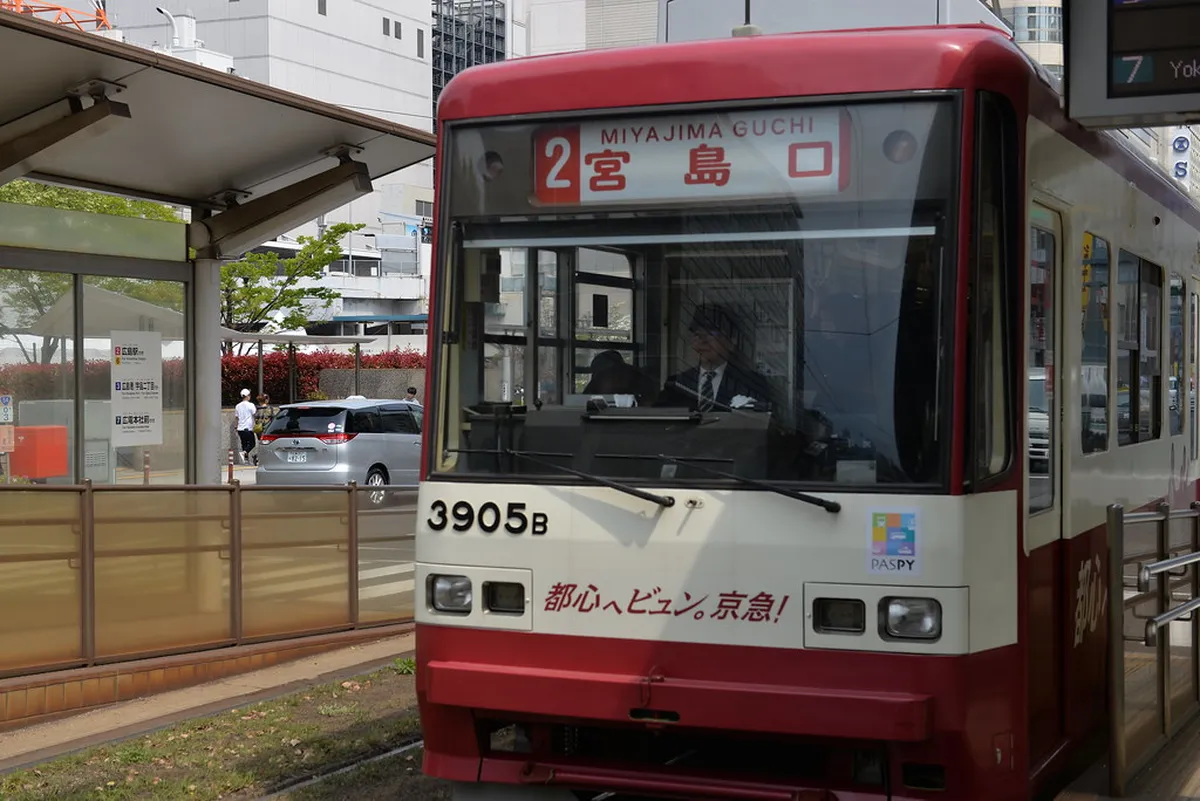
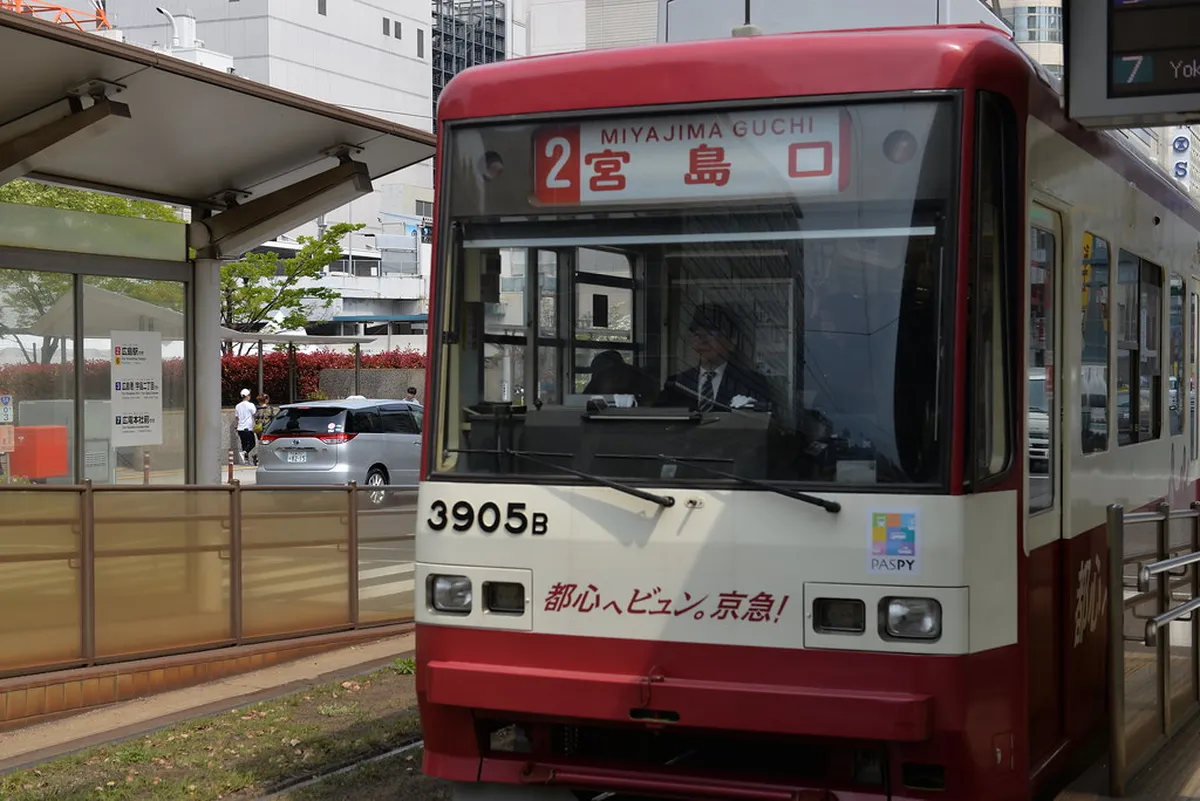
Most attractions are reachable by the Hiroden streetcar (a flat 220 yen per ride) or the Hiroshima Sightseeing Loop Bus from Hiroshima Station. The streetcar is the workhorse for day one; lines 2 and 6 both stop at Genbaku Dome-mae for the Peace Park. For Miyajima, take the JR Sanyo Line from Hiroshima Station to Miyajimaguchi, then the JR ferry across the channel.
- Day 1 (Hiroshima city): Peace Memorial Museum, A-Bomb Dome, Cenotaph, Children's Peace Monument, Hiroshima Castle, Shukkeien Garden, Okonomimura dinner.
- Day 2 (Miyajima Island): Itsukushima Shrine at high tide, Daisho-in Temple, Mt. Misen ropeway, Momijidani Park, Omotesando street food, ferry back to the city.
- Total budget excluding the Shinkansen: roughly 12,000 to 16,000 yen per person for entries, transport, and food.
Best Time to Visit and Getting to Hiroshima
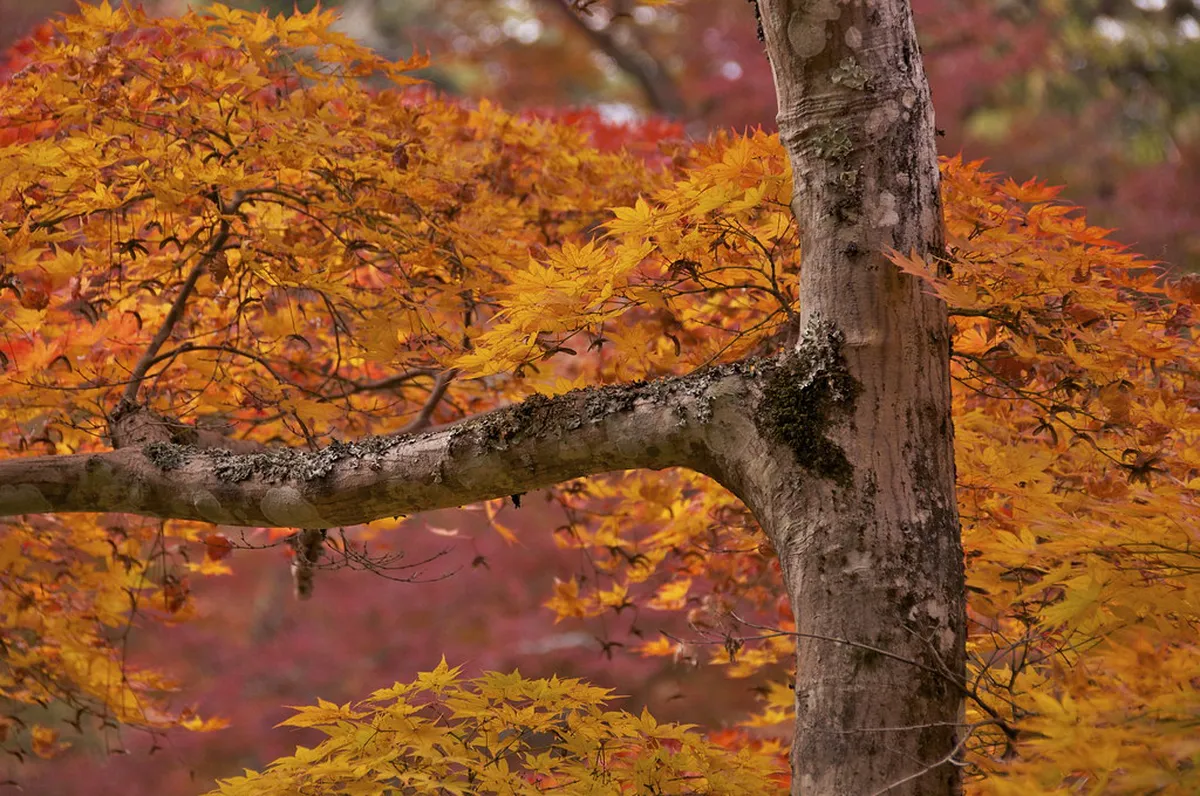
The most balanced months are late October through November and mid-March to mid-April. Autumn brings clean light over the A-Bomb Dome and red maples on Miyajima, especially in Momijidani Park. Cherry blossoms frame Hiroshima Castle and the Peace Park, but expect 30 to 40 percent more crowding at the museum and a 60 to 90 minute queue for the Mt. Misen ropeway on weekends. June rains can wash out the island hike; July and August are humid and pull tour-bus traffic for the August 6th memorial ceremony.
Getting in by Shinkansen is the default. From Tokyo, the Nozomi takes about 4 hours (around 19,000 yen one-way, not covered by the standard JR Pass); the slightly slower Hikari is 4 hours 45 minutes and IS covered. From Osaka-Shin-Osaka the Sakura or Nozomi is 90 minutes; from Kyoto, about 1 hour 40 minutes. Hiroshima Station has direct Shinkansen exits, and the streetcar terminal sits at the south exit.
Long-distance overnight buses from Tokyo run via Willer Express and JR Bus for around 9,000 to 12,000 yen, taking 11 to 13 hours. They are cheaper than the bullet train but eat half a travel day on each end, so I only recommend them on a tight budget. Hiroshima Airport (HIJ) sits 50 km east of the city with an airport limousine bus that runs roughly 50 minutes and costs 1,400 yen.
Where to Stay: Best Neighborhoods and Hotels
Three neighborhoods make sense for a two-day stop. Hiroshima Station (Minami-ku) is the easiest if you are arriving by Shinkansen and pushing on to Kyoto or Hakata after; Naka-ku around Hondori and Peace Park puts you inside walking distance of day-one sights and the best evening dining; Kamiyacho-Hatchobori sits midway between the two and is the most central for the Hiroden streetcar.
For a stylish mid-range pick, the KIRO Hiroshima Hotel in Kamiyacho is a converted office building with a co-working lobby and good streetcar access. The Knot Hiroshima sits two blocks from the Peace Park and is the strongest option if you want to walk to day-one attractions before breakfast crowds. For more accommodation analysis, read where to stay in Hiroshima. Sheraton Grand Hiroshima is the standard choice attached to Hiroshima Station for late arrivals.
- Hondori or Peace Park edge: best for walkable sightseeing on day one, lively evenings, slightly higher rates.
- Hiroshima Station: best for early Shinkansen departures and luggage logistics, slightly less atmosphere.
- Kamiyacho-Hatchobori: best balance, easy access to Naka-ku food scene plus streetcar lines 2 and 6.
- Budget tip: capsule hotels around the station start at 3,500 yen per night and are clean and English-friendly.
Day 1: Honoring History at the Peace Memorial Park
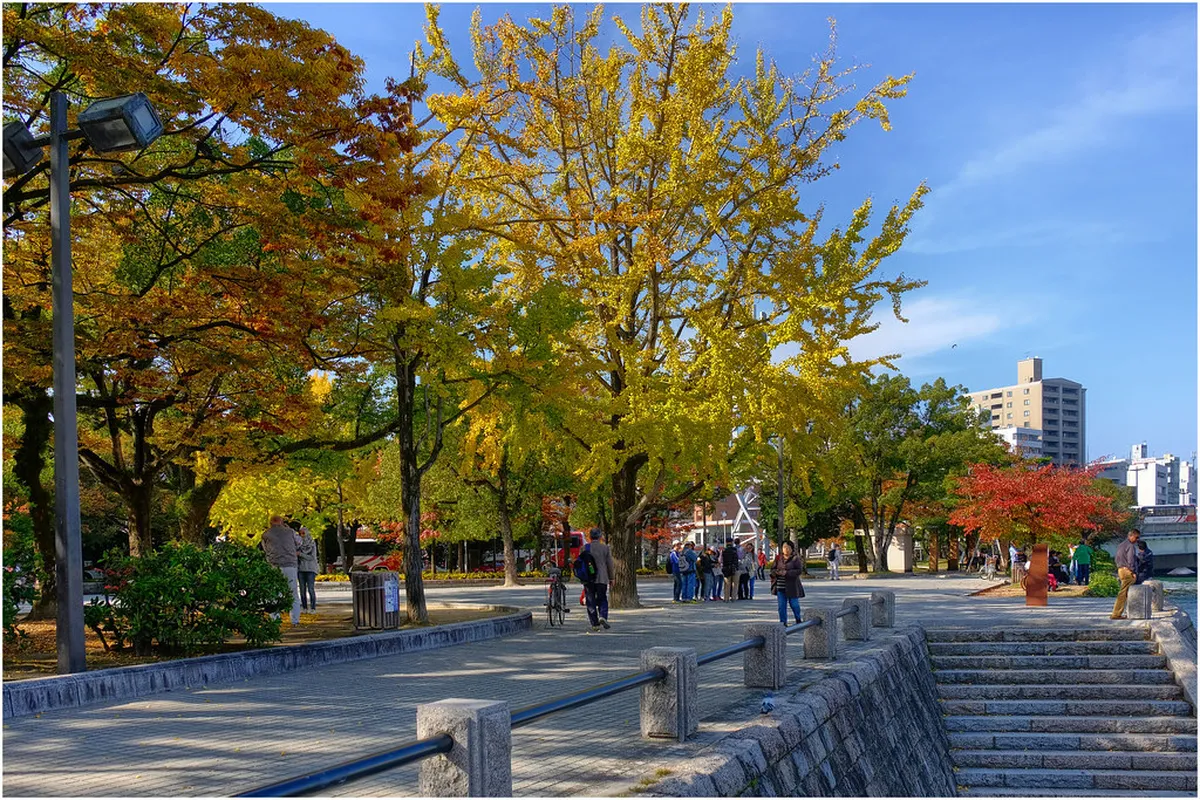
Aim to be at the Peace Memorial Museum entrance by 08:30, fifteen minutes before opening. School groups in matching colored caps arrive in waves between 09:30 and 11:00, and the East Building exhibits funnel into a single corridor that bottlenecks badly once those buses unload. Entry is 200 yen for adults per the museum's official site, and a typical visit runs 90 minutes to two hours. The audio guide (400 yen) is worth it for the survivor testimony exhibit, which is the part most visitors find indispensable.
Hiroshima Castle (¥370) and Shukkeien Garden (¥260) are both a 15-minute walk from each other, making them an efficient afternoon pairing after the Peace Park. The Hiroden streetcar day pass (¥700) covers the station-to-park runs and is worth it from three rides up.
From the museum, walk north through the Peace Park to cover the Cenotaph for the A-Bomb Victims, the Pond of Peace, the Flame of Peace, the Children's Peace Monument with its cabinets of folded cranes from schools worldwide, and the Korean Atomic Bomb Memorial. Cross the Motoyasu Bridge to reach the A-Bomb Dome, the only structure standing near the hypocenter, now a UNESCO World Heritage Site. Allow 90 minutes for the full park loop at a respectful pace.
Lunch in the Hondori arcade ten minutes east keeps you on schedule. Afterwards, take Hiroden line 9 from Kamiyacho-higashi to Hiroshima Castle (entry 370 yen, open 09:00-18:00), then walk fifteen minutes east to Shukkeien Garden (260 yen), a compact Edo-period circuit garden ideal for the late-afternoon light. Finish the day with okonomiyaki at Okonomimura in Naka-ku.
Orizuru Tower vs Peace Museum: Which Is Worth It
Most travelers debate Orizuru Tower because it sits 100 meters from the A-Bomb Dome and offers a 50-meter open-air rooftop deck with the Peace Park spread below. The ticket is 2,200 yen for adults plus a 500 yen optional paper crane to drop down the building's glass shaft. That's roughly 11 times the museum entry, so the question is whether the perspective is worth the spend.
It is worth it if you have already done the museum, value rooftop golden-hour photography, and have an extra hour. The slope-walk descent path from the top floor is genuinely fun, and the view of the dome ruins from above contextualizes the blast radius in a way ground-level walking does not. Skip it if you are short on time, on a tight budget, or if the weather is overcast. The museum's emotional weight is the actual reason to come to Hiroshima; the tower is a visual coda.
Day 2: A Day Trip to Miyajima Island
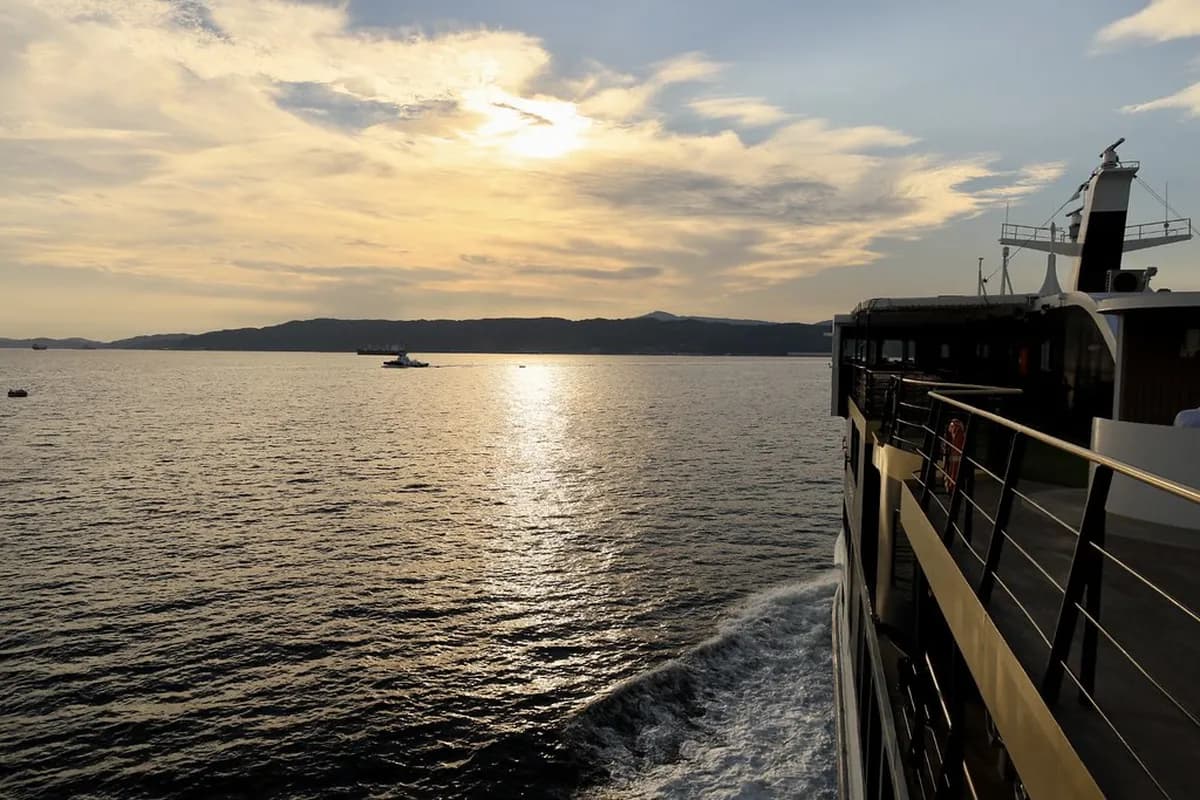
Leave your hotel by 07:30 to catch the JR Sanyo Line from Hiroshima Station to Miyajimaguchi (28 minutes, 420 yen). The ferry pier is a 5-minute walk straight ahead from the station's main exit. The JR ferry crossing takes 10 minutes and lands you at the Miyajima pier; from there it is a 10-minute waterfront walk past tame sika deer to the front of Itsukushima Shrine.
Buy your shrine entry (300 yen, open 06:30 to 18:00) and walk the corridors built over the water. From the shrine, head uphill to Daisho-in Temple, a Shingon Buddhist complex with 500 unique rakan statues lining the staircase and a spinning sutra wheel near the main hall (free entry, allow 45 minutes). The Mt. Misen ropeway base station is a 20-minute walk from Daisho-in through Momijidani Park, which is dense with maple trees and stone lanterns.
The ropeway runs in two stages to Shishi-iwa Station near the summit and costs 2,200 yen return. Allow 2 to 3 hours for the round-trip plus the 30-minute walk from the upper station to the actual peak, where you get a 360-degree view of the Seto Inland Sea on a clear day. Last descent is around 17:00 in 2026 (16:30 in winter), and missing it means a steep two-hour walk down. Back at sea level, eat your way along Omotesando street: grilled oysters (400 to 600 yen each), momiji manju maple-leaf cakes, and anago-meshi conger-eel rice.
Tide Times and the Floating Torii Gate
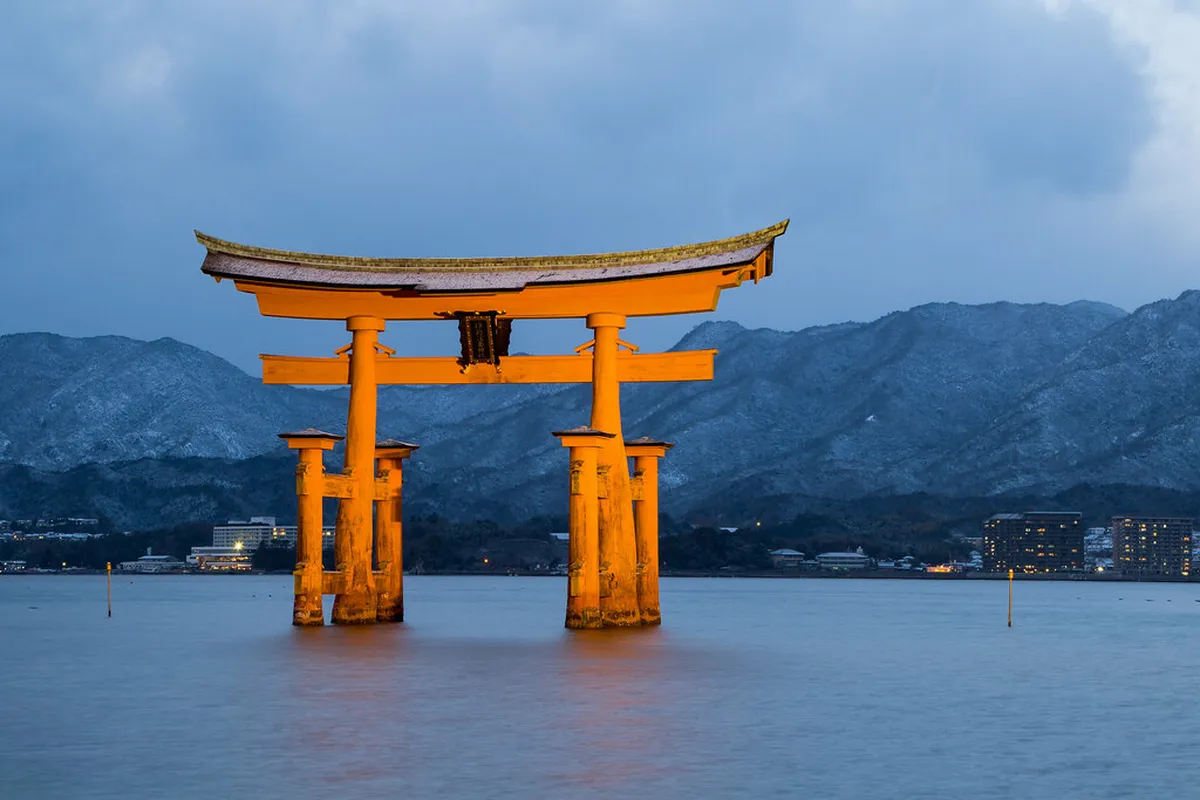
The single biggest mistake first-timers make on Miyajima is not checking the tide table. The Itsukushima Shrine torii gate "floats" only when the water is above roughly 250 cm; below that, it stands on a mudflat that visitors can walk right up to. Both views are legitimate, but they photograph completely differently and you should pick which one matters to you before you book the ferry. The Miyajima Tourist Association publishes a free monthly tide chart in English; search "Miyajima tide table" plus the year and month before you travel.
The last Mt. Misen ropeway descent runs around 17:00 in 2026 (16:30 in winter). Missing it means a steep two-hour walk down. The last JR ferry off the island leaves at 22:14 — plan your Miyajima timing around these two hard cutoffs.
Tides cycle roughly every 6 hours and 12 minutes, so on most days the gate is in water for one stretch of the morning and one stretch of the afternoon. If you want both shots, time your arrival for high tide and stay through to low tide, then walk out to the gate base. Ferry-only visitors hitting the island midday during a low-tide window often leave disappointed; the only fix is to plan around the chart, not the bus schedule.
- JR Ferry (covered by JR Pass and the Kansai Hiroshima Area Pass): 10 minutes, faster, no gate detour.
- Matsudai Great Torii Ferry: also 10 minutes, costs 200 yen each way for non-pass holders, but at high tide it slows down for a close pass of the torii gate, which is the better photo angle if you are not staying overnight.
- Both ferries leave from the same Miyajimaguchi pier complex; signage is clear in English.
What to Eat: Hiroshima-style Okonomiyaki and More
Hiroshima-style okonomiyaki is the dish you came for. Unlike the Osaka version where everything is mixed into the batter, Hiroshima cooks layer the components: a thin crepe, then mounded cabbage, bean sprouts, pork belly, an egg, a layer of fried yakisoba or udon noodles, and a heavy pour of Otafuku sauce on top. The result is denser and noodle-forward, and you eat it directly off the teppan with a small spatula called a hera. For comprehensive food guidance, see our where to eat in Hiroshima local food guide.
Okonomimura is the obvious destination, a four-floor building in Naka-ku with about 25 small okonomiyaki stalls. Floors 2 and 3 hold the busiest, oldest stalls with English menus; floor 4 is quieter and where I usually go on Friday nights to skip the wait. Avoid the floor-1 hawkers shouting at the entrance, which are aimed at tour groups; just take the elevator to 4 and work down. Expect 1,200 to 1,800 yen for a standard okonomiyaki and 600 to 800 yen for a beer.
Beyond okonomiyaki, try tsukemen (a local cold dipping noodle with chili sauce), Hiroshima-style oysters in winter, and anago-meshi on Miyajima. For a one-stop crash course in Japanese food categories beyond the famous ones, see this guide on eating okonomiyaki like a local.
The JR Kansai Hiroshima Area Pass Explained
The JR Kansai Hiroshima Area Pass is a 5-day regional pass costing around 17,000 yen in 2026. It covers Shinkansen and local JR trains across Osaka, Kyoto, Kobe, Nara, Himeji, Okayama, and Hiroshima, the Hiroshima Sightseeing Loop Bus, and crucially the JR ferry to Miyajima. It does NOT cover the Nozomi or Mizuho Shinkansen on the busy Tokyo line; you ride the Sakura or Hikari instead.
For a pure Hiroshima 2-day trip with no other Kansai stops, this pass does not pay for itself: a round-trip Shin-Osaka to Hiroshima Sakura ticket runs about 21,500 yen, but you would not use the other four days. The math flips the moment you bolt on Himeji Castle, Nara, or a side trip to Okayama; in that case the pass saves 4,000 to 8,000 yen and the convenience of skipping ticket counters is real.
Buy it before you fly via Klook for the best rates and exchange the voucher at any major JR station. Activation starts when you first scan it, so don't activate the day you arrive in Japan unless you are using it that day.
Is 2 Days in Hiroshima Enough?
For a first visit, yes, two full days is the right answer for around 80 percent of travelers. You cover the Peace Memorial Park comprehensively, do Miyajima without rushing the ropeway, and have a real Hondori dinner. Adding a third day only makes sense if you want to slow down at the museum, hike Mt. Misen instead of taking the ropeway, or fold in a side trip to Iwakuni's Kintai Bridge or the sake town of Saijo.
One day is not enough. A common Osaka-based plan tries to compress Hiroshima into a long day trip; you end up with 90 minutes at the museum, no time on Miyajima beyond a torii photo, and miss okonomiyaki entirely. Three days is the right call if you are traveling with kids, are deeply interested in WWII history, or visiting in cherry blossom or peak autumn weeks when crowds slow everything down. Beyond three days, returns diminish quickly and Kyoto or Kanazawa is the better next stop.
Practical Travel Tips: Safety and Local Etiquette
Hiroshima is one of the safer cities I have visited in Japan, with very low petty-crime rates and a tourist-friendly transit system signposted in English at every major stop. Solo travelers, including women, regularly walk the Peace Park and Hondori area after dark without issue. Standard Japan caution applies: keep cash and IC cards (Suica, Icoca, Pasmo all work) in a front pocket on crowded trams, and don't leave valuables in unsupervised cafe seats even though the locals will.
At the Peace Memorial Park, treat the grounds like a graveyard. Don't pose for cheerful photos in front of the Cenotaph or A-Bomb Dome, lower your voice inside the museum, and never run on the paths during school visits. Photography inside the museum is allowed in most galleries but discouraged in the survivor testimony rooms; follow posted signs.
On Miyajima, the deer are wild, not pets. Do not feed them, do not let them eat your maps or train tickets, and watch shopping bags near the ferry pier. Wear shoes you can slip off easily for shrine and temple entries, and carry small change for the 100 yen lockers at Miyajima station for daypacks if you plan to do the Mt. Misen hike. For more cultural context across Japan, this things-to-do guide covers seasonal events worth timing your visit around, and the Hiroshima Tourism Association publishes current festival dates and access advisories in English.
Add an Extra Day: Day-Trip Add-Ons
If you stretch to a third day, three add-ons stand out. Iwakuni is 50 minutes by JR Sanyo Line and pairs the five-arched Kintai Bridge with a hilltop castle reached by ropeway; the riverside park is exceptional in cherry blossom season. Saijo, 40 minutes east of Hiroshima Station, packs seven sake breweries within a 10-minute walk of the station and runs free tasting tours from 10:00 to 16:00. Onomichi, an hour east, is a coastal town of cats and temple staircases that doubles as the start of the Shimanami Kaido cycling route to Imabari.
For broader regional planning, the wider hiroshima attractions hub covers neighborhoods and seasonal events that don't fit a 48-hour itinerary. Use the 2-day itinerary map to see how an Iwakuni or Onomichi add-on connects with your existing day-one and day-two route.
Frequently Asked Questions
Is Hiroshima worth visiting for just 2 days?
Yes, two days is the perfect amount of time for most visitors. You can see the Peace Memorial Park and Miyajima Island without rushing. This duration covers all the major cultural and historical highlights.
How do I get from Hiroshima Station to Miyajima?
Take the JR Sanyo Line to Miyajimaguchi Station, which takes about 25 minutes. From there, walk to the pier and board a ferry for a 10-minute ride. The JR ferry is free for JR Pass holders.
What is the difference between Hiroshima and Osaka Okonomiyaki?
Hiroshima style layers the ingredients and includes noodles like yakisoba or udon. Osaka style mixes the batter and ingredients together before cooking. Both are delicious, but the Hiroshima version is much more filling.
This hiroshima 2 day itinerary balances the moral weight of the Peace Memorial Park with a full Miyajima Island day, anchored by tide-aware timing and concrete fares. Check tide charts before you book, hit the museum at opening, and ride the ropeway before 16:30 and the rest sorts itself out. For follow-on planning, see this best things to do in Hiroshima roundup for ideas that fit a third day.
Free: The Hiroshima Essentials guide
Top things to do, where to stay, a perfect day plan, getting around, and the best time to go — a Hiroshima mini-guide you can take offline.
You might also like

Continue reading
More guides you'll find useful


