7-Step Solo Traveler's 1-Day Hiroshima Itinerary
Maximize your solo trip to Hiroshima with this efficient 1-day itinerary. Includes Peace Park, solo-friendly dining at Okonomimura, and transport tips.
On this page
Hiroshima rewards solo visitors who arrive with a plan. The compact center, the dedicated tourist loop bus, and the counter-seat food culture make 24 hours alone feel structured rather than lonely. This 2026 guide is built around the seven decisions that actually shape a solo day here: where to drop your bag, how to move, when to eat, and how to handle the emotional weight of the Peace Park before pivoting to a lighter afternoon. For broader exploration, explore Osaka as a nearby alternative for comparison.
I have walked this route in spring and autumn and rebuilt it after the museum's 2024 ticketing changes and the 2026 Meipuru-pu schedule update. Use this emotional pacing companion guide if you want to soften the transition from the museum to the rest of the day. The local hospitality genuinely tilts toward solo travelers, especially at counter restaurants where chefs talk to you across the teppan.
Essential Hiroshima Solo Travel Tips (Safety & Transport)
Hiroshima is one of the safest mid-sized cities in Japan for solo visitors of any gender. Streets stay lit and busy until at least 23:00 around Hondori and Hatchobori, and the night convenience stores anchor every block. Police koban are stationed near both the A-Bomb Dome and the central tram interchange, and station staff will walk you to a platform if you point at a printed map.
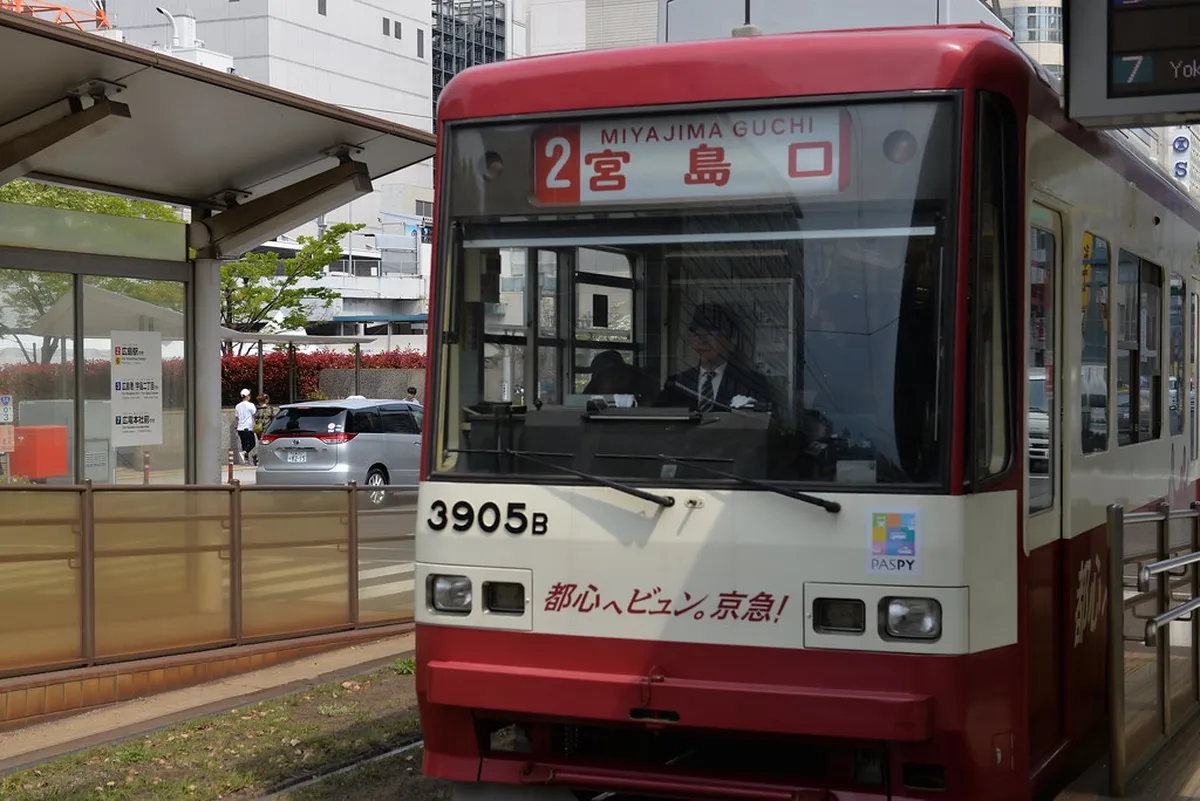
For movement, three options matter: the Hiroshima Sightseeing Loop Bus (Meipuru-pu), the Hiroden streetcar, and your own feet. The Loop Bus is free for JR Pass holders and runs Orange, Green, and Lemon routes that all stop at Peace Park, the Castle, and Shukkeien. The Hiroden streetcar covers more of the city for a flat 220 yen but requires reading kanji line numbers. Walking the central core takes about 35 minutes end to end. A simple comparison helps the choice land:
- Loop Bus (Meipuru-pu): 200 yen single ride or 600 yen day pass, free with JR Pass, English announcements, every 15 to 30 minutes from the Shinkansen exit. Best for first-timers and anyone with mobility limits.
- Hiroden streetcar: 220 yen flat fare, IC-card friendly, much wider coverage including Miyajimaguchi, but stops are announced in Japanese first and platforms can be confusing at Hatchobori.
- Walking: Free, scenic along the Motoyasu River, and the only way to spot the smaller memorials between the Dome and the Cenotaph. Plan around 5 to 7 miles for the full day.
- Docomo city bikes: 165 yen per 30 minutes, multiple ports near Peace Park and the Castle, useful only if you can read the app's Japanese deposit screen.
Load 2,000 yen onto an ICOCA or Suica card at any JR ticket machine before leaving Hiroshima Station. Every transport option — Loop Bus, Hiroden tram, and Docomo bikes — accepts IC cards. The Meipuru-pu Loop Bus is free for JR Pass holders and runs every 15–30 minutes from the Shinkansen exit with English announcements, making it the easiest first-day choice.
Solo pro-tip: load 2,000 yen onto an ICOCA or Suica card at any JR ticket machine before you leave the station. Every transport option above accepts it, and you stop fumbling for coins on the tram, which is where most solo visitors feel the spotlight.
Morning: Peace Memorial Park and Museum
Start at the A-Bomb Dome by 08:30. The morning light falls on the skeletal remains from the east, which photographers prefer, and the tour-bus crowds do not arrive until around 10:00. Cross Aioi Bridge into the park and walk south through the Children's Peace Monument toward the Cenotaph, then continue to the museum. You should review the Peace Memorial Museum tickets page for current pricing and the new timed-entry rules.
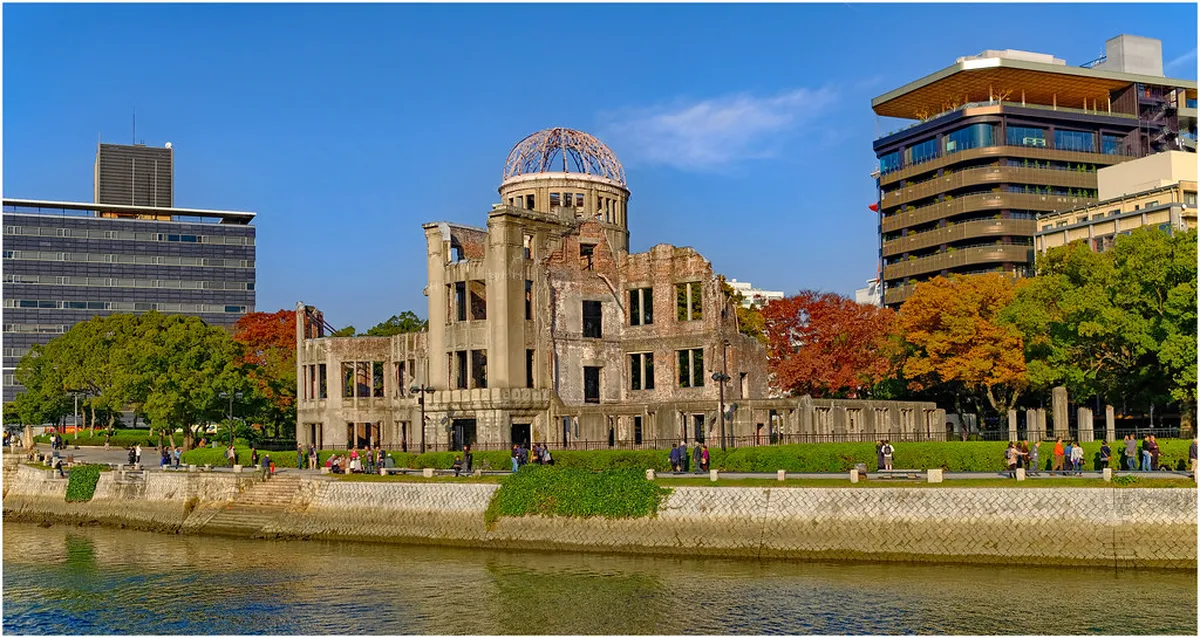
The museum opens at 08:30 and adult admission is 200 yen as of 2026. Timed-entry slots are now strongly recommended through the official site at least one to two weeks ahead during cherry blossom season and August. Plan two to two-and-a-half hours inside, and reserve the last 20 minutes for the survivor video testimonies on the second floor. Reference the Hiroshima Peace Memorial Museum page for the current exhibition schedule.
Solo travelers consistently report the museum hits harder when experienced alone. Sit on a bench near the Pond of Peace afterward for ten quiet minutes before moving on. The Children's Peace Monument is a useful re-entry point to the present: the chains of paper cranes are a daily reminder that this is a working memorial, not just a historical exhibit.
Lunch: Solo-Friendly Okonomiyaki at Okonomimura
Okonomimura is a four-floor building near Hatchobori where roughly 23 stalls all serve the layered cabbage-noodle-egg pancake known as Hiroshima-yaki. The whole building is built around a teppan counter format, which is the single best solo-dining setup in the city: you sit, the chef cooks in front of you, and conversation is optional. This is where you can eat okonomiyaki like a local without any of the awkwardness of a four-top restaurant.
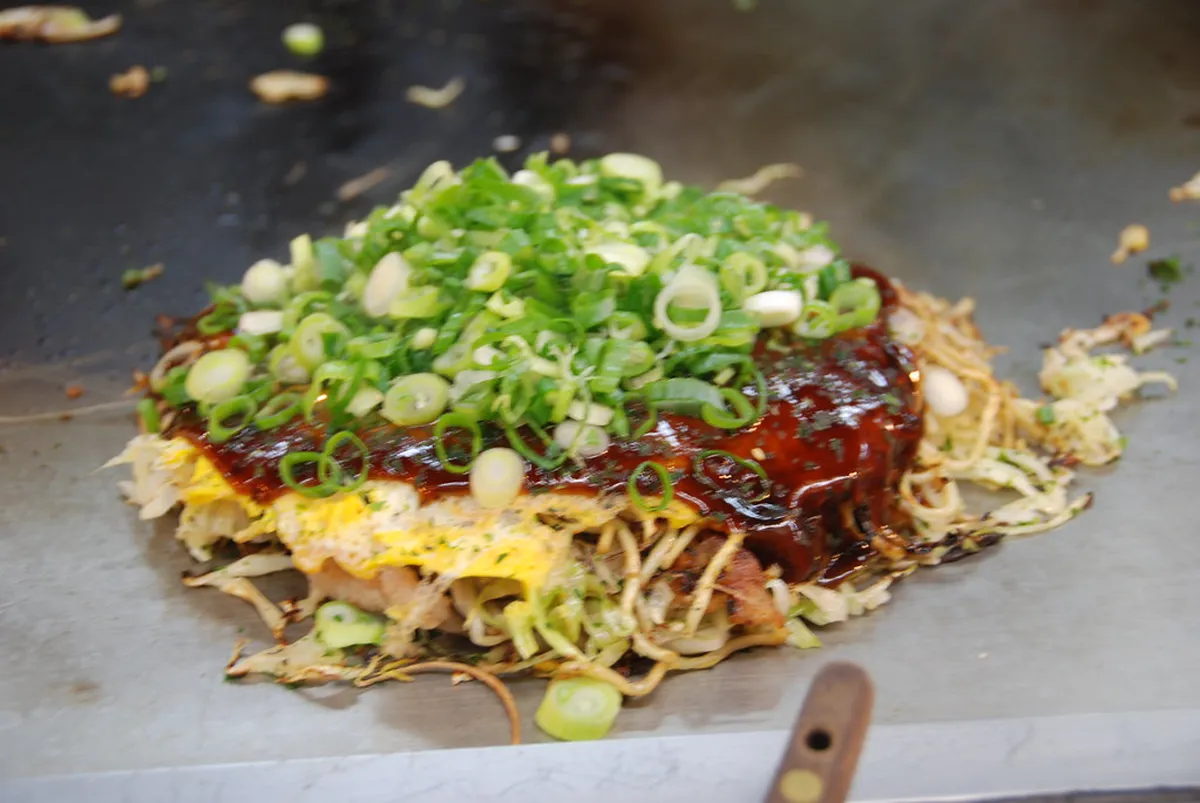
For first-time solo diners, the floor and stall choice matters more than competitors mention. A practical map of Okonomimura looks like this:
- Floor 2 — Hassei: Eight-seat counter, English menu, chef Hassei-san speaks basic English and is used to solo international guests. Standard pork-noodle yaki runs 1,200 yen.
- Floor 2 — Lopez: Founded by a Bolivian-Japanese family, distinctive cheese-and-jalapeno variant, very welcoming to solo travelers who want a chatty meal. About 1,400 yen with a drink.
- Floor 3 — Chii-chan: The quietest counter in the building, perfect if the museum has left you wrung out and you want to eat without small talk. 1,300 yen.
- Floor 4 — Atomu: Larger teppan, faster service, lighter on the seafood toppings. Good for visitors who want to eat in 25 minutes and move on.
Arrive by 11:30 to beat the office-worker rush. Most stalls open at 11:00 and the wait at popular counters can hit 30 minutes by 12:30. Cash and IC cards both work; tipping is not done. Try the local Otafuku sauce, and if the chef offers extra negi (green onion) for 100 yen, take it.
Afternoon: Hiroshima Castle and Shukkeien Garden
From Okonomimura, the Castle is a 15-minute walk north or three Loop Bus stops on the Orange route. Hiroshima Castle was rebuilt in 1958 after the bombing flattened the original 1589 structure. The grounds and the moat are free to enter; the keep museum costs 370 yen and is open until 18:00 in summer and 17:00 in winter. Read the full Hiroshima Castle history before you arrive, and check the Hiroshima Castle Official Site for special exhibitions.
A 12-minute walk east brings you to Shukkeien Garden, a miniature landscape garden built in 1620 by warlord Asano Nagaakira. Entry is 260 yen for adults; pay an extra 360 yen combined ticket to also enter the adjacent Prefectural Art Museum. The garden is open daily 09:00 to 18:00 from April through September, and 09:00 to 17:00 the rest of the year. The Shukkeien Garden visitor guide maps the bridge sequence.
Solo travelers should aim for the small Sensui-tei tea house on the central pond. A bowl of matcha and a wagashi sweet costs 500 yen, the staff brings it to your tatami seat, and the open shoji doors frame the pond like a postcard. It is the single best 20-minute reset on this itinerary before the energy of the evening downtown.
Evening: Hondori Street and Downtown Exploration
Hondori Street is the half-kilometer covered shopping arcade that runs east from Peace Park toward Hatchobori. By 18:00 it is the densest pedestrian corridor in the city and ideal for solo wandering: covered roof against rain, no traffic, plenty of single-person snack windows. Department stores like Mitsukoshi and Sogo stay open until 20:00; smaller boutiques run later in the side streets of Fukuromachi and Nakamachi.
For dinner, leave the arcade and slip into the alleys around Ebisu-cho. Look for shops with a counter visible through the glass and a small "おひとりさま歓迎" (solo diners welcome) sticker. Solo-friendly options include Bakudanya for tsukemen-style spicy noodles, Ekohiiki for sake flights with single-bowl seafood plates, and any of the standing kaki (oyster) bars near the Aioi-dori intersection. Expect 1,500 to 2,500 yen for dinner with a drink.
The vibe stays much calmer than Tokyo's Shinjuku or Osaka's Dotonbori. Bar staff in Hiroshima will not pressure solo diners to order extras, and izakaya owners commonly seat single guests at the corner of the counter where they can see the kitchen. Walk back to your hotel through the lit-up Peace Park if you stayed near the station, the riverside path is safe and quiet by 22:00.
Extension: Half-Day Miyajima Island Trip
If you have a second morning, swap Hiroshima Castle for Miyajima Island. From Hiroshima Station take the JR Sanyo Line 25 minutes to Miyajimaguchi, then the JR Miyajima ferry 10 minutes to the island. Total: about 45 minutes door to dock, and the ferry is included with a JR Pass. Without a pass, the round trip costs 820 yen for the train plus 360 yen for the ferry.
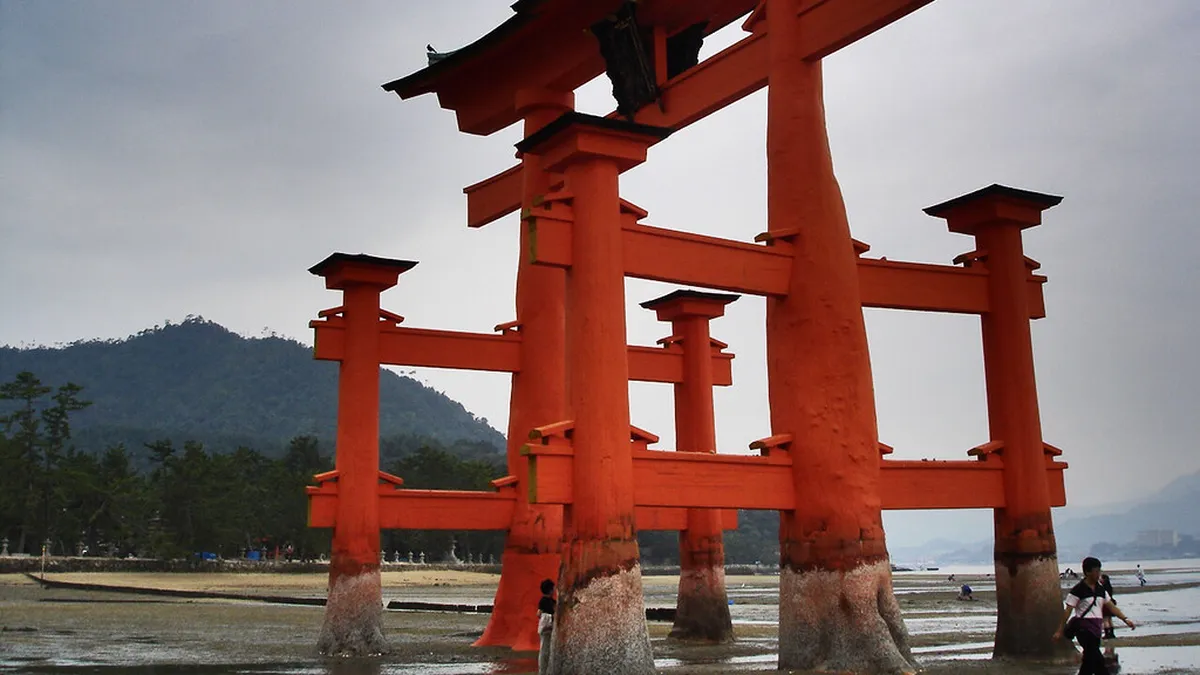
The island's signature image is the floating torii gate of Itsukushima Shrine. Check the Itsukushima Shrine tide times before you leave: high tide gives the floating-on-water photo, low tide lets you walk out to the gate's base. Shrine entry is 300 yen, open 06:30 to 18:00. The Mount Misen ropeway costs 2,000 yen round trip and runs until 17:00; the summit views over the Seto Inland Sea are arguably better than anything on the main island.
Solo travelers should know about the visitor tax: as of 2024 a 100 yen "Miyajima visit tax" is collected with the ferry ticket. The wild deer are tame but will absolutely eat paper maps, train tickets, and shopping bags left in side pockets. Eat momiji manju (maple-leaf cakes) on the spot rather than carrying them.
Logistics: Solo-Friendly Budget and Accommodation
| Expense | Cost (2026) |
|---|---|
| Peace Memorial Museum entry | 200 yen |
| Hiroshima Castle keep | 370 yen |
| Shukkeien Garden | 260 yen |
| Loop Bus day pass | 600 yen (free with JR Pass) |
| Lunch at Okonomimura | ~1,300 yen |
| Matcha at Shukkeien Sensui-tei | 500 yen |
| Dinner with drink | ~2,500 yen |
| Miyajima add-on (train + ferry) | ~2,500 yen (less with JR Pass) |
A realistic solo budget for one day in Hiroshima sits around 6,000 to 8,500 yen excluding accommodation. That covers museum entry (200 yen), castle keep (370 yen), Shukkeien (260 yen), Loop Bus day pass (600 yen) or tram fares (around 660 yen for three rides), lunch at Okonomimura (1,300 yen), tea at Shukkeien (500 yen), and dinner with a drink (2,500 yen). Add roughly 2,500 yen if you also visit Miyajima with the ferry, shrine, and a snack. Compare these numbers to a wider budget travel guide if you are squeezing the trip tighter.
For solo accommodation, target the wedge between Hiroshima Station and Hatchobori. Business hotels with single rooms run 6,500 to 9,500 yen per night in 2026: Hotel Granvia (attached to the station), Mitsui Garden Hotel Hiroshima (between station and arcade), and APA Hotel Hiroshima Ekimae are the three most consistent for solo bookings with English check-in. Capsule hotels around the station like First Cabin charge 4,000 to 5,500 yen and include a women-only floor.
Hiroshima Station north-exit large lockers fill up by 10:00 in peak season. The second-floor concourse zone has the most jumbo units and is rarely fully booked. If all lockers are full, the staffed luggage service near the south exit holds bags up to 25 kg for 800 yen per piece per day (open 08:00–20:00).
Hiroshima Station's coin lockers are essential for one-day stopover travelers and are something competitor guides barely mention. There are three locker zones: north exit (Shinkansen side), south exit (tram side), and the second-floor concourse. Sizes and prices in 2026: small 400 yen (cabin-bag size), medium 600 yen (carry-on up to 60 cm), large 700 yen (mid suitcase up to 80 cm), and jumbo 1,000 yen (full check-in suitcase). All accept ICOCA, Suica, and Pasmo. The north-exit large lockers fill up by 10:00 in peak season; the second-floor concourse zone has the most jumbo units and is rarely fully booked.
If everything is full, the staffed luggage service near the south exit holds bags up to 25 kg for 800 yen per piece per day, open 08:00 to 20:00. Combine this with our main Hiroshima attractions guide if you want to extend the trip into a second day before catching the shinkansen onward.
Combine this with our main Hiroshima attractions guide for a fuller itinerary.
Frequently Asked Questions
Is Hiroshima safe for solo female travelers?
Hiroshima is exceptionally safe for solo female travelers at all hours. The city has low crime rates and well-lit public spaces. I felt very comfortable walking through the downtown area alone at night.
How do I get from Hiroshima Station to the Peace Park?
The easiest way is taking the Green or Orange Meipuru-pu loop bus. These buses depart frequently from the station's Shinkansen exit. You can also take tram line 2 or 6 to the Genbaku-domae stop.
What is the best area for solo travelers to stay?
I recommend staying near Hiroshima Station or the Hatchobori district. These areas offer many business hotels with single rooms. You will be close to transport links and solo-friendly dining options.
Hiroshima offers a powerful and rewarding experience for any solo traveler visiting Japan. By following this one-day plan, you can honor the past while enjoying the city's modern charms. I hope this guide helps you feel confident as you explore the streets of this beautiful city. Safe travels as you discover the history, food, and hospitality that make Hiroshima so unique.
Free: The Hiroshima Essentials guide
Top things to do, where to stay, a perfect day plan, getting around, and the best time to go — a Hiroshima mini-guide you can take offline.
You might also like


Continue reading
More guides you'll find useful