Hiroshima 1 Day Itinerary for Emotional Pacing (2026 Guide)
Master your Hiroshima 1 day itinerary for emotional pacing in 2026. Balance the Peace Memorial Museum with healing gardens, local soul food, and practical timing tips.
On this page
A trip to this city often feels like an emotional journey for many international visitors. You might worry about feeling overwhelmed by the heavy history of the 1945 atomic bombing. This hiroshima 1 day itinerary for emotional pacing helps you balance somber reflection with moments of beauty and recovery.
The city has transformed itself into a global symbol of peace and resilience over the decades. Modern streets now buzz with energy, yet the scars of the past remain visible in protected ruins. Planning your day with an 'emotional arc' ensures you honor the tragedy without feeling drained.
By following a structured route, you can experience the full story of this remarkable place. We start with pre-war history to ground your perspective before moving into the memorial zones. Ending the day with nature and local food provides the necessary decompression for a meaningful visit.
How do you pace a 1-day Hiroshima visit emotionally? Start with a low-load anchor like Hiroshima Castle (9:00 AM, ¥370 entry) for context, then move to the Peace Memorial Park and A-Bomb Dome by 10:30 AM. Spend 90 minutes inside the Peace Memorial Museum (¥200 adults, opens 8:30 AM in 2026), break with a riverside lunch by 1:30 PM, then decompress at Shukkeien Garden (¥260) before a communal okonomiyaki dinner at Okonomimura around 6:00 PM.
Hour-by-Hour Schedule at a Glance
Use this compressed schedule as your anchor before the section-by-section detail below. Times assume a 9:00 AM arrival at Hiroshima Station; shift everything 30 minutes later if you take an early-morning Shinkansen from Osaka or Kyoto. The route is designed so emotional intensity builds, peaks at the museum, then steadily releases through garden, food, and illumination.
- 09:00–09:20 — Arrive Hiroshima Station, drop luggage, buy a streetcar day pass (¥700) or Meipuru-pu bus pass (¥400).
- 09:30–10:30 — Hiroshima Castle and Gokoku Shrine; low emotional load, historical context.
- 10:30–11:00 — Walk south down Aioi-dori, pause at the Cenotaph for a 60-second silent moment.
- 11:00–12:30 — Peace Memorial Museum (90 minutes inside).
- 12:30–13:30 — Riverside lunch on Motoyasu promenade, no alcohol.
- 13:30–15:00 — Shukkeien Garden plus tea-house pause.
- 15:00–17:00 — Hatchobori arcade browse or Hiroshima Museum of Art (¥1,000) as a quiet buffer.
- 17:30–19:30 — Okonomimura dinner.
- 20:30–21:00 — Optional walk to the illuminated A-Bomb Dome before catching your train.
This sequence keeps you on foot or one tram stop away from each transition, so you never lose momentum to navigation stress. If you only have six hours instead of a full day, drop the castle and the art-museum buffer rather than shortening the museum or garden — those two anchor the emotional arc.
Getting to Hiroshima from Osaka, Kyoto, and Tokyo
Most travelers arrive at Hiroshima Station via the Sanyo Shinkansen line from major hubs. The high-speed bullet train makes a day trip from Osaka or Kyoto very manageable for most tourists. You should aim to arrive by 9:00 AM to maximize your daylight hours for sightseeing.
From Osaka or Kyoto, the journey takes roughly 90 to 100 minutes on a direct Nozomi or Sakura train. Tokyo is further away, requiring about four hours of travel time each way. Once you arrive, start planning where to stay in Hiroshima and consider using the Hiroshima Sightseeing Loop Bus (Meipuru-pu) once you reach the station for easy navigation.
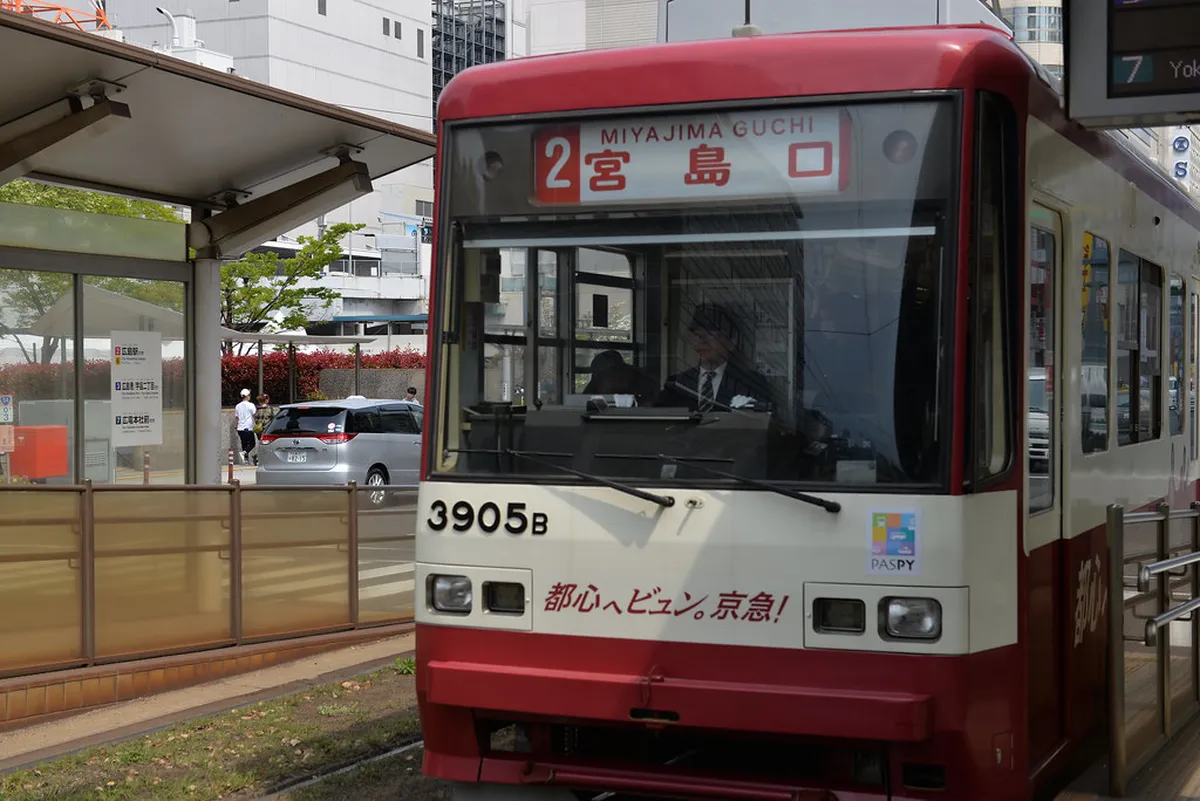
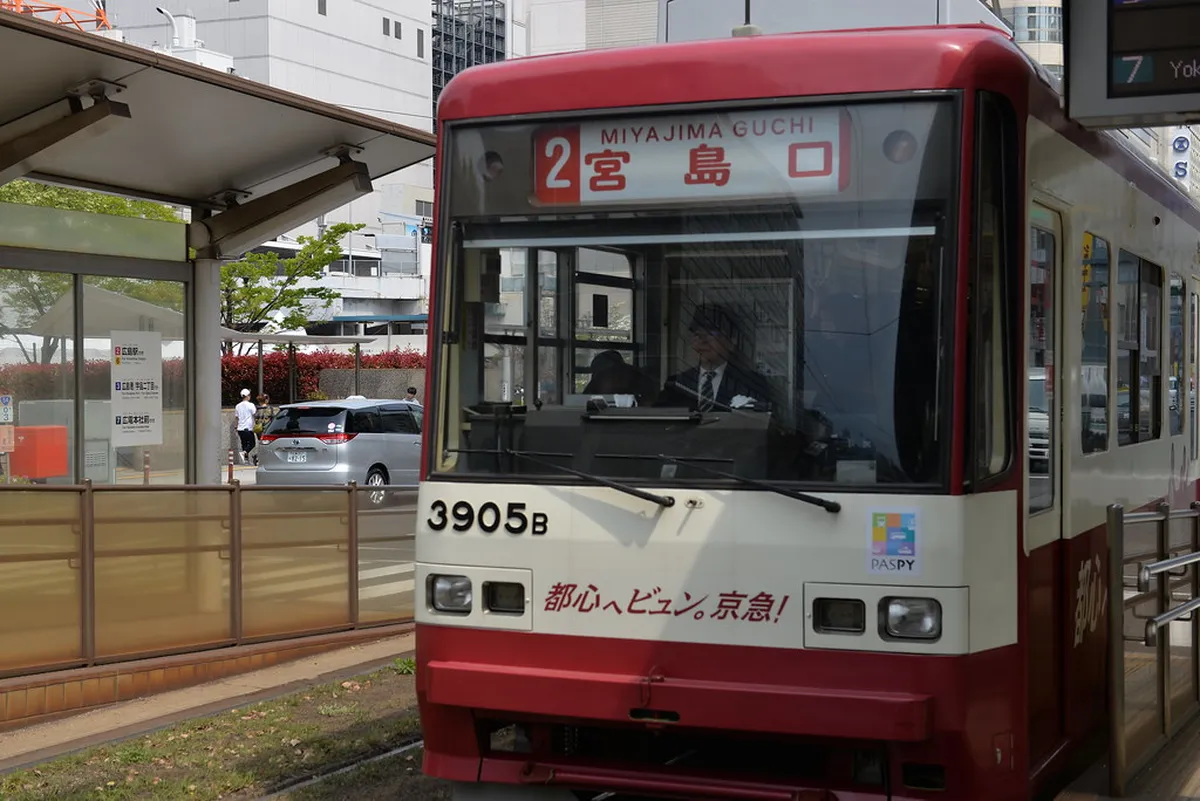
Local transport within the city relies heavily on a charming and efficient streetcar network. These trams connect the station to the Peace Park and the downtown Hatchobori shopping district. You can use major IC cards like Suica or Pasmo to pay for your fares easily.
Luggage Storage and Transit Passes at Hiroshima Station
Day-trippers arriving by Shinkansen will not want to drag suitcases through the Peace Park. Hiroshima Station has coin lockers on both the Shinkansen-side and the Minami-guchi (south) exit, with small lockers at ¥400, medium at ¥600, and large at ¥800 per calendar day. Lockers fill by 10:00 AM in spring and autumn high season, so head to the ekinaka concourse first if you want a guaranteed slot. The manned Crosta Hiroshima counter on the Shinkansen concourse holds oversize bags for ¥800 per piece per day until 8:00 PM — a safer bet for two-suitcase travelers.
For transit, the Hiroden streetcar one-day pass costs ¥700 in 2026 and covers every line in the city plus the Miyajima ferry from Hiroden-Miyajimaguchi if you tack on the ¥900 city-and-ferry version. The Meipuru-pu Loop Bus pass is ¥400 and circles the station, castle, Peace Park, and Shukkeien on three colour-coded routes every 15–30 minutes — the lemon route is the most direct for this itinerary. Buy either pass at the JR Highway Bus ticket window outside the Shinkansen exit; both accept cash and major credit cards but not all IC balances.
Single-ride streetcar fares within the city are a flat ¥220 in 2026, so the day pass pays for itself by your fourth ride. If you only plan castle → Peace Park → Shukkeien → Hatchobori, four rides is exactly what you need, which makes the ¥700 pass a wash — choose the Meipuru-pu ¥400 pass instead unless you want flexibility for evening detours.
Morning: Hiroshima Castle and Gokoku Shrine
Starting your day at the castle provides essential context about the city's long history. This site represents the 'low emotional load' phase of your itinerary where you learn about samurai heritage. The original structure was destroyed in 1945, but the faithful reconstruction offers great views.
Walking through the castle grounds allows you to appreciate the city's medieval roots before the modern era. You can climb to the top of the main keep for a panoramic look at the surrounding skyline. Check Hiroshima Castle's Official Webpage for current exhibition details and seasonal opening hours.
Nearby, the Gokoku Shrine offers a quiet space for a brief moment of morning reflection. This Shinto shrine is dedicated to those who died in various wars involving Japan. It serves as a peaceful transition point before you head toward the more intense memorial sites.
From the castle, walk south along Aioi-dori for about 15 minutes (1.2 km) to ease into the Peace Park rather than arriving by tram. A slow walk acts as a mental warm-up before the heavy content begins. As you cross Aioi Bridge, pause at the Cenotaph for the A-Bomb Victims for a quiet 60-second moment — the arch frames the Flame of Peace and the A-Bomb Dome in a single sightline. This silent pause is the emotional pivot of the morning. If you want a sequenced sightseeing-only version of this morning block, our Hiroshima landmarks 1-day itinerary walks through the same corridor with timing focused on monuments rather than emotional pacing.
Midday: Atomic Bomb Dome and Peace Memorial Park
The Atomic Bomb Dome stands as a stark reminder of the power of nuclear weapons. Standing beneath this skeletal structure is often the first 'high emotional load' moment for many visitors. Take your time to walk around the perimeter and read the various plaques nearby.
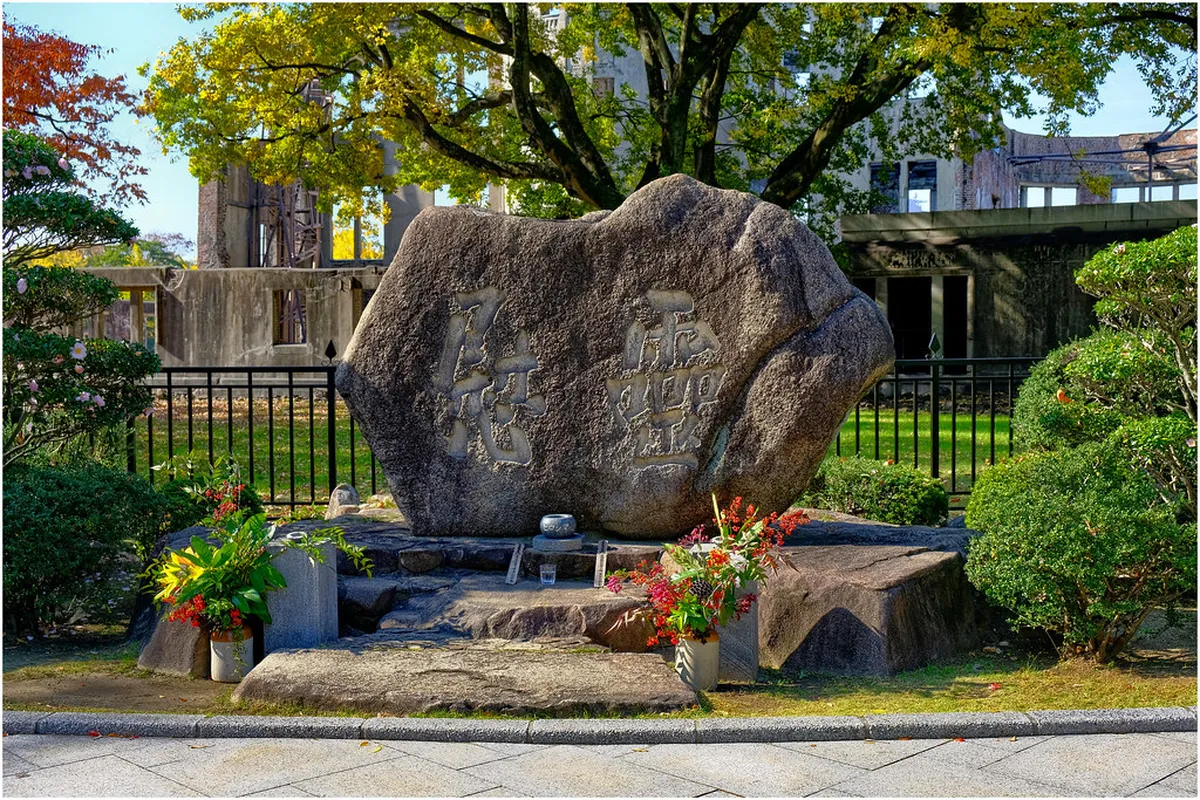
Cross the bridge into the Peace Memorial Park to see the Children's Peace Monument and the Flame of Peace. This expansive green space was designed to be a place of quiet contemplation for everyone. You might see groups of school children offering colorful paper cranes as symbols of hope.
Entering the Hiroshima Peace Memorial Museum is the most intense part of the day. In 2026 the museum opens at 8:30 AM (March-July, September-November), 7:30 AM in August, and 9:00 AM in December-February; closing is 6:00 PM most of the year, 7:00 PM in August (extended to 8:00 PM on August 5 and 9:00 PM on August 6). Adult tickets cost ¥200, high schoolers ¥100, and elementary/junior-high students enter free. We recommend spending about 90 minutes inside to absorb the personal stories and artifacts without saturating. For ceremony-day logistics, security, and timed-entry windows, see our how to attend the Hiroshima Peace Memorial Ceremony 2026 guide. If you feel overwhelmed, look for the 'quiet zones' near the East Wing exit or step outside to the riverfront for fresh air.
Midday lighter break (12:30–1:30 PM): After the museum, do not jump straight into another heavy site. Walk five minutes north to the Motoyasu River promenade and grab a light lunch — a soft tsukemen at Bakudanya (around ¥1,100) or a riverside bento (¥800–¥1,200) eaten on a bench. Skip alcohol; your nervous system is still processing. This 60-minute decompression window is what separates a meaningful day from an emotionally exhausting one.
Post-Museum Physiological Reset Checklist
Most itineraries treat the museum exit as a logistics handoff. It is actually a physiological event. Visitors routinely report shakiness, mild nausea, blurred concentration, and a flat affect for 20–40 minutes after exiting — a low-grade vasovagal response to graphic imagery combined with two hours of standing and underbreathing. The fix is mechanical, not philosophical, and it takes about 15 minutes if you do it deliberately.
On August 6, security perimeters around the Cenotaph go up from 5:00 AM and streetcars near the park reroute from 6:00 AM to 10:00 AM. The museum opens at 7:30 AM that morning and fills to capacity by 11:00 AM. Plan accordingly if your visit falls near this date.
First, sit down within five minutes of exiting. The benches along the Motoyasu River south of the museum are the closest viable spot; the granite steps near the Pond of Peace work too. Drink 300–500 ml of water (vending machines sell 500 ml Pocari Sweat for ¥160 inside the East Building lobby) and eat something with both salt and sugar — an onigiri plus a small can of coffee or a piece of momiji manju is ideal. Avoid coffee alone; caffeine on a depleted blood-sugar baseline often triggers a worse crash 30 minutes later.
Second, do four cycles of slow nasal breathing: in for four seconds, hold for four, out for six. This resets the parasympathetic system faster than a walk. Only after these two steps should you reopen the map and decide your next stop. Travelers who skip this reset routinely abandon Shukkeien at the entrance because they 'cannot focus,' then blame the itinerary. The itinerary is fine; the body needed 15 minutes that the schedule did not allocate.
Afternoon: Emotional Decompression at Shukkeien Garden
After the intensity of the museum, your mind needs a dedicated space for recovery and decompression. Shukkeien Garden is a historic landscape garden that offers a perfect 'high recovery' environment. The carefully manicured paths and quiet ponds help lower your stress levels naturally.
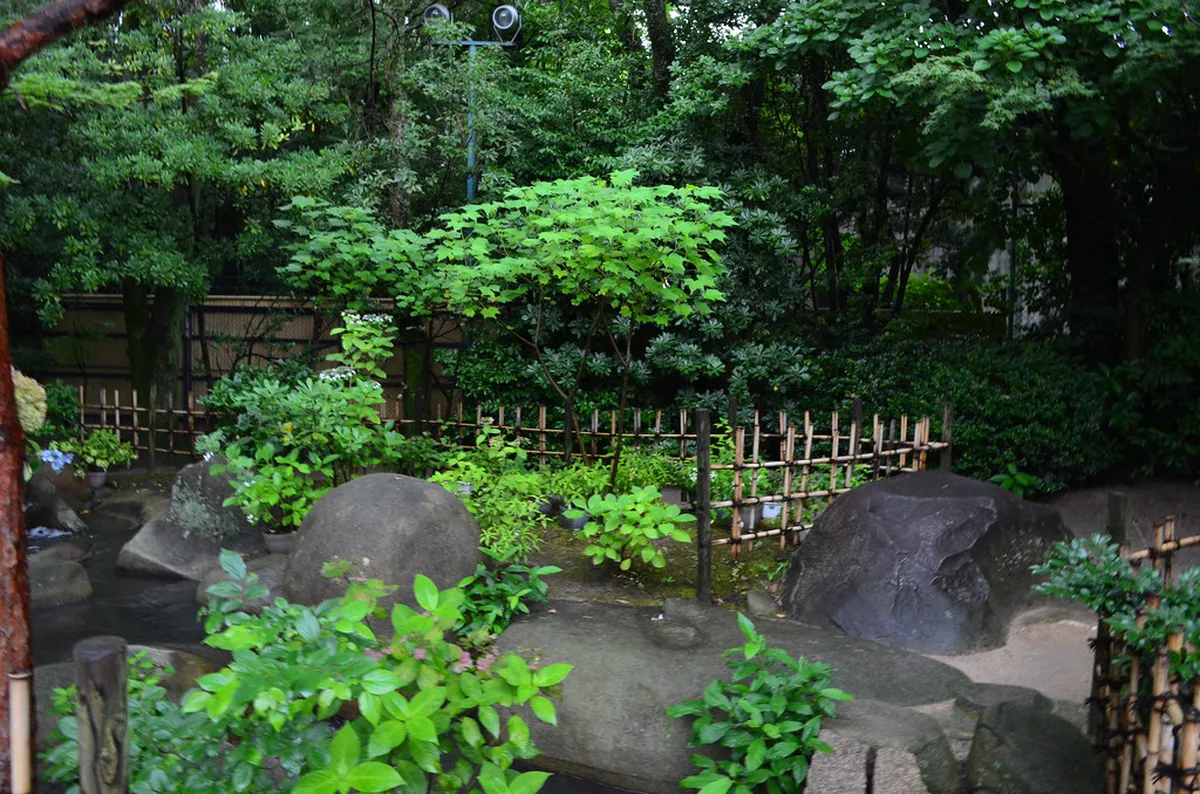
You can walk across the miniature bridges and watch the koi fish swimming in the central lake. This garden dates back to 1620 and was restored after the war to its former beauty. It is one of the 12 best things to do in Hiroshima for those seeking tranquility.
Consider stopping at the traditional tea house located within the garden grounds for a bowl of matcha (around ¥600 with a wagashi sweet). Sitting quietly while looking at the scenery allows you to process the morning's heavy emotions. This slow pace is vital for maintaining your energy for the rest of the evening.
2026 practical details for Shukkeien: Open daily 9:00 AM–6:00 PM (April-September) and 9:00 AM–5:00 PM (October-March), last entry 30 minutes before closing. Adult admission is ¥260, students ¥150, children free. The garden is a 10-minute walk from the Peace Park or one stop on the Astram line from Kencho-mae. Plan 60–75 minutes here — long enough for one full circuit of the central pond and a tea-house pause.
| Site | Adult entry (2026) | Opens | Emotional load |
|---|---|---|---|
| Hiroshima Castle | ¥370 | 09:00 | Low |
| Peace Memorial Museum | ¥200 | 08:30 (Mar–Jul) | High |
| Shukkeien Garden | ¥260 | 09:00 | Low (recovery) |
| Hiroshima Museum of Art | ¥1,000 | 09:00 | Low (buffer) |
| A-Bomb Dome (exterior) | Free | Always open | Medium |
The Hiroden streetcar one-day pass costs ¥700 in 2026 and covers every line in the city. It pays for itself by your fourth ride (flat ¥220 per single ride). The Meipuru-pu Loop Bus day pass at ¥400 is the better choice if you only plan three stops.
Evening: Best Okonomiyaki Options for Dinner
Dinner in this city is more than just a meal; it is a communal and uplifting experience. The local style of okonomiyaki is layered with noodles, cabbage, and savory batter on a hot griddle. Sharing this 'soul food' with locals helps shift the mood toward joy and connection.
Head to the famous Okonomimura building for a wide variety of stalls to choose from. Each floor features multiple chefs preparing their unique versions of this classic dish right in front of you. You can learn how to eat Hiroshima okonomiyaki like a pro before you arrive.
The lively atmosphere and the rhythmic sound of spatulas on the grill create a festive environment. It is the perfect way to end your day by celebrating the vibrant culture of the modern city. Most stalls are very welcoming to international visitors and offer English menus for convenience. In 2026, expect to pay ¥1,100–¥1,500 for a standard Hiroshima-style okonomiyaki with soba noodles, ¥1,600–¥2,000 with extra toppings like oysters or squid, and around ¥600 for a draft beer or a glass of local sake.
Reflective dinner alternative: If you finish the day feeling more contemplative than celebratory, consider a quieter set-meal restaurant in the Hatchobori arcade — kaiseki at Tomoya or hand-cut soba at Tsudanuma (¥1,800–¥2,800 mains) lets you sit and process rather than dive back into noise. Either choice closes the emotional arc; pick by how you feel at 5:30 PM, not by what you planned at 9:00 AM. For a fuller evening route, you can walk Aioi-dori back to the illuminated A-Bomb Dome around 8:30 PM — the floodlit ruin against a black sky is a fitting final image of the day.
Can I See Miyajima as Well or Do I Need to Add a Day?
Many travelers wonder if they can fit both the city center and Miyajima Island into a single day. While it is physically possible, doing so often sacrifices the emotional pacing we have discussed. Rushing between these two major sites can lead to exhaustion and a less meaningful experience.
If you have high energy levels and start your day very early, a combined trip might work. You would need to visit the island first to catch the morning high tide at the famous gate. Review how to visit Itsukushima Shrine to plan around the local tide tables.
For most sensitive travelers, adding a second day is the much better option for a balanced trip. This allows you to spend a full morning at the Peace Park without checking your watch constantly. You can then enjoy the island's mountain trails and shrines at a much more relaxed pace.
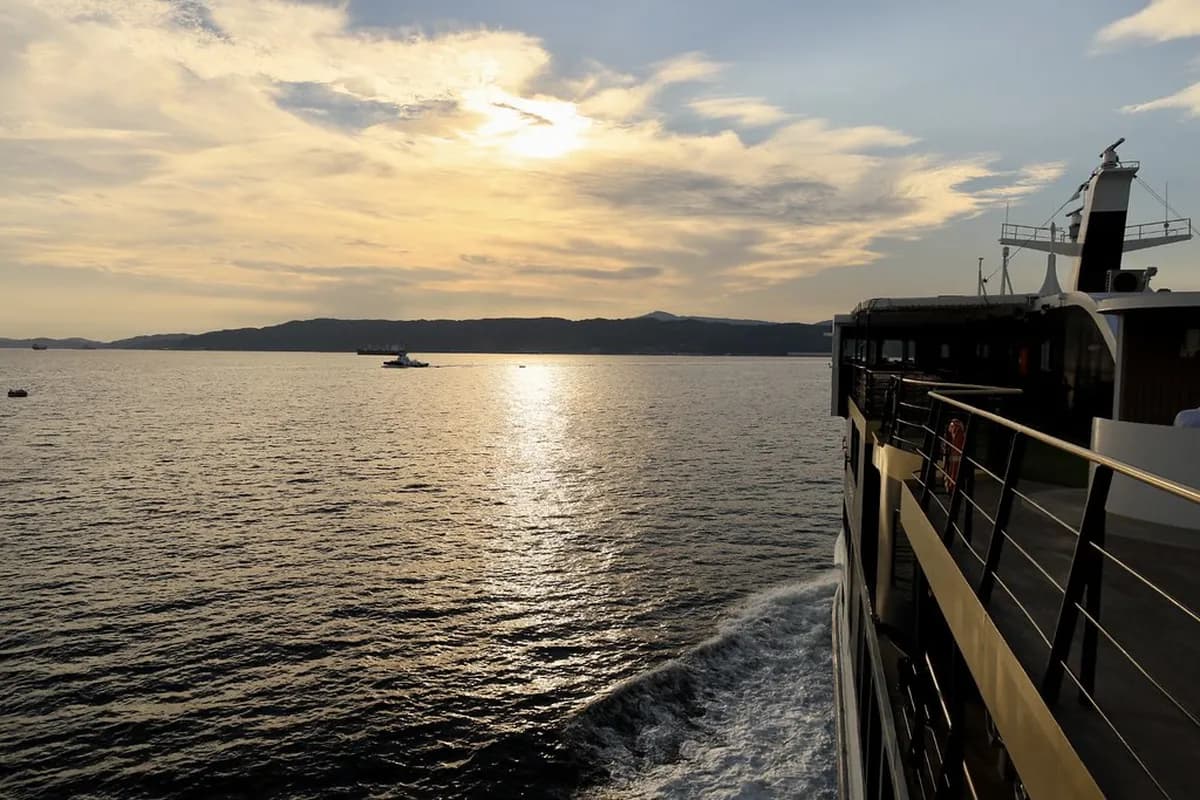
Logistically, the JR ferry from Miyajimaguchi runs every 15 minutes, takes 10 minutes one-way, and is ¥200 each way (the rival Matsudai ferry is the same price and runs the same frequency). From Hiroshima Station, the JR Sanyo line to Miyajimaguchi is 25 minutes and ¥420; the Hiroden streetcar is cheaper at ¥280 but takes 70 minutes. A realistic combined day means leaving the Peace Park no later than 2:00 PM, returning to the city by 6:30 PM — doable, but you will skip Shukkeien entirely and lose the decompression layer.
- Miyajima Decision Matrix for Travelers
- Option: Hiroshima City Only
- Energy: Low to Medium
- Focus: Deep historical reflection
- Pacing: Very Relaxed
- Miyajima and City Combined
- Option: Combined Day Trip
- Energy: Very High
- Focus: Major highlights only
- Pacing: Fast and Rushed
Visiting On or Near August 6
If your day trip lands on August 5 or August 6 the city operates differently and most itineraries fail to flag this. The Peace Memorial Ceremony runs in the central park from 8:00 AM to 8:50 AM on August 6, with security perimeters in place from 5:00 AM around the Cenotaph. Public access to the ceremony lawn is by ticketed seat only; standing zones outside the perimeter open at 7:00 AM and fill before 7:30 AM. The museum opens at 7:30 AM that morning instead of 8:30 AM.
Streetcar service near the park is rerouted from roughly 6:00 AM to 10:00 AM on the 6th — the Genbaku-Dome-mae and Hondori stops are skipped, and trams reroute via Hatchobori. Plan to walk in from Hatchobori or take a Meipuru-pu bus along the alternate green route. After 9:00 AM the city slowly returns to normal, but the museum often hits capacity by 11:00 AM and queues stretch 45 minutes by midday. The lantern-floating ceremony on the Motoyasu River from 6:30 PM that evening is open to the public and is genuinely the most moving way to close the day — bring a 100-yen coin for a paper lantern of your own.
If you have any flexibility, shifting your day trip to August 4 or August 8 gives you the same atmosphere with half the crowd and full streetcar service. Hotel rates spike 60–100 percent on the 5th and 6th, so day-tripping from Osaka actually beats overnighting that week.
Visiting Hiroshima with Children or Sensitive Travelers
Families visiting the city should prepare their children for the emotional nature of the memorial sites. It is helpful to focus on the message of future peace rather than just the destruction of the past. The Children's Peace Monument is a particularly relatable spot for younger visitors to explore.
Sensitive travelers might find the graphic nature of some museum exhibits to be quite difficult to process. You can choose to skip certain wings of the museum if the emotional load becomes too heavy. Always prioritize your mental well-being over seeing every single display in the building.
For a lighter cultural break, consider a visit to the Hiroshima City Manga Library. This unique facility offers a massive collection of comics that provide a different look at Japanese culture. It is an excellent 'quiet zone' for anyone needing a mental reset during the day.
Where to Stay in Hiroshima (If Staying Overnight)
Staying overnight allows you to experience the city when the day-trip crowds have finally departed. The area around Hatchobori is ideal for those who want to be near the best dining and shopping. You will find plenty of modern hotels that cater to international guests in this central district.
If you prefer to be close to transportation, the hotels near the main station are very convenient. This choice is perfect for travelers catching an early Shinkansen to their next Japanese destination. You can find hotels in Hiroshima that fit a wide range of budgets and styles.
For a more atmospheric stay, look for accommodations within walking distance of the Peace Memorial Park. Staying here allows you to visit the Atomic Bomb Dome late at night when it is beautifully illuminated. The quiet streets in the evening offer a completely different perspective on the city's character.
Downloadable Walking Map and Practical FAQs
Having a clear plan for your walking route helps reduce the stress of navigating a new city. Most major sites are located within a relatively compact area that is easy to explore on foot. You can also use the local sightseeing bus to bridge the gaps between the castle and the park.
Remember to check the hiroshima travel budget if you are deciding between solo travel or a guide. A private tour can provide deeper context but might be more expensive for solo travelers. Budgeting early helps you make the best choice for your personal needs and comfort.
We recommend starting your walk at the Castle and moving south toward the Peace Park area. This flow follows the historical timeline of the city and ends near the best dinner spots. Keep a digital map handy to find the nearest streetcar stop whenever you need a break from walking.
Frequently Asked Questions
How do you pace a visit to the Hiroshima Peace Museum?
Start with a light activity like the Castle to ground yourself before entering the museum. Spend about 90 minutes inside, but take breaks if the emotional load feels too heavy. Follow your visit with a walk in Shukkeien Garden for decompression. This balance is key for sensitive travelers.
Is it better to visit the Peace Park in the morning or afternoon?
Midday is often the best time for the Peace Park after you have seen the pre-war history at the Castle. Visiting in the morning helps you avoid the largest tour groups that often arrive after 11:00 AM. Afternoon visits allow for a seamless transition into a relaxing dinner.
Can you do Hiroshima and Miyajima in one day without rushing?
It is very difficult to see both in one day without feeling rushed and exhausted. Most travelers find that a combined trip sacrifices the emotional depth of the memorial sites. If you only have one day, prioritize the city center for a more meaningful experience.
What are the best quiet spots in Hiroshima for reflection?
Shukkeien Garden and the Gokoku Shrine are the best places for a quiet moment of reflection. The riverbanks near the Atomic Bomb Dome also offer benches where you can sit and process your thoughts. These zones provide a necessary escape from the busier tourist areas.
Is Hiroshima depressing to visit for a day?
While parts of the visit are somber, the overall message of the city is one of hope and peace. Seeing the modern recovery and the vibrant food culture at Okonomimura is truly inspiring. Most visitors leave feeling deeply moved rather than simply depressed by the experience.
When should I skip the full Peace Memorial Museum?
Skip the full Main Building if you are travelling with children under 10, are highly trauma-sensitive, or only have a half-day in Hiroshima. The East Building covers historical context and post-war recovery without the most graphic artifacts and works as a 30–45 minute alternative for ¥200. You can still walk the outdoor Peace Park, the Cenotaph, and the Children's Peace Monument to honor the message. Combining the East Building with a longer Shukkeien Garden visit gives you the meaning without overload.
What are the best post-museum spots for decompression?
The strongest decompression spots are Shukkeien Garden (¥260, 10 minutes east — landscape ponds and a tea house), the Motoyasu River promenade just north of the museum (free, benches with A-Bomb Dome views), and the Hiroshima Museum of Art near the castle (¥1,000, calm Impressionist galleries). Avoid heavy sites like the Children's Peace Monument crowds immediately after exiting the museum. A 60–90 minute green or quiet break before dinner is what most visitors say turned an exhausting day into a meaningful one.
Is this 1-day itinerary recommended for kids?
For children aged 10+, yes — with the East Building substitution above and a longer break at Shukkeien. For under-10s, swap the museum entirely for the outdoor Children's Peace Monument, the paper-crane offering ritual, and Hiroshima Castle's samurai exhibits, then move to Shukkeien and an early okonomiyaki dinner. Kids respond well to the message of paper cranes and recovery; graphic photographs inside the Main Building are not age-appropriate. Strollers are fine throughout the Peace Park; pack water and snacks since shaded benches are limited in summer.
How much should I budget for a 1-day Hiroshima visit in 2026?
Budget around ¥4,500–¥6,500 per person for entries, transport, and meals: Hiroshima Castle ¥370, Peace Memorial Museum ¥200, Shukkeien Garden ¥260, streetcar day pass ¥700, lunch ¥1,000–¥1,500, and dinner okonomiyaki ¥1,500–¥2,000. Add ¥10,000+ each way if you are coming by Nozomi Shinkansen from Osaka or Kyoto. The Hiroshima Sightseeing Loop Bus (Meipuru-pu) one-day pass at ¥400 is excellent value if you stop at multiple Peace Park sites.
A well-planned hiroshima 1 day itinerary for emotional pacing ensures you experience the city's full story. By balancing the weight of history with the beauty of nature, you create a more profound memory. The city's resilience serves as a powerful reminder of the human spirit's ability to recover.
Take your time at each site and listen to your own needs throughout the day. Whether you are eating okonomiyaki with locals or walking through a quiet garden, every moment counts. Your visit contributes to the global conversation about peace that this city champions every day.
We hope this guide helps you navigate your journey with empathy and practical ease. Hiroshima is a place that stays with you long after you have boarded your train home. Enjoy the local flavors, the quiet shrines, and the inspiring message of this unforgettable Japanese destination.
Free: The Hiroshima Essentials guide
Top things to do, where to stay, a perfect day plan, getting around, and the best time to go — a Hiroshima mini-guide you can take offline.
You might also like

Continue reading
More guides you'll find useful