Miyajima Day Trip From Hiroshima: 10 Essential Tips
Master your Miyajima day trip from Hiroshima with our guide to tide times, Mount Misen hiking, ferry logistics, and 10 essential planning tips for a crowd-free visit.
On this page
A miyajima day trip from hiroshima is the single most-booked side trip on the Sanyo route, and the difference between a rushed two-hour tick-box and a memorable visit comes down to ferry timing, tide tables and how late you stay. This 2026 guide walks through both the logistics and the experience, with prices, train times and trail notes verified after a spring 2026 visit.
You will leave Hiroshima Station, ride 25 minutes on the JR Sanyo Line, walk 5 minutes to the pier, and step onto a 10-minute ferry across the Seto Inland Sea. The destination is Itsukushima, a UNESCO World Heritage island where wild sika deer, a vermilion floating torii, and Mount Misen's 535-metre summit sit inside a single day's walking radius.
The ten tips below cover what to see, where to skip the crowds, how to plan around the tide, and the small budget and luggage tricks that competitor guides routinely miss. Read it once before you book, and once on the train out.
1. Must-See Miyajima Attractions
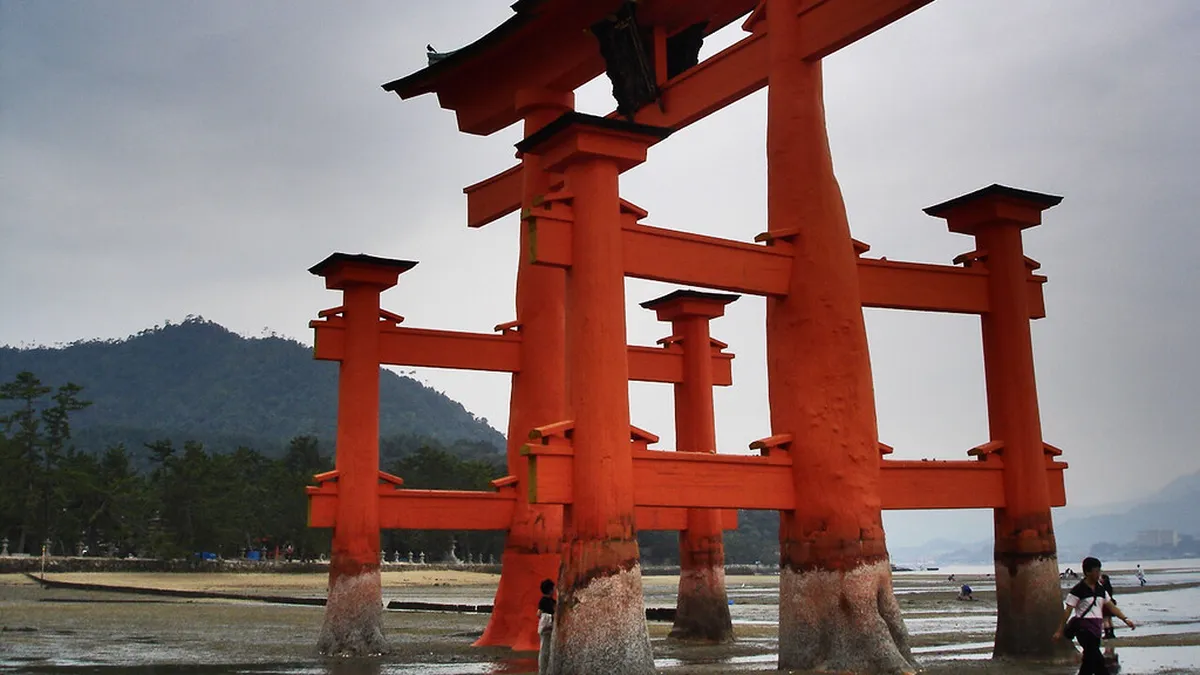
The Itsukushima Shrine and its Great Torii Gate are the centerpiece of any visit. The shrine itself opens at 06:30 daily and entry costs 300 yen; the corridors of vermilion-lacquered wood and the Noh stage suspended over the tideline take 45-60 minutes to walk through properly. Pair the visit with the Treasure Hall (300 yen, 09:00-17:00) and Senjokaku Hall on the hill behind it for context most day-trippers skip.
The Great Torii itself was last restored in late 2022 after three years of scaffolding, so 2026 visitors finally see it scaffold-free. Check the Miyajima tide times before you board the ferry: high tide makes it appear to float, low tide lets you walk to its base in sandals. Most photographers want both, which means timing your day to catch one of each cycle.
After the shrine, head to the Miyajima Ropeway for the easy ascent up Mount Misen, or follow the Daisho-in trail on foot. A typical island loop also takes in Daisho-in Temple at the foot of Misen, the five-storey Goju-no-to pagoda, and the deer-grazed shoreline north of the ferry pier.
2. Museums, Art, and Culture in Miyajima
The Itsukushima Shrine Treasure Hall holds more than 4,000 designated cultural properties: ancient masks, lacquered armor, and sutras donated by the Taira clan in the 12th century. It is a 90-second walk from the shrine exit and rarely busy, even on peak weekends.
The Miyajima History and Folklore Museum (300 yen, closed Mondays) sits inside a restored Edo-period merchant house and covers the local oyster industry, Shinto pilgrimage routes, and traditional fishing tools. Its inner garden is a quiet lunch stop when the streets are full.
For Buddhist art, Daisho-in Temple is open daily and free. The Henjokutsu Cave inside the complex contains 88 statues representing the Shikoku pilgrimage, with sand from each of the 88 temples placed under the floor — walking the cave is treated as a one-day proxy for the multi-week pilgrimage.
3. Parks, Gardens, and Outdoor Spots in Miyajima
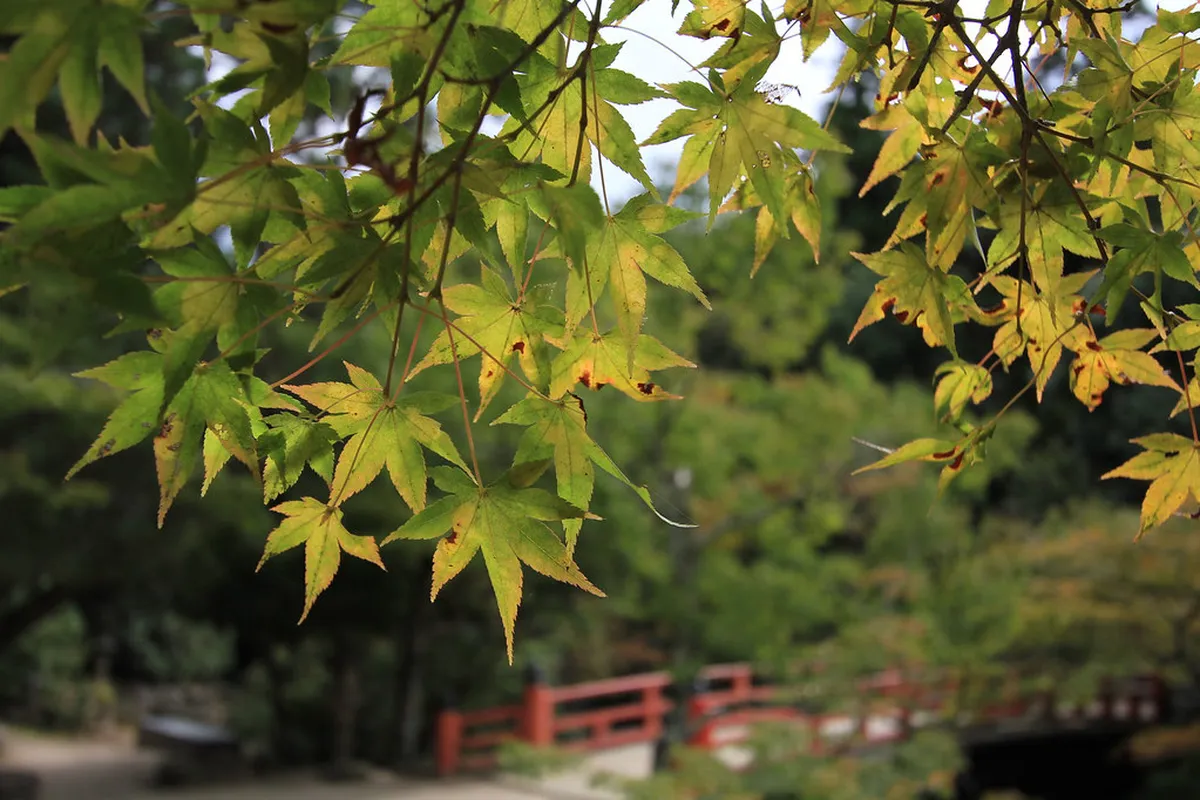
Momijidani Park, named for its 200-plus maple trees, sits between Itsukushima Shrine and the ropeway base station. Peak red foliage usually arrives in the third week of November; cherry blossoms hit in early April. Entry is free and the park stays open 24 hours.
For active visitors, the Misen routes detailed in our Mt. Misen cable car guide matter more than the ropeway brochure. The Momijidani trail is the most popular at 1.6 km and 90 minutes up; the Daisho-in trail is steeper but quieter; the Omoto trail is the longest at 3 km and the best for solitude and old-growth forest.
Wild sika deer roam every park and beach. Unlike Nara's deer, these are no longer fed by humans by local ordinance — they will, however, eat any paper map, ticket or tissue left in an open pocket. Keep tickets zipped away and never offer food.
4. Family-Friendly and Budget-Friendly Options in Miyajima
The Miyajima Public Aquarium ("Miyajima Suizokukan") is the best wet-weather and family option on the island. Adult tickets are 1,420 yen, children 710 yen, with a small Sumida-style finless porpoise tank, harbor seals, and a hands-on tide-pool zone. It is a 10-minute walk west of the shrine and almost always quieter than the shrine corridors.
For a free day, build the loop around deer-watching at the ferry pier, the public shoreline path, Momijidani Park, the outer grounds of Itsukushima Shrine (the corridor itself is the only paid section), and Daisho-in Temple. That sequence costs zero yen and still fills 5-6 hours.
Budget eaters can pick up onigiri and sandwiches from the Lawson and 7-Eleven near Miyajimaguchi Station before the ferry — both are cheaper than every island shop. On-island, the standard Momiji Manju maple-leaf cakes start at around 100 yen each at any of the half-dozen Omotesando bakeries.
5. How to Plan a Smooth Miyajima Attractions Day
JR Pass holders board the JR West ferry free — but still pay the separate ¥100 Miyajima visitor tax at the gate on arrival. The "Miyajima Free Pass" (¥2,000 at JR Hiroshima Station) covers the round-trip train, both ferry legs, and the visitor tax if you are paying without a JR Pass.
Two ferry companies cross from Miyajimaguchi pier to the island: JR West Miyajima Ferry and Matsudai Kisen. Both run roughly every 15 minutes from 06:25 to 22:42, and both take 10 minutes. The JR ferry is included on the Japan Rail Pass; the Matsudai ferry is not.
| Ferry Option | One-Way Fare | JR Pass | Notes |
|---|---|---|---|
| JR West Miyajima Ferry | ¥200 | Free | Pier 1; passes near the Great Torii 09:10–16:10 |
| Matsudai Kisen Ferry | ¥200 | Not covered | Pier 2; slightly faster boarding on weekends |
| Hiroshima World Heritage Sea Route | ¥2,200 | Not covered | 45 min from Peace Memorial Park; 8 sailings/day |
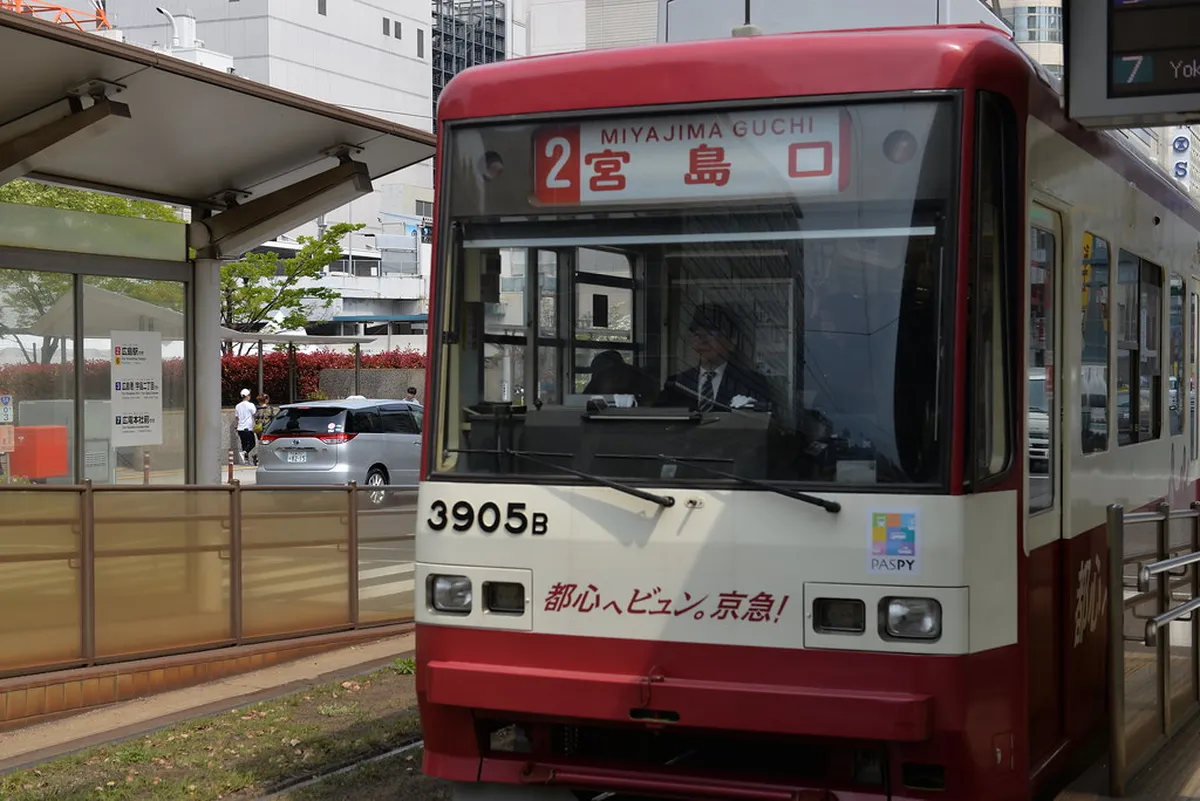
For most travelers the JR Sanyo Line + JR ferry combination is fastest and cheapest if you hold a JR Pass. The streetcar option is described in our guide on how to get around hiroshima by streetcar and bus; expect 70 minutes versus 25 on the train. Aim for the 07:30 train out of Hiroshima Station to land at the shrine before the 09:00 tour-bus wave.
6. JR Pass and the Miyajima Visitor Tax: What Changed
One detail almost no English-language guide updates: since October 2023 every visitor over six years old must pay a 100-yen Miyajima Visitor Tax on arrival, and this surcharge is not covered by the JR Pass. JR Pass holders board the ferry free, then tap an IC card (Suica, Pasmo, ICOCA) or drop a 100-yen coin at the gate machine on the Miyajima side. The fine for skipping it is 500 yen plus the original tax.
If you are buying a one-day excursion, the smartest combo in 2026 is the "Miyajima Free Pass" sold at JR Hiroshima Station: 2,000 yen covers the round-trip JR train from Hiroshima, both legs of the JR ferry, and the visitor tax. It only pays off if you skip the JR Pass and go IC-card-only, but it removes three small queueing decisions.
Children under six are exempt, and the tax only applies once per arrival, so a return ferry on the same day costs nothing extra. Carry 200 yen in coins per adult — gate readers occasionally reject foreign-issued contactless cards.
7. Grab a Map at the Ferry Terminal and Plan Your Itinerary
The free paper "Miyajima Walking Map" handed out inside the ferry terminal is genuinely better than Google Maps for this island. It marks the four Mount Misen trails by colour and difficulty, lists every public restroom (only six exist island-wide), shows where deer are most concentrated, and notes which Omotesando shops accept cards.
Pick up the English version at the information counter before you walk inland — the supply runs out by mid-afternoon on weekends. The same desk also has the latest illumination and high-tide schedules printed on a single A4 sheet.
If you want a deeper plan, our hiroshima and miyajima 1 day itinerary uses the same map's recommended counter-clockwise loop: shrine first, ropeway midday, Daisho-in descent, Machiya-dori on the walk back to the pier.
8. Allocate a Full Day for Miyajima Sightseeing
Do not haul wheeled suitcases onto the ferry. The deer chew strap-tags, pier ramps are steep, and the shrine corridors have a no-large-luggage rule. Use coin lockers at Hiroshima Station or the Hands-Free Travel desk at Miyajimaguchi pier (¥800, available until 17:00).
The single biggest mistake first-timers make is treating Miyajima as a half-day stop. A 4-hour visit covers the shrine, a quick deer photo, and the souvenir street — and misses Mount Misen, the sunset, and the empty post-tour-bus shrine. An 8-hour day is the threshold below which the island stops feeling worth the trip.
- 4-hour visit: shrine + Omotesando lunch + ferry back. Skips Misen, Daisho-in, sunset, and the empty corridors.
- 8-hour visit: shrine at 09:00, ropeway at 11:30, Daisho-in descent at 14:00, Machiya-dori coffee at 15:30, sunset at 18:30, last ferry at 19:30.
- Overnight: shrine illumination 19:00-23:00, Daisho-in dawn visit, Misen sunrise hike for the Seto Inland Sea cloud-sea on clear winter mornings.
If staying the night is impossible, push the return ferry to at least 19:30 in summer and 17:30 in winter so you catch the "Blue Hour" — the 30 minutes after the last tour group leaves and before the shrine illumination switches on, when the corridors are essentially empty and photographable.
9. Japan Luggage Guide: What Tourists Need to Know
Do not haul wheeled suitcases onto the ferry. The pier ramps are steep, the deer chew strap-tags, and the shrine corridors have a strict no-large-luggage rule. Drop bags before crossing and pick them up on the way back.
Coin lockers at Hiroshima Station's Shinkansen-side concourse run 400-700 yen for a full 24 hours and accept IC cards. Miyajimaguchi Station has 30 small and 12 large lockers (300/500/700 yen) clustered near the JR ticket gate; they are usually full by 10:00 on weekends. The "Hands-Free Travel" desk at the Miyajimaguchi pier accepts oversized bags for 800 yen until 17:00 and is rarely sold out.
On the island, the ferry terminal building itself has a smaller locker bank and a same-day baggage delivery counter to most Hiroshima hotels for 1,500-2,000 yen — useful if you are continuing from Miyajima to Hakata or Kyoto on the Shinkansen the next morning.
10. Wander the Back Streets and Catch the Sunset
Machiya-dori is the parallel back street one block inland from Omotesando. The architecture preserves Edo-period lattice windows, dark cedar shopfronts, and small galleries selling local woodblock prints and pottery. It is shoulder-empty even at noon when the main shopping road is wall-to-wall.
Walk it slowly toward the western shore for the best sunset spot most guides skip — the small breakwater near the Miyajima Public Aquarium frames the Great Torii against the setting sun without the crowd that gathers at the shrine viewing platform. Bring a thin layer; the sea breeze cools fast after 17:30 even in summer.
For a different angle on the gate entirely, the Miyajima Kayak half-day tour paddles directly under the torii at high tide. Their evening "Night Kayak" runs from late April to October and is the only way to legally pass under the gate after dark; book at least two weeks ahead.
Side Trips from Hiroshima for Every Traveler
If you have a second day, Iwakuni is the obvious extension: 25 minutes further south on the JR Sanyo Line, the Kintai-kyo wooden arched bridge dates to 1673 and is free with the JR Pass. It pairs architecturally with Miyajima's spiritual sites without repeating them.
Closer to base, the Peace Memorial Park and Museum deserve a separate half-day; combining it with Miyajima in 24 hours is emotionally exhausting and most travelers regret it. Our 2-day Hiroshima itinerary splits the two cleanly.
Cap the trip with okonomiyaki — Hiroshima's layered noodle-and-cabbage version is the city's signature dish. Our walkthrough on how to eat hiroshima style okonomiyaki like a local covers Okonomimura, Hassho, and the under-rated Hanako branch beside Miyajimaguchi Station for travelers heading straight back to the ferry.
Is a Miyajima Day Trip From Hiroshima Enough?
For a first visit, a well-planned 8-10 hour day covers the shrine, Mount Misen, Daisho-in, Machiya-dori and sunset. Anything shorter strips the island down to its postcard and leaves out the parts most repeat visitors say make it special.
Stay overnight if you want the illuminated shrine after 19:00, the empty dawn corridors before 08:00, or a Misen sunrise hike. Mid-range ryokan on the island start at around 22,000 yen per person with two meals; budget hotels at Miyajimaguchi run 8,000-12,000 yen and put you 15 minutes from the first ferry.
Travelers watching costs can compare totals using our hiroshima travel budget solo vs private guided tours guide. Hiking instead of taking the ropeway, packing a Lawson lunch, and timing the visit to the JR Pass turns an 8-hour Miyajima day into a 1,500-2,500 yen outing — the cheapest UNESCO World Heritage day in the country.
Pair this with our Hiroshima attractions hub to plan the rest of your trip.
Frequently Asked Questions
How do I get from Hiroshima to Miyajima?
Take the JR Sanyo Line from Hiroshima Station to Miyajimaguchi Station. From there, walk to the pier and board either the JR or Matsudai ferry. The total journey takes about 45 minutes.
What is the best time to visit Itsukushima Shrine?
Visit at high tide for the iconic floating appearance of the gate. Check tide tables in advance to coordinate your arrival. Early morning or late afternoon helps you avoid the largest crowds.
Can I see the deer on Miyajima?
Yes, wild deer roam freely throughout the town and park areas. They are generally friendly but will try to eat paper or food. Do not feed them as it can harm their health.
A miyajima day trip from hiroshima rewards travelers who plan around the tide, the JR ferry timetable and the late-afternoon emptying of the shrine. Skip the rushed half-day, build a full eight hours, and treat the back streets and Mount Misen as essential rather than optional.
Bring 200 yen in coins for the visitor tax, drop your luggage at Miyajimaguchi, and aim for the post-17:30 Blue Hour at the shrine. Done that way, the island remains one of the most rewarding day trips on Japan's mainland circuit.
Free: The Hiroshima Essentials guide
Top things to do, where to stay, a perfect day plan, getting around, and the best time to go — a Hiroshima mini-guide you can take offline.
You might also like


Continue reading
More guides you'll find useful