Kure Day Trip Yamato Museum and Naval History Travel Guide
Plan your kure day trip yamato museum and naval history with this expert guide. Includes timing, costs, and tips for a smooth Hiroshima excursion.
On this page
Kure is a fascinating coastal city located just a short train ride from central Hiroshima. This itinerary is built for first-time visitors who want to understand Japan's deep maritime roots in a single day. The Yamato Museum and the JMSDF Iron Whale Museum sit directly across from each other on the waterfront, which makes the trip unusually efficient. You will find plenty more options on our roundup of the 15 best things to do in Hiroshima while you are in the region.
This guide was last refreshed in May 2026 after a return visit on a quiet Wednesday morning. The 1:10 scale model of the battleship Yamato dominates the central hall at 26.3 meters, and the human-scale exhibits around it land harder than any photograph prepares you for. Kure feels distinctly different from central Hiroshima: more industrial, more reflective, and tied to active shipbuilding cranes still visible on the harbor.
One full day is enough to see both flagship museums, eat navy curry, and ride back to Hiroshima Station before dinner. The trick is timing your arrival around two specific closures and the school-group rush that fills the main hall by 11:00. The rest of this guide walks through the route, the exhibits, and the practical traps that often catch first-timers off guard. You can also slot Kure into a broader Hiroshima itinerary as the historical counterweight to Miyajima.
At a Glance: 1-Day Kure Naval History Itinerary
This summary gives you a quick read on how the day unfolds. Almost everything sits inside a 600-meter triangle on the Kure waterfront, anchored by Kure Station, the Yamato Museum, and the JMSDF Iron Whale Museum. Most travelers cover the whole route on foot.
The vibe is educational and reflective, not celebratory. Expect massive steel structures alongside intimate artifacts: handwritten letters from sailors who never returned, a recovered Type 0 fighter, and personal effects from the Yamato wreck. Wear comfortable shoes and a light jacket because the sea breeze cuts even on warm days.
Navy curry is the lunch ritual that ties the day together. Each Maritime Self-Defense Force ship has its own certified recipe, and several Kure restaurants are licensed to recreate them with the original spice ratios. It is hearty fuel for an afternoon of submarine ladders.
- Day 1: Steel giants and naval legacy
- Morning: Yamato Museum and the 1:10 scale battleship model.
- Midday: Certified navy curry near the waterfront.
- Afternoon: JMSDF Iron Whale Museum and a walk inside the JDS Akishio submarine.
- Late afternoon: Optional bus to Alley Karasukojima for active submarine views.
Essential Visitor Information: Getting to Kure
The fastest route from Hiroshima is the JR Kure Line. The Rapid Akiji Liner from Hiroshima Station reaches Kure Station in roughly 32 minutes and is fully covered by the Japan Rail Pass. From the platform, follow the elevated pedestrian deck for about ten minutes and you will arrive at the museum's front plaza without crossing a single road.
The Yamato Museum opens 09:00 and closes 18:00 (last entry 17:30). Adult admission is 500 yen, high schoolers 300 yen, and elementary or junior-high students 200 yen. Special exhibitions add 400-800 yen and sometimes use timed-entry slots during Golden Week and Obon. The neighbouring JMSDF Iron Whale Museum is free and runs the same daily hours.
Both museums close on Tuesdays. This is the single most common mistake first-time visitors make: they arrive on a Tuesday, find both flagship sites locked, and end up with an expensive train ticket and nowhere to go. If a national holiday falls on a Tuesday the museums stay open and shift the closure to Wednesday, so confirm the calendar before you commit. Once you are at the station, our guide on how to get around Hiroshima covers the local bus and streetcar logistics for the rest of the region.
Take the Ferry from Hiroshima Port to Kure Port
The ferry is the scenic alternative most rail-pass holders skip. Boats leave Hiroshima Port (Ujina) for Kure Port roughly hourly. The standard ferry takes about 45 minutes, while the Super Jet hydrofoil cuts it to 22 minutes for a higher fare. Both deliver you within a 12-minute walk of the Yamato Museum and offer a sea-level view of the Kure shipyard cranes that you simply do not get from the train.
The trade-off is logistics. You first need to reach Hiroshima Port via the Ujina-bound streetcar (Line 1 or 5), which adds about 25 minutes from Hiroshima Station and sits outside JR Pass coverage. The ferry itself costs 950 yen one-way (Super Jet 1,950 yen). Pick the ferry only if you are travelling without a JR Pass, if you are a maritime enthusiast who wants the harbor approach, or if you are pairing the trip with the Have Fun in Hiroshima Pass, which redeems one free one-way ferry ticket between the two ports.
- Best for first-timers with a JR Pass: take the Rapid Akiji Liner. It is the fastest and cheapest in net cost.
- Best for photographers and naval enthusiasts: take the standard ferry one-way and the train back.
- Avoid the Super Jet if you get seasick — the smaller hull pitches more on choppy days.
Both the Yamato Museum and the JMSDF Iron Whale Museum close every Tuesday (shifted to Wednesday when a national holiday falls on Tuesday). Arriving on the wrong day is the most common mistake. Always confirm on the official website before booking transport.
| Attraction | Entry | Hours | Closed | Time needed |
|---|---|---|---|---|
| Yamato Museum (permanent) | 500 yen adult | 09:00–18:00 | Tuesday | 60–90 min |
| JMSDF Iron Whale Museum | Free | 09:00–18:00 | Tuesday | 60–90 min |
| Irifuneyama Memorial Museum | 250 yen | 09:00–17:00 | Monday | 30 min |
| Alley Karasukojima Park | Free | Open daily | None | 30 min |
| Rekishi-no-Mieru-Oka viewpoint | Free | Open daily | None | 20 min |
Reaching Kure From Tokyo, Osaka, and Hiroshima Airport
Most of this guide assumes you are already based in Hiroshima, but a fair share of visitors day-trip into Kure straight from Tokyo or Osaka, or arrive through Hiroshima Airport rather than the city center. The Shinkansen and airport connections both funnel through Hiroshima Station, where you pick up the same JR Kure Line transfer described above.
From Tokyo Station, the Nozomi Shinkansen reaches Hiroshima Station in about 3 hours 50 minutes to 4 hours 10 minutes, with an unreserved one-way fare around ¥19,000. The Nozomi is not covered by the Japan Rail Pass; pass holders should take the Hikari instead, which adds roughly 40 minutes to the trip.
From Shin-Osaka, the Sakura or Hikari Shinkansen covers the same route in around 1 hour 20 minutes to 1 hour 40 minutes for about ¥10,010 one-way, and both trains are fully JR Pass-eligible.
Travelers flying into Hiroshima Airport should take the limousine bus to Hiroshima Station, a 45 to 55 minute ride for ¥1,450. There is no direct bus from the airport to Kure, so the JR Kure Line transfer is still required either way.
| Starting point | Route to Kure Station | Total travel time | One-way fare |
|---|---|---|---|
| Tokyo Station | Nozomi Shinkansen + JR Kure Line | About 4 hr 30 min | ≈¥19,700 |
| Shin-Osaka | Sakura Shinkansen + JR Kure Line | About 2 hr | ≈¥10,760 |
| Hiroshima Airport | Limousine bus + JR Kure Line | About 1 hr 30 min | ≈¥2,200 |
If your itinerary starts in Hiroshima proper, most travelers pair this trip with the city's core memorial sites the day before or after; our Hiroshima Peace Memorial Museum tickets and tips guide covers the timed-entry booking system for that stop.
Exploring the Exhibits: Beyond the Battleship Yamato
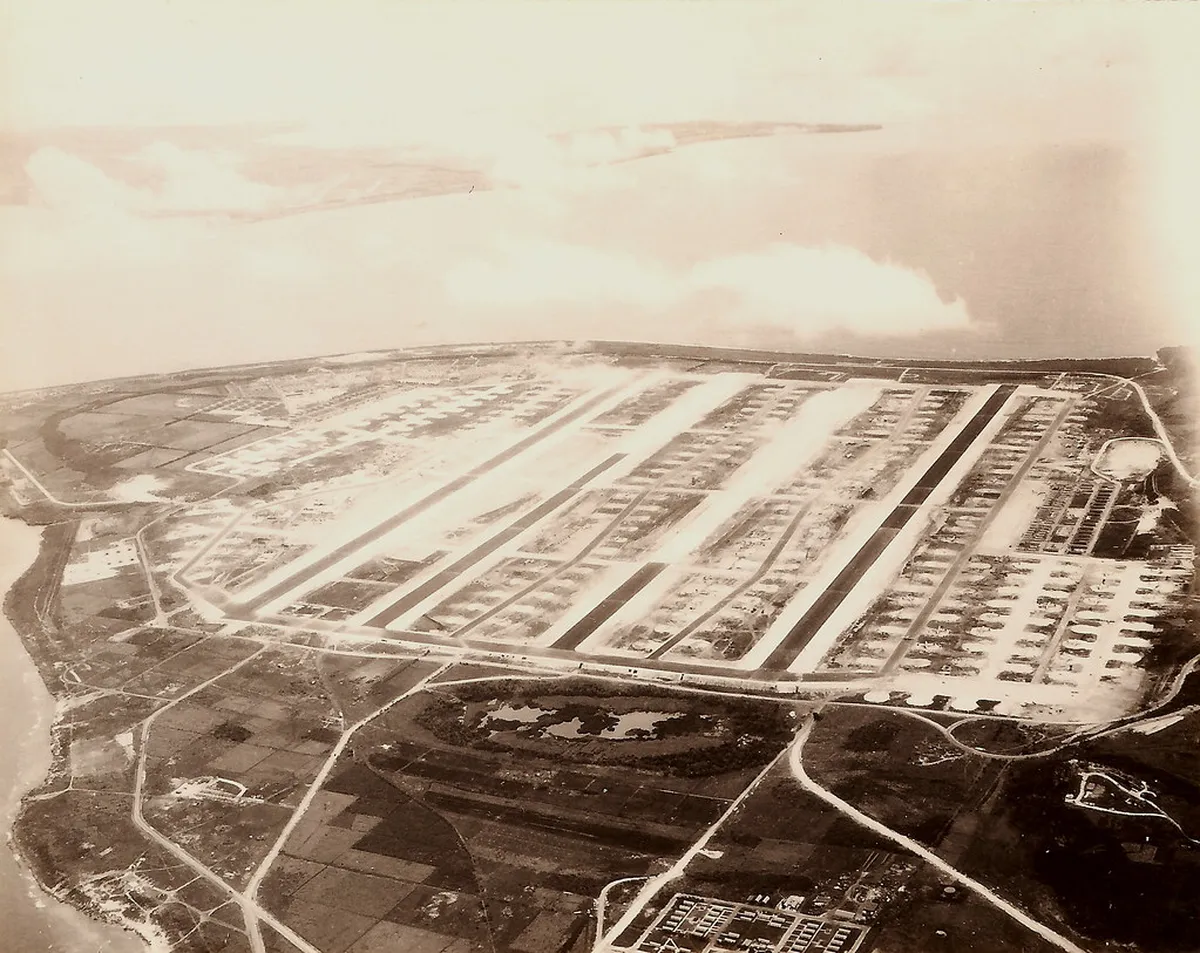
The 1:10 scale Yamato sits in the central hall and rightly steals the attention. Built from original blueprints and underwater wreck surveys, it stretches 26.3 meters with a walk-around viewing deck that lets you look down on the deck guns from above. Plan 30-40 minutes here on a quiet morning and closer to an hour during peak season.
The Large Objects Exhibition Room on the first floor is what surprises most visitors. It holds an authentic Mitsubishi A6M7 Zero Fighter Model 62 recovered from Lake Biwa in 1978, a Kaiten Type 1 human-steered torpedo, and a Kairyu midget submarine. These exhibits are presented soberly, with focus on the young pilots who flew them rather than on the technology itself.
The History of Kure section traces the city from a 19th-century fishing village to Japan's largest naval arsenal. Look for the small alcove of personal items recovered from the Yamato wreck site at 345 meters depth: uniform buttons, a sake cup, fragments of bulkhead. It is easy to miss between the larger displays but it lands hardest. The third floor flips the tone with a hands-on shipbuilding gallery aimed at children, including a ship-handling simulator that runs a guided harbor route in roughly five minutes.
The Yamato Museum Gift Shop and Its Ship Model Kits
The museum exit leads straight into a gift shop that doubles as a stop for scale-model builders. Because Kure was the naval arsenal where the real Yamato was built and launched, Japanese model manufacturers have produced dozens of Yamato kits over the decades, and this shop carries editions and detail parts that ordinary hobby stores do not stock.
- Standard 1/700 scale Yamato kits: roughly ¥3,000 to ¥8,000 depending on detail level and included photo-etch parts.
- Museum-exclusive editions: numbered packaging and museum-branded decals, priced around ¥6,000 to ¥12,000; these sell out during Golden Week and Obon.
- Navy curry to go: shelf-stable retort pouches of the same certified recipes served at waterfront restaurants, around ¥700 each.
- Reference books: photo volumes covering the underwater surveys of the wreck site that also informed the 1:10 scale model in the main hall.
Staff can point non-Japanese speakers toward the beginner-friendly snap-fit kits if a full plastic-cement build feels intimidating for a single afternoon. Budget 15 to 20 minutes for a browse, longer if you are traveling with a model-building enthusiast, and carry cash: several of the limited-edition kits and the smaller souvenir stalls near the entrance plaza do not accept foreign-issued cards.
Iron Whale Museum and Pacing Around Closures
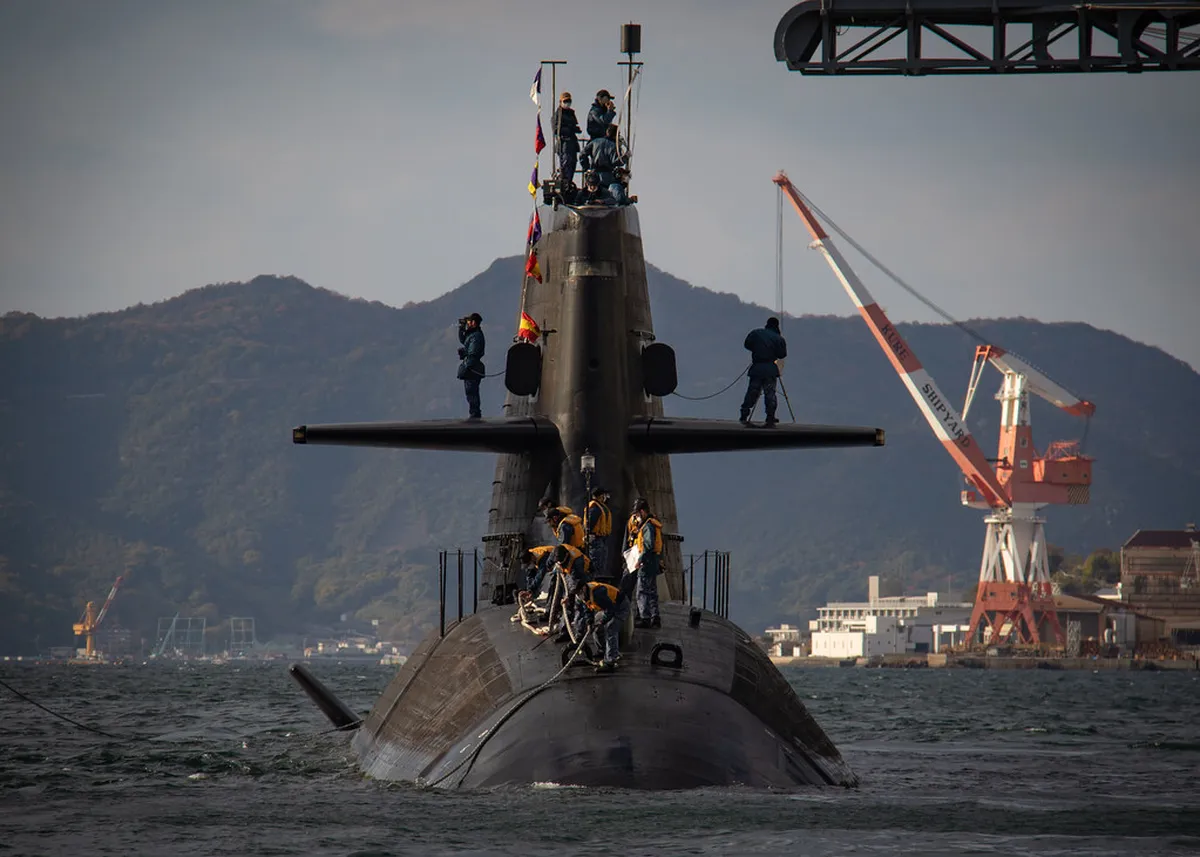
Directly across the plaza sits the JMSDF Kure Museum, known locally as Tetsu no Kujira-kan, or the Iron Whale. The 76-meter retired submarine JDS Akishio (a Yushio-class boat that served from 1986 to 2004) sits on dry land outside, and the museum's three floors cover minesweeping operations during the post-WWII clearance and Gulf War, plus daily life aboard a modern submarine. Allow 60-90 minutes. Admission is free.
One detail no other Kure guide flags: the walkthrough of the JDS Akishio requires climbing a steep, near-vertical metal ladder between decks. Travelers with knee or hip issues, anyone using a walker or wheelchair, and visitors with small children in carriers genuinely cannot complete the submarine portion. The dockside exhibits and ground-floor minesweeping galleries remain fully accessible, but plan for that split if anyone in your party has limited mobility.
The closure rhythm is the other edge case. Both museums close Tuesdays. Alley Karasukojima park, where active JMSDF submarines dock, is open daily, so a Tuesday visit can still salvage a naval-themed afternoon if you are already in town. The Yamato Museum also closes for several days each year for exhibit changeover, typically a long block in late June. Confirm dates on the official website before booking transport.
The Cultural Context: Kure's Naval Identity
For most of the 20th century Kure was a closed city. The construction of the Yamato was kept so secret that residents living within a kilometre of the dry dock did not know a battleship was being built behind the screens, and trains passing the harbor required passengers to lower their window blinds. That secrecy ended on March 19, 1945, when American carrier aircraft bombed the city and shipyard.
Today Kure presents its history with reflective neutrality. The Yamato Museum does not glorify warfare. It honors the craftsmanship of the workers and the lives of the sailors while acknowledging the human cost. This tone matches the broader "Peace Education" identity of the Hiroshima Prefecture, and it is why a visit here pairs naturally with a morning at the Peace Memorial Park rather than feeling tonally jarring.
The active shipyard cranes you can see from the museum's third-floor windows are the visual proof of Kure's pivot. The same docks that built the Yamato now build oil tankers and merchant vessels for global shipping. That continuity is the city's real story: a place that turned wartime engineering into post-war prosperity without erasing what came before.
Must-See Kure Attractions Beyond the Museum
The Irifuneyama Memorial Museum, a 12-minute walk uphill from the station, was the former residence of the naval commander-in-chief. Admission is 250 yen and the gardens make a pleasant 30-minute pause between the two main museums. The architecture is a rare surviving example of Meiji-era senior-officer housing.
Alley Karasukojima sits roughly 2 kilometers southeast of the station and is the only public spot in Japan where you can routinely see active submarines docked at close range. Take the Kure-bound bus from Stop 5 outside the station; the ride is about 12 minutes and costs 200 yen. The park is free, open daily, and quietest on weekday mornings.
The hillside viewpoint Rekishi-no-Mieru-Oka, or "Hill with a View of History," looks down on the original Yamato dry dock. It is a 25-minute walk uphill from the museum or a short taxi ride. The plaque markers explain what stood where during the war, and the panorama is the cleanest way to understand Kure's geography in a single sweep.
Certified navy curry restaurants in Kure must have each recipe approved by the captain of the originating ship. Look for 'Kaigun Curry' signs and ask which destroyer's recipe is on the menu — the Samidare beef-pork-chicken blend is the most accessible for first-timers.
Where to Eat: Navy Curry and Kure Reimen
Lunch in Kure means kaigun curry. The tradition goes back to the Imperial Japanese Navy, which served curry every Friday so sailors could keep track of the week at sea. The Maritime Self-Defense Force still does the same, and Kure restaurants serve "certified" versions tied to specific ships. Each recipe must be approved by the captain of the originating vessel before a restaurant can advertise it. The destroyer Samidare's beef-pork-chicken blend is the most accessible entry point. Curry is served with milk and a small salad in the traditional way.
Beacon Seaside Cafe sits two minutes from the Yamato Museum exit and offers harbor-view seating along with three certified curry options. Expect a 15-minute wait at peak lunch. For something different, Kure Reimen are flat cold noodles in a sweet-spicy soy broth, ideal for summer visits and unique to the city. Several shops cluster along Renga-dori shopping street five minutes from the station.
If you stay overnight, the yatai food stalls along Kuramoto-dori open after sunset and are the closest thing Kure has to a nightlife district. Expect ramen, oden, and grilled fish in cramped, friendly settings where the regulars will switch to English if you start the conversation. You can find more things to do in Hiroshima for first-timers for the rest of your evening.
Combining Kure with Hiroshima and Onomichi
The most common pairing is Kure as a half-day extension of a Hiroshima base. Spend the morning at the Peace Memorial Park, take the 13:00 train to Kure, and finish both museums by 17:30. This works because the emotional pacing flows naturally from the civilian aftermath of the bomb in Hiroshima to the naval and industrial backstory in Kure. We map out a similar emotional arc in our Hiroshima 1-day itinerary.
For a three-day Setouchi loop, treat Kure as the middle day. Day one: Hiroshima city and Miyajima. Day two: Kure museums plus a late-afternoon train to Onomichi. Day three: Onomichi temples or the Shimanami Kaido cycling route to Imabari. The total transit between cities runs about two hours, all on local JR lines.
If your time is tight, a Miyajima day trip tends to win out for first-timers because of the floating torii gate. Pick Kure instead if naval history, engineering, or 20th-century Japan is the actual reason you came to Hiroshima Prefecture; pick Miyajima if you want classic shrine-and-deer photography. Doing both requires either two full days or a very early start.
Frequently Asked Questions
How much does it cost to visit the Yamato Museum?
Admission for adults is 500 yen for the permanent exhibits. High school students pay 300 yen, while younger children can enter for 200 yen. Special exhibitions usually require an additional fee of around 400 to 800 yen.
Is the Iron Whale Museum free to enter?
Yes, the JMSDF Kure Museum, also known as the Iron Whale, is free. It is located directly across from the Yamato Museum. You should allow about 60 to 90 minutes to explore the submarine interior.
What are the operating hours for Kure naval attractions?
Most museums in Kure open at 9:00 AM and close at 6:00 PM. They are generally closed on Tuesdays. Always check the official website before visiting to confirm holiday hours or maintenance closures.
A Kure day trip delivers a tightly packed naval history lesson inside a single waterfront block, and the experience holds its own against any major museum in Tokyo or Kyoto. Build the day around an early-morning arrival, avoid Tuesdays, and budget time for both flagship museums plus a certified navy curry lunch. The 1:10 Yamato model alone is worth the train fare from Hiroshima.
If your trip extends beyond the day, slot Kure into a Hiroshima-Kure-Onomichi sequence to capture the full arc of the Setouchi region. The combination of peace memorial, naval engineering, and seaside cycling is one of the most thematically coherent multi-day routes in western Japan. Enjoy your visit to the historic port of Kure.
Free: The Hiroshima Essentials guide
Top things to do, where to stay, a perfect day plan, getting around, and the best time to go — a Hiroshima mini-guide you can take offline.
You might also like
Continue reading
More guides you'll find useful