
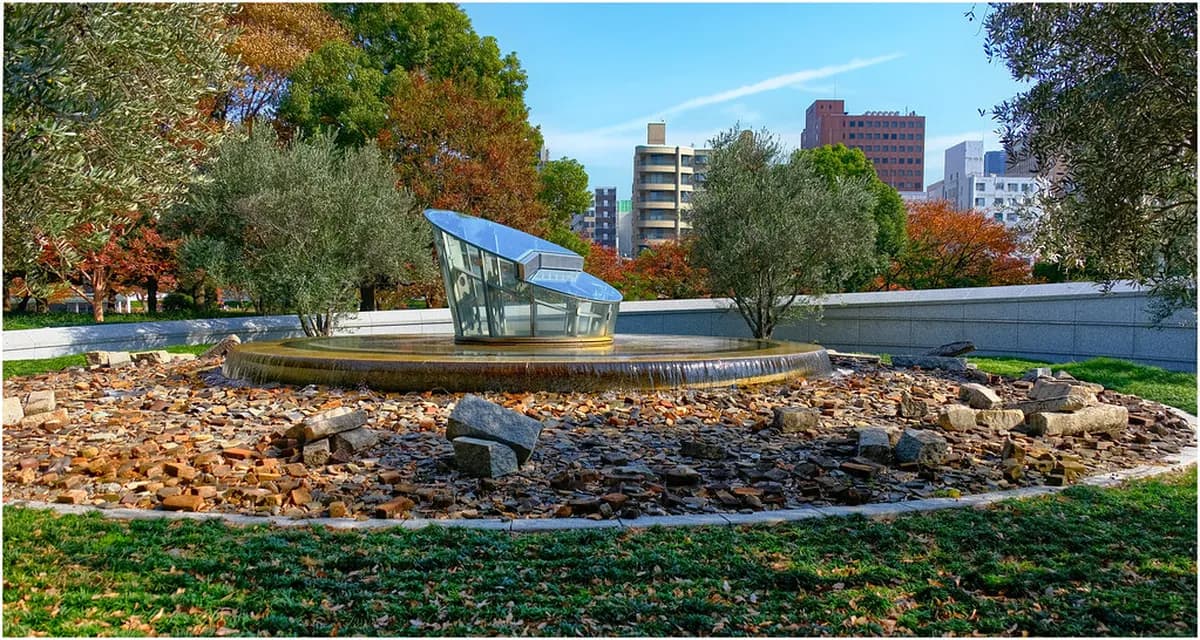
10 Essential Hiroshima Peace Memorial Museum Tickets and Tips
Plan your visit with our guide to Hiroshima Peace Memorial Museum tickets, pricing, and booking. Includes 10 essential tips for timing, etiquette, and park highlights.
On this page
Visiting Hiroshima offers a profound journey through history and hope for global peace. The Peace Memorial Museum stands as a central pillar for anyone traveling to this resilient city. Understanding the logistics of **hiroshima peace memorial museum tickets and tips** ensures a respectful and smooth experience. This guide covers everything from booking methods to managing the emotional weight of the exhibits.
Travelers often include this site in a broader list of things to do in Hiroshima during their stay. The museum underwent a massive renovation in 2019 to focus more on personal stories and human impact. Planning your visit carefully allows you to fully absorb the powerful messages within these walls. Let us explore how to navigate your tickets and time effectively at this world-renowned memorial.
The Significance of the Hiroshima Peace Memorial Museum
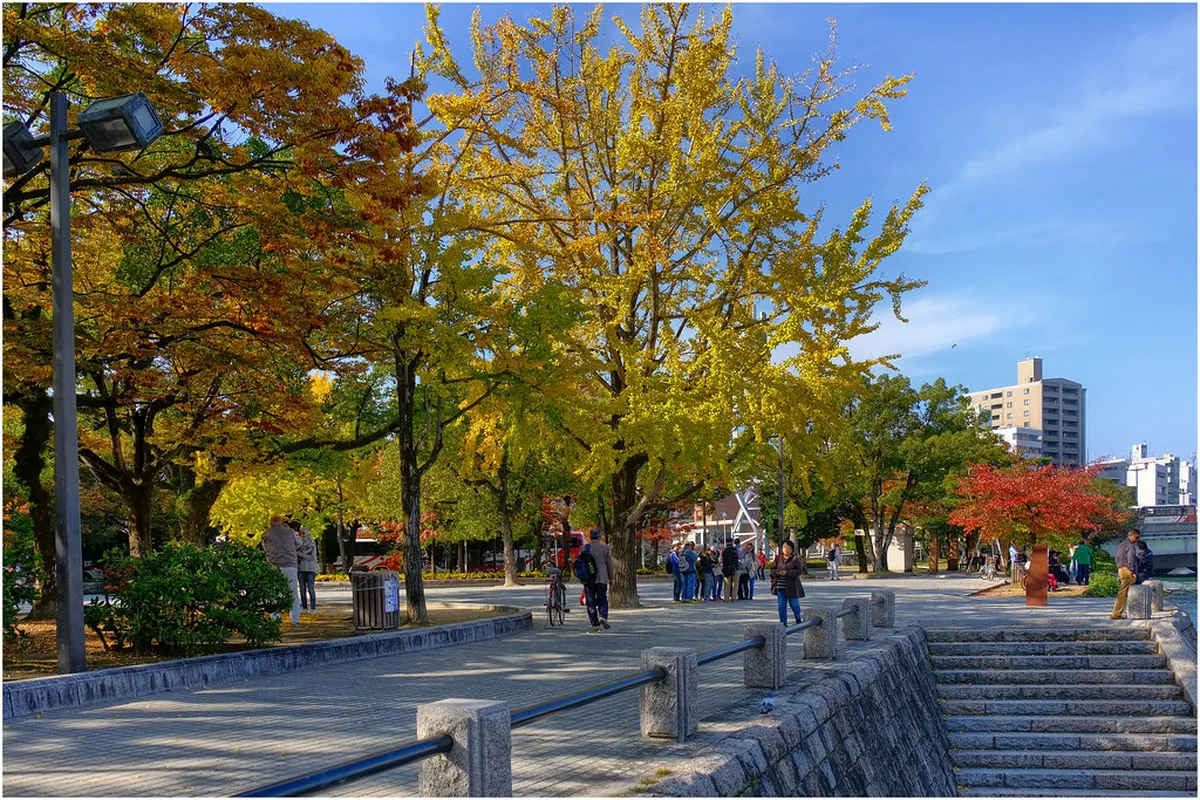
The museum serves as a global reminder of the tragic events that occurred on August 6, 1945. It is located within the Peace Memorial Park, which serves as a dedicated space for reflection. This area is one of the most important Hiroshima landmarks for understanding Japan's modern history. The exhibits focus on the reality of the atomic bombing and the pursuit of nuclear disarmament.
The nearby A-Bomb Dome remains a skeletal reminder of the blast and holds UNESCO World Heritage status. Walking through the museum allows visitors to see artifacts that survived the heat and pressure. These items tell the stories of individuals rather than just focusing on abstract statistics. The museum’s mission is to ensure that such a tragedy never happens again in human history.
Educational programs and survivor testimonies are core components of the museum's outreach efforts. Many visitors find that the personal belongings on display create a deep emotional connection. The narrative flow guides you from the city's pre-war life to the immediate aftermath and recovery. This transition highlights the incredible resilience of the people who rebuilt Hiroshima from the ashes.
Ticket Types and Admission Pricing
Admission to the museum is remarkably affordable, making it accessible to all types of travelers. Adult tickets currently cost 200 yen, which is roughly equivalent to two dollars. High school students can enter for a reduced rate of 100 yen with a valid ID. Junior high school students and younger children can visit the museum for free.
| Visitor type | Entry fee (2026) |
|---|---|
| Adults | ¥200 |
| High school students | ¥100 |
| Junior high school and under | Free |
| Audio guide (all visitors) | ¥400 (optional) |
Groups of 30 or more people may be eligible for further discounts on their entry fees. You should check the Official Hiroshima Peace Memorial Museum Website for the latest 2026 pricing updates. Special exhibitions held throughout the year might occasionally require a separate or additional fee. Most visitors find the standard admission price provides exceptional value for the depth of the experience.
Payment can be made using cash, major credit cards, or integrated circuit (IC) cards like Suica. Automated ticket machines at the entrance support multiple languages for ease of use. The staff are also available to help if you encounter issues with the machines. Keep your ticket handy as you may need to show it when moving between different buildings.
How to Secure Tickets: Klook vs. Official Site vs. On-Site
Securing your entry in advance helps you skip the queues that build at the East Building ticket counter from roughly 10:00 onward. Three routes exist in 2026, and they trade off price, queue time, and cancellation flexibility differently. Klook sells mobile vouchers you scan at the gate, the official museum site handles group reservations and special exhibition slots, and the on-site automated machines remain the cheapest direct option. Choose based on the season you visit and how locked-in your itinerary is.
Klook is the most common third-party route for English speakers and adds a small handling fee on top of the 200 yen base price, but the mobile ticket loads instantly and most listings allow free cancellation up to 24 hours before. The official site is best for groups of 30 or more and requires an email exchange in advance. On-site machines accept cash, IC cards, and major credit cards in multiple languages, but expect 15 to 30 minute waits on weekends, public holidays, and during the August 6 commemoration week.
- Klook mobile booking adds a handling fee but guarantees same-day entry, supports cancellation up to 24 hours out, and skips the cash-machine line entirely.
- The official museum portal at hpmmuseum.jp is the route for groups, school trips, and special exhibition reservations; individual visitors are still routed to on-site machines.
- On-site automated machines charge the base 200 yen with no fees but mean a real queue between 10:00 and 15:00, especially in cherry blossom and autumn leaf seasons.
If you arrive without a reservation, the fastest fallback is the machine just inside the East Building lobby on the right; the staffed counter behind it tends to draw longer lines from tour groups. Travelers planning a multi-stop day should book Klook the night before so a delayed shinkansen does not eat into a tight window.
Opening Hours and Seasonal Timing Tips
The museum typically opens at 8:30 AM and closes between 5:00 PM and 7:00 PM. Closing times vary depending on the month, with longer hours during the summer season. The museum is closed on December 30 and 31 each year for the holidays. Always verify the current schedule on the official site before you finalize your itinerary.
Arriving at 8:30 AM is the best way to experience the exhibits before the tour groups arrive. The first hour of the day is usually the quietest and most contemplative time for visitors. Alternatively, visiting in the final 90 minutes before closing can also offer a calmer environment. Midday often brings large school groups, which can make the narrow hallways feel quite crowded.
Arrive at 8:30 AM (opening) or after 16:00 to avoid the school-group window (10:00–13:30). Allow at least 90 minutes inside, and consider the ¥400 audio guide — the 2019 redesign removed most wall text in favour of audio storytelling tied to specific objects.
Allow at least two to three hours to walk through the entire museum at a steady pace. Some visitors spend even longer if they choose to listen to every audio guide entry. The emotional weight of the content may require you to take small breaks during your visit. Planning your visit for a weekday is generally better than choosing a Saturday or Sunday.
Days the Museum Closes and Visiting on August 6
The museum keeps one of the simplest closure calendars of any major Japan attraction: it closes on December 30 and December 31 each year for the New Year holiday changeover, then reopens on January 1 with normal hours, and takes a short break of around three days in mid-February for exhibit replacement — exact dates vary by year, so check the official calendar if visiting then. Unlike many temples, castles, and museums across Japan that shut for extended year-end breaks or a fixed weekly closure day, it stays open the rest of the year, including Mondays and national holidays.
| Date | Status |
|---|---|
| December 30 | Closed |
| December 31 | Closed |
| Mid-February (approx. 3 days) | Closed for exhibit replacement |
| January 1 | Open, normal hours |
| August 6 | Open, but expect heavy crowds and road restrictions nearby |
August 6 deserves special mention. This is the anniversary of the atomic bombing, and the Peace Memorial Ceremony takes place in the park that morning around the Cenotaph, drawing large crowds and temporary road closures along the streets bordering the park until roughly midday. The museum itself stays open on its usual schedule, but the East Building entrance can see longer queues than a typical weekday, and streetcar access from JR Hiroshima Station may be slower due to rerouted traffic. If your itinerary allows flexibility, visiting in the early afternoon on August 6, after the ceremony has concluded, tends to be calmer than attempting entry first thing in the morning. Travelers who prefer to avoid ceremony crowds entirely can simply choose any other date in early August, since the museum's exhibits and pricing remain unchanged year-round.
Emotional Preparation and Visitor Etiquette
The exhibits inside the museum are intentionally graphic to show the true horror of nuclear weapons. Many visitors find the experience deeply moving and emotionally exhausting. It is helpful to follow a Hiroshima 1-day itinerary for emotional pacing to balance your day. Taking time to process the information is just as important as the visit itself.
Maintaining a quiet and respectful tone is essential while walking through the galleries. Loud conversations and phone calls are discouraged to allow others space for reflection. Photography is permitted in some areas but strictly prohibited in sections with sensitive artifacts. Look for the clear signage that indicates where cameras are not allowed to be used.
If you feel overwhelmed, look for the 'Emotional Decompression' spots around the park. The riverbank near the Motoyasu River offers a peaceful place to sit and breathe. The Hiroshima Rest House is another quiet indoor space where you can sit and reflect. Allowing yourself this time helps in processing the heavy themes presented in the museum.
Navigating the Museum: What to Expect Inside
The museum is divided into the East Building and the Main Building. You will start in the East Building, which provides the historical background of Hiroshima. This section explains the city's role in the war and the events leading to the bombing. The transition to the Main Building marks the beginning of the more personal exhibits.
Renting the audio guide for 400 yen is highly recommended for all international visitors. The 2019 layout relies heavily on the audio guide to convey the stories behind the objects. Without it, you may miss the profound context of the small personal items on display. The guide is available in several languages, including English, Chinese, and French.
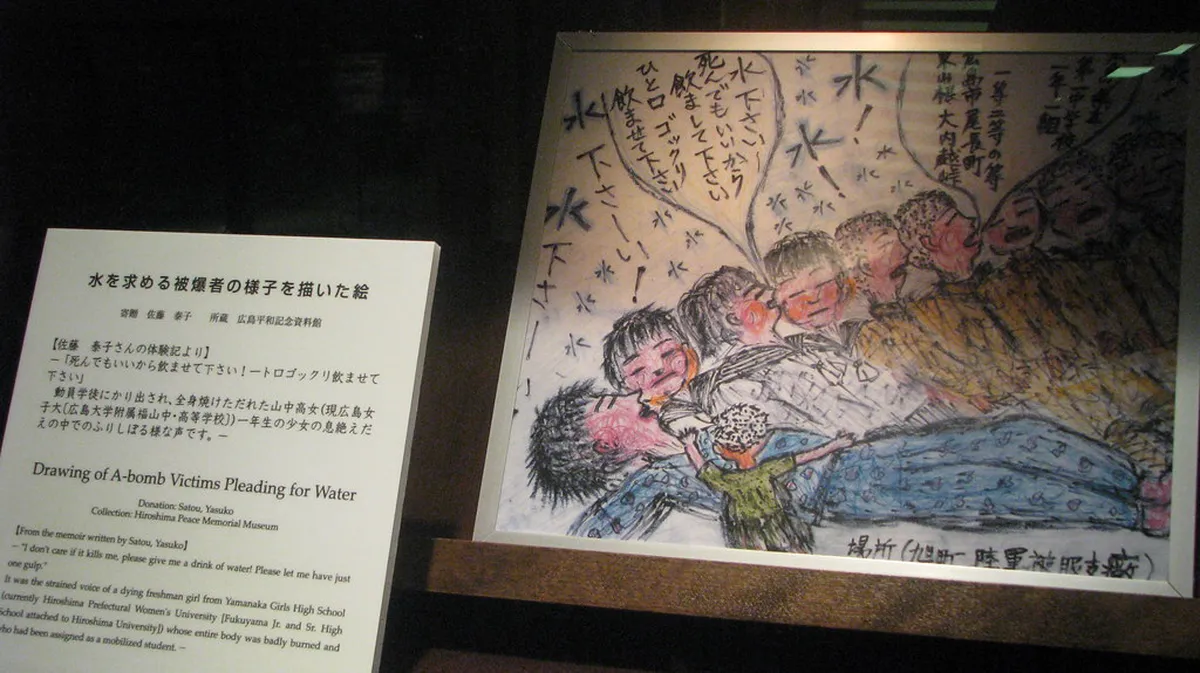
The Main Building features clothing, watches, and hair samples from the victims of the blast. These items are paired with testimonies from survivors, known as Hibakusha. The chronological flow ensures that you understand the immediate and long-term effects of radiation. The final sections of the museum focus on the current state of global nuclear affairs.
Exploring the Peace Memorial Park Monuments
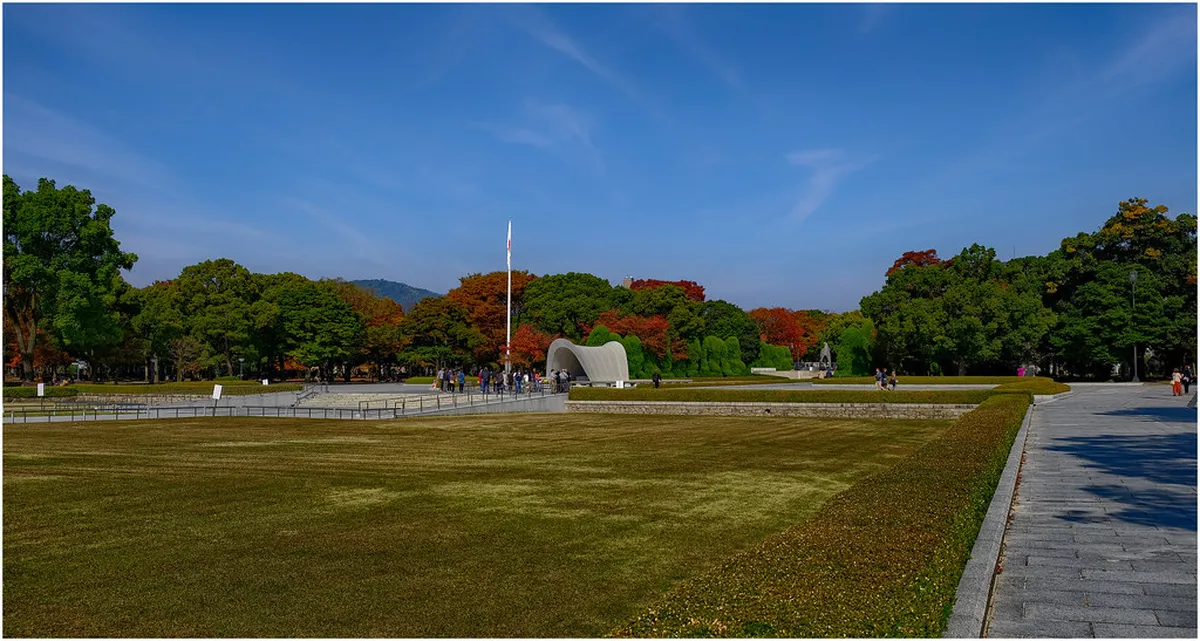
The museum is just one part of the larger Peace Memorial Park complex. After your museum visit, walk toward the Cenotaph for the A-Bomb Victims. This arched monument frames the Flame of Peace and the distant A-Bomb Dome. The flame will continue to burn until all nuclear weapons are vanished from the earth.
The Children's Peace Monument is another essential stop within the park grounds. It was built to commemorate Sadako Sasaki and the thousands of children who died. You can learn how to fold orizuru paper cranes to leave at the site. These colorful paper birds have become a universal symbol of peace and healing.
The Peace Bell is located nearby and visitors are encouraged to ring it for world peace. Its deep sound resonates throughout the park and provides a moment of focus. The park also contains various smaller memorials dedicated to specific groups and organizations. Wandering through these green spaces helps transition your mind back to the present day.
Practical Logistics: Getting to the Museum
Getting to the museum from JR Hiroshima Station is straightforward and takes about 20 minutes. The most popular option is the Hiroshima Streetcar, specifically lines 2 or 6. You should get off at the 'Genbaku Dome-mae' stop for the A-Bomb Dome entrance. Alternatively, the 'Chuden-mae' stop is closer to the museum's main entrance doors.
If you have a Japan Rail Pass, you can use the Hiroshima Sightseeing Loop Bus for free. The 'Meipuru-pu' bus has a dedicated stop right in front of the Peace Memorial Park. Travelers arriving from other cities can learn how to get to Hiroshima from Tokyo and Osaka via Shinkansen. The park is also within walking distance from the downtown shopping district of Hondori.
Using the local streetcar and bus system is the most authentic way to see the city. Fares are usually flat rates within the city center, making it very budget-friendly. Taxis are also widely available if you prefer a direct and private route to the park. Walking through the city allows you to see how much Hiroshima has flourished since 1945.
Nearby Attractions to Pair with Your Museum Visit
Most visitors budget two to three hours for the museum itself, which leaves room to pair the visit with a few nearby sights on the same day. Orizuru Tower, directly across the street from the Peace Memorial Park entrance, has a rooftop observation deck (around ¥2,200 for adults) looking back over the A-Bomb Dome and the park; the ground floor also lets visitors fold a paper crane to add to the tower's collection wall, a quieter alternative to the museum's more intense exhibits.
For travelers with a full day, Hiroshima Castle sits about a 25-minute walk, or a short streetcar-and-walk combination, from the park, with its reconstructed keep (entry around ¥370) housing samurai armor and city history exhibits across five floors. Shukkeien Garden, a compact Edo-period landscape garden near JR Hiroshima Station, charges roughly ¥260 admission and takes about 40 minutes to walk through at a relaxed pace, making it an easy stop on the way back to the station.
For lunch after a morning at the museum, Okonomimura, a multi-floor food hall a short streetcar ride away in the Hondori shopping arcade, packs in dozens of stalls serving Hiroshima-style okonomiyaki and is a practical way to decompress over food before continuing the day. Grouping these stops means the museum, park monuments, and one or two extra sights can realistically fit into a single day without rushing the museum experience itself, though travelers processing heavier emotional content may prefer to save the castle or garden for the following morning instead.
Accessibility and On-Site Amenities
The Hiroshima Peace Memorial Museum is fully accessible to visitors with mobility challenges. Elevators and ramps connect all levels of the East and Main buildings. Wheelchairs are available for rent at the information desk on a first-come, first-served basis. The wide corridors ensure that everyone can navigate the exhibits comfortably.
Coin lockers are located near the entrance for those carrying large backpacks or luggage. Small lockers cost 100 yen, while larger ones are available for a slightly higher fee. Storing your bags allows you to walk through the museum without physical distractions. The museum also provides nursing rooms and clean restroom facilities for families.
A small museum shop offers books, postcards, and educational materials related to peace. Proceeds from these sales help support the museum's ongoing educational missions. There is no cafeteria inside the museum, so plan to eat in the nearby downtown area. The Rest House in the park offers some light snacks and a place to sit.
Visiting with Children and Sensitive Visitors
The Main Building contains graphic photographs of burn injuries and confronting personal artifacts. The audio guide includes a "summary mode" at the entry kiosk that softens the most difficult descriptions — useful for sensitive visitors or families with older children.
The Main Building contains photographs of severe burn injuries, scorched school uniforms, and a wax diorama of three figures walking with their skin hanging from their bodies. The diorama was removed in the 2019 renovation, but the replacement photographs and projected testimonies remain confronting for younger children, neurodivergent visitors, and travelers managing PTSD. Knowing the physical layout in advance lets you sequence the visit so the heaviest content stays optional rather than unavoidable.
For families with children under roughly 10, start outside in the park and treat the indoor museum as the optional finale. Begin at the Children's Peace Monument, fold a paper crane, ring the Peace Bell, and walk to the A-Bomb Dome and the Cenotaph; this is age-appropriate context that lands without graphic imagery. If the children are engaged, enter only the East Building, which uses maps, a city model, and pre-bombing photographs rather than victim artifacts. Adults can rotate so one stays outside while the other does the Main Building alone.
Sensitive adult visitors should know that the route through the Main Building is essentially one-way and the most graphic photographs sit roughly two-thirds of the way through the personal-stories gallery. Pacing yourself by reading every audio guide entry helps; rushing tends to amplify rather than reduce the emotional impact. If you need to step out, staff will let you exit through marked side doors and re-enter without buying a new ticket as long as you keep the stub.
First-Timer Mistakes to Avoid
Most visitors come to Hiroshima for a single day from Kyoto or Osaka, and the museum is the first stop on most itineraries. The compressed schedule causes recurring mistakes that flatten the experience. The fixes are small, but they make the difference between a rushed two-hour stop and a visit you actually absorb.
- Do not pair the museum with Miyajima in the same morning. Most travelers try to bookend the day with both, but the emotional whiplash from atomic bomb exhibits to vermilion shrine gates is jarring. Visit the museum first thing at 8:30, then take the streetcar to Miyajima after lunch so the island's calm acts as decompression rather than competition.
- Skip the audio guide and you skip the museum's whole point. The 2019 layout removed most explanatory wall text in favor of audio storytelling tied to specific objects. The 400 yen rental is not optional; without it, the personal items lose their voice.
- Do not photograph the Main Building galleries even where it is technically allowed. Quiet visitors find phone shutters and flashes deeply intrusive in this space, and most survivor families have asked that personal artifacts not be circulated on social media.
- Avoid arriving between 10:30 and 13:30 if you can. School groups from across Japan arrive on chartered buses in this window and can fill the narrow corridors with 200 students at a time, making contemplation nearly impossible.
- Do not store your luggage at JR Hiroshima Station coin lockers if you arrived late morning. They fill by 10:00 in peak season. Use the lockers inside the East Building lobby or the larger storage at the Rest House across the park instead.
For related Hiroshima deep-dives, see our Hiroshima Castle visitor guide, Shukkei-en Garden visitor guide guides.
Frequently Asked Questions
Do I need to book Hiroshima Peace Memorial Museum tickets in advance?
While you can buy tickets on-site, booking in advance is highly recommended during peak seasons like spring and autumn. This helps you skip the long ticket machine lines and ensures a smoother entry. For more planning tips, check our Hiroshima itinerary guide.
How much time should I spend at the Hiroshima Peace Memorial Museum?
Most visitors spend between two and three hours exploring the exhibits. This allows enough time to listen to the audio guide and process the emotional content. If you are a history buff, you might want to set aside an entire morning.
Is the Hiroshima Peace Memorial Museum suitable for children?
The museum is educational, but some exhibits are very graphic and may be upsetting for younger children. Parents should use their discretion and perhaps focus on the park monuments first. The Children's Peace Monument is a very age-appropriate starting point.
Can I use the JR Pass to get to the Hiroshima Peace Museum?
Yes, the JR Pass covers the 'Meipuru-pu' sightseeing loop bus that stops at the park. This is a convenient and free way for pass holders to reach the museum from the station. The streetcars, however, are not covered by the JR Pass.
Visiting the Hiroshima Peace Memorial Museum is an essential experience for any traveler in Japan. By following these **hiroshima peace memorial museum tickets and tips**, you can focus on the message of the site. The museum serves as a bridge between the past and a future dedicated to global harmony. Take the lessons learned here with you as you continue your journey through this beautiful city.
Remember to allow yourself time for reflection after you leave the museum doors. The surrounding park offers many quiet corners to process the weight of the history you have witnessed. Hiroshima’s story is ultimately one of hope and the incredible strength of the human spirit. Safe travels as you explore the many layers of this historic and welcoming destination.
Free: The Hiroshima Essentials guide
Top things to do, where to stay, a perfect day plan, getting around, and the best time to go — a Hiroshima mini-guide you can take offline.
You might also like


Continue reading
More guides you'll find useful


