

Shukkeien Garden Hiroshima Visitor Guide: History, Tickets & Tips
Discover Hiroshima's Shukkeien Garden with our expert visitor guide. Includes history, seasonal highlights, ticket prices, and tips for the perfect walking tour.
On this page
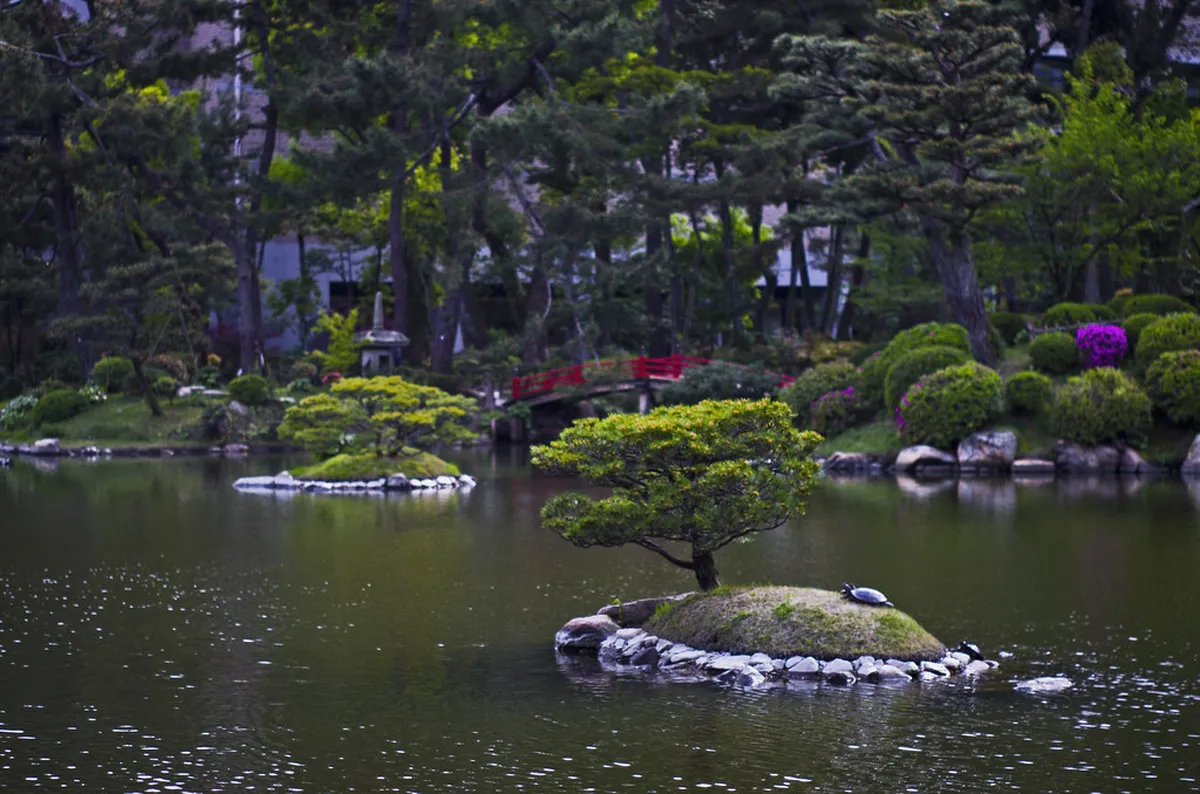
Shukkeien Garden compresses a 400-year-old Edo daimyo landscape into 40,000 square meters in central Hiroshima. The "shrunken-scenery" design rolls miniature mountains, valleys, bamboo groves and a small Mt. Fuji around a central pond, with the iconic Koko-Kyo Rainbow Bridge as its heart. Our wider Hiroshima visitor guide sets the route, and this page handles everything specific to Shukkeien.
Adult entry is 260 yen, the gate opens at 09:00, and the garden sits a 15-minute walk from JR Hiroshima Station. Most visitors stay 60 to 90 minutes, longer if you stop for matcha at Sensui-tei Cafe or cross into the adjoining Hiroshima Prefectural Art Museum on the combined ticket. The guide below covers history, the miniature landmarks to look for, seasonal events including the autumn night-time illumination, and the practical realities of gravel paths and steep stone bridges.
Shukkeien Garden Quick Facts
Use this snapshot to plan a visit before reading the deeper sections; the official Hiroshima tourism listing mirrors the same numbers in English. All prices and hours reflect official 2026 information from Shukkeien Garden's official webpage; double-check the site for any short-notice closures or event days.
- Address: 2-11 Kaminoboricho, Naka Ward, Hiroshima 730-0014
- Adult ticket: 260 yen; high school 150 yen; elementary and junior high 100 yen
- Combined ticket with Hiroshima Prefectural Art Museum: 610 yen (saves around 150 yen vs. separate tickets)
- Hours: 09:00 to 18:00 (April to September); 09:00 to 17:00 (October to March)
- Last admission: 30 minutes before closing
- Closed: 29 December to 1 January
- Designation: National Place of Scenic Beauty since 1940
- Size: about 40,000 square meters; central Takuei Pond with 10+ islands
- Typical visit length: 60 to 90 minutes for the loop, 2 to 3 hours with tea or the museum
- Annual visitors: roughly 250,000
The History and Origins of Shukkeien Garden
Daimyo Asano Nagaakira commissioned Shukkeien in 1620, the year construction of Hiroshima Castle's wider grounds was wrapping up. The Asano clan ruled the Hiroshima Domain for nearly 250 years and used the garden as their private retreat, a "lake residence" attached to their riverside estate. The site formally opened to the public in 1940, the same year it was designated a National Place of Scenic Beauty.
The garden has been rebuilt several times after fires (1758, 1783, 1940) and most catastrophically after the 6 August 1945 atomic bomb. The blast levelled the structures and stripped most of the canopy, yet many trees survived underground and re-sprouted within months. Wounded Hiroshima residents fled to the garden in the hours after the explosion seeking water and shade; some never left. A small memorial stone on the northern hilltop, overlooking the Enko River, honors the atomic-bomb victims who died here. Restoration ran from 1949 through the late 1970s, and the garden reopened in stages as the work progressed.
Travelers stitching together the city's wider story usually pair Shukkeien with the Peace Memorial Park; our guide to the top sights in Hiroshima sequences both for first-timers. Shukkeien's role in the bomb story is quieter than the dome, but the survivor trees and memorial stone make it the city's clearest example of regrowth after total destruction.
The designer Ueda Soko (1563-1650) was a samurai turned tea master who studied under Sen no Rikyu and Furuta Oribe before founding his own school of tea. He drew on West Lake (Xihu) in Hangzhou, China for the central pond's shape and the silhouette of distant peaks. Ueda Soko-ryu tea is still practiced today, 16 generations later, by a direct descendant; the lineage is the reason Seifukan tea house holds proper monthly ceremonies rather than tourist demonstrations.
Exploring the "Shrunken-Scenery" Landscapes
Shukkeien (縮景園) literally means "shrunken-scenery garden." The concept differs from a standard kaiyu-shiki (strolling) garden in one specific way: instead of arranging idealized natural elements, the designer compresses real, recognizable landscapes - West Lake in Hangzhou, the Seto Inland Sea coastline, Mt. Fuji - into a walkable miniature. You are meant to identify the references as you walk. For more on the underlying vocabulary, see Japanese garden design elements.
The path is a circular loop around Takuei Pond, the central body of water dotted with more than ten small islands. Side paths branch off into a bamboo grove, an herb garden (Yakuso-en, originally planted in 1663 to grow medicinal herbs for the lord), a rice paddy, and a small mountain valley with a stream simulating a river headwater. The transitions are tight; you cross from "coastline" to "deep mountains" in 20 paces.
Walking the loop counterclockwise keeps the Rainbow Bridge as your final reveal and puts the morning light over the bridge. Walking clockwise gets you the survivor Gingko early and saves the tea house terrace for late light. Either direction, plan to slow down: the rocks, pine pruning, and sight-lines are choreographed shot by shot, and the garden is built to reward visitors who pause at each numbered viewpoint rather than power-walking through.
- Miniature landmarks to spot during the loop:
- Mini Mt. Fuji: the small conical mound on the east side near the herb garden
- West Lake (Hangzhou): the entire central Takuei Pond and its arched bridge silhouette
- Seto Inland Sea coastline: the rocky west shore with low, weather-bent pines
- Mountain valley and waterfall: the stream feeding the pond from the north
- Bamboo forest of Sagano (Kyoto): the dense bamboo grove on the eastern path
- Sekisui-gan rock island: a Horai-style "crane stone" arrangement representing the three saints' isle
- Chozen-kyo island: largest island in the pond, modeled as a remote village
Seasonal Highlights: Sakura and Autumn Illuminations
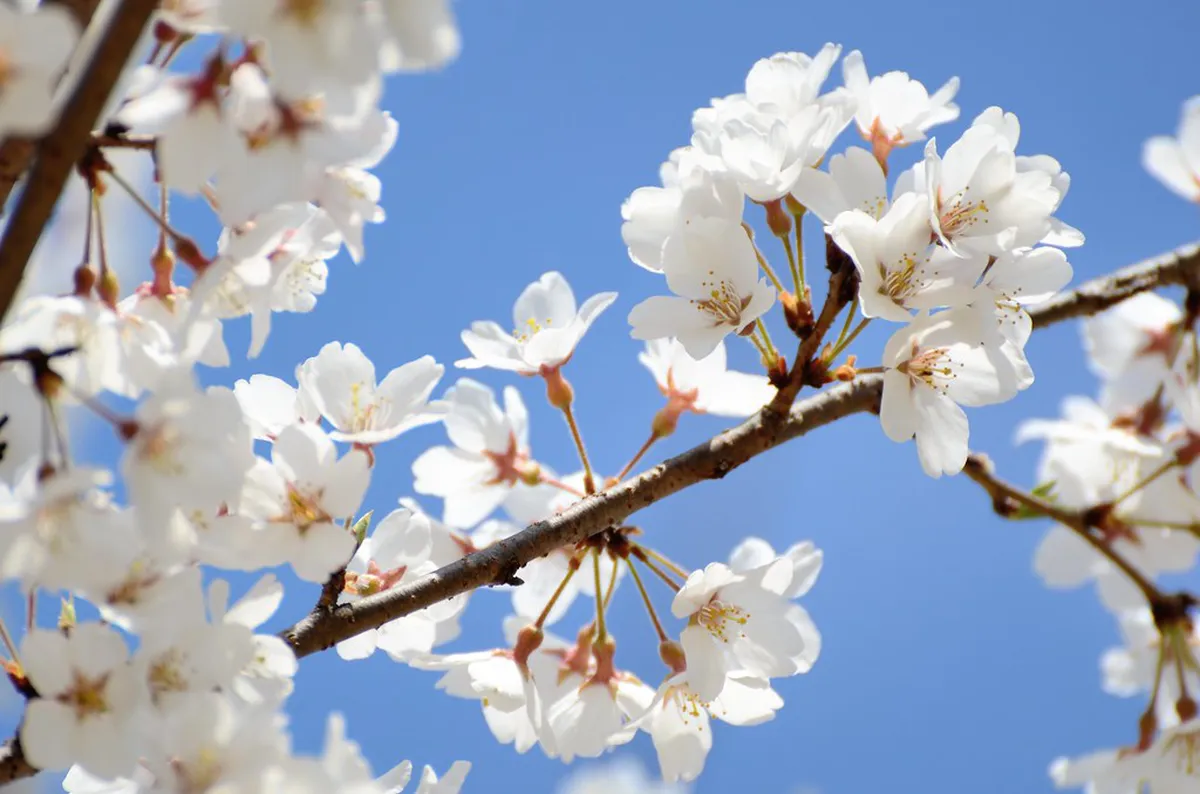
Sakura peaks at Shukkeien from roughly 25 March to 5 April most years, slightly later than Tokyo and slightly earlier than the mountains north of Hiroshima. The cherry trees concentrate around the central pond and the south entrance, so the densest blossom photos come from the path between the entrance and Sensui-tei Cafe. This is one of Hiroshima's premier cherry blossom viewing spots; arrive at 09:00 sharp to beat tour buses.
Autumn color (koyo) typically peaks 15 to 30 November. The northern wood and the maples around Takuei Pond turn first; the Gingko tree near the atomic-bomb memorial peaks last, usually in early December. Our autumn color guide tracks bloom forecasts week by week. The garden's standout fall event is the Momiji Matsuri illumination, which in 2026 is scheduled across roughly two weekends in mid-to-late November (typical pattern: two consecutive weekends with extended hours to 20:30, last entry 20:00). Confirm the exact dates on the official site about three weeks ahead because the schedule tracks the leaves.
Off-peak seasons are genuinely worthwhile here. February brings plum blossoms (umemi) and the year's first formal tea ceremony at Seifukan. Summer brings irises in June and lotus flowers in July; the dense canopy keeps the loop several degrees cooler than the surrounding pavement, which matters in Hiroshima's humid August. Winter is austere - no leaves, occasional dusting of snow on the bridge - but admission queues drop to nothing.
Flora, Fauna, and the Rainbow Bridge (Koko-Kyo)
The Rainbow Bridge (Koko-Kyo) is steep and stepped with no handrail. Visitors with limited mobility, vertigo, or wet shoes should bypass it via the flat path on the southern shore. Strollers cannot cross it. The northern hill to the atomic-bomb memorial also involves stepped stone paths with no ramp.
Koko-Kyo, the Rainbow Bridge, is the garden's signature image and the original Edo-period stone bridge that survived the bomb. It is a single steep stone arch about 1.5 meters across the deck. The arch represents the meeting of heaven (the curve) and earth (the supports) and is meant to be crossed slowly, one step at a time. Crucially, the bridge is steep and stepped, with no handrail; visitors with limited mobility, vertigo, or wet shoes should bypass it via the flat path on the southern shore. There is no crouch or duck involved, but the rise is sharp enough that a stroller cannot cross it.
Takuei Pond is stocked with hundreds of koi and crucian carp. Bags of fish food are sold from a small dispenser near the entrance and at Sensui-tei Cafe for 100 yen per bag. The tightest koi clusters form near the flat stone piers by Seifukan tea house and along the western pond edge near the Yuyutei resthouse; mid-morning and mid-afternoon are the busiest feeding windows. If you are with kids, the rest pavilion behind Yuyutei has a quieter pier and shorter queues.
The garden's living atomic-bomb survivors include a giant Gingko on the northern slope, a kuromatsu pine near the south entrance, and several smaller hibakujumoku (bombed trees) marked with small placards. The Gingko's south-facing trunk still shows the heat scarring from 6 August 1945; the tree resprouted within months of the blast and now turns brilliant yellow each early December. A small memorial stone above the Enko River honors the bomb victims who fled here; far less crowded than the Peace Memorial Park, it is a quieter place to pay respects.
Cultural Experiences: Tea Houses and Ceremonies
Seifukan is the architectural centerpiece, a sukiya-zukuri tea house with a thatched roof and katomado bell-shaped windows perched at the pond's edge. It is closed except during scheduled tea events, but the exterior is the garden's most photographed structure and the bridge view from its veranda is the postcard shot. Meigetsutei is a smaller hilltop tea house with circular ox-cart windows; also closed to the public except for booked ceremonies.
Sensui-tei Cafe at the entrance is open daily 09:00 to 17:00 and is where most visitors actually drink matcha. A bowl of Ueda Soko-style matcha with a seasonal sweet runs 500 to 800 yen; outdoor terrace seats face the garden and book up first on weekends. The cafe also sells light meals - udon, mochi, Hiroshima-style sweets - and runs a small souvenir shop with matcha powder, Ueda Soko-ryu tea utensils, and seasonal wagashi.
Seifukan hosts a published monthly schedule of formal chakai (tea gatherings), each tied to a season: Umemi (plum, February), Kanou (cherry, April), Chyatsumi (tea harvest, May), Kangetsu (moon viewing, September), Kikumi (chrysanthemum, November), Momiji (maple, November). Slots are limited and usually require advance reservation through the official site. If your dates align with one of these gatherings, it is the only routine way to see Seifukan's interior and the most authentic tea experience the garden offers.
Visitor Information: Tickets, Hours, and Access
The combined ticket with the Hiroshima Prefectural Art Museum (610 yen) saves about 150 yen and includes a dedicated connecting gate between the two sites — you do not need to re-enter via the main street entrance. Arrive at 09:00 sharp during cherry blossom season (late March to early April) to beat tour bus groups that arrive around 10:30.
Standard adult admission is 260 yen, paid in cash or by IC card (Suica, Pasmo, ICOCA) at the gate. High school students pay 150 yen and elementary/junior high students 100 yen; preschoolers and visitors over 65 with ID enter free. Online booking is not standard for general admission - the queue moves in under five minutes most days - but special-event tea ceremonies sometimes require advance reservation through the official Shukkeien Garden webpage.
The combined ticket with the Hiroshima Prefectural Art Museum costs 610 yen for adults (museum-only is 510 yen, garden-only 260 yen, so the combined saves around 150 yen). Buy it at either ticket booth and use the dedicated connecting gate - a small unmarked passage at the museum's eastern wall opening directly into the garden's south side - to avoid walking back to the main entrance. Keep the stub: re-entry through that gate requires showing it.
Hours run 09:00 to 18:00 from April through September and 09:00 to 17:00 from October through March, with last admission 30 minutes before closing. The garden is closed 29 December to 1 January; otherwise it operates daily including national holidays. Light rain does not close the garden and actually deepens the moss color, but typhoon-level weather (late August through September) can prompt same-day closures - check the official site that morning.
| Visitor | Garden only | Garden + Art Museum | Hours (Apr–Sep / Oct–Mar) |
|---|---|---|---|
| Adult | 260 yen | 610 yen | 09:00–18:00 / 09:00–17:00 |
| High school | 150 yen | — | Last entry 30 min before close |
| Elementary / junior high | 100 yen | — | Closed 29 Dec – 1 Jan |
| Over 65 with ID / preschool | Free | — | — |
From JR Hiroshima Station, Shukkeien is a flat 15-minute walk via the south or west side of the Enko River. The Hiroden tram stop "Shukkeien-mae" on the Hakushima line drops you at the gate; rides are 220 yen and covered by the Hiroden one-day pass. The Meipuru-pu sightseeing loop bus (Orange Route) also stops at Shukkeien-mae and is free for Japan Rail Pass holders. By taxi from the station expect 700 to 900 yen.
Where to Stay Near Shukkeien Garden
Shukkeien sits close enough to JR Hiroshima Station that choosing where to stay usually comes down to budget and how far you want to walk after a morning on gravel paths and stone bridges.
Near JR Hiroshima Station (5-15 minute walk to the garden)
Hotel Granvia Hiroshima, directly connected to the station's south exit, is the shortest walk to Shukkeien's north gate at roughly 12 minutes; standard doubles typically start around 12,000 yen. Sheraton Grand Hotel Hiroshima, a two-minute walk from the Shinkansen (north) exit via a covered walkway, is the area's polished upscale pick, from around 18,000 yen, with a rooftop pool and lounge floor suited to a longer Hiroshima stay built around the garden.
Budget and mid-range picks
Hotel Sunroute Hiroshima and the Toyoko Inn branches on the station's south side cover the 6,000 to 9,000 yen range; both are a 10 to 15 minute walk, or one stop on the Shukkeien-mae tram, from the garden gate.
Near Hondori and Peace Memorial Park
Rihga Royal Hotel Hiroshima and ANA Crowne Plaza Hiroshima sit closer to the Hondori shopping arcade and Peace Memorial Park, from roughly 14,000 yen. Both are a 20 to 25 minute walk, or a short tram ride, from Shukkeien, which works well if you are sequencing the garden with Hiroshima Castle and the Peace Park on the same day rather than staying right at the station.
Nearby Attractions: Hiroshima Castle and Art Museum
The Hiroshima Prefectural Art Museum sits directly west of the garden, sharing a wall and the connecting gate described above. Its permanent collection focuses on Hiroshima-born artists, Salvador Dali (the museum holds his "Dream of Venus"), and modern Asian crafts. The third-floor cafe windows look down on the garden's Takuei Pond at an angle you cannot get from inside the garden itself - worth the visit for that view alone if you are already on the combined ticket.
Hiroshima Castle is a 10-minute walk west through the Motomachi neighborhood. The Asano clan ruled both sites simultaneously, so visiting them back to back gives the clearest sense of how a daimyo's working castle and private retreat related. Our Hiroshima Castle visitor guide covers the keep, the moat, and the 2026 admission rules. Most travelers do garden first (cooler in the morning), castle second.
The Hakushima neighborhood north of the garden hides several small okonomiyaki shops and one of Hiroshima's better third-wave coffee scenes. For a longer afternoon, the Peace Memorial Park is 25 minutes on foot or one tram transfer south; pairing Shukkeien with the Park splits the day between recovery and remembrance and keeps the emotional pacing manageable.
Combining Shukkeien with a Miyajima Day Trip
Shukkeien's 09:00 opening makes it realistic to walk the garden loop first thing and still reach Miyajima by late morning, without turning the day into a rush.
Shukkeien to Miyajima, step by step
- Walk or tram back to JR Hiroshima Station (15 minutes on foot, or a few minutes by tram to Shukkeien-mae then a connecting service).
- Take the JR Sanyo Line to Miyajimaguchi Station; rapid trains cover it in about 25 to 30 minutes for roughly 420 yen one-way, and the journey is covered by the Japan Rail Pass and the Hiroshima Tourist Pass.
- From Miyajimaguchi pier, the JR West ferry to Itsukushima Shrine takes about 10 minutes and costs roughly 200 yen one-way plus the 100-yen Miyajima visitor tax (the fare, though not the tax, is covered by a valid JR Pass), passing close to the floating torii gate on the way in.
Leaving Shukkeien by around 10:00 typically puts you on Miyajima by 11:00, leaving a full afternoon for Itsukushima Shrine, the Mt. Misen ropeway, and the deer-lined shopping street before the last direct trains back to Hiroshima Station in the early evening. Traveling the other direction, an early Miyajima morning followed by an afternoon at Shukkeien works just as well, since the garden's last admission is 30 minutes before its 17:00 or 18:00 close depending on season.
Practical Tips for a Smooth Visit
Mobility is the single biggest planning factor. The main loop is mostly flat compacted gravel and is wheelchair-passable on the south and east legs, but the Rainbow Bridge, the northern hill leading to the atomic-bomb memorial, and the path behind Yuyutei resthouse are stepped stone with no ramp. Strollers and standard wheelchairs should plan to skip those three sections; the garden lends manual wheelchairs free at the main entrance, but staff confirm there is no power-chair friendly route across the bridge. Wear shoes with grip; the gravel is loose in places and the pond-edge stones are slick after rain.
For photography, the Koko-Kyo bridge faces roughly south-southwest, so late afternoon (16:00 to 17:00 in summer, 14:30 to 15:30 in winter) puts the warm light directly on the arch with the tea house in the background. The reflection in Takuei Pond is cleanest first thing at 09:00 before the wind picks up. Tripods are allowed but must be off the path; drones are prohibited. A paced itinerary helps you time your visit for ideal light without rushing the rest of Hiroshima.
Yukata rental shops near the station (around 3,000 to 5,000 yen for half-day) make Shukkeien their go-to backdrop, and the garden welcomes traditional dress; expect to share popular spots with wedding photoshoots on Saturday mornings. Coin lockers (100 to 300 yen) near the entrance fit a daypack but not a full suitcase, and a small kiosk sells umbrellas for sudden showers. Bring water - vending machines exist only at the entrance plaza, not inside the garden - and a cash buffer for fish food and matcha, since the smaller stands do not always take cards.
Frequently Asked Questions
How much time should you plan for a Shukkeien Garden visit?
Most visitors spend between 60 and 90 minutes exploring the main paths and feeding the koi. If you plan to enjoy matcha at the tea house or visit the adjacent art museum, budget at least two to three hours for a relaxed experience.
Is Shukkeien Garden worth visiting on a short Hiroshima itinerary?
Yes, it is highly recommended even for short trips due to its central location and affordable price. It offers a peaceful contrast to the heavy history of the Peace Memorial Park. You can easily fit it into a one-day Hiroshima itinerary.
Can you buy tickets for Shukkeien Garden online?
Currently, tickets are primarily sold at the gate via cash or IC cards like Suica. Online booking is not standard for general admission, but special event tickets might occasionally be available on the official website. The queue at the entrance moves very quickly.
What is the best time of day to photograph the Rainbow Bridge?
Late afternoon provides the best lighting for the Koko-kyo bridge as the sun begins to set. The reflections in the pond are clearest when the wind is low, usually in the early morning. Avoid midday if you want to prevent harsh shadows on the stone architecture.
Shukkeien rewards visitors who slow down and read the references. The miniature Mt. Fuji, the West Lake silhouette in Takuei Pond, the bombed-but-alive Gingko on the northern slope, and Koko-Kyo's heaven-and-earth arch all only reveal themselves at walking pace. Pair the loop with a bowl of matcha at Sensui-tei or - if you can time it - a seasonal chakai at Seifukan, and the 260-yen ticket becomes one of the city's better cultural deals.
Plan for 60 to 90 minutes minimum, factor in mobility constraints around the bridge and the northern hill, and consider the 610-yen combined ticket if the art museum interests you. Time a November visit to catch the Momiji Matsuri illumination, time April for sakura along the south path, or pick a quiet weekday in winter for the loop almost entirely to yourself. Whichever season you arrive, Shukkeien remains the clearest, walkable answer to what an Edo daimyo's idea of paradise looked like.
Free: The Hiroshima Essentials guide
Top things to do, where to stay, a perfect day plan, getting around, and the best time to go — a Hiroshima mini-guide you can take offline.
You might also like


Continue reading
More guides you'll find useful


