
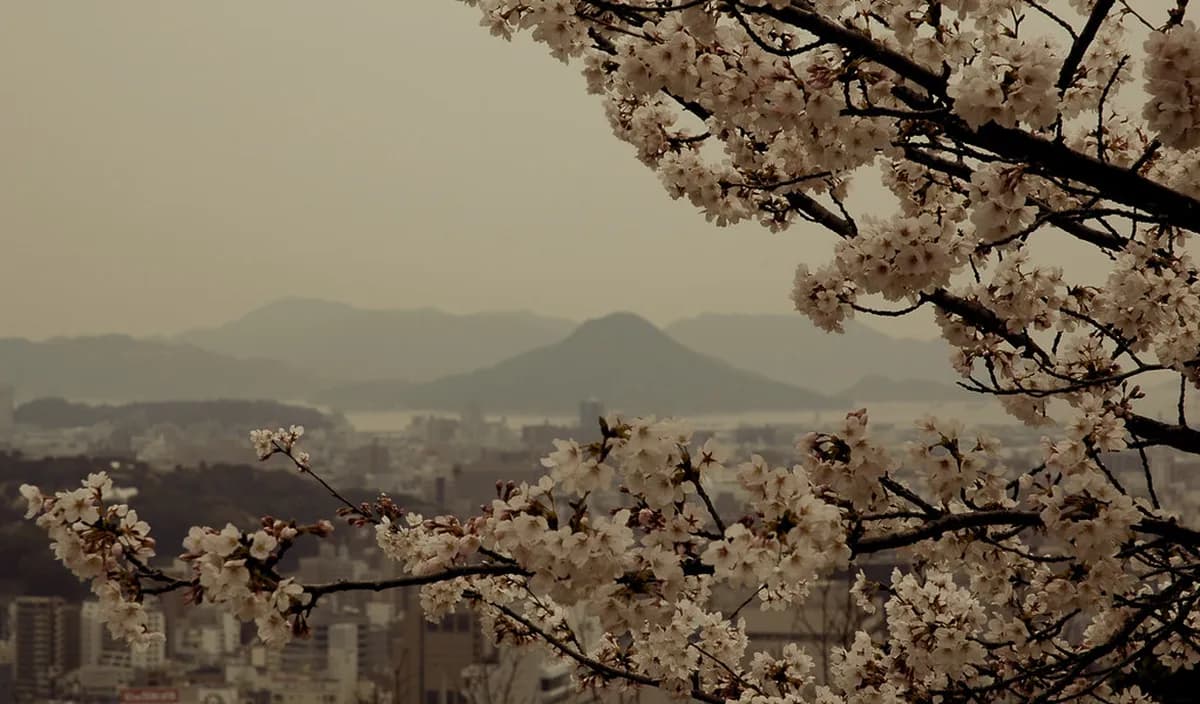
11 Best Hiroshima Cherry Blossom and Hanami Viewing Spots 2026
Plan your 2026 Hiroshima cherry blossom trip with our guide to the 11 best viewing spots, latest bloom forecasts, hanami etiquette, and travel tips.
On this page
Late March to early April is the best time to visit Hiroshima for the cherry blossom season. I visited Hiroshima in late March last year and the petals were absolutely perfect for photography.
Updated March 2026 from my spring 2025 visit to ensure you have the latest travel data. Exploring the pink-hued streets during this window offers a truly magical experience for any traveler. Tokyo also has excellent cherry blossom seasons, so timing is critical when planning your spring Japan itinerary.The city transforms into a sea of soft pink and white flowers during the peak bloom. Locals gather under the trees for hanami parties, a tradition involving food, drinks, and good company. You should explore more things to do in Hiroshima during cherry blossom season to maximize your trip. Planning ahead is essential as hotels fill up quickly during this popular spring period.
Hiroshima offers a unique blend of historical significance and natural beauty during the spring months. From the solemn Peace Park to the majestic castle, every corner tells a story framed by blossoms. This guide covers the top spots and logistics for your 2026 adventure in the Chugoku region.
2026 Hiroshima Cherry Blossom Forecast and Peak Viewing Dates
The official 2026 sakura forecast from the Japan Meteorological Corporation has Hiroshima Somei Yoshino opening around March 22, with peak bloom (mankai) between March 30 and April 5. The viewing window is short, usually 7–10 days from kaika (first open) to petal fall, so building flexibility into your itinerary matters more than booking a fixed date. Daytime highs sit at 10–18°C / 50–64°F, evenings drop to 5–9°C / 41–48°F, and the Sanyo region's clear-sky pattern over the Seto Inland Sea generally favors photographers.
Hiroshima's Somei Yoshino blooms 3–5 days earlier than Tokyo and about a week ahead of Kyoto. If you're chasing the sakura front northward, schedule Hiroshima first — peak bloom typically falls between March 30 and April 5, with the best free viewing at the Hiroshima Castle moat (450 trees, illuminated nightly).
Hiroshima blooms a few days earlier than Tokyo and roughly a week earlier than Kyoto, which makes it a useful first stop if you are chasing the front north. Crowds peak the first weekend of April; weekday mornings before 10:00 are noticeably emptier at Peace Park and Hiroshima Castle. Hotel rates climb 30–60% during peak week, and Miyajima ryokan typically book out 4–6 months ahead. The table below compares the eleven spots in this guide so you can match a spot to your travel day.
| Spot | Crowd level | Best time of day | Access from Hiroshima Station | Entry fee |
|---|---|---|---|---|
| Peace Memorial Park | Very high | Early morning, or after 17:00 | 15 min by tram (Line 2/6) | Free |
| Hiroshima Castle | High | Late afternoon | 20 min by tram + 8 min walk | ¥370 (keep) |
| Shukkeien Garden | Moderate | Weekday morning | 15 min by tram (Shukkeien-mae) | ¥260 |
| Hijiyama Park | High (festive) | All day, lively at night | 10 min by tram + 15 min walk | Free |
| Miyajima Island | Very high | First ferry (07:15) or sunset | ~50 min train + ferry | Free (shrine ¥300) |
| Kintaikyo Bridge | High | Late afternoon, stays for yozakura | ~50 min via Shin-Iwakuni | ¥310 bridge fee |
| Mitaki Temple | Low | Mid-morning | 15 min on Kabe Line + 10 min walk | Free |
| Ueno Sakura Park | Moderate | Evening (illumination) | ~90 min by bus | Free |
| Haji Dam | Moderate | Afternoon | ~60 min by car (no direct rail) | Free |
| Hiroshima Branch, Japan Mint | High (one week only) | Anytime, illuminated to 20:00 | ~25 min on JR Sanyo Line | Free |
| Hiroshima Botanical Garden | Low | Mid-morning | ~45 min via Yokogawa + bus | ¥510 |
Hiroshima Peace Memorial Park: Riverside Sakura
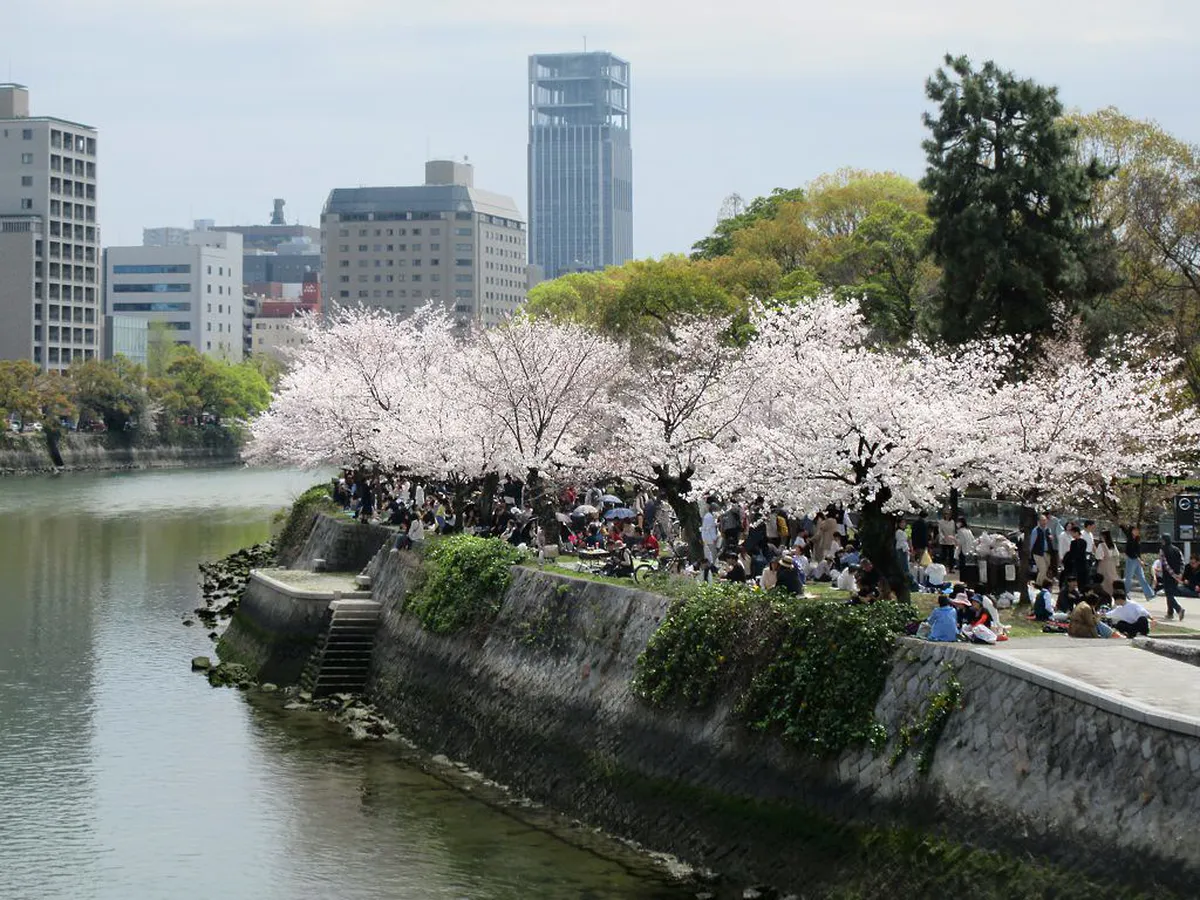
The Peace Memorial Park serves as the emotional heart of the city and a top blossom spot. Hundreds of cherry trees line the Motoyasu River, creating a stunning tunnel of pink petals. I found that the view from the Aioi Bridge offers the most comprehensive park panorama. Many visitors enjoy taking a river cruise to see the blossoms from a different perspective.
During the evening, the trees are often illuminated, casting a soft glow over the water. This area is ideal for a peaceful walk rather than a loud, festive hanami party. Respectful behavior is expected here given the park's historical significance and commemorative nature. Use this Hiroshima Hanami Cherry Blossom Google Map Guide to find the best river entry points.
Hiroshima Castle: The Rijo Park Experience
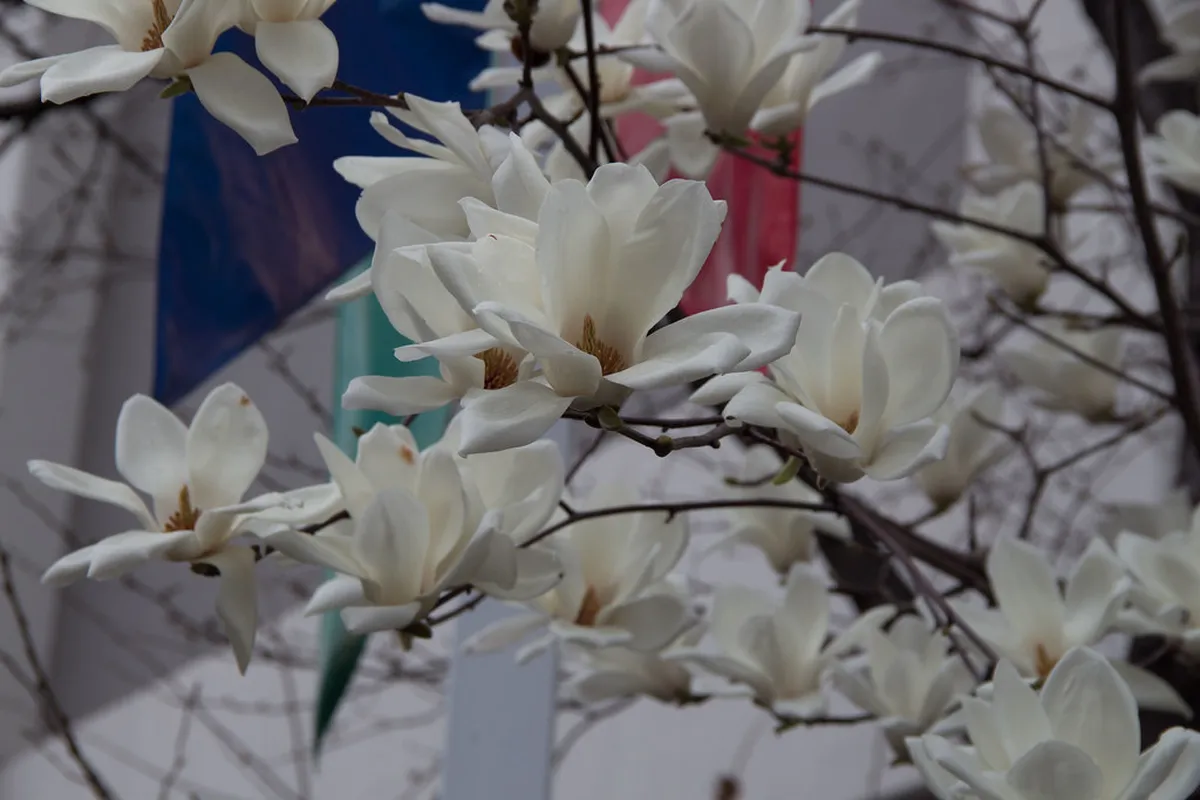
Hiroshima Castle, also known as the Carp Castle, is surrounded by a wide, scenic moat. The castle grounds feature over 450 cherry trees that bloom beautifully against the black wooden exterior. Check out the Hiroshima Castle visitor guide before your arrival for more context. The reflection of the pink trees in the still moat water is a favorite for photographers.
Families often gather on the spacious lawns within the castle walls for afternoon picnics. The atmosphere here is lively and welcoming, especially on weekends during the peak bloom period. I recommend climbing to the top of the castle tower for a bird's-eye view of the blossoms. The surrounding Rijo Park provides plenty of space to find a quiet corner for yourself.
Shukkeien Garden: Traditional Landscape Hanami
Shukkeien is a 1620 daimyo's stroll garden that pairs Somei Yoshino with later-blooming Yaezakura, which means the viewing window here usually stretches a week longer than at Peace Park. Our Shukkei-en Garden guide covers the route around the central pond. Entry is ¥260 (¥150 for students), the gate opens at 09:00, and the path is mostly flat with one stepped bridge — accessible to wheelchairs as far as the main pond.
The annual outdoor tea ceremony is held on the first Sunday of April, when bowls of matcha are served under the cherry trees on a reservation-by-arrival basis (around ¥600). The yozakura night illumination runs evenings during the peak window — usually a five-day stretch in late March or early April; check the official Hiroshima tourism site before you go because the dates shift each year with the bloom forecast. Couples in traditional dress shoot wedding photos here from sunrise; if you want a clean composition, plan for a 09:00 weekday visit.
Hijiyama Park: Art and Hilltop Views
Hijiyama is the city's most festive hanami park, with about 1,300 cherry trees winding past the Hiroshima City Museum of Contemporary Art and the manga library. The open lawn next to the Henry Moore Arch sculpture is the prime hanami staking ground. This is the spot to see basho-tori in action — Japan's tradition where the most junior member of a company arrives before 08:00 with a folded blue plastic sheet and physically holds the patch of grass until colleagues clock out at 18:00. If you want a piece of that lawn for your own picnic, you need to arrive at the same hour with your own sheet.
Yozakura (night blossom) viewing runs until roughly 22:00, with the park officially clearing visitors by 23:00 — bring a hand warmer because evenings drop into single digits. The walk from Hijiyama-shita tram stop is about 15 minutes uphill; if you have luggage or limited mobility, take a taxi to the Manga Library car park instead. Trash bins are removed during the festival period, so the local rule is straightforward: every wrapper, can, and chopstick goes home with you in a bag.
Miyajima Island: Sakura at the Floating Torii
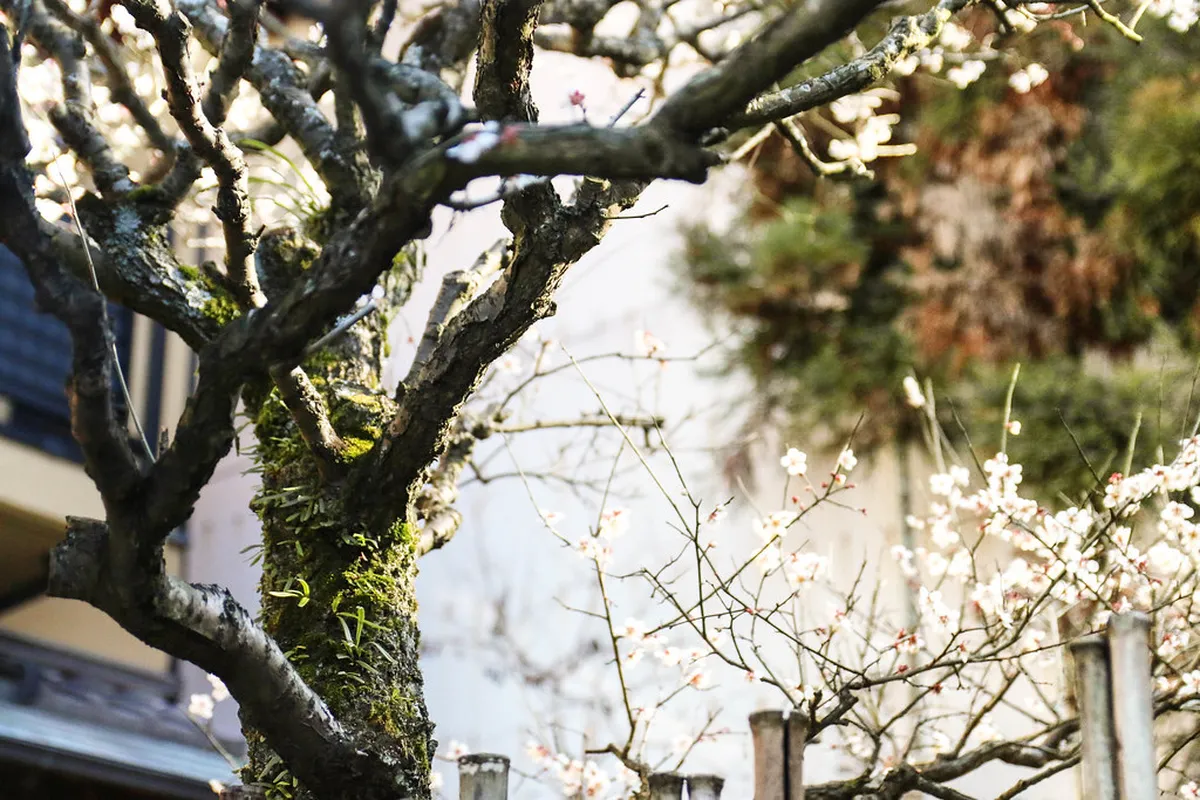
Miyajima Island is famous for its floating torii gate and its abundance of wild deer. Review the complete Miyajima guide for ferry times and tide schedules. The island has about 1,900 cherry trees scattered around the shrine and the mountain trails. The area around the Five-Story Pagoda offers a stunning vertical composition for your travel photos.
Be careful with your food, as the local deer are very fond of paper and snacks. I found that the walk toward Momijidani Park offers a quieter experience away from the main shrine. The combination of the blue sea and pink blossoms creates a color palette you won't forget. Stay for sunset to see the trees illuminated against the darkening sky and the quiet water.
Kikko Park & Kintaikyo Bridge (Iwakuni)
The Kintaikyo Bridge in nearby Iwakuni is one of the most iconic structures in all of Japan. Take a Kintaikyo Bridge day trip for more blossoms. Thousands of trees line the riverbanks on both sides of the famous five-arched wooden bridge. The sight of the bridge spanning the river amidst a cloud of pink is legendary.
Kikko Park, located just across the bridge, features fountains, museums, and even more cherry trees. You must try the local soft-serve ice cream, which comes in over one hundred different flavors. The bridge is easily accessible via a short train ride and a bus from Hiroshima Station. I recommend walking along the river path to find the best angles for the bridge reflection.
Mitaki Temple: Forest Serenity and Hidden Blooms
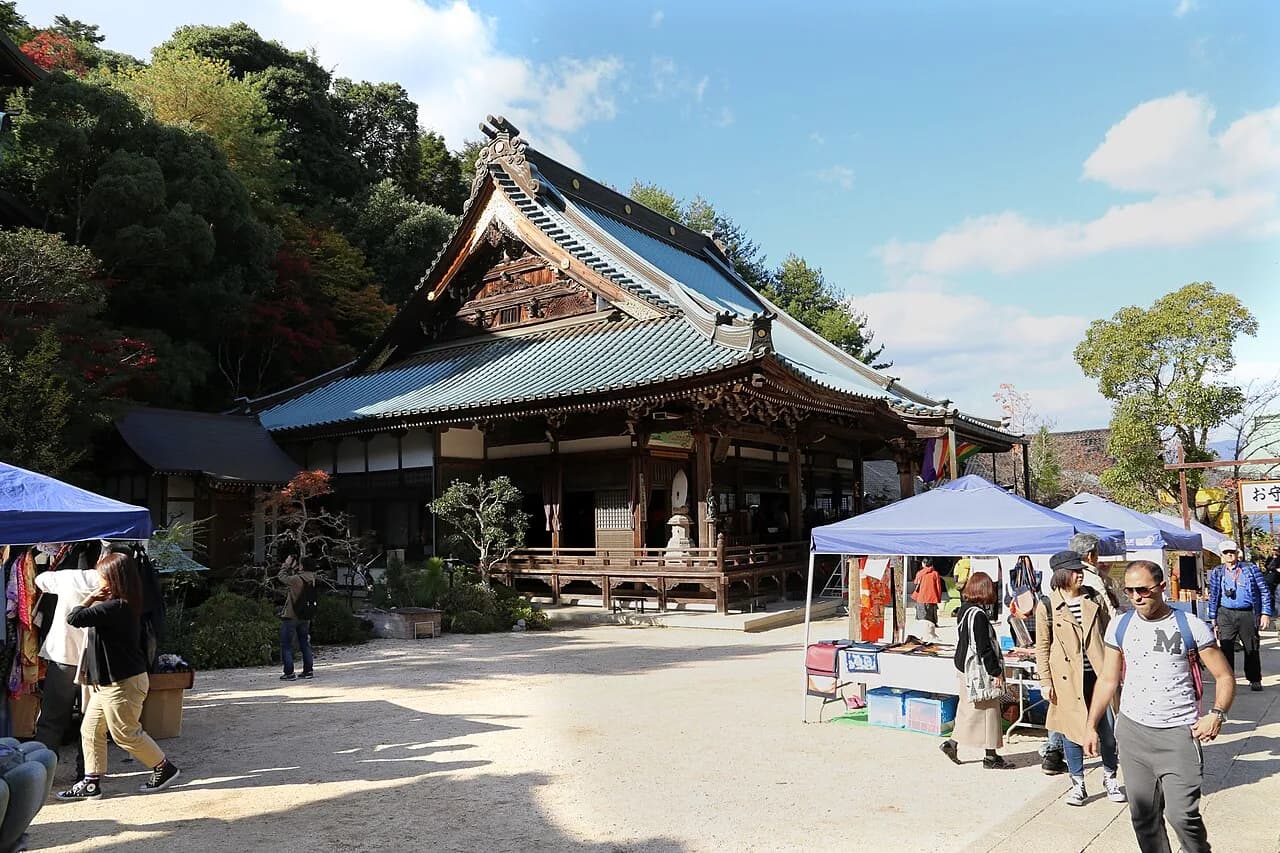
Mitaki Temple is a hidden gem located in a lush forest on the outskirts of the city. These Hiroshima hiking trails offer great views of the pink trees and mossy grounds. The temple is named after the three waterfalls that flow through its peaceful, shaded valley. Cherry blossoms here bloom slightly later than in the city center due to the cooler mountain air.
The red wooden pagoda surrounded by green moss and pink petals is a sight to behold. I felt a deep sense of calm while wandering the stone paths lined with ancient statues. This is the perfect spot for those who prefer nature and silence over festive park crowds. The temple is just a short train ride away on the Kabe Line from Hiroshima Station.
Ueno Sakura Park: Northern Hiroshima’s Hidden Gem
Ueno Sakura Park is located in Shobara City, about 90 minutes north of Hiroshima downtown. It is centered around a large pond that reflects the two kilometers of cherry trees. This park is often cited as one of the top 100 blossom spots in Japan. The higher altitude means the bloom here usually peaks a few days after the city center.
A night festival features lanterns that illuminate the trees, creating a romantic and ethereal scene. I enjoyed the local snacks sold at the stalls during the peak of the spring festival. It is a great choice for a deeper exploration of the Hiroshima prefecture's rural beauty. Make sure to check the local bus schedule as transport is less frequent than in the city.
Haji Dam: Akitakata’s Premier Hanami Destination
Haji Dam in Akitakata is a massive recreational area featuring over 6,000 cherry trees. The sheer scale of the blossoms here is unmatched by any other spot in the prefecture. Cycling around the lake is a popular activity, with rentals available at the main park office. The wide-open spaces make it the best location for large families with active children.
I found the lakeside breeze to be quite refreshing on a sunny spring afternoon in April. There are plenty of designated areas for barbecues and large group picnics near the water. The drive from Hiroshima city takes about an hour, passing through beautiful mountainous terrain. It is a favorite local weekend getaway that remains relatively unknown to most international tourists.
Hiroshima Mint & Botanical Garden: Rare Sakura Varieties
The Hiroshima Branch of the Japan Mint in Itsukaichi opens its grounds to the public for one week only each April — the "Hana no Mawarimichi" walkthrough — and features 67 cultivars of cherry tree, most of them later-blooming Yaezakura that you will not see anywhere else in the prefecture. Admission is free, the path is illuminated until 20:00, and the dates are announced in late February once the bloom forecast firms up (the 2025 window ran April 11–17, so expect a similar mid-April slot in 2026). Reach it on the JR Sanyo Line from Hiroshima Station to Itsukaichi in about 25 minutes.
If you miss the Mint week, the Hiroshima City Botanical Garden in Saeki-ku runs its sakura matsuri from March 20 to April 19 with even more varieties, so you can compare Somei Yoshino's white-pink five-petal flower against the dense, multi-layered Yaezakura, the weeping Shidarezakura, and the deep-pink Kanhizakura side by side. Entry is ¥510, parking is ¥450, and the garden is wheelchair-accessible. Both venues are the rescue plan for travelers who arrive after the city-center bloom has dropped.
2026 Hanami Guide: Etiquette, Logistics, and Travel Updates
Hanami etiquette in Japan is short and strict: take every piece of trash home with you, do not break branches or shake trees for falling petals, keep music below conversational volume after 21:00, and never tie reservation tape between trees. Most parks ban open flames, so swap charcoal grills for cold bento. Learn how to get around Hiroshima by streetcar and bus — a one-day Hiroden tram pass is ¥700 and covers every city-centre spot in this guide.
The 2026 Sanyo Shinkansen oversized-luggage rule is the one most international visitors trip on: any bag with combined dimensions over 160 cm requires a free advance reservation in cars 5, 6, or 7, and travelling without one risks a ¥1,000 fee plus a forced seat change. The October 2023 JR Pass price increase (the 7-day pass jumped from ¥29,650 to ¥50,000) means a regional Sanyo–San'in Pass at ¥22,000 is now usually cheaper for a Hiroshima-only trip with day trips to Iwakuni or Onomichi. Bring cash for park stalls — most tako-yaki and yakisoba wagons still do not accept IC cards.
- Pick Peace Park if you want iconic riverside views with historical weight and a quieter, reflective tone.
- Pick Hijiyama if you want the full festive hanami party with basho-tori sheets, yozakura lights, and city skyline photos.
- Pick Shukkeien if you want a manicured garden, a tea ceremony, and Yaezakura that bloom a week longer.
- Pick Miyajima if you want sakura paired with the floating torii — book the first ferry and stay for sunset.
- Pick Mitaki Temple if you want forest serenity, mossy paths, and zero crowds.
- Pick Haji Dam or Ueno Sakura Park if you want scale (6,000 trees), cycling, and night illumination.
- Pick the Japan Mint if you want rare Yaezakura cultivars — but only during the one-week April opening.
- Pack: blue plastic sheet (¥300 at any 100-yen shop), disposable hand warmers, a refillable trash bag, a power bank, and a Hiroshima-style bento (look for anago-meshi at Ekohiiki near the station).
The 2026 JR Pass price increase (7-day pass ¥50,000) means the regional Sanyo–San'in Pass at ¥22,000 is cheaper for most Hiroshima-focused trips. Hanami park stalls and food wagons are almost exclusively cash-only — carry ¥5,000–¥8,000 in small notes per person per festival evening.
Frequently Asked Questions
When is the best time for cherry blossoms in Hiroshima 2026?
The best time is usually from late March to early April. Peak bloom is expected between March 30 and April 5. Temperatures range from 10–18°C / 50–64°F during the day.
Is Miyajima good for cherry blossom viewing?
Yes, Miyajima is one of the top spots in Japan. It features nearly 2,000 trees near the floating torii. The pagoda area offers the best photos in spring.
Are there any entry fees for hanami spots in Hiroshima?
Most public parks like Peace Park and Hijiyama are free. Shukkeien Garden and Hiroshima Castle require a small entrance fee. These fees usually cost under 500 yen per person.
Hiroshima is a premier destination for experiencing the beauty of the Japanese spring season. Whether you prefer a quiet temple or a lively park, there is a spot for everyone. I hope this guide helps you plan an unforgettable 2026 trip to see the blossoms.
Remember to book your travel early and respect the local hanami customs during your visit. The memories of pink petals falling over the Ota River will stay with you forever.
Free: The Hiroshima Essentials guide
Top things to do, where to stay, a perfect day plan, getting around, and the best time to go — a Hiroshima mini-guide you can take offline.
You might also like


Continue reading
More guides you'll find useful


