

Hiroshima Landmarks 1-Day Itinerary: Hour-by-Hour Plan (2026)
The definitive 1-day Hiroshima itinerary for 2026: hour-by-hour timeline, 2026 ticket prices (¥200 museum, ¥370 castle, ¥260 Shukkeien), streetcar pass tips, okonomiyaki lunch picks, and a full cost breakdown.
On this page
Hiroshima stands as a powerful symbol of peace and resilience on the western edge of Japan's Honshu island. Exploring this historic city in twenty-four hours requires a smart plan to see the most significant cultural sites. The city is uniquely built across six separate islands divided by the calm waters of the branching Ota River. This guide provides a logical route through the top Hiroshima attractions to maximize your limited time.
What's the best 1-day Hiroshima itinerary? Start at Hiroshima Castle (9:00, ¥370), walk south through Shukkeien Garden (10:30, ¥260), then spend the afternoon at the Peace Memorial Park, Atomic Bomb Dome (free), and Peace Memorial Museum (¥200). Lunch at Okonomimura, finish in Hondori shopping arcade. Buy the ¥600 Hiroden streetcar 1-day pass to cover all transit between sites.
Modern Hiroshima offers a vibrant atmosphere that beautifully contrasts its somber history as the first atomic-bombed city. Visitors often feel a deep sense of hope while walking through the lush parks and rebuilt urban centers. You will find that the local community is incredibly welcoming to international guests seeking to learn their story. Preparing for your journey ensures you respect the local heritage while enjoying the city's modern culinary delights.
Is one day in Hiroshima enough?
Visiting Hiroshima for just one day allows you to see the most critical historical sites and cultural monuments. Most travelers find that eight hours provides enough time to explore the Peace Memorial Park and the local castle. You can easily cover the main downtown highlights if you start your morning early and follow a strict schedule. Staying overnight offers a more relaxed pace but is not strictly necessary for those with limited vacation time.
A single day trip usually focuses on the core landmarks located within the central delta area of the city. This timeframe works perfectly for those traveling from nearby hubs like Osaka or Kyoto on the bullet train — see our guide on how to get to Hiroshima from Tokyo and Osaka for the fastest connections. You might feel rushed if you try to add distant attractions like the coastal shrines to this short visit. Prioritizing the main peace monuments ensures you gain a comprehensive understanding of the city's historical significance today.
If you prefer a slower pace of travel, you might consider extending your stay to two full days. An overnight stay allows you to enjoy the city's nightlife and famous food scene without watching the clock. Evening walks along the river banks provide a different perspective of the illuminated monuments after the crowds leave. However, a well-planned itinerary makes a one-day visit highly rewarding for most first-time visitors to the region.
The compact nature of the downtown area makes it very easy to navigate between major sites on foot. Efficient public transport also helps you save time when moving between the train station and the central district. You should focus your energy on the sites that matter most to your personal interests and travel goals. One day is certainly enough to leave you with a profound and lasting impression of this resilient Japanese city.
Getting to Hiroshima from Osaka, Kyoto, and Tokyo
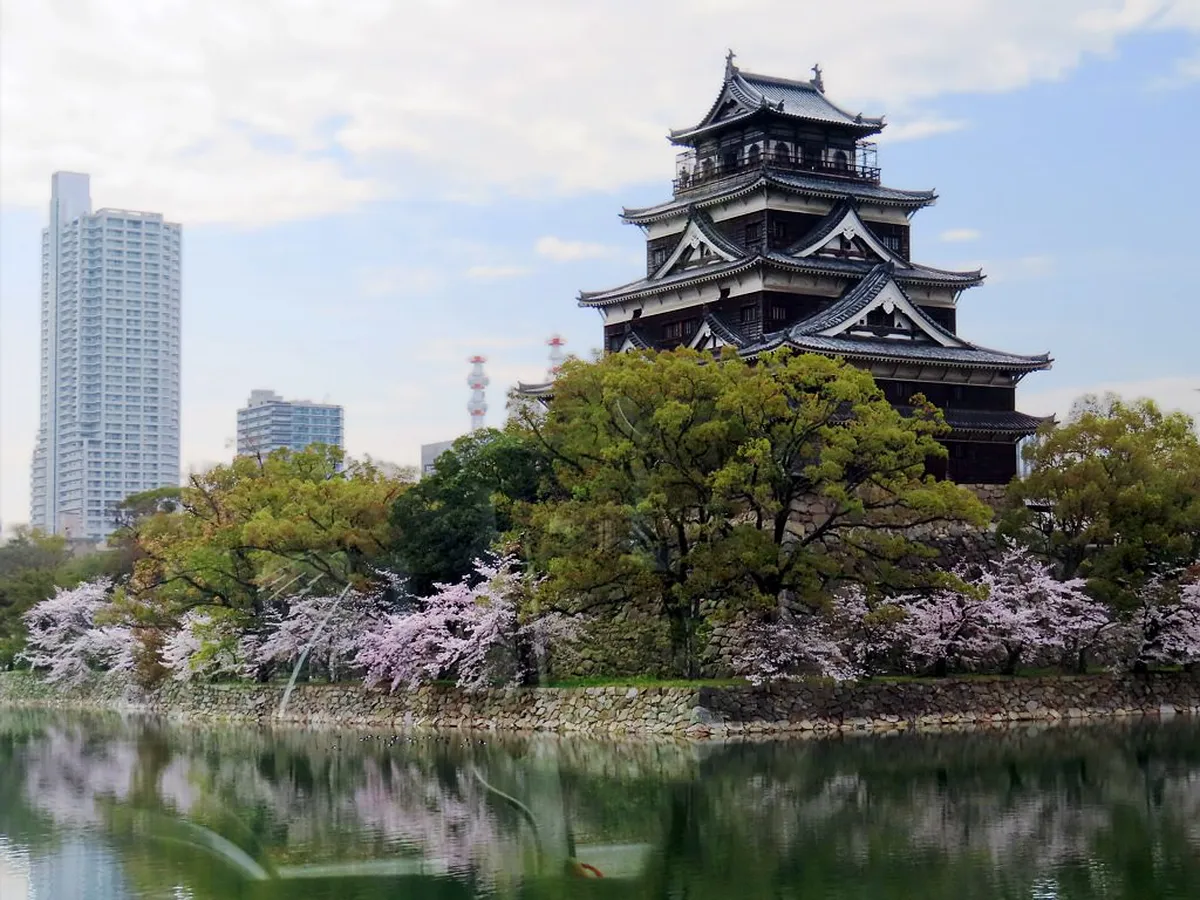
Traveling from Osaka takes about ninety minutes when you use the fast Sanyo Shinkansen line from Shin-Osaka Station. Kyoto visitors should expect a two-hour journey that typically requires a quick transfer at the busy Shin-Osaka hub. Tokyo remains the furthest major city with a four-hour bullet train ride that crosses much of the Japanese mainland. Early morning trains ensure you arrive before the major crowds begin to gather at the most popular city landmarks.
The Japan Rail Pass covers the cost of the Hikari and Sakura trains for those holding this travel document. Travelers without a pass should book tickets in advance to secure seats during the busy peak morning hours. Check the Hiroshima Sightseeing Loop Bus (Meipuru-pu) schedule to coordinate your arrival with local transport options. Arriving at Hiroshima Station by 9:00 AM gives you the best chance to complete the full daily itinerary.
The Sanyo Shinkansen offers frequent departures throughout the day, making the return trip very convenient for day trippers. You can enjoy views of the Japanese countryside and the Seto Inland Sea during the smooth train ride. Food and drinks are available on the platforms, so you can grab a quick breakfast before your journey begins. Most trains provide ample luggage space if you are carrying bags between different cities on your Japanese vacation.
Shinkansen travelers returning to Osaka or Kyoto should note that the last direct train usually departs around 9:30 PM. Missing this final departure can lead to expensive taxi rides or the need for an unplanned hotel stay tonight. Set a reminder on your phone to head back to the station at least forty minutes before your train. Planning your transit carefully allows you to focus entirely on the landmarks without worrying about getting stranded later.
Getting around Hiroshima in one day
The city features an excellent network of streetcars known as the Hiroden that connects the station to downtown. These charming trams offer a nostalgic way to see the city streets while moving between different historical districts. The Hiroden 1-Day Pass costs ¥600 in 2026 and pays off after just three rides — for a deeper breakdown, see our guide to getting around Hiroshima by streetcar and bus. Most major landmarks are located within walking distance of the central tram lines for your convenience.
The Meipuru-pu loop bus is another fantastic option for visitors who want to reach the main sites quickly. This bus is free for JR Pass holders, making it a cost-effective choice for many international travelers today. It stops at the Peace Memorial Park, the castle, and the popular Shukkeien Garden throughout the daylight hours. Buses run frequently, so you never have to wait long to reach your next destination on the itinerary.
Active travelers might prefer using the Docomo City Bikes Hiroshima to explore the flat island terrain. Renting a bicycle allows you to follow the river paths and discover hidden corners of the city at your pace. The city is very bike-friendly with wide sidewalks and dedicated lanes in many of the central shopping areas. Cycling between the six islands provides a unique perspective on how the waterways define the local urban landscape.
Walking remains the best way to experience the emotional atmosphere of the central Peace Memorial Park area. The distances between the main monuments are quite short and the paths are very easy to follow for everyone. You can enjoy the fresh air and the scenic river views while transitioning between the different museum buildings. Combining walking with occasional tram rides offers the most flexible and efficient way to see the city in a day.
Detailed 1-day Hiroshima landmarks itinerary
Start your morning at the historic Hiroshima Castle to learn about the city's origins before the modern era began. This beautiful reconstruction features a museum inside that details the life of the samurai who once lived here. Check the Hiroshima Castle Official Webpage for current opening hours and special seasonal exhibition details. The surrounding park offers a peaceful place for a morning walk before the afternoon heat and crowds arrive.
Head toward the Peace Memorial Park in the early afternoon to visit the most significant monuments in the city. You should spend several hours here to properly absorb the historical information and the personal stories on display. This area serves as the emotional heart of the city and requires a respectful and contemplative approach from visitors. Using Japan Activity resources can help you find guided tours that provide deeper context for these sites.
Finish your sightseeing at the Shukkeien Garden to enjoy traditional Japanese landscaping and a moment of quiet reflection. The garden features a large central pond and various tea houses that offer a serene escape from the city. Walking through the carefully manicured paths provides a wonderful contrast to the heavy history of the memorial park. It is the perfect place to relax before you head out for a delicious local dinner in the downtown.
End your day in the vibrant Hondori shopping district to experience the modern side of local Japanese culture. This pedestrian arcade is filled with shops, cafes, and restaurants that stay busy well into the evening hours. You can find unique souvenirs and local snacks while enjoying the energetic atmosphere of this popular urban meeting spot. The district is just a short walk from the main tram lines that lead back to the train station.
- Morning: Hiroshima Castle Visit
- Time: 9:00 AM
- Cost: 370 Yen
- Where: Motomachi District
- Highlight: Samurai artifacts
- Afternoon: Peace Memorial Park
- Time: 1:00 PM
- Cost: Free entry
- Where: Nakajima District
- Highlight: Atomic Bomb Dome
- Late Afternoon: Shukkeien Garden
- Time: 4:00 PM
- Cost: 260 Yen
- Where: Kaminobori-cho
- Highlight: Traditional ponds
Hour-by-hour Hiroshima 1-day timeline (2026)
This timeline assumes you arrive at Hiroshima Station between 8:30 and 9:00 AM and leave by the last Shinkansen back to Osaka or Kyoto around 9:30 PM. Buy the ¥600 Hiroden streetcar 1-day pass at the JR Hiroshima Station tourist desk before you start — it covers every transit leg below and saves you fumbling for ¥220 fares. Total walking distance is roughly 6 km on flat, well-signed paths.
The ¥600 Hiroden 1-day streetcar pass breaks even after just three rides. Buy it at the south exit tourist information center before your first tram — it covers every transit leg in this itinerary.
8:45 AM — Arrive Hiroshima Station, drop bags, buy the Hiroden 1-day pass
Pick up the streetcar 1-day pass (¥600 in 2026) at the south exit tourist information center. Drop luggage before you do anything else: the large coin lockers (¥700) on the Shinkansen-side concourse fill by 09:30 on weekends and during cherry-blossom and koyo weeks, and the next-best option is the Sakuya luggage room on the south exit B1 floor (¥800 per piece, manned 07:00–22:00) which still has space when the lockers do not. Grab a quick onigiri from the ekinaka shops if you skipped breakfast, then board the Hiroden Line 2 (Miyajima-bound) or Line 6 toward "Yokogawa-eki." Transit time to Kamiya-cho-higashi: ~12 minutes.
9:15 AM — Hiroshima Castle (¥370, 75 minutes)
Walk 8 minutes north from Kamiya-cho-higashi tram stop. The 5-storey reconstruction houses a samurai-era museum; climb to the top floor for skyline views over the Ota River delta. Don't miss the Aki Hiroshima Busho-Tai sword performances on weekends. Full background: our Hiroshima attractions overview.
10:45 AM — Shukkeien Garden (¥260, 45 minutes)
A 10-minute walk east along Aioi-dori brings you to Shukkeien, the Asano clan's 1620 strolling garden. Loop the central pond, cross the arched Kokokyo Bridge, then exit south. This is your last quiet moment before the Peace Park's emotional weight.
11:45 AM — Streetcar to Genbaku-Dome-mae (~10 min)
Board Hiroden Line 1, 2, or 6 from Shukkeien-mae stop and ride three stops to Genbaku-Dome-mae. The Atomic Bomb Dome (free, UNESCO World Heritage Site) appears immediately on your right as you exit the tram.
12:00 PM — Lunch at Okonomimura (¥1,200–1,800, 60 minutes)
Walk 8 minutes east into Shintenchi to reach Okonomimura, the four-floor okonomiyaki theme building with 24 stalls. Choose any teppan with an empty seat — they're all good. Order the standard Hiroshima-style with soba (¥1,200) or splurge on oyster-topped (¥1,800). For deeper picks, see our Okonomimura eating guide and how to eat Hiroshima-style okonomiyaki like a local.
1:30 PM — Peace Memorial Park monuments (free, 60 minutes)
Walk 6 minutes back west to the park. Cover the Children's Peace Monument, the Memorial Cenotaph framing the Flame of Peace, the Pond of Peace, and the riverside paths facing the Atomic Bomb Dome. Allow 10 minutes per major monument.
2:30 PM — Hiroshima Peace Memorial Museum (¥200, 90–120 minutes)
The museum entry fee is ¥200 in 2026 — one of the cheapest world-class museums in Japan. The recommended sequence is East Wing first (war context, post-1945 reconstruction, contemporary nuclear-disarmament gallery), then the Main Building (personal artifacts, eyewitness accounts). Reverse this order only if you are tight on time and willing to skip context — the Main Building's emotional weight is far higher and most travelers cannot absorb the East Wing afterwards. Audio guides are ¥400 and worth it; ask at the kiosk for "summary mode" if you want to soften the most graphic descriptions. Avoid weekends 10:00–12:00 and weekdays in May, June, October when school groups dominate the lower floor.
4:30 PM — Hondori shopping arcade & Honkawa-bashi photo stop
Exit the museum, walk north back to the Atomic Bomb Dome for golden-hour photos from Aioi Bridge (T-shaped — the original bombing aiming point). Then duck into the covered Hondori arcade for souvenirs, coffee, and a rest before dinner.
6:00 PM — Early dinner & return to station
If you skipped okonomiyaki for lunch, eat it now. Otherwise grab tsukemen (Hiroshima's spicy dipping noodles) at Bakudan-ya. Streetcar back to Hiroshima Station from Hatchobori (~15 min). The last direct Shinkansen to Osaka leaves around 9:30 PM, to Tokyo around 8:00 PM — confirm before you book.
Hiroshima 1-day cost breakdown (2026)
Budget travelers can complete this itinerary for under ¥4,000 excluding the Shinkansen. The biggest controllable cost is lunch — Okonomimura sets you up for ¥1,200, but station ekiben or convenience-store onigiri trim that to ¥500. Everything else (transit, entries) is fixed and remarkably cheap by Japan standards. Skip the audio guide and you save another ¥400.
Fixed costs (entries + transit)
- Hiroden streetcar 1-day pass: ¥600
- Hiroshima Castle: ¥370
- Shukkeien Garden: ¥260
- Atomic Bomb Dome (exterior only): free
- Peace Memorial Museum: ¥200
- Subtotal entries + transit: ¥1,430
Food (typical day)
- Lunch at Okonomimura: ¥1,200–1,800
- Coffee + snack in Hondori: ¥600
- Dinner (tsukemen or second okonomiyaki): ¥1,200
- Subtotal food: ¥3,000–3,600
Optional add-ons
- Museum audio guide: ¥400
- Coin lockers at Hiroshima Station (large): ¥700
- Peace Park guided tour (English): ¥2,000
Realistic 1-day total (excluding Shinkansen): ¥3,500–5,000 per person. Add ¥10,000–22,000 round-trip Shinkansen from Osaka or Kyoto if you don't have a JR Pass. With a 7-day JR Pass (¥50,000 in 2026), the train is effectively free.
Can I see Miyajima as well or do I need to add a day?
Combining the city landmarks with a trip to Miyajima Island is possible but requires a very early start. You will need to catch the ferry by 8:00 AM to see the famous floating torii gate before noon. This schedule leaves you with only a few hours in the afternoon to explore the Peace Memorial Park monuments. Most travelers find that trying to do both in one day feels rushed and physically exhausting by the evening.
If you only have one day, it is often better to choose one location and explore it thoroughly today. The city landmarks provide a deep historical experience, while Miyajima offers stunning natural beauty and ancient coastal shrines. Trying to see both might mean skipping the museum or the castle to save time for the island ferry. Consider your personal interests carefully before deciding to split your limited time between these two distinct Japanese destinations.
Adding a second day to your itinerary allows you to enjoy both locations without feeling any unnecessary time pressure. You could spend your first day in the city and your second day exploring the island's mountain trails. This approach also gives you more opportunities to try different local foods and explore the smaller neighborhood streets. Staying overnight in the city makes the transition to the island much easier and more enjoyable for everyone.
Those who insist on a combined day trip should use the high-speed ferry from the Peace Park for speed. This boat service connects the two major sites directly and saves you from traveling back to the main station. Be prepared for a very long day that will likely end late in the evening at the train station. Check the ferry schedules in advance to ensure you do not miss the last return trip to the mainland.
Must-see Hiroshima attractions and landmarks
The Atomic Bomb Dome is the most iconic sight in the city and serves as a stark reminder of history. This skeletal structure was one of the few buildings to remain standing near the center of the 1945 explosion. It is now a UNESCO World Heritage site that stands as a permanent plea for world peace and nuclear disarmament. Seeing this landmark in person is a profound experience that every visitor to the city should prioritize today.
The Hiroshima Peace Memorial Museum Official Site provides essential details for planning your visit to the main galleries. You should understand the difference between the East Wing and the Main Building before you begin your walk through. The East Wing focuses on the historical context of the war and the city's impressive post-war reconstruction efforts. The Main Building contains personal artifacts and stories that convey the human reality of the atomic bombing on civilians.
Children's Peace Monument is another essential stop that honors the memory of the young victims of the bombing. It was inspired by Sadako Sasaki, a young girl who famously folded one thousand paper cranes for her health. You will often see thousands of colorful cranes donated by people from all over the world at this site. This monument highlights the city's focus on the future and the importance of peace for the next generation.
Following our broader Hiroshima attractions guide ensures you do not miss the smaller but equally important monuments. The Memorial Cenotaph holds the names of all the victims and frames the Flame of Peace in the distance. This flame will continue to burn until all nuclear weapons have been removed from the face of the earth. Each of these sites contributes to the powerful narrative of resilience that defines the modern identity of the city.
Visiting with children or sensitive travelers
The Peace Memorial Museum's Main Building includes wax-figure dioramas of burn victims that were softened in the 2019 redesign but remain confronting. Most Japanese parents bring children from age 10 upward; under-8 travelers are usually better served by the surrounding park, the Children's Peace Monument, and the cranes display, which deliver the message without the graphic photos. If you are travelling with younger kids, split the group: one adult takes the children to the playground near the south end of Peace Park while the other does the museum in 60 minutes.
For a deliberate emotional break, the Hiroshima City Manga Library in Hijiyama Park is a 12-minute streetcar ride from the dome and offers a quiet, air-conditioned reading room with hilltop views. Combine it with a riverside picnic lunch from the Pacela basement food hall (¥800 per person) instead of Okonomimura — much calmer for sensitive travelers and toddlers in strollers. The whole detour adds about 90 minutes to the timeline, so trim Shukkeien if you choose this branch.
At the castle, the volunteer Aki Hiroshima Busho-Tai samurai troupe performs sword routines on most weekends from 11:00 and 14:00 between March and November. Children can try on light armour replicas afterwards for free, which often becomes the highlight of the day for under-12s. This is the easiest counterweight to the memorial sites and works well as the morning anchor in a family itinerary.
Sensitive adult travelers should also note that the museum's audio guide skips the most graphic photo descriptions if you set it to "summary" mode at the entry kiosk — a detail not advertised on the website. Bring water, plan a 20-minute decompression sit at the Pond of Peace afterwards, and avoid stacking a second heavy site (such as the National Peace Memorial Hall) immediately after.
Dates to avoid and the August 6 anniversary
Coin lockers at Hiroshima Station fill by 09:30 on peak weekends and during cherry blossom season. If you arrive with luggage, use the Sakuya manned storage counter at the south exit B1 floor (¥800 per bag, open 07:00–22:00) as a backup.
If your travel window includes 6 August, treat that day as un-itinerable. The Peace Memorial Ceremony shuts the central section of Peace Park from roughly 05:30 to 09:00, the museum operates on restricted timed-entry tickets that sell out weeks ahead, and Hiroden lines around Genbaku-Dome-mae are diverted or paused for the procession. Hotels within the city ring routinely double or triple in price from 4–7 August, and last-minute rooms above ¥40,000 per night are common.
The two days either side (5 and 7 August) are a softer version of the same problem: international media crews, a heavier security presence, and large school groups dominate the museum from open until early afternoon. If a 6 August arrival is unavoidable and you specifically want to attend the lantern-floating ceremony at dusk, flip the itinerary entirely — castle and Shukkeien in the morning, Hondori and an early dinner before 17:00, then walk to the Motoyasu River by 18:00 to find a kerb position before the 19:00 lantern release.
Other days to plan around in 2026: the Flower Festival across 3–5 May closes Heiwa-Odori (the main boulevard south of the dome) to traffic and packs the park with food stalls and stages — fun, but the contemplative atmosphere is gone. Late December through 3 January closes the museum and Shukkeien entirely. Typhoon season peaks in early September and ferry crossings to Miyajima are the first thing cancelled, so plan day-of weather flex into any combined itinerary.
Best okonomiyaki options for dinner
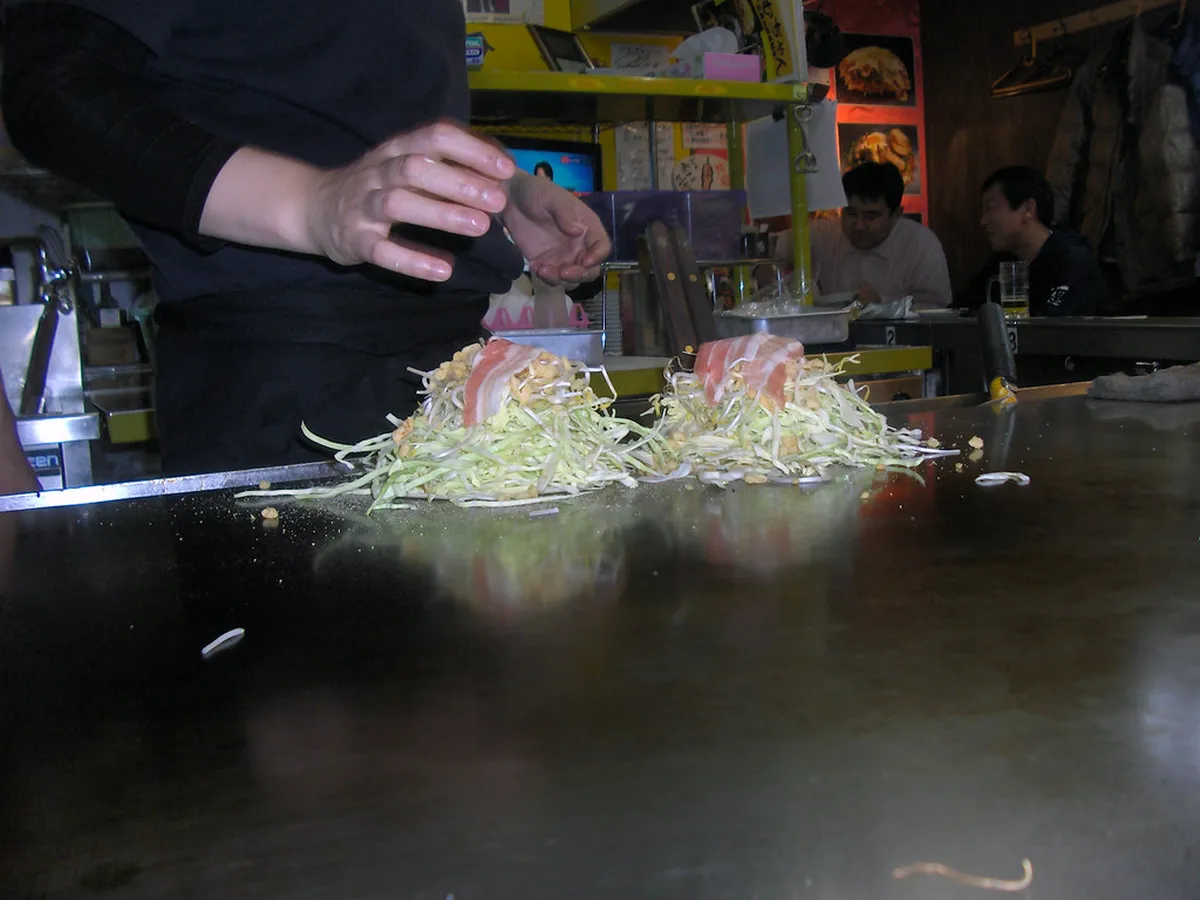
Hiroshima-style okonomiyaki is a must-try dish that differs significantly from the version found in Osaka or Tokyo. This local specialty features layers of cabbage, noodles, and pork grilled together on a large flat iron hotplate. The addition of yakisoba or udon noodles makes it a very filling and satisfying meal after a long day. Watching the chefs prepare your food right in front of you is an entertaining part of the dining experience.
Okonomimura is a famous food theme park that houses dozens of small stalls serving this delicious local pancake. You can find it in the central Shintenchi district, just a short walk from the main shopping arcade downtown. Each stall has its own secret sauce and unique cooking style, so feel free to explore the different floors — our complete Okonomimura guide walks through the etiquette, best stalls, and ordering vocabulary. The lively atmosphere and friendly chefs make it a great place to meet locals and other travelers alike.
Most restaurants offer English menus and are very helpful when it comes to choosing your favorite toppings and ingredients. You can add extras like squid, shrimp, or even local oysters to customize your meal to your personal taste. Vegetarian options are also becoming more common in the popular tourist areas of the city center these days. Be sure to try the local spicy sauce if you want an extra kick of flavor with your dinner.
Dining early helps you avoid the long queues that often form at the most popular okonomiyaki shops in town. Many locals head out for dinner around 7:00 PM, so arriving by 6:00 PM usually ensures you get a seat. This also gives you plenty of time to enjoy your meal before heading back to the train station. Eating this iconic dish is the perfect way to conclude your cultural exploration of this resilient Japanese city.
Where to stay in Hiroshima (if you stay overnight)
Staying near the main train station is the most convenient option for those with early morning departures tomorrow. This area features many modern business hotels that offer comfortable rooms at very reasonable prices for international travelers. You will have easy access to the Shinkansen platforms and the local bus terminal for your onward journey. Many of these hotels also provide excellent views of the city and the surrounding mountains from their upper floors.
The Hondori district is ideal for travelers who want to be in the heart of the shopping and dining scene. Staying here puts you within walking distance of the Peace Memorial Park and the best okonomiyaki restaurants in town. The area is very vibrant at night and offers a wide range of boutique hotels and traditional guesthouses. Using Japan travel planning tools can help you find the best deals for your stay in this central area.
Budget travelers should look for hostels and guesthouses located in the quieter neighborhoods just outside the main downtown core. These options often provide a more local experience and the chance to meet other people from around the world. Public transport is so efficient that you can still reach the main landmarks within minutes from these residential areas. Many guesthouses also offer bicycle rentals, which is a great way to save money on local transport costs.
Luxury travelers might prefer the high-end hotels located near the Shukkeien Garden or the scenic river banks downtown. These properties often feature traditional Japanese aesthetics combined with modern amenities and world-class service for every guest. You can enjoy peaceful mornings by the water before the city wakes up and the tourist crowds arrive. Booking your accommodation in advance is highly recommended, especially during the busy spring and autumn travel seasons.
Downloadable walking map for my Hiroshima itinerary
The city is uniquely built across six separate islands divided by the calm waters of the branching Ota River. Walking between these islands provides a scenic view of the modern skyline reflecting off the historical river channels. A logical walking route starts at the castle and moves south toward the main peace monuments and museum buildings. The flat terrain makes this a very easy walk for people of all ages and fitness levels today.
Crossing the Motoyasu River brings you directly into the heart of the Peace Memorial Park from the shopping district. You will pass several smaller monuments and beautiful flower gardens that line the riverbanks throughout the central city. The bridges themselves offer great photo opportunities of the Atomic Bomb Dome from different angles and distances. Most paths are well-marked with English signs to help you navigate the island layout without any confusion.
The Hondori shopping arcade provides a sheltered walking route that is perfect for rainy days or hot summer afternoons. This long pedestrian street connects the main tram lines to the central park area in a straight line. You can stop for a coffee or a quick snack while moving between the different historical landmarks on your list. The arcade is also a great place to experience the daily life of the local people living in the city.
Using a digital map on your phone is the easiest way to stay on track during your day trip. Most major landmarks offer free Wi-Fi, allowing you to check your location and the local transport schedules easily. You can also find physical maps at the tourist information center located inside the main train station upon arrival. Following a clear path ensures you see everything on your itinerary without wasting any time getting lost.
Frequently Asked Questions
What is the best month to visit Hiroshima?
Spring and autumn offer the best weather for exploring the city landmarks on foot. April brings beautiful cherry blossoms, while November features stunning fall colors in the local gardens. Avoid the hot and humid summer months if you prefer a more comfortable walking experience in the parks. Check our Hiroshima attractions overview for more seasonal tips.
Can I use my JR Pass for the local buses?
Yes, the JR Pass covers the Meipuru-pu sightseeing loop bus that stops at all major landmarks. This is a great way to save money while moving between the station and the peace park. Simply show your pass to the driver when you board the bus at any stop. It is one of the most convenient perks for pass holders.
Is the Hiroshima Peace Memorial Museum open every day?
The museum is open most days of the year but usually closes for a few days in late December. Opening hours vary slightly depending on the season, so check the official website before your visit. The 2026 entry fee is ¥200 for adults — give yourself at least two hours to see everything properly. Arriving early in the morning helps you avoid the largest crowds and school groups.
Should I include Miyajima in my 1-day Hiroshima itinerary?
If you only have one day, no — the city landmarks alone need a full 8-hour day to do justice. Squeezing Miyajima in means cutting the Peace Memorial Museum short, which defeats the trip's purpose. If you want both, follow our dedicated Hiroshima and Miyajima 1-day itinerary with a 6:30 AM start, or split across two days. For most travelers, two days is the right call.
What if it rains during my Hiroshima 1-day itinerary?
Hiroshima is genuinely rain-friendly. The Peace Memorial Museum, Hiroshima Castle interior, Hondori covered arcade, and Okonomimura's four indoor floors keep you dry for the bulk of the day. Skip Shukkeien if it's pouring (the appeal is the open garden) and replace it with the Hiroshima Museum of Art (¥1,000) near the castle. Streetcars run regardless of weather. A ¥500 conbini umbrella covers the rest.
What are the best photo stops on a Hiroshima 1-day walk?
The four standout photo stops, in walking order: (1) Hiroshima Castle reflecting in its moat — best from the southeast corner. (2) Shukkeien's Kokokyo arched bridge over the central pond. (3) Aioi Bridge's T-shaped span looking toward the Atomic Bomb Dome — golden hour (around 5 PM) gives the best light. (4) The Memorial Cenotaph aligned with the Flame of Peace and the Atomic Bomb Dome behind it — Hiroshima's most iconic composition.
How much does 1 day in Hiroshima cost in 2026?
Budget on ¥3,500–5,000 per person for a full day excluding Shinkansen. That covers the ¥600 streetcar 1-day pass, ¥830 of admissions (Castle ¥370 + Shukkeien ¥260 + Museum ¥200), lunch at Okonomimura (¥1,200–1,800), and dinner. Add ¥10,000–22,000 round-trip Shinkansen from Osaka or Kyoto if you don't have a JR Pass.
A one-day trip to Hiroshima offers a profound journey through history and a celebration of modern human resilience. You will leave the city with a deeper understanding of the past and a hopeful outlook for the future. Following this structured itinerary ensures you see the most important landmarks while enjoying the local culture and food. Hiroshima remains an essential stop for anyone wishing to experience the true heart and soul of modern Japan.
The city's unique island layout and welcoming atmosphere make it a highlight of any Japanese travel experience today. Whether you are interested in samurai history or the pursuit of world peace, there is something here for everyone. Plan your journey carefully to make the most of every hour in this beautiful and significant "City of Water." Safe travels as you explore the remarkable story of this historic and vibrant Japanese destination.
Free: The Hiroshima Essentials guide
Top things to do, where to stay, a perfect day plan, getting around, and the best time to go — a Hiroshima mini-guide you can take offline.
You might also like


Continue reading
More guides you'll find useful


