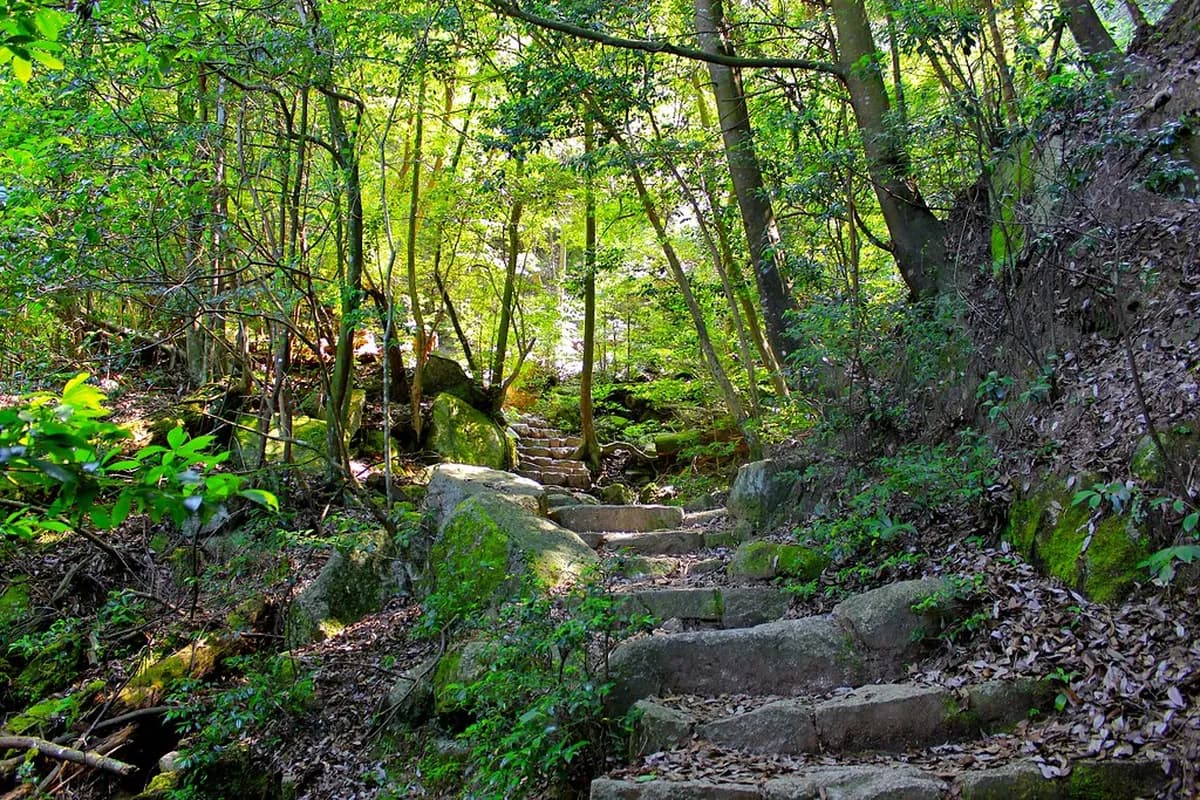
10 Best Outdoor Adventures in Hiroshima for Thrill-Seekers (2026)
Discover the 10 best outdoor adventures in Hiroshima for thrill-seekers in 2026. From Shimanami Kaido cycling to night kayaking, plan your adrenaline-fueled trip today.
On this page
Hiroshima offers far more than its sobering history for active travelers. Rugged mountains, deep gorges, and the glittering Seto Inland Sea create a playground for the 10 best outdoor adventures in Hiroshima for thrill-seekers. You will find high-speed cycling routes, technical canyoning, and Grade III rapids within ninety minutes of the city center. Planning the trip well requires a mix of seasonal timing, transit knowledge, and gear prep to maximize the adrenaline.
This 2026 guide pairs each adventure with current operator pricing in JPY, the access route from JR Hiroshima Station, and a difficulty rating so you can budget and book accurately. If you're planning a multi-day adventure trip, where to stay in Hiroshima near the adventure centers will streamline your early starts.
For deeper trail logistics, see our Hiroshima hiking trails guide to Mt Misen, Mitaki Temple, and other routes, and for the long-distance bike route, the Shimanami Kaido cycling guide on e-bike vs road bike logistics.
Sea Kayaking to the Floating Torii of Miyajima
Paddling across the Seto Inland Sea offers a perspective of the iconic floating Torii gate that ferry passengers never get. You should check the Miyajima tide table before launching from the Hatsukaichi coastline. High tide allows you to glide directly under the vermilion structure for a once-in-a-trip photo. Low tide reveals the sandy floor where travelers walk out to touch the wooden pillars.
Expert guides provide safety briefings and quality gear for first-time crossers, and most tours depart from Hatsukaichi near the JR Miyajimaguchi ferry terminal — a 26-minute ride on the JR Sanyo Line from JR Hiroshima Station (¥420). You can learn more about how to kayak to Miyajima Island to ensure a smooth journey. The crossing takes roughly forty-five minutes depending on the current strength and your fitness.
Conditions can flip from a calm paddle to a real workout in twenty minutes, so keep your eyes on the horizon for the large JR ferries that frequent these shipping lanes. Stay close to your group, always wear a life jacket, and carry a waterproof bag for your essentials.
- Essential Kayaking Gear Checklist
- Dry bag: 10-liter capacity
- Footwear: Neoprene water shoes
- Sun protection: SPF 50+ zinc
- Hydration: 1.5 liters water
2026 pricing: Guided Miyajima sea-kayaking tours run roughly ¥6,000–¥10,000 per person for a half-day session including kayak, paddle, life jacket, and dry bag. Sunset and full-moon departures sit at the upper end of that range, while standard daytime crossings from Hatsukaichi start near ¥6,500. Difficulty: Intermediate. Best season: April–June, September–early November.
Hiking Mount Misen and the Mitaki Nature Trails
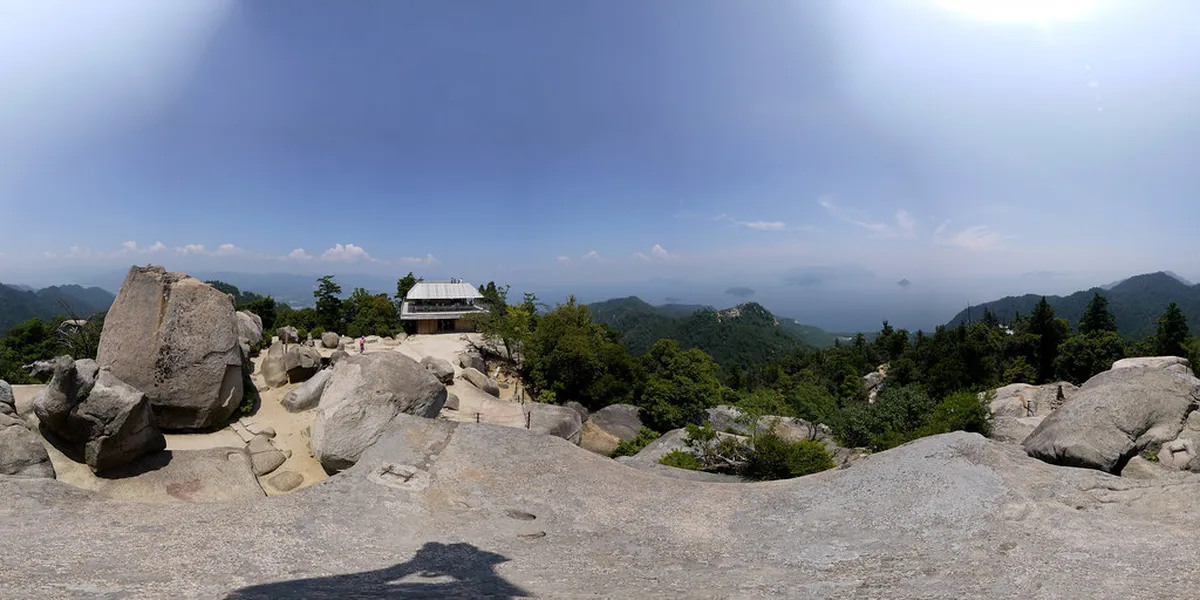
Mount Misen is the spiritual and physical heart of Miyajima. The Momijidani Course offers a scenic route through ancient maple forests; the Omoto Course is steeper and more solitary, bypassing the crowded ropeway and giving experienced hikers a true wilderness feel. The Daisho-in Course sits between the two on difficulty and passes the Daisho-in temple complex on the way up.
The Mitaki Nature Trails are a budget-friendly alternative just three minutes by JR Kabe Line from JR Hiroshima Station. You can find these in our guide to budget Hiroshima adventures. The trails wind through dense bamboo and past three waterfalls, with terrain steep enough to satisfy anyone craving a quick workout without leaving the city.
Proper footwear is mandatory because of loose rocks and exposed roots. Expect the Omoto Course to take roughly two hours of steady climbing to reach the summit observatory, and pack a light windbreaker — temperatures at the top drop ten degrees below the bayside reading even in summer.
- Mount Misen Trail Difficulty Guide
- Omoto Course: Advanced rugged
- Momijidani Course: Moderate scenic
- Mitaki Trails: Intermediate steep
- Summit Time: 90-120 minutes
2026 pricing: Hiking Mt Misen and Mitaki is free of charge — there is no trailhead fee on either route. Optional add-ons include the Miyajima Ropeway one-way at ¥1,500 / round-trip ¥2,000 and the Itsukushima Shrine entry at ¥300 (adult). Budget travelers can complete the full day for under ¥3,000 including the JR ferry connection. Difficulty: Moderate (Momijidani) to Advanced (Omoto). Best season: Late March–early June, October–late November.
Cycling the Shimanami Kaido Island-Hopping Route
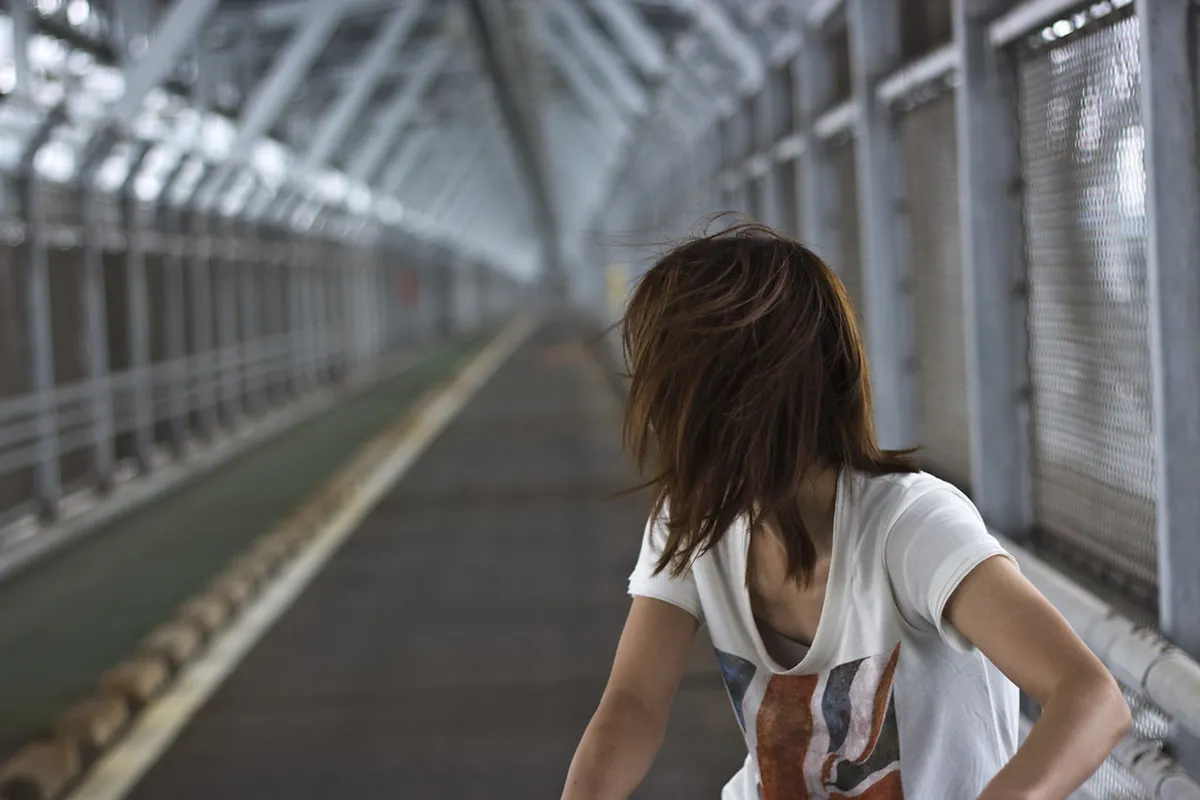
Cycling across six islands on the Shimanami Kaido is the ultimate endurance challenge for visiting riders. The seventy-kilometer route connects Hiroshima Prefecture to Ehime through massive suspension bridges. You can find detailed logistics in our Shimanami Kaido cycling guide. Most riders start in Onomichi (90 minutes from JR Hiroshima Station via the Sanyo Line, ¥1,490) and finish in Imabari over one or two days.
The bridge ramps can prove taxing for those who are not used to long-distance riding. Consider Shimanami Cycle for affordable public rentals or step up to a high-performance road bike at a private operator. E-bikes have become the default choice for first-timers tackling the steep approach ramps that lead up to the elevated bridge decks.
Avoid carrying heavy backpacks by using the Sagawa Express luggage forwarding service available at most Onomichi hotels. Drop your bags off in the morning and find them waiting in Imabari by evening. Carry a light repair kit and at least 1.5 liters of water for the stretches between island towns.
- Shimanami Kaido Rental Options
- Road Bike: High speed
- Cross Bike: General comfort
- E-bike: Best for hills
- Cost: 2000-7000 yen
2026 pricing: Public Shimanami Cycle rentals start at ¥1,100/day for a city or cross bike, ¥1,650/day for a tandem, and ¥2,000/day for an e-bike at the Onomichi terminal. Private operators like Giant Store charge ¥5,500–¥7,000/day for a road bike with one-way drop-off in Imabari, plus a ¥1,100 cross-prefecture fee. Bridge tolls themselves have been free for cyclists since the 2014 toll abolition. Difficulty: Intermediate (full route) to Beginner (Innoshima loop). Best season: Late March–June, October–November.
White-Water Rafting on the Upper Ota River
The Upper Ota River provides the most exciting white-water rafting in the entire Chugoku region. You will encounter Grade II and III rapids that test your paddling and teamwork. Check the best time for Hiroshima adventures before booking — most operators close from December through March due to freezing water and low flow.
Professional guides lead small groups through narrow rock channels and over sudden drops. Be ready to get completely soaked as waves break over the inflatable raft. The surrounding forest offers a brief moment of calm between the more turbulent sections, and safety briefings are thorough, including practice for self-rescue technique in the water.
Spring snowmelt in late April and May creates the fastest and most thrilling water. Summer brings warmer air but requires more technical maneuvering through exposed boulders. Wear synthetic clothing and skip cotton; most operators include wetsuits and helmets in the standard fee. Access is via the JR Geibi Line from Hiroshima Station to Mitaki Station, then a 25-minute operator shuttle.
2026 pricing: Half-day rafting on the Ota River runs ¥7,500–¥9,500 per adult including wetsuit, helmet, life jacket, and guide. Full-day combo packages with lunch sit around ¥12,000. The April–November rafting season is peak; outside those months operators do not run trips. Difficulty: Intermediate. Best season: Late April–June (high flow), September–early November (calmer family-friendly runs).
Canyoning and Trekking through Sandankyo Gorge
Sandankyo Gorge features dramatic cliffs and emerald waters that provide a perfect backdrop for technical canyoning. This sixteen-kilometer ravine offers several levels of difficulty. Consult the Official Sandankyo Gorge Information for current trail conditions and the seasonal Watarase ferry schedule. The most intense sections demand a professional guide and specialized gear like helmets and full wetsuits.
Combine trekking with the small wooden ferry boats to reach remote waterfalls and deep emerald pools. You might enjoy slotting this excursion into our 3-day Hiroshima adventure itinerary. The Sarutobi passage is a narrow boat trip through towering rock walls that feels like a hidden world. Expect slippery rocks and steep stairs throughout the lower gorge paths.
Autumn foliage transforms the gorge into red and gold during late October — go on a weekday morning if you want solitude. Water remains cold even in summer due to the deep shade. Bring high-traction boots to navigate moss-covered stones safely.
2026 pricing: Sandankyo Gorge entry is free, but the seasonal Watarase ferry that crosses the inner gorge costs ¥500 one-way / ¥900 round-trip. Guided canyoning packages from Hiroshima city operators start at ¥9,000 per person and include all gear plus transport from JR Hiroshima Station. The gorge fully reopens in late April after winter trail clearance. Difficulty: Advanced (canyoning) / Beginner (gorge boat + lower trail). Best season: May–June, late October–mid November.
Night Kayaking in the Glowing Hiroshima Bay
Paddling Hiroshima Bay after sunset reveals a side of the city few tourists ever experience. The illuminated skyline reflects off the calm water, and you can see the Atomic Bomb Dome and the brightly lit Aioi and Heiwa-Ohashi bridges from a silent vantage point. This activity is a peaceful but genuinely thrilling contrast to the daytime adrenaline elsewhere in the prefecture.
Guided night tours include LED-lit kayaks for visibility and harbor safety. You will glide past industrial landmarks and modern skyscrapers that define the city's profile, and the water is generally calmer in the evening than mid-afternoon, making it easier to focus on the visual spectacle. Group sizes typically cap at six paddlers per guide.
Seeing the Itsukushima Shrine illuminated from the water is a highlight for many evening adventurers. Lantern glow creates a mystical atmosphere far removed from the daytime crowds. Dress in layers — the sea breeze gets sharp after sunset — and most tours provide headlamps and reflective vests.
2026 pricing: Two-hour guided night-kayak tours in Hiroshima Bay run ¥7,000–¥9,000 per person, including illuminated kayak, headlamp, life jacket, and reflective vest. Sunset departures at peak season (April, July, October) often sell out one week ahead. Difficulty: Beginner-friendly. Best season: Year-round, ideal April–November.
Stand-Up Paddleboarding (SUP) at Itsukushima Shrine
Stand-up paddleboarding requires balance and core strength to navigate the coastal waters of Miyajima. Standing on the water gives you a majestic view of the shrine that is impossible to get from shore. You can move at your own pace while exploring the small coves and rocky outcrops surrounding the island. This is a full-body workout with a deep sense of connection to the natural environment.
Beginners should opt for a guided session to learn the proper stance and paddling techniques for the Seto Inland Sea. Expert instructors help you read local currents and avoid the paths of larger maritime vessels. High tide is the ideal launch window if you want to get close to the Torii. The shallow waters near the shrine are generally protected from the strongest winds.
Advanced paddlers can venture along the coastline to discover secluded beaches and hidden sea caves. A waterproof camera is essential for capturing the mountains-meet-sea vistas. Always check the wind forecast — strong offshore gusts make the return journey very difficult — and wear an ankle leash so the board stays within reach if you fall.
2026 pricing: A 90-minute SUP rental on Miyajima starts at ¥5,000, while a guided 2-hour beginner lesson with an instructor sits at ¥8,500 including board, paddle, leash, and wetsuit (autumn–spring). Bookings via local operators like Paddle Park Miyajima accept day-of reservations subject to a wind cap. Difficulty: Beginner with guide / Intermediate solo. Best season: May–October.
Rock Climbing at Mikuradake Prefectural Natural Park
Mikuradake Prefectural Natural Park is the premier destination for granite slab and crack climbing in Western Japan. The three distinctive peaks provide a variety of multi-pitch routes for those with technical mountaineering skills. Indoor training facilities like Hiroshima city gyms work well for a quick warm-up the day before. Check the Dive! Hiroshima portal for updated access information regarding specific climbing sectors.
Experienced climbers will appreciate the friction-heavy granite that rewards precise footwork and steady nerves on the lead. Many routes are well-bolted, but a small rack of trad gear is recommended for certain sections. The approach to the main walls involves a steep forty-minute hike through dense forest. Stunning valley views reward those who reach the upper anchors.
Spring and autumn offer the best conditions thanks to cool temperatures and dry rock. Summer humidity makes the granite feel slick and the approach hike more punishing. Always climb with a partner, agree on a clear communication plan for multi-pitch descents, and stop in at a Hiroshima climbing shop the night before for current beta on routes and any closures.
2026 pricing: Mikuradake Park access is free for self-guided climbers. Indoor warm-up sessions at gyms like Climbing Studio Pump in Hiroshima city run about ¥1,800 for a day pass, ¥1,500 for shoe rental, and ¥500 for a harness. Guided multi-pitch trips with a JMGA instructor start at ¥18,000 per person for groups of two. Difficulty: Advanced. Best season: April–early June, October–late November.
Cycling and Wildlife on Okunoshima (Rabbit Island)
Okunoshima offers a mix of dark history and adorable wildlife that makes for a fascinating day trip. The island is famous for its hundreds of friendly wild rabbits that meet visitors at the ferry terminal. Rent a bicycle to complete the five-and-a-half-kilometer coastal loop in under an hour at a fast pace. The car-free environment makes for a safe, exhilarating sprint between the island's historical ruins.
The abandoned poison gas factory and power station provide a haunting backdrop for the cycling. Exploring these concrete shells offers a glimpse into the island's secret military past during the early twentieth century. Stop at the Poison Gas Museum for full historical context, and the contrast between the playful rabbits and somber history makes this a uniquely memorable circuit.
Ferries depart regularly from Tadanoumi Port — a 90-minute Sanyo Line ride from JR Hiroshima Station — and take fifteen minutes to reach the island pier. Buy rabbit food at the port station before boarding. The island also has a small Kyukamura hotel and hot spring for an overnight stay. Pack your own lunch in the off-season; on-island dining is limited.
- Okunoshima Visitor Essentials
- Cycle Loop: 5.5 kilometers
- Ferry Time: 15 minutes
- Rabbit Food: 100-200 yen
- Bike Rental: 600-1000 yen
2026 pricing: The Tadanoumi–Okunoshima ferry costs ¥360 one-way / ¥720 round-trip per adult. Bike rentals at Kyukamura Okunoshima resort run ¥600 for the first 2 hours and ¥100 per additional 30 minutes (electric bikes ¥1,000 / 2 hours). Poison Gas Museum entry is ¥150 (adult) / ¥100 (student). Difficulty: Beginner. Best season: Year-round; rabbits most active April–June and September–November.
Paragliding the Skies above Mihara and Setoda
Tandem paragliding from the Mihara and Setoda launch points has quietly become Hiroshima's most underrated thrill. You ride lift along the ridges above the Seto Inland Sea, with the Shimanami Kaido bridges threading through the islands below. Flights launch from heights of 300–450 meters and last 15–25 minutes depending on thermals, giving a perspective on the prefecture that no boat or train can match.
Tandem flights with a JHF-certified pilot require zero prior experience — you sit in a harness in front of the pilot, run a few steps off the launch ramp, and within seconds you are riding the air. Operators in Mihara include English-speaking pilots and a GoPro recording option for an extra fee. Reach the launch site via the Sanyo Line to JR Mihara Station (40 minutes from Hiroshima, ¥970), then a 20-minute operator shuttle.
Conditions depend heavily on wind direction, so flights cancel often in March and August — book with a flexible date in mind. The pilot will brief you on landing posture (legs forward, feet up) and the radio call from the ground crew. First-time fliers often report this as the highlight of the entire trip.
2026 pricing: Tandem paragliding flights from Mihara run ¥12,000–¥15,000 per person for the standard 15-minute ride; the 25-minute thermal package is ¥18,000. GoPro footage is typically ¥3,000 extra. Difficulty: Beginner (tandem). Best season: April–June, October–November.
How to Reach Each Adventure from Hiroshima Station
The JR West Hiroshima Area Pass (¥2,500/1 day, ¥4,500/2 days) covers the Sanyo, Kabe, and Geibi lines used by most operators. Buy it at the JR Hiroshima Station Midori-no-Madoguchi counter.
| Adventure | 2026 price (per person) | Transit from JR Hiroshima | Difficulty |
|---|---|---|---|
| Sea kayaking to Miyajima Torii | ¥6,000–¥10,000 (half-day) | 26 min to Miyajimaguchi | Intermediate |
| Mt Misen hiking | Free (optional ropeway ¥2,000 RT) | 26 min to Miyajimaguchi | Moderate–Advanced |
| Shimanami Kaido cycling | ¥1,100–¥7,000/day bike rental | 90 min to Onomichi | Intermediate |
| Upper Ota River rafting | ¥7,500–¥9,500 | Geibi Line + 25 min shuttle | Intermediate |
| Sandankyo Gorge canyoning | From ¥9,000 | 75 min (Geibi Line + bus) | Advanced |
| Night kayaking, Hiroshima Bay | ¥7,000–¥9,000 | Local access | Beginner |
| Okunoshima cycling | ¥720 ferry + ¥600 bike rental | 90 min to Tadanoumi | Beginner |
| Tandem paragliding (Mihara) | ¥12,000–¥15,000 | 40 min to Mihara | Beginner (tandem) |
Almost every adventure on this list is reachable by JR train plus a short shuttle, ferry, or local bus — you do not need a rental car. The JR West Hiroshima Area Pass (¥2,500 / 1 day, ¥4,500 / 2 days in 2026) covers the Sanyo, Kabe, and Geibi lines used by most operators, and you can buy it at the JR Hiroshima Station Midori-no-Madoguchi counter.
The shortest transit is the JR Kabe Line to the Mitaki Trails (3 minutes). Mid-range trips include the JR Sanyo Line to Miyajimaguchi for kayaking, hiking, and SUP (26 minutes), and to Mihara for paragliding (40 minutes). The longest pull is to Onomichi for the Shimanami Kaido (90 minutes) and Sandankyo (75 minutes via the Geibi Line and a 30-minute Akiota Bus connection).
If you are stacking two adventures in one day, pair Mt Misen hiking with Miyajima SUP or sunset kayaking — same ferry terminal, no extra transit cost. Avoid pairing Sandankyo with anything else; the round trip eats the full day.
Bear Safety, Rental Insurance, and Rules Most Guides Skip
Japanese black bears are present in the Sandankyo, Mikuradake, and upper Ota River areas — carry a bear bell (¥600 at outdoor stores) and check current sighting bulletins posted at the Sandankyo gorge gate before entering the upper section.
Two practical realities catch many international thrill-seekers off guard, and almost no English-language adventure guide covers them. The first is bear awareness. Japanese black bears (tsukinowaguma) are present in the Sandankyo, Mikuradake, and upper Ota River areas, and 2025–2026 has seen elevated sightings across western Honshu after a poor acorn crop. Carry a bear bell on your pack (¥600 at any Hiroshima outdoor store), make noise on blind corners, and avoid solo hiking off-trail at dawn or dusk. Sandankyo posts current sighting bulletins on the gorge gate at the Watarase boat dock — check it before you commit to the upper section.
The second is rental liability. Most Japanese rental operators (bike, kayak, SUP) require you to sign a Japanese-language waiver and present a passport, and the rental fee includes basic JCI-style accident insurance only up to ¥5 million. International travelers covered by their own travel insurance often find the operator's policy inadequate for technical activities — paragliding, canyoning, and rock climbing typically demand a sports-rider on your existing policy, and operators will ask to see the cover sheet before launch. Carry a screenshot or PDF on your phone in English and Japanese.
Drone use is restricted in Itsukushima Shrine waters, the Atomic Bomb Dome perimeter, and most of Sandankyo Gorge — a national park designation. Fines start at ¥500,000. If you want aerial footage, hire a local licensed pilot through Dive! Hiroshima or stick to the legal Mihara paragliding flight, which is the only place you can ride your own aerial perspective without paperwork.
Planning Your Thrill-Seeker Trip
Build the itinerary around two anchor days at Miyajima (hike + SUP or kayak) and the Shimanami Kaido (full route or Innoshima loop), then fill in supporting half-days from the rest of the list. You can find more comprehensive details in our guide to Hiroshima adventures for active travelers.
Reserve operators two weeks ahead for weekends in April, May, October, and November — peak demand windows where most paragliding, canyoning, and rafting slots sell out. Weekdays in June, late September, and early November consistently offer better pricing and smaller groups. Always check the weather and tide before any water-based or mountain activity, and reconfirm with the operator the night before — Japanese operators almost always cancel for safety rather than push through marginal conditions, and the policy in 2026 is a 100% refund or free reschedule on operator cancellation.
Inform your hotel staff or a contact about your planned route and expected return time for any solo excursion. Carry a fully charged phone, a power bank, and a basic first-aid kit. Respect local customs — bow when receiving gear, take shoes off in operator offices, and tip is neither expected nor welcomed.
Combine this with our main Hiroshima attractions guide for a fuller itinerary.
Frequently Asked Questions
Is Hiroshima safe for solo adventurers?
The city and surrounding mountains are very safe for independent travelers who follow basic safety protocols. Always inform someone of your route and carry a local map when exploring remote areas. You can find more safety tips in our guide to Hiroshima adventures for solo visitors.
Do I need a permit for rock climbing in Mikuradake?
No formal permit is required for recreational climbing in Mikuradake Prefectural Natural Park. However, climbers must respect local access rules and environmental protection guidelines to maintain site access. Always check with local climbing associations for any seasonal closures or specific route warnings.
What is the best way to handle luggage on the Shimanami Kaido?
The Sagawa Express luggage forwarding service is the most convenient way to move bags between Onomichi and Imabari. You can drop your luggage at your hotel in the morning and find it waiting at your destination. This allows you to cycle the bridges without the burden of a heavy backpack.
How much does a Shimanami Kaido bike rental cost in 2026?
Public Shimanami Cycle rentals start at ¥1,100 per day for a city or cross bike and ¥2,000 per day for an e-bike at the Onomichi terminal in 2026. Private operators charge ¥5,500–¥7,000 per day for a road bike, plus a ¥1,100 cross-prefecture fee for one-way Imabari drop-off. See the full Shimanami Kaido cycling guide for booking details.
When is the best time of year for outdoor adventures in Hiroshima?
April–early June and late September–November are the best windows for outdoor adventures in Hiroshima. Spring offers cherry blossoms and full river flow for rafting; autumn brings clear visibility on Mt Misen and dry granite at Mikuradake. Avoid the mid-July to early September typhoon and humidity peak for water-based activities.
Is it free to hike Mt Misen on Miyajima?
Yes — hiking the three Mt Misen trails (Momijidani, Daisho-in, and Omoto courses) is completely free in 2026. The optional Miyajima Ropeway costs ¥1,500 one-way / ¥2,000 round-trip if you want to skip the climb. For full route notes see our Hiroshima hiking trails guide.
Hiroshima delivers an extraordinary range of experiences for those chasing the 10 best outdoor adventures in Hiroshima for thrill-seekers. From the granite peaks of Mikuradake to the glowing waters of the Seto Inland Sea, every activity offers a distinct challenge — and the JR network puts almost all of them within ninety minutes of the city center. Pack your gear, carry your insurance docs, and get ready to discover the wild side of one of Japan's most historic prefectures.
Free: The Hiroshima Essentials guide
Top things to do, where to stay, a perfect day plan, getting around, and the best time to go — a Hiroshima mini-guide you can take offline.
You might also like

Continue reading
More guides you'll find useful