Kayak to Miyajima: 9 Tips on Tides and Routes
Master the tides and find the best routes to kayak to Miyajima Island. Learn when the Torii gate floats and how to stay safe in Hiroshima Bay.
On this page
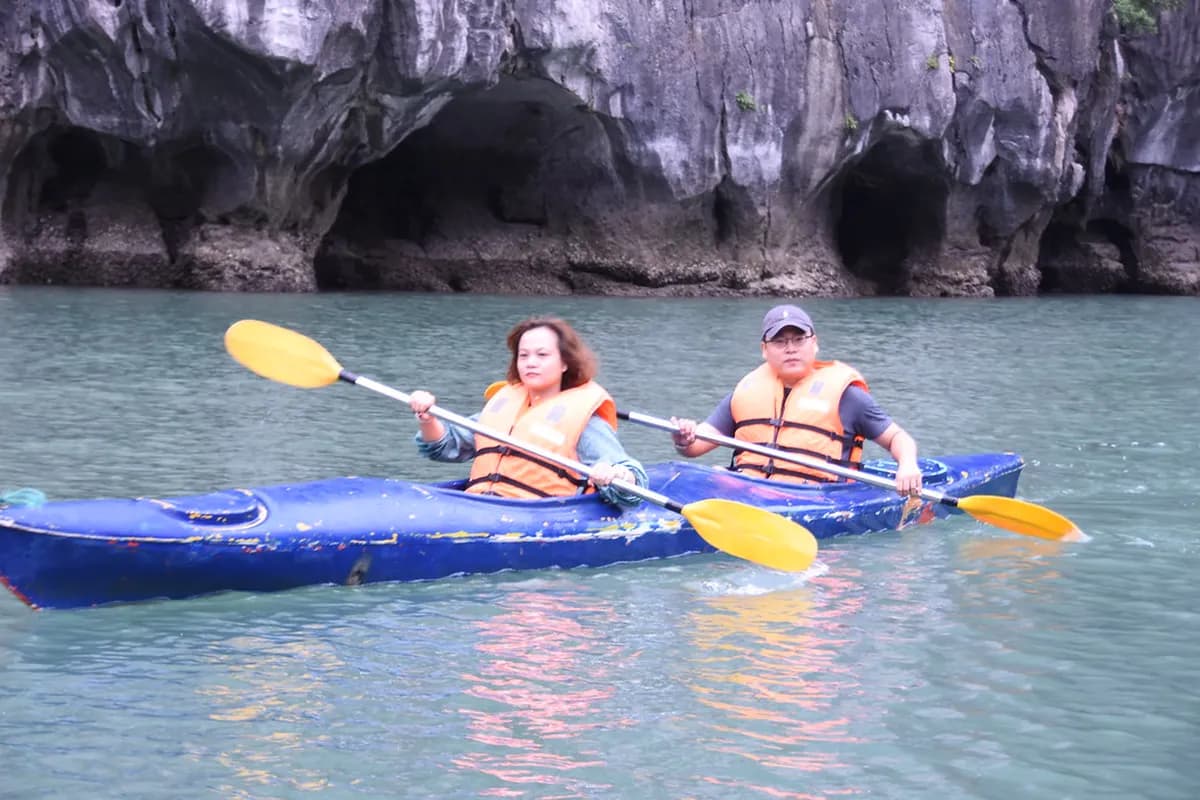
Paddling across the calm waters of the Seto Inland Sea offers a unique perspective of Japan's most famous shrine. Kayaking to Miyajima Island allows you to approach the Great Torii Gate from the water without the usual crowds. Planning this trip requires a solid understanding of local water levels and boat traffic.
Many travelers only see the shrine from the ferry or the crowded walking paths. Taking a kayak gives you the freedom to explore the coastline at your own pace. You can combine this water adventure with other Hiroshima adventures for a full day of excitement.
Safety is the top priority when navigating the busy channels of Hiroshima Bay. Knowing the specific tide levels ensures you do not get stuck in the mud during your journey. This guide covers everything from launch points to official tide prediction tools.
The Best Kayaking Routes to Miyajima Island
Most paddlers begin their journey from the mainland near Miyajimaguchi or the Suya area. These launch points provide the shortest crossing of roughly two kilometers to reach the island shore. Starting from these spots allows you to aim directly for the shrine area.
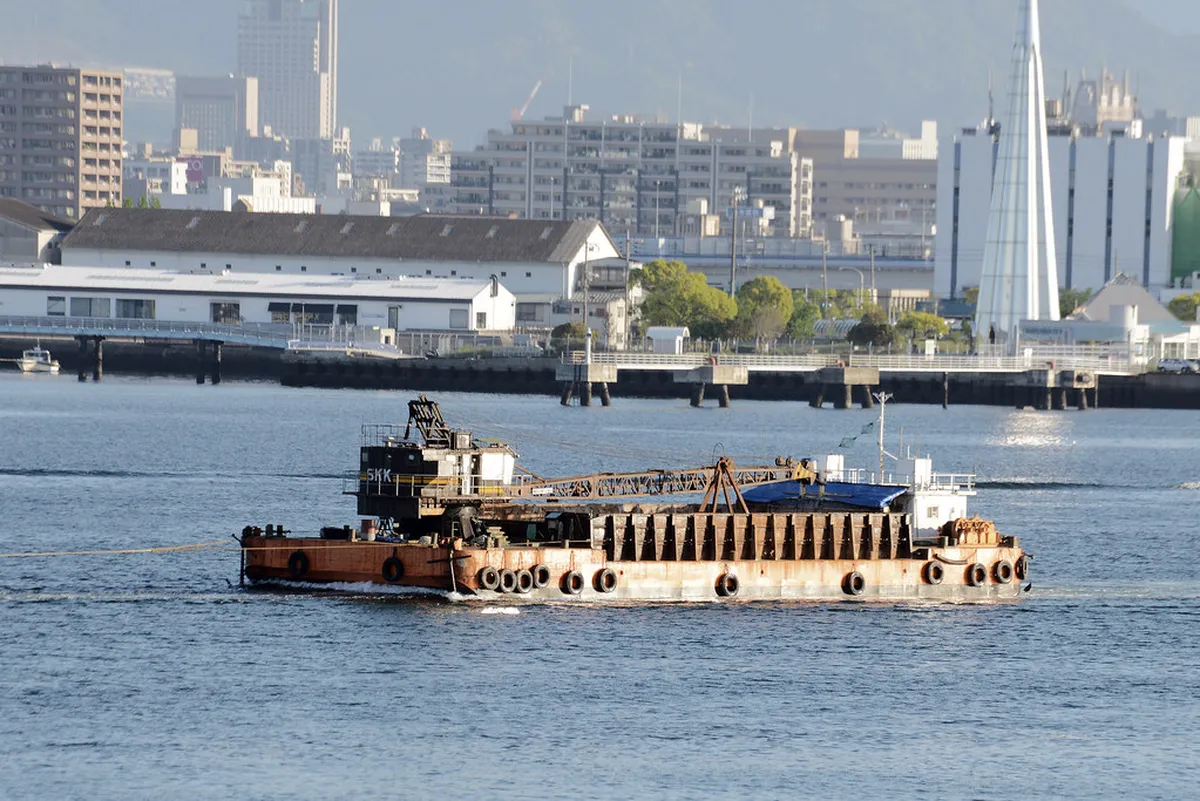
The channel between the mainland and the island is a busy corridor for high-speed ferries. These vessels create significant wakes that can easily capsize an inexperienced paddler. Always cross the ferry lanes at a right angle to minimize your time in the danger zone.
Keep a sharp eye out for the white foam of approaching boats to stay visible. The water near the island is generally calmer once you exit the main ferry paths. Small beaches located just north of the Itsukushima Shrine complex make for ideal landing spots.
Understanding Miyajima Tide Levels for Kayakers
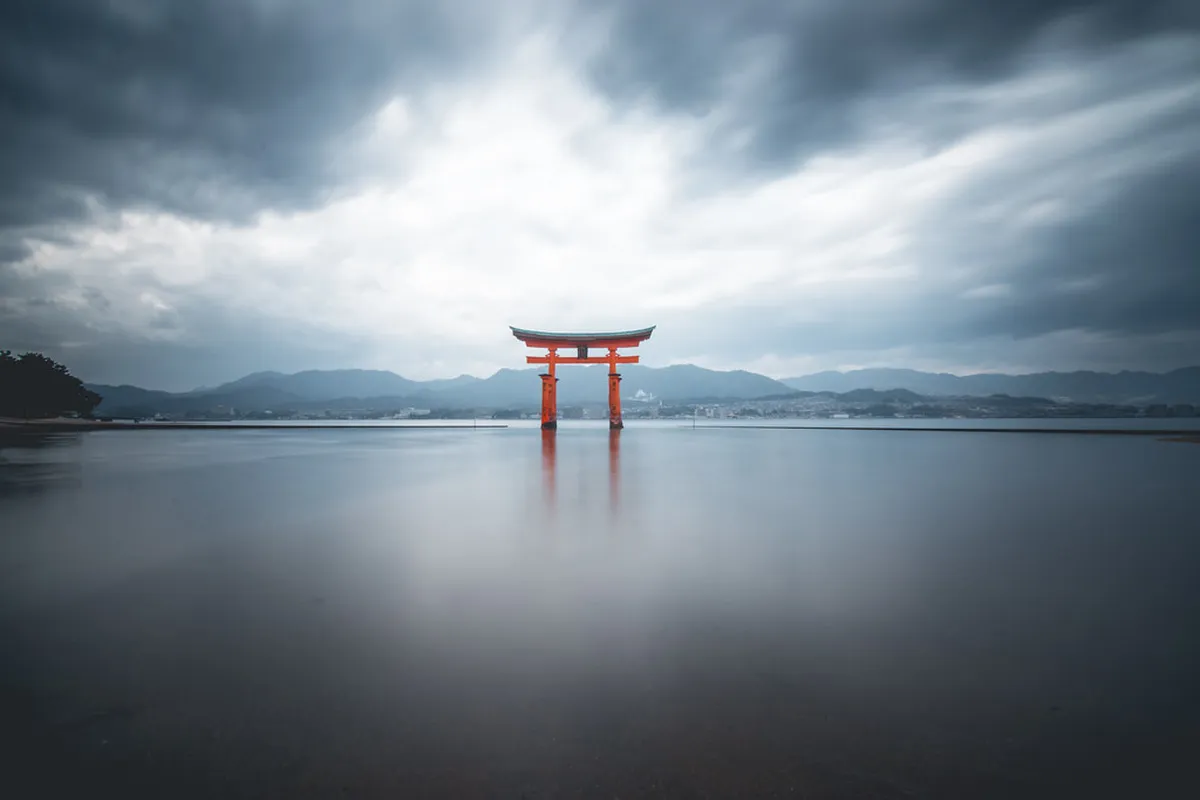
The 'Both Tides' strategy gives you the full visual experience in one day. Launch three hours before peak high tide to see the gate floating, land on the island for lunch, then wait for the tide to recede so you can walk up to the base of the O-torii pillars.
Water depth changes drastically throughout the day in the Seto Inland Sea. A level of 250cm or higher is necessary for the gate to appear floating. Kayakers can navigate the area with at least 150cm of water depth.
Avoid the area when the tide drops below 100cm to prevent getting stuck in the mud. Low tides reveal the sandy floor, which is perfect for walkers but impossible for boats. Check the Miyajima tide table before you depart to ensure enough water.
Clearance heights under the gate crossbeams vary depending on the current tide level. At very high tides, you must watch your head to avoid hitting the wooden structure. Higher water levels provide the best photo opportunities for the 'floating' effect.
| Tide Level | Activity | Kayak Access? |
|---|---|---|
| Over 250 cm | Gate appears fully floating — best photos | Yes; watch head clearance under gate |
| 150–250 cm | Safe paddling depth near island | Yes |
| 100–150 cm | Shallow / muddy water | Caution — risk of grounding |
| Under 100 cm | Walking access to gate base only | No — do not launch |
- Tide Level Activity Guide
- Over 250cm: Floating gate effect
- 150cm-250cm: Safe paddling depth
- 100cm-150cm: Muddy/Shallow water
- Under 100cm: Walking access only
Miyajima Tide Times Chart and Prediction Tools
Monitoring the water levels is the most critical part of your trip planning. Official data from the Japan Meteorological Agency provides the most accurate local forecasts. These resources help you avoid the frustration of arriving during a low tide.
You can also use the Miyajima Tide Tables provided by Hatsukaichi City. Spring tides offer the greatest range between high and low water marks. Neap tides result in less dramatic changes and may be easier for beginners.
Many rental shops display the daily tide chart near their launch areas. Ask local staff for advice if you are unsure how to read the cm measurements. Planning your launch time around the peak high tide ensures the best experience.
High Tide vs. Low Tide: When to Paddle Through the Torii Gate
The 'Both Tides' strategy is the best way to see everything the island offers. Start your journey three hours before the peak high tide to see the gate floating. Land your kayak on the island to enjoy a local lunch or a short hike.
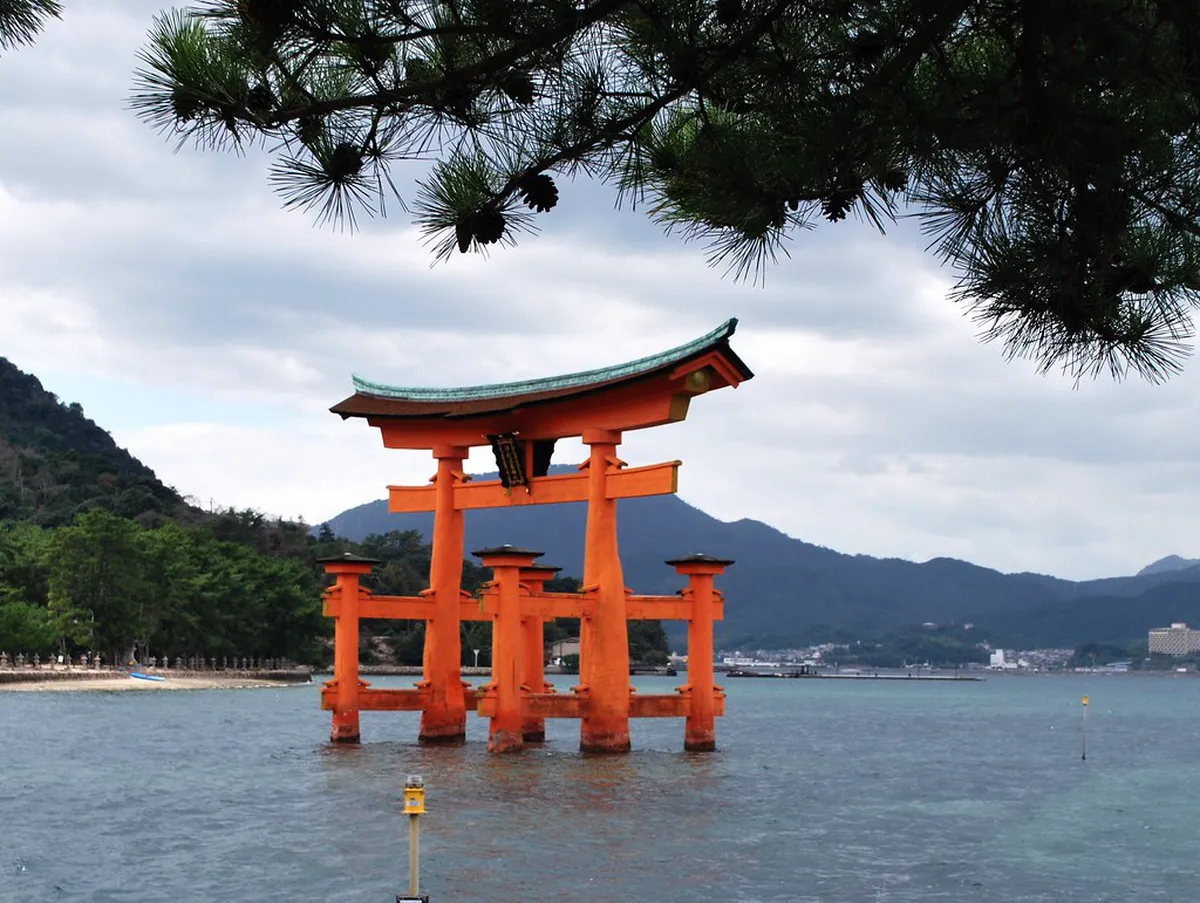
Wait for the tide to recede so you can see the gate's base on dry land. This approach provides the full visual experience of the UNESCO site in one day. You can find many budget Hiroshima adventures like hiking while waiting for the tide.
Low tide allows you to walk right up to the massive pillars of the O-torii. High tide creates the magical illusion of the shrine floating on the sea. Paddling through the gate at high tide is a bucket-list experience for many.
Essential Gear and Safety for Paddling Hiroshima Bay
The channel between the mainland and Miyajima Island carries high-speed ferry traffic that creates significant wakes. Always cross the ferry lanes at a right angle to minimize time in the danger zone, and wear bright clothing so ferry captains can spot your kayak from a distance.
Safety equipment is mandatory for any water activity in the Hiroshima region. A high-quality life jacket should be worn at all times while on the water. Bright clothing helps ferry captains spot your small craft from a distance.
The Seto Inland Sea can have strong currents that affect your paddling effort. Check the wind forecast from the Dive! Hiroshima website before heading out. Strong winds can make the return trip to the mainland much more difficult.
Pack a waterproof bag for your camera and phone to capture the scenery. Sunscreen and a hat are essential as the sun reflects strongly off the water. Carry a whistle or signaling device in case you need assistance.
Guided Kayak Tours vs. Self-Guided Rentals
Guided tours offer a safer experience for those unfamiliar with the local waters. Professional guides understand the local currents and provide all the necessary safety equipment. They also share historical stories about the shrine that you might otherwise miss.
If you choose a self-guided rental, you gain more freedom but carry more responsibility. Compare these options as part of your 3-day Hiroshima adventure itinerary to find the best fit. Rentals are typically cheaper but require previous kayaking experience for safety.
Most rental shops are located within a short walk of the Miyajimaguchi ferry terminal. Booking in advance is highly recommended during the peak spring and autumn seasons. Tours often include a light snack or a visit to hidden coastal spots.
- Guided Kayak Tour Benefits
- Safety: Professional guides included
- Gear: All equipment provided
- Cost: Roughly 5000-8000 yen
- Skill: Beginners welcome
Beyond the Torii: Other Coastal Spots Near Miyajima
Miyajima has much more to offer than just the famous red gate. The coastline is dotted with smaller shrines that are only accessible by water. Paddling further south reveals quiet beaches and lush forest views.
You will likely pass several oyster rafts floating in the bay. These rafts are a staple of the local economy and provide a unique visual. For more ideas, check out the 10 best outdoor adventures in Hiroshima for thrill-seekers.
Sea birds and other marine life are common sights along the rocky shores. Early morning paddles offer the best chance for calm water and wildlife sightings. Take your time to explore the small inlets away from the ferry traffic.
Logistics: Getting to the Launch Points from Hiroshima
Reaching the launch sites is simple using the local JR Sanyo Line from Hiroshima Station. Exit at Miyajimaguchi Station and walk toward the waterfront to find the rental shops. The train ride takes about 25 minutes from the city center.
Local buses also serve the Suya area for those launching further south. If you are planning a longer trip, consider the Shimanami Kaido cycling guide for regional travel. Most kayak operators provide storage for your personal belongings during the tour.
Parking is available near the ferry terminals but can be expensive on weekends. Public transit remains the most convenient option for most international travelers. Ensure you arrive at least thirty minutes before your scheduled launch time.
Japan Travel Pro’s Insider Tips for a Perfect Paddle
Bring plenty of water and snacks as paddling can be physically demanding. The reflection off the sea can be very intense even on cloudy days. Consider visiting during the shoulder seasons for the calmest weather.
Refer to our seasonal activity guide for more detailed climate advice. Always check the weather forecast one last time before you get into the boat. Small changes in wind speed can significantly alter the water conditions.
Respect the local environment by keeping a safe distance from the shrine structures. Avoid touching the Torii gate as the wood is fragile and culturally significant. Take your trash back to the mainland to help keep the bay clean.
Use our Hiroshima attractions guide to round out your plan.
Frequently Asked Questions
Can I kayak through the Torii gate at low tide?
No, you cannot kayak through the gate at low tide. When the water level drops below 100cm, the ground becomes exposed sand or mud. You must wait for a tide level of at least 150cm to approach by boat. Check our seasonal guide for timing tips.
Do I need a license to kayak in Hiroshima Bay?
You do not need a special license for recreational kayaking in Japan. However, you should have basic paddling skills if you are not joining a tour. The currents in the Seto Inland Sea can be surprisingly strong for beginners. Always wear a life jacket for safety.
How much does it cost to rent a kayak near Miyajima?
Rental prices typically range from 3,000 to 5,000 yen for a half-day session. Guided tours are more expensive, often costing between 6,000 and 10,000 yen. These prices usually include all necessary gear like life jackets and paddles. Booking in advance is recommended during holidays.
Kayaking to Miyajima Island is one of the most memorable ways to experience Hiroshima. Understanding the tides and choosing the right route ensures a safe and beautiful trip. You can enjoy a unique perspective of the Great Torii Gate that most tourists never see.
Remember to check the official tide tables and weather forecasts before you depart. Whether you choose a guided tour or a solo rental, the Seto Inland Sea will not disappoint. Start planning your water adventure today to see the floating shrine in a whole new way.
Free: The Hiroshima Essentials guide
Top things to do, where to stay, a perfect day plan, getting around, and the best time to go — a Hiroshima mini-guide you can take offline.
You might also like

Continue reading
More guides you'll find useful