3-Day Hiroshima Adventure Itinerary: Hike, Kayak & Cycle (2026)
The ultimate 3-day Hiroshima adventure itinerary for 2026: Mt Misen hiking, kayaking the Floating Torii Gate, and cycling the Shimanami Kaido — with 2026 prices, gear lists, fitness levels, and transit logistics from a Hiroshima city base.
On this page
Hiroshima Prefecture is one of Japan’s most underrated adventure bases, packing a 535-metre sacred mountain, a UNESCO sea kayak playground, and a 70 km island-hopping cycle route into a single 3-day window. This 2026 itinerary uses Hiroshima city as your home base and treats each day as a single high-energy outing — Mt Misen on Day 1, Miyajima kayaking on Day 2, and the Shimanami Kaido on Day 3 — so you can travel light, sleep in the same hotel, and still cover roughly 90 km of trails, sea, and bridge cycle path. This combination of mountain, sea, and Tokyo day-visit comparisons shows why Hiroshima rivals other famous adventure regions in Japan.
Best 3-day Hiroshima adventure itinerary? Base in central Hiroshima (Hatchobori or Hiroshima Station). Day 1: hike Mt Misen on Miyajima via the Daisho-in trail (4–5 hr round-trip, 535 m gain, free) and finish at Itsukushima Shrine. Day 2: take a guided sea-kayak tour around the Floating Torii Gate (3–4 hr, ¥6,000–¥10,000). Day 3: cycle the Shimanami Kaido from Onomichi to Imabari (70 km, e-bike rental ~¥2,000/day plus ¥1,100 one-way drop-off).
The plan is built for travellers with intermediate fitness — you should be comfortable on your feet for 5 hours and able to ride an e-bike for 5–6 hours. Bookings for the kayaking tour and the e-bike collection at Onomichi U2 sell out 2–3 weeks ahead in cherry-blossom and autumn-leaf season, so lock those in first.
Overview, Base Camp & Daily Logistics
Use Hiroshima city as a single base for all three days — it saves repacking and lets you store the bulky cycling shoes you don’t need until Day 3. Hotels around Hiroshima Station (e.g. Sheraton Grand, Granvia) are best because Day 3 starts with a 6:00 AM Sanyo Line train to Onomichi. Hatchobori is fine for Days 1 and 2 if you prefer the okonomiyaki nightlife district and don’t mind a 12-minute tram ride to the JR station each morning.
Daily transit costs in 2026 sit at roughly ¥220 per Hiroden tram ride (flat fare) and ¥400 round-trip for the JR ferry to Miyajima. A 1-day Visit Hiroshima Tourist Pass (¥1,000) covers the streetcar and Miyajima ferry on Day 1. Carry ¥15,000–¥20,000 in cash — Mt Misen ropeway, smaller cycle-route cafes, and rural ferry terminals on the Shimanami Kaido still don’t reliably take cards.
This itinerary is paced for an active trip, not a rest trip. Budget 4–5 hr of effort each day, plus 1–2 hr of transit. If you’d rather see a slower-paced version that splits cycling across two days, swap Day 3 for a Shimanami Kaido cycling guide 2-day plan staying overnight on Omishima Island.
Getting to Hiroshima & Which Rail Pass Pays Off
From Tokyo, the Nozomi Shinkansen reaches Hiroshima in 3 hr 50 min for ¥19,760 one-way (2026 fare); the Hikari/Sakura combo (~4 hr 30 min) is what JR Pass holders ride. From Shin-Osaka the journey is 1 hr 25 min by Sakura (¥10,420). Kansai International Airport connects via the Haruka express plus Shinkansen in about 4 hr 15 min, and Hiroshima Airport (HIJ) is 50 minutes by limousine bus to the station (¥1,450).
Do the pass math before buying. A 7-day JR Pass (¥50,000 in 2026) only breaks even on a Tokyo round-trip; from Osaka, the regional Setouchi Area Pass (¥22,000 / 7 days) is the smarter choice — it covers Shin-Osaka–Hiroshima Shinkansen, the JR Miyajima ferry, the Onomichi local, and the Setouchi cruise ferries you may need if Day 3 weather forces a route change. The ¥1,000 Visit Hiroshima Tourist Pass is only worth it on a non-pass day.
Where to Stay: Hotel Picks Near Hiroshima Station
For a single-base 3-day adventure trip the priority is rapid access to the 6:14 AM Sanyo Line train, secure overnight gear storage, and breakfast that opens by 6:00 AM. Sheraton Grand Hiroshima (¥22,000–¥32,000) and Hotel Granvia Hiroshima (¥16,000–¥24,000) are both connected to the station and accept kayak-soaked dry bags at the front desk after Day 2.
Mid-range: Daiwa Roynet Hiroshima Ekimae (¥11,000–¥15,000) and Mitsui Garden Hotel Hiroshima (¥9,000–¥13,000). Budget: APA Hotel Hiroshima-Ekimae Ohashi (¥7,000–¥9,000) — tiny rooms, identical location, and a 24-hour rooftop onsen that’s genuinely useful after Day 1’s descent. Skip Miyajima ryokans for this trip; the last evening ferry is 10:14 PM and the morning ferry adds 1.5 hours to Day 3. Save the ryokan for a Day 4 wind-down instead.
Day 1 — Mt Misen Hike & Itsukushima Shrine (4–5 hr, 535 m gain)
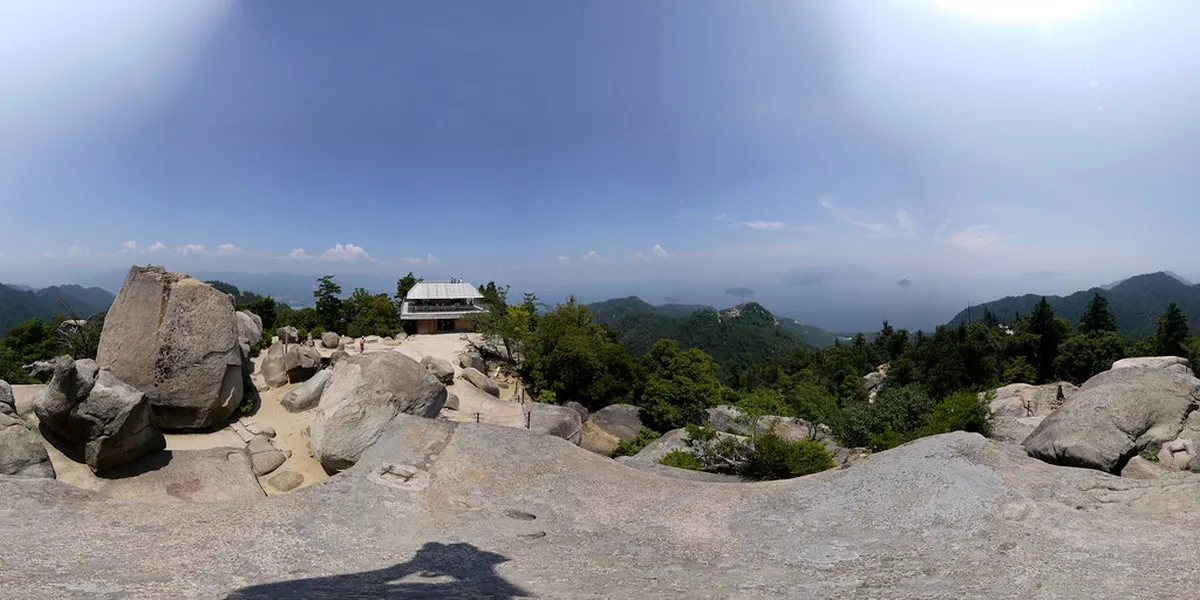
Direct answer: Day 1 of a 3-day Hiroshima adventure is Mt Misen on Miyajima. Catch the 8:00 AM JR ferry from Miyajimaguchi (10 min, ¥200), start the Daisho-in trail by 9:00 AM, summit by 11:30 AM, descend via Momijidani by 1:30 PM, then visit Itsukushima Shrine at high tide. Total moving time: 4–5 hours. Difficulty: moderate. Fitness level: intermediate (sustained 535 m climb on stone steps).
The Daisho-in route is the most rewarding of the three trails — it climbs through Daisho-in Temple’s spinning prayer wheels, follows a forested ridge with 2026-restored stone lanterns, and tops out at the rocky observatory above the cable-car station. Pack 1.5 L of water per person, a packed bento (no shops past the temple), trail runners or low hiking boots, and sun protection. The weather can turn fast above 400 m even in summer, so a packable shell is non-negotiable.
If your knees object to the descent, the Miyajima Ropeway from Shishi-iwa Station back down to Momijidani Park costs ¥1,500 one-way (2026 rate, cash or card) and takes ~20 minutes including the cable transfer. From the ropeway base, walk 15 minutes through the deer-grazing park to Itsukushima Shrine. Time the visit for high tide so the floating torii actually floats — check the daily tide chart in the Itsukushima Shrine floating torii gate tide times guide before you commit to a ferry slot.
Refuel on grilled oysters and momiji manju along Omotesando shopping street, then catch the 5:30 PM ferry back so you’re in central Hiroshima before 7:00 PM. For a wider menu of mountain options if Mt Misen feels too crowded, see Hiroshima hiking trails: Mt Misen, Mitaki Temple and others.
Day 1 cost (per person, 2026): JR ferry ¥400 round-trip + Visit Hiroshima Pass ¥1,000 + ropeway ¥1,500 (optional) + lunch ¥1,500 = approximately ¥3,400–¥4,400.
Day 2 — Miyajima Sea Kayaking Around the Floating Torii (3–4 hr, ¥6,000–¥10,000)
Direct answer: Day 2 is a guided sea-kayak tour that paddles around (and ideally under) Miyajima’s Floating Torii Gate. Tours run morning and afternoon depending on tide schedule, last 3–4 hours including dry-bag briefing and shore time, and cost ¥6,000–¥10,000 per person in 2026. Difficulty: easy-to-moderate. Fitness level: beginner-friendly — tandem options available, no kayaking experience required, but you must be comfortable in the water.
You’ll need high tide to paddle directly under the 16.6-metre torii structure, and most reputable operators (Paddle Park Miyajima, Aqua Adventure) post their daily launch slots based on tides 7 days out. Book the slot first, plan everything else around it. Transit is the same as Day 1 — JR ferry from Miyajimaguchi — and tours typically meet at the pier or at the Misen-guchi staging area. If the morning tide window doesn’t line up, you can also kayak the eastern coast of the island for a quieter paddle through cedar bays.
The tide-window scheduling trick: a paddle directly under the torii needs water depth above ~250 cm at the torii pillar — that means a forecast tide of roughly 280 cm or higher in the Hiroshima Bay tide table. In 2026 the best monthly stretches for morning high-tide kayak slots fall around the new and full moons (spring tides): early April, early/late May, mid-September, and early October all have multiple consecutive 9–11 AM tides above 300 cm. Check the Japan Meteorological Agency tide forecast for “Hiroshima” or “Kure” before you commit to specific dates — if you can shift your trip by 48 hours, you can move from a low-tide afternoon paddle (no torii pass-under) to a high-tide sunrise paddle, which is the shot you actually flew for.
Gear-wise, operators provide a sit-on-top kayak, paddle, life jacket, and a dry bag. Bring quick-dry shorts, a rash guard or long-sleeve sun shirt, water shoes (Tevas or Keens are perfect), reef-safe sunscreen, and 1 L of water. A waterproof phone case is the difference between getting the floating-torii shot and not. Cameras are fine but expect spray.
Spend the afternoon on the island walking the eastern shore to Senjokaku Hall and Goju-no-To pagoda — both are flat, free, and a calm contrast to the water session. Head back on the 6:00 PM ferry, refuel on Hiroshima okonomiyaki at Okonomimura, and turn in early because Day 3 starts at 5:30 AM. If you want to extend the water theme, the 10 best outdoor adventures in Hiroshima for thrill-seekers covers SUP, canyoning, and rafting alternatives nearby.
Day 2 cost (per person, 2026): JR ferry ¥400 + kayak tour ¥6,000–¥10,000 + lunch ¥1,500 = approximately ¥7,900–¥11,900.
Day 3 — Shimanami Kaido Cycling: Onomichi to Imabari (70 km, e-bike ¥2,000/day)
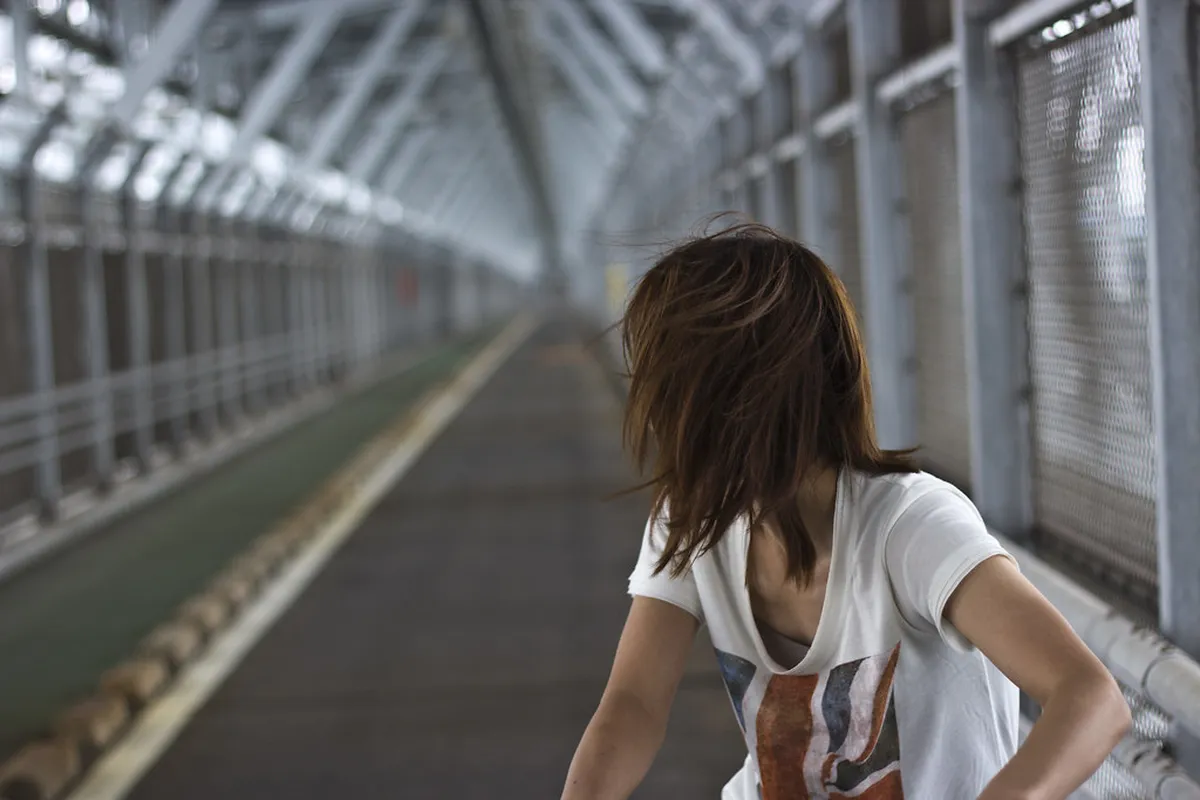
Direct answer: Day 3 is a one-way cycle of the Shimanami Kaido from Onomichi (Hiroshima Prefecture) to Imabari (Ehime Prefecture) — 70 km across six islands and seven cable-stayed bridges. With an e-bike, intermediate riders complete it in 5–7 hours including stops. E-bike rental: ¥2,000/day in 2026 from Giant Onomichi at Onomichi U2; one-way drop-off fee at Imabari Sunrise: ¥1,100. Fitness level: intermediate — you’ll be on the bike for 5+ hours, but the dedicated cycling lane is flat with gentle bridge approaches.
Catch the 6:14 AM Sanyo Line local from Hiroshima Station to Onomichi (~1 hr 30 min, ¥1,520; or the slightly faster Shinkansen + transfer at Fukuyama for ¥3,490). Pick up your e-bike at the Giant Store / Onomichi U2 by 8:30 AM and cross the Shin-Onomichi ferry (¥110) to Mukaishima Island to start the route. The blue painted line on the asphalt is your turn-by-turn navigation — stick to it and you cannot get lost. There are 9 cycle-terminal stations along the way; each has restrooms, bike pumps, and free water.
Plan a 30-minute lunch stop on Ikuchijima at Hassaku Daifuku Cafe (citrus mochi, around ¥800) and a 20-minute photo break at the Tatara Bridge midpoint, where the Setouchi panorama is at its widest. If you run out of time or energy, ferries from Setoda or Omishima back to Mihara/Onomichi run roughly hourly until 6:30 PM and cost ¥1,200–¥2,000 with bike. For full route logistics — e-bike vs road bike, drop-off fees, and weather windows — consult the dedicated Shimanami Kaido cycling guide: e-bike vs road bike logistics.
For the saddle-soreness problem that kills most riders around km 45, build in a 25-minute recovery stop at Setoda Sento (the small public bath behind Setoda Port on Ikuchijima) or its newer alternative, the bath at Azumi Setoda’s public wing — a quick ¥500 hot soak resets the lower back and quads better than another energy gel. Pair it with a bottle of cold local lemon-cider from the dockside vending machine. Also worth knowing: rental saddles at Giant Onomichi are firm; ask for the gel seat-cover add-on (¥300, no advance booking) when you collect the bike — few first-timers know it exists, and it’s the single best ¥300 you’ll spend on the route.
From Imabari, the express bus back to Onomichi (~1 hr 20 min, ¥2,250) connects to the JR train to Hiroshima. You’ll be back at your hotel by 9:30 PM if you finish by 5:30 PM. Carry padded cycling shorts (or rent them at Giant for ¥500) — the saddle is the limiting factor over 70 km, not the legs.
Day 3 cost (per person, 2026): JR train ¥1,520 + e-bike rental ¥2,000 + drop-off ¥1,100 + ferry ¥110 + lunch ¥1,500 + Imabari bus ¥2,250 = approximately ¥8,480.
| Day | Activity | Key costs (per person, 2026) | Approx. total |
|---|---|---|---|
| Day 1 | Mt Misen hike & Itsukushima Shrine | JR ferry ¥400 + Tourist Pass ¥1,000 + ropeway ¥1,500 (opt.) + lunch ¥1,500 | ¥3,400–¥4,400 |
| Day 2 | Miyajima sea kayaking | JR ferry ¥400 + kayak tour ¥6,000–¥10,000 + lunch ¥1,500 | ¥7,900–¥11,900 |
| Day 3 | Shimanami Kaido cycling | JR train ¥1,520 + e-bike ¥2,000 + drop-off ¥1,100 + ferry ¥110 + lunch ¥1,500 + bus ¥2,250 | ¥8,480 |
Gear Checklist, Fitness Levels & Pre-Booking Order
Pack one daypack that does triple duty across all three days: 20–25 L volume, water-resistant, with a hip belt for the Mt Misen climb and external pockets for the kayak dry bag. Inside it, you need trail runners or low hiking boots, quick-dry shorts and rash guard for kayaking, padded cycling shorts (rentable in Onomichi), reef-safe sunscreen, a packable rain shell, and a 1.5 L water bottle. Cycling-specific gloves are optional but pleasant after hour 3 on the saddle.
Fitness expectations are honest: Day 1 is the hardest cardiovascular effort (sustained climbing); Day 2 is the easiest (most operators paddle at a beginner pace); Day 3 is the longest in absolute time. If you’ve done a half-day hike with elevation in the past 6 months and ridden a bike for an hour without distress, you’ll be fine. Travellers with knee issues should swap Day 1 for an easier sub-pillar like the Hiroshima and Miyajima 1-day itinerary walking version.
Pre-booking order matters because supply is the constraint, not money. (1) Lock the Day 2 kayak tour first — tide-dependent slots fill 2–3 weeks ahead in April and November. (2) Reserve the Giant Onomichi e-bike second — same lead time on weekends. (3) Hotel near Hiroshima Station third. (4) Day 1 is walk-up only — no booking needed for Mt Misen or the ferry.
A 1-day Visit Hiroshima Tourist Pass (¥1,000) covers both the Hiroden streetcar and the JR Miyajima ferry — only worth buying on a non-JR-Pass day, but it pays for itself the moment you take more than two tram rides.
Seasonal Timing & Weather Windows for 2026
The two best windows for this itinerary are late March to early May (cherry blossoms, mild 14–22°C, lower humidity) and late October to mid-November (autumn foliage on Mt Misen, crisp air, peak Shimanami visibility). Avoid mid-July through August unless you can start every activity at sunrise — the Setouchi heat regularly exceeds 33°C with high humidity, which makes Day 3’s cycling brutal.
The rainy season (tsuyu) typically runs early June to mid-July in 2026; kayaking tours often cancel if there’s sustained rain or wind above 8 m/s, and Mt Misen trail steps get genuinely slick. December and January are clear and dry but cold — expect 5–10°C on Mt Misen summit and limited kayak operators.
What to Eat: Three Days, Three Hiroshima Specialties
Day 1 (Miyajima): grilled oysters at Yakigaki no Hayashi or charcoal-fired anago-meshi (sea-eel rice) at Ueno near Miyajimaguchi — ¥2,000–¥3,000. Mt Misen burns roughly 2,000 kcal round-trip, so don’t skimp on the post-hike refuel. Day 2 (Hiroshima city): Hiroshima-style okonomiyaki at Okonomimura in Naka-ku or Hassho south of the station — layered cabbage, pork, noodles, and a fried egg on a thin crepe for ¥900–¥1,300, plus a Kirin Ichiban draft for ¥500.
Day 3 (Shimanami Kaido): the route’s edible thread is citrus — Setoda lemons and Innoshima hassaku oranges. Hassaku Daifuku at Setoda Port (¥800) is the lunch stop; grab a jar of Setoda salted-lemon paste (¥700) as a souvenir. At Imabari, finish with yakibuta tamago-meshi (braised pork, fried egg, rice) for ¥1,100 at any port-side cafe before the bus back.
Rainy-Day & Cancellation Backup Plan
Setouchi weather is benign on average but capable of wrecking any single day. Day 1 rained out: swap the hike for the Miyajima Ropeway (¥3,000 round-trip) to Shishi-iwa Station — it runs unless wind exceeds 25 m/s and still delivers summit views on roughly 30% of cloudy days. Day 2 kayak cancelled: most operators refund or rebook 24 hours out. Pivot to the Peace Memorial Museum (¥200), Shukkeien Garden (¥260), and an afternoon sake-brewery tour in Saijo (40 min by JR, free).
Kayaking tours cancel if there is sustained rain or wind above 8 m/s, and operators typically require 24 hours notice for a full refund. Check the forecast the night before and have the Peace Memorial Museum itinerary ready as a backup.
Day 3 cycling rained out: the Shimanami Kaido is genuinely dangerous in heavy rain — the bridge sections are exposed and the lane drains slowly. Take the Setouchi cruise ferry from Hiroshima Port to Matsuyama via Kure (~3 hr, ¥7,400 with cabin), or ride the 30-min JR Kure Line to Kure for the Yamato Museum and JMSDF Submarine Museum — both open in any weather.
Adding Peace Memorial Park as a Day 0 or Day 4 Bolt-On
This itinerary deliberately leaves out the Peace Memorial Park because pairing it with a 5-hour hike or 70-km ride compresses both into a rush. Arrive a day early instead. A Day 0 afternoon works: drop bags by 1:00 PM, take the Hiroden tram to Genbaku-Dome-mae, walk the A-Bomb Dome, Peace Park, and museum (2.5–3 hr), then dine at Okonomimura before an early Day 1 alarm.
No early arrival? Build a Day 4 morning. The museum opens 7:30 AM in summer (8:30 AM otherwise) and is far less crowded before 10 AM — you can still catch a 12:30 PM Shinkansen out. Don’t fold it into Day 2 afternoon: the emotional weight after a sun-soaked kayak morning is jarring and shortchanges both experiences.
Frequently Asked Questions
Is 3 days enough for a Hiroshima adventure trip?
Three days is enough to do one major activity per day — Mt Misen hiking, Miyajima sea kayaking, and the Shimanami Kaido cycling. It is not enough to add Hiroshima city sightseeing on top, so plan the Peace Memorial Park and Castle as a separate Day 0 or Day 4 if you want both halves of the prefecture covered.
What fitness level do I need for this 3-day Hiroshima itinerary?
Intermediate fitness. You should be comfortable hiking 5 hours with 535 m of gain, paddling a sit-on-top kayak in calm water for 3–4 hours, and cycling 70 km on an e-bike with frequent stops. None of the three activities is technical, but stamina across three consecutive days is the real test.
How much does a 3-day Hiroshima adventure trip cost in 2026?
Plan on roughly ¥20,000–¥25,000 per person for activities, transit, and lunches across the three days — that’s ¥3,400–¥4,400 for Day 1 (Mt Misen + ferry), ¥7,900–¥11,900 for Day 2 (kayak tour), and ¥8,480 for Day 3 (Shimanami e-bike). Add ¥9,000–¥18,000 per night for a mid-range hotel near Hiroshima Station.
Can I do the Shimanami Kaido without an e-bike?
Yes — standard cross bikes rent for ¥1,500/day at Giant Onomichi in 2026 and the route is technically flat with only gentle bridge ramps. But for a one-day Onomichi-to-Imabari push (70 km), the e-bike costs only ¥500 more and saves 1–2 hours of effort, which makes the difference between finishing by 5 PM and finishing in the dark.
Do I need to book the Miyajima kayak tour in advance?
Yes. Tide-dependent launch windows are limited to 2–3 slots per day per operator, and they sell out 2–3 weeks ahead in cherry-blossom season (late March to early April) and autumn (early to mid-November). Book directly with Paddle Park Miyajima or Aqua Adventure as soon as your travel dates are confirmed.
Is it possible to base in Onomichi or Miyajima instead of Hiroshima city?
Yes, but you’ll add transit time. Staying overnight on Miyajima makes Day 1 and Day 2 luxurious but adds a 1.5-hour transfer to Onomichi for Day 3. Onomichi is great for cyclists but a 1.5-hour commute from Miyajima. Hiroshima city is the only base that’s within 1.5 hours of all three activities.
This 3-day Hiroshima adventure itinerary — Mt Misen hiking, Miyajima sea kayaking, and the Shimanami Kaido cycle — covers Japan’s best Setouchi outdoor experiences from a single hotel base in 2026. Lock the kayak tour and the Onomichi e-bike first, leave Day 1 walk-up, and budget ¥20,000–¥25,000 in activities and transit per person. For broader planning across the prefecture, the Hiroshima attractions pillar covers the cultural, food, and nightlife layers that pair well with this active core.
Free: The Hiroshima Essentials guide
Top things to do, where to stay, a perfect day plan, getting around, and the best time to go — a Hiroshima mini-guide you can take offline.
You might also like

Continue reading
More guides you'll find useful