

The Hiroshima Peace Memorial Museum draws more than one million visitors every year and remains one of the most significant historical sites in Japan. Opened in 1955, the museum documents the atomic bombing of August 6, 1945, through survivor belongings, photographs, and personal testimony. Its message — the abolition of nuclear weapons and lasting world peace — resonates with every visitor who walks through its doors.
This guide covers everything you need for a well-prepared visit in 2026: the museum's two-building layout, the key monuments inside Peace Memorial Park, how to get there, what to eat nearby, and how to pace your visit so you can absorb the exhibits without feeling overwhelmed.
Background to the Hiroshima Peace Memorial Park
On August 6, 1945 at 08:15, the US B-29 bomber Enola Gay dropped the "Little Boy" atomic bomb directly above downtown Hiroshima, making it the world's first city to be targeted by a nuclear weapon. The blast wiped out approximately 69% of the city's buildings and killed an estimated 70,000–80,000 people instantly, with tens of thousands more dying in the months that followed from radiation sickness and injuries.
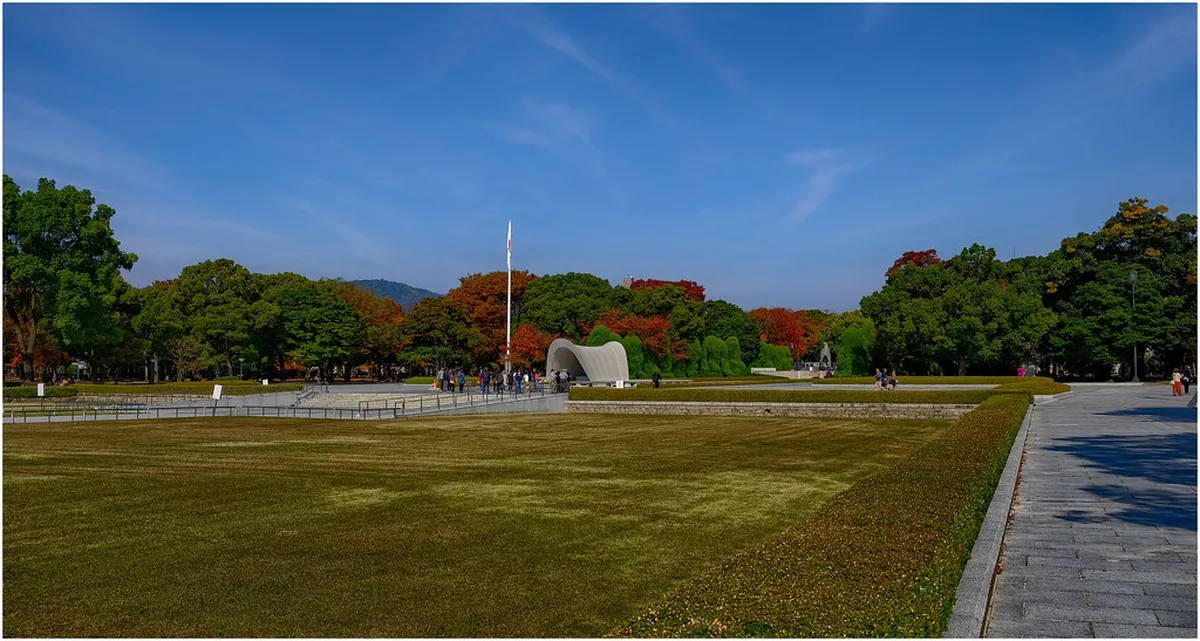
The Hiroshima Peace Memorial Park was established in 1954 on the site that was once the living heart of the city — the very area closest to the hypocenter of the explosion. The park covers 120,000 m² between two branches of the Ota River and was designed by Japanese architect Kenzo Tange to create a green space dedicated to remembrance and hope. It was designated a UNESCO World Heritage Site in 1996 alongside the Atomic Bomb Dome.
The park is open 24 hours a day, seven days a week, and entry is free. The Hiroshima Peace Memorial Museum at its center charges ¥200 for adults (¥100 for high school students; free for younger children) and opens daily at 07:30.
| Season | Opening hours |
|---|---|
| March – July | Daily 07:30–19:00 |
| August (peak season) | Daily 07:30–20:00 (until 21:00 on Aug 5–6) |
| September – November | Daily 07:30–19:00 |
| December – February | Daily 07:30–18:00 |
| Closed | December 30–31 and mid-February maintenance |
Audio guides are available at the entrance in 15 languages — including English, French, Spanish, Korean, and Arabic — at no charge. Visit the East Building's historical section first to build context before entering the more graphic Main Building exhibits.
What to See at Hiroshima Peace Park
The park clusters its major monuments within a short walk of one another, making it easy to visit them all in a single morning. The Hiroshima Victims Memorial Cenotaph stands at the center of the park in a saddle-shaped arch that frames a perfect view of the Atomic Bomb Dome across the Pond of Peace. The vault beneath the arch holds the names of all who died in the bombing, regardless of nationality, and new names are added each year on August 6.
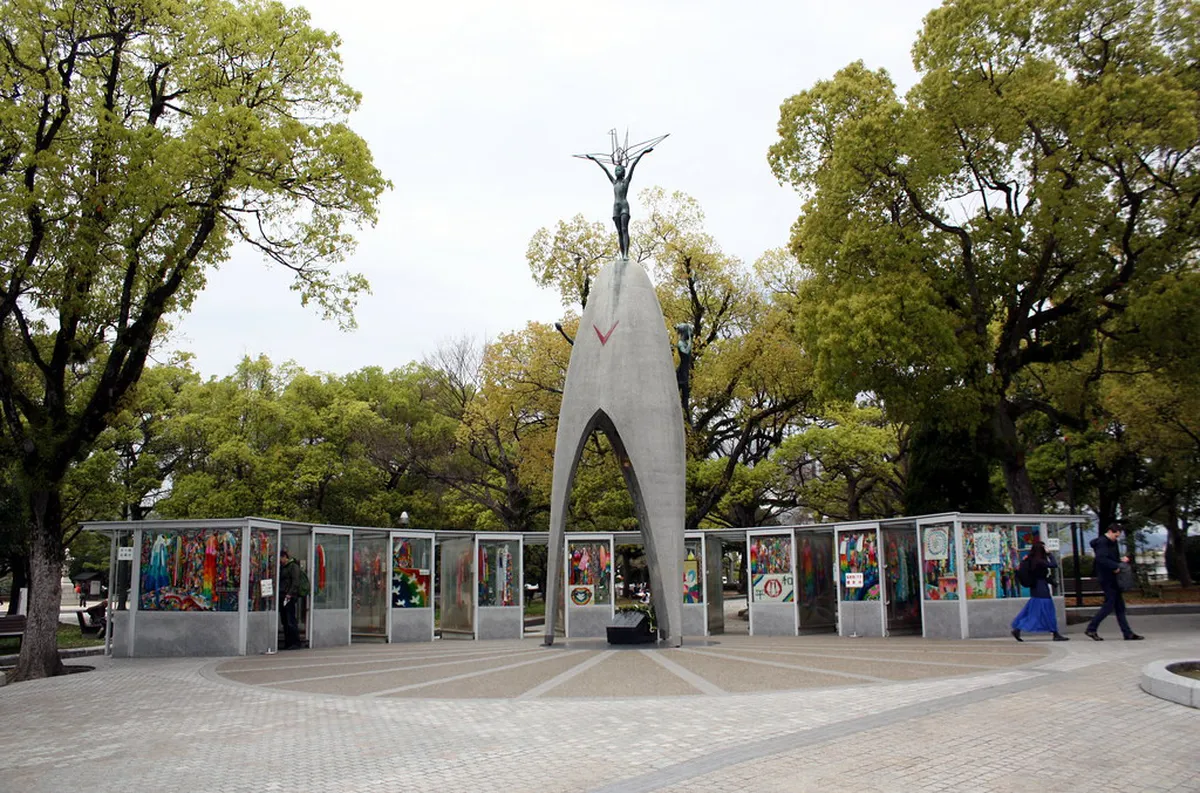
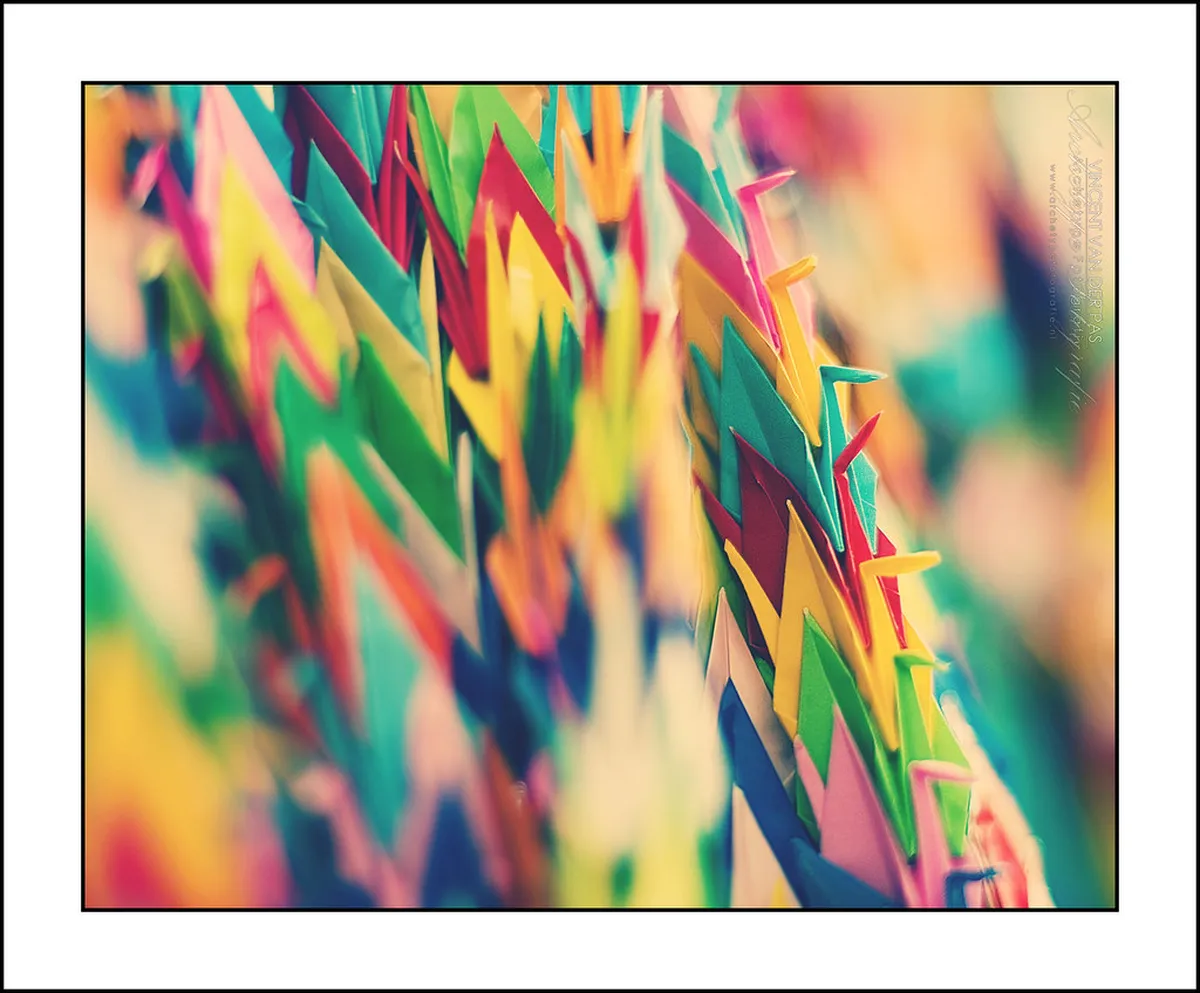
Just beyond the cenotaph is the Flame of Peace, a symbolic fire that has burned continuously since 1964 and will not be extinguished until all nuclear weapons on earth are eliminated. Nearby, the Children's Peace Monument honors Sadako Sasaki and the thousands of children who died from radiation. Paper cranes — sent from schoolchildren around the world — are placed here daily, forming colorful towers around the bronze figure of a girl holding a crane aloft.
The Rest House is one of only two buildings in this area that survived the blast in any form. Its basement sheltered the sole survivor found inside, and that lower floor remains unchanged. The Gates of Peace, ten steel-and-glass gates each engraved with the word "peace" in 49 languages, line Peace Boulevard on the north side of the park. Most visitors walk past them without realizing what they are — slow down and look for your own language.
Peace Attractions In Hiroshima
The most recognizable landmark in the city is the Atomic Bomb Dome, the skeletal remains of the former Prefectural Industrial Promotion Hall. The bomb detonated almost directly above it, and the vertical blast pressure left the brick walls partially standing while everything else within a 2 km radius was flattened. The dome is preserved exactly as it stood after the bombing and is illuminated after dark, which makes an evening visit particularly striking.
Within the Peace Memorial Park, the Hiroshima National Peace Memorial Hall offers a quieter counterpart to the main museum. It holds a library of victim portraits and personal accounts that visitors can read at their own pace. Entry is free and the atmosphere is deeply contemplative — plan 30 to 45 minutes here if the main museum crowds feel intense.
The Orizuru Tower next to the Atomic Bomb Dome provides a 360-degree panoramic view of the Peace Park and the city, and on clear days you can see all the way to Miyajima Island. The observation deck costs ¥1,700 for adults (open 10:00–18:00, last entry 17:30). It is a useful vantage point before entering the museum — seeing the park's layout from above helps you understand the spatial relationship between the bombing hypocenter and the individual monuments.
Inside the Hiroshima Peace Memorial Museum
The museum occupies two connected buildings. The East Building (first floor) handles ticketing, audio guide rental, the museum shop, a café, and a library. The second floor of the East Building presents the permanent exhibition "Hiroshima History," which covers the city's role before and during World War II and the decision to drop the bomb. Starting here gives you the historical context before entering the Main Building's more graphic displays.
The Main Building is the emotional core of the museum. Its four exhibition zones — "Devastation on August 6," "Damage from Radiation," "Cries of the Soul," and "To Live" — are structured around personal belongings recovered from the ruins: a boy's melted tin lunch box, a watch stopped at 08:15, shredded clothing fused to skin. The photographs of the immediate aftermath are unfiltered and will stay with you. Most visitors need 90 minutes to two hours for both buildings; those who read every panel and watch the survivor testimony videos often spend three hours or more.
Audio guides are available at the entrance in 15 languages including English, French, Spanish, Korean, and Arabic (free rental). Before you leave, watch the video guestbook near the exit — it features messages from world leaders who have visited, including former US President Barack Obama's 2016 appearance as the first sitting US president to come to the museum.
How to Pace Your Visit Without Burning Out
The museum's content is psychologically heavy, and many first-time visitors underestimate how draining two to three hours of atomic bomb documentation can be. A deliberate sequence helps. Begin at the Atomic Bomb Dome (15 minutes) before the museum opens — the outdoor context grounds you before the indoor exhibits pull you into close detail. Enter the East Building first for the historical overview, then move to the Main Building once you have the framework. Take a genuine break at the Aogiri Café on the East Building's first floor between the two wings; caffeine and five minutes of quiet make a measurable difference.
After the museum, walk through the park rather than heading straight to transit. The Cenotaph, Flame of Peace, and riverside benches serve as a natural decompression zone. Sitting opposite the Atomic Bomb Dome from across the Motoyasu River — the view the cenotaph was designed to frame — integrates what you have just seen in a way that hurrying to the next stop does not.
The Main Building's exhibits include unfiltered photographs of the immediate aftermath of the bombing and graphic survivor testimony. If visiting with children under 12, the East Building's historical section and the outdoor park monuments cover the subject accessibly without the most graphic material.
If you are visiting with children under 12, consider spending most of your time in the park monuments and the East Building's historical section, and limit time in the Main Building's graphic zones. The museum staff will not restrict entry but acknowledge the content is intense for young children.
Museums, Art, and Culture in Hiroshima
The Hiroshima Castle, reconstructed in 1958 after the bomb destroyed the original 1589 fortress, sits within walking distance of the Peace Park and houses a museum focused on the city's pre-20th-century samurai history. The castle keep offers views across the city from its top floor and costs ¥370 for adults. Combining it with the Peace Park in a single day is straightforward — they are about 1.5 km apart.
The Honkawa Elementary School Peace Museum is less visited than the main Peace Memorial Museum but deeply affecting in a different way. The school building stood just 410 meters from the hypocenter. About 400 students and 10 teachers died in the bombing; miraculously, two people survived. The original structure now houses basement exhibitions and survivor interviews. Entry is free, opening hours are 09:00–17:00, and you ring a bell at the gate for the curator to meet you. It draws few tourists, making it a quieter and more personal counterpart to the larger museum.
The Shukkeien Garden, originally created in 1620 and painstakingly restored after the bombing, provides a complete break from the heavy historical sites. The miniature landscape garden — forests, streams, tea houses — is especially beautiful in late March during cherry blossom season and again in mid-November when the maples turn red. Entry costs ¥260 for adults.
Exquisite Food You Must Try in Hiroshima
Hiroshima-style okonomiyaki is the dish you must try before you leave. Unlike the Osaka version where ingredients are mixed into batter and cooked together, the Hiroshima style layers them: batter, cabbage, pork, bean sprouts, noodles (either soba or udon), and a fried egg, all stacked on a flat iron griddle and topped with sweet okonomiyaki sauce and bonito flakes. The neighborhood of Okonomi-mura — a three-story building off Peace Boulevard containing around 25 okonomiyaki stalls — is the most practical place to try several versions side by side. Prices run ¥900–¥1,400 per portion.
Hiroshima oysters are a serious local pride. The Seto Inland Sea accounts for roughly 60% of Japan's entire oyster production, and the city's restaurants serve them grilled, deep-fried (kaki-furai), and raw throughout autumn and winter. Look for grilled oyster stalls near Miyajima ferry terminal if you extend your trip to the island. Fresh oysters at sit-down restaurants in central Hiroshima typically cost ¥1,500–¥2,500 for a set.
Momiji manju — small maple-leaf-shaped cakes filled with sweet red bean paste — are the city's signature souvenir confection and originated on Miyajima Island. Newer fillings include custard, matcha, and chocolate. A box of ten costs around ¥1,000 at shops throughout the Peace Park area and at Hiroshima Station.
Getting to Hiroshima and Around the City
Hiroshima sits in western Japan between Osaka and Fukuoka. From Tokyo, the fastest Sanyo Shinkansen Nozomi reaches Hiroshima in approximately four hours (non-reserved seat ¥18,380; reserved seat ¥19,560). From Shin-Osaka the journey takes about 1 hour 20 minutes (from ¥9,890). JR Pass holders use the Hikari or Sakura services, not the Nozomi, which adds roughly 30–45 minutes to each journey. Flying from Haneda to Hiroshima Airport takes 1 hour 20 minutes; the limousine bus from the airport to Hiroshima Station runs 50 minutes and costs ¥1,500.
From Hiroshima Station to the Peace Memorial Park, the simplest route is Hiroden tram line 2 or 6 to the Genbaku Dome-mae stop (about 15 minutes, ¥180). Tram line 1 to Chuden-mae is a shorter walk from a different direction. Day tram passes cost ¥700 and cover unlimited rides on all Hiroden lines — worthwhile if you plan to visit Hiroshima Castle, the garden, and the park in a single day. Taxis from the station take about 10 minutes and cost ¥1,000–¥1,500.
The city also runs the Hiroshima Sightseeing Loop Bus (Meipuru-pu) with four colored routes. The orange, green, yellow, and blue lines all stop at Peace Memorial Park (bus stop 7). A day pass costs ¥400. Cycling is another practical option — several rental shops near the station offer bikes from ¥500 per day, and the flat terrain between the station and the park makes it an easy 20-minute ride.
Hiroshima Has Different Charms Each Season
Spring brings soft pink cherry blossoms to the riverbanks of Peace Memorial Park, typically peaking between late March and early April. This is the most visited season, so book accommodation several months in advance if your dates fall around the bloom. The park's wide paths and riverside benches are at their most photogenic during this period.
Summer means August 6: the Hiroshima Peace Memorial Ceremony takes place each year at 08:15 at the Cenotaph, drawing thousands of attendees and leaders from around the world. If you plan to attend, arrive by 07:00 to secure a position. The museum extends its evening hours through August (closing at 20:00, and at 21:00 on August 5 and 6), making early evening visits practical during the summer.
Autumn (mid-November) turns Shukkeien Garden into a vivid display of red and orange maple leaves. Winter is quieter and peaceful — the museum and park are far less crowded, the reflection pools are still, and the reduced crowds make it easier to spend time at the smaller monuments that get overlooked during peak season. No matter when you visit, the Hiroshima city guide has current seasonal event listings to help you plan.
Family-Friendly and Budget-Friendly Options
A full day covering the Peace Memorial Museum, Peace Park monuments, and the Atomic Bomb Dome costs adults ¥200 for the museum and nothing else — every outdoor monument is free. The National Peace Memorial Hall is also free. For families with young children who are not ready for the Main Building, the park's monuments and the East Building's historical section deliver a solid half-day of educational content at zero additional cost.
The Children's Peace Monument is always worth visiting with younger travelers. The story of Sadako Sasaki — a 12-year-old who survived the bomb but died of leukemia a decade later, folding paper cranes throughout her illness — is told at an accessible level and leaves a lasting impression. Paper cranes from schools around the world are delivered to the monument regularly, creating an ever-changing colorful display that children respond to strongly.
For an affordable meal, Okonomi-mura's multi-stall building gives families the chance to watch okonomiyaki being prepared on an open griddle before ordering, which engages children who would otherwise find a sit-down restaurant tedious. Budget ¥1,000–¥1,400 per person for a filling lunch. For a quieter alternative near the park, the Aogiri Café inside the East Building serves light meals and ice cream at reasonable prices.
Frequently Asked Questions
How much time should you plan for a hiroshima peace memorial museum visitor guide?
You should plan to spend at least two to three hours inside the museum itself. This allows enough time to read the detailed exhibits and watch the informative videos. You will also need another hour or two to explore the surrounding Peace Memorial Park monuments properly.
Which hiroshima peace memorial museum visitor guide options fit first-time visitors?
First-time visitors should prioritize the main museum building and the Atomic Bomb Dome nearby. Taking a guided walking tour is a great option to understand the historical context more deeply. These tours often provide insights that you might miss when exploring the park on your own.
Is the Hiroshima Peace Memorial Museum worth including on a short itinerary?
Yes, the museum is a vital part of any Japan trip even if you only have one day. It is conveniently located near the city center and easily accessible by public transport from the station. Most travelers find the experience deeply meaningful and a highlight of their entire journey.
A visit to the Hiroshima Peace Memorial Museum and its surrounding park is one of the most important travel experiences Japan offers in 2026. The ¥200 admission, 07:30 opening, and tight geographic cluster of monuments mean the logistics are simple — the emotional preparation is the more demanding task. Follow the East Building-first sequence, build in breaks, and allow the park walk afterward to do its work. The lessons found here belong to every visitor who makes the journey.
Whether you are reading survivor testimony in the museum's quiet library wing or standing at the Flame of Peace at dusk, Hiroshima's message reaches you in its own time. Give the city the full day it deserves, and leave room for okonomiyaki and a quiet evening by the river.
Plan your wider Hiroshima trip: see our Hiroshima attractions guide, Hiroshima itinerary, Hiroshima culture guide for routing, pacing, and what to slot in alongside this stop.

