

The Nara National Museum holds one of the finest collections of Buddhist sculpture in Japan. It sits inside Nara Park, midway between Kofuku-ji and Todai-ji, which makes it the natural cultural anchor for any Nara day. Admission to the permanent collection is ¥700 for adults, ¥350 for university students, and free for visitors aged 18 and under. This guide covers everything you need to plan a smooth visit in 2026.
The museum opened in 1895 and operates under the National Institutes for Cultural Heritage. Its focus is deliberately narrow: Buddhist sculpture, ritual bronzes, paintings, sutras, and objects that explain Nara's role in early Japanese history. That focus is a strength. A single afternoon here gives you context that makes the surrounding temples feel sharper and more readable.
Facility Overview and Access
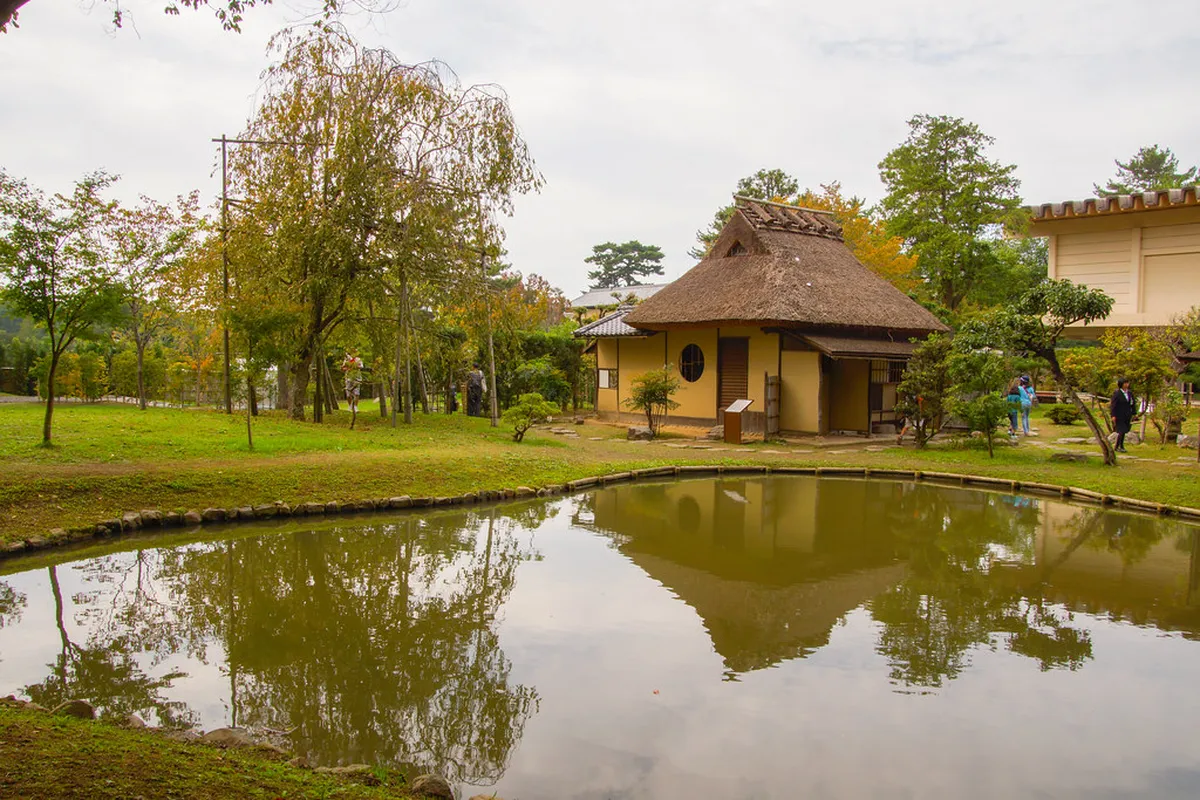
The museum address is 50 Noborioji-cho, Nara City, 630-8213. You can confirm the location with this Google Maps link before you leave. Opening hours are 09:30 to 17:00 Tuesday through Sunday, with last entry at 16:30. The museum closes on Mondays — if Monday falls on a national holiday, it stays open that day and closes on Tuesday instead. It also closes from 28 December through 1 January.
From Kintetsu Nara Station, walk east along Nobori-oji Street for about 15 minutes. From JR Nara Station, take the city loop bus and get off at the Himurojinja/Nara Kokuritsu-hakubutsukan stop — the entrance is 50 metres away, roughly a 3-minute walk on a flat, paved path. Driving is not recommended; the museum has no visitor parking, and nearby tourist lots fill quickly during festivals and the Shoso-in Exhibition. Check the Nara National Museum official site for any temporary hour changes before your trip.
One practical note: Kintetsu Nara Station is the better starting point if you plan to walk Nobori-oji Street and see Kofuku-ji on the way. JR Nara Station is more convenient if the museum is your first stop and you want to save energy for Todai-ji later. Either route stays within the park and is easy to follow without a map.
Visitors aged 18 and under enter the permanent collection for free. University students pay only ¥350. The museum closes Mondays — if Monday is a national holiday, it opens that day and closes Tuesday instead.
Information & Guidance System
Exhibition titles throughout the museum are written in Japanese, English, Chinese, and Korean. Audio guides are available for rent at the entrance and cover the permanent collection in all four languages; special exhibitions are covered in Japanese and English only, so confirm the language range at the desk if that matters for your group. The entrance maps are worth spending two minutes with before you enter the first gallery — the complex spans multiple connected buildings and skipping the map leads to backtracking.
Volunteer staff are stationed at key transition points and can answer basic orientation questions in English and Chinese. They are most useful for directing you to the accessible route, flagging which wings are open that day, and pointing out any temporary crowd controls during busy exhibitions. For deeper context on individual statues, the audio guide outperforms the volunteer commentary, which is intentionally brief.
The official English website publishes updated exhibition schedules and any hour extensions. During the annual Shoso-in Exhibition, the site also lists ticket availability dates, which sell out weeks ahead. Checking it the week before your visit takes less than a minute and prevents arriving to find the galleries unexpectedly closed or crowded beyond comfort.
Nara National Museum: History and Significance
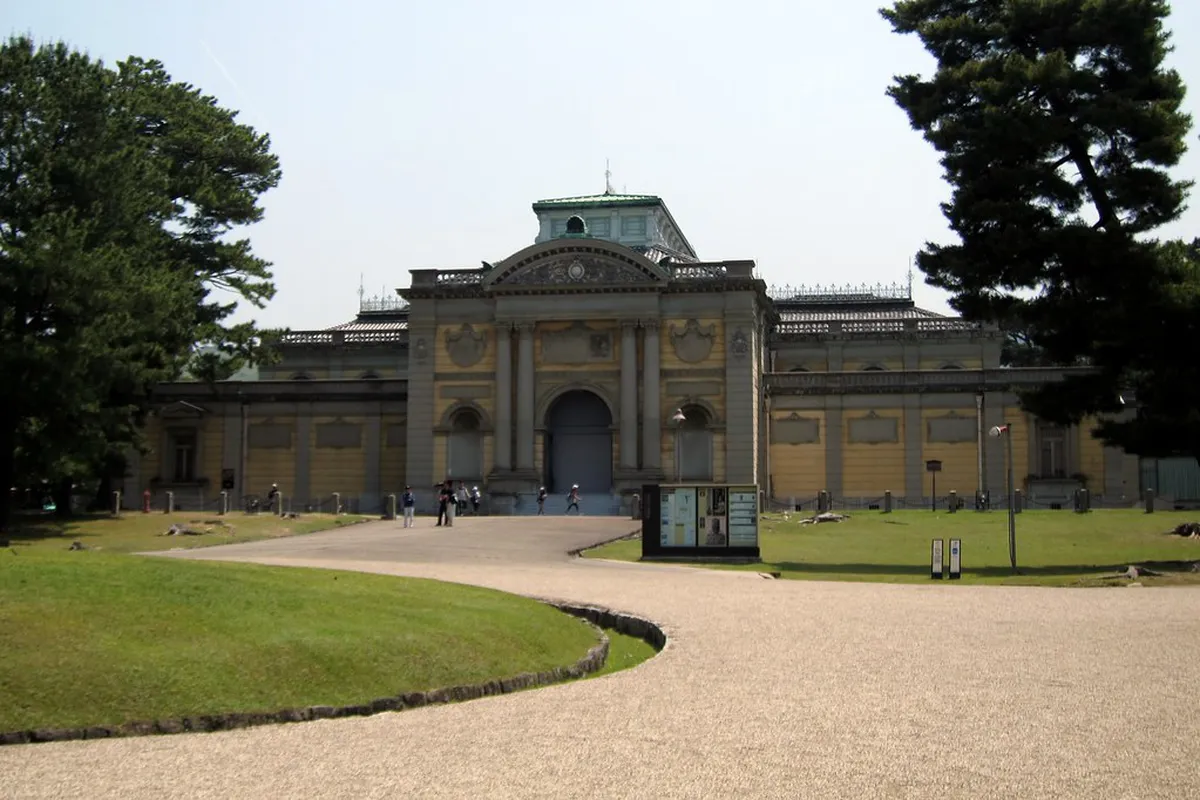
The museum was established in 1895, making it the second imperial museum opened in Japan after Tokyo. Its founding purpose was practical: in the years following the Meiji government's separation of Buddhism and Shinto, many religious objects lost their institutional homes and faced destruction or dispersal. The museum was created specifically to receive and preserve those works.
Its collections are anchored in the Nara period (710–784 AD), when the imperial capital was established at Nara and Buddhism became the dominant cultural force in Japanese politics and art. Many items on display were borrowed from nearby temples — Todai-ji, Kofuku-ji, Horyu-ji — and are works that those temples cannot safely display in situ. Seeing them here, in controlled lighting with detailed labels, is a different experience from encountering them in a dim temple hall.
The original Meiji-era Main Building is itself a designated Important Cultural Property. Its Western-style facade was a deliberate statement about modern Japan's engagement with global museum practice. The newer East and West Wings, added in the postwar period, handle larger rotating shows while the original building houses the permanent Buddhist Sculpture Hall.
Overall Site View: The Four Main Galleries
The museum divides into four main exhibition areas. The Nara Buddhist Sculpture Hall, housed in the original Meiji building, is the core stop for first-time visitors. It displays close to 100 works spanning the Asuka through Kamakura periods (roughly the 6th to 14th centuries). The progression through the hall allows you to compare how sculptural styles shifted as Buddhism moved from continental-influenced formality toward more naturalistic expression in the Heian and Kamakura eras.
The Ritual Bronzes Gallery holds a significant collection of Chinese bronzes from the Shang and Zhou dynasties, offering direct evidence of the cultural exchange that shaped early Japanese religious art. These objects were used in ceremonial contexts and predate the Japanese works by centuries. The gallery is smaller and often quieter than the Sculpture Hall, which makes it a good place to slow down if the main rooms are crowded.
The East and West Wings are reserved for special and seasonal exhibitions. Both are climate-controlled to exhibition-grade standards and can host fragile scrolls, paintings, and textiles that rotate through the collection. A separate Buddhist Art Library on the grounds holds books, photographs, and archival materials oriented toward researchers rather than casual visitors. For a standard day visit, focus on the Sculpture Hall plus whichever wing holds the current special show, and treat the library as optional.
Walkways & Stairways in Facility
An underground passage connects the historic Sculpture Hall to the East and West Wings, which means you can move through the entire complex without going outside. This matters in Nara's summer humidity and during rain. The passage is wide, surfaces are concrete and smooth, and it is where the cafe, accessible restrooms, and elevator are clustered. If you lose your bearings at any point, finding the underground corridor and following the signs resets your navigation.
Stairs exist in the facility and some sections of the old building require them. The accessible route bypasses the main stairways via the single elevator, which is intended for visitors with disabilities. There are no escalators. Ground-level gallery floors in the main wings are step-free, but the garden areas that open during special exhibitions can include uneven stone paths and may be difficult to manage in a wheelchair without a companion. Outdoor walkways between buildings are paved and well-maintained.
The best pacing strategy is to treat the museum as a loop: Sculpture Hall first, rest in the underground passage or cafe, then continue to the Wing with the current special exhibition. This avoids the common mistake of spending all energy on circulation before reaching the most significant works.
Parks, Gardens, and Outdoor Spots Nearby
One of the museum's underrated advantages is how quickly you can step back into nature. Exit the main gate and you are inside Nara Park within a minute. The deer paths around the museum and toward Todai-ji get busy when school groups arrive around 10:00–11:00, so heading outside immediately after opening — before the tour buses — gives you a much calmer walk.
A five-minute walk east from the museum brings you to Isuien Garden, one of the most carefully composed Meiji-era gardens in Nara. The garden uses Mount Wakakusa as borrowed scenery. Timing this visit for early afternoon, after the Sculpture Hall, gives you the best light on the pond and the mountain backdrop. It is also significantly quieter than the main park deer zones at that hour.
Himuro Shrine sits directly across the street from the museum entrance and is famous for being one of the earliest cherry-blossom spots in Nara, often blooming in late February when the park trees are still bare. The small shrine grounds are calm enough for a 10-minute stop before or after the museum. In autumn, the trees along Nobori-oji Street leading toward Kofuku-ji add foliage color that makes the 15-minute walk from Kintetsu Nara Station worth taking slowly.
Wheelchair Access, Elevators, and Rest Stops
The Himuro Shrine/National Museum bus stop is 50 metres from the main entrance along a flat, paved path with no kerb steps. The entrance has a slope rather than a step, and wheelchair users can enter without assistance at the main gate. The museum keeps a fleet of 11 loaner wheelchairs available free of charge — a larger number than most Nara attractions — but they are first-come, so arriving early during the Shoso-in Exhibition reduces the chance of a wait.
One critical detail that most visitor guides omit: the West Wing is not accessible to wheelchair users without a caregiver, and the outdoor garden that opens during special exhibitions includes paths difficult to navigate independently. If step-free movement through the entire museum matters to your group, confirm the accessible route with staff at the entrance information desk before entering the first gallery. The elevator — one unit, intended for visitors with disabilities — is in the underground corridor and connects the main levels.
The accessible restroom is also in the underground corridor. It has a sliding door 85 cm wide, an interior of 240 x 224 cm, L-bar and U-bar handrails, a warm-water bidet, and an emergency alert button. Diaper-changing facilities are available in the underground corridor restroom and on the first floor of the East Wing. Service dogs are permitted throughout the facility.
The underground cafe, Cafe Half Time, is directly adjacent to these facilities. It has more than 100 seats, opens at 10:00 (last order 16:30), and serves light meals and drinks with a multilingual menu in Japanese, English, and Chinese. Baby high chairs are available. For families and visitors who need a seated break mid-visit, this is the most practical rest stop on the museum campus without leaving the building.
Family-Friendly and Budget-Friendly Options
The permanent collection admission structure rewards families. Adults pay ¥700; university students with ID pay ¥350; visitors aged 18 and under, including high school students, enter free. Visitors aged 70 or older with proof of age also enter free, as do holders of a Japanese disability certificate plus one accompanying guardian. Adults travelling with children under 18 may be eligible for a small group discount — confirm at the ticket window. Special exhibitions carry separate fees, typically ¥1,500–¥2,000, and the standard discounts do not automatically apply to them.
Families get the most out of the museum by treating the Sculpture Hall as a focused 45-to-75 minute stop rather than attempting every gallery. Children respond well to the large-scale guardian figures and the variety of facial expressions across the Kamakura-period statues, which are easier to engage with than flat paintings or small bronzes. The underground cafe provides a natural break point before the second wing or before heading out into the park.
There is no parking on site. The city loop bus from Kintetsu or JR Nara Station is the practical choice for families with strollers. If you drive, look for the nearest tourist parking on the western edge of the park, but expect limited availability during festivals and the autumn Shoso-in Exhibition. The lack of a dedicated drop-off zone means bus or walking access is genuinely easier than driving.
Planning Your Nara Day-by-Day Itinerary
| Ticket type | Price |
|---|---|
| Adult (permanent collection) | ¥700 |
| University student | ¥350 |
| Age 18 and under / high school | Free |
| Age 70+ (proof required) | Free |
| Special exhibition (adult) | ¥1,500–¥2,000 |
The museum works best as a midday cultural anchor, not a morning opener. Start your day at Todai-ji before 09:00 to see the Great Buddha with minimal crowds, then walk south through the park to the museum when it opens at 09:30. This sequence keeps you moving in one direction and lets you use the museum's underground cafe for a late-morning break. From there, Kofuku-ji is a short westward walk toward Kintetsu Nara Station — a good endpoint if you are heading back to Osaka or Kyoto by train.
Alternatively, begin at Kintetsu Nara Station, walk east along Nobori-oji Street to Kofuku-ji, continue to the museum for the 09:30 opening, then push north to Todai-ji in the early afternoon and finish at Kasuga Taisha Shrine for the stone lanterns at dusk. This loop covers the four major sites with minimal backtracking and works well for a full-day first visit.
The museum shop near the exit sells high-quality catalogues and reproductions tied to current exhibitions. Picking up a catalog immediately after the Sculpture Hall — while the works are fresh in memory — is more useful than buying one online later. It also functions as a reference for any temple visits that follow, since many items in the museum originated in the surrounding religious sites.
Museums, Art, and Culture in Nara: The Shoso-in Exhibition
The Shoso-in Exhibition runs for roughly two weeks each autumn, typically late October through mid-November, and it changes the museum entirely. The Shoso-in is an 8th-century repository at Todai-ji that holds imperial treasures — musical instruments, textiles, lacquerware, glass, and ceremonial objects — donated by Empress Komyo after Emperor Shomu's death in 756 AD. Most of these objects are stored under strictly controlled humidity conditions and are never displayed in the temples themselves. The annual exhibition is the only public opportunity to see them.
During the Shoso-in Exhibition, the museum implements timed entry slots and the crowds are substantially heavier than on a normal day. Tickets go on sale weeks in advance via the official site and designated convenience store terminals. If you are planning a trip to Nara in October or early November specifically for this event, check the official site in September — the exact dates and ticket release date are announced then. Arriving without a pre-booked ticket during peak Shoso-in weekends typically means a long queue or no entry at all.
The annual Shoso-in Exhibition (late October–mid November) uses timed entry and sells out weeks in advance. Book tickets online as soon as dates are announced in September — walk-ups on peak weekends are typically turned away.
Outside of the Shoso-in period, the museum is genuinely calm. Spring visits offer the Sculpture Hall without the compressed circulation of a timed exhibition, which is the better experience for anyone who wants to spend time in front of individual statues. Winter weekdays between January and March are the quietest period of the year and allow extended time in galleries without competing with tour groups. Each seasonal window brings a different atmosphere; none is wrong, but autumn demands the most planning.
Frequently Asked Questions
How much time should I spend at the Nara National Museum?
Most visitors spend between two and three hours exploring the main galleries and temporary exhibits. This allows enough time to use an audio guide and appreciate the intricate details of the Buddhist statues. If you are a dedicated art lover, you might want to allow for a half-day visit.
Is the Nara National Museum free for children?
Yes, admission to the permanent collection is free for all visitors under the age of 18. This makes it an excellent and budget-friendly stop for families traveling through Nara Park. Be sure to check if special exhibitions have different pricing for younger guests before you arrive.
Can I take photos inside the Nara National Museum?
Photography is generally prohibited inside the exhibition rooms to protect the delicate artworks from light damage. Some specific areas or special displays may allow photos, so always look for the signage in each room. You are free to take photos of the museum's exterior and the beautiful grounds.
What is the best way to get to the museum from Nara Station?
The best way is to take the Nara City Loop Bus from either JR Nara or Kintetsu Nara Station. Get off at the Himurojinja/Nara Kokuritsu-hakubutsukan stop for a short walk to the entrance. Walking from Kintetsu Nara Station takes about 15 minutes through the scenic park area.
The Nara National Museum is an essential stop for anyone wanting to understand the depth of Japanese culture. With its world-class collection and accessible facilities, it offers a rewarding experience for every traveler. You can easily fit a visit into your park itinerary while enjoying the surrounding natural beauty. Plan your trip today to see some of the most significant Buddhist art in the world.
Remember to check for special exhibitions and the Shoso-in Exhibition dates in autumn to enhance your visit. By following this guide, you will ensure a smooth and memorable exploration of Nara's spiritual heart. Enjoy your time discovering the ancient treasures that have shaped the history of Japan.
For more Nara planning, see our Nara Itinerary for First-Timers guide.


