
Nara National Museum Guide
Plan nara national museum guide with top picks, neighborhood context, timing tips, and practical booking advice for a smoother trip.
On this page
Nara National Museum is the easiest major culture stop to add to a Nara Park day because it sits between Todai-ji, Kofuku-ji, Isuien Garden, and the deer-filled lawns. For broader context, visit our Best Things To Do in Kamakura guide as nearby Kyoto and Kamakura make excellent pairing destinations.
The museum's strongest draw is Buddhist art, especially sculpture from the Asuka through Kamakura periods, but the visit works best when you plan the buildings, access route, and special exhibitions before you arrive.
For 2026, expect regular galleries to run mainly from 9:30 to 17:00, with last entry 30 minutes before closing and selected extended-hour evenings tied to local festivals. Confirm dates and fees on the museum hours and admission page before you go.
Must-See Nara Attractions
The museum is best used as the cultural anchor between Nara Park's big sights: Todai-ji to the north, Kofuku-ji to the west, Kasuga Taisha farther east, and the garden district around Isuien close by.
If you start at Kintetsu Nara Station, walk east along Nobori-oji Street, see Kofuku-ji first, then continue through the park toward the museum. From there, Todai-ji is close enough for late morning or early afternoon depending on crowd flow.
The deer are part of the route, not a separate attraction. Read a Nara Deer Park Guide before handing out crackers, because the paths around the museum and Todai-ji get busy when school groups arrive.
For most travelers, the best pairing is Todai-ji for religious context, Kofuku-ji for a compact station route, or Isuien Garden for a quieter reset after the galleries.
Museums, Art, and Culture in Nara
Nara's museum scene is smaller than Kyoto's, but it has a clearer theme: early Japanese Buddhism, temple patronage, sculpture, ritual objects, and the preservation of works from shrines and temples. That focus makes Nara National Museum useful before or after visiting religious sites.
The Buddhist Sculpture Hall is the core stop. It usually displays nearly 100 Buddhist sculptures, with works centered on the Asuka, Nara, Heian, and Kamakura periods. Even without knowing the iconography, the room-by-room progression helps you compare materials, expressions, posture, and guardian figures.
Special exhibitions can change the whole rhythm of the visit. The annual Shoso-in exhibition, when scheduled, draws heavier crowds because it shows imperial and temple treasures that are not normally visible. Use a Todai-ji Temple Visiting Guide alongside the museum plan if your trip overlaps with Omizutori, Kasuga Wakamiya On-Matsuri, or other ritual dates that shape evening hours.
Parks, Gardens, and Outdoor Spots in Nara
The museum's location is one of its biggest advantages. You can step out of a dark sculpture gallery and be back in Nara Park within minutes, which keeps the day from feeling too indoor or academic.
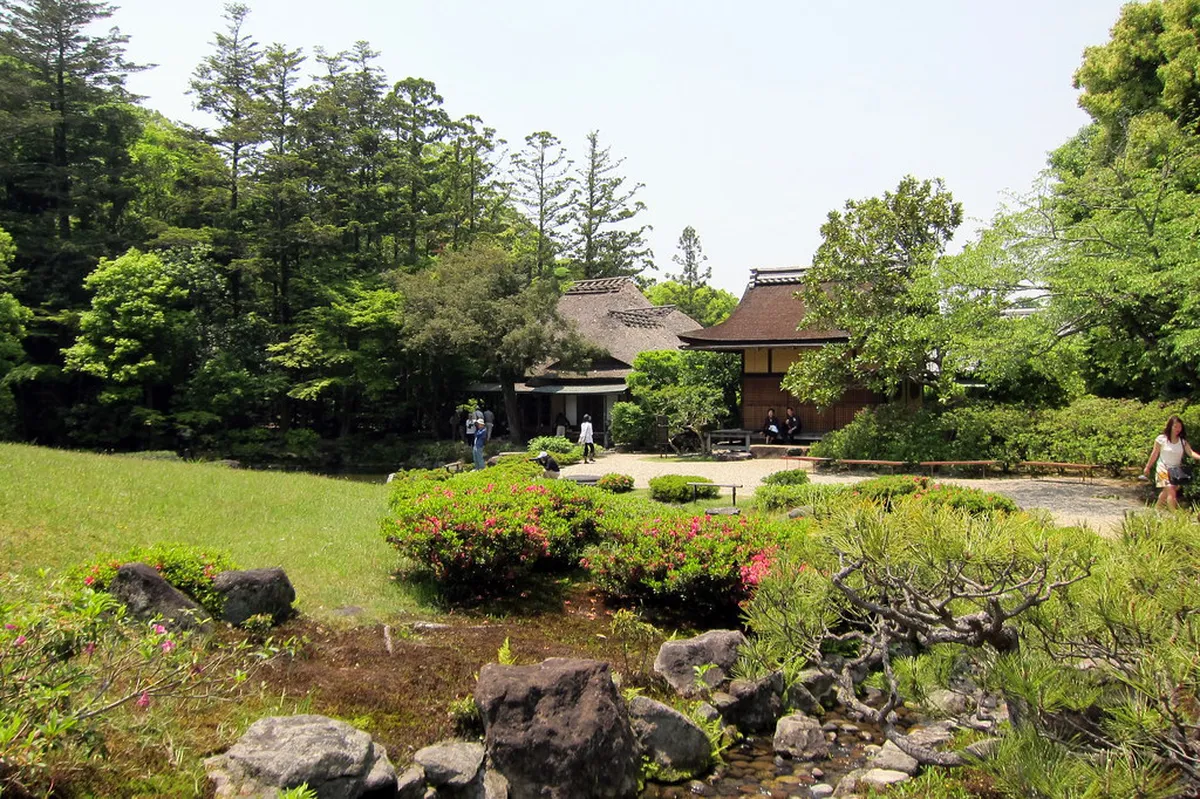
Isuien Garden is the most natural outdoor pairing because it sits close to the museum and gives you a calmer landscape after the main park paths. Use an Isuien Garden Visiting Guide if you want to time the borrowed scenery views of Mount Wakakusa instead of simply walking past the entrance.
In spring, the area around the museum works well for cherry blossom walks without committing to a long hike. In autumn, the trees near the park, gardens, and temple approaches give you enough color that the museum can become a useful weatherproof pause between outdoor stops.
Family-Friendly and Budget-Friendly Options in Nara
Regular adult admission to the permanent collection is ¥700 (¥350 for college students). Visitors aged 18 or younger, those aged 70 or older, and eligible disability certificate holders enter the permanent collection free.
The permanent collection is one of the better-value paid stops in central Nara. Regular admission is 700 yen for adults and 350 yen for college students with ID, while visitors aged 18 or younger, high school students and below, people aged 70 or older with proof, and eligible disability certificate holders can enter the permanent collection free.
| Visitor type | Permanent collection fee |
|---|---|
| Adult | ¥700 |
| College student (with ID) | ¥350 |
| High school age and below | Free |
| Age 70 or older (with proof) | Free |
| Eligible disability certificate holders | Free |
Families should treat the sculpture hall as a focused 45- to 75-minute stop rather than forcing children through every case. The museum becomes much easier with kids if you split the day into short bursts: deer and park walk, one museum wing, lunch or cafe break, then Todai-ji or a garden.
There are also budget levers that visitors often miss. Adults accompanying children under 18 can receive a small permanent-collection discount for up to two adults per child, and late-hour discounts may apply after 17:00 on extended-opening days. Special exhibitions set separate fees, so do not assume a discount for the regular collection covers the whole museum.
How to Plan a Smooth Nara Attractions Day
The museum is closed on most Mondays and from December 28 through January 1. During the annual Shoso-in autumn exhibition, timed-entry tickets sell out quickly — confirm dates and book ahead on the official museum site.
A smooth Nara day depends on sequencing more than speed. The museum is closed on most Mondays and from December 28 through January 1, with holiday exceptions, so check the date before building the rest of your route around it.
For a first visit, a practical order is Kofuku-ji, Nara National Museum, lunch or cafe break, Todai-ji, then Isuien Garden or Kasuga Taisha depending on energy. A full Nara Itinerary for First-Timers helps if you need to choose between a museum-heavy day and a temple-heavy day.
Weekdays are easier, especially outside special exhibitions. If you are booking a private guide or packaged day trip, review the standard 旅行業約款 before paying so cancellation terms and included admissions are clear.
Allow about 90 minutes for the permanent collection, or 2 to 3 hours when a special exhibition is the main reason for visiting. Add more time during Shoso-in season, festival evenings, rainy weekends, and school trip periods.
Facility Overview and Access
The address is 50 Nobori-oji-cho, Nara, and the access decision is simple: walk from Kintetsu Nara Station if you are comfortable with 15 minutes on foot, or use the bus if you are coming from JR Nara Station, traveling with children, or saving energy for Todai-ji and Kasuga Taisha.
From Kintetsu Nara Station, walk east along Nobori-oji Street. From JR Nara Station, the city loop bus is usually easier than walking the full distance, especially in summer humidity or with luggage. The closest stop is Himuro Shrine/National Museum, roughly a few minutes from the entrance.
The Nara Transportation Guide: 8 Essential Ways to Get Around is useful if you are deciding between the loop bus, Gurutto Bus, and walking route. Parking is not provided for regular museum visitors, so drivers should use nearby tourist parking lots and expect limited convenience during festivals.
Kintetsu Nara Station works best for walkers combining Kofuku-ji, the museum, and Nara Park. JR Nara Station works better with the city loop bus if the museum is your first stop.
Information & Guidance System
The guidance system is stronger than many small museum pages suggest. Major titles are often presented in Japanese, English, Chinese, and Korean, and audio guide support is available for regular exhibitions in several languages. Special exhibitions may have a narrower language range, so check before assuming full multilingual coverage.
Volunteer guidance is most useful for orientation rather than a full art-history lecture. Ask where to begin, which wing is open that day, where the accessible route connects, and whether the sculpture hall or special exhibition has temporary crowd controls.
International visitors should not rush past the entrance maps. The museum is spread across multiple buildings and connected spaces, and a two-minute map check can prevent backtracking between the sculpture hall, new wings, underground passage, cafe, restrooms, and exits toward Todai-ji.
Nara National Museum
Nara National Museum is one of Japan's oldest national museums and operates under the National Institutes for Cultural Heritage, with collections still closely tied to the temples around it. The collection is not broad in a generic sense; its strength is Buddhist sculpture, ritual bronzes, paintings, sutras, and related works that explain Nara's religious history.
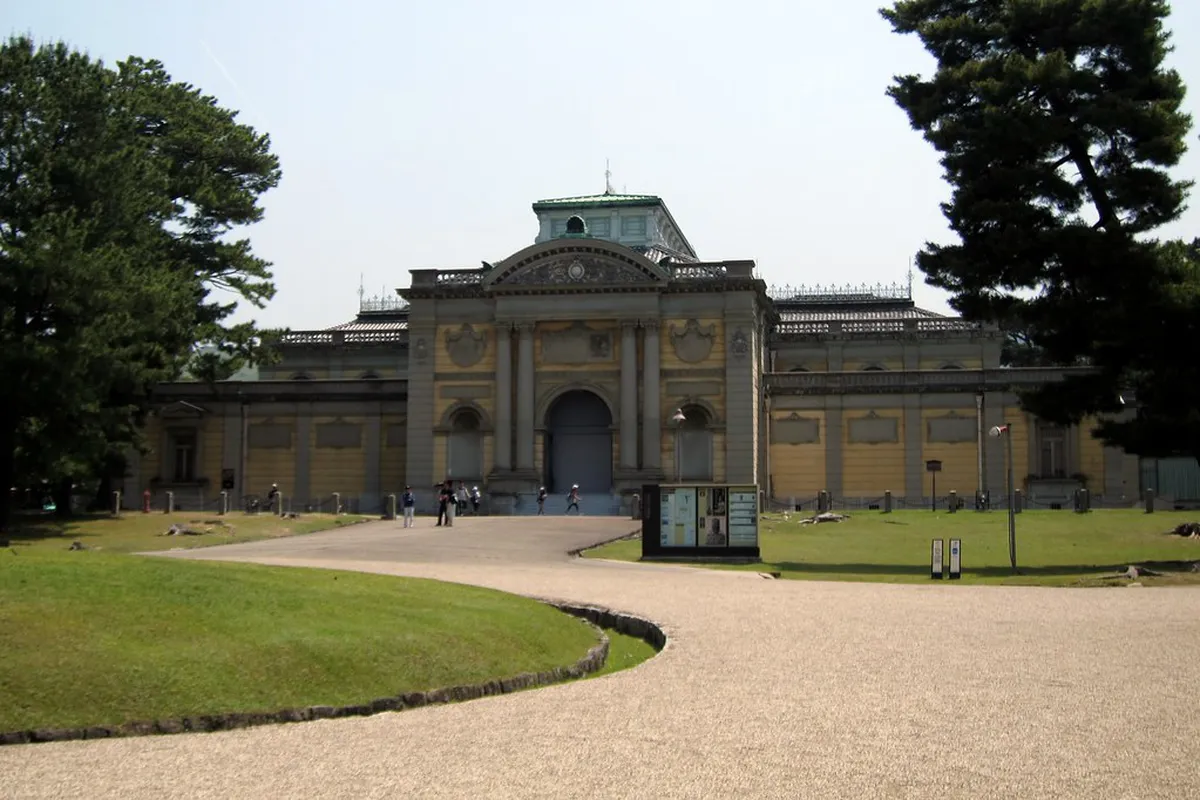
The original building, designed in the Meiji period, is an Important Cultural Property and deserves a short exterior look even if your main target is the galleries. The newer wings handle larger and rotating exhibitions, while the sculpture hall remains the most reliable stop for first-time visitors.
The Shoso-in Autumn Exhibition Visiting Guide matters because that event changes crowd behavior. Timed tickets, longer lines, and a more compressed route are common around major treasure exhibitions, while ordinary permanent-collection days feel much calmer.
Overall Site View
The official site view breaks the museum into four main exhibition areas: the Nara Buddhist Sculpture Hall, the Ritual Bronzes Gallery, and the East and West New Wings. The Buddhist Art Library is a separate research-oriented facility with books, photos, and Buddhist-related archives.
For a normal traveler, the key is not to see every label on the map. Start with the sculpture hall, add the bronzes if open, then decide whether the New Wings justify the extra time based on the current exhibition. This avoids the common mistake of spending too much energy on circulation before reaching the best works.
The underground connection is useful in bad weather and for moving between wings without returning to the park paths. It is also where several practical services cluster, so keep it in mind for restrooms, cafe access, and accessible movement through the facility.
Walkways & Stairways in Facility
Inside the main visitor areas, walkways are generally smooth and wide enough for slow viewing, strollers, and wheelchairs. The practical challenge is not the gallery floor itself, but the transitions between old and new buildings, underground corridors, and any temporary routes used for special exhibitions.
There are stairs in the facility, and some garden or special-access areas may not be realistic without a caregiver for wheelchair users. If step-free movement matters, ask staff for the accessible route before entering the first gallery rather than waiting until you reach a blocked transition.
The best pacing strategy is to treat the museum as a loop with planned pauses. Use the sculpture hall first, rest in the underground area or cafe, then continue to the New Wings if the exhibition is worth the extra walking.
Wheelchair Access, Elevators, and Rest Stops
The strongest under-reported detail is accessibility planning. Competitor pages mention wheelchair access, but the decision point is more specific: the museum is suitable for many wheelchair users, yet not every adjoining garden or special route is equally easy.
Wheelchair rental is available in limited numbers, and the facility has an elevator for visitors with disabilities. The competitor access data notes no escalators, so do not plan on escalators as the fallback between levels. If elevators are essential, confirm the route with staff on arrival.
Accessible restrooms are available in the underground corridor, with sliding-door access and enough interior room for many wheelchair users. The cafe in the underground area is useful because it gives tired travelers, caregivers, and families a seated break without leaving the museum campus.
Wheelchair users should use the Himuro Shrine/National Museum bus stop when possible, then ask staff for the current step-free route. Families should bring their own stroller if a child will need one after walking Nara Park.
Frequently Asked Questions
Which nara national museum guide options fit first-time visitors?
First-time visitors should prioritize the Nara Buddhist Sculpture Hall for its impressive permanent collection. Renting an English audio guide is highly recommended to understand the historical context. Check the Nara weather and best time to visit to plan your trip during the most comfortable seasons.
How much time should you plan for a museum visit?
You should plan to spend at least two to three hours exploring the main galleries and special exhibitions. If you are an art enthusiast, you may want to allow for half a day to fully appreciate the details. This timeframe allows for a relaxed pace without feeling rushed through the halls.
What should travelers avoid when planning a visit?
Avoid visiting on Mondays when the museum is typically closed to the public for weekly maintenance. You should also try to avoid the peak hours of 11:00 AM to 2:00 PM when tour groups are most active. Planning around these times ensures a much quieter and more personal viewing experience.
Combine this with our main Nara attractions guide for a fuller itinerary.
Nara National Museum is an essential stop for anyone wishing to understand the artistic and spiritual heart of ancient Japan.
The combination of world-class art and beautiful park surroundings makes for a truly memorable cultural experience in the city.
By following this guide, you can ensure a smooth and insightful visit to one of the most important museums in the country.
Take your time to soak in the history and beauty that this unique institution offers to every visitor who walks through its doors.
Free: The Nara Essentials guide
Top things to do, where to stay, a perfect day plan, getting around, and the best time to go — a Nara mini-guide you can take offline.
You might also like


Continue reading
More guides you'll find useful


